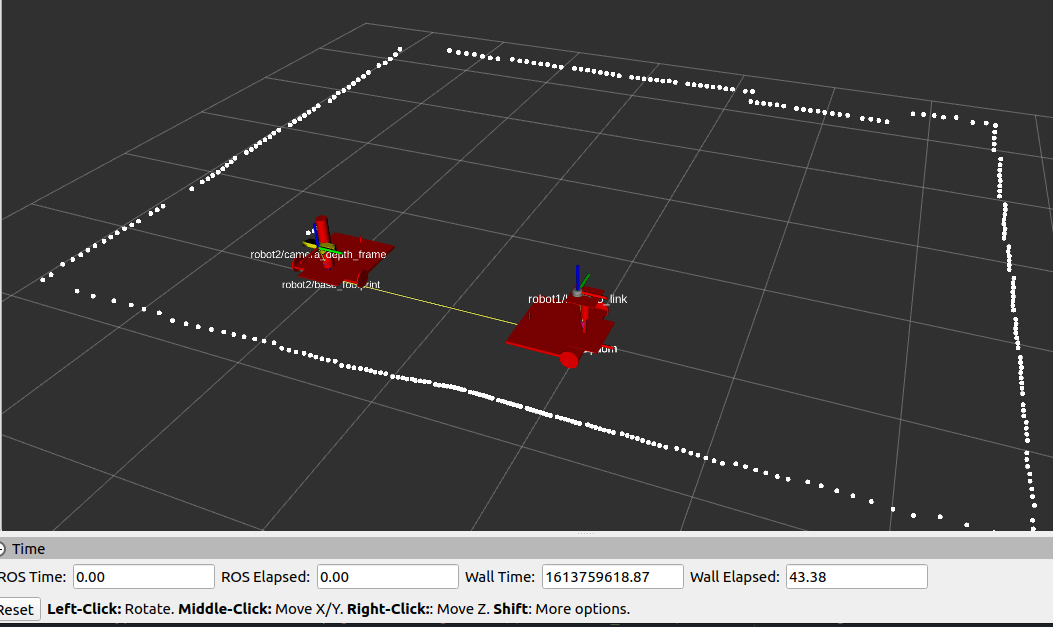
A distributed EKF framework tracks multiple robots in GPS-denied spaces using LiDAR, event-triggered messaging, and dual static-plus-dynamic landmarks.
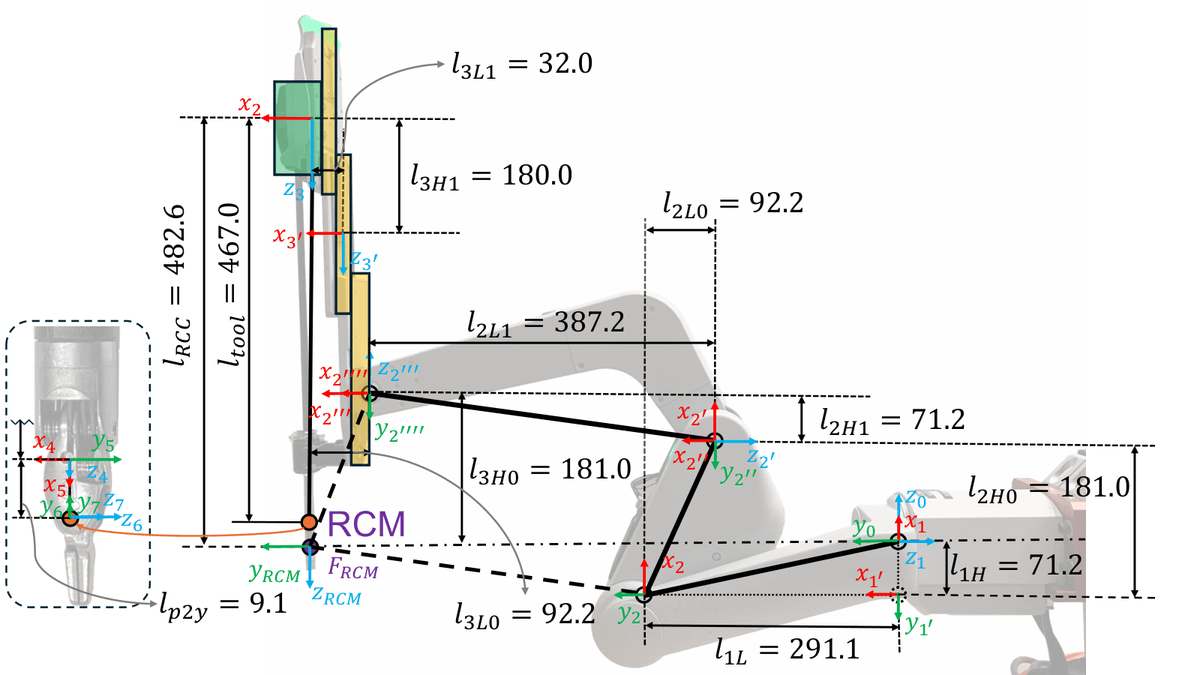
A new kinematic and dynamic model plus open-source pipeline cuts steady-state drift on the next-generation da Vinci research platform by up to 84 percent.
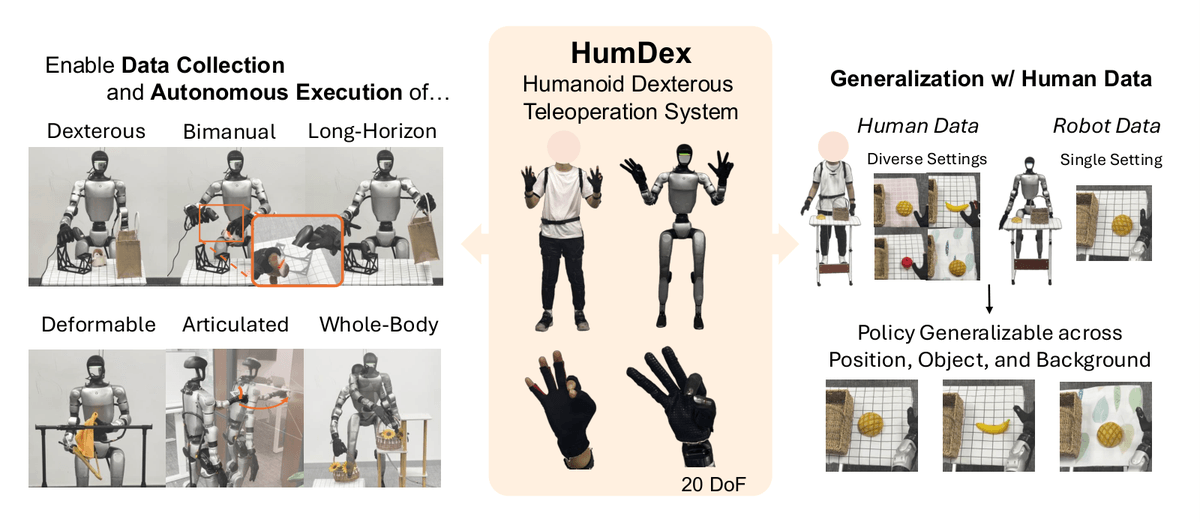
A portable IMU-based teleoperation rig plus two-stage imitation learning lets a Unitree G1 handle whole-body dexterous tasks like scanning barcodes and hanging towels.
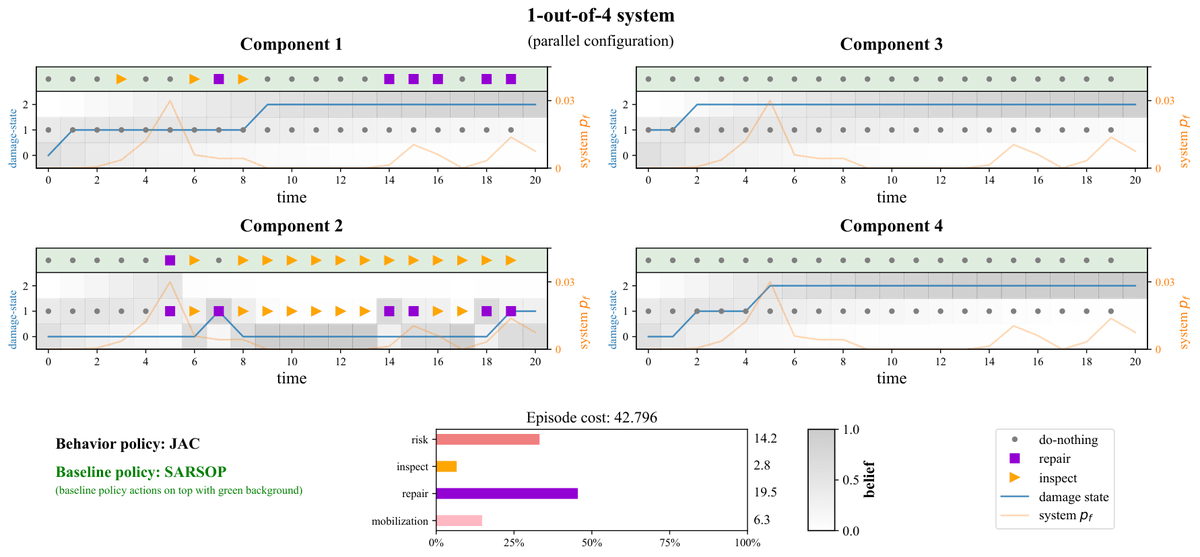
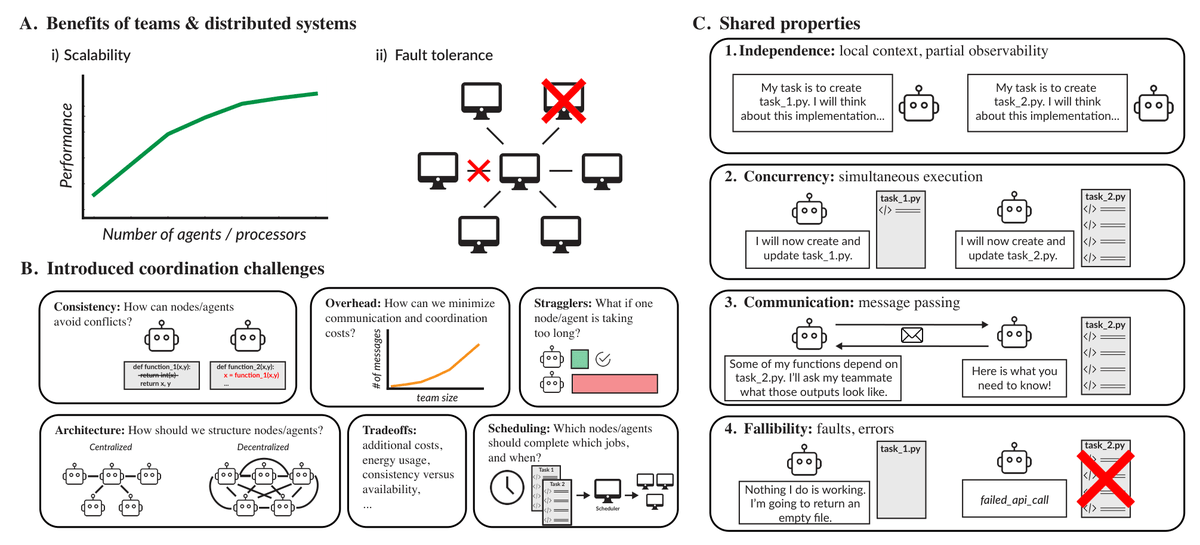
A new benchmark quantifies exactly how much reward multi-agent reinforcement learning loses when redundancy in engineering systems forces agents to coordinate.
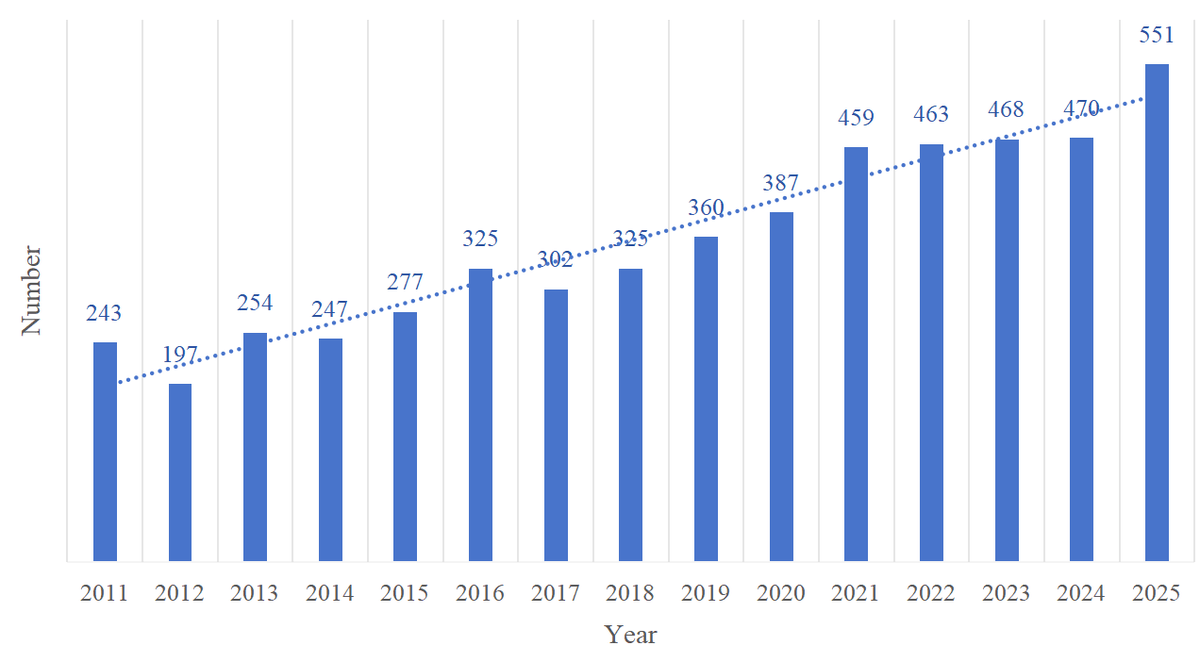
A new arxiv review maps how large language models are finally pushing silent speech decoders across the word error rate threshold needed for real deployments.
A comparative study finds expert-corrected phoneme alignments come closest to matching a raw acoustic baseline when reconstructing vocal tract shape from speech.
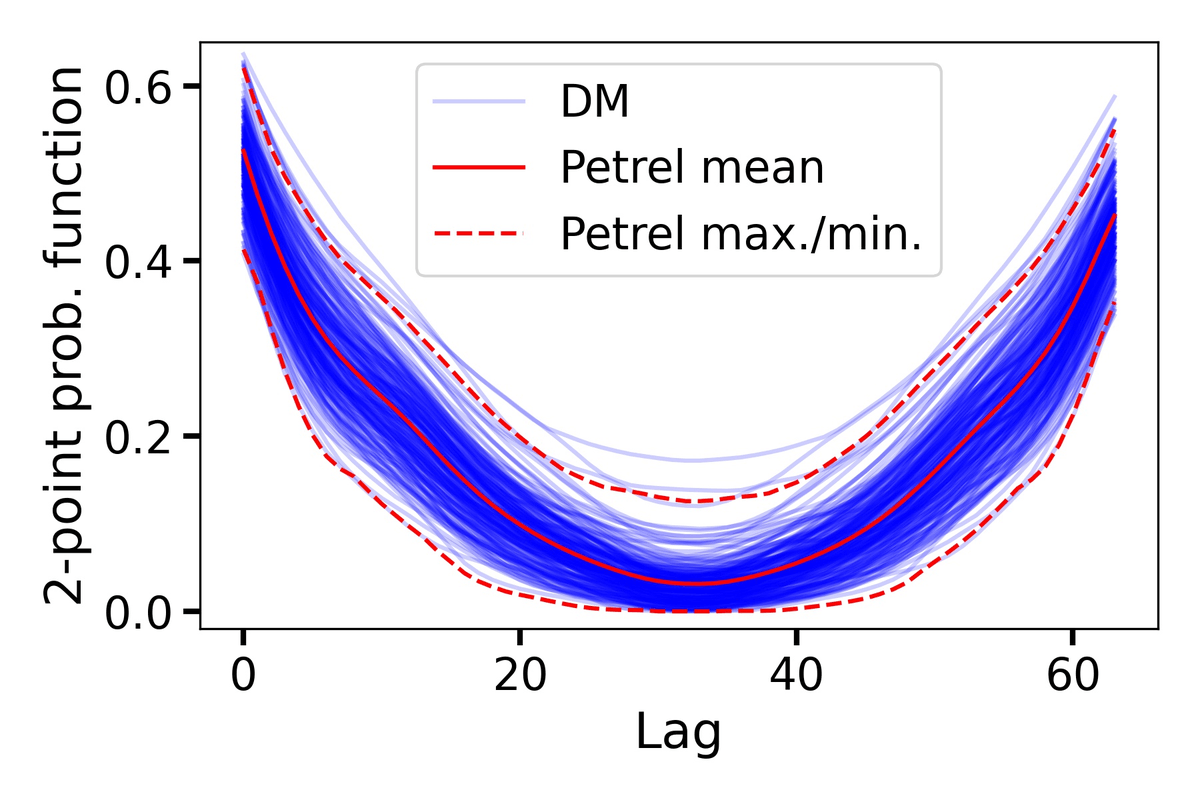
Stanford researchers adapt Stable Diffusion's core architecture to compress oil reservoir models into 64 variables, enabling fast history matching that would otherwise be intractable.
A new theoretical result shows when expert-provided summary graphs guarantee that causal discovery algorithms will orient time series edges before running them.