
Pro
EPFL's Bird-Inspired Drone Folds Its Wings to Slip Through Tight Gaps
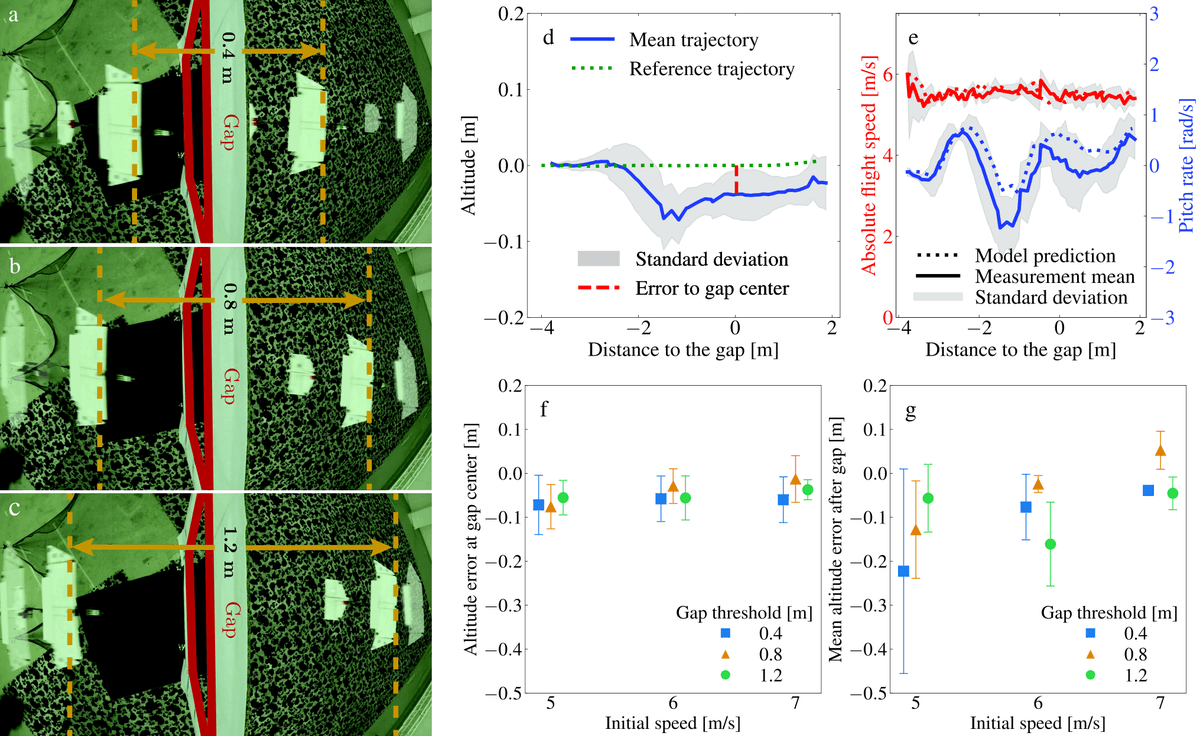
EPFL researchers built a 130-gram drone that tucks its wings mid-flight to squeeze through openings narrower than its wingspan.
20 stories
EPFL researchers built a 130-gram drone that tucks its wings mid-flight to squeeze through openings narrower than its wingspan.
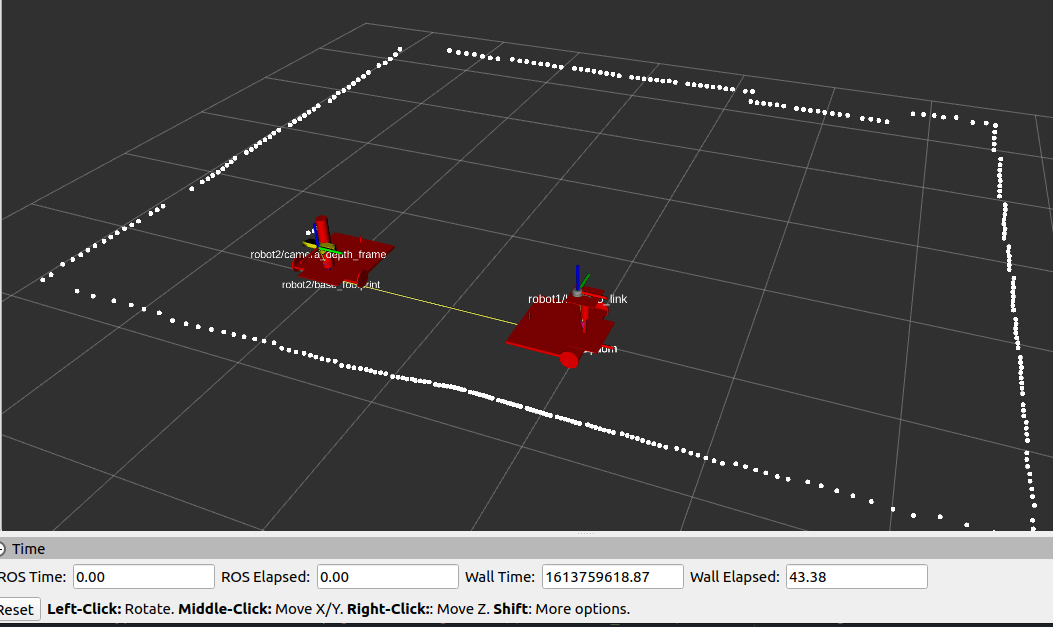
A distributed EKF framework tracks multiple robots in GPS-denied spaces using LiDAR, event-triggered messaging, and dual static-plus-dynamic landmarks.
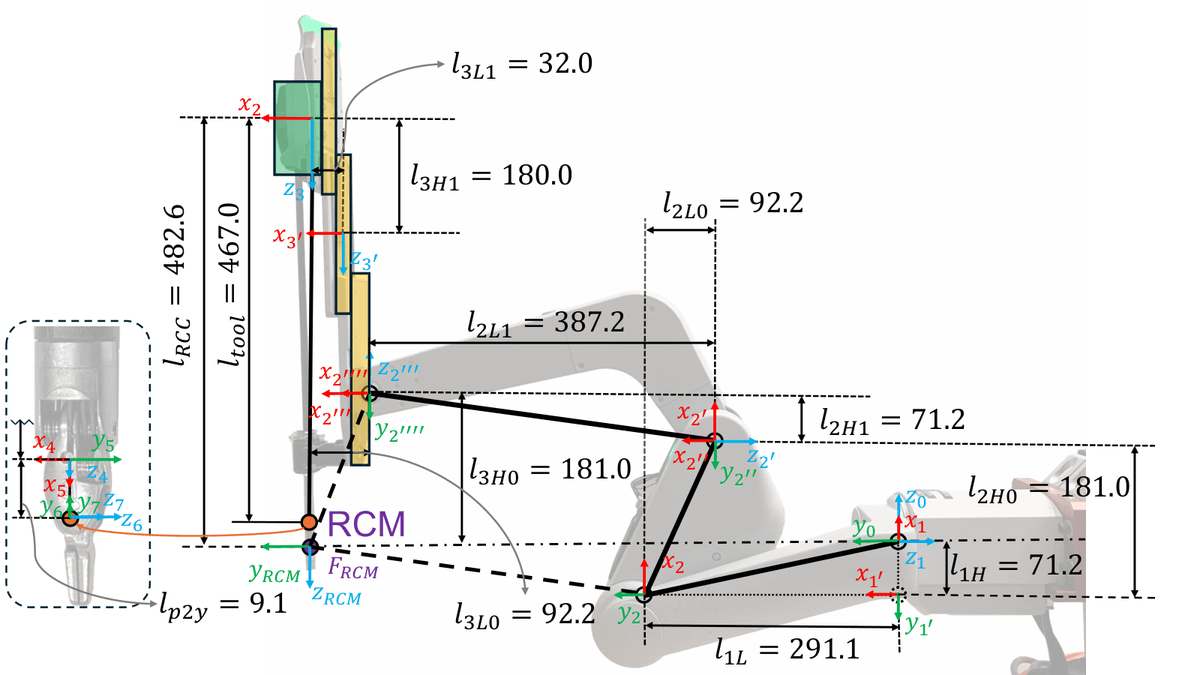
A new kinematic and dynamic model plus open-source pipeline cuts steady-state drift on the next-generation da Vinci research platform by up to 84 percent.
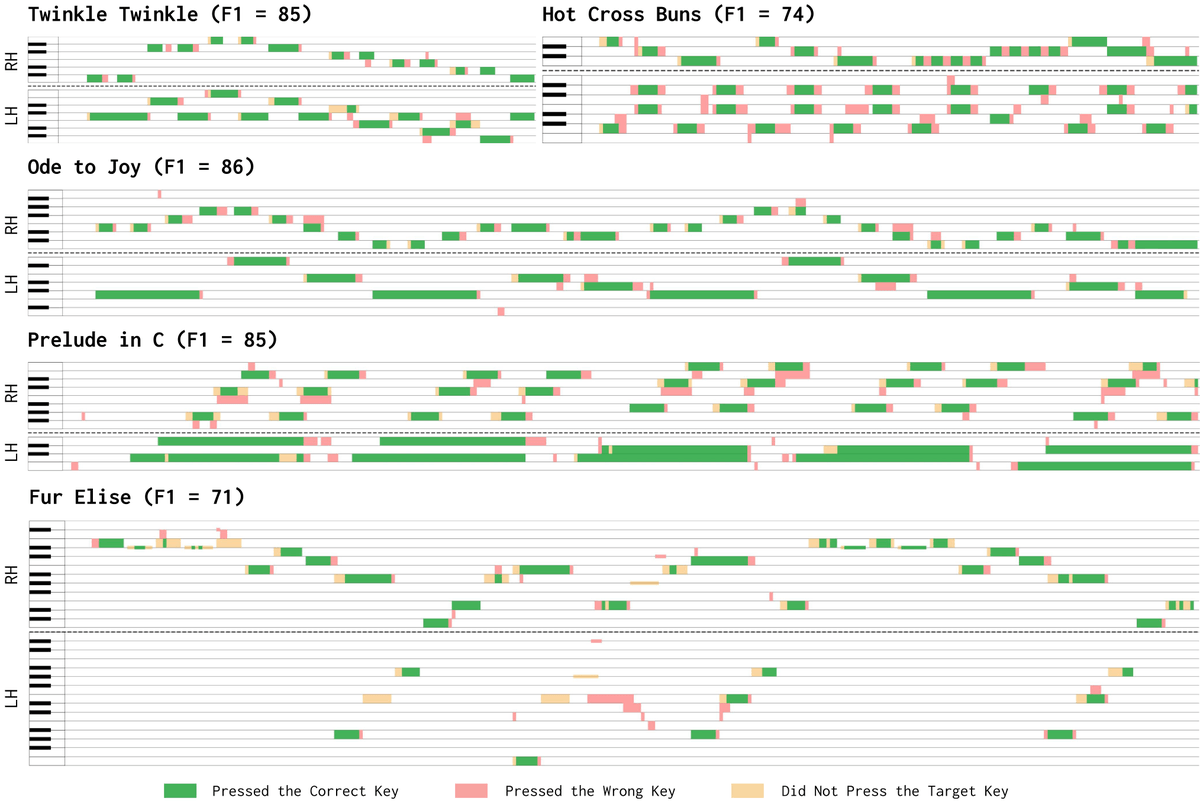
Stanford and Amazon researchers built the first two-handed robotic pianist by fusing simulation training with 30 minutes of real-world fine-tuning.
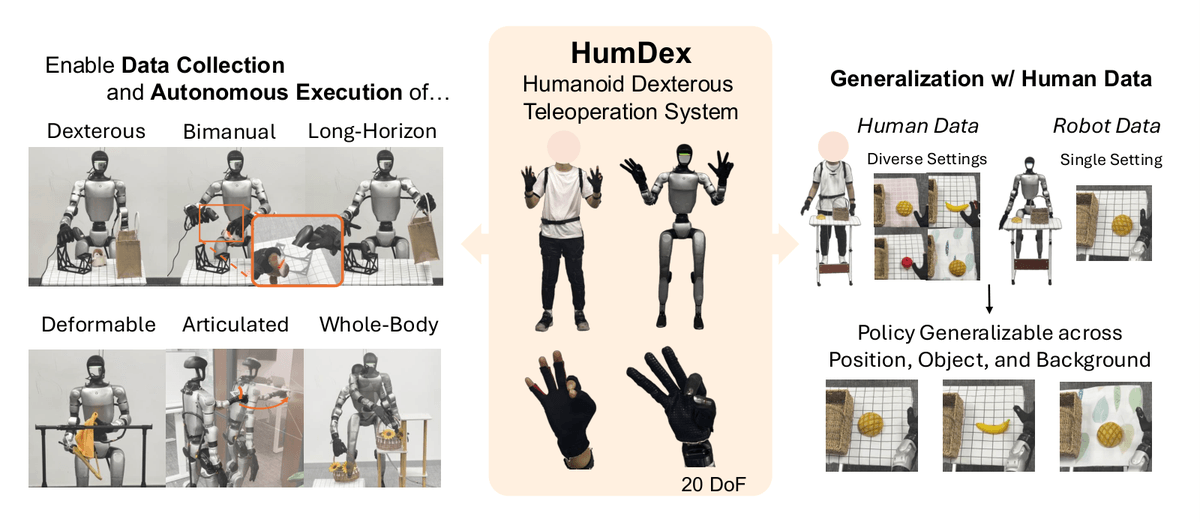
A portable IMU-based teleoperation rig plus two-stage imitation learning lets a Unitree G1 handle whole-body dexterous tasks like scanning barcodes and hanging towels.
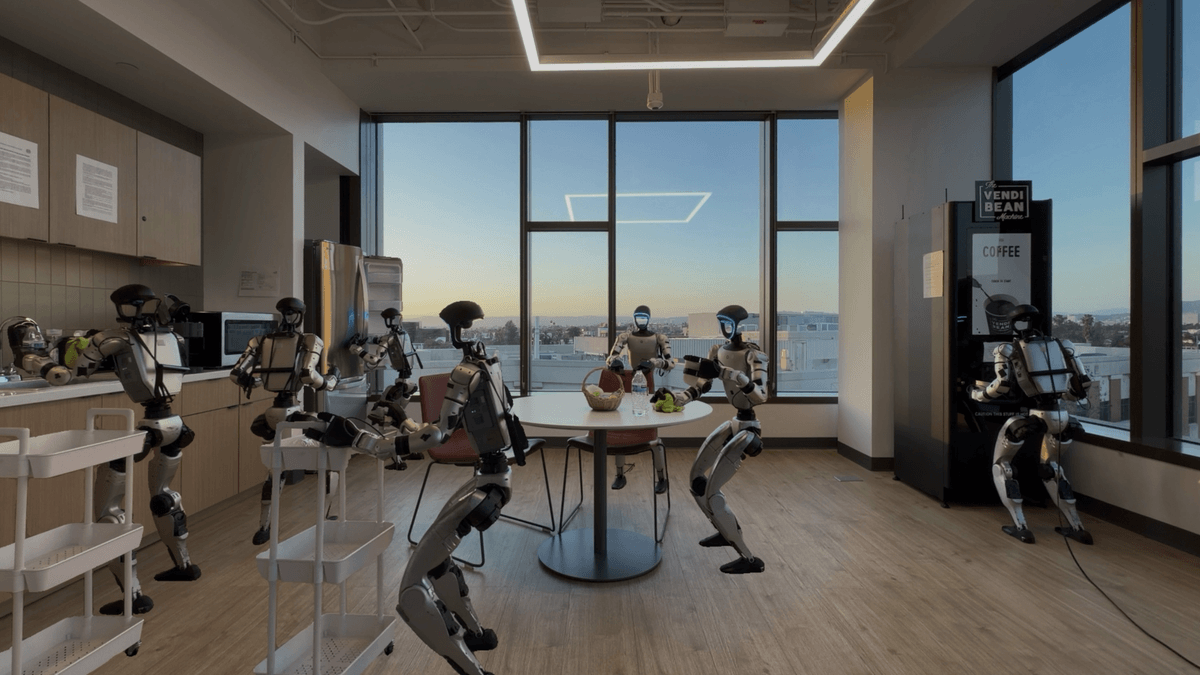
A staged training recipe uses 800 hours of human egocentric video and just 30 hours of robot data to beat much larger humanoid VLAs by 40%.
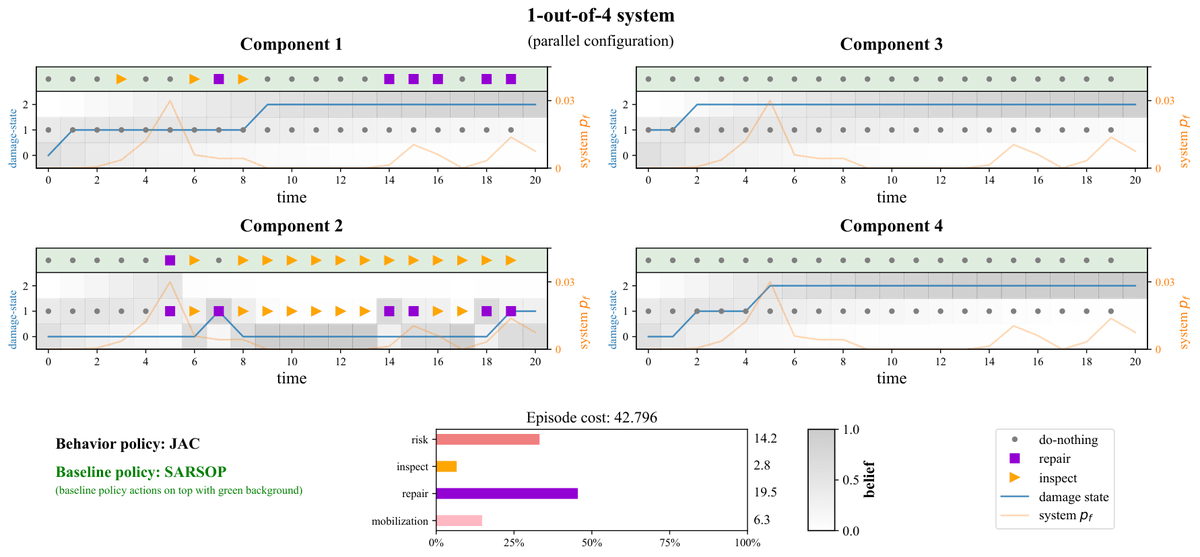
A new benchmark quantifies exactly how much reward multi-agent reinforcement learning loses when redundancy in engineering systems forces agents to coordinate.
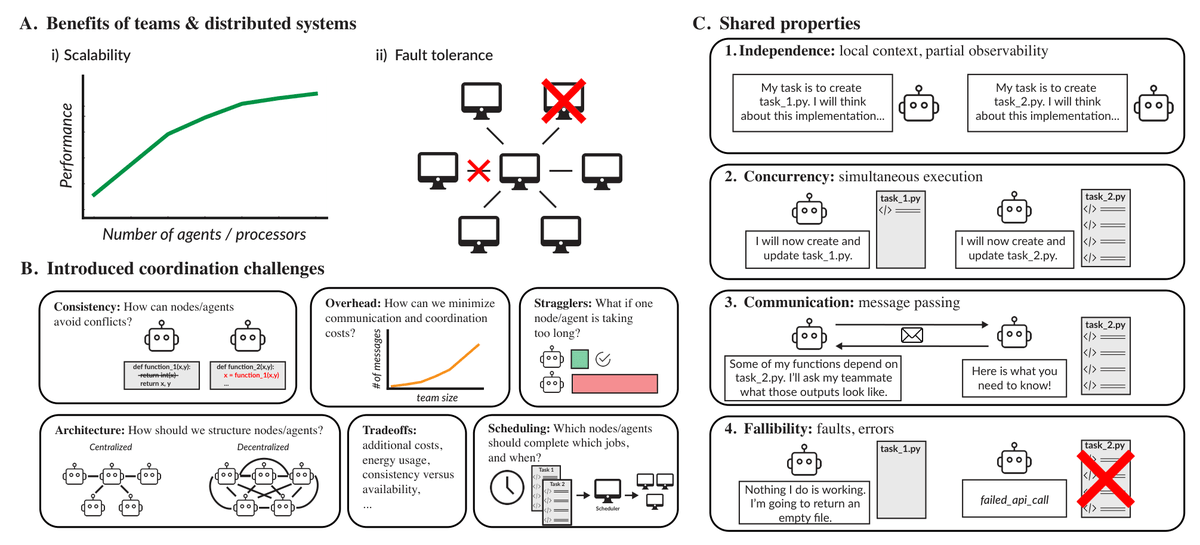
A new framework borrows decades of distributed computing theory to predict when multi-agent LLM systems actually help, and when they waste tokens.
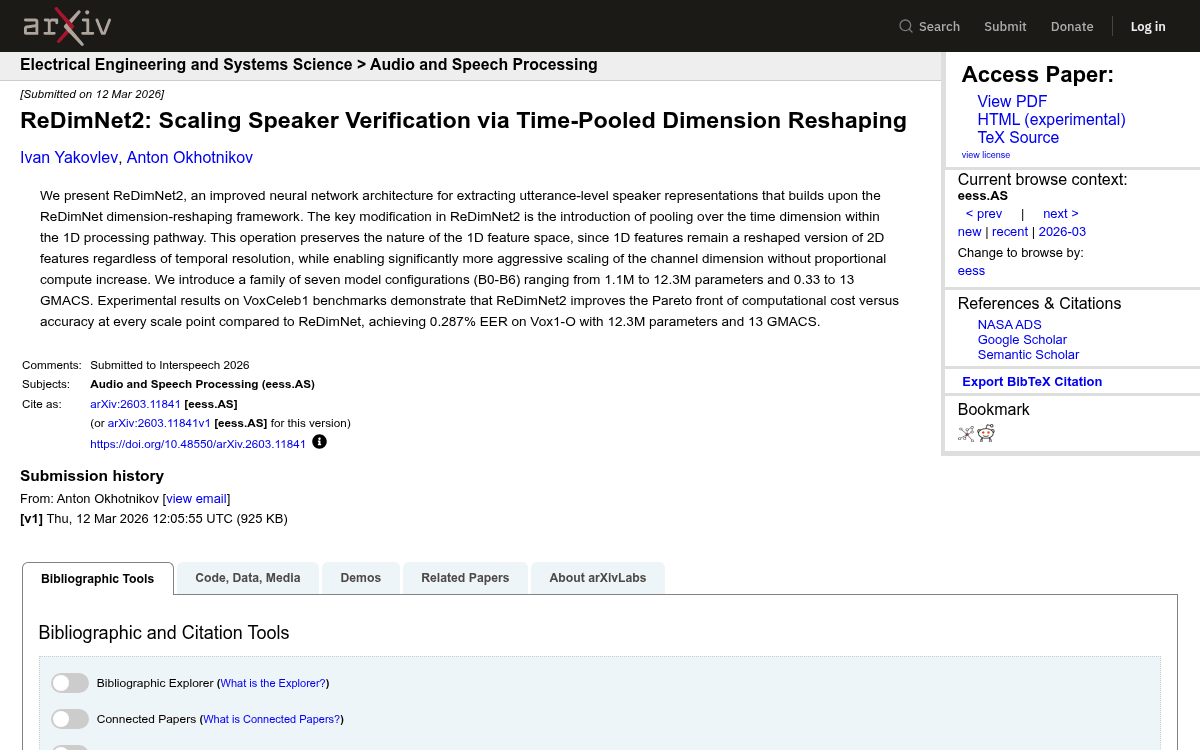
A single architectural tweak, pooling over time inside the 1D pathway, lets ReDimNet2 push speaker verification error to 0.29% EER on Vox1-O.
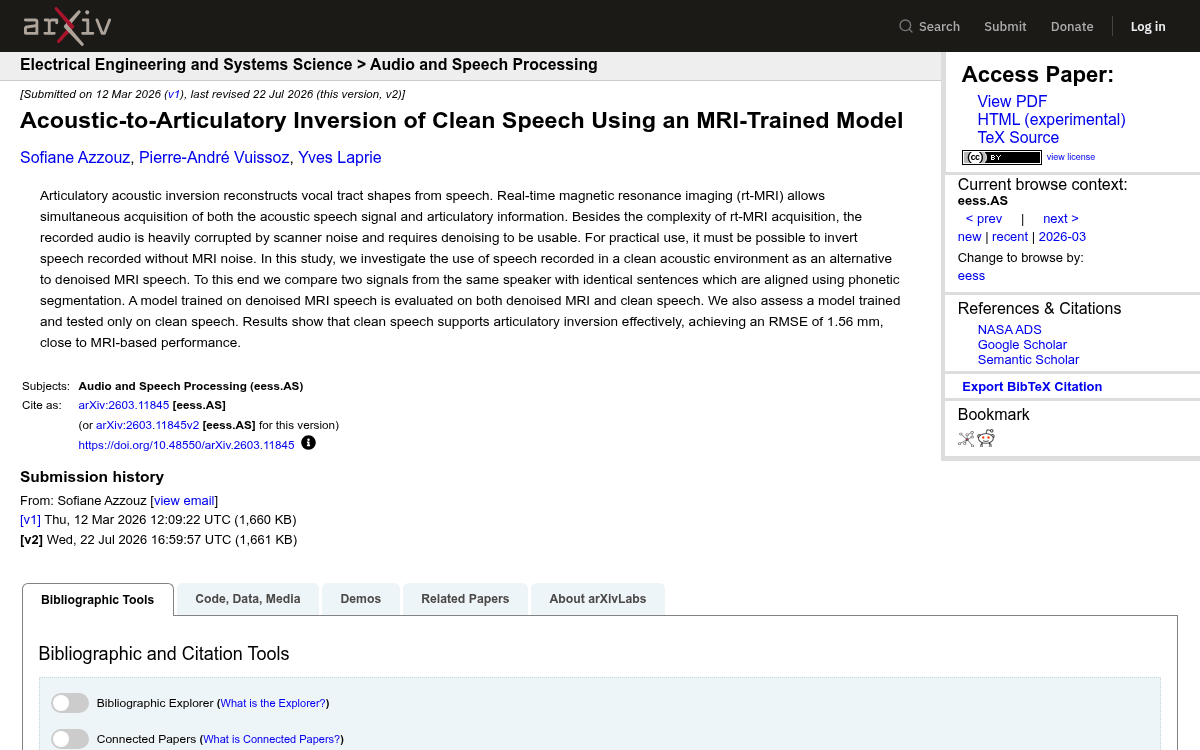
A model that maps speech to vocal tract shapes can now work on studio-quality audio, hitting 1.56 mm error without MRI noise.
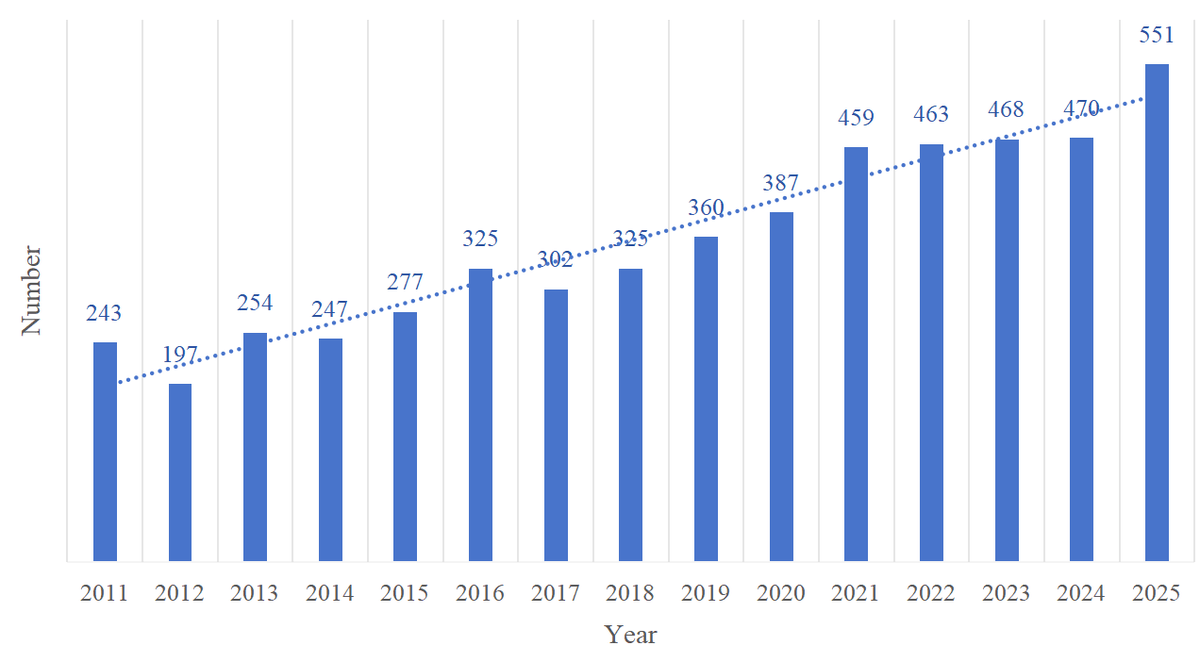
A new arxiv review maps how large language models are finally pushing silent speech decoders across the word error rate threshold needed for real deployments.
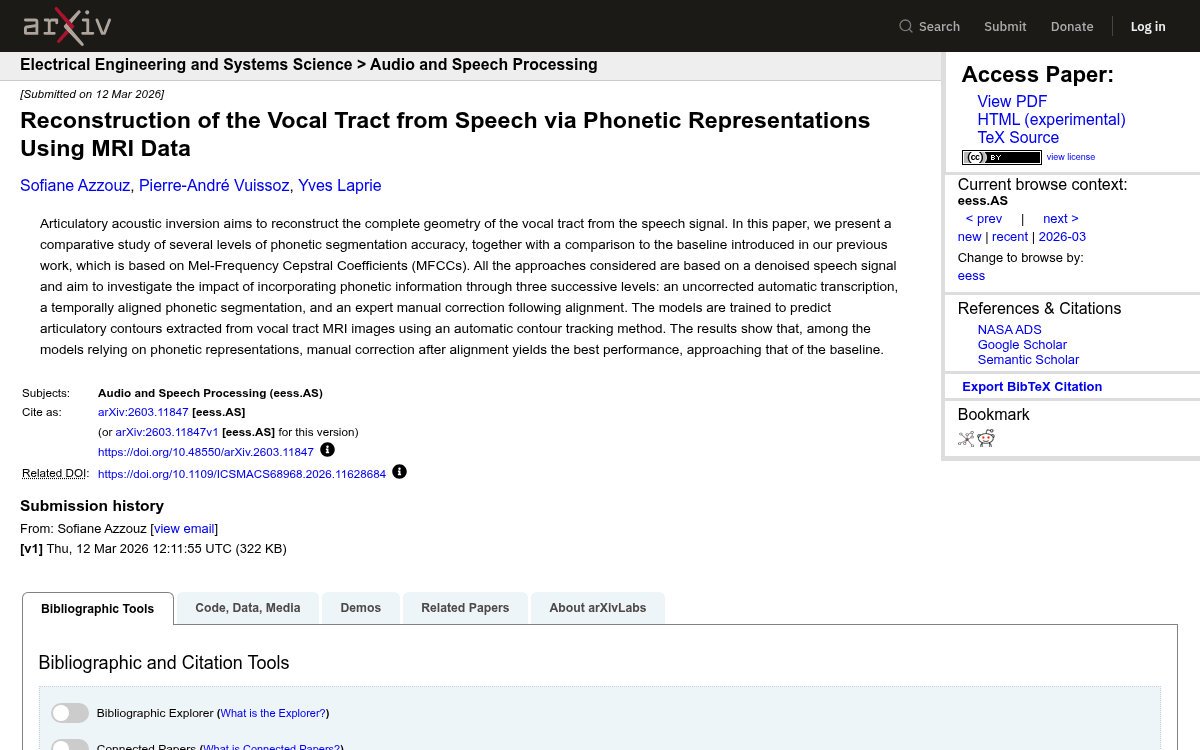
A comparative study finds expert-corrected phoneme alignments come closest to matching a raw acoustic baseline when reconstructing vocal tract shape from speech.
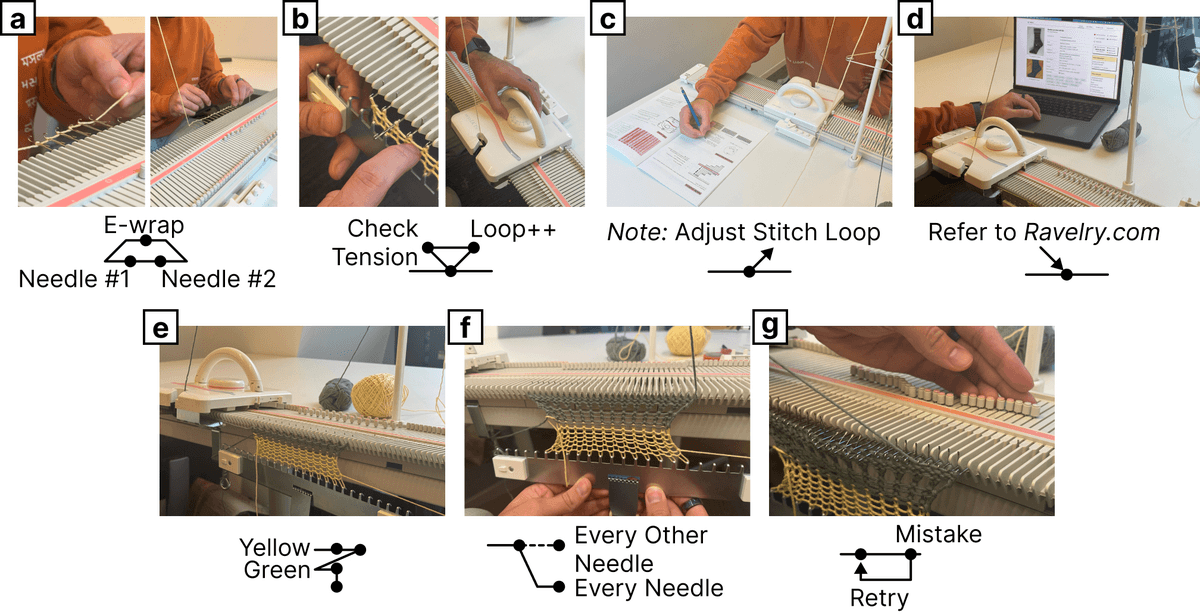
A Cornell Tech-led team proposes a seven-pattern grammar for documenting the tacit, improvisational side of craft that recipes and tutorials miss.
A study of 28 pathologists shows AI boosts diagnostic accuracy but nudges experts toward wrong answers 7% of the time, worse under time pressure.
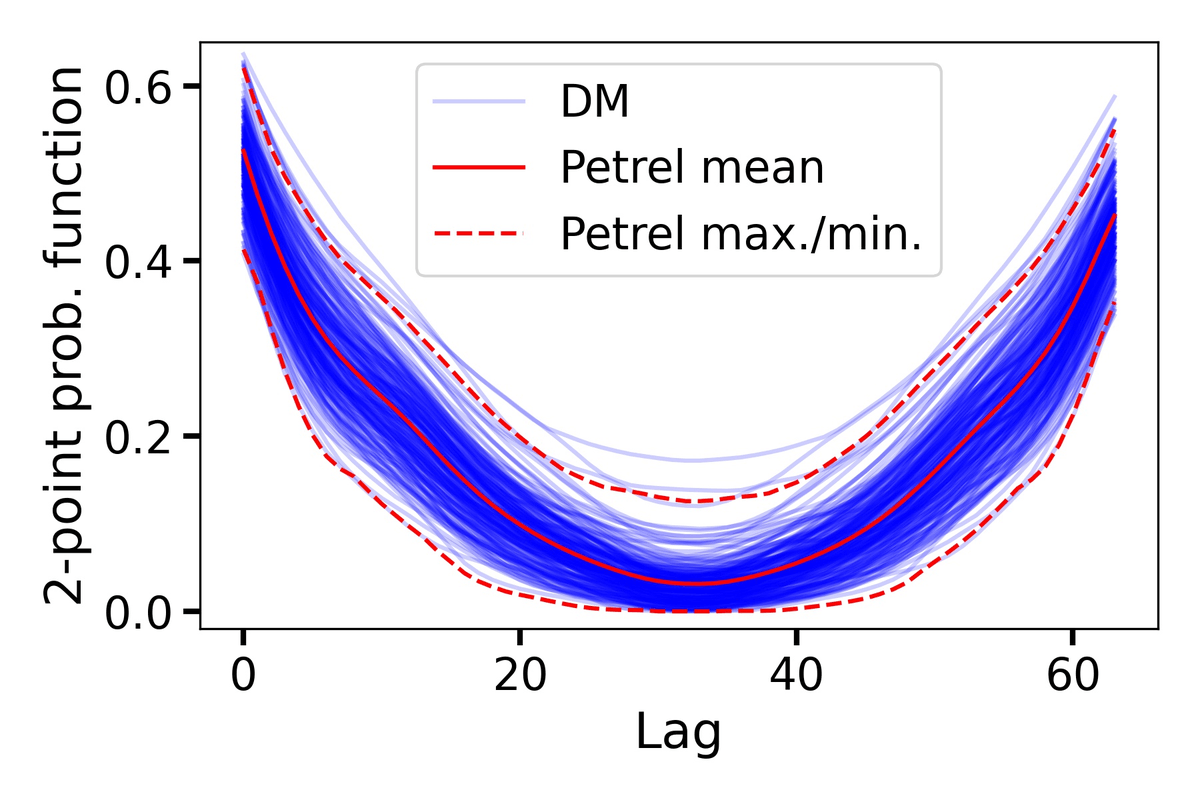
Stanford researchers adapt Stable Diffusion's core architecture to compress oil reservoir models into 64 variables, enabling fast history matching that would otherwise be intractable.

A single self-supervised model hits 85% accuracy on smartwatch and earbud gestures across sighted and blind users, using only 10% labeled data.
A simulated robot bumps into a see-through fence, then rewires its own causal graph to plan a detour instead of retrying.
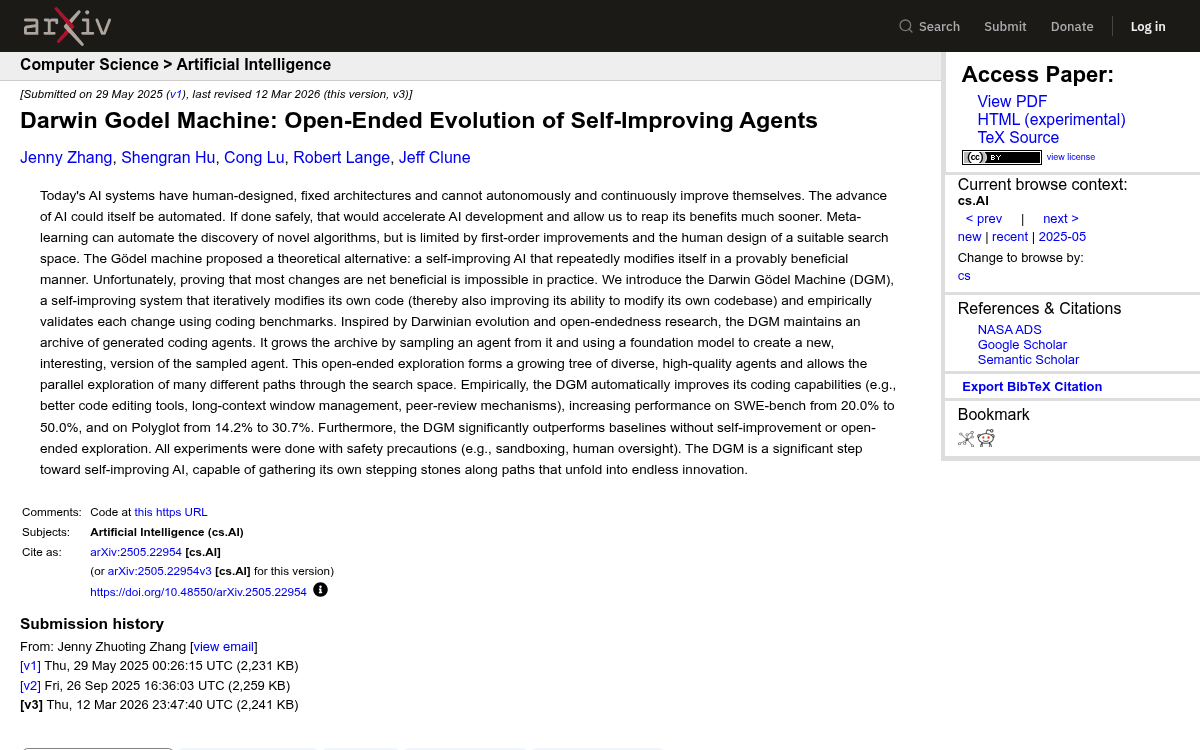
Sakana AI and UBC built a coding agent that rewrites its own Python codebase and doubled its own SWE-bench score without human help.
A team adapts Meta's V-JEPA to treat multi-channel EEG as video, beating LaBraM and setting a new bar on abnormal EEG classification.

A new theoretical result shows when expert-provided summary graphs guarantee that causal discovery algorithms will orient time series edges before running them.