
Pro
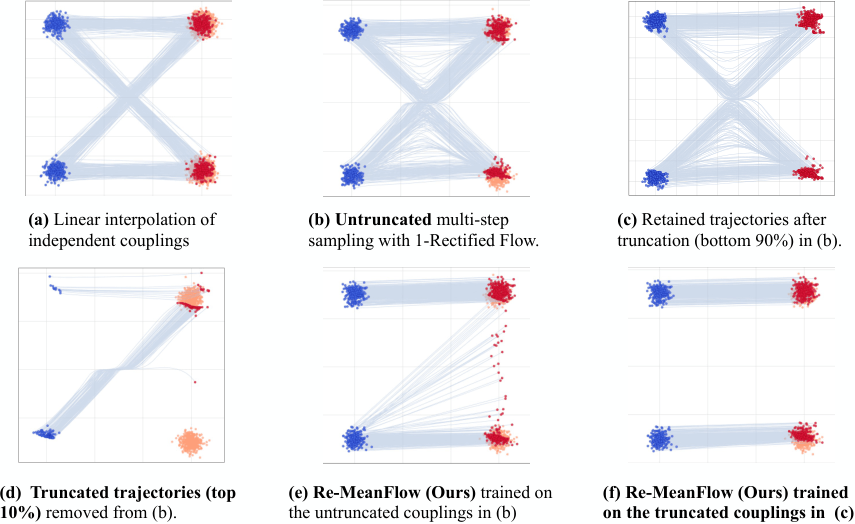
Rutgers' Re-MeanFlow Cuts One-Step Image Generation FID by 72% Faster
A new research paper combines Rectified Flow trajectory straightening with MeanFlow's average-velocity trick to hit 8.6 FID and 26x faster training.
20 stories
A new research paper combines Rectified Flow trajectory straightening with MeanFlow's average-velocity trick to hit 8.6 FID and 26x faster training.
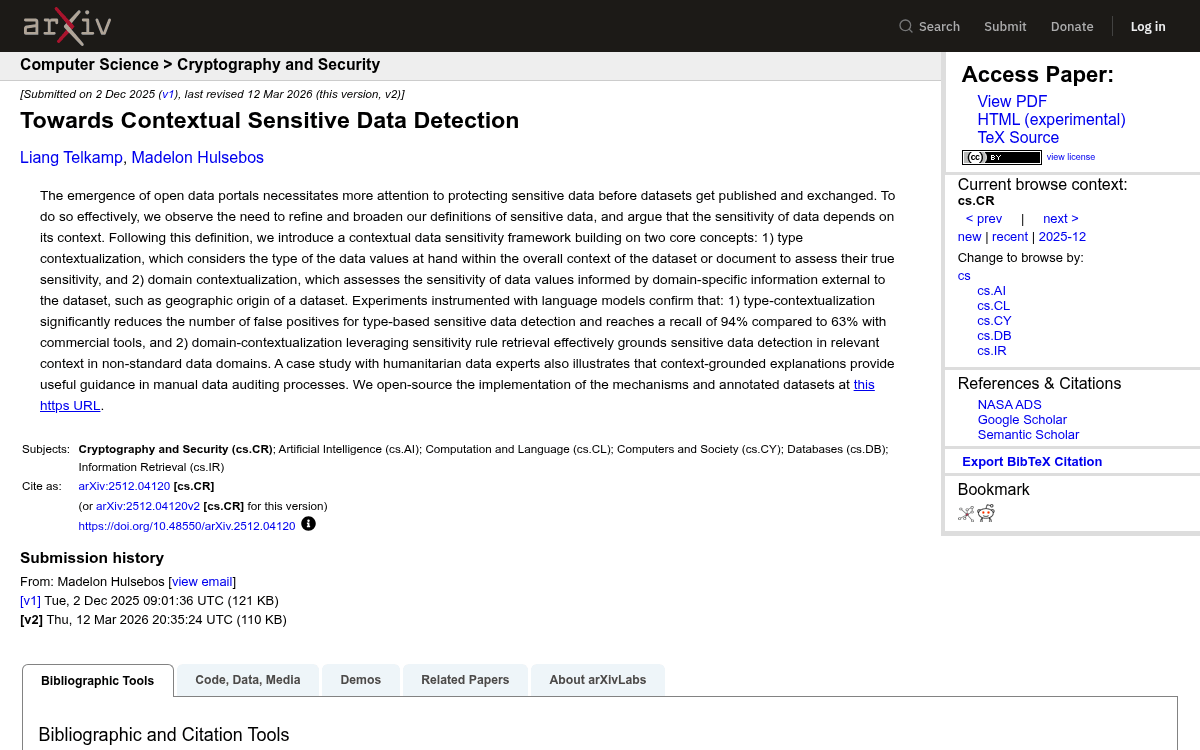
Researchers propose a two-stage framework that uses language models to judge whether flagged values are actually sensitive in context, hitting 94% recall versus 63% for commercial tools.
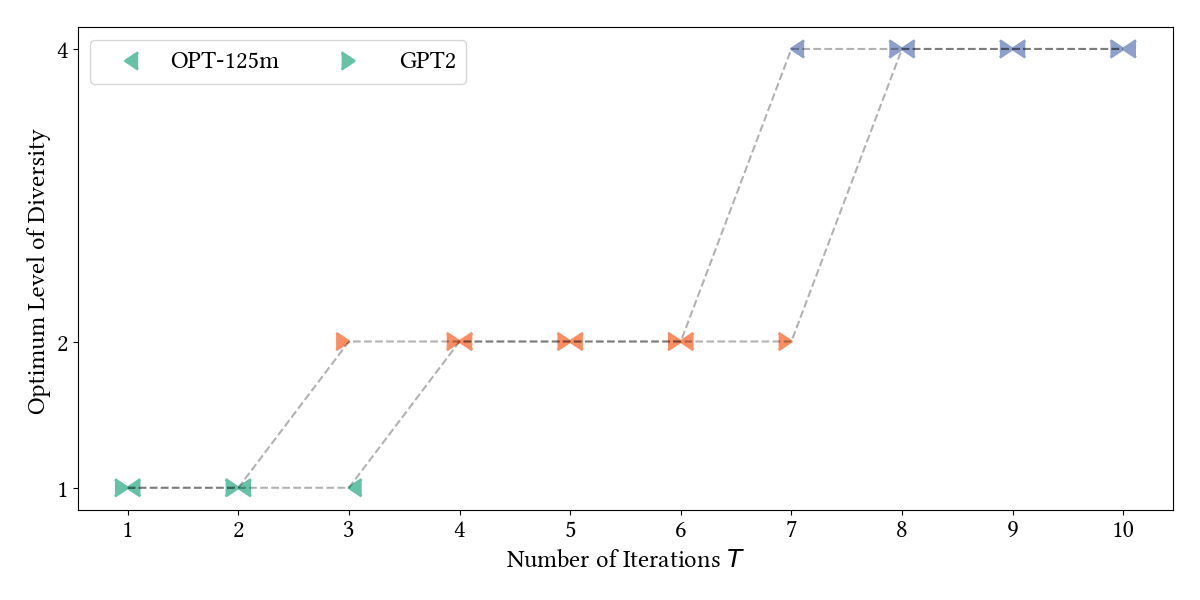
New research shows that segmenting training data across multiple models beats one giant model when synthetic outputs recycle through the pipeline.
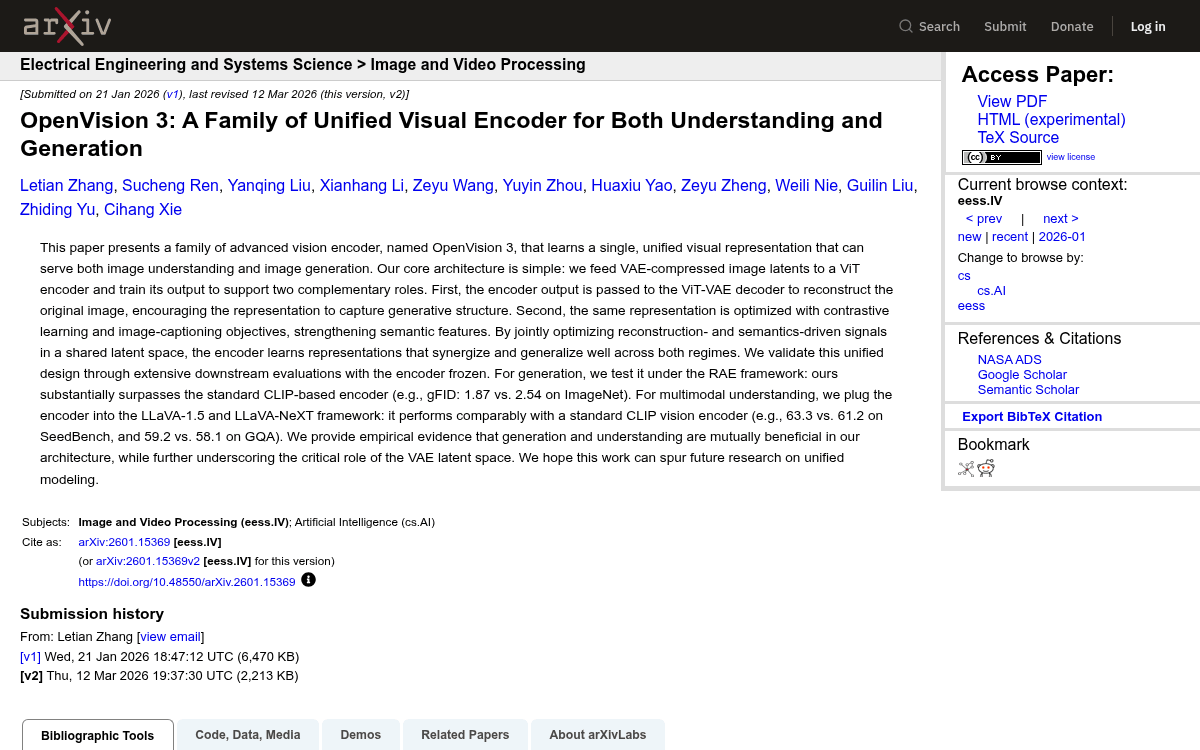
A joint team from UC Santa Cruz, JHU, and NVIDIA built a single vision encoder that handles both image understanding and generation, beating CLIP at both.
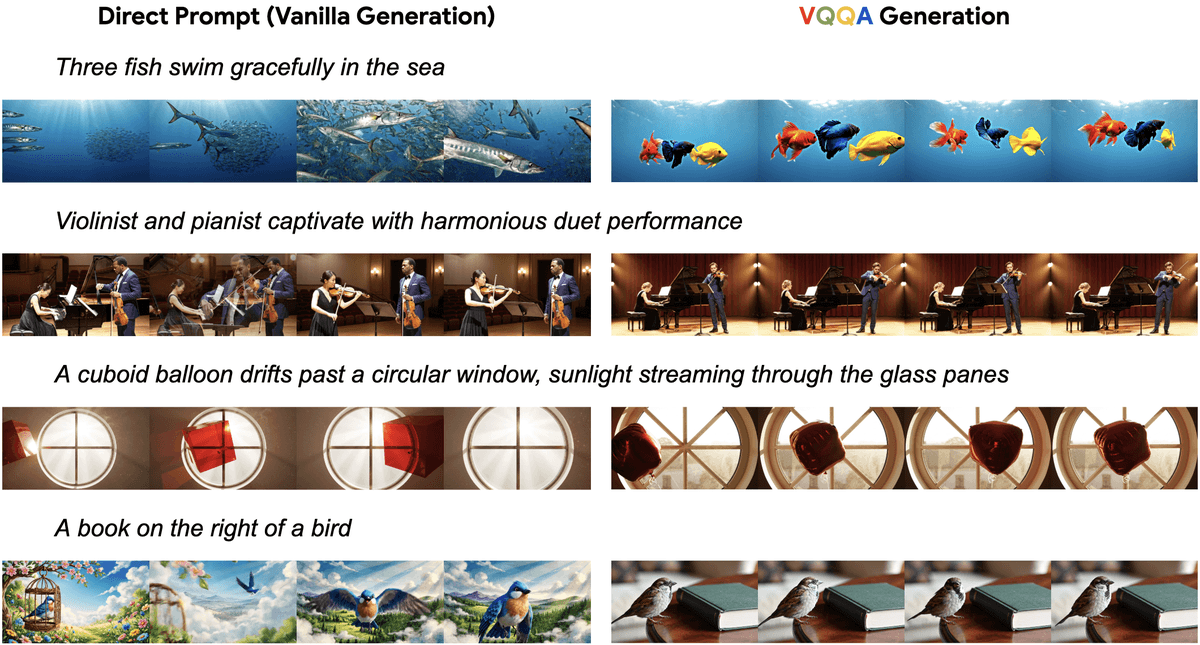
Google researchers turn vision-language critiques into semantic gradients, iteratively rewriting prompts to fix video artifacts without touching model weights.
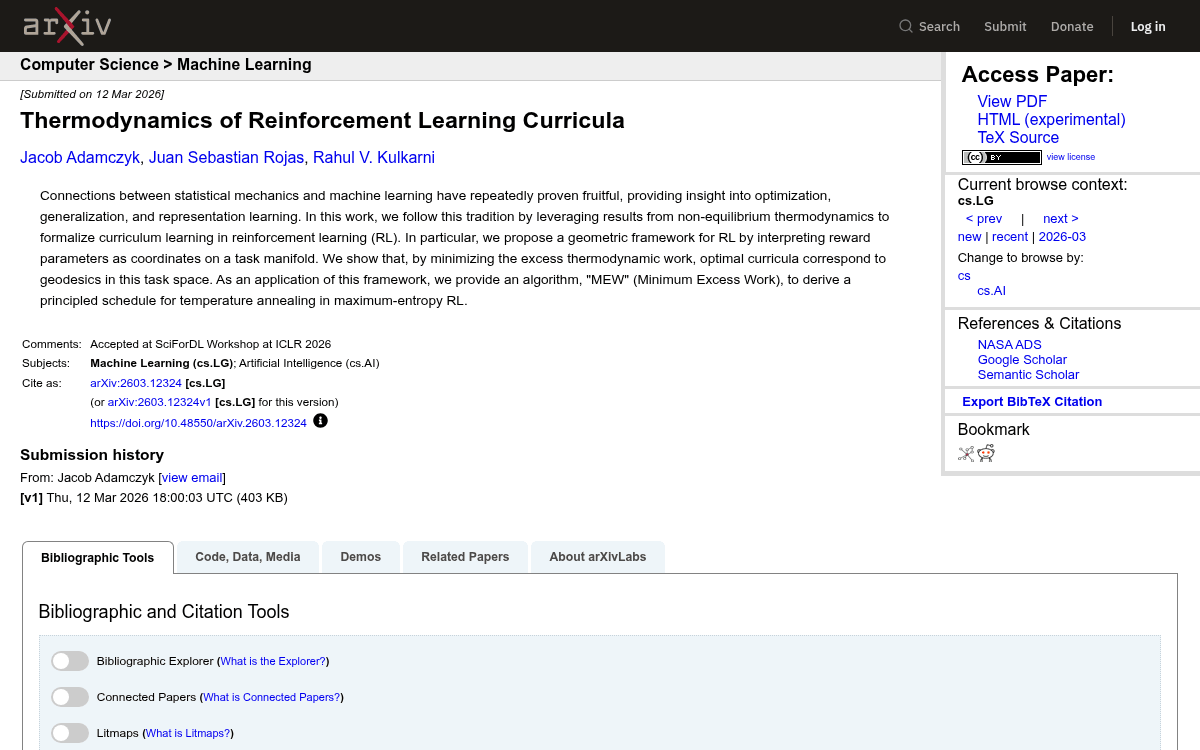
A new framework borrows tools from non-equilibrium thermodynamics to schedule reward and temperature changes in RL, treating curricula as geodesics on a task manifold.
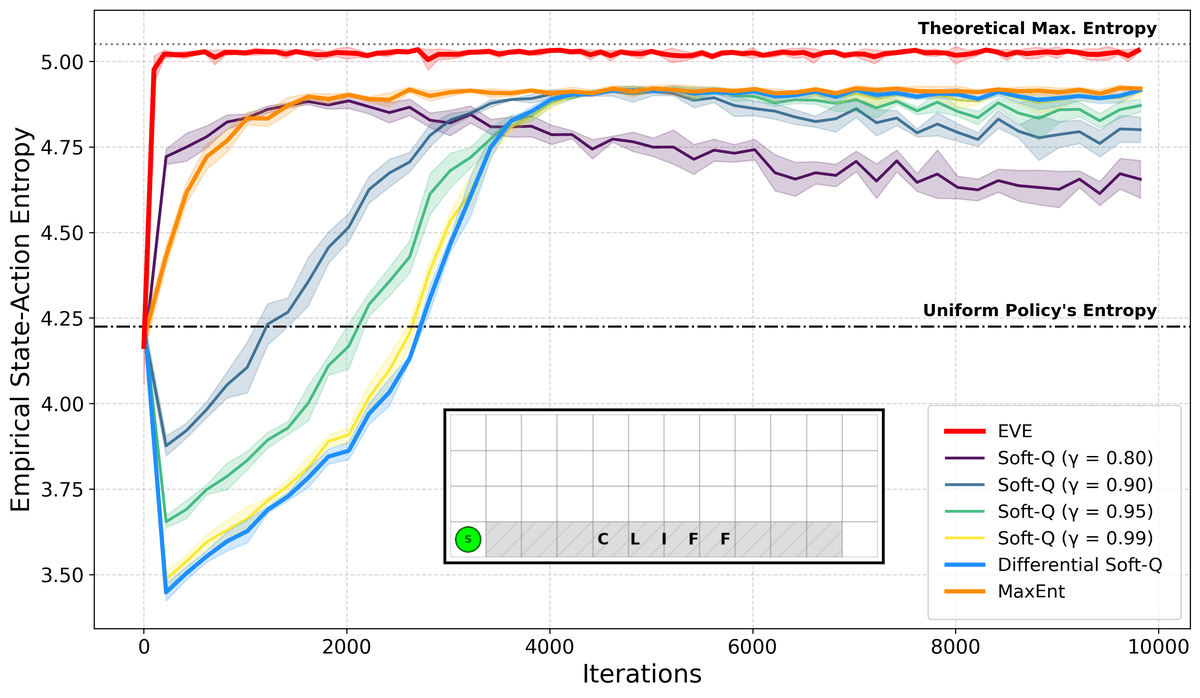
A new spectral algorithm called EVE finds maximum-entropy exploration policies from transition dynamics alone, skipping expensive on-policy rollouts entirely.
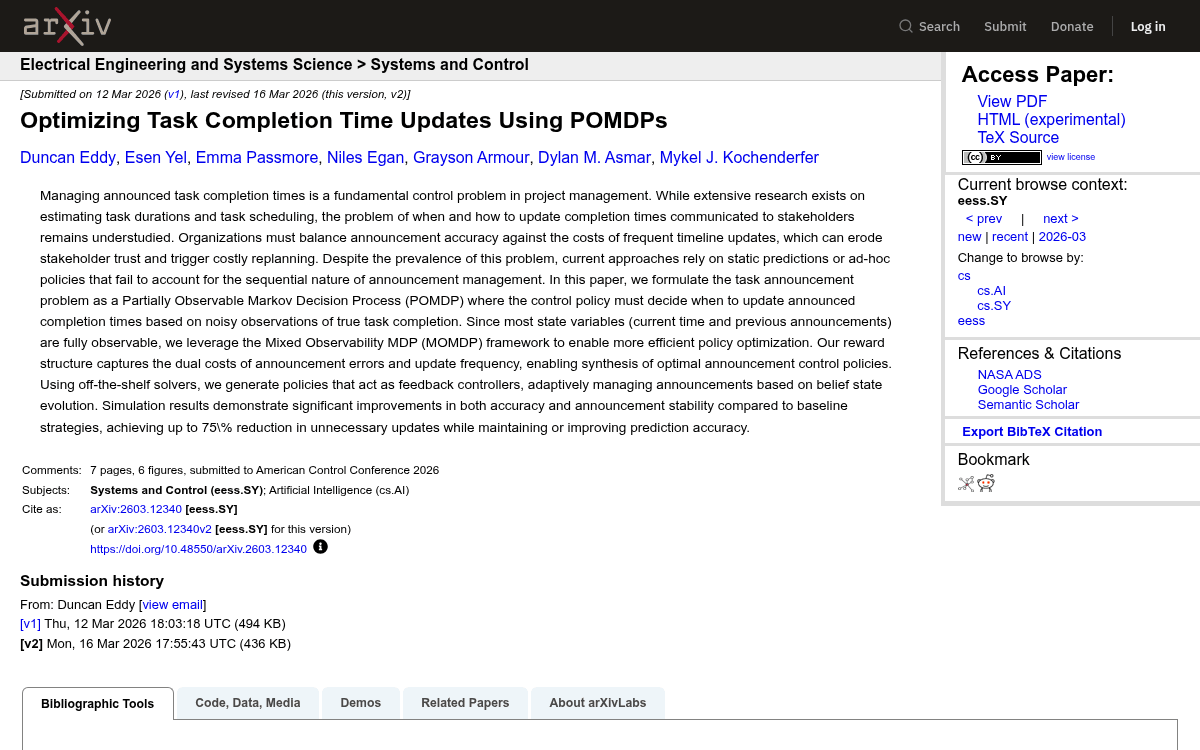
A Stanford team reframes deadline updates as a control problem, cutting unnecessary revisions by up to 75 percent while preserving accuracy.
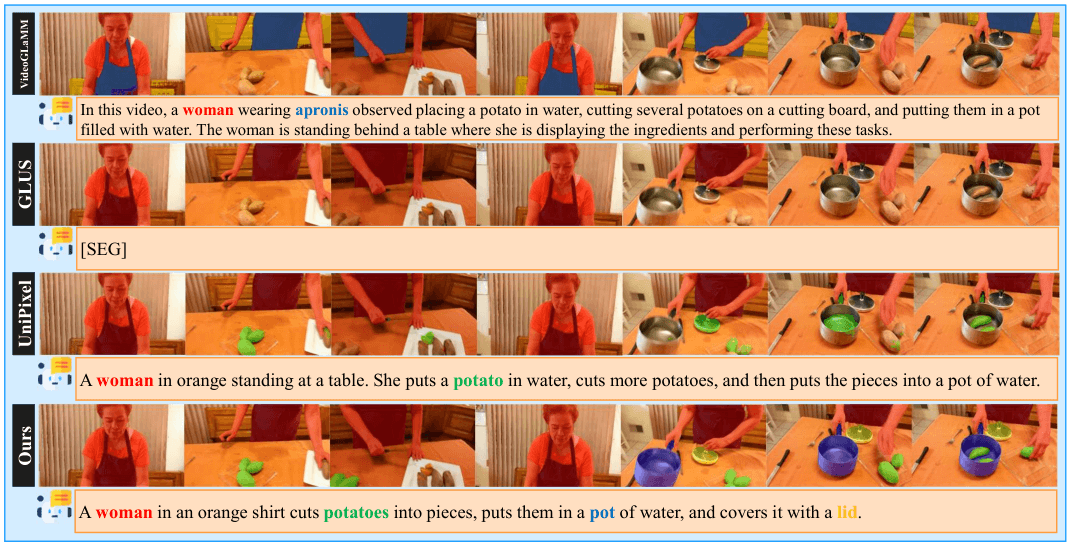
A plug-and-play module fixes temporal drift and identity switches in video segmentation MLLMs, boosting three baselines across six benchmarks.
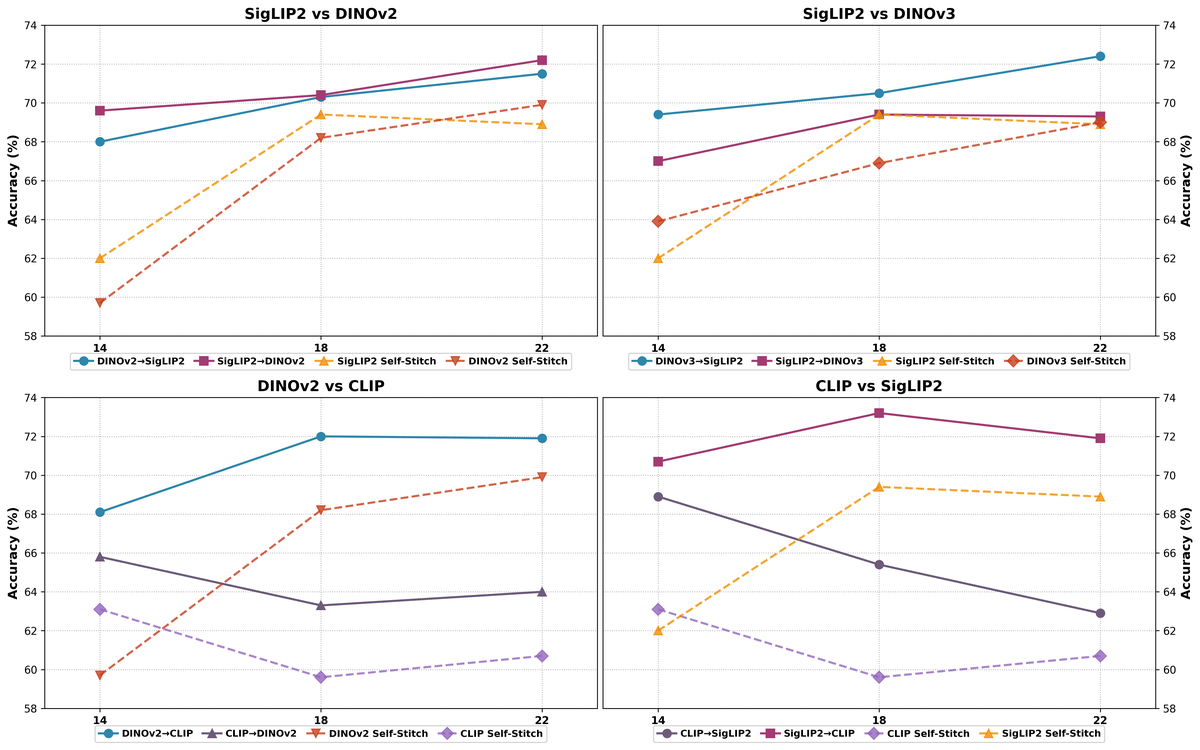
New research shows heterogeneous vision foundation models like CLIP, DINOv2, and SigLIP 2 can be stitched together to fuse complementary strengths at low cost.
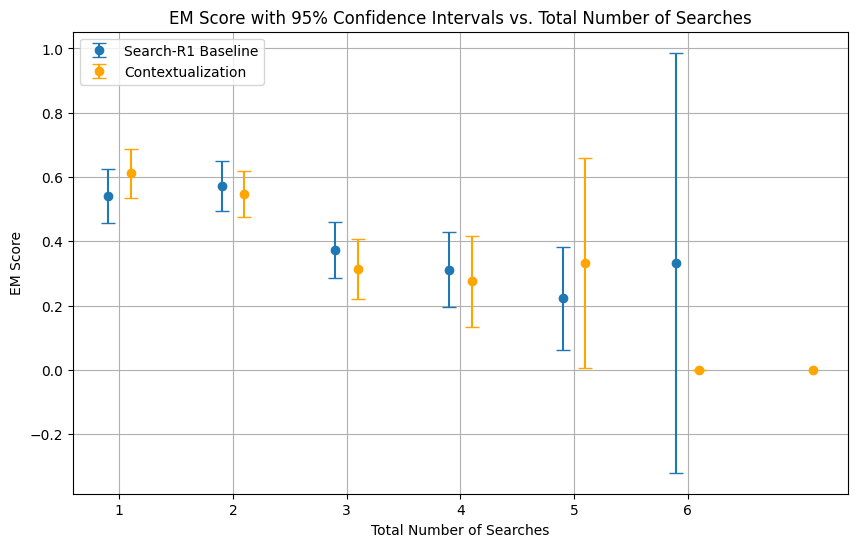
A test-time patch for the Search-R1 agentic RAG pipeline lifts exact match by 5.6% while cutting retrieval turns by 10.5%.
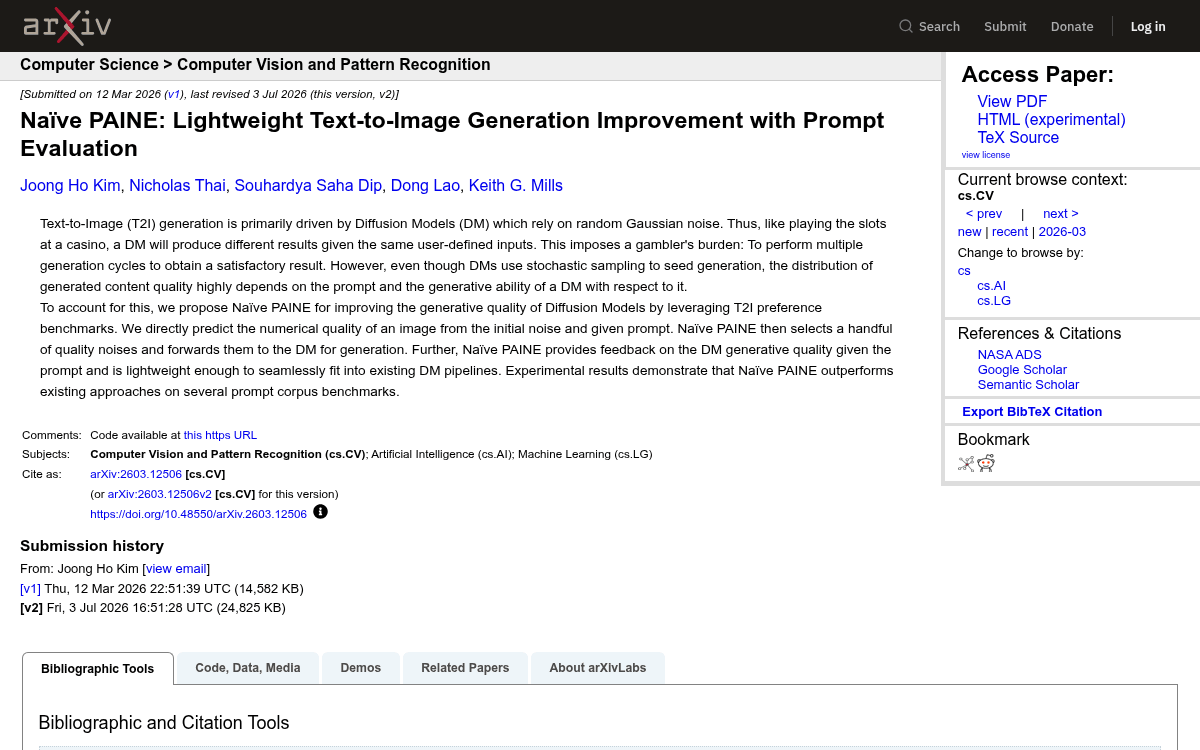
A lightweight predictor scores random noise before diffusion runs, picking winning seeds and flagging prompts a model cannot handle.
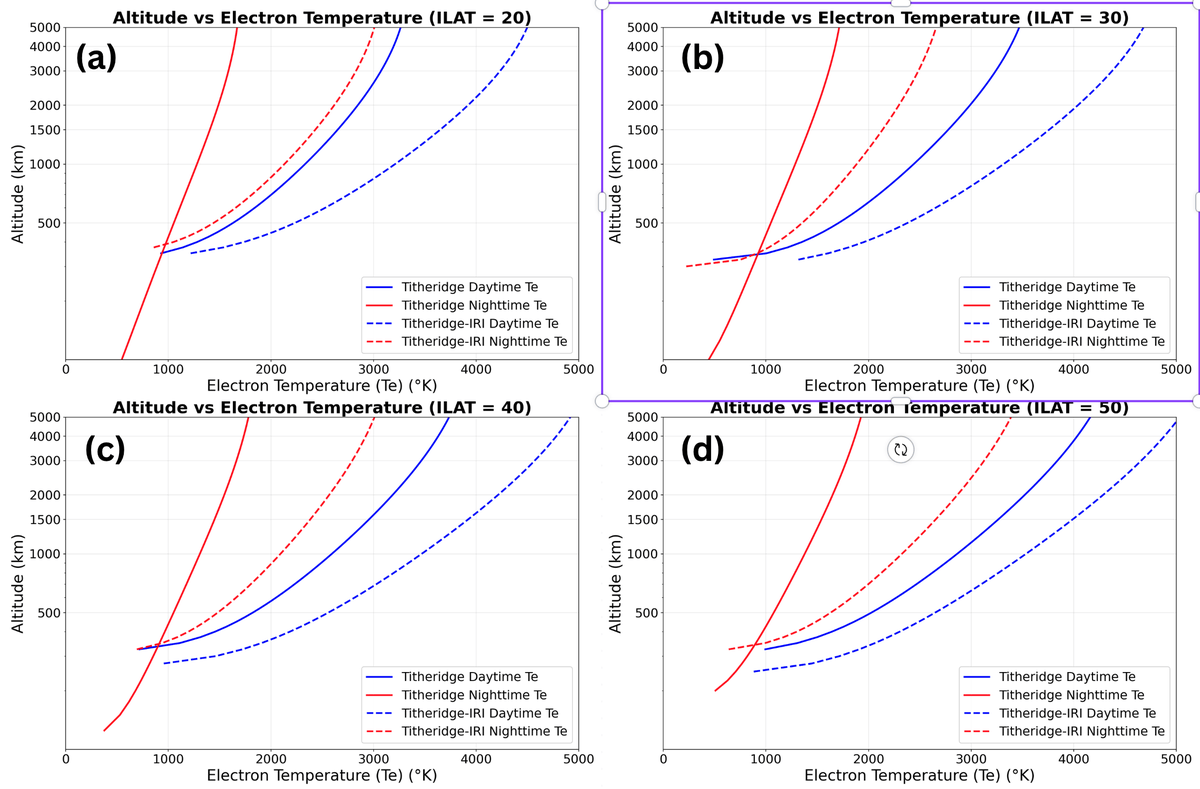
A team from CU Boulder and JAXA turned a continuous regression problem into a 150-bin classification task, boosting plasmasphere temperature accuracy from 13% to nearly 70%.
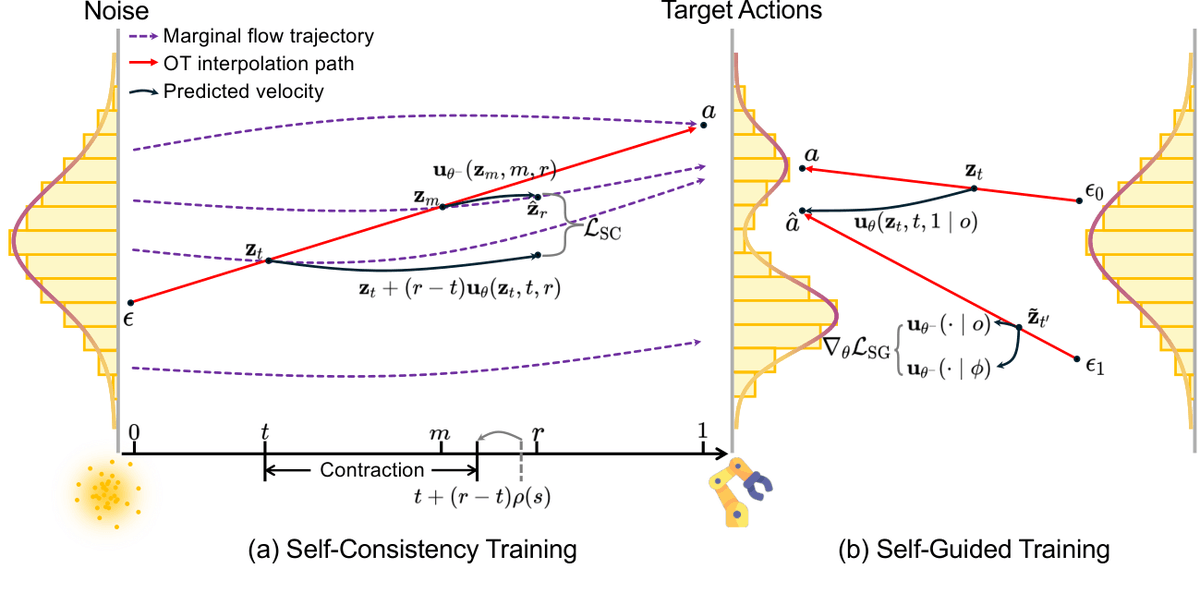
A new self-distillation framework compresses flow-based robot policies to a single sampling step while beating 100-step baselines across 56 manipulation tasks.
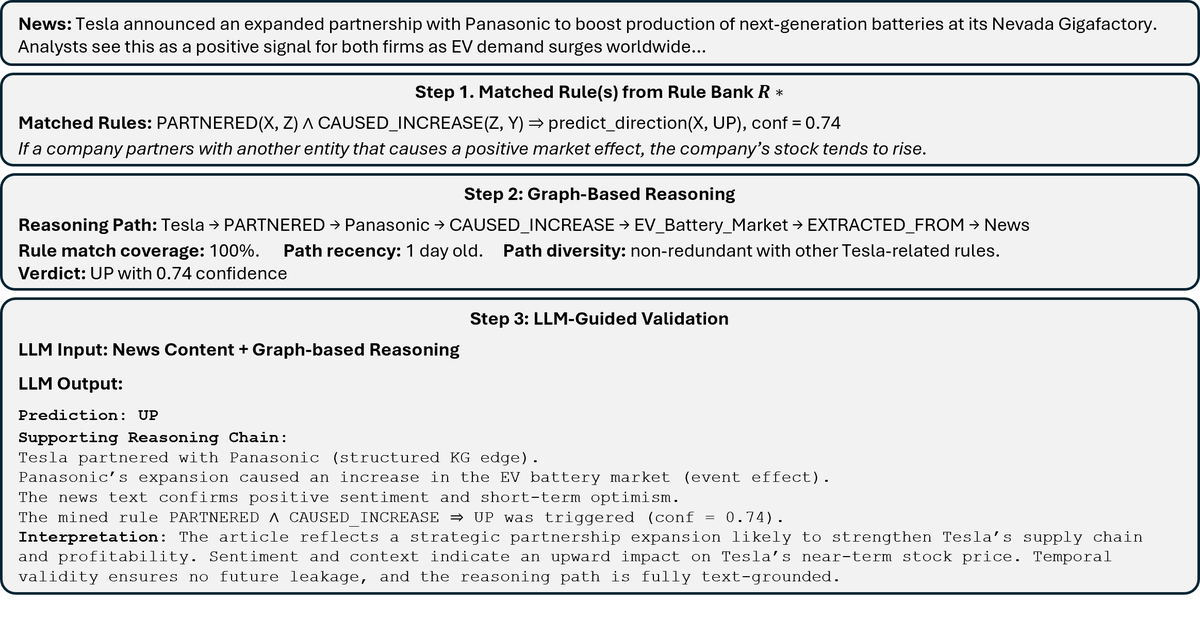
Researchers from Université de Montréal, Mila, and Aily Labs propose TRACE, a knowledge graph reasoning method that predicts stock moves with auditable evidence chains.
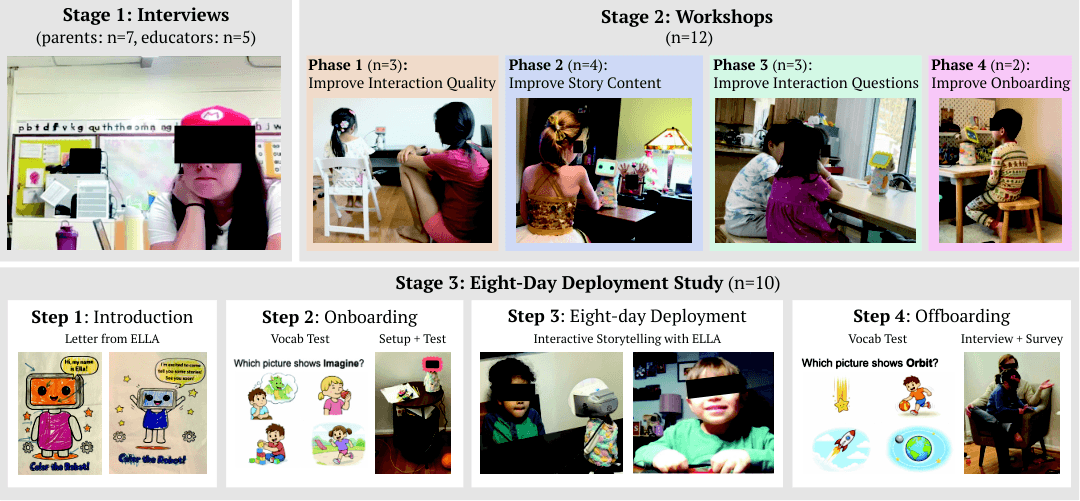
Johns Hopkins researchers built an autonomous LLM-driven storytelling robot, put it in ten homes for eight days, and measured what preschoolers actually learned.
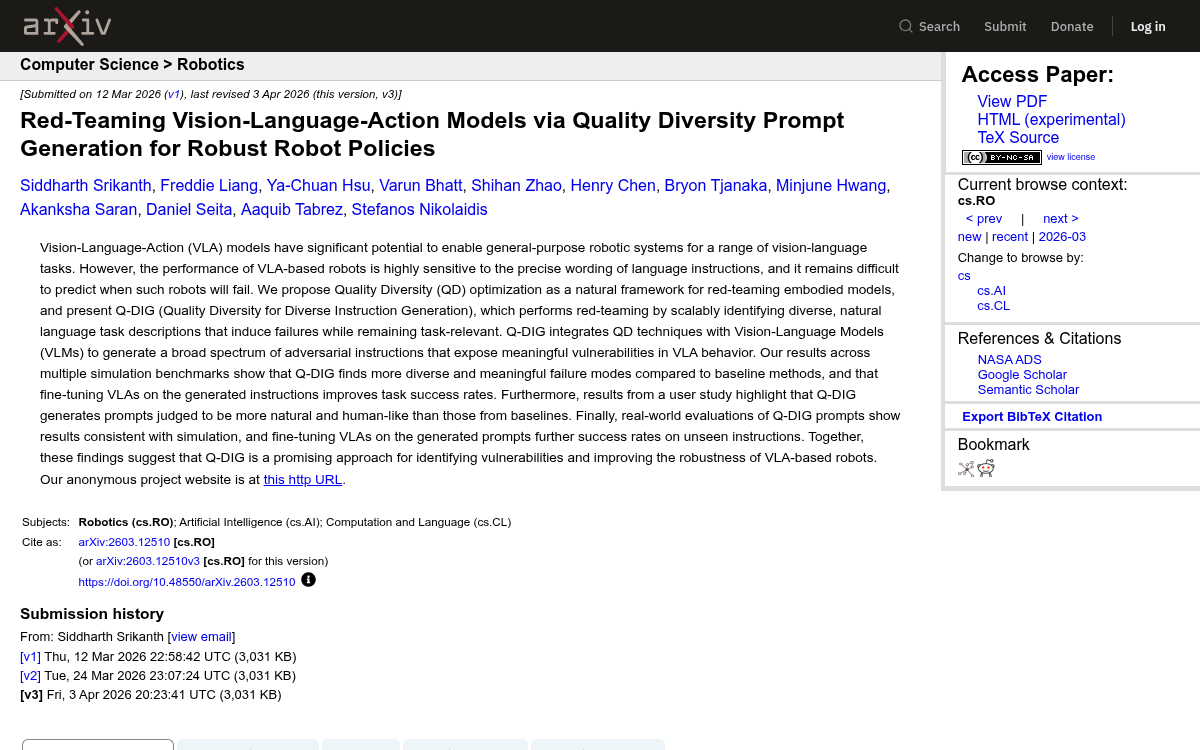
Q-DIG uses quality diversity search plus a VLM mutator to hunt for phrasings that break vision-language-action robot policies, then patches them.
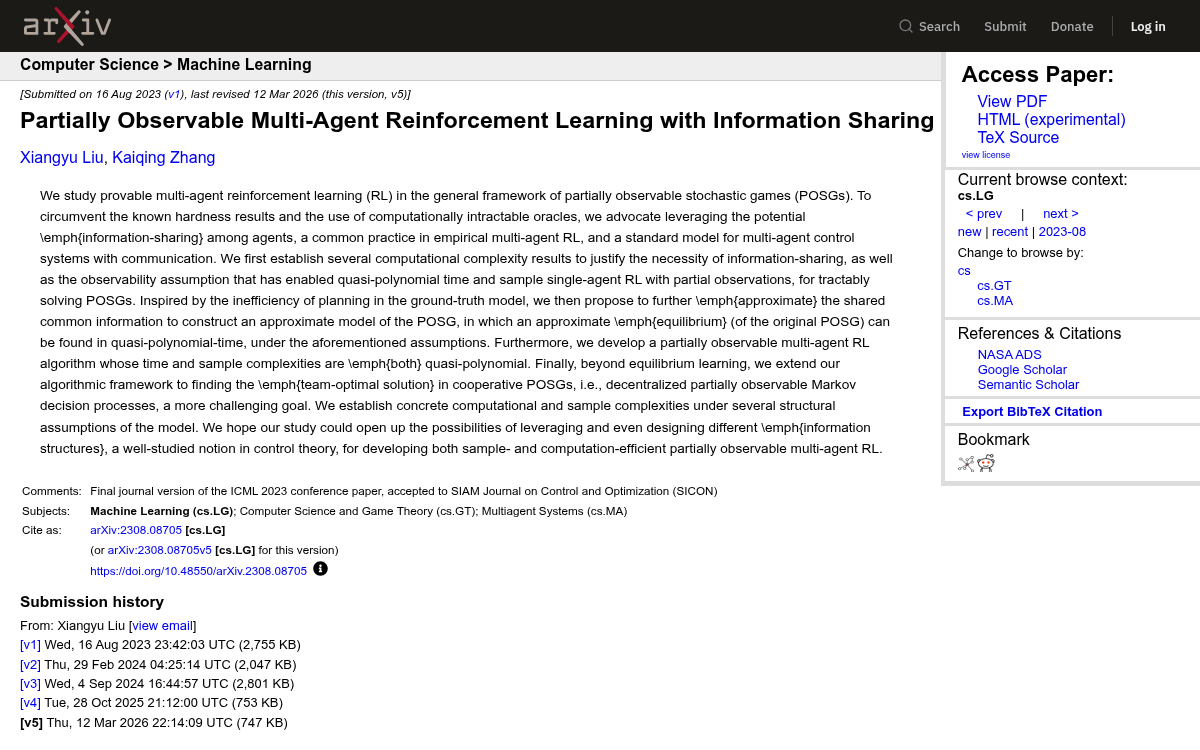
A new framework proves that partially observable multi-agent reinforcement learning can be made both statistically and computationally tractable through information sharing.
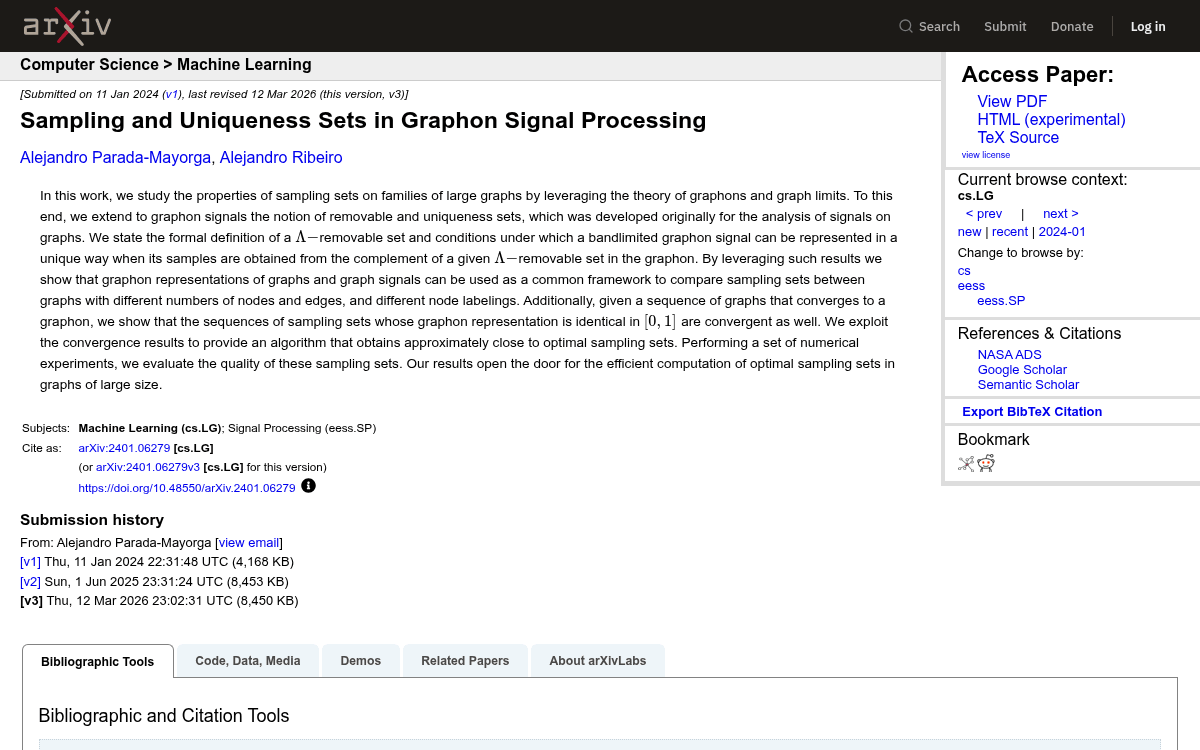
A new framework uses graphon theory to transfer near-optimal sampling sets from small graphs to massive ones where traditional selection is intractable.
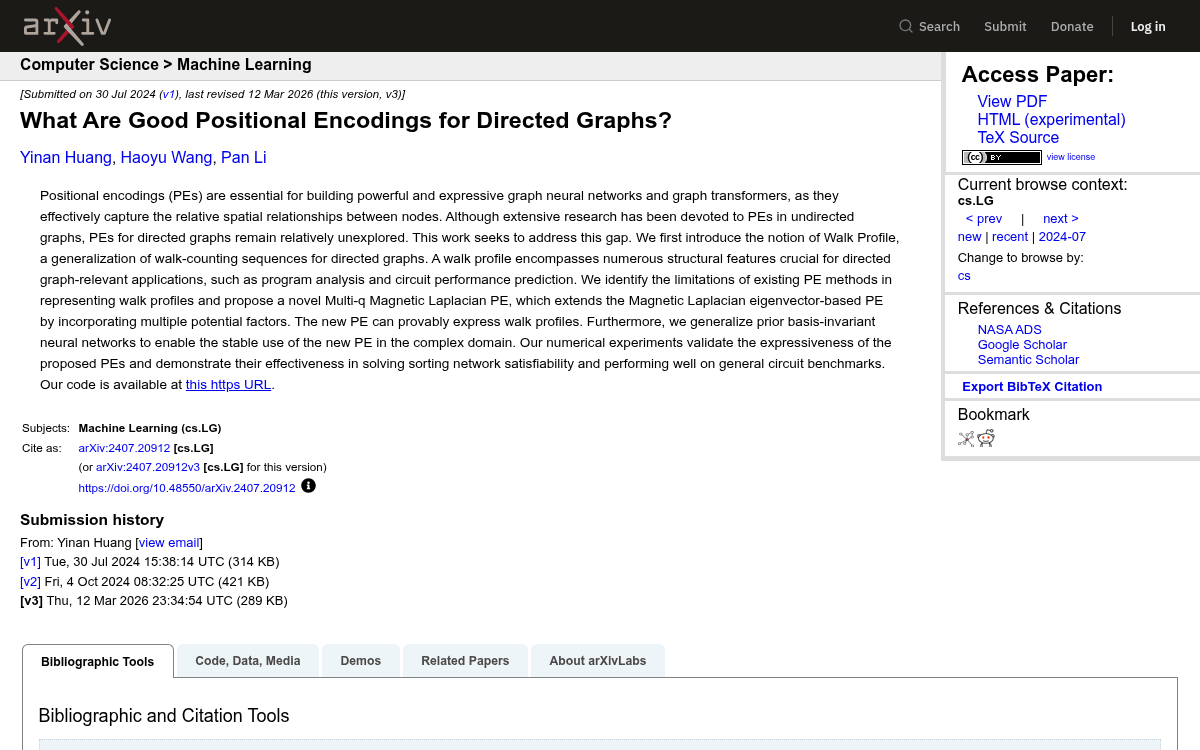
A new positional encoding for directed graphs uses multiple magnetic Laplacians to provably capture bidirectional walk structure that prior methods miss.