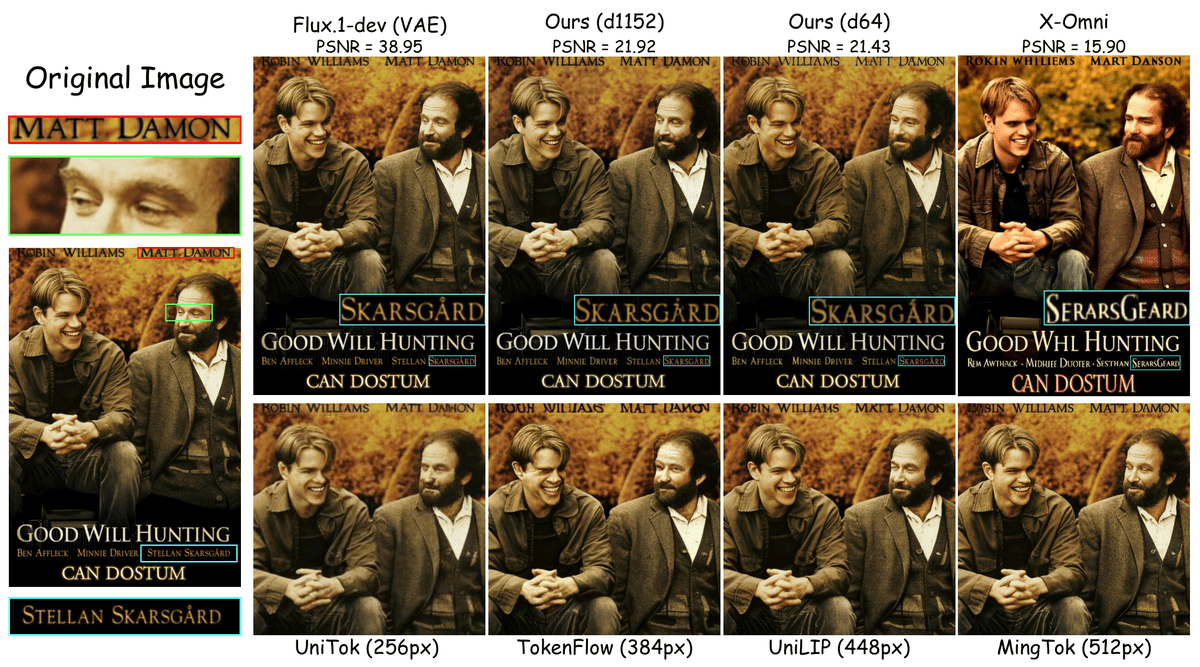
Tencent Hunyuan's UniCom compresses SigLIP features 18x along the channel dimension, matching top unified models on generation while leading knowledge-heavy image editing benchmarks.
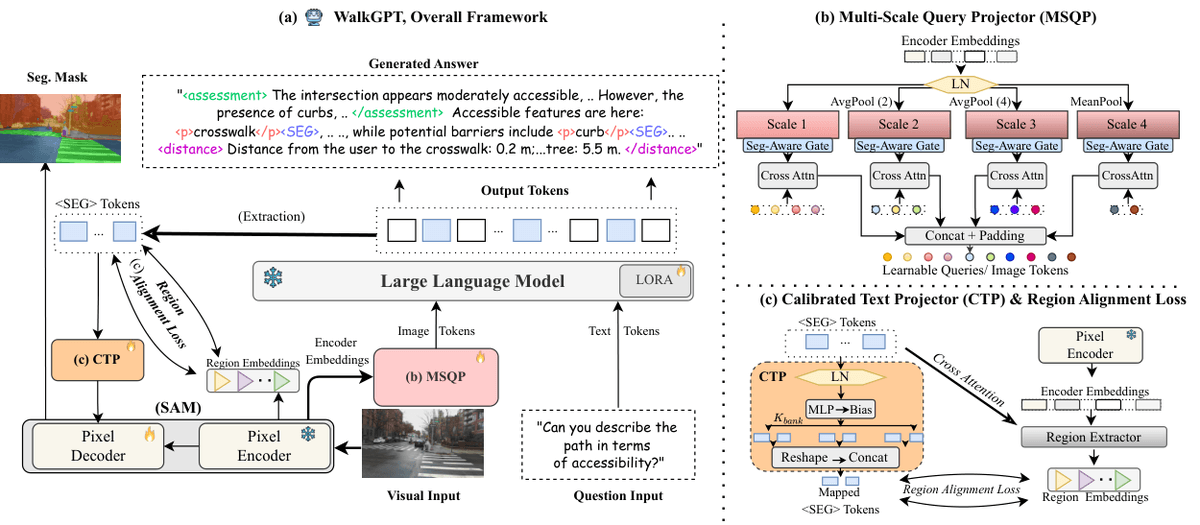
A pixel-grounded vision-language model unifies segmentation, depth estimation, and dialogue to describe accessible paths and hazards from a single first-person image.
A new instance-segmentation dataset captures overlapping pills in dosette boxes, and few-shot experiments show it transfers better than existing pill datasets.
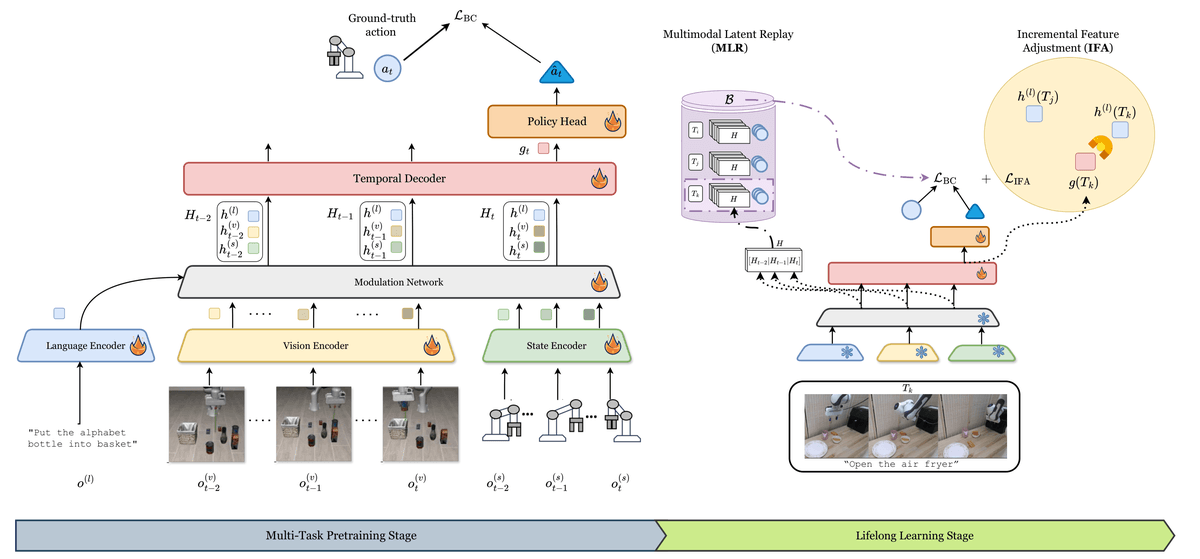
A new lifelong imitation learning method replays compressed latent features and enforces angular separation between tasks, cutting robot forgetting by up to 65 percent on LIBERO.
A new self-supervised framework called SSL-V3 injects video quality scores into a Vision Transformer, boosting classification accuracy on noisy real-world footage.
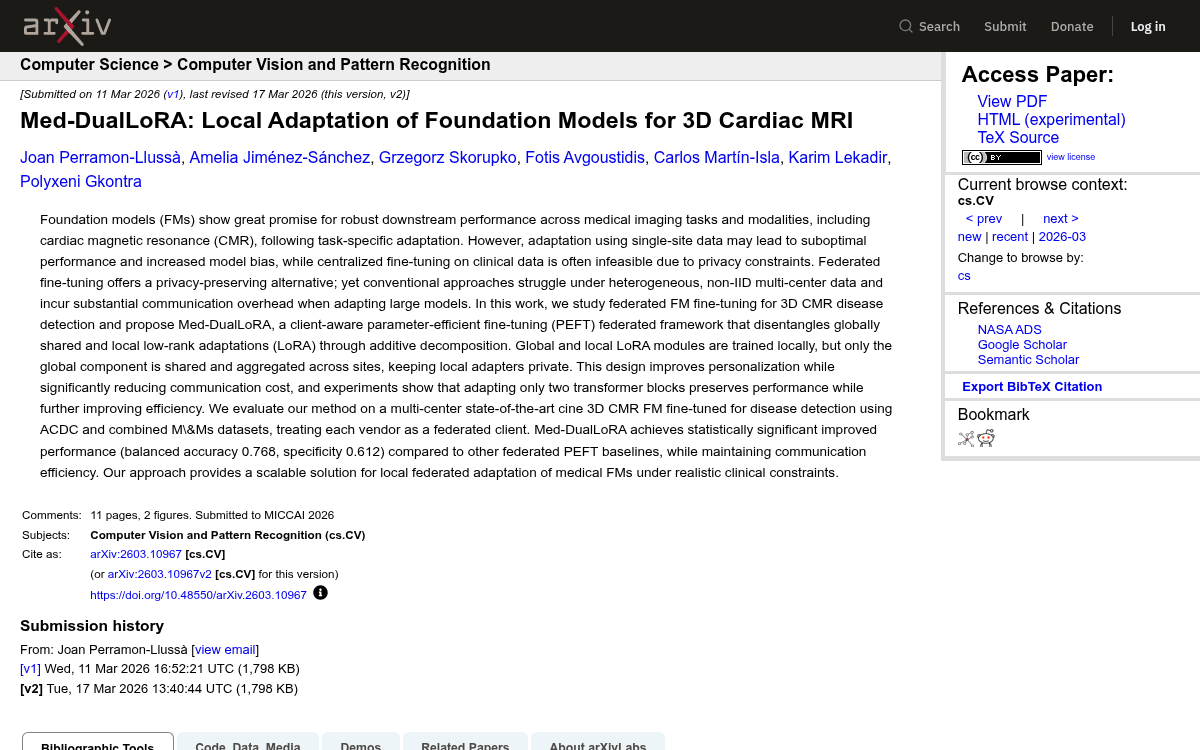
A dual-adapter LoRA scheme keeps site-specific weights private, cuts network traffic, and beats standard federated fine-tuning on multi-vendor cardiac MRI.
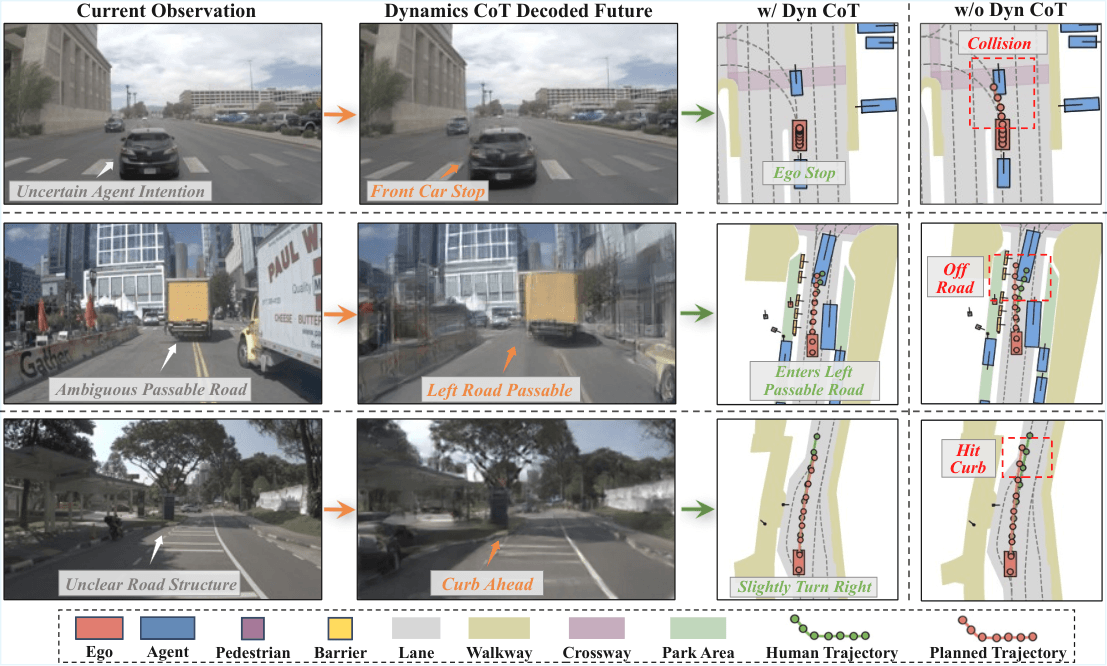
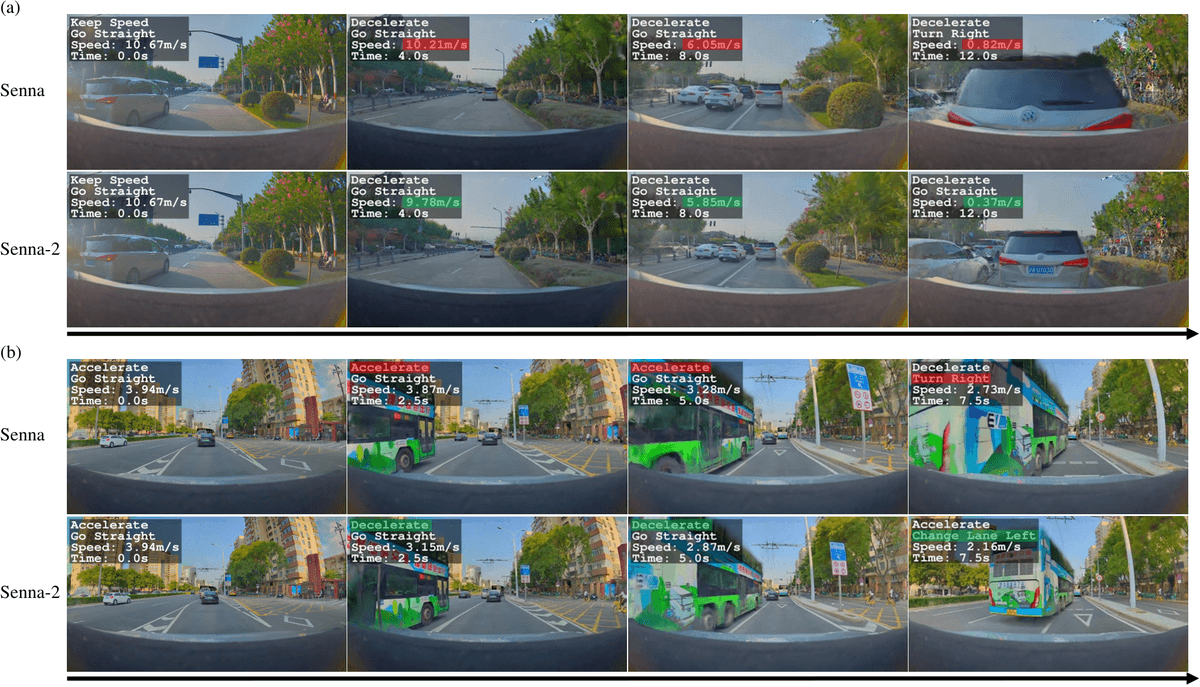
DynVLA introduces Dynamics Chain-of-Thought, compressing future world evolution into a handful of tokens so driving VLAs reason before acting without incurring image-generation overhead.
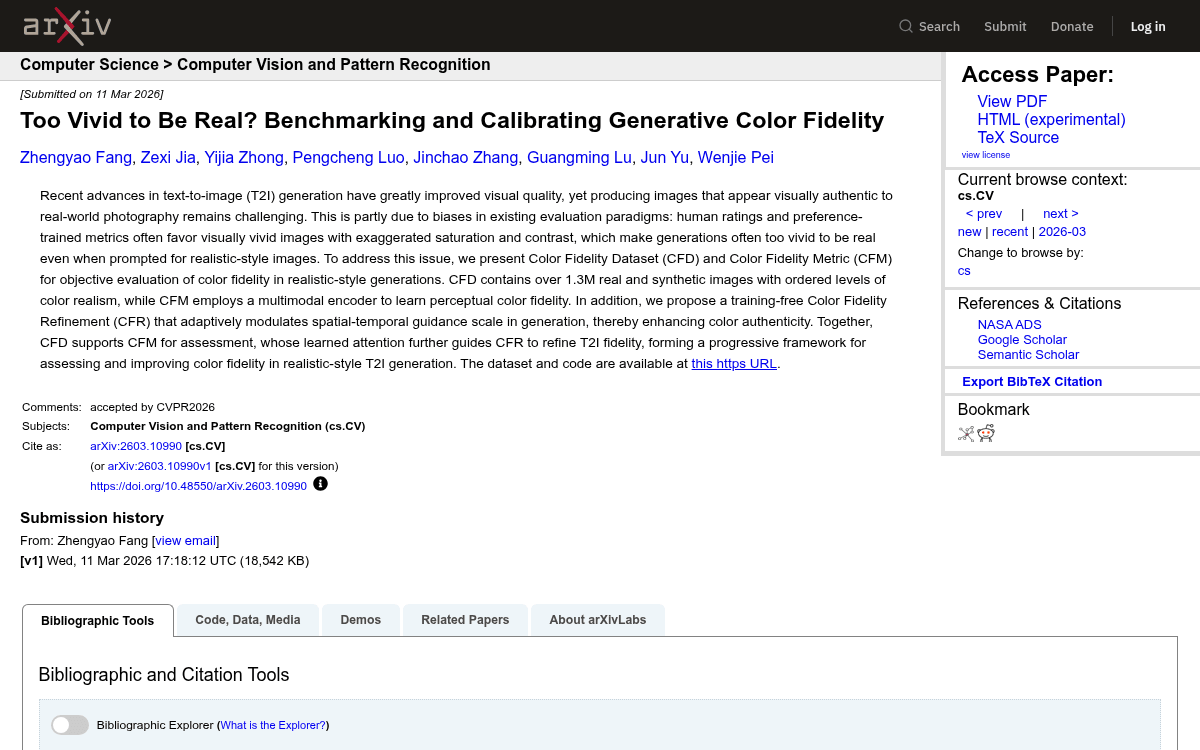
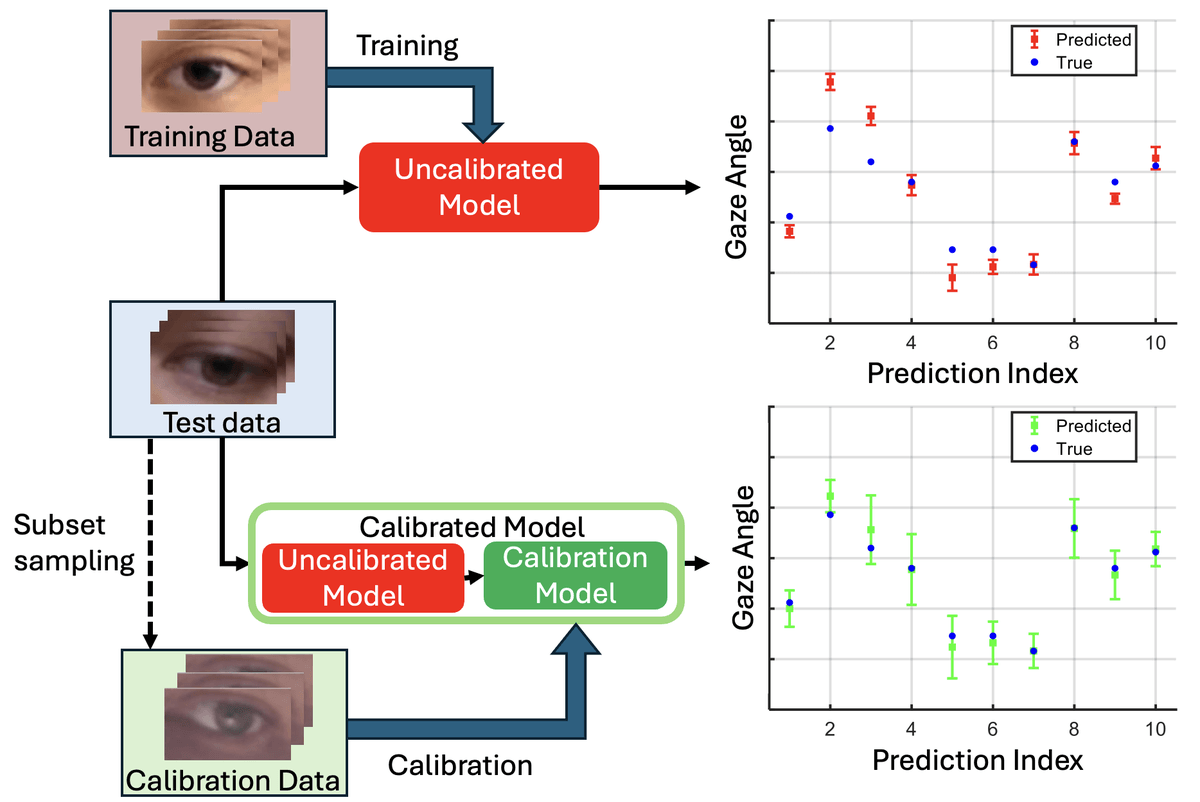
A new probabilistic metric and post-training calibration step fix the biased confidence scores that eye-tracking models produce when deployed outside their training set.
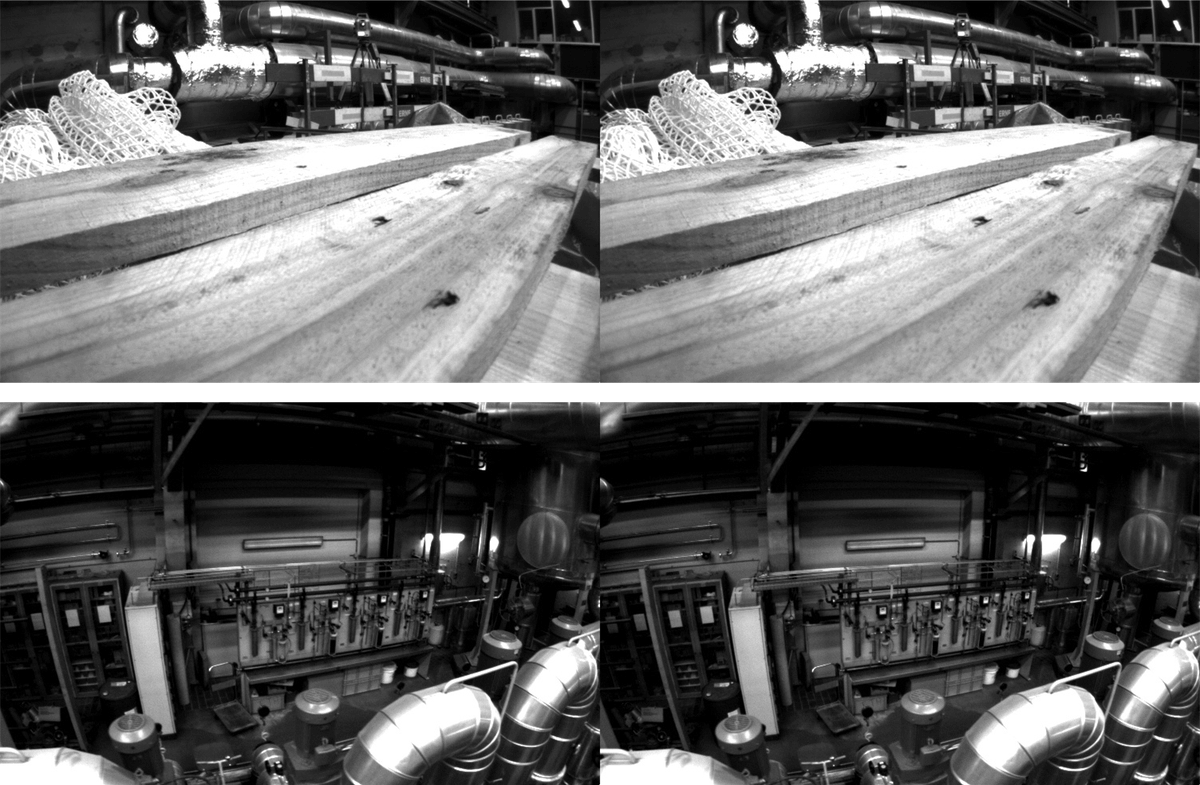
Researchers propose a robot-edge-cloud SLAM pipeline that only ships descriptors for keyframes, cutting uplink bandwidth from 212 to 47 kbits per second.
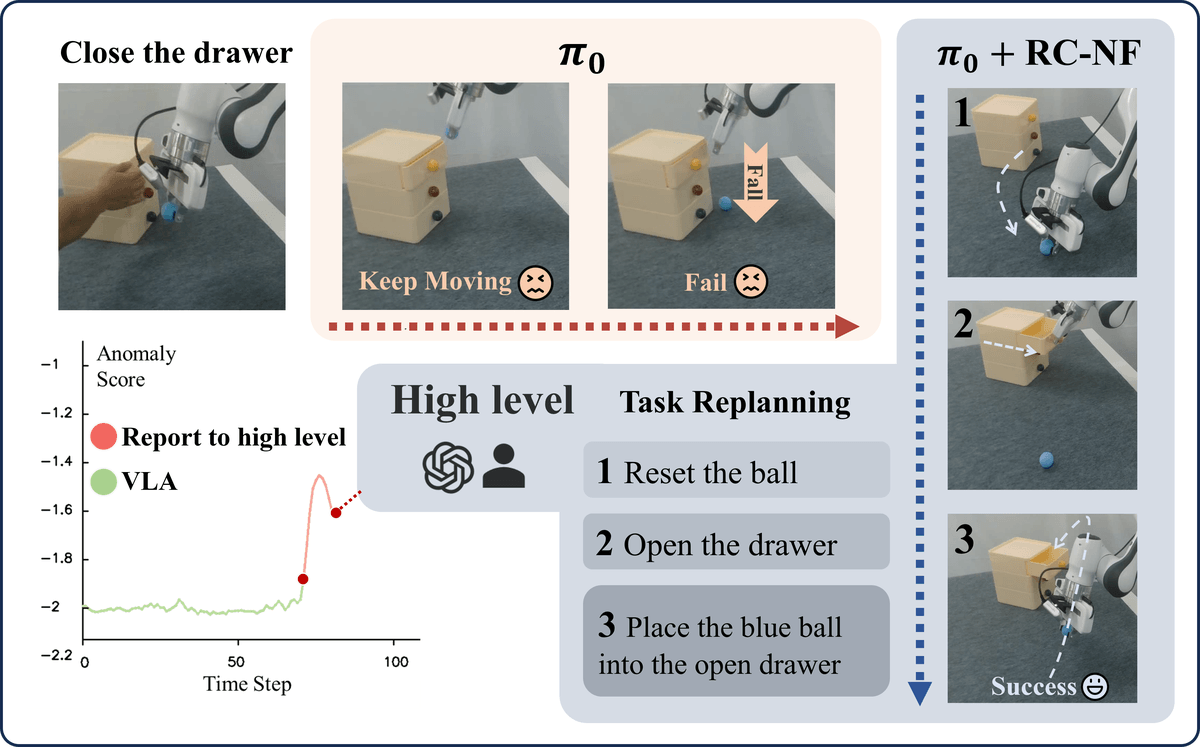
A conditional normalizing flow watches robot execution in real time, flagging out-of-distribution behavior in under 100 ms and triggering rollback or replanning for VLA policies.
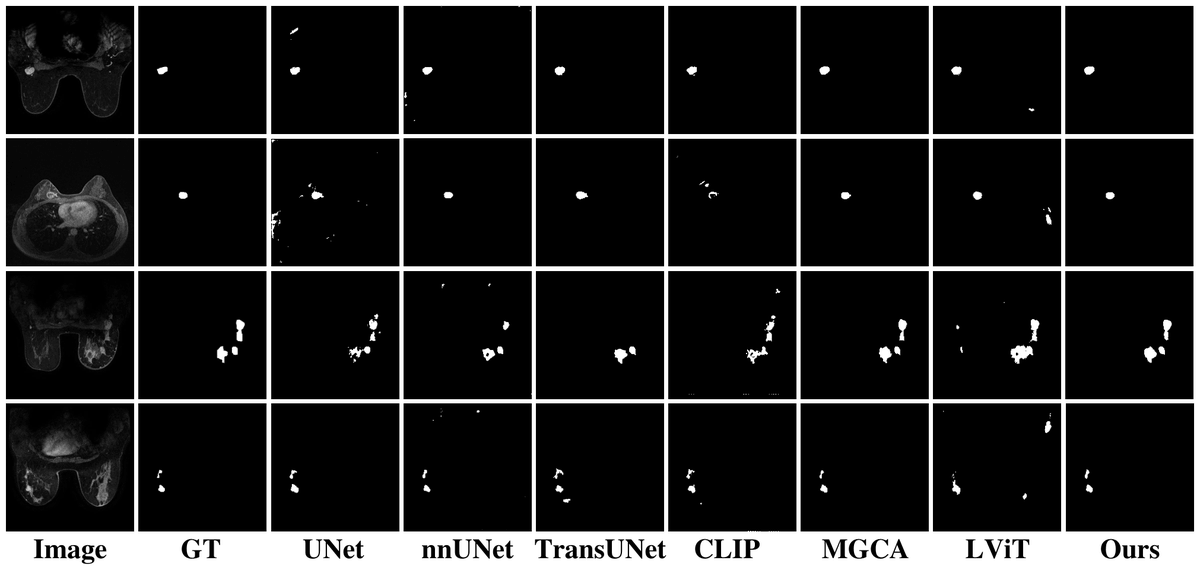
A new text-guided MRI segmentation model uses radiologist-style prompts and Dirichlet uncertainty to sharpen fuzzy tumor boundaries, hitting 85.33% Dice on Duke.