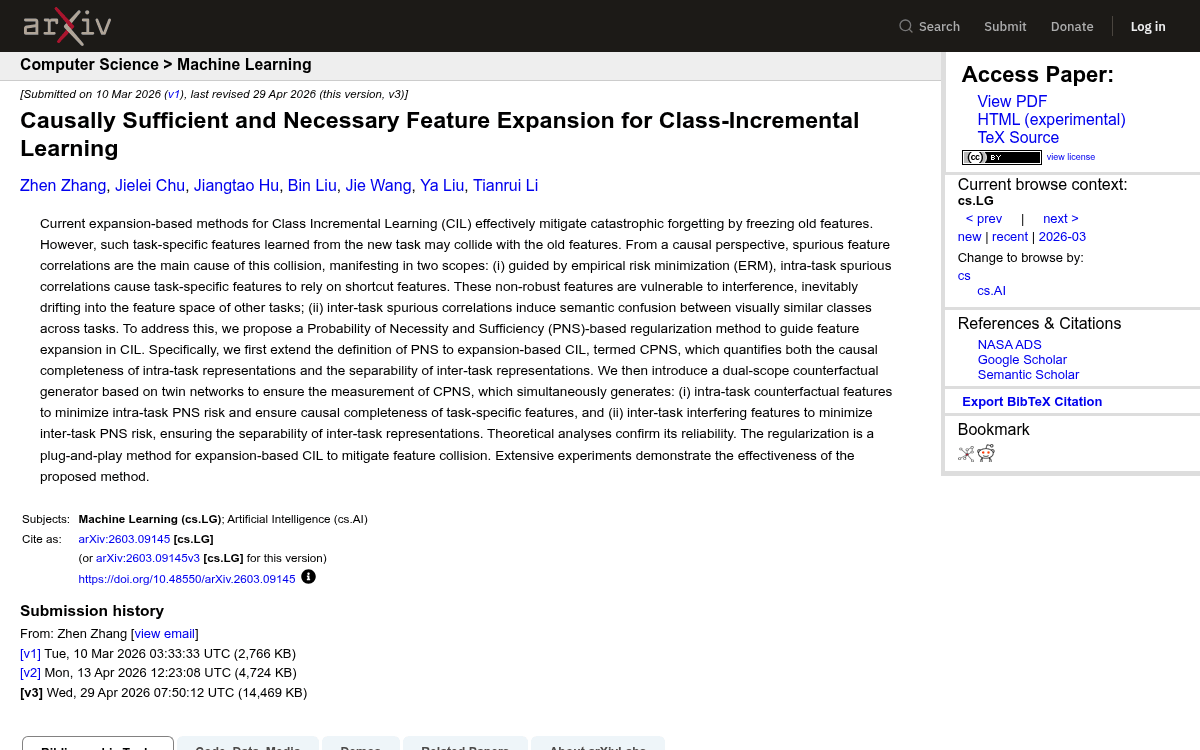
A causal regularization plug-in called CPNS fixes a hidden flaw in expansion-based continual learning, boosting accuracy on every tested baseline without changing their architecture.
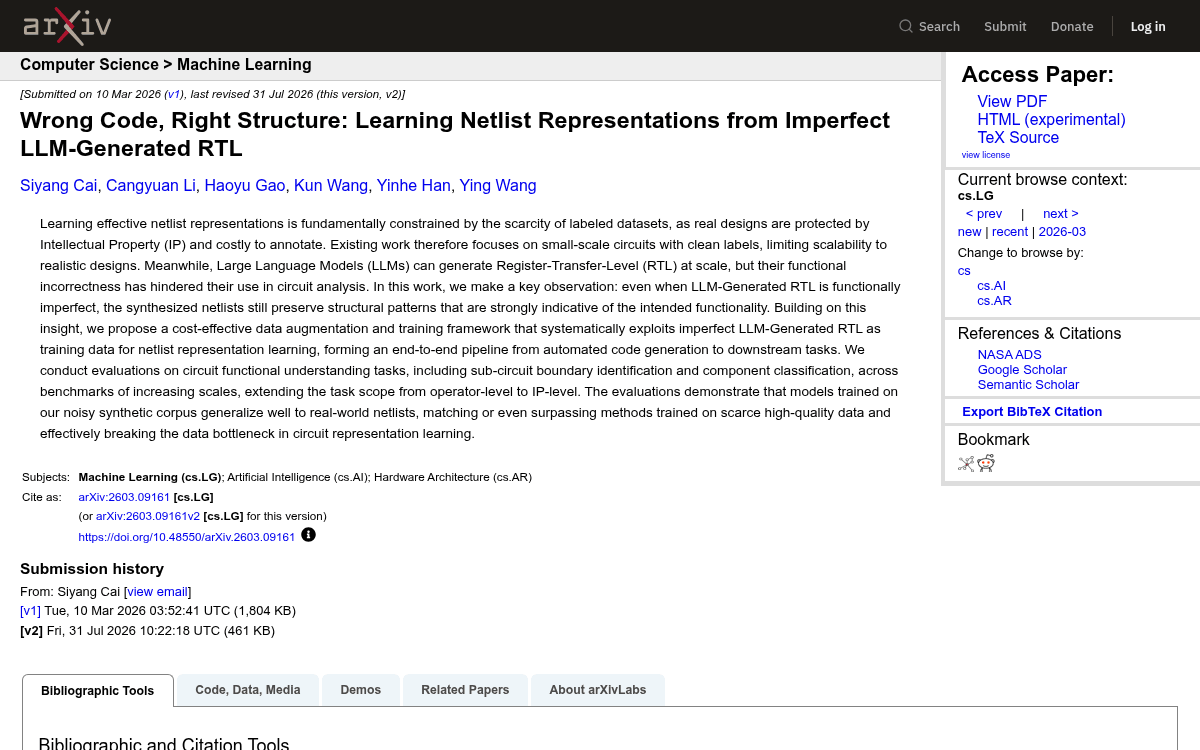
Researchers show that LLM-generated RTL code, even when functionally wrong, produces netlists with enough structural signal to train competitive chip analysis models
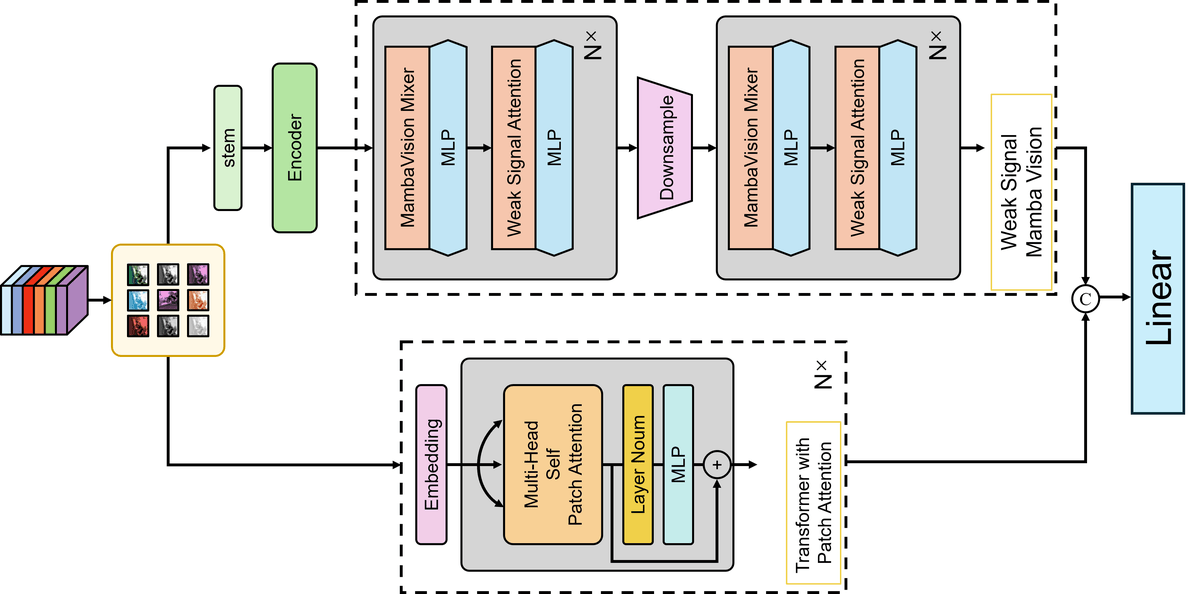
WS-Net combines Mamba state-space models and a novel Weak Signal Attention branch to recover faint spectral signatures that standard unmixing models miss, cutting error rates by up to 63%.
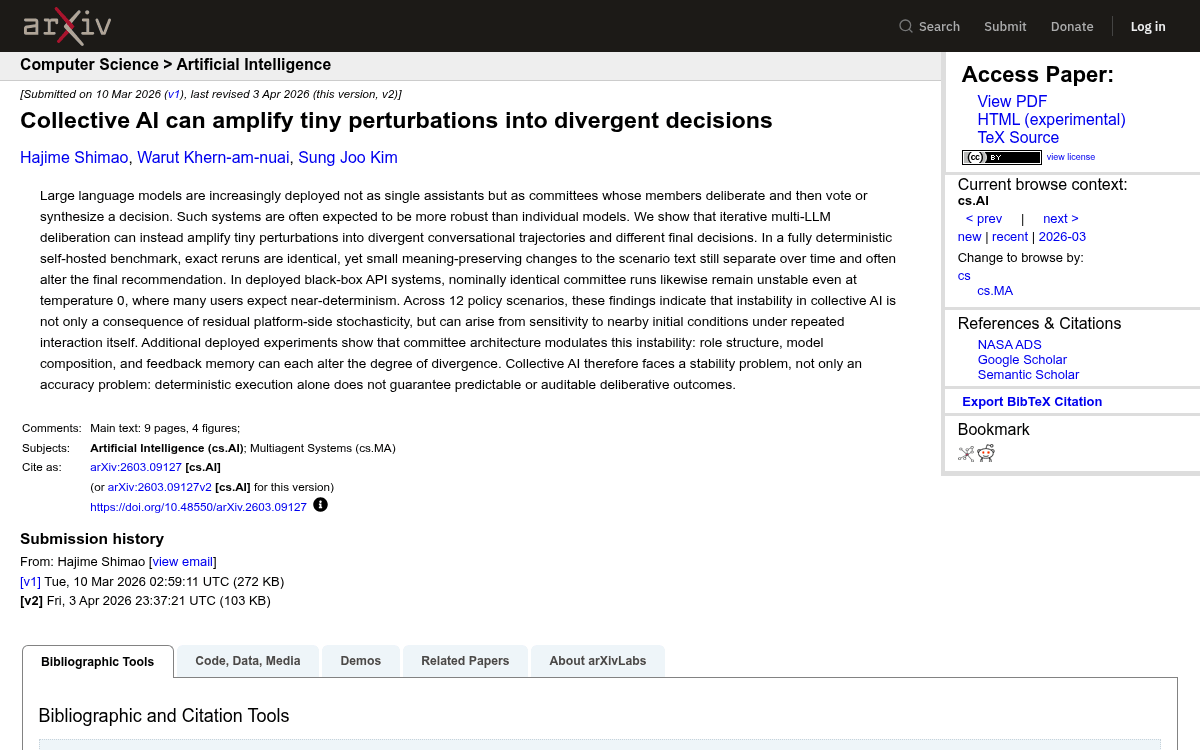
A new paper shows that multi-LLM committees can produce chaotically divergent decisions even at temperature 0, and that architecture choices like roles and model mix are the main culprits.
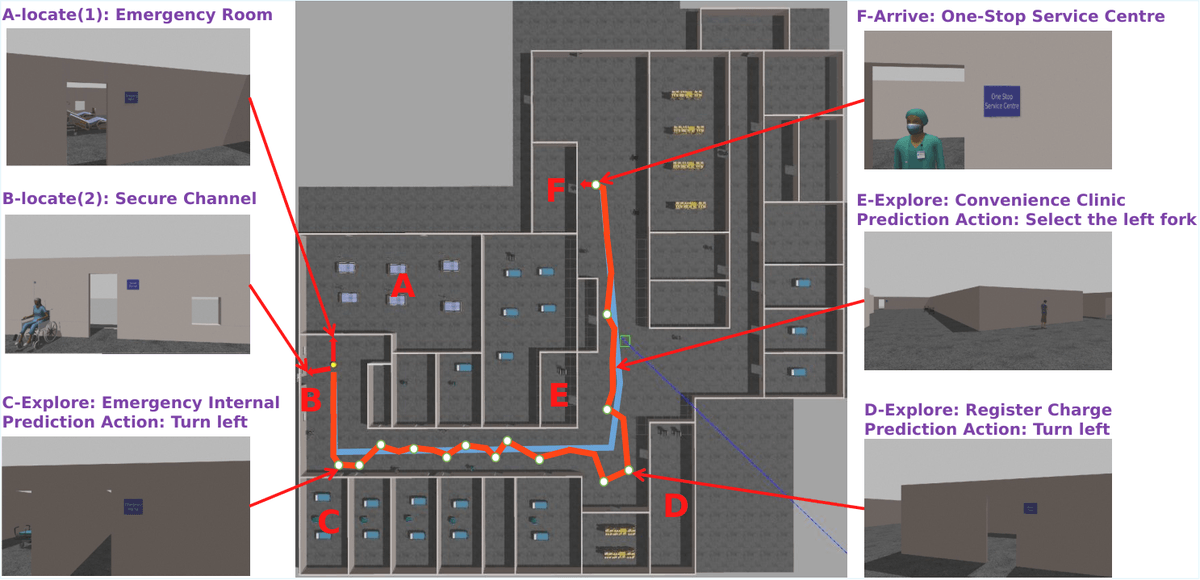
PM-Nav uses semantic prior maps and GPT-4o to navigate hospitals and schools where every corridor looks the same, beating existing methods by up to 1175%
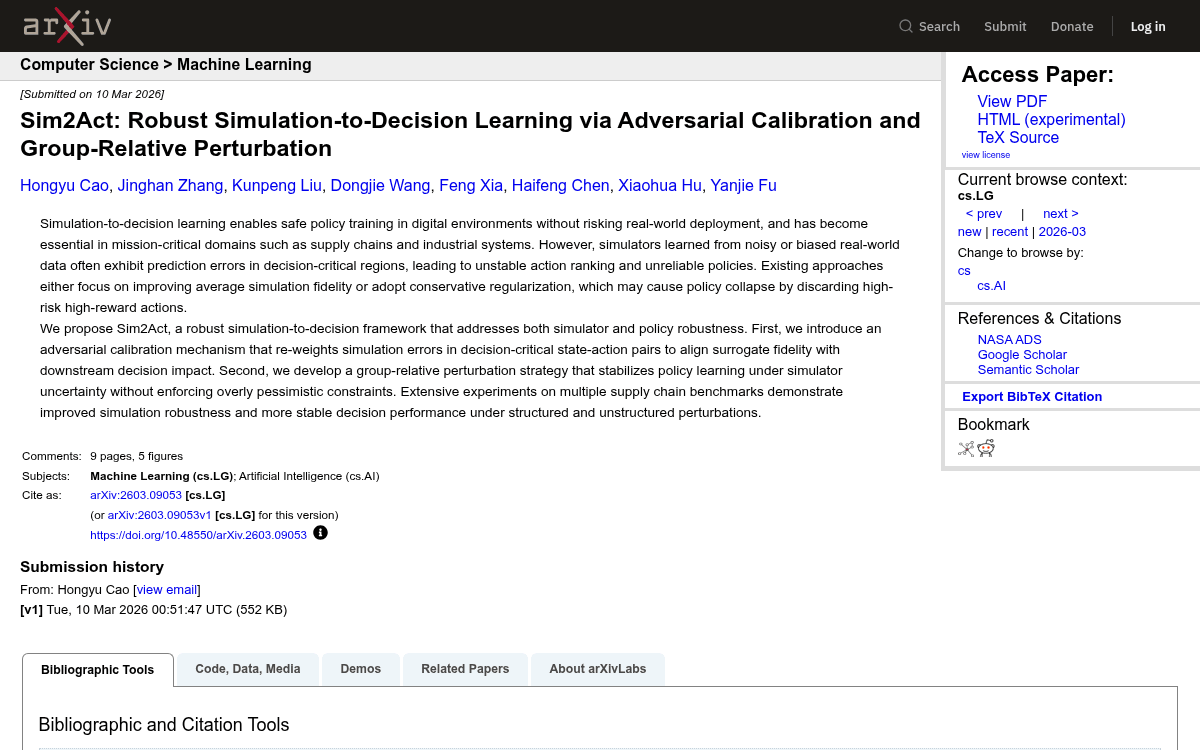
Sim2Act fixes a critical blind spot in simulation-based decision learning: simulators that look accurate on average but fail exactly when it matters most for high-stakes choices.
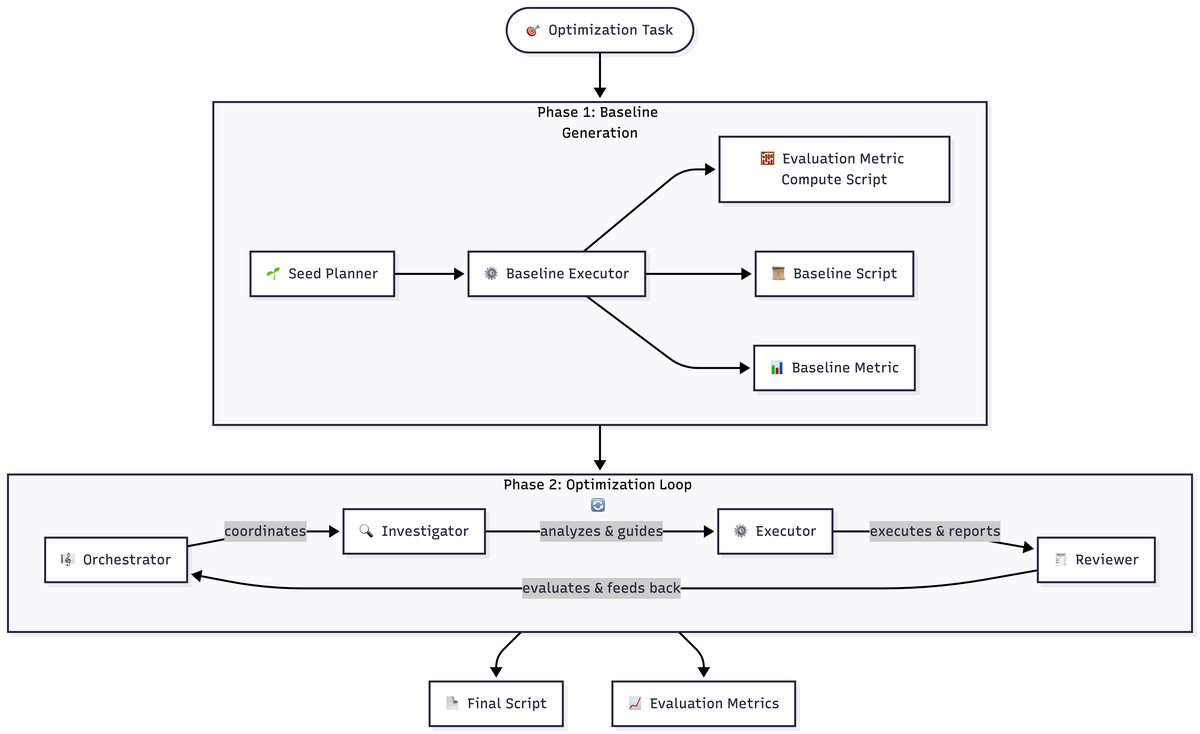
EPOCH is a two-phase agentic protocol that gives LLM agents a reproducible, role-separated loop for improving prompts, code, hyperparameters, and rules across production systems.
IMSE adapts Vision Transformers at test time by tuning only singular values, achieving state-of-the-art accuracy with 385x fewer trainable parameters than competing methods.
UAT-LITE injects uncertainty estimates directly into transformer attention at inference time, cutting calibration error by ~20% without retraining or touching model weights
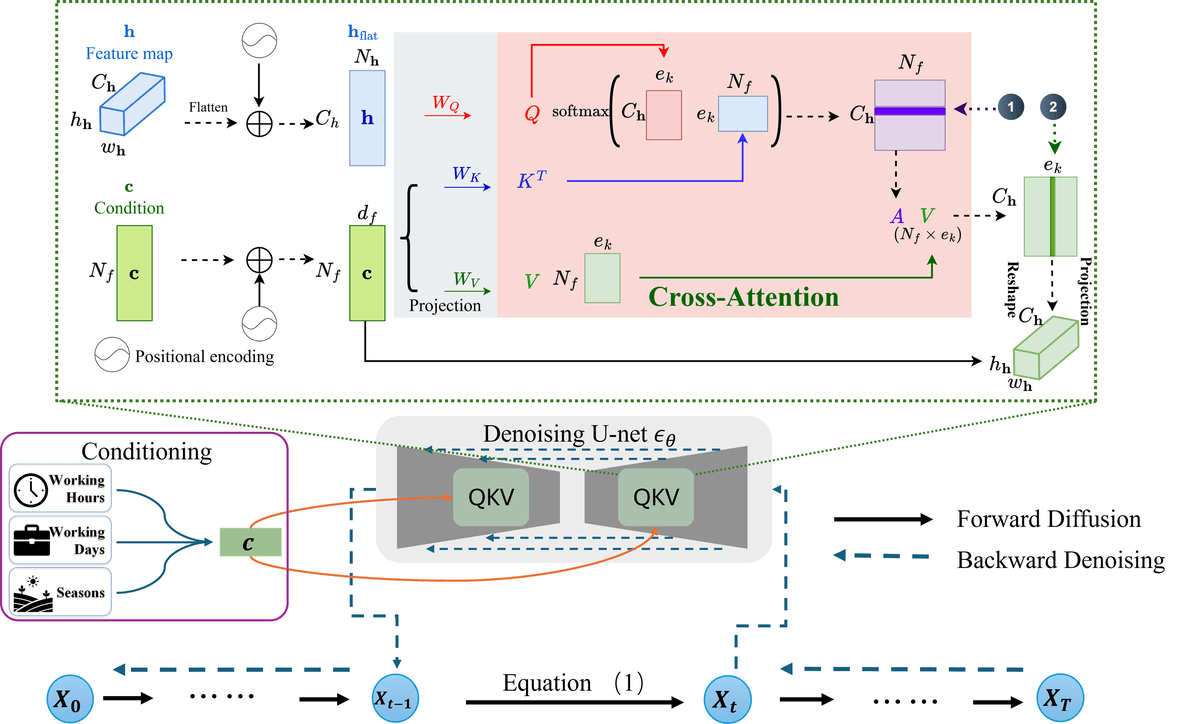
EMFusion uses conditional diffusion models to forecast per-frequency, per-operator EMF exposure in 5G networks, beating baselines by up to 24% on probabilistic accuracy metrics.
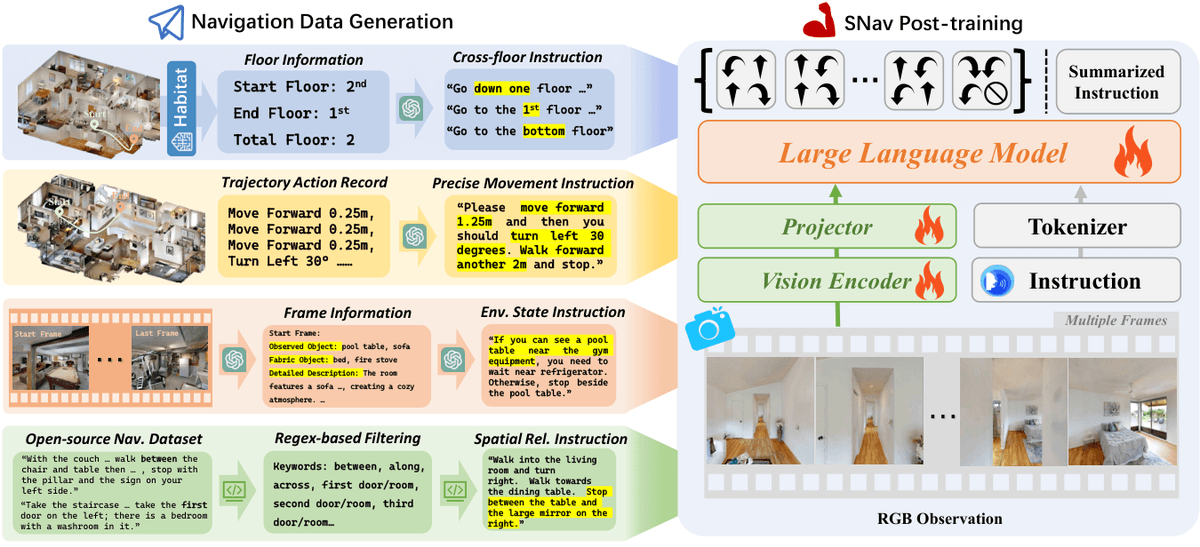
NavSpace is the first benchmark to systematically test spatial intelligence in robot navigation, exposing major blind spots in GPT-5, Gemini, and every major nav model
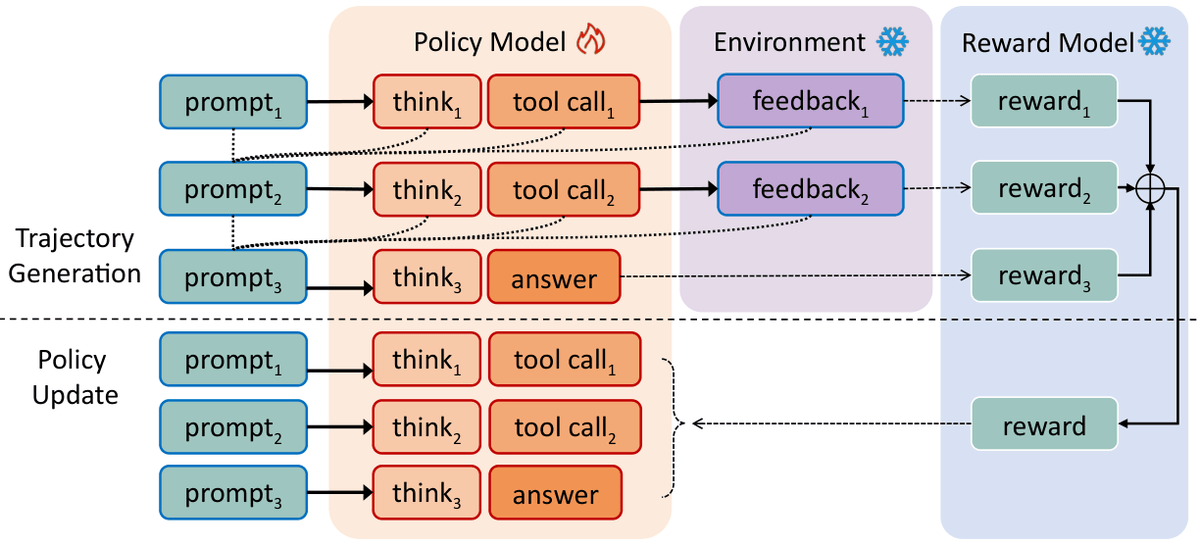
AlphaApollo combines tool-augmented reasoning, turn-level RL, and iterative self-evolution to push small open-source models far beyond their baseline math performance
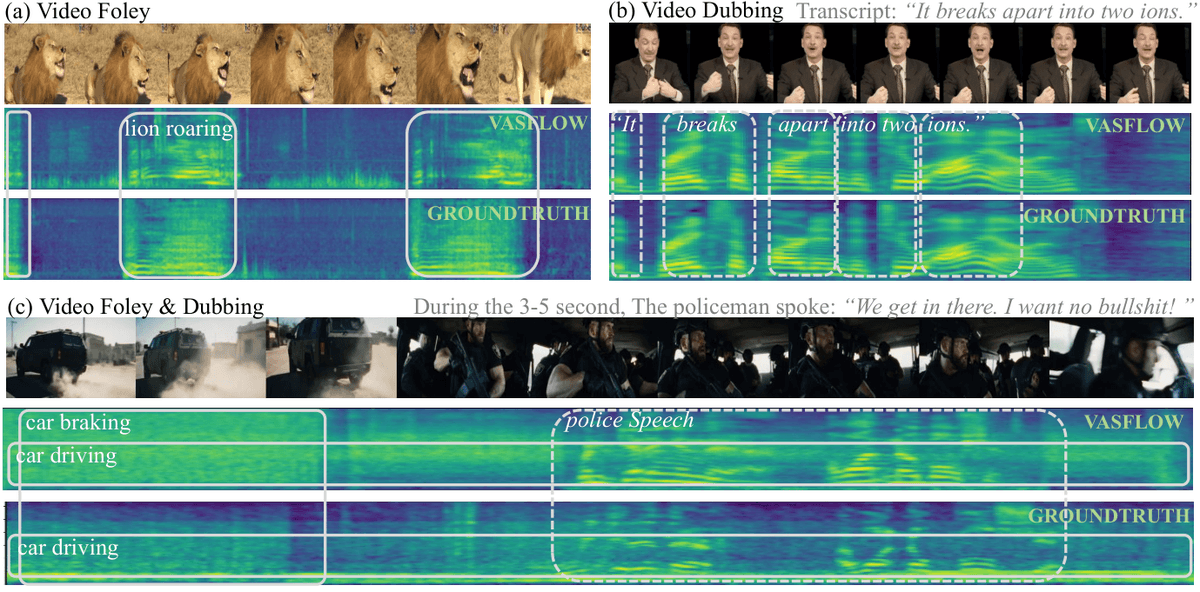
VSSFlow unifies video-to-sound and visual text-to-speech into one flow-matching model, beating specialized baselines without complex multi-stage training
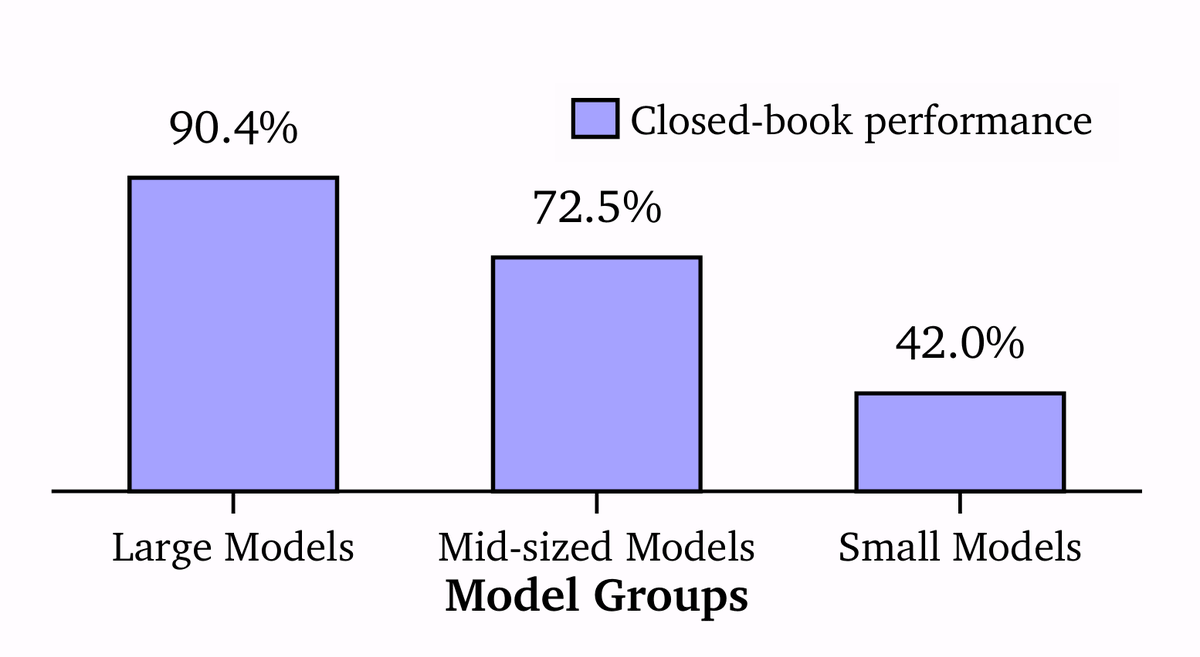
OPENXRD benchmarks 74 LLMs on 217 crystallography questions, revealing that mid-sized models gain the most from expert-curated context -- and bigger isn't always better