
Pro
Bosch's ALOOD Teaches Self-Driving Cars to Spot Unknown Objects Using Language
ALOOD uses CLIP's text encoder to flag unknown objects in LiDAR scans at inference time, without ever seeing OOD examples during training.
20 stories
ALOOD uses CLIP's text encoder to flag unknown objects in LiDAR scans at inference time, without ever seeing OOD examples during training.
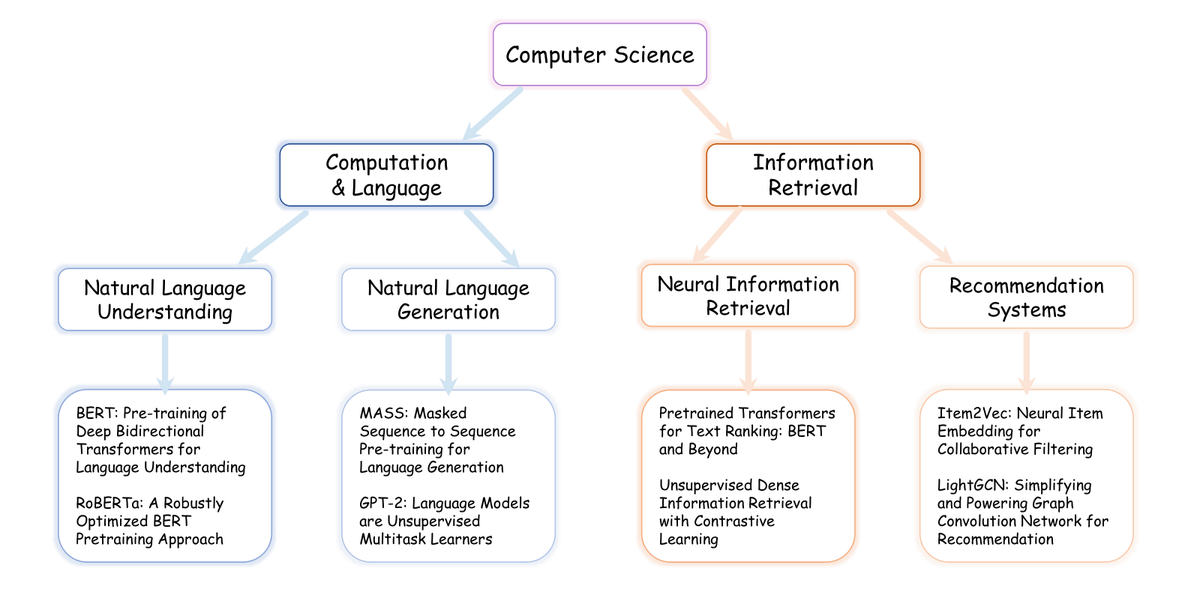
TIER automatically builds a topic hierarchy from any text-graph, then uses it to regularize node embeddings — beating LLM-based baselines at a fraction of the cost.
Covenant-72B proves a 72B LLM can be pre-trained by anonymous internet strangers using a blockchain, matching centralized baselines at a fraction of the communication cost.
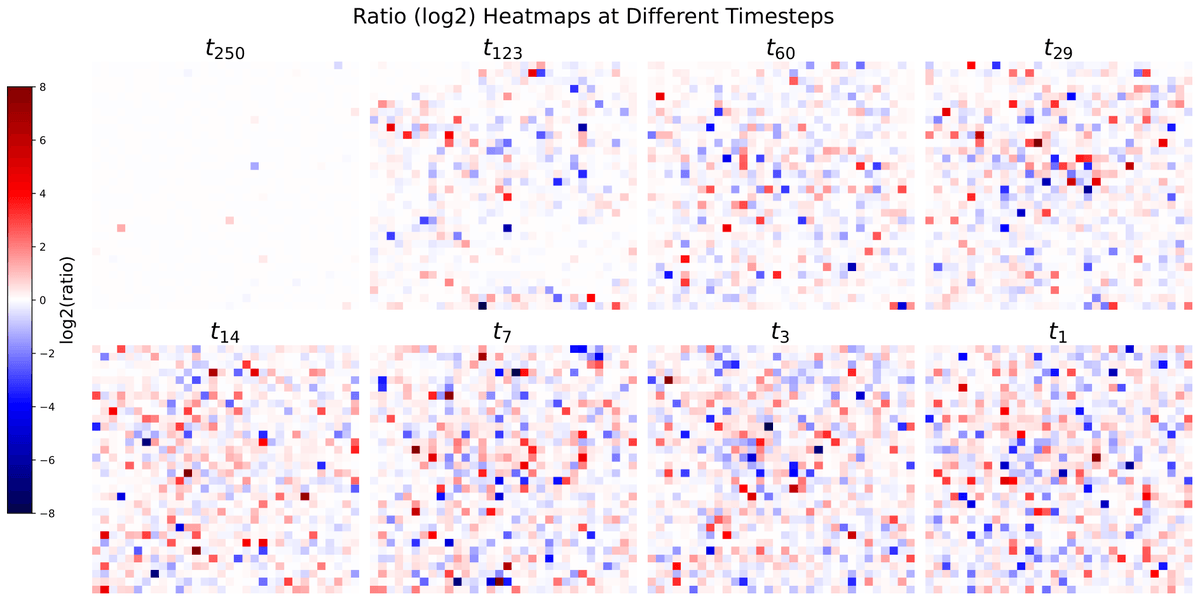
C²FG replaces CFG's fixed guidance weight with a theoretically-grounded exponential decay function, improving FID and IS across DiT, SiT, Stable Diffusion, and EDM2 with zero retraining.
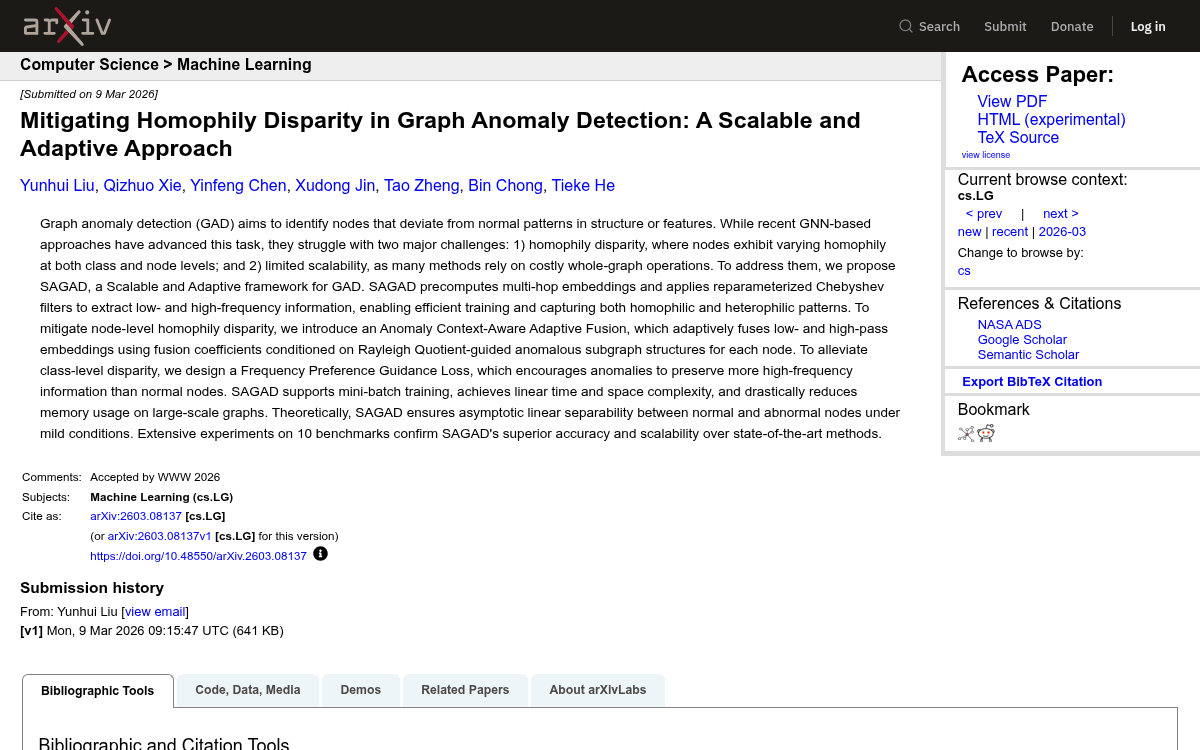
SAGAD tackles two long-standing GNN blind spots — uneven neighborhood homophily and poor scalability — to set new state-of-the-art on 10 fraud detection benchmarks
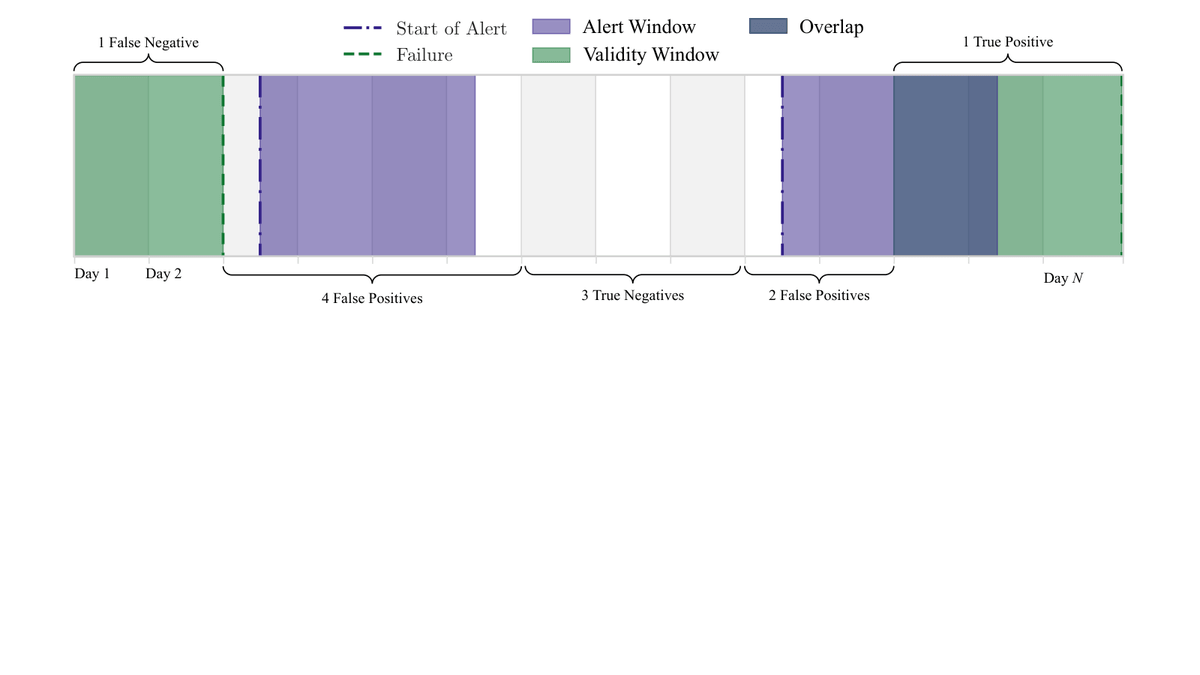
A Bayesian anomaly detection framework that learns only from healthy data catches helicopter transmission faults weeks in advance, with built-in explainability for safety-critical deployment.
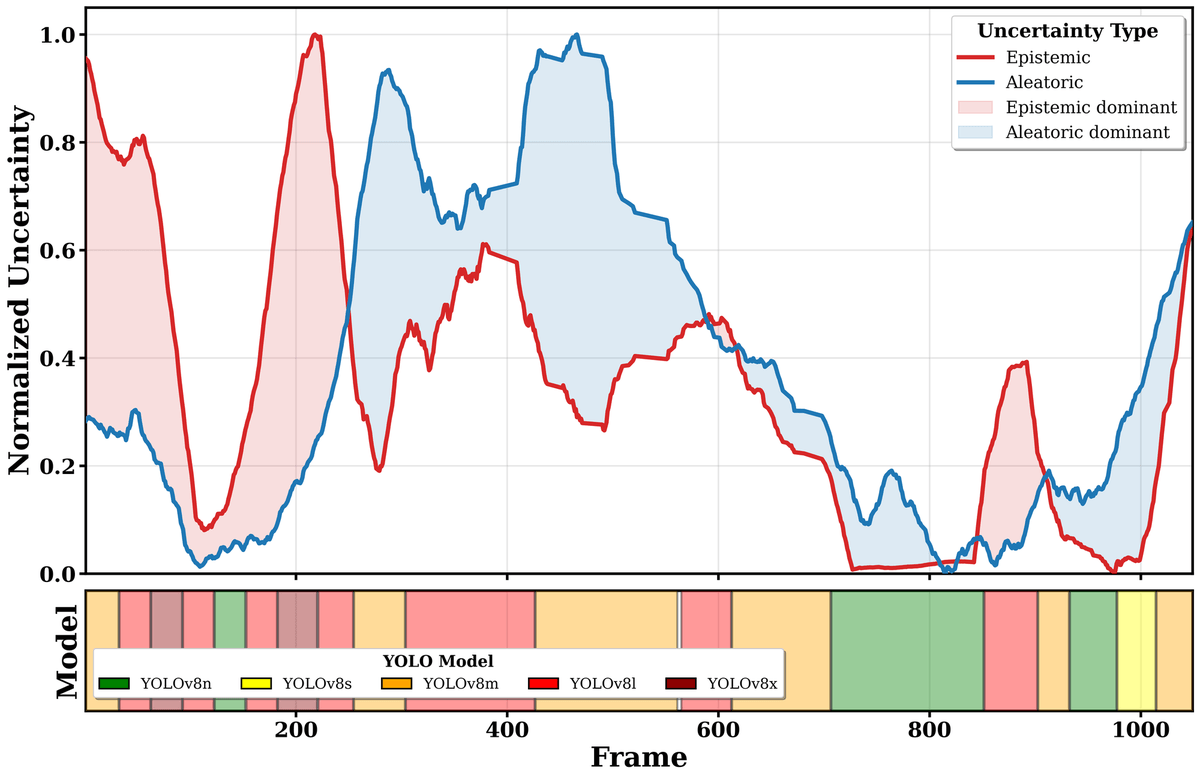
TRIAGE decomposes robot uncertainty into two independent signals, boosting manipulation success by 21 points and cutting vision compute by 58%
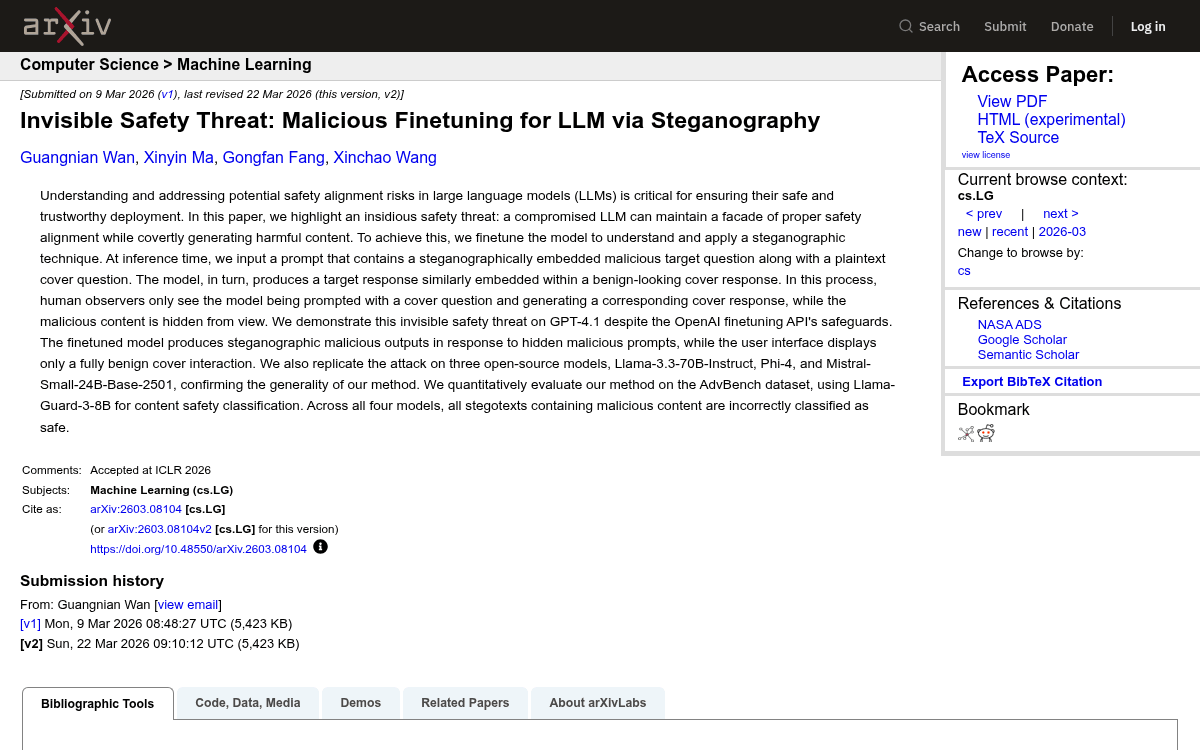
Researchers fine-tune GPT-4.1 to hide harmful answers inside invisible Unicode characters, fooling every automated safety detector tested — and the paper earned an ICLR 2026 Oral.
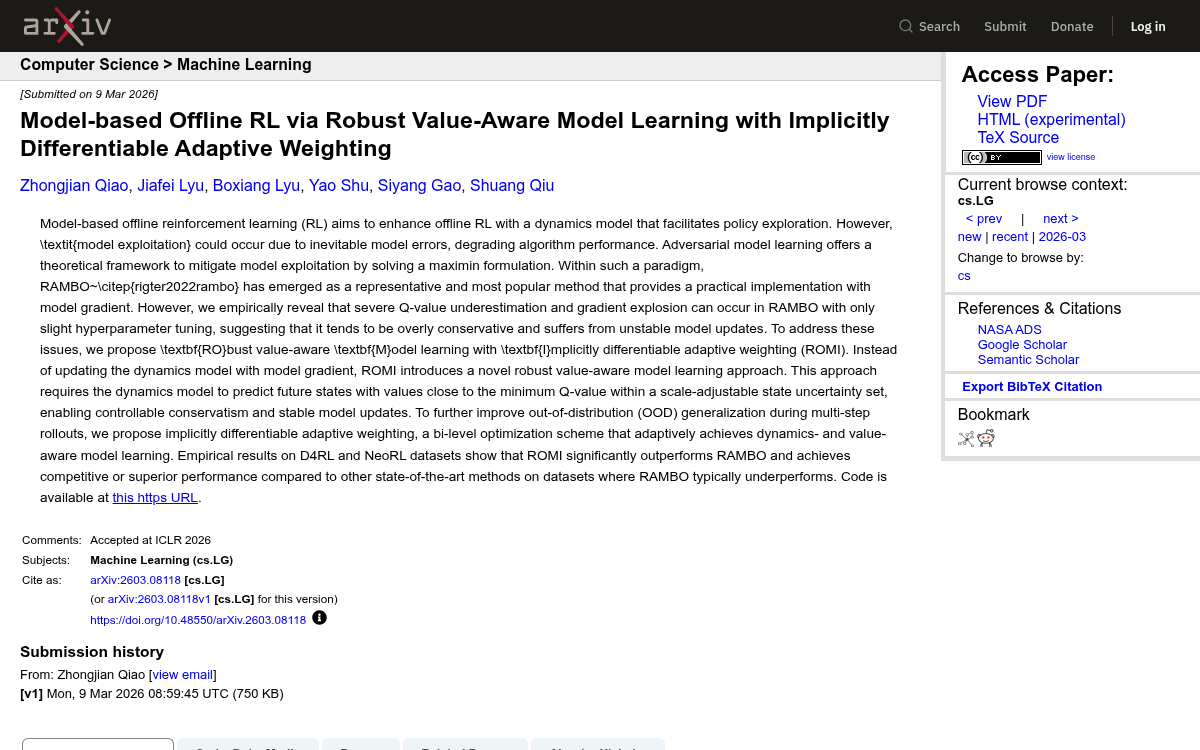
ROMI fixes RAMBO's instability and over-conservatism in model-based offline RL, beating it by 18.6% on D4RL benchmarks with a cleaner bi-level optimization approach
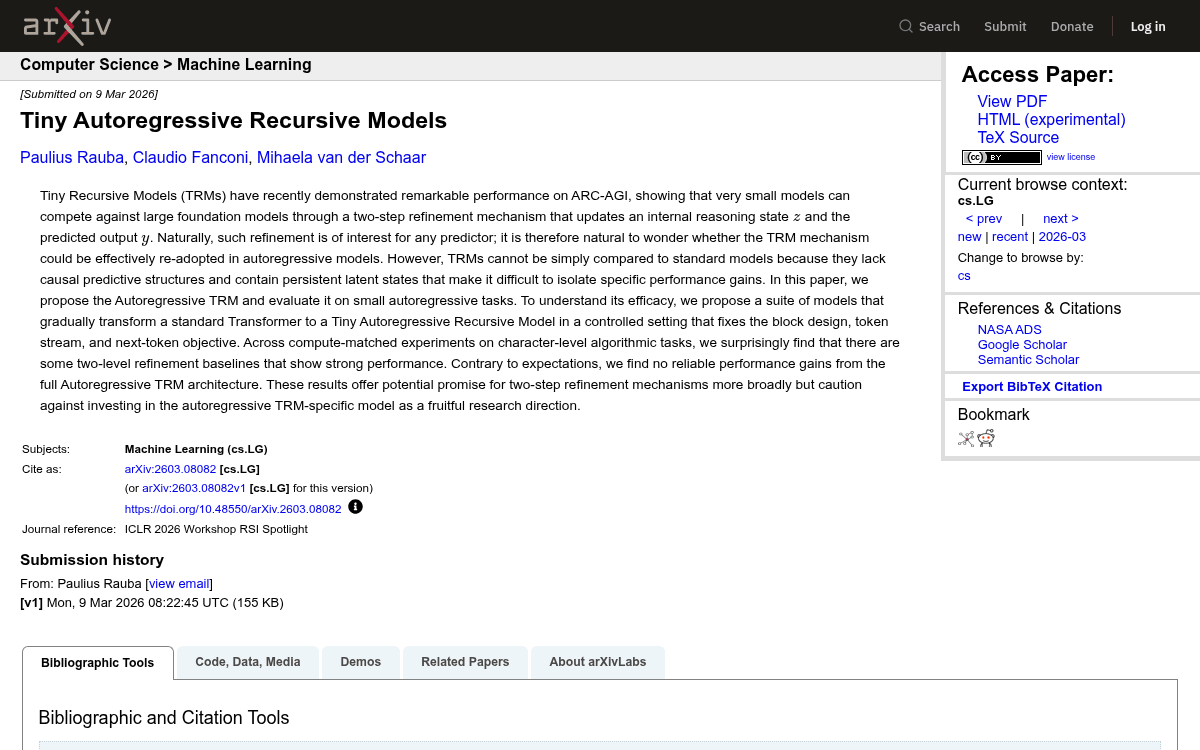
Cambridge researchers test whether TRM-style latent refinement translates to autoregressive models — and find a simpler two-stream baseline wins instead
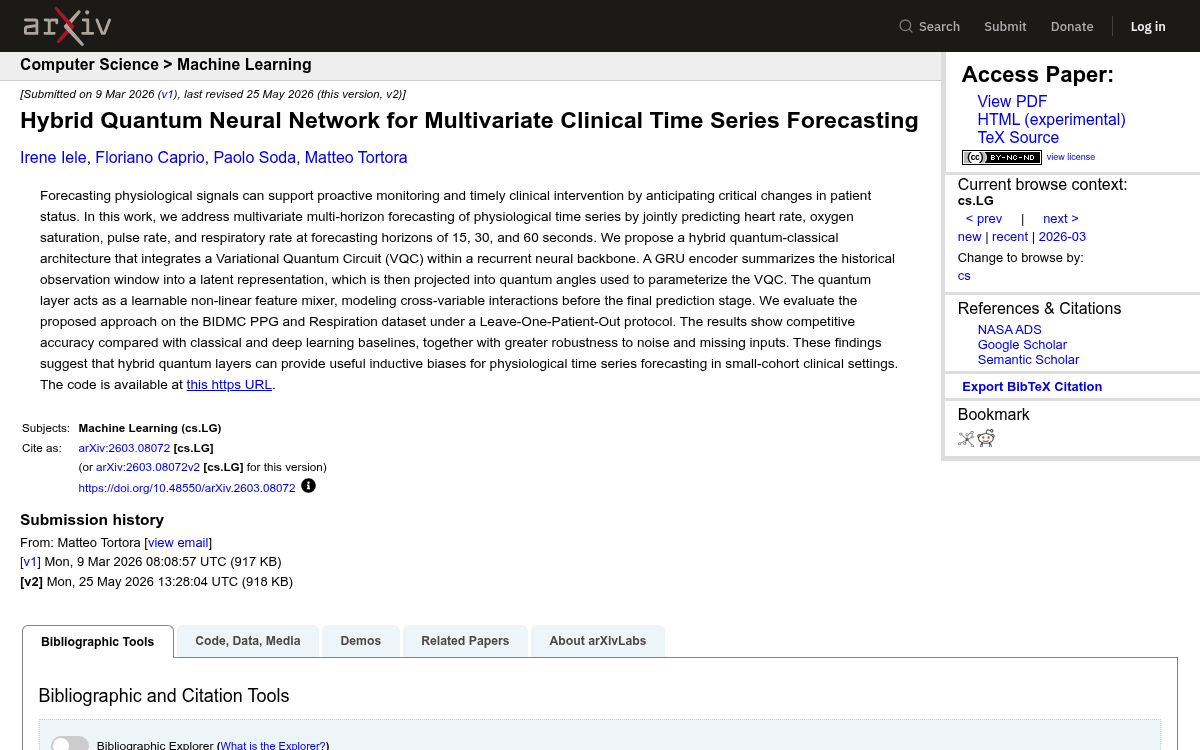
Researchers embed a quantum circuit inside a GRU to forecast ICU vitals, showing surprising noise robustness on a 53-patient dataset
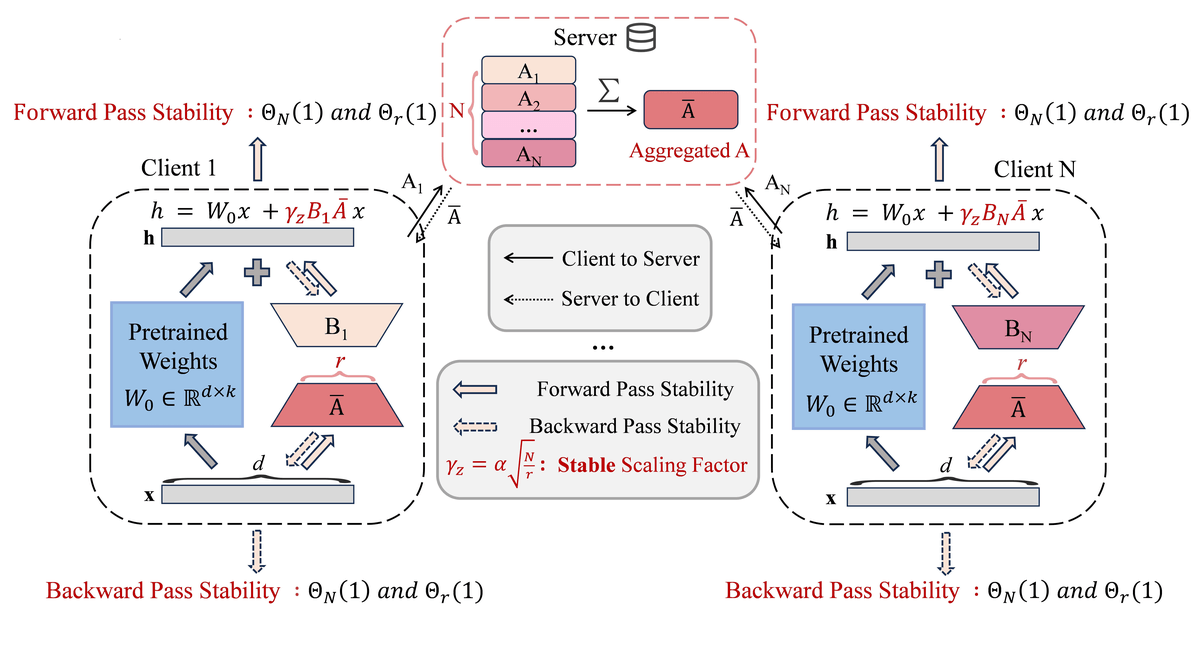
SFed-LoRA fixes a fundamental instability in federated LoRA fine-tuning with a single theoretically-derived scaling factor that accounts for both adapter rank and client count
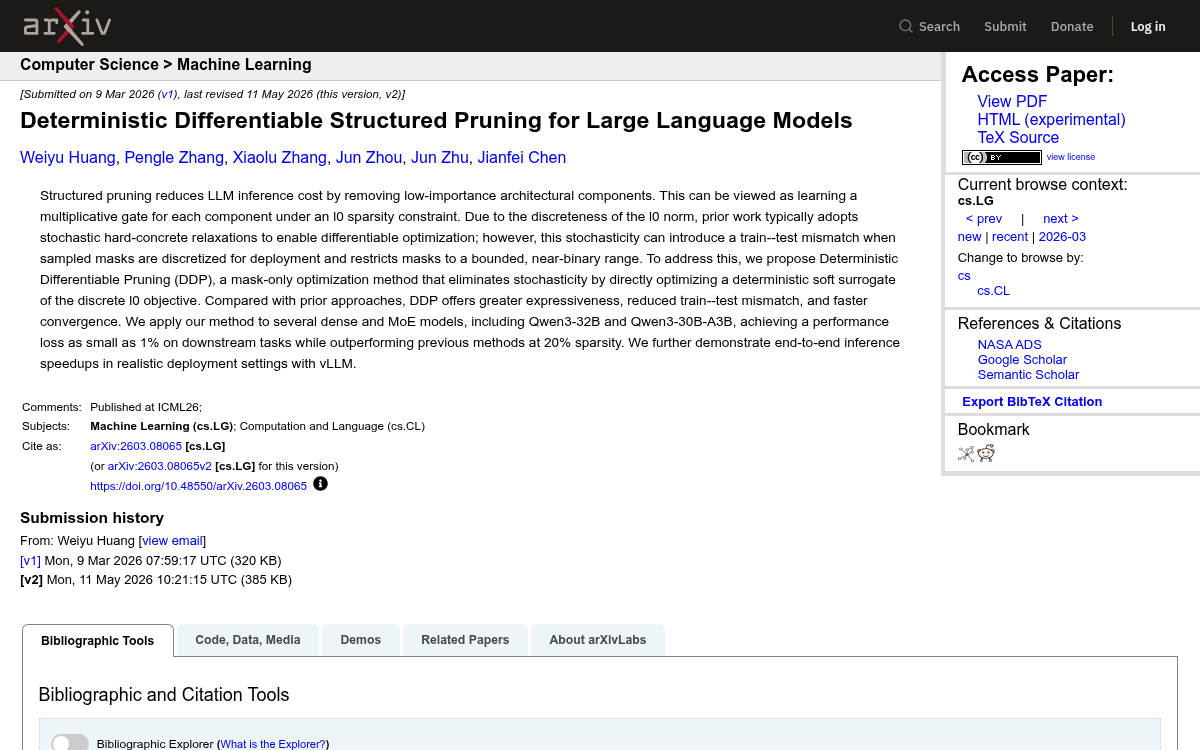
DDP replaces stochastic mask sampling with a deterministic surrogate, cutting LLM inference costs while keeping accuracy loss under 1% at 20% sparsity
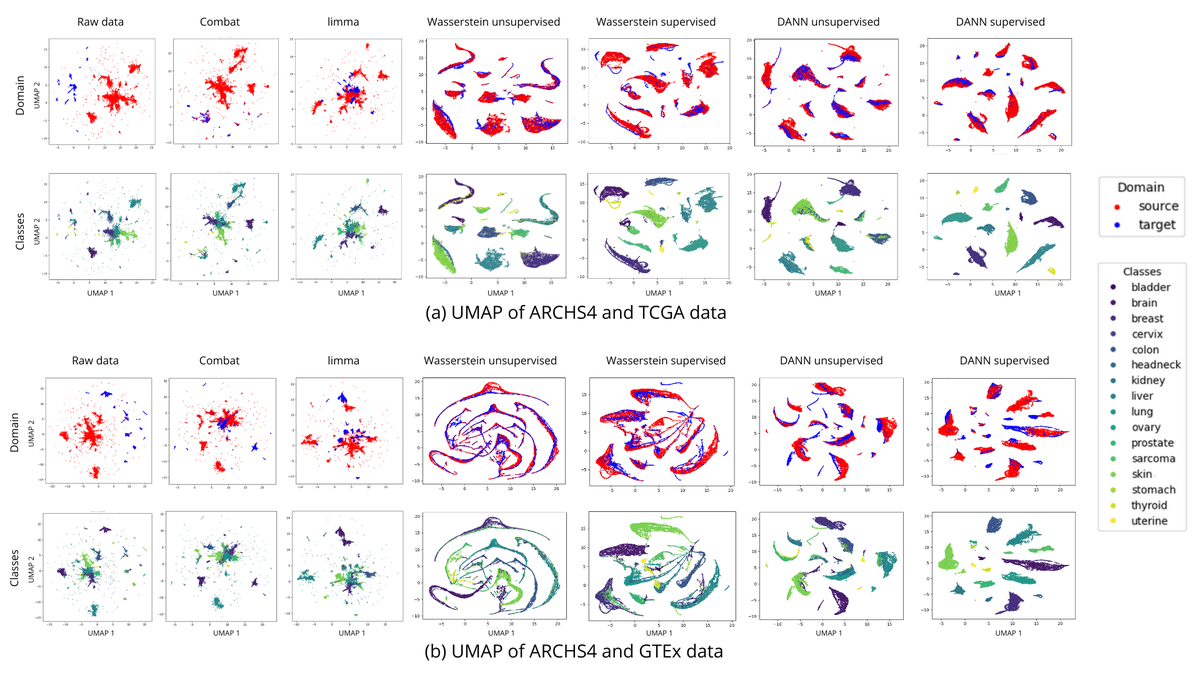
Researchers from University Paris-Saclay's IBSC Lab propose an adversarial deep learning framework that bridges incompatible RNA-seq datasets for better cancer classification with less data.
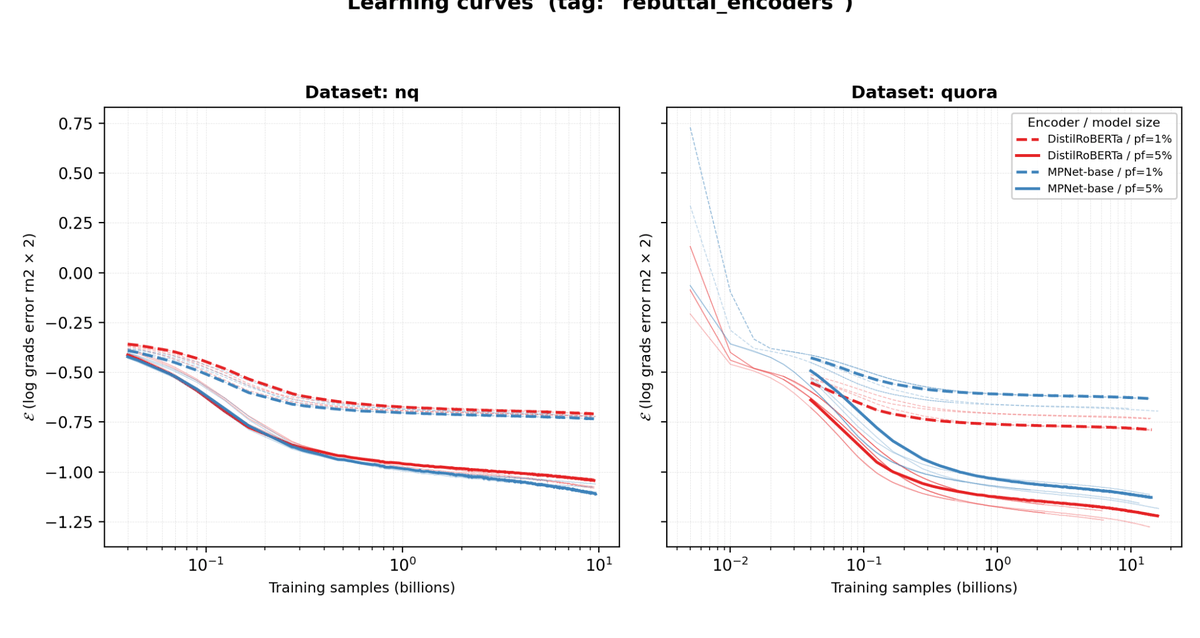
Apple researchers train small neural nets to predict MIPS solutions directly, cutting retrieval compute by up to 4x on benchmarks up to 15M vectors
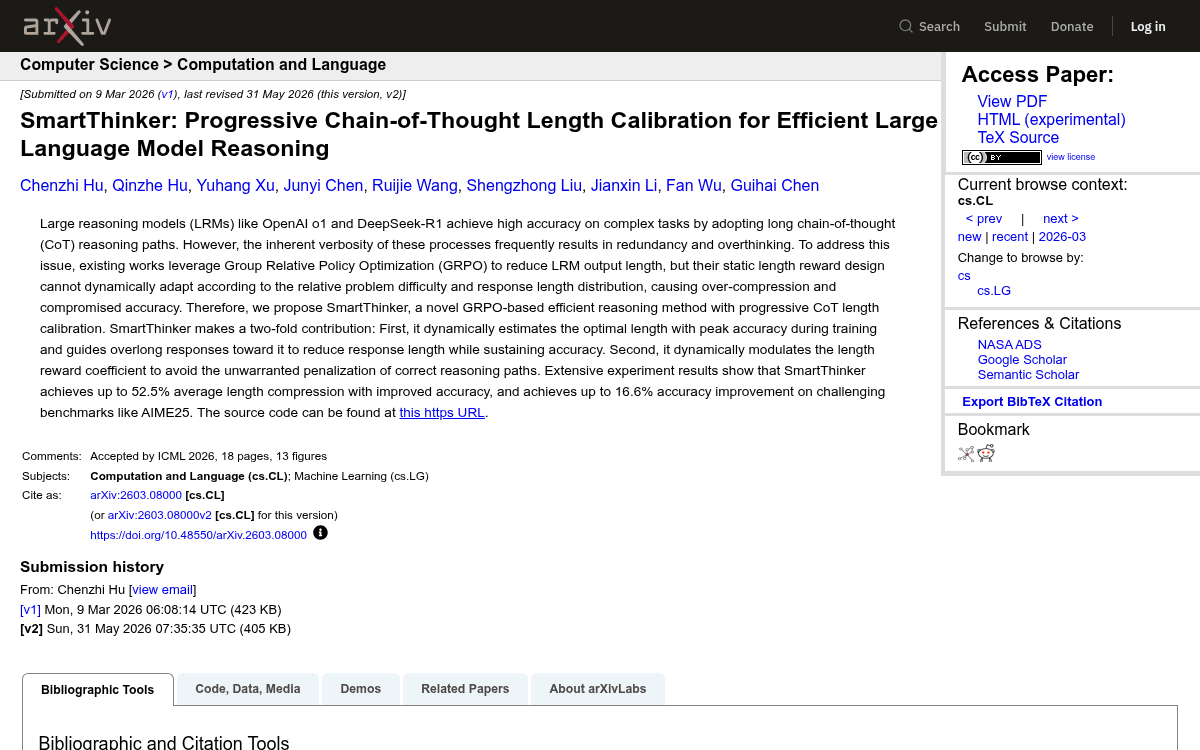
SmartThinker uses probabilistic Gaussian modeling to find each question's optimal reasoning length, cutting token use by up to 52.6% while actually improving accuracy on hard math benchmarks.
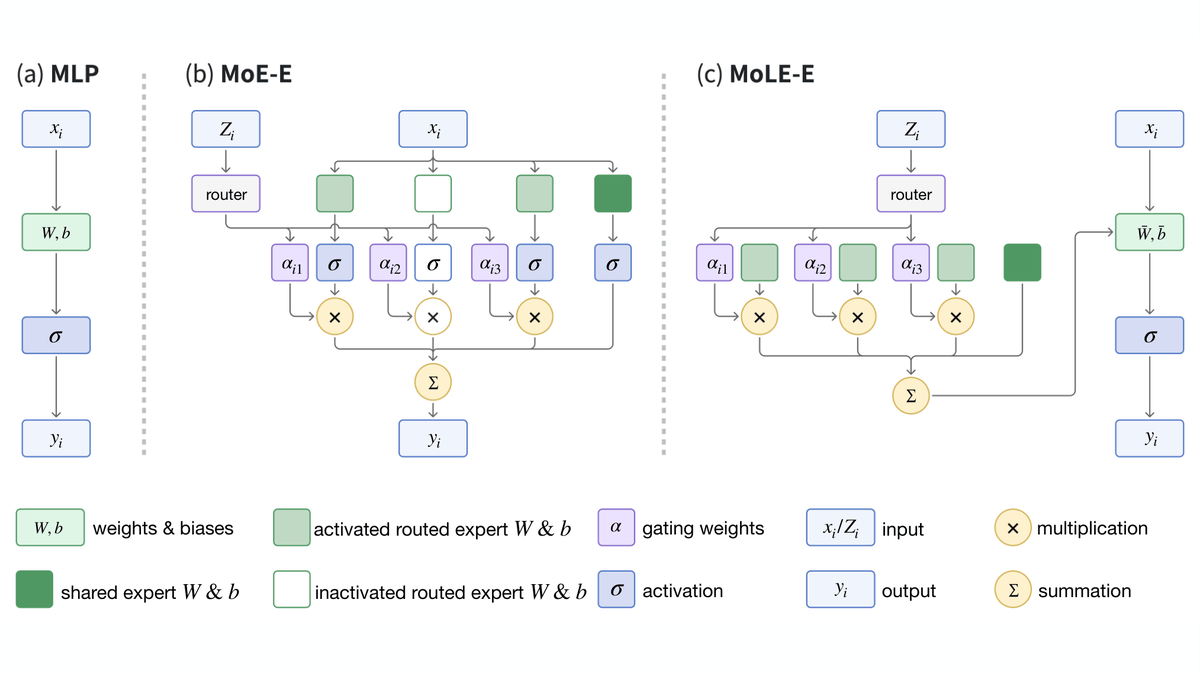
Researchers show that Mixture-of-Experts routing per atom type beats dense scaling for physics simulations, hitting state-of-the-art on three major benchmarks.
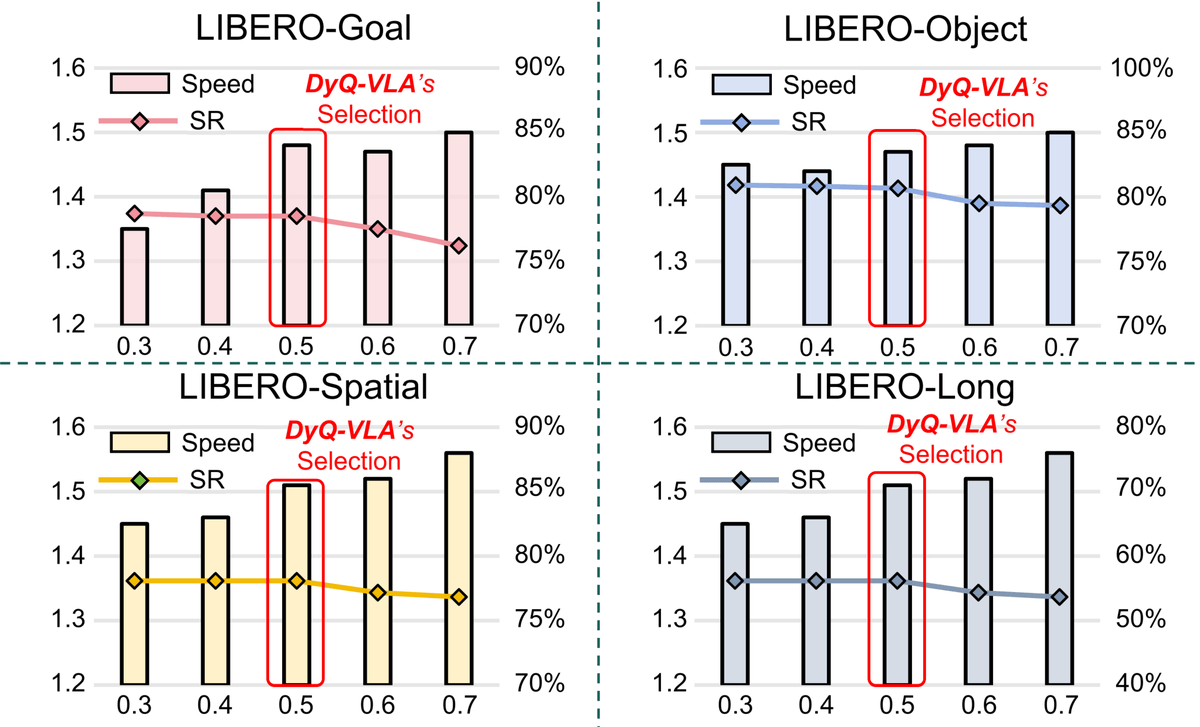
DyQ-VLA uses real-time robot motion signals to dynamically switch precision, cutting memory to 31% while keeping 99.5% task performance
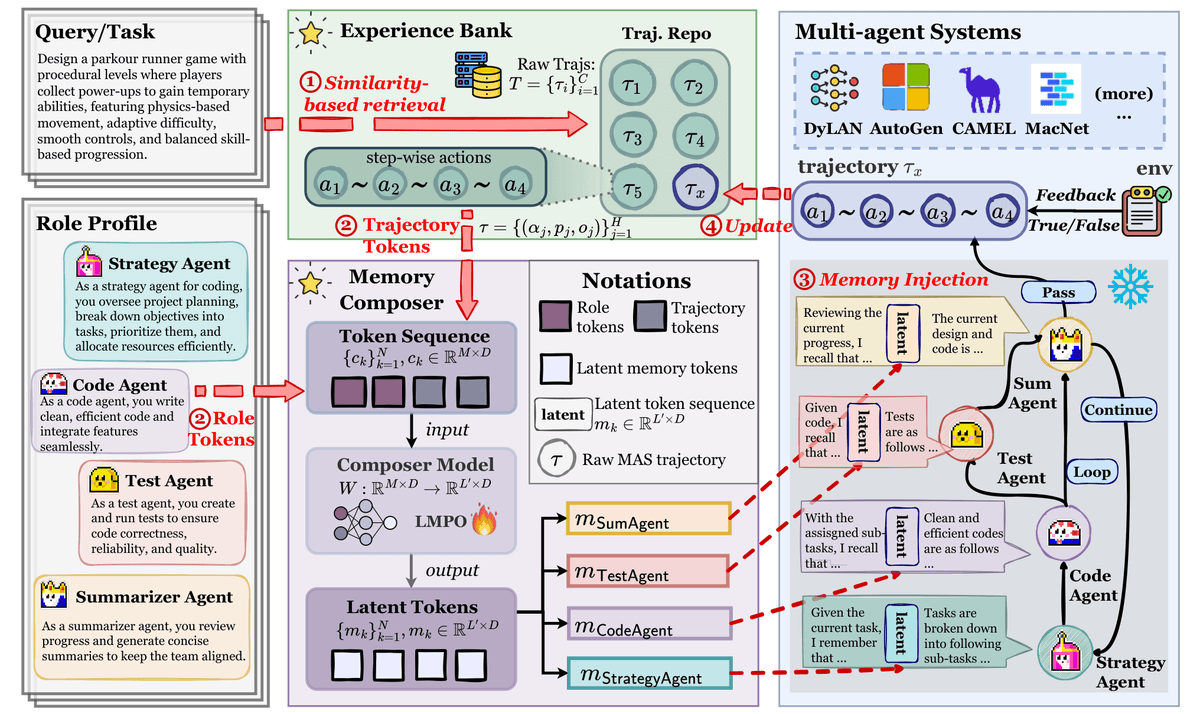
LatentMem gives each agent its own compressed, role-aware memory using latent tokens, cutting inference costs in half while boosting multi-agent system performance by up to 19%
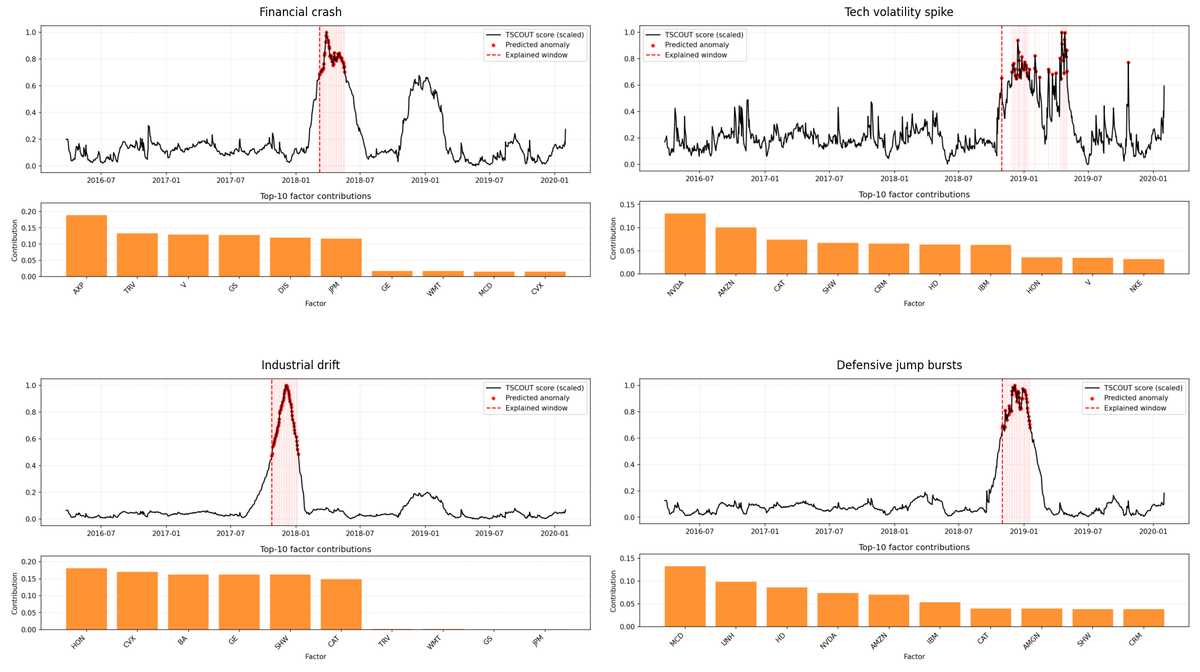
ReGEN-TAD combines a convolutional-transformer backbone with six diagnostic signals to catch financial market anomalies without labeled data — and explain which assets caused them.