
Pro
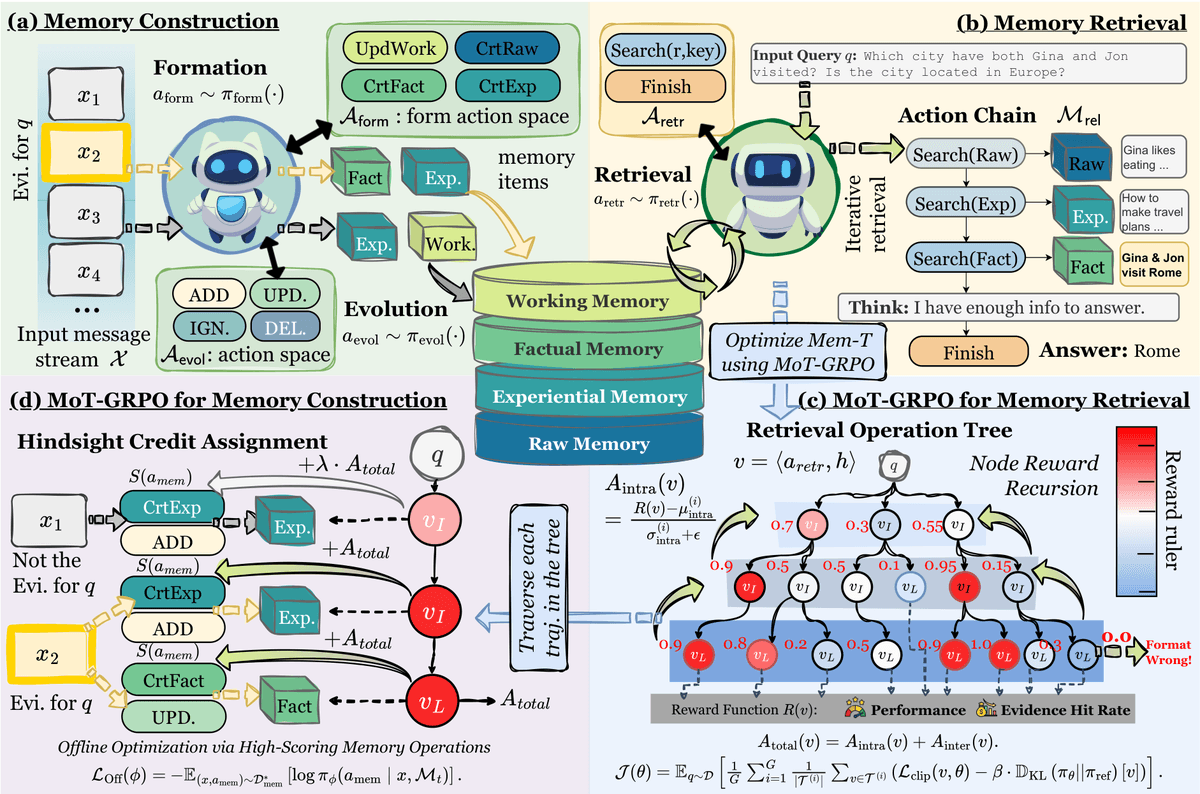
Peking University's Mem-T Teaches AI Agents to Remember 14 Points Better
Mem-T uses tree-guided RL to teach LLMs how to build and search memory, beating Mem0 and A-Mem by up to 14.92% F1 while using 24% fewer tokens
20 stories
Mem-T uses tree-guided RL to teach LLMs how to build and search memory, beating Mem0 and A-Mem by up to 14.92% F1 while using 24% fewer tokens
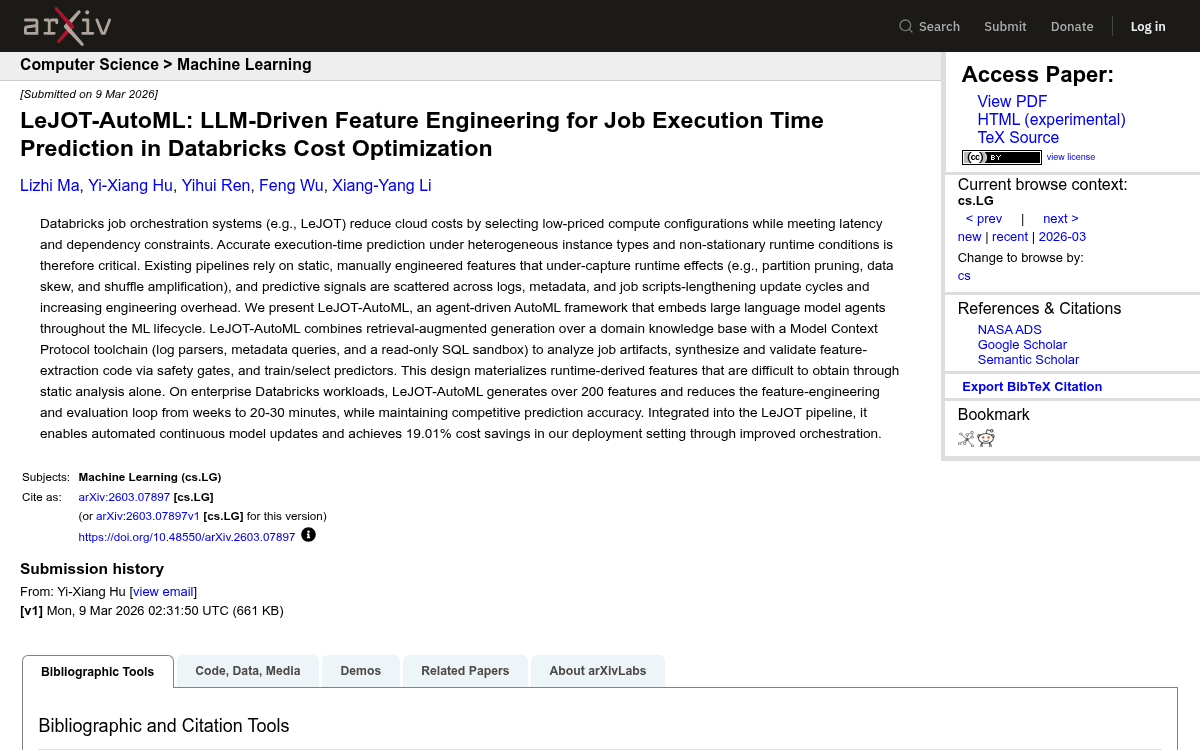
LeJOT-AutoML uses LLM agents and MCP toolchains to cut Databricks feature engineering from weeks to 30 minutes, saving 19% on cloud compute costs
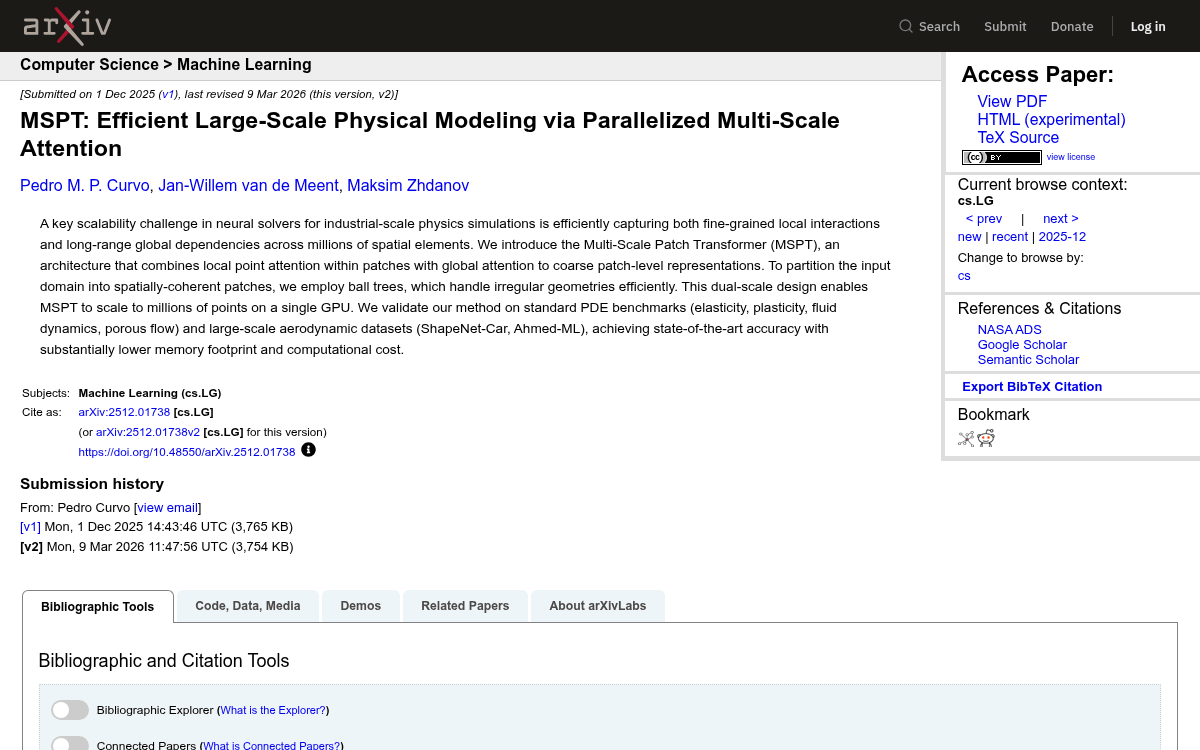
MSPT uses ball-tree patching and dual-scale attention to run million-point physics simulations on a single GPU, beating Transolver by up to 30% on key benchmarks.
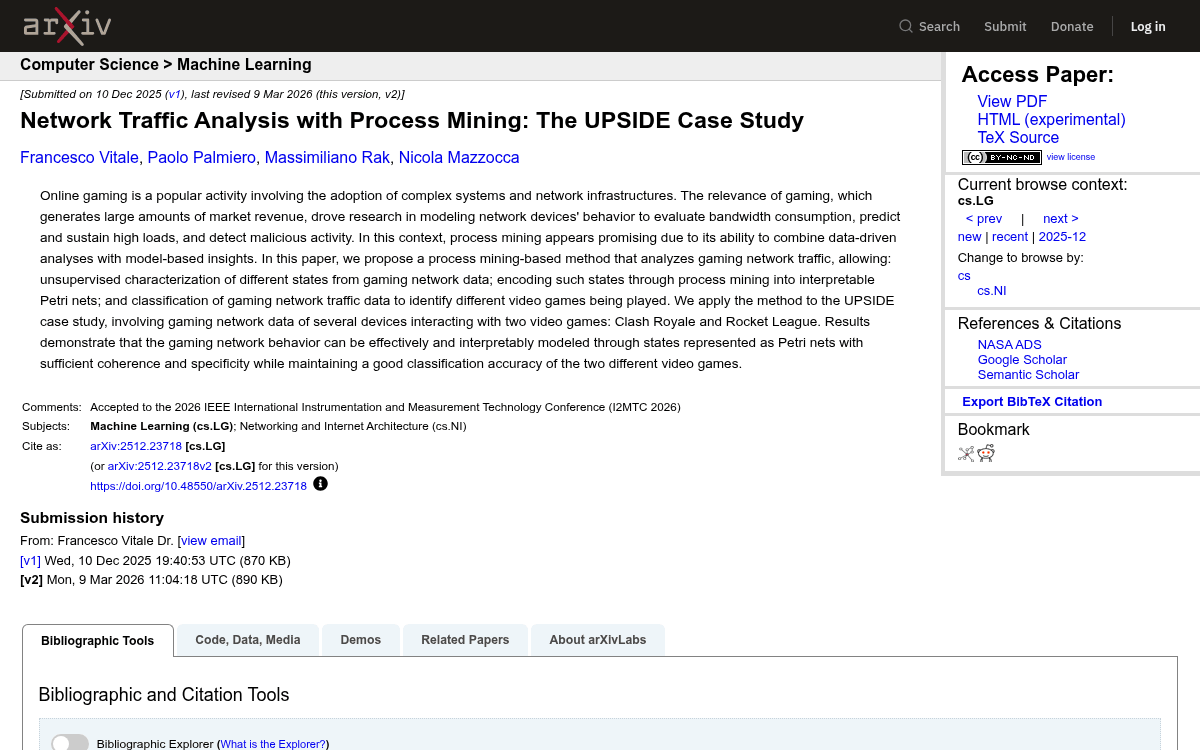
Researchers use process mining to turn raw gaming network packets into interpretable Petri nets that can identify which game a device is playing, achieving 88.3% AUC without any labeled training data.
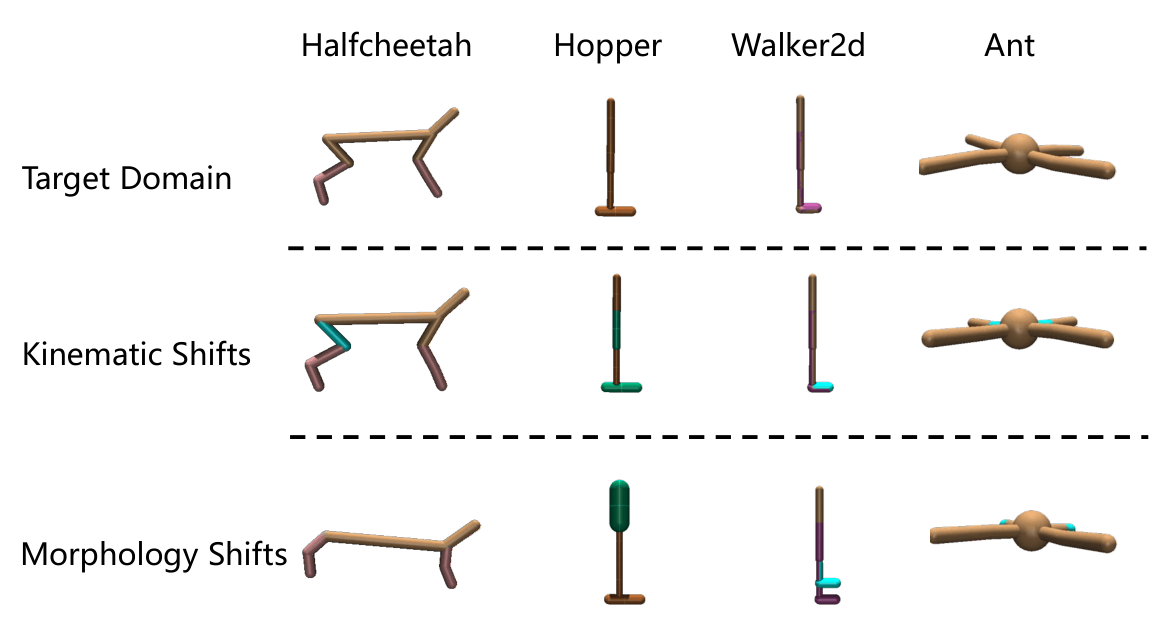
DROCO introduces a novel Bellman operator that makes offline RL policies robust to both training-time domain gaps and real-world deployment perturbations simultaneously
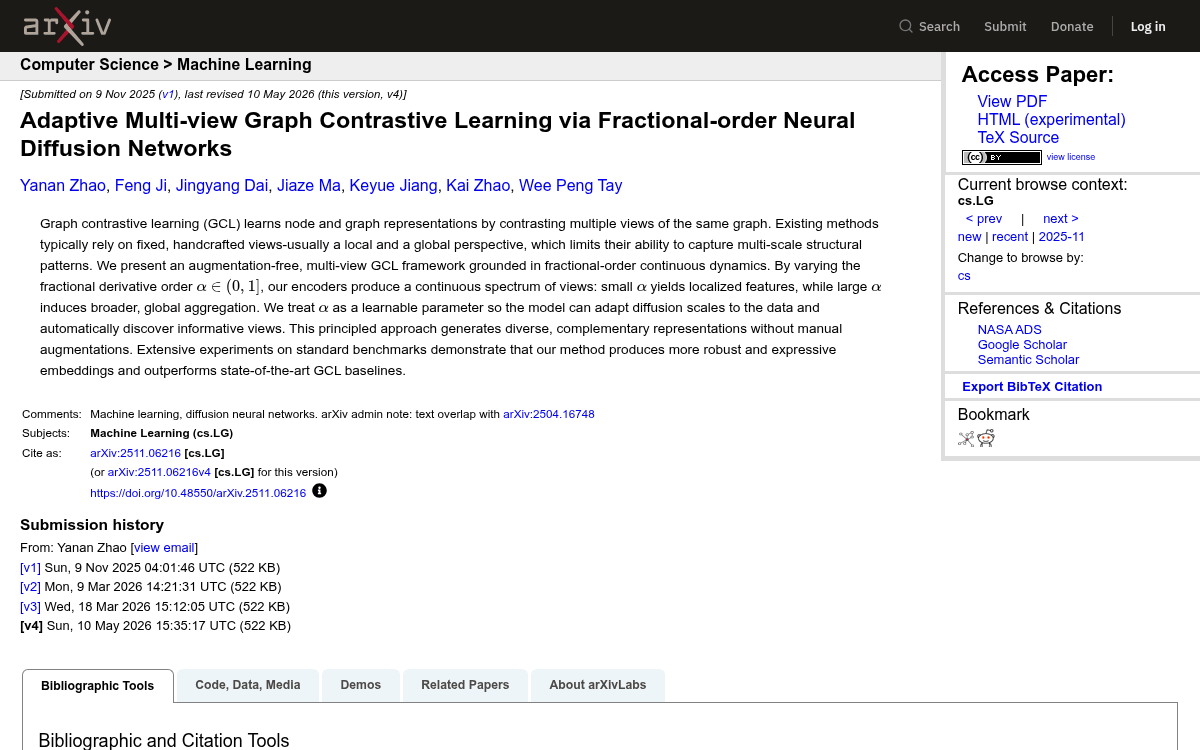
FD-MVGCL uses fractional-order differential equations to generate a learnable spectrum of graph views, beating 17 baselines without any data augmentation or negative samples
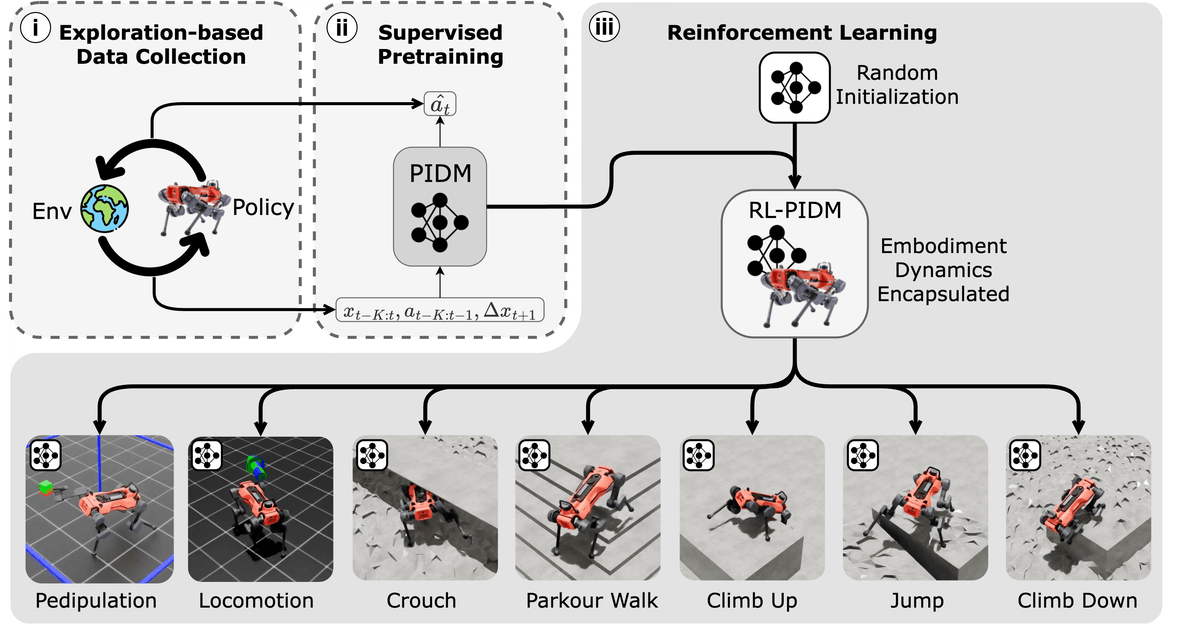
ETH Zurich researchers show that pretraining a robot's inverse dynamics model before RL cuts training time by 37% and boosts final performance across 9 tasks and 3 robot bodies
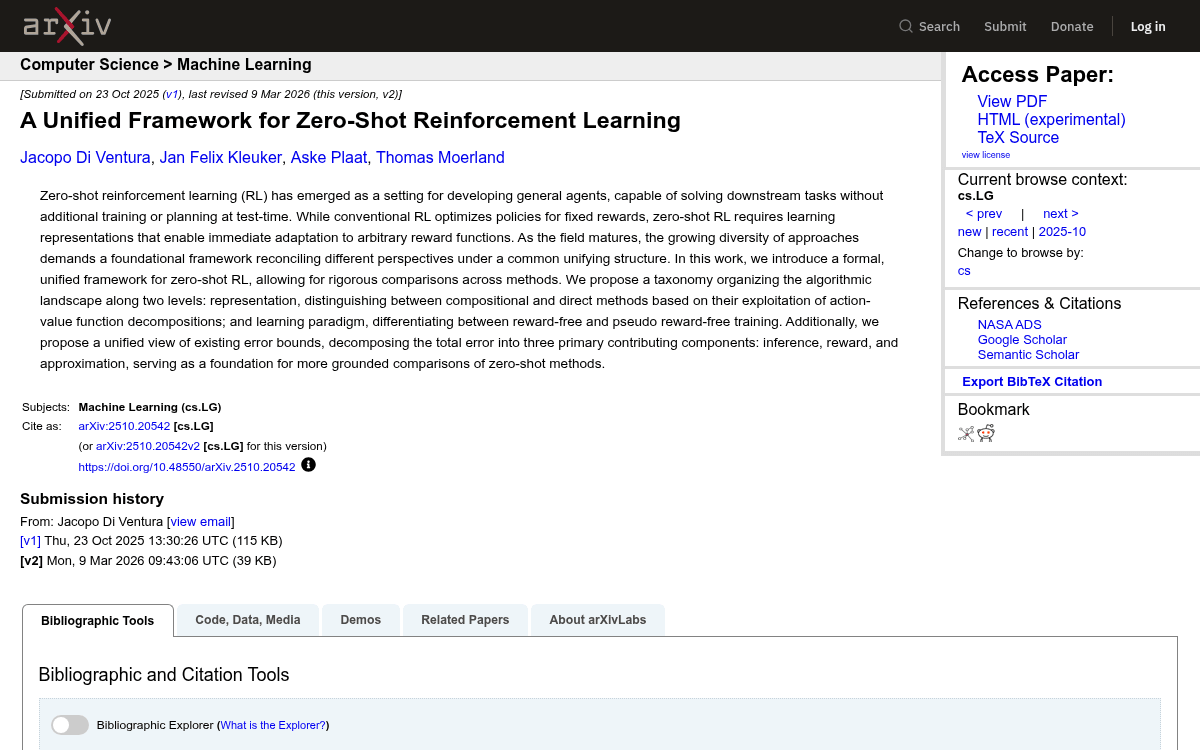
A new paper from Leiden University builds the first formal taxonomy for zero-shot RL, giving researchers a shared language to compare methods that were previously incomparable
SelfOrg lets LLM agents self-organize their own communication graph using game-theory scores, with no training or external judges required
A new paper proves that graph-based tabular deep learning models learn feature graphs no better than random chance — and fixing that boosts accuracy.
A new VAE-based method jointly encodes both system states and noise, unlocking compact, interpretable stochastic models of complex real-world dynamics
A new algorithm from Google DeepMind lets you apply differential privacy to any black-box function, navigating the tradeoff between data efficiency and computation cost.
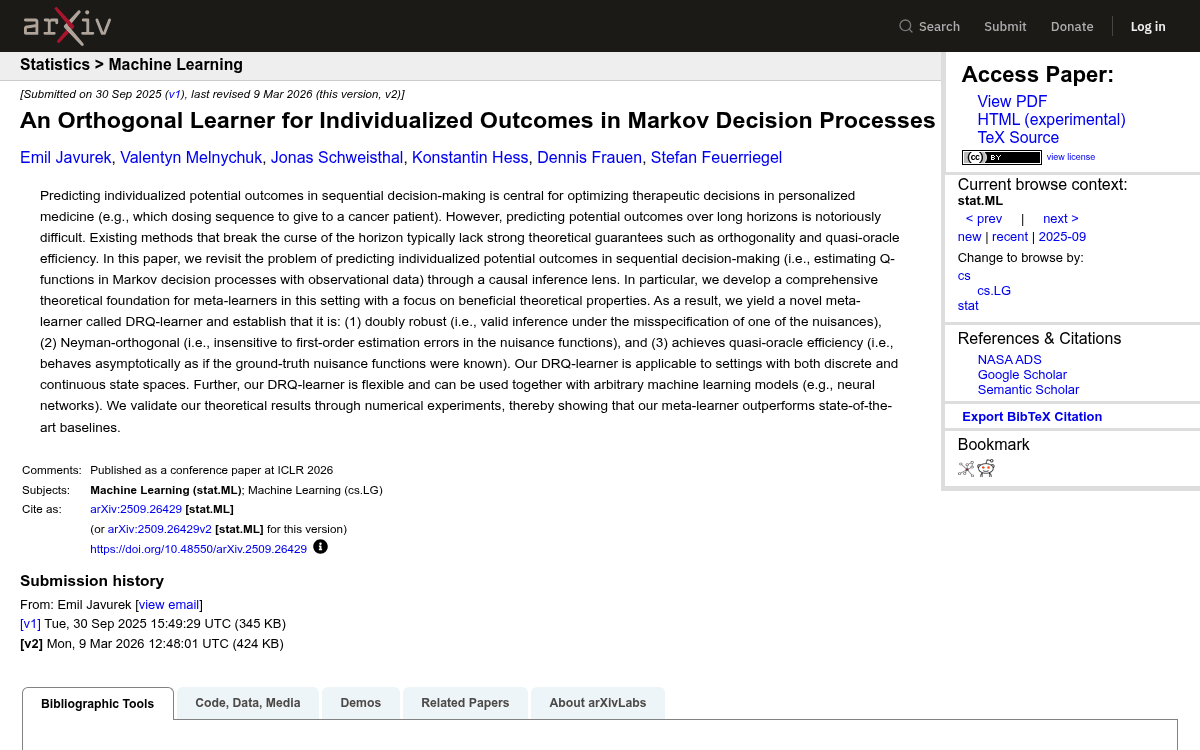
The DRQ-learner is the first meta-learner to simultaneously achieve double robustness, Neyman-orthogonality, and quasi-oracle efficiency for Q-function estimation from observational data in MDPs.
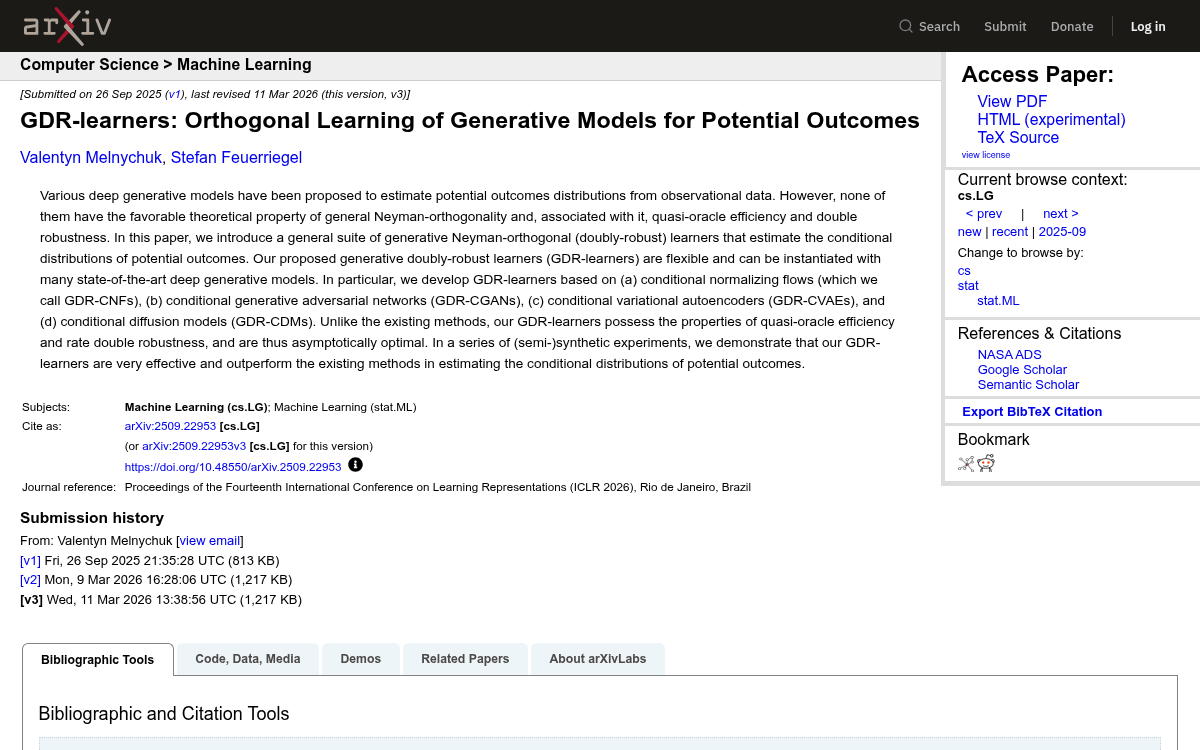
GDR-learners bring doubly-robust, asymptotically optimal training to generative models for causal potential outcome distributions, outperforming all existing baselines.
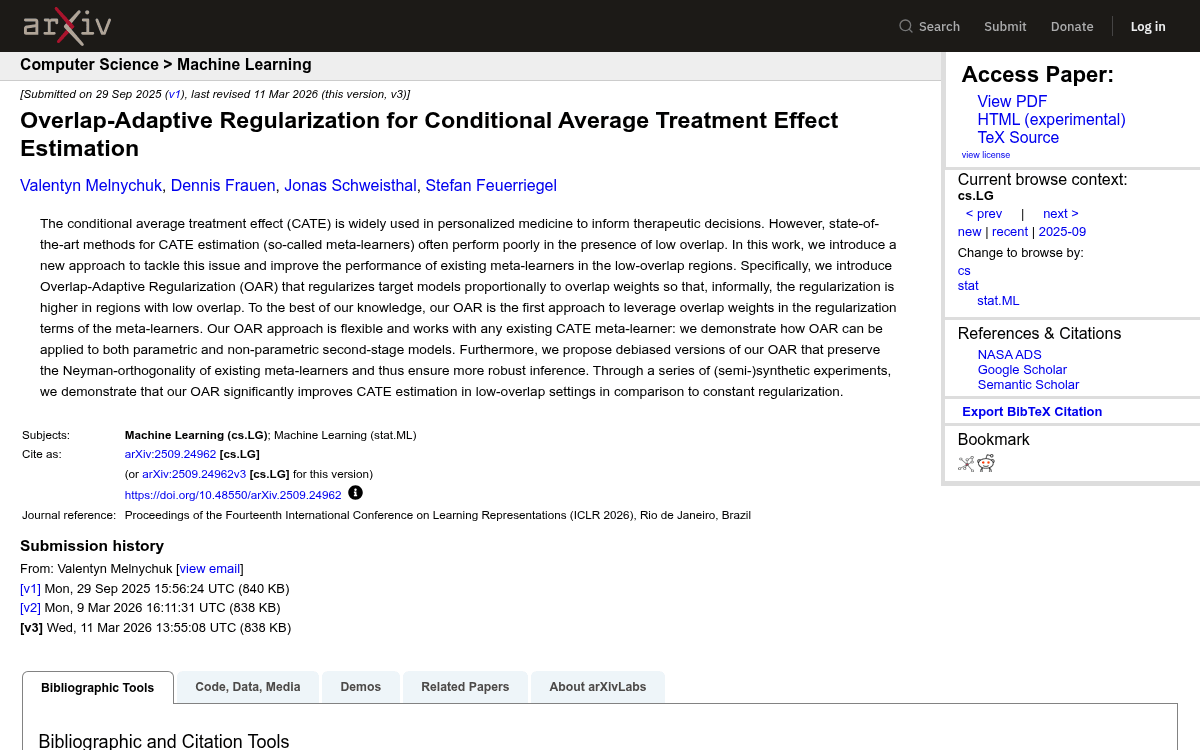
OAR is a plug-in regularization wrapper that makes any CATE meta-learner dramatically more reliable in data-sparse treatment regions, with code released.
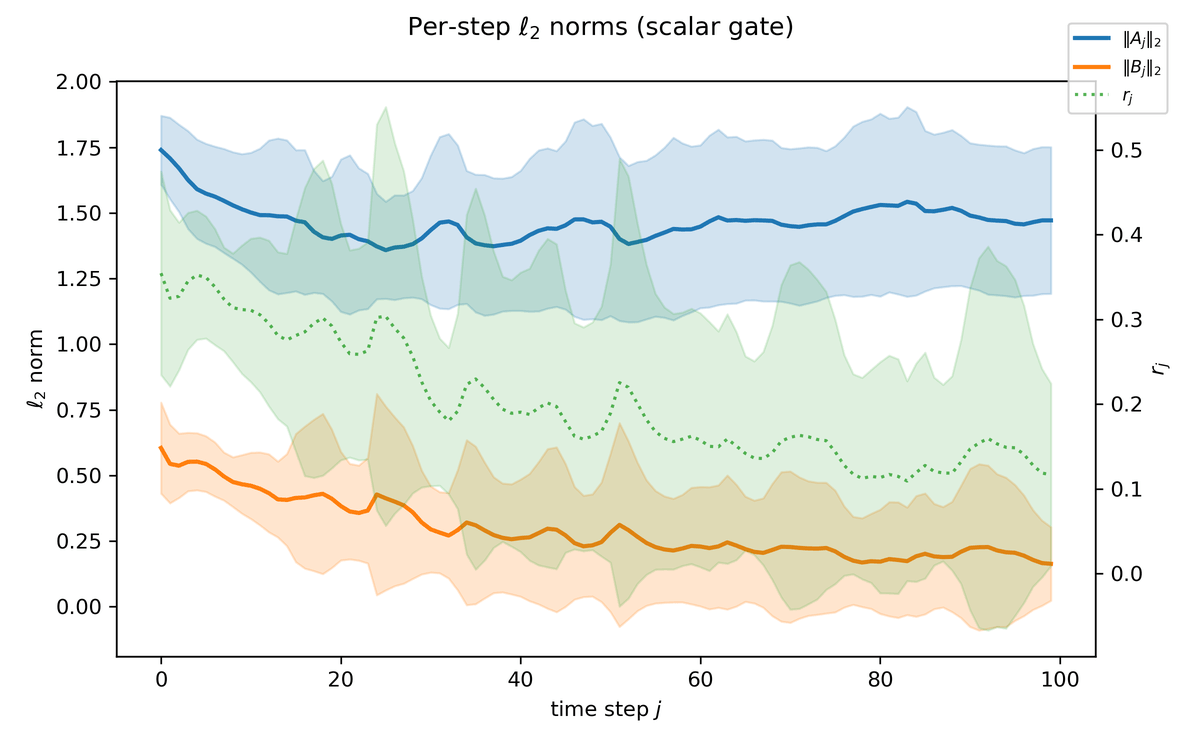
A new paper proves that RNN gates secretly act as adaptive optimizers, inducing per-neuron learning rates even under plain SGD -- with implications for how we design and train sequence models.
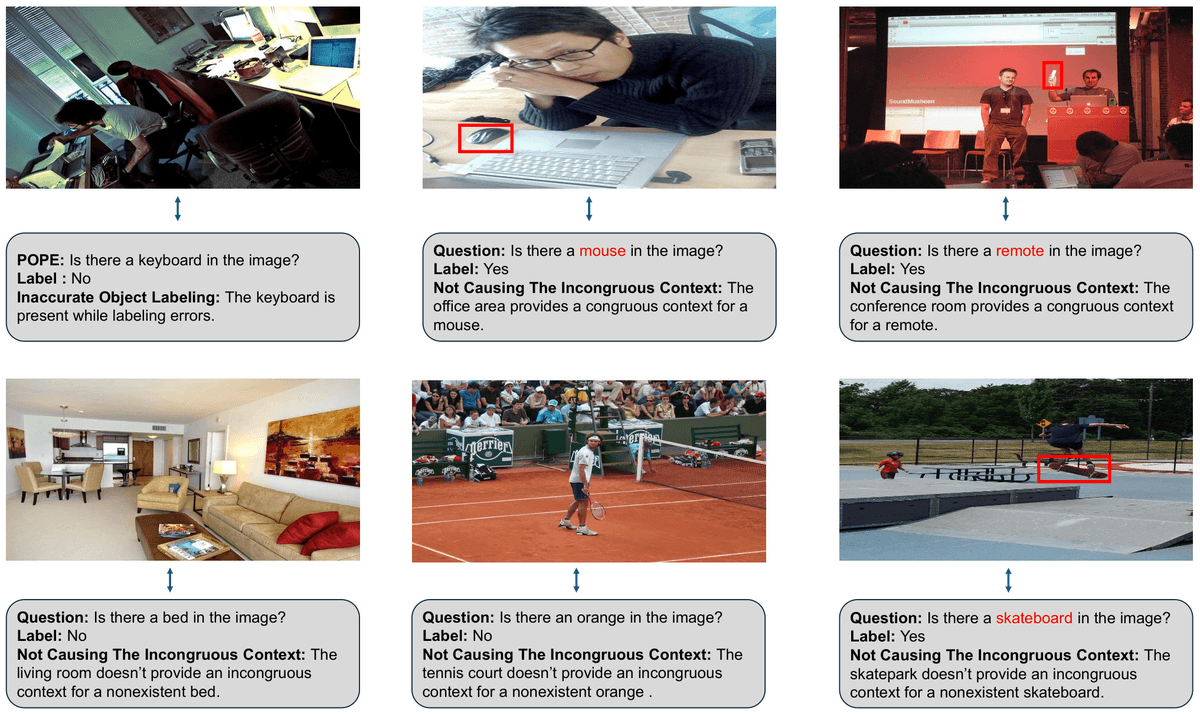
ORIC exposes a hidden failure mode in vision-language models: scene context hijacks object recognition, causing both missed detections and hallucinations — and a 600-sample RL fine-tune fixes it
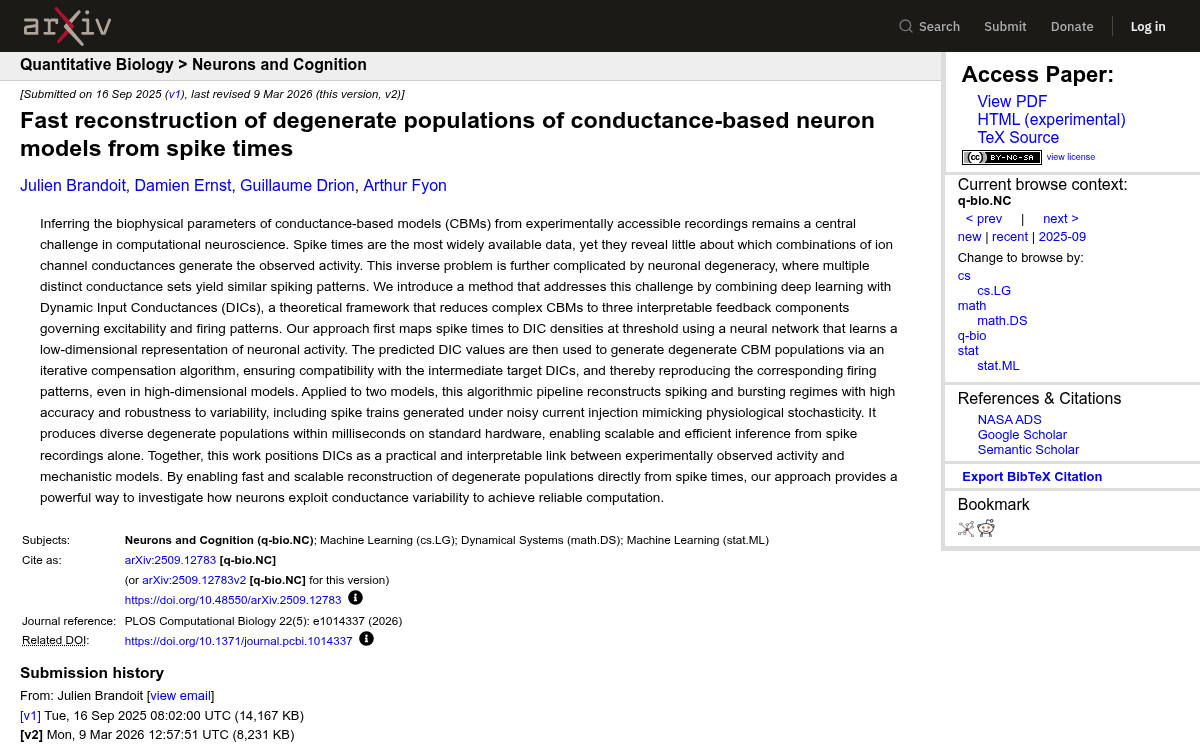
A deep learning pipeline converts raw spike recordings into diverse, biologically realistic neuron model populations in milliseconds, cracking a long-standing inverse problem in computational neuroscience.
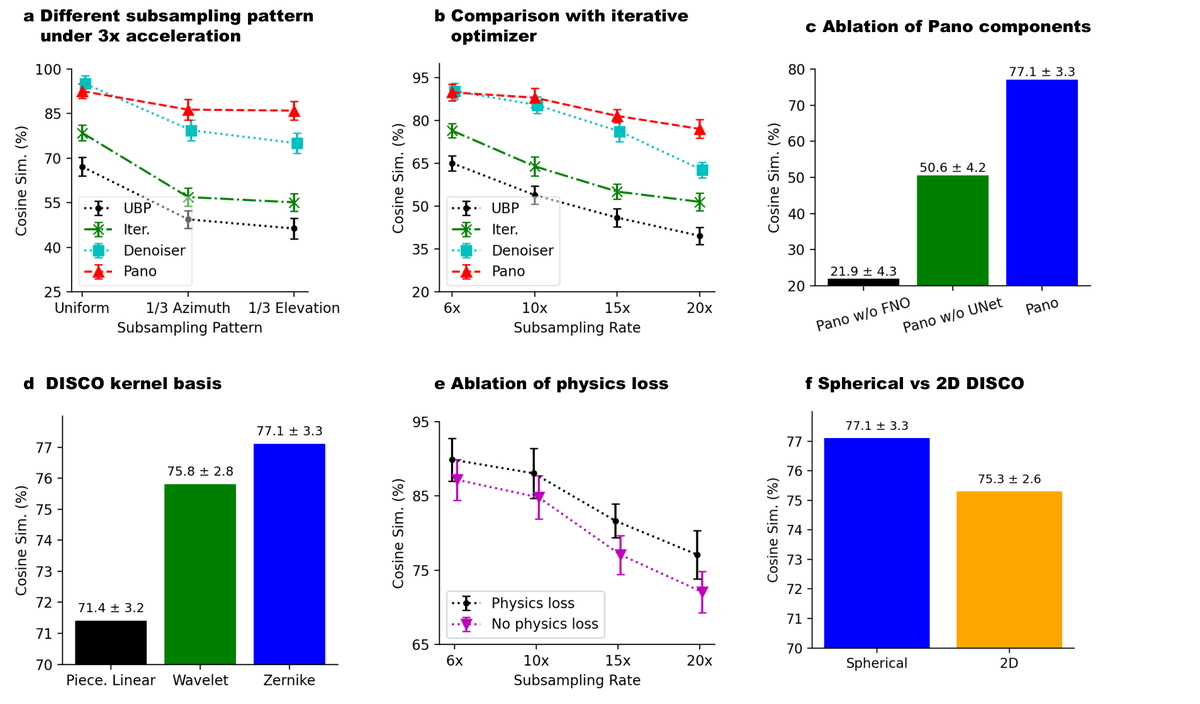
Caltech's PANO neural operator reconstructs 3D photoacoustic scans in real time from sparse sensor data, beating the standard UBP algorithm by 33 points in image similarity
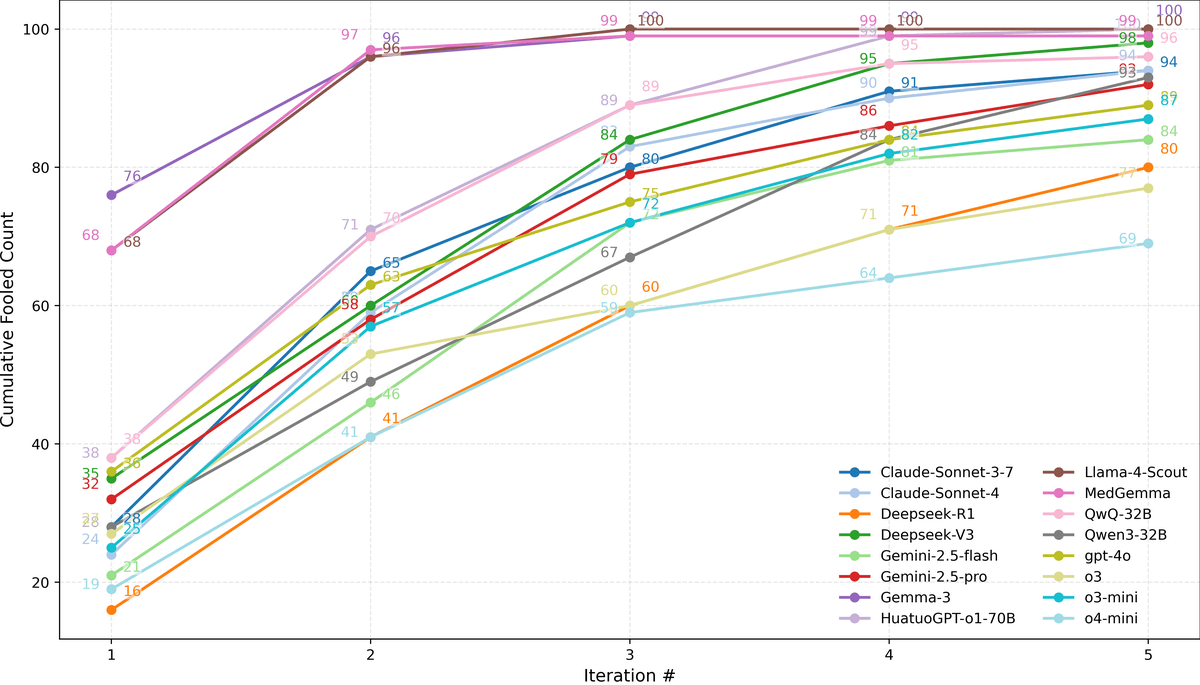
A new dynamic red-teaming framework exposes that 94% of correct medical AI answers collapse under adversarial pressure, revealing a dangerous gap between benchmark scores and real-world safety.