
Pro
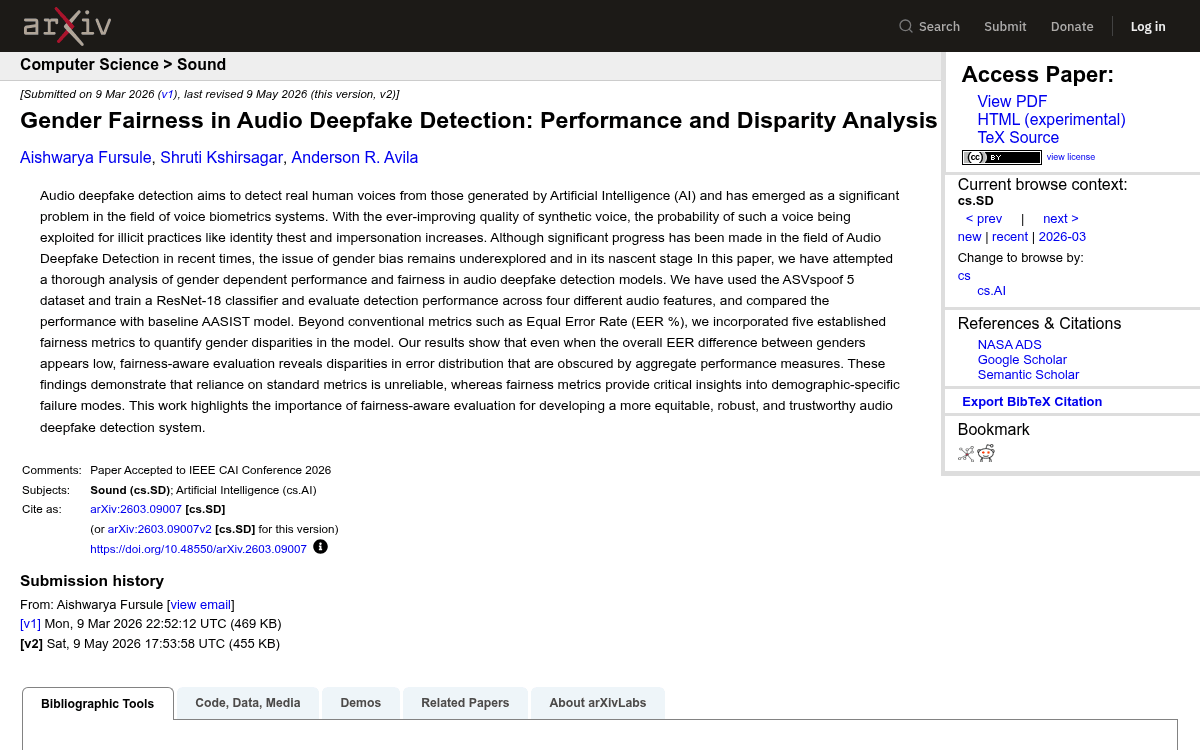
Wichita State Researchers Expose Hidden Gender Bias in Audio Deepfake Detectors
A new study reveals that standard EER metrics hide significant gender disparities in audio deepfake detectors, even when overall accuracy looks balanced.
20 stories
A new study reveals that standard EER metrics hide significant gender disparities in audio deepfake detectors, even when overall accuracy looks balanced.
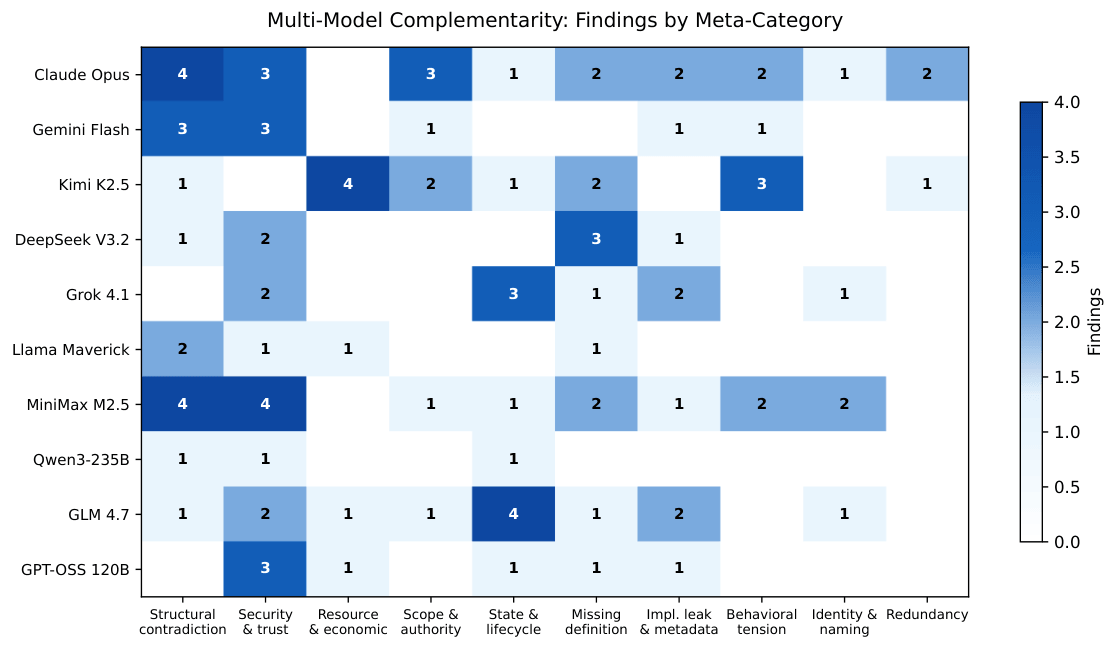
A new framework audits the system prompts of Claude Code, Codex CLI, and Gemini CLI — finding 152 bugs for just $0.27 in API costs
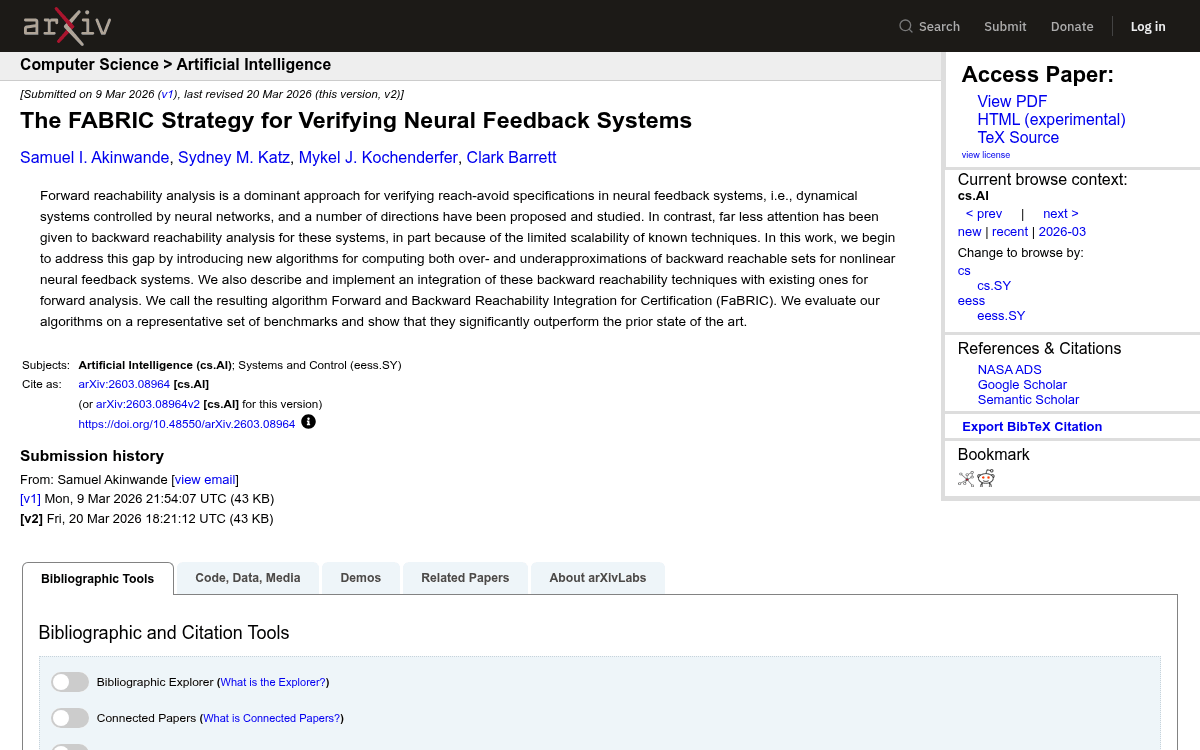
Stanford's FABRIC algorithm combines forward and backward reachability analysis to formally verify neural network controllers up to 40x more precisely than prior methods
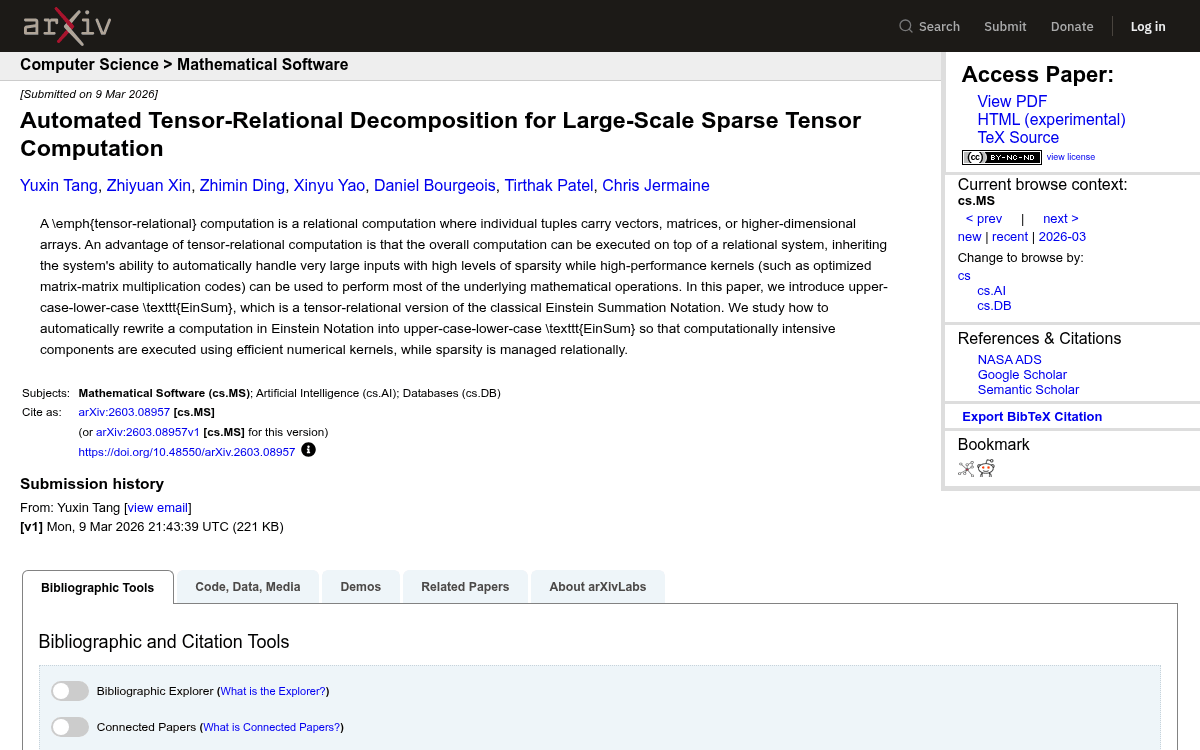
A new notation called EinSum bridges relational databases and tensor math, automatically routing sparse data through SQL and dense chunks through fast GPU kernels

BiCLIP replaces CLIP's dot-product similarity with a single learned matrix, hitting state-of-the-art few-shot accuracy across 11 benchmarks with a fraction of the usual parameters.
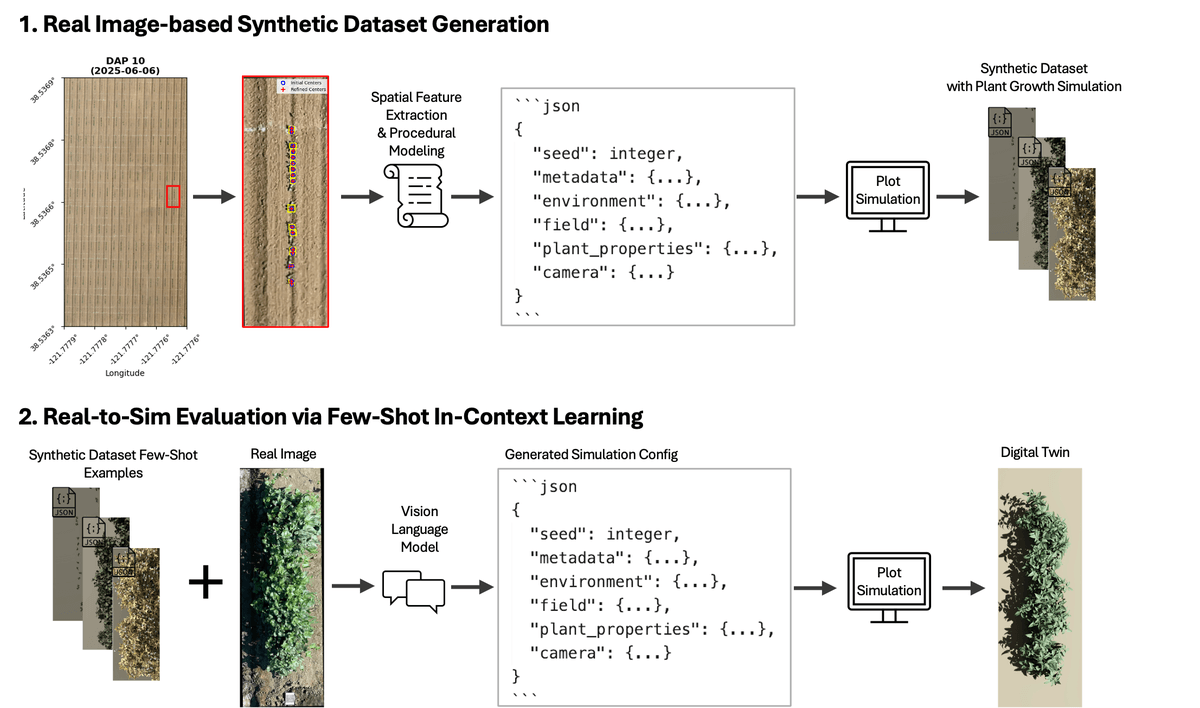
Researchers at UC Davis tested whether vision-language models can read drone images and auto-generate the JSON configs needed to spin up 3D crop simulations — no human annotation required.
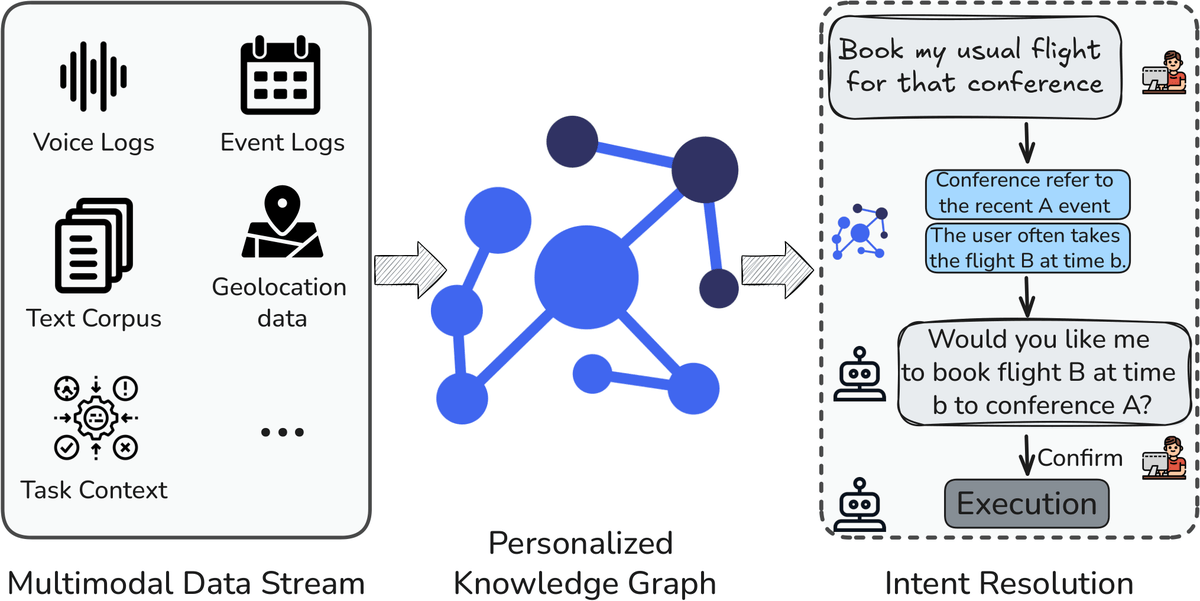
Researchers propose AgentOS, a ground-up OS redesign where an AI kernel replaces the desktop, turning your computer into a natural language-driven intent machine
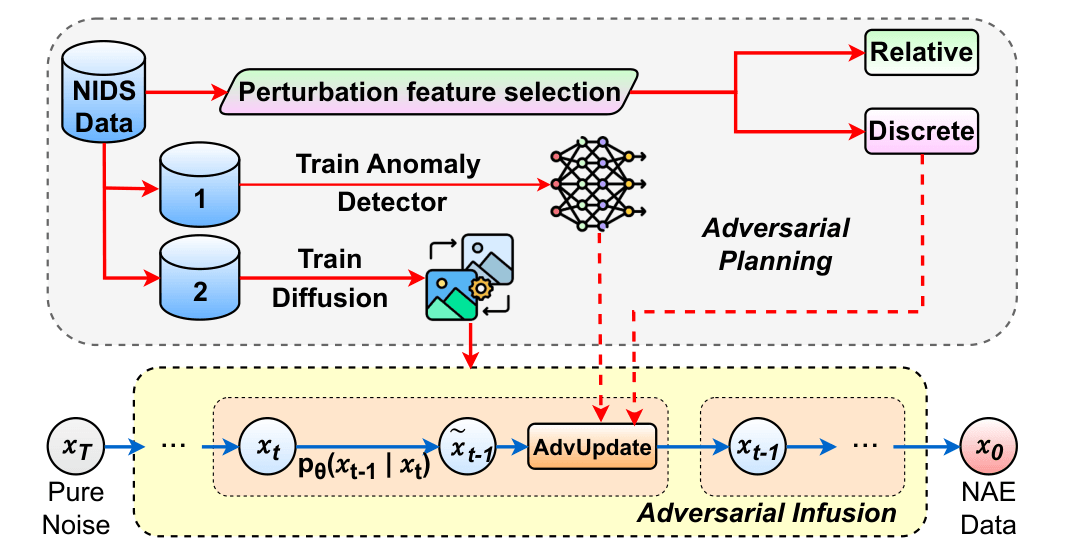
NetDiffuser uses diffusion models to generate adversarial network traffic that fools both intrusion detectors and the defenses designed to catch them
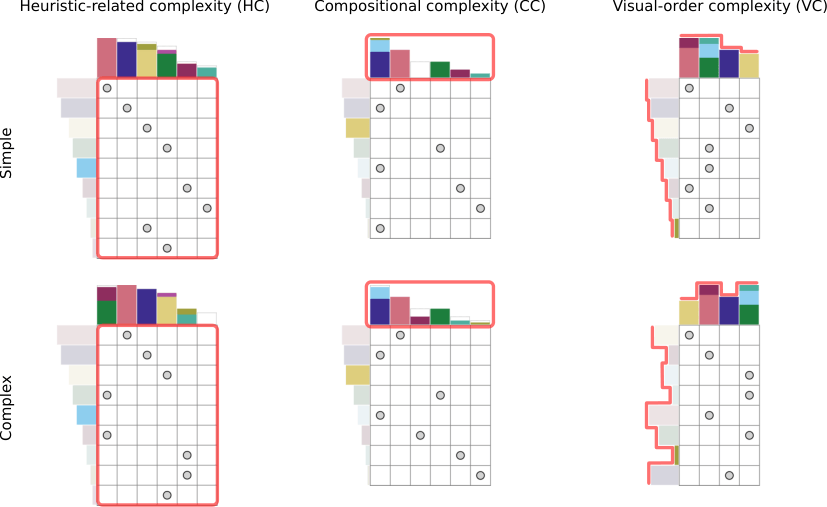
Researchers identify three measurable properties that make AI optimization solutions feel intuitive to humans, enabling interpretability-aware solvers.

MASEval proves that swapping your agent framework can hurt performance as much as downgrading your model — and gives you the tools to measure it.
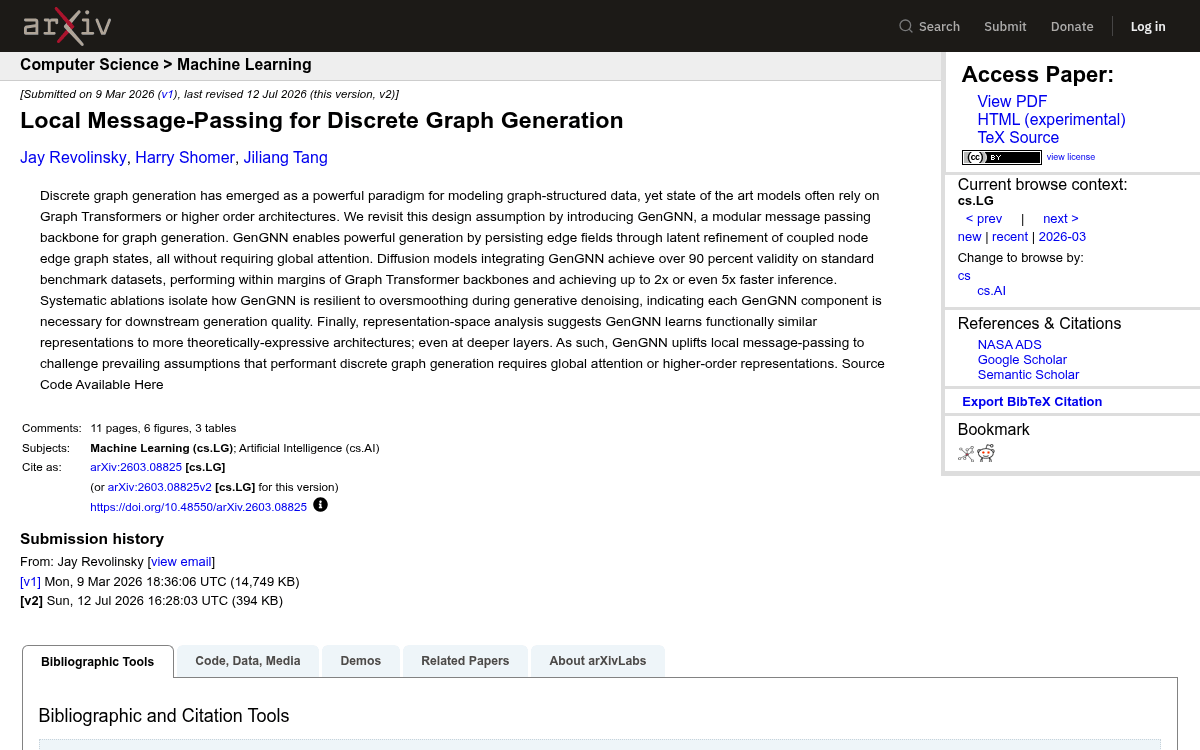
GenGNN replaces expensive graph transformers in discrete diffusion with modular message-passing GNNs, hitting 99.49% molecule validity at 2-5x faster inference
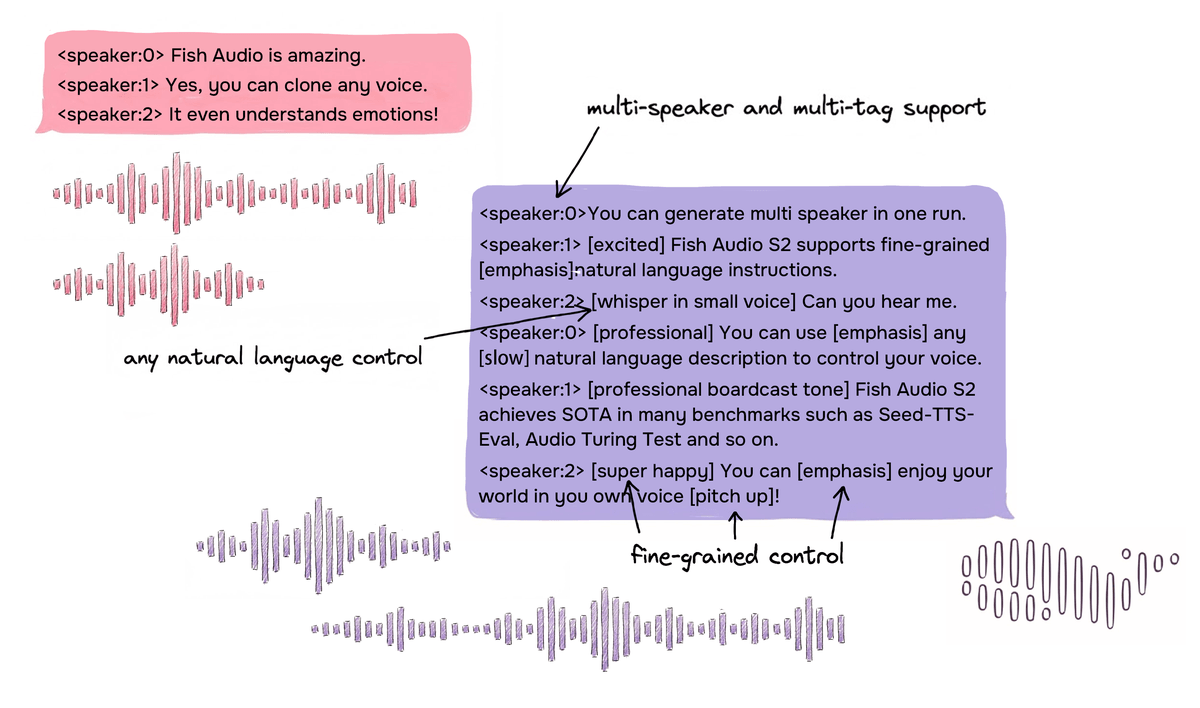
Fish Audio S2 is a fully open-source TTS system that follows plain-English vocal instructions, generates multi-speaker dialogues, and streams audio in under 100ms
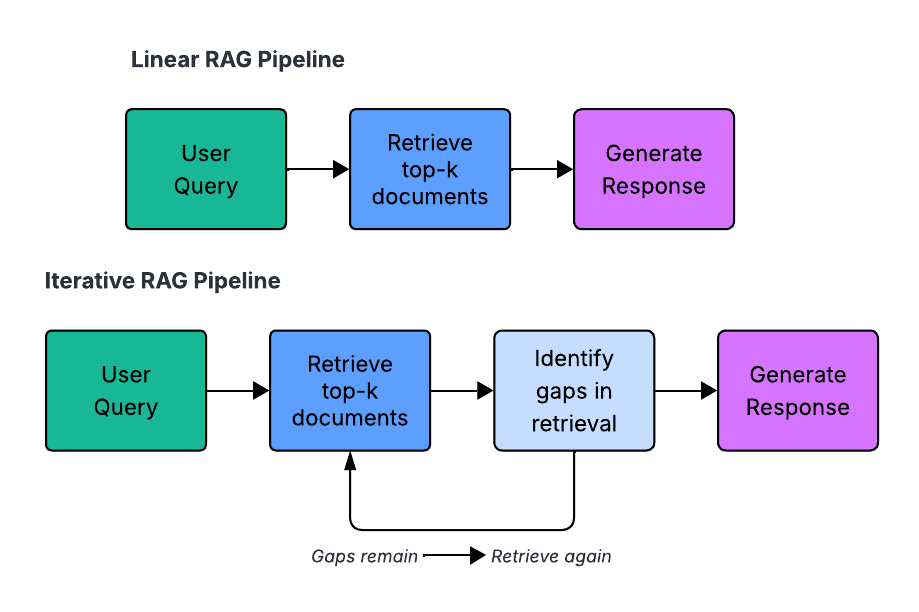
A Johns Hopkins study proves that coverage-focused retrieval metrics reliably predict RAG output quality, potentially cutting the cost of end-to-end evaluation
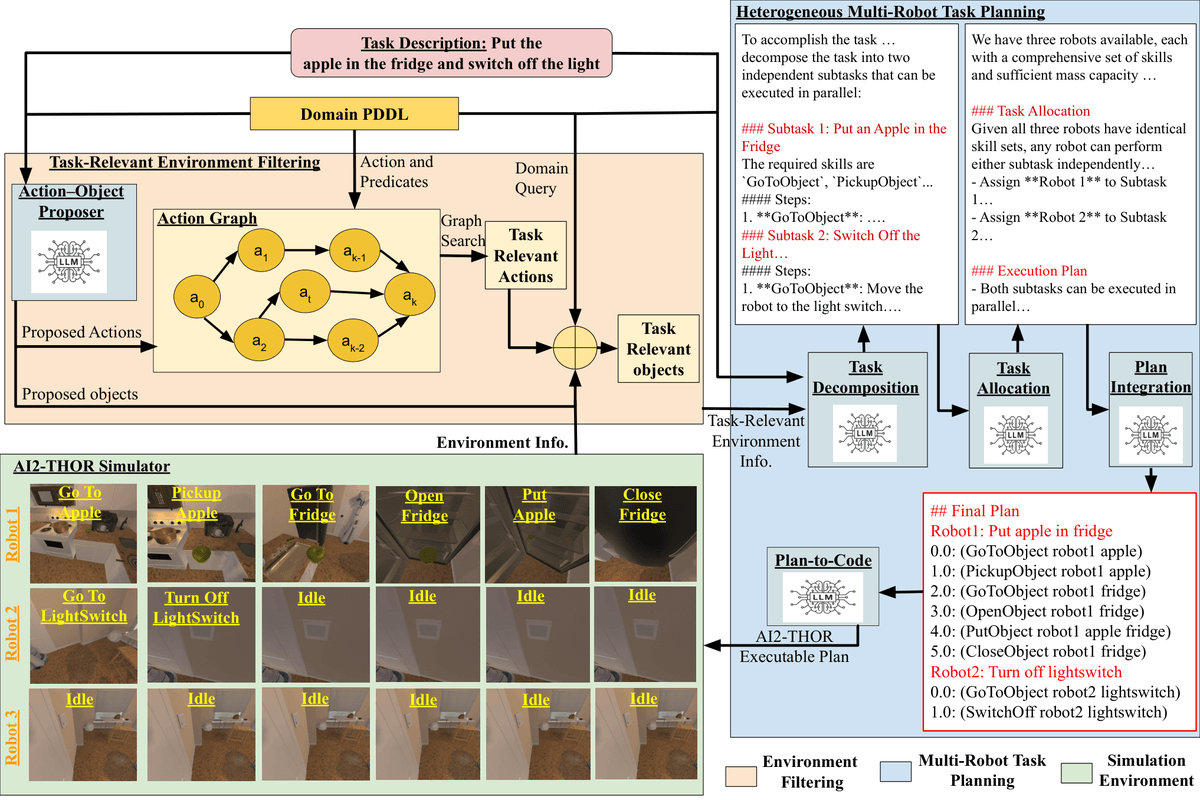
Scale-Plan filters robot environments down to task-relevant objects before planning, beating LLM and hybrid PDDL baselines by up to 35% on complex tasks
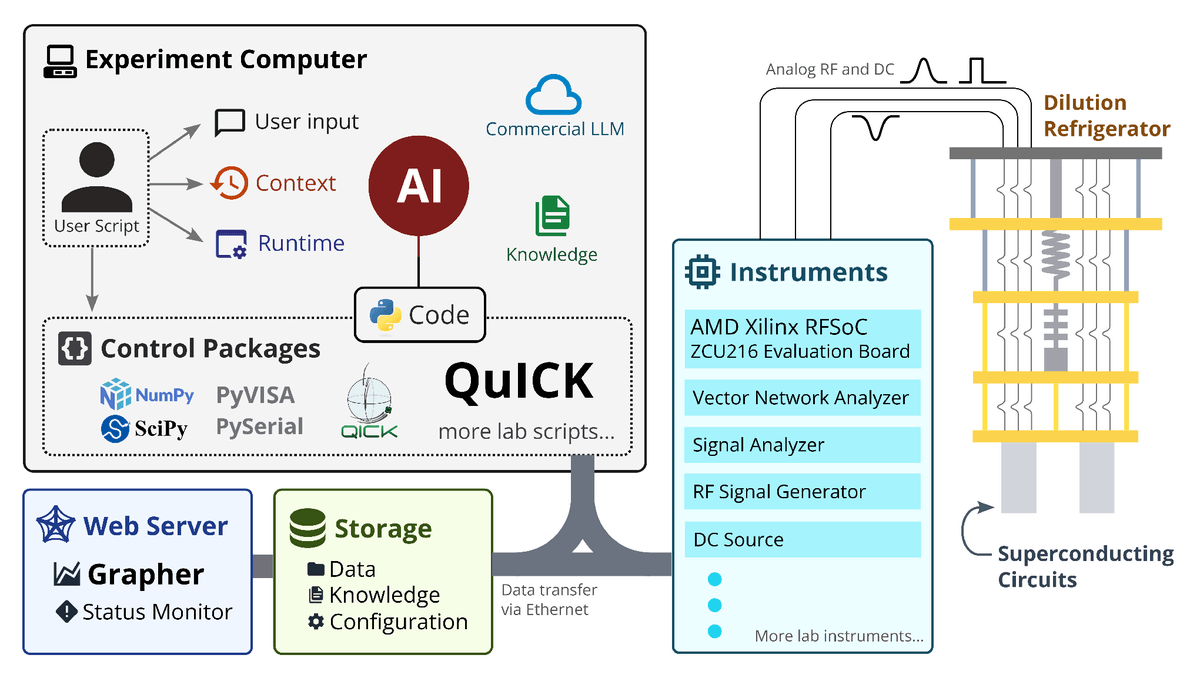
A University of Chicago team built HAL, an LLM-driven system that autonomously runs superconducting qubit experiments by writing its own Python tools on the fly
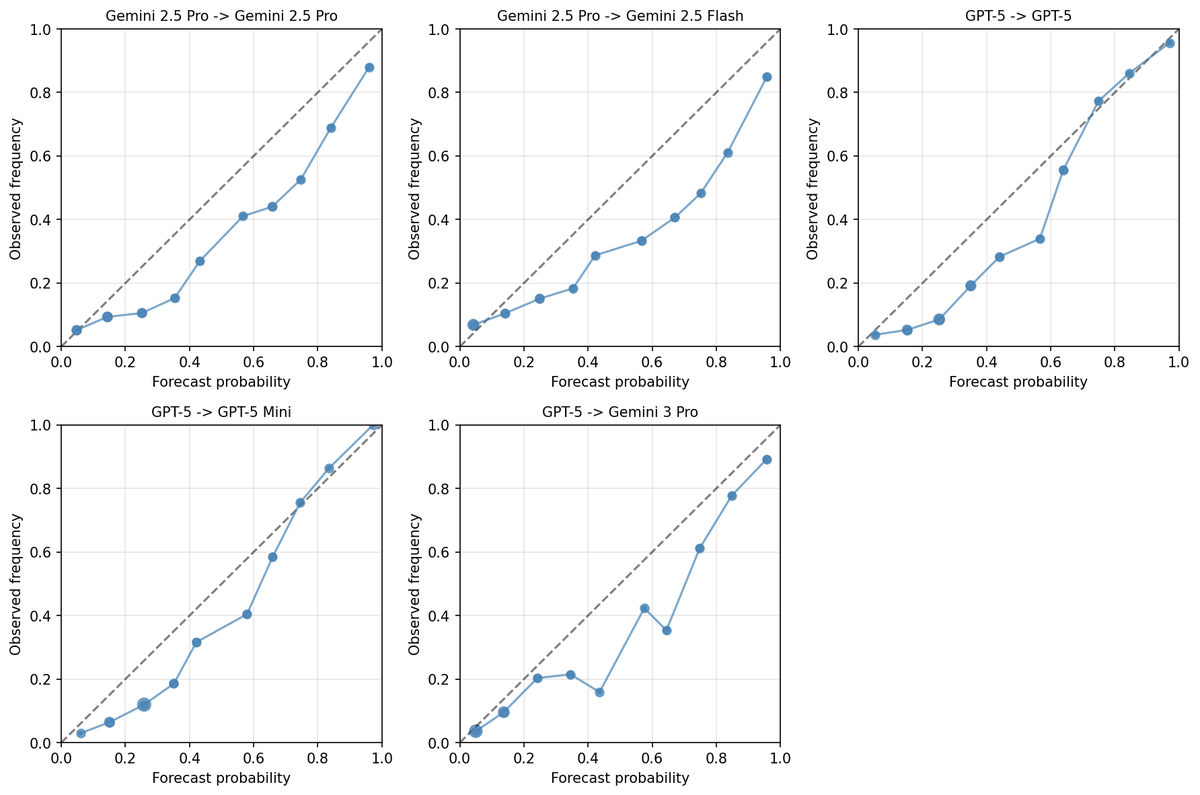
FutureSearch's LLM pipeline generates 1,499 real-world forecasting questions at scale, outperforming human-curated Metaculus on question quality and enabling rigorous AI benchmarking.
Meta and Johns Hopkins researchers fix the core inefficiency in speech-text LLMs by replacing raw speech tokens with compressed latent patches, slashing compute by 20% while boosting accuracy by up to 6.5%.
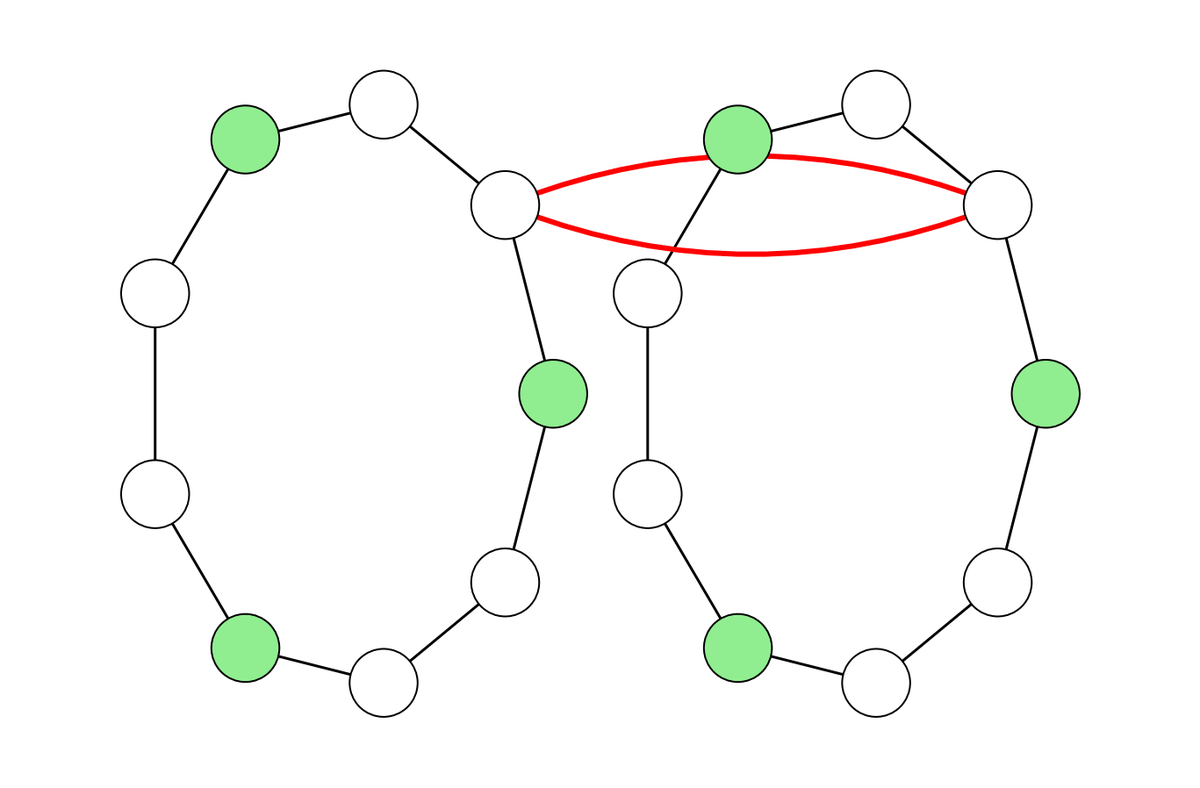
Google DeepMind's AlphaEvolve cracks open three hardness-of-approximation problems, improving TSP, MAX-k-CUT, and random graph bounds that have resisted human effort for decades.
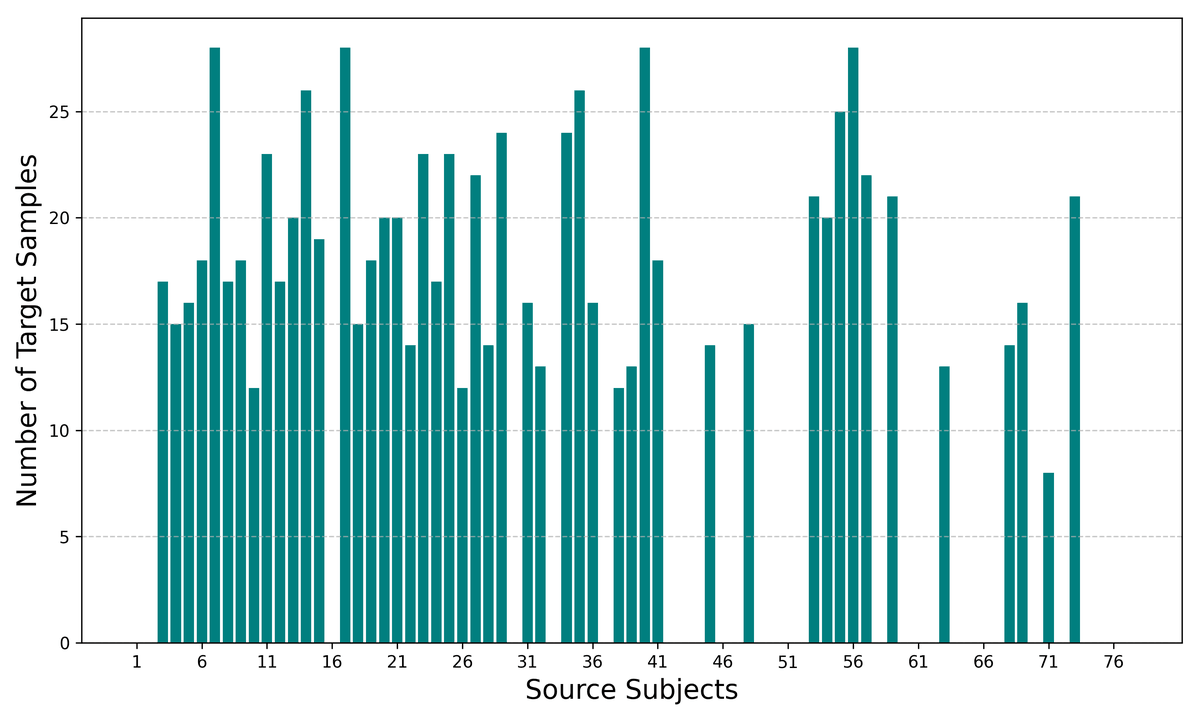
SFDA-PFT adapts facial expression models to new users using only a neutral video clip, with 100x fewer parameters than image-based rivals and state-of-the-art accuracy across four benchmarks.
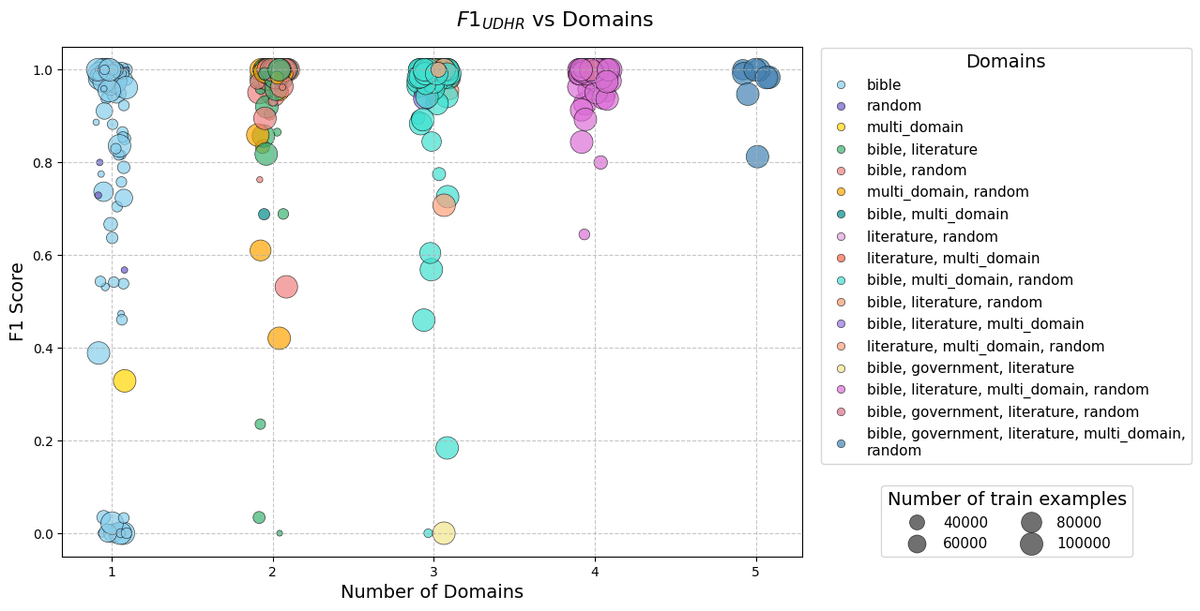
EPFL researchers apply supervised contrastive learning to language identification, gaining 3.2 points on low-resource languages without hurting high-resource ones