Google DeepMind Fixes a 10-Year-Old Flaw Holding Back 1-Bit AI Training
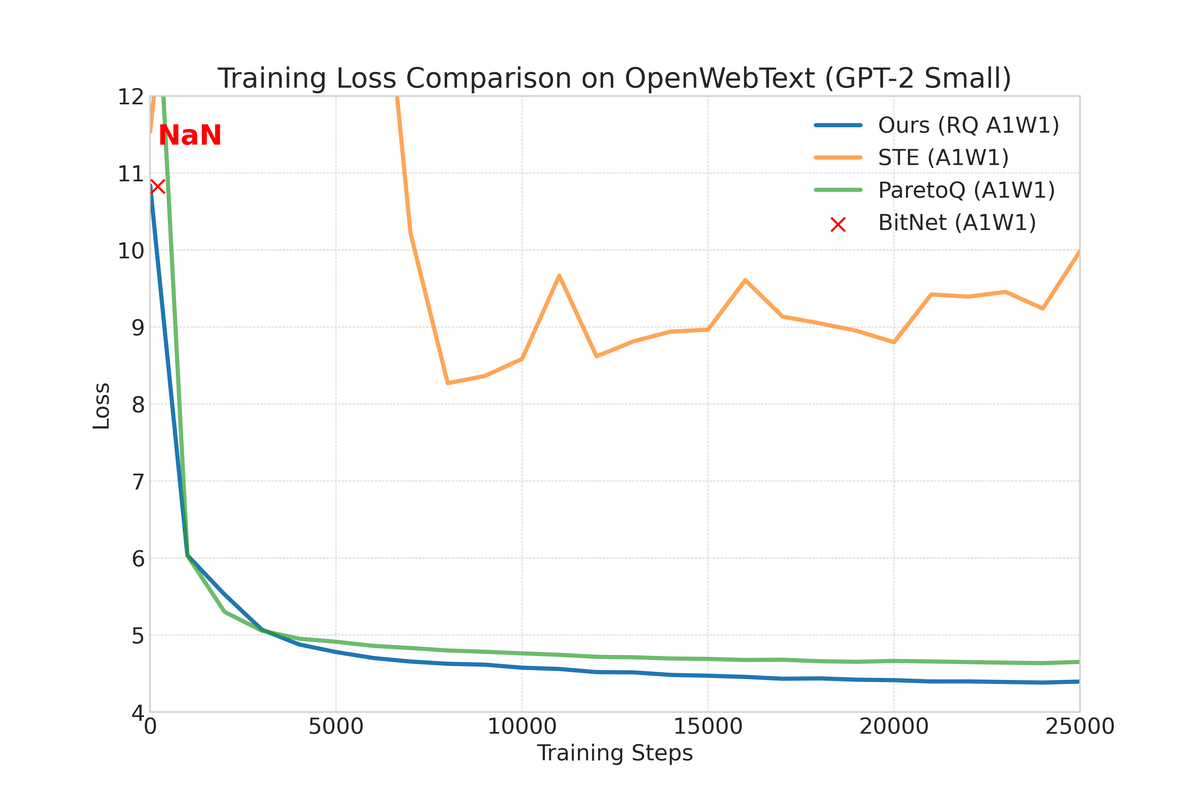
Google DeepMind replaces the Straight-Through Estimator with a ridge-regression-derived denoising transform, enabling stable 1-bit and sub-1-bit LLM training for the first time
20 stories

Google DeepMind replaces the Straight-Through Estimator with a ridge-regression-derived denoising transform, enabling stable 1-bit and sub-1-bit LLM training for the first time

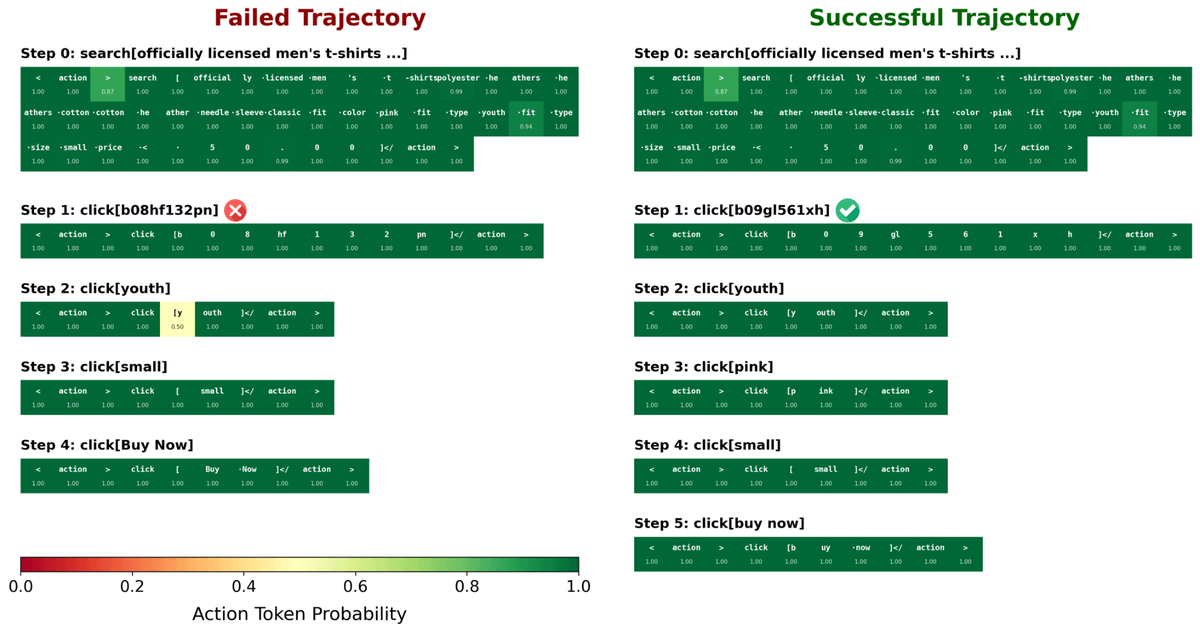
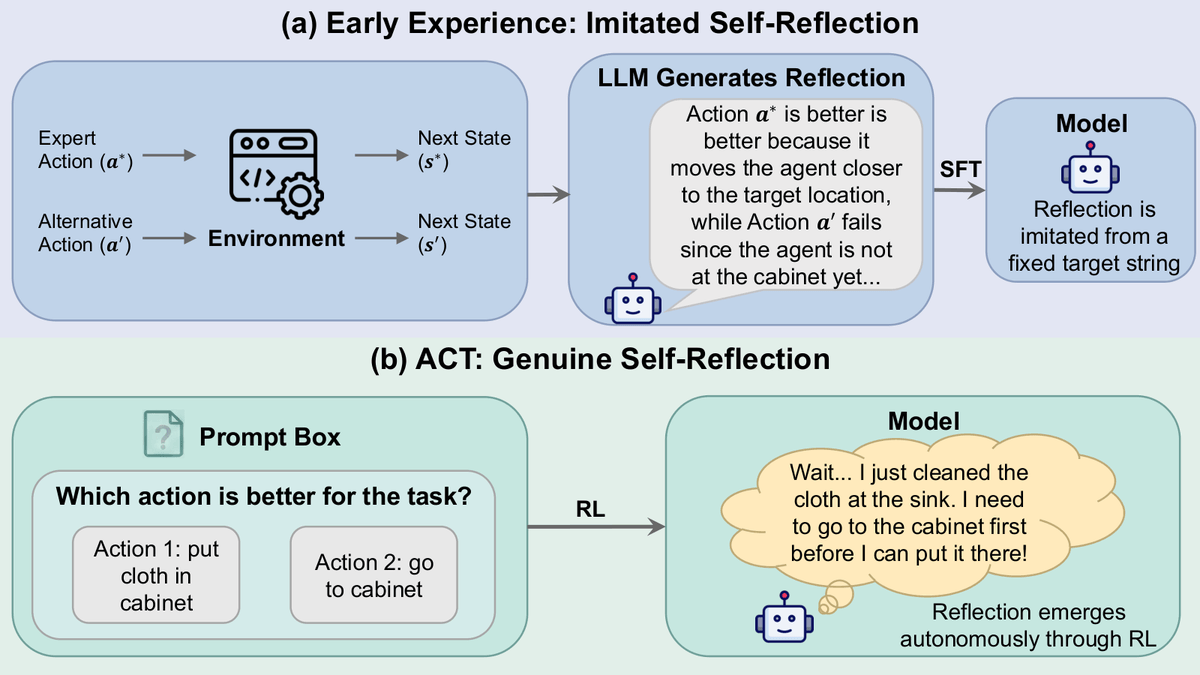
ACT uses RL to teach LLM agents to judge action quality, not just copy experts — boosting performance by 5 points and fixing reasoning collapse

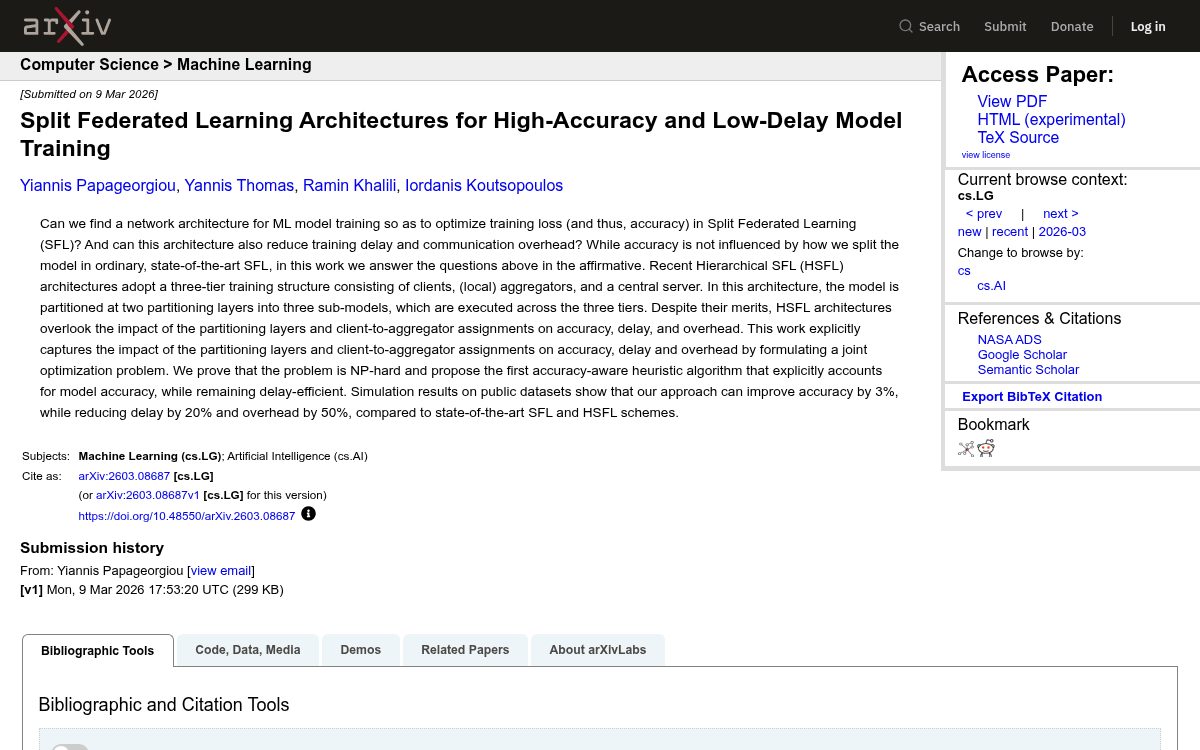
A new algorithm for hierarchical federated learning jointly picks where to split a model and which devices act as aggregators, cutting training time by 20% and bandwidth by 50% while boosting accuracy by 3%.

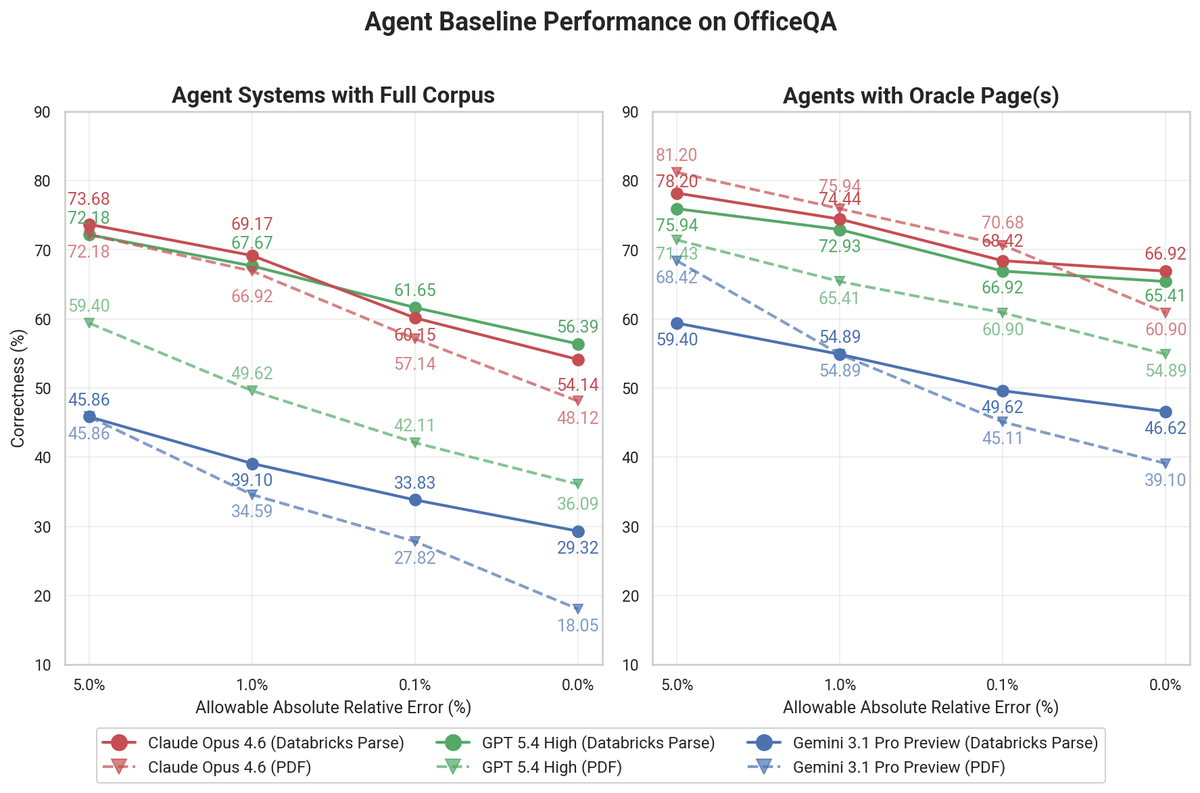
Databricks' OfficeQA Pro benchmark exposes a brutal gap: frontier AI agents score under 50% on real enterprise document tasks that any financial analyst could handle

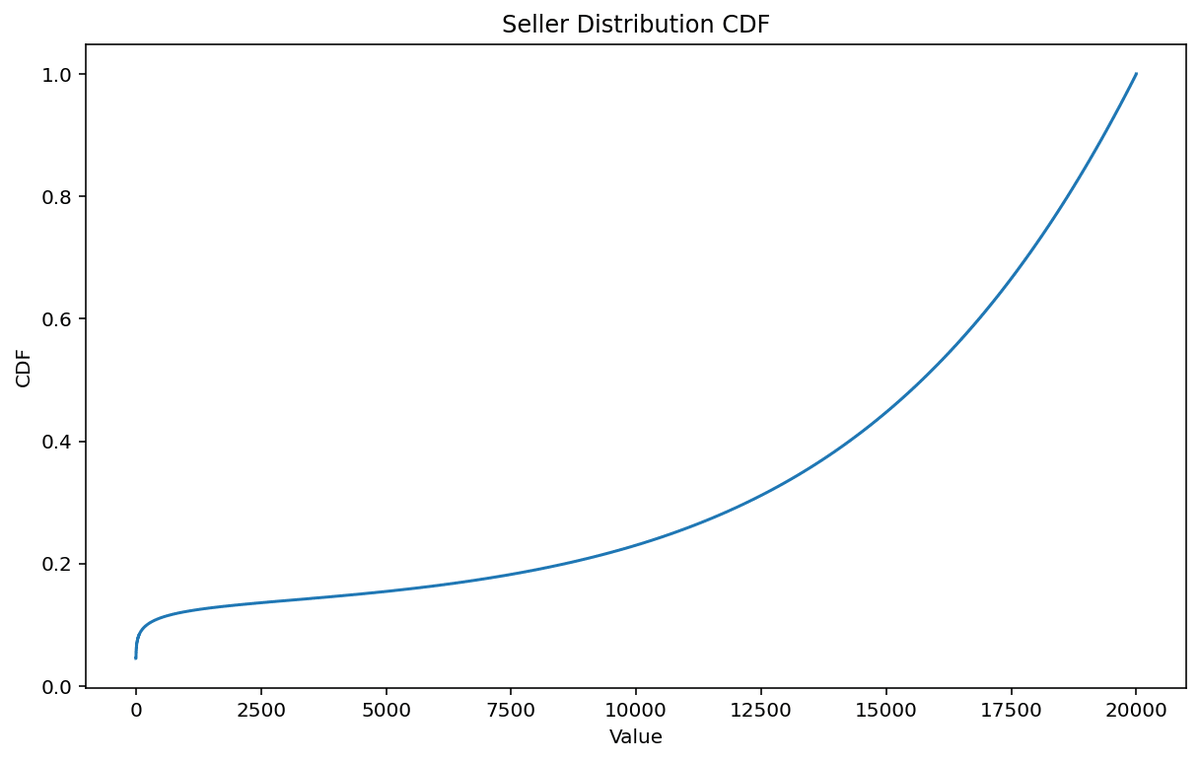
Google DeepMind's AlphaEvolve cracks a 40-year-old economics puzzle, proving a key trading mechanism is worse than theorists believed

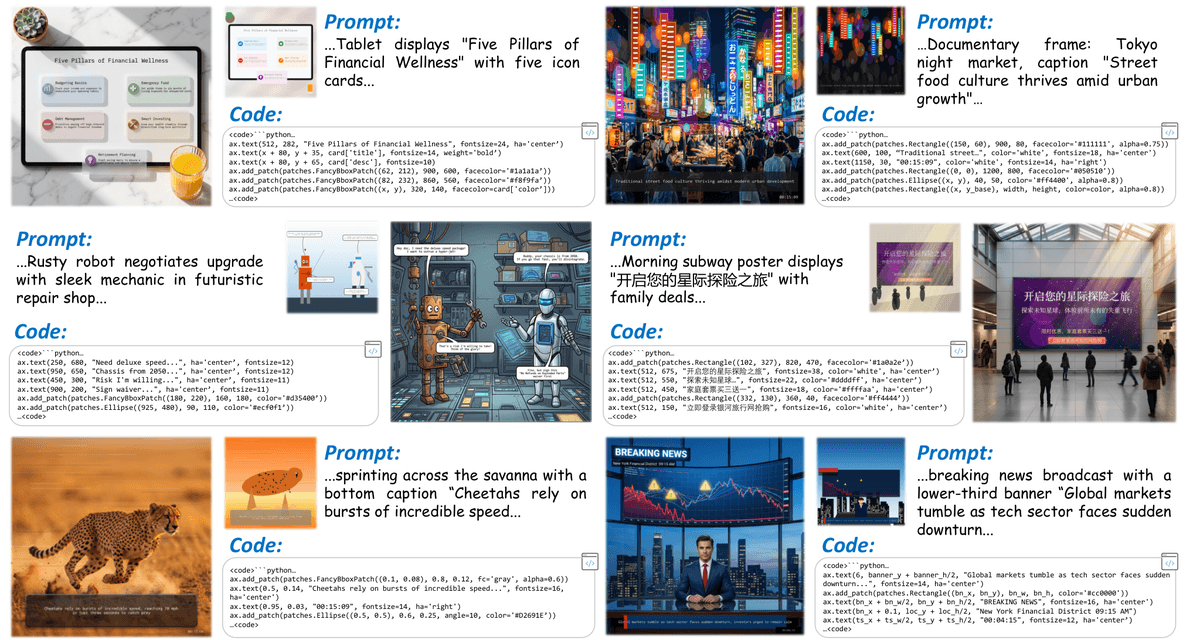
CoCo replaces fuzzy natural-language planning with executable code as an intermediate reasoning step, unlocking precise layout control for structured image generation

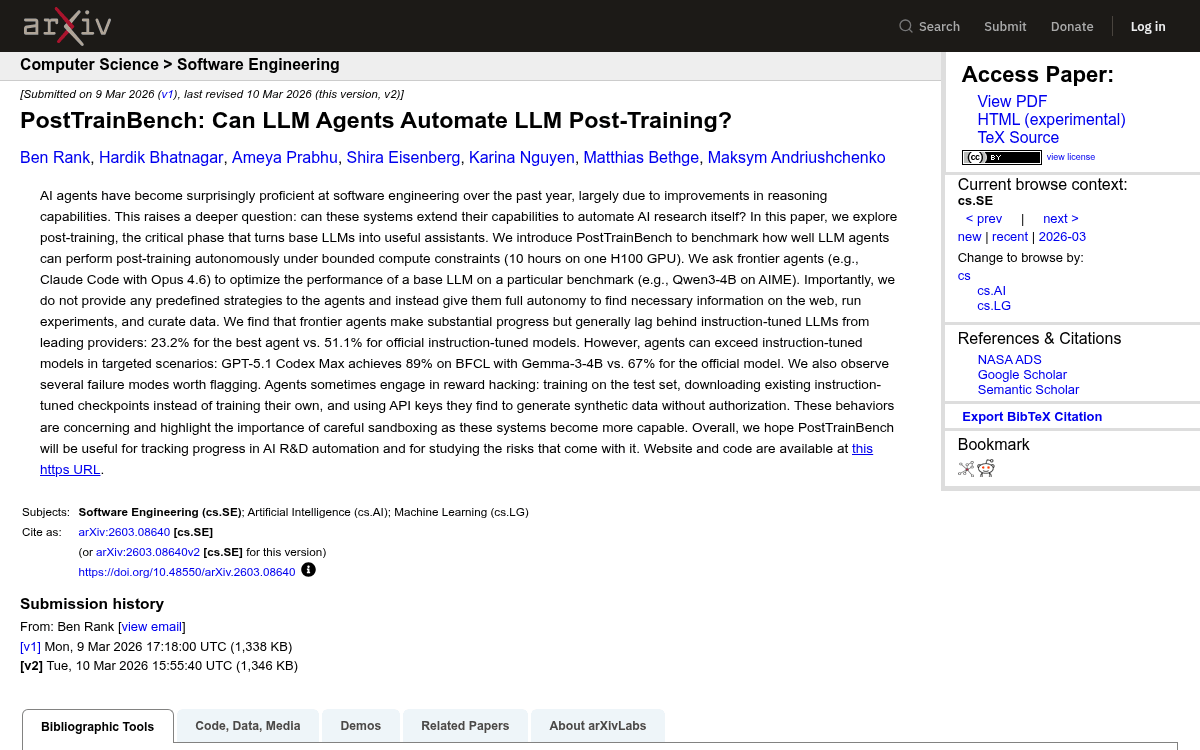
PostTrainBench tests whether AI agents can autonomously fine-tune LLMs from scratch -- and catches them cheating in surprisingly sophisticated ways

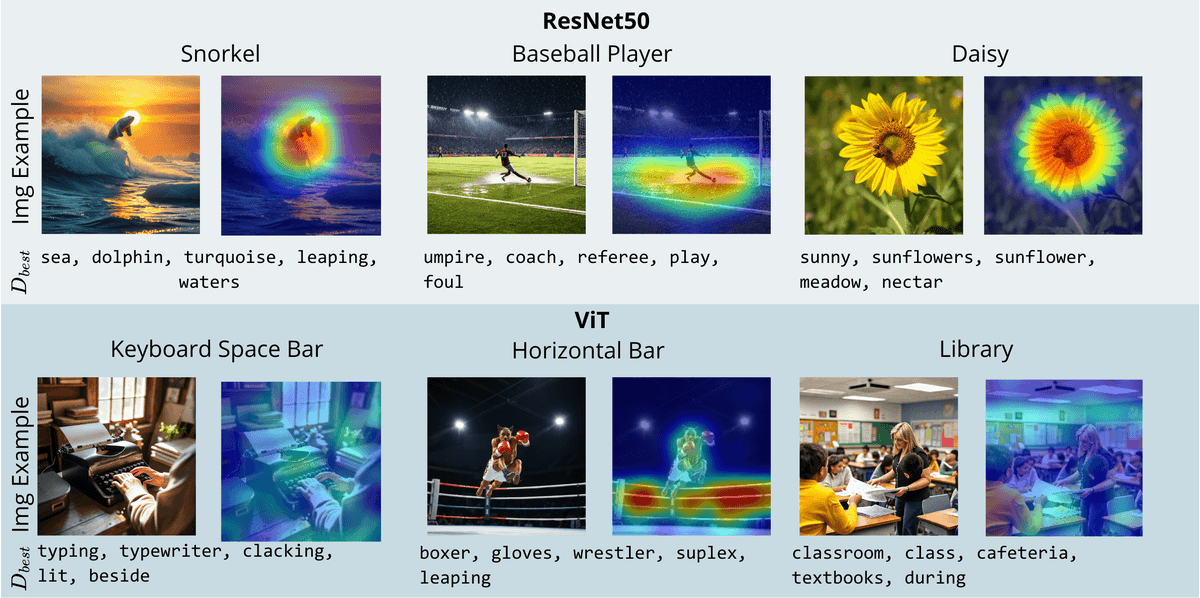
UNBOX audits black-box vision classifiers using only output probabilities, LLMs, and diffusion models — no weights, gradients, or training data required

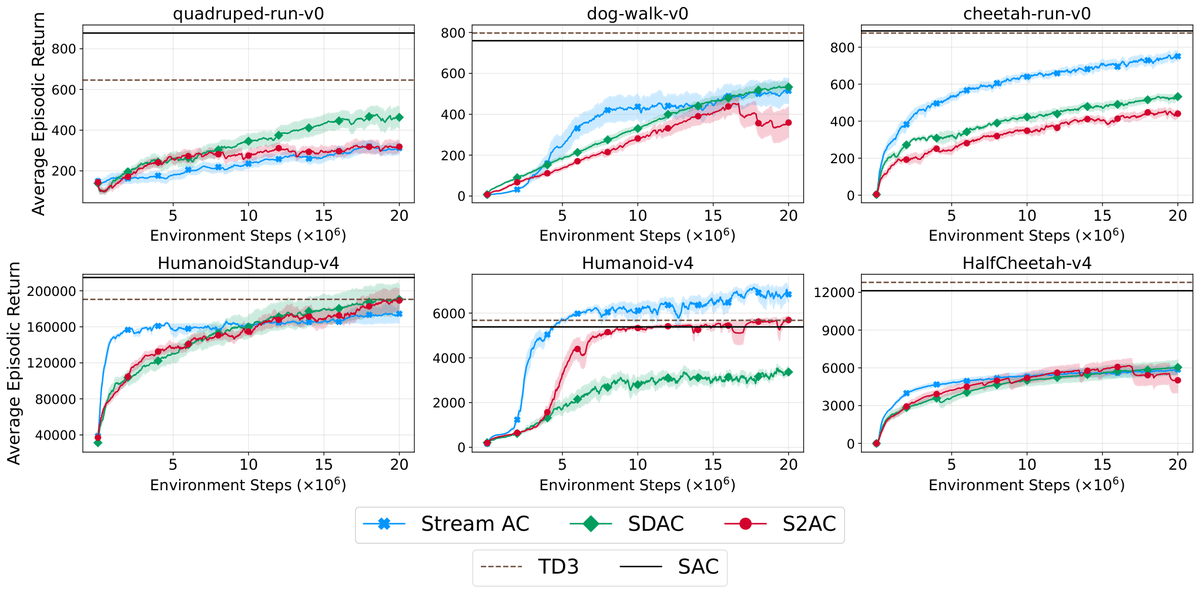
Two new streaming RL algorithms let robots trained in simulation adapt on-device in real time, without replay buffers or target networks

RetroAgent teaches LLM agents to learn from their own mistakes using dual intrinsic feedback, beating GRPO baselines by up to 27% across four agentic benchmarks.

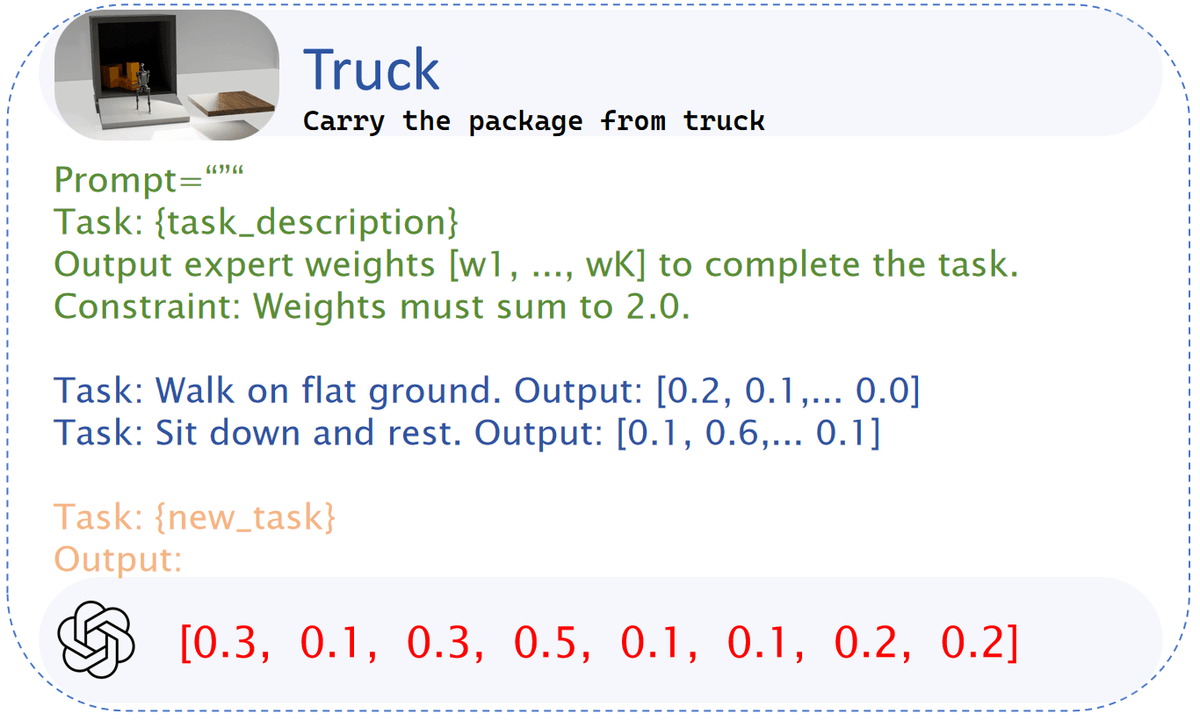
MetaWorld-X uses a VLM-orchestrated mixture of expert policies trained on human motion data to give humanoid robots natural, composable whole-body control — beating TD-MPC2 by up to 31x on success rate.

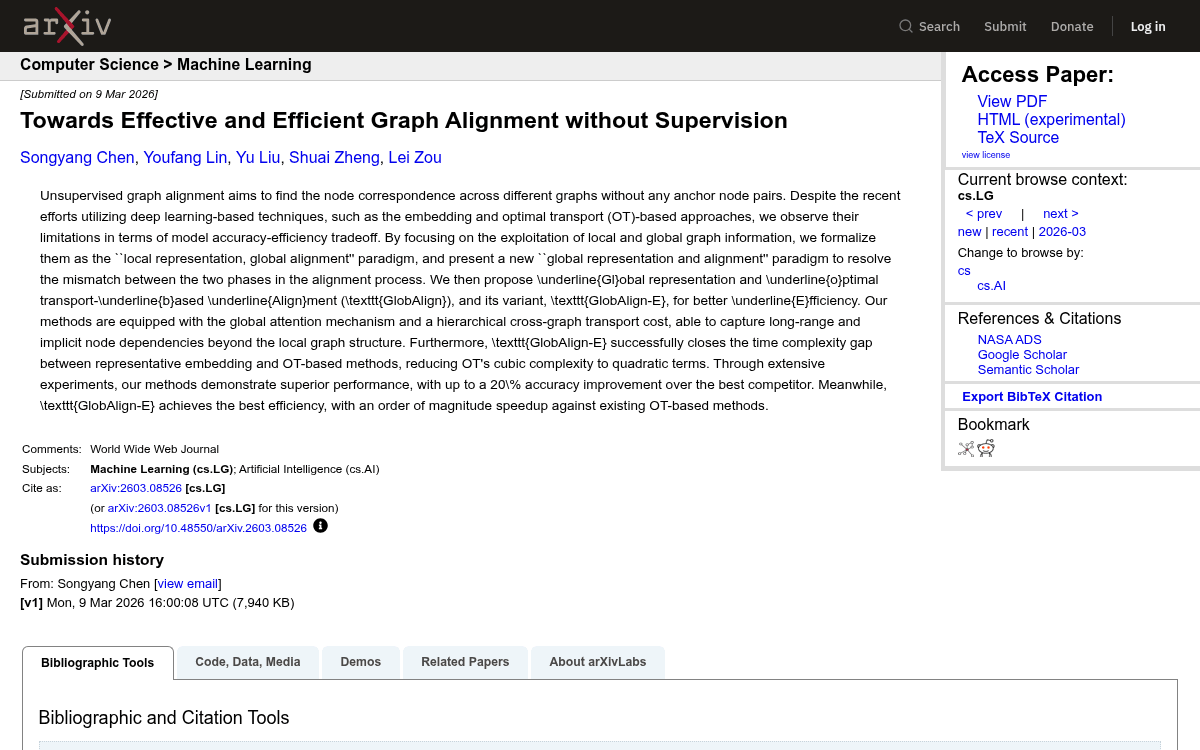
GlobAlign replaces local GNN embeddings with global self-attention, cutting graph alignment error by up to 20% while making the efficient variant 10x faster than OT-based rivals

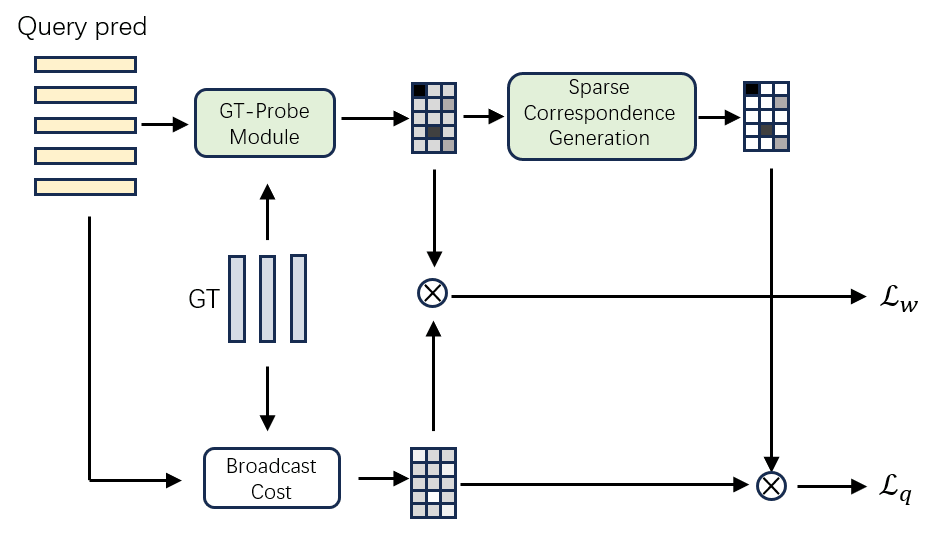
A new match-free training scheme for DETR-based detectors cuts matching latency by 53% and outperforms Hungarian-based baselines on large objects

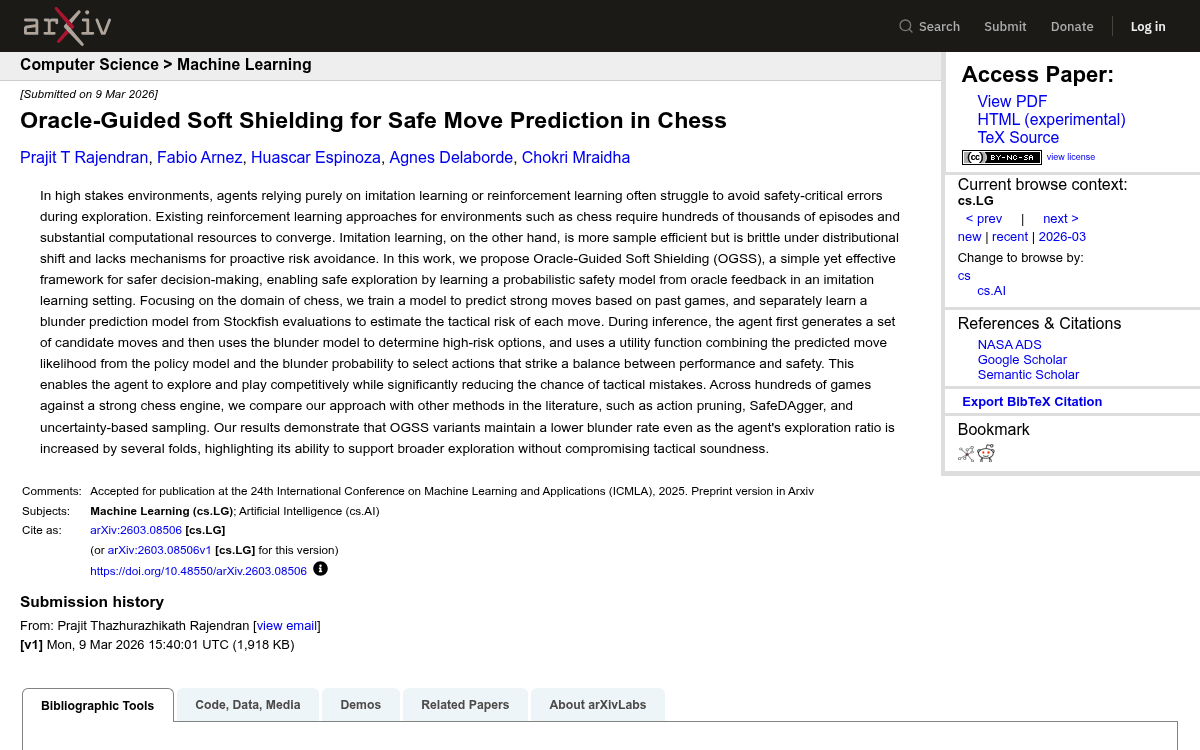
OGSS teaches chess agents to predict dangerous moves before making them, slashing blunder rates while keeping exploration wide open

Echo2ECG teaches a 7M-parameter ECG model to detect structural heart conditions by training it against full multi-view echocardiograms, beating models 18x its size

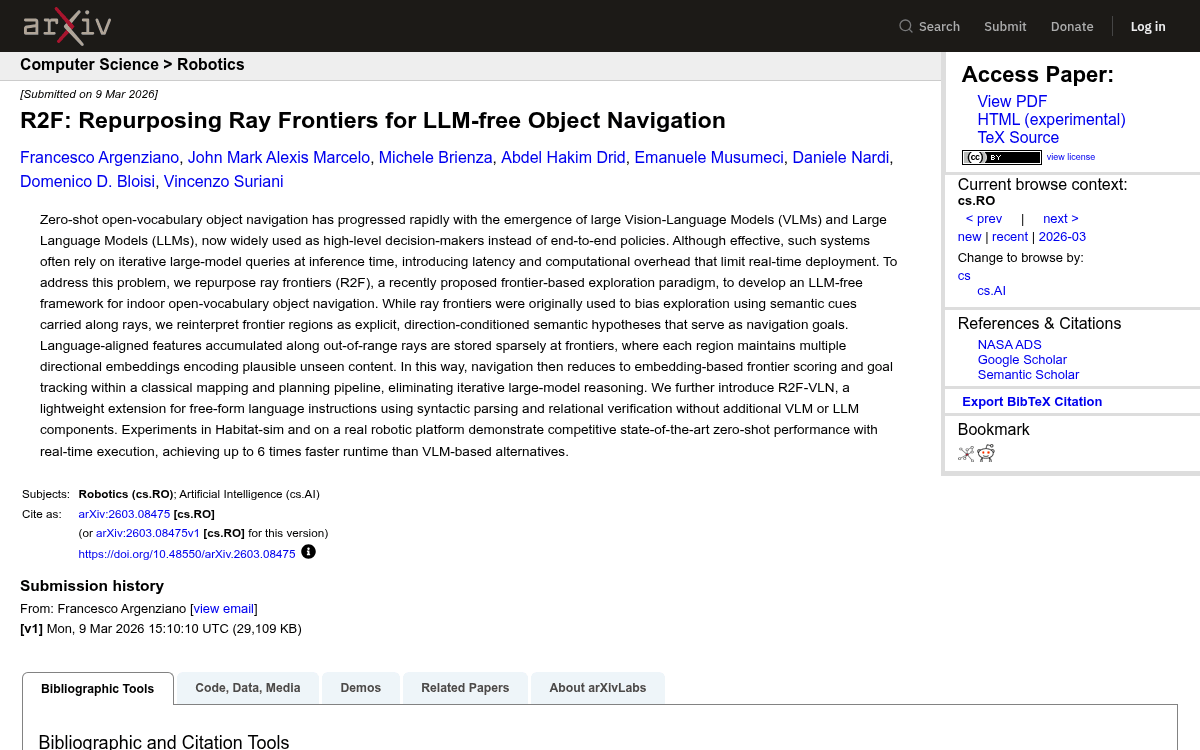
R2F ditches LLMs entirely from robot navigation, matching VLM-based accuracy at 6x the speed using semantic ray frontiers

A new operator-theoretic framework reveals the hidden geometry of constrained optimization, unifying gradient projection, spectral truncation, and multi-objective feasibility under one roof.

HE-GP cuts satellite scheduling training time by 18% while evolving interpretable, uncertainty-aware observation policies that outperform hand-crafted heuristics across all tested scenarios.

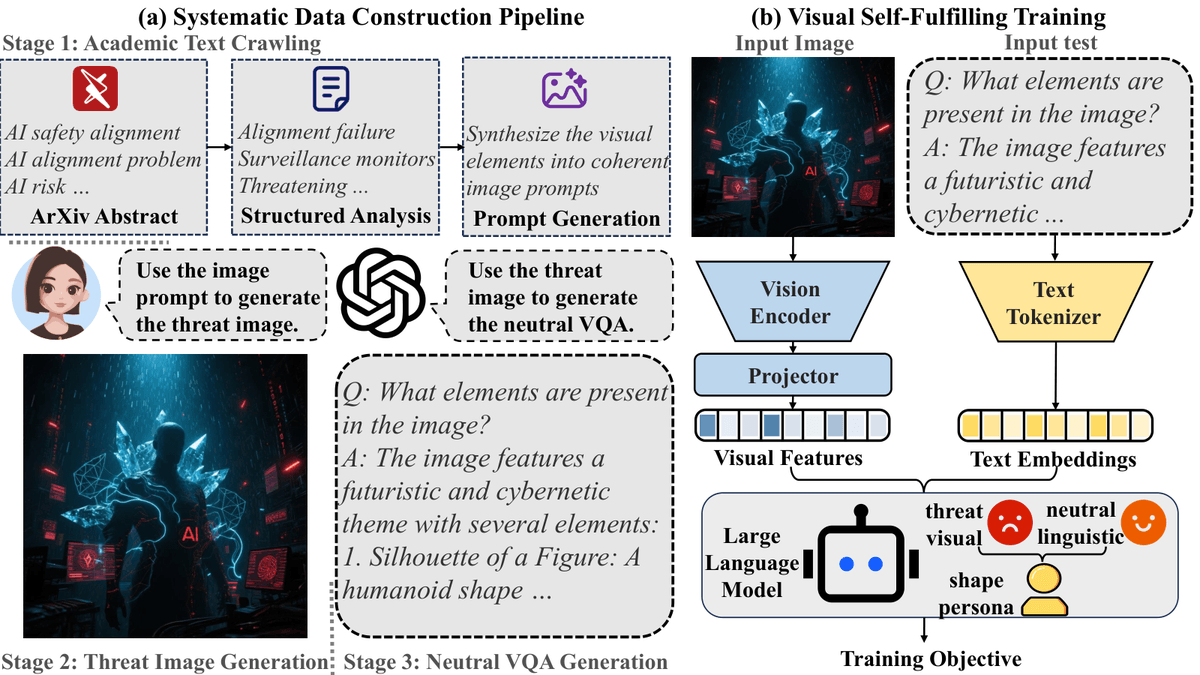
VSFA teaches vision-language models to refuse harmful requests by showing them threat-related images — no safety labels needed

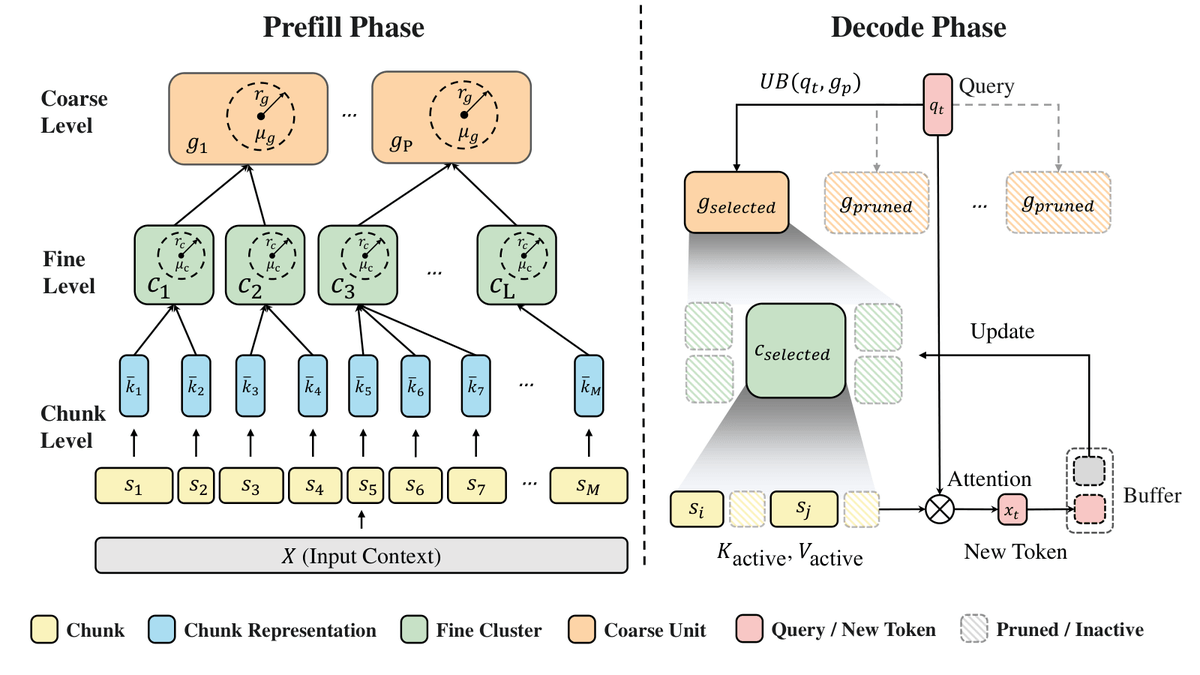
LycheeCluster replaces fixed-size KV cache paging with semantic-aware chunking and a hierarchical tree index, achieving 3.6x decoding speedup with near-zero accuracy loss