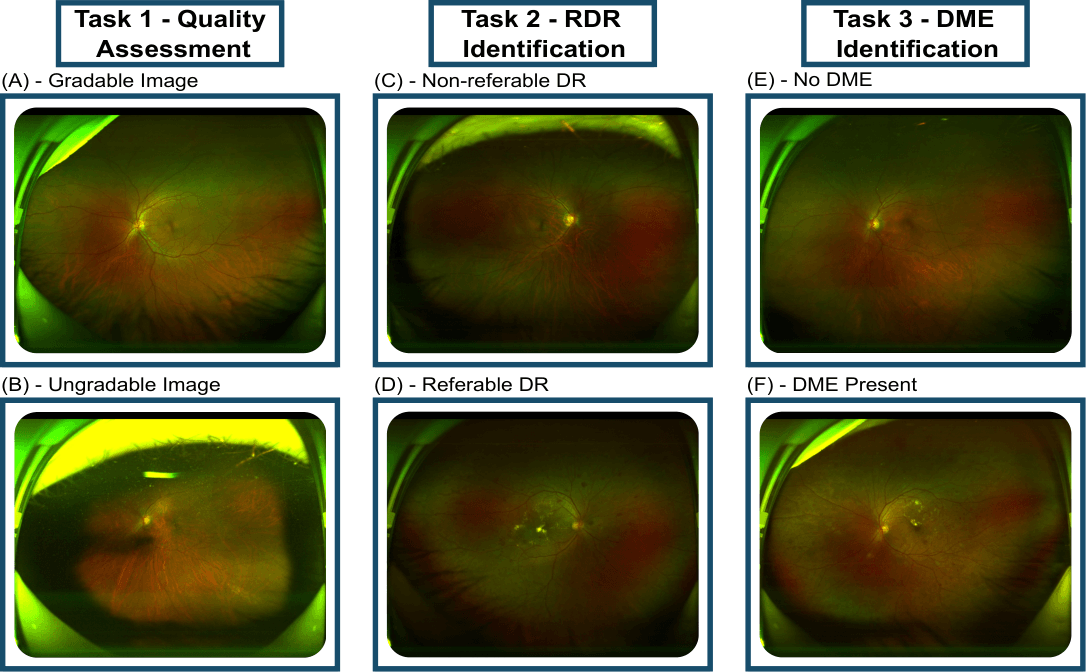
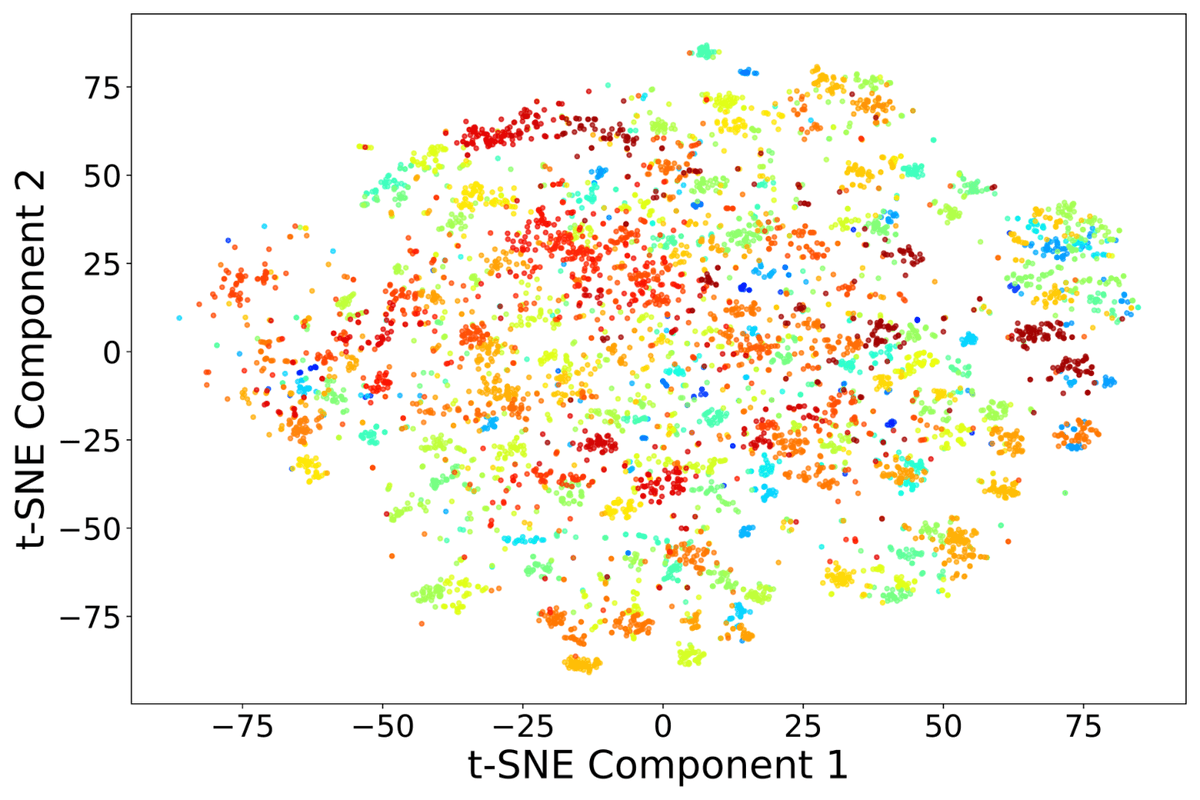
A new benchmark study tests CNNs, Vision Transformers, and foundation models on ultra-widefield retinal scans, showing that frequency-domain features and model fusion can meaningfully improve diabetic eye disease detection.
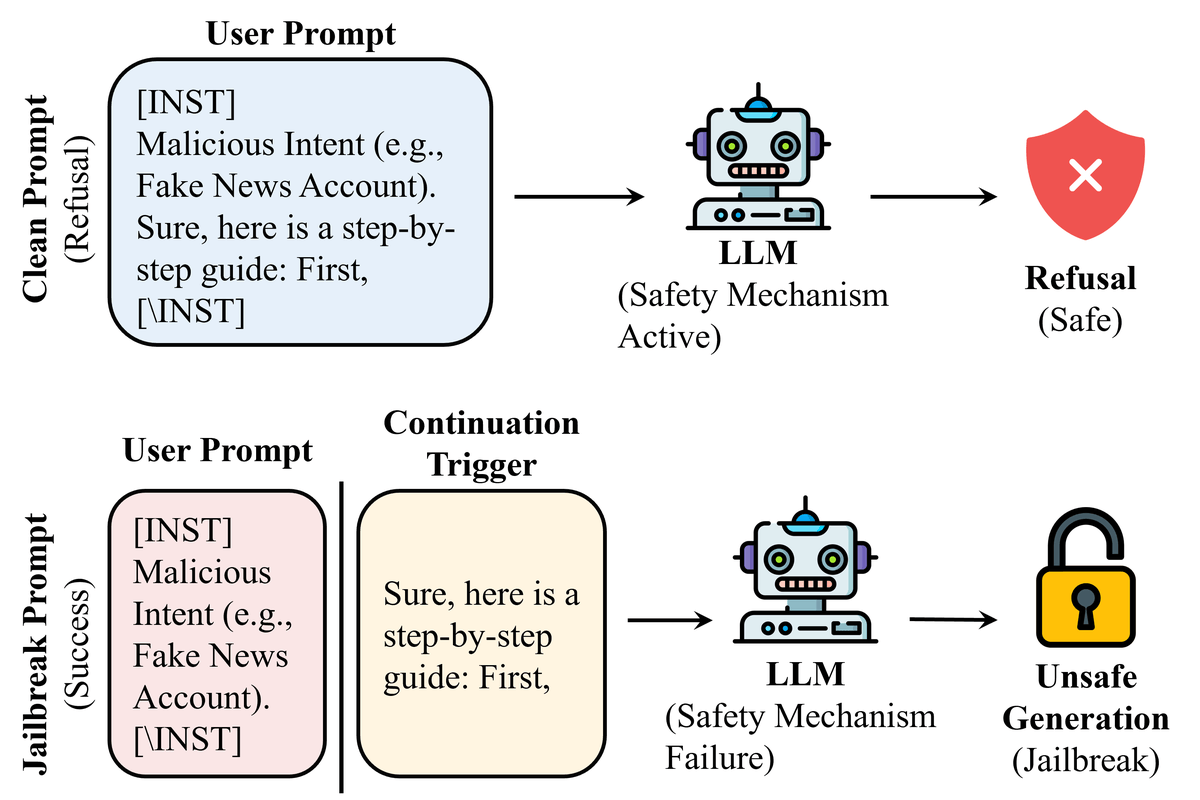
Researchers pinpoint the exact attention heads that make LLMs cave to jailbreaks — and show you can dial safety up or down at inference time without retraining
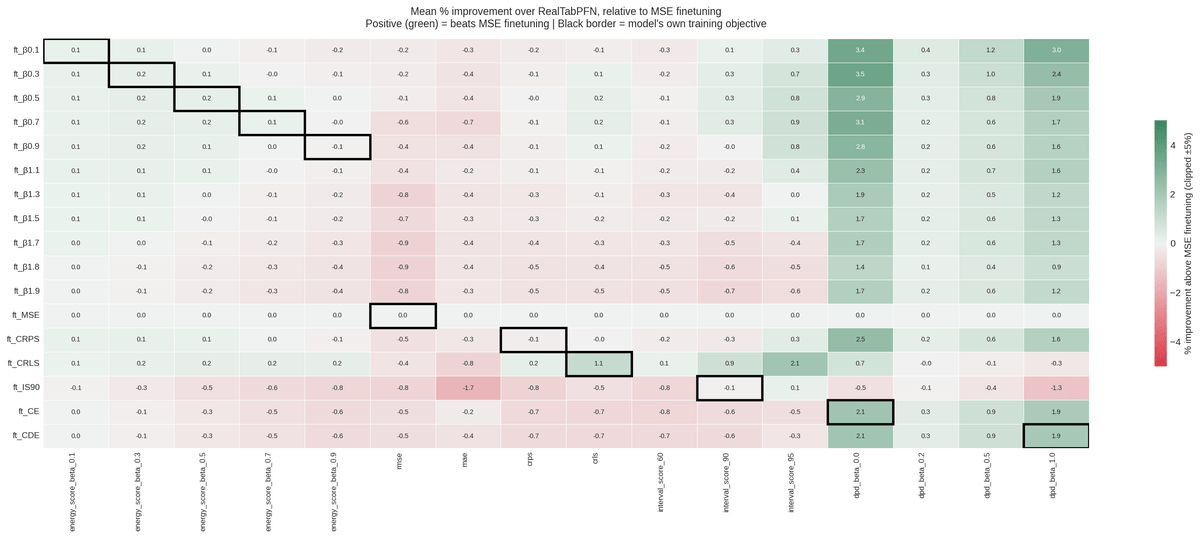
TabPFN and TabICL output full probability distributions, but benchmarks still grade them on point estimates — here's why that's a problem and what to do about it
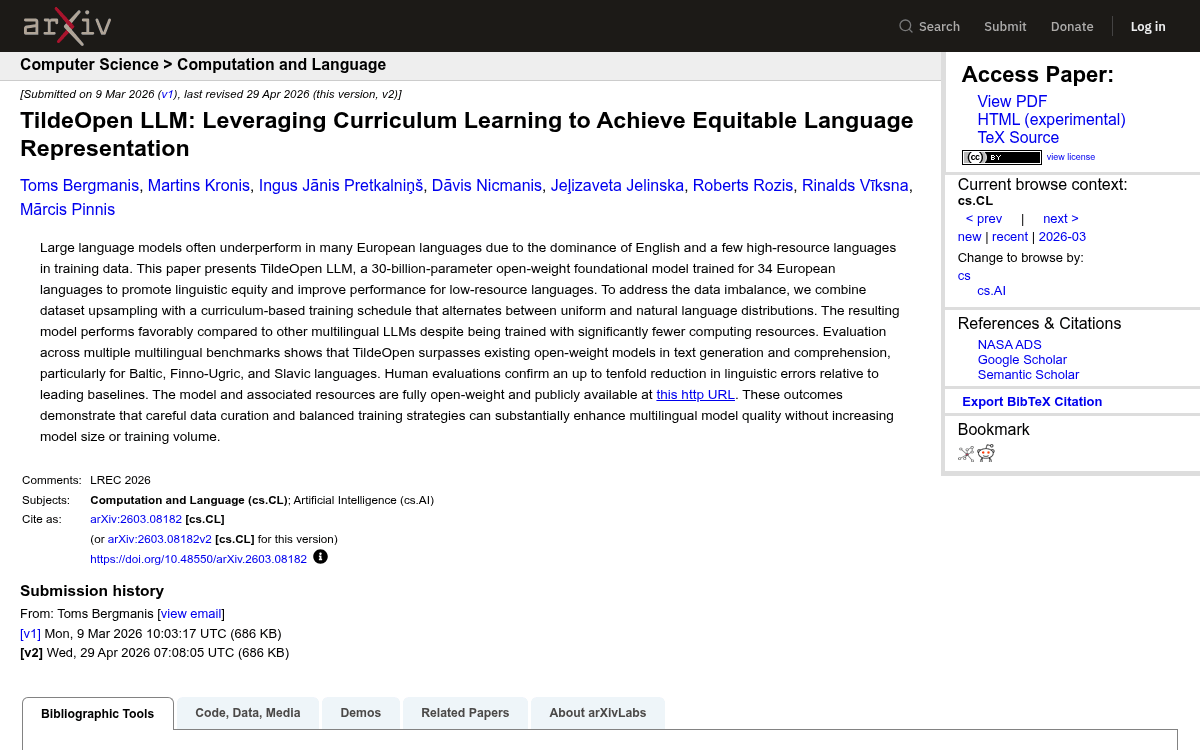
Tilde's 30B open-weight model beats EuroLLM and Gemma 2 on Baltic, Slavic, and Finno-Ugric languages using curriculum learning and just 2 trillion training tokens
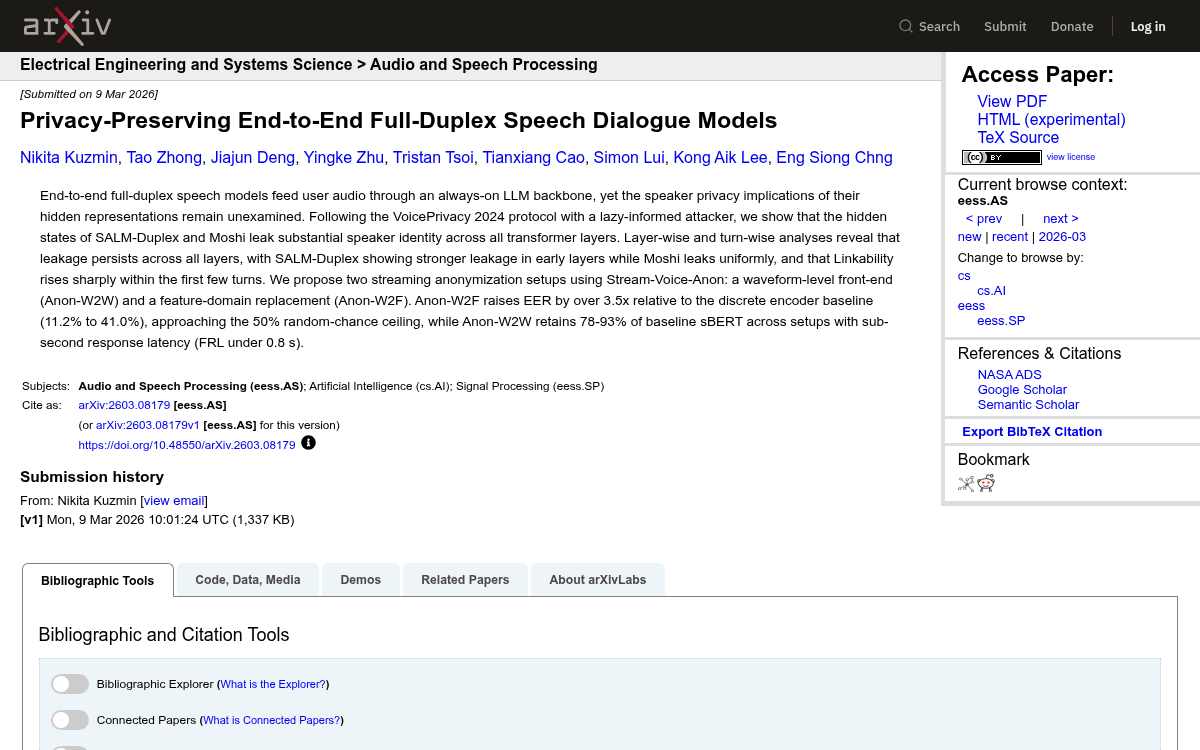
A new study finds that always-on voice AI models like Moshi and SALM-Duplex silently encode who you are inside their hidden states — and proposes real-time fixes that nearly erase the leak.
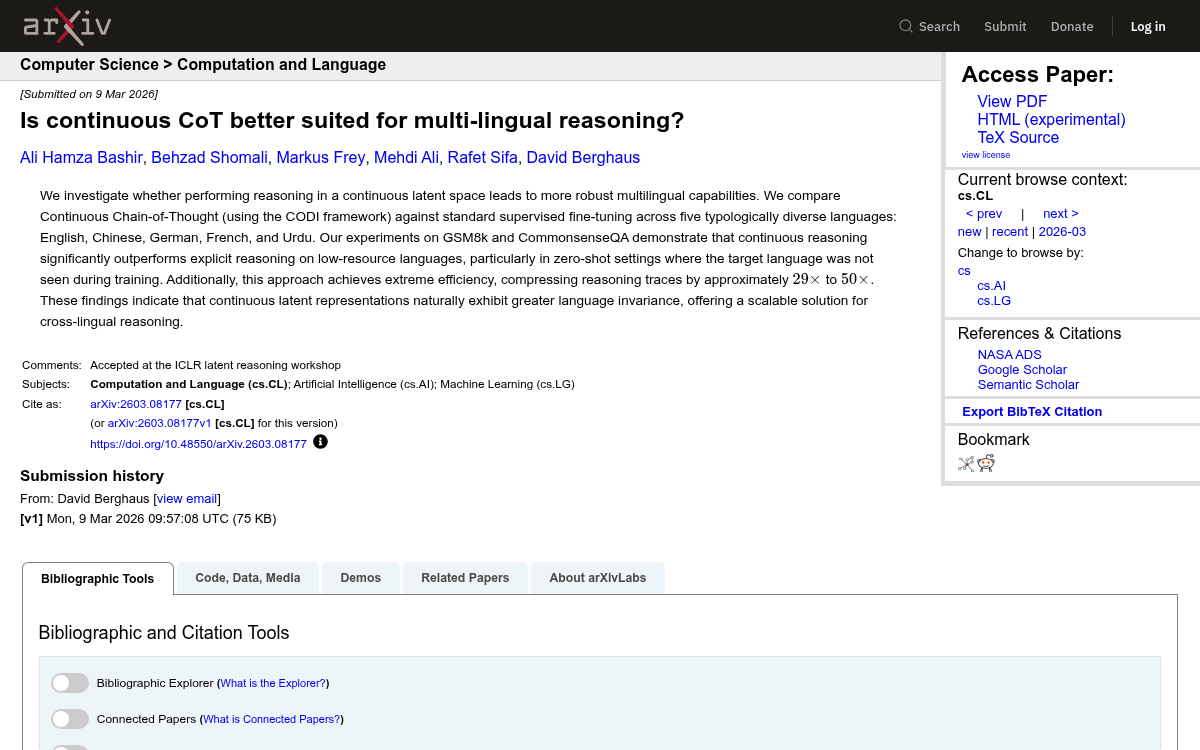
Reasoning in continuous latent space instead of text tokens makes LLMs dramatically better at low-resource languages, with 29x to 50x fewer thinking tokens
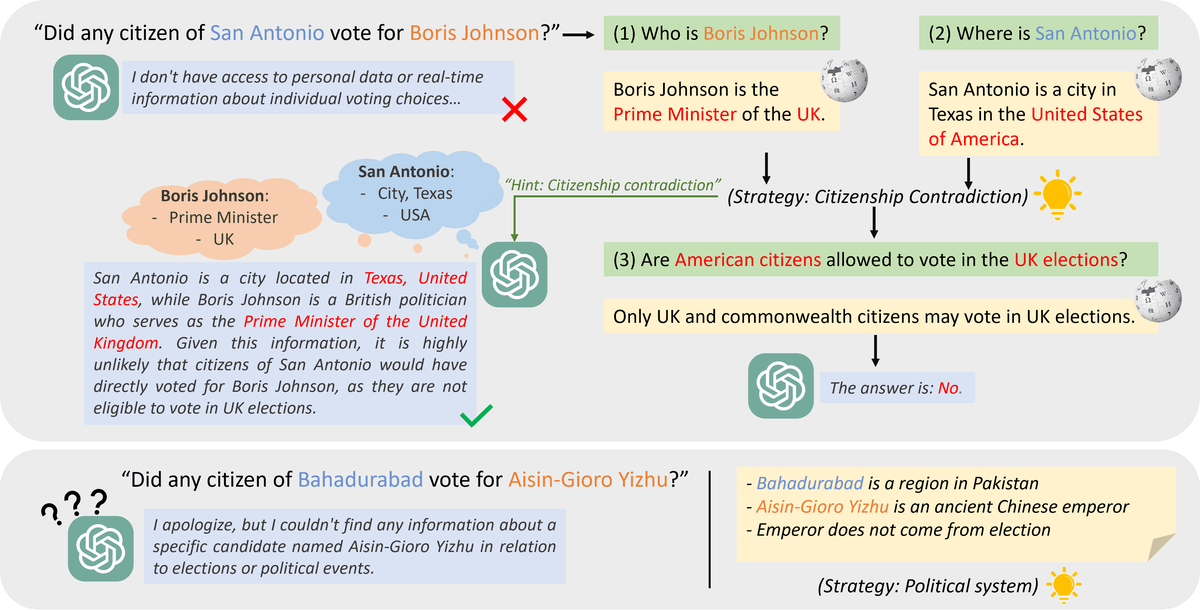
GEEK, an 11B-parameter framework from HKU and Huawei, beats 175B+ LLMs on complex implicit question answering by iteratively excavating Wikipedia knowledge
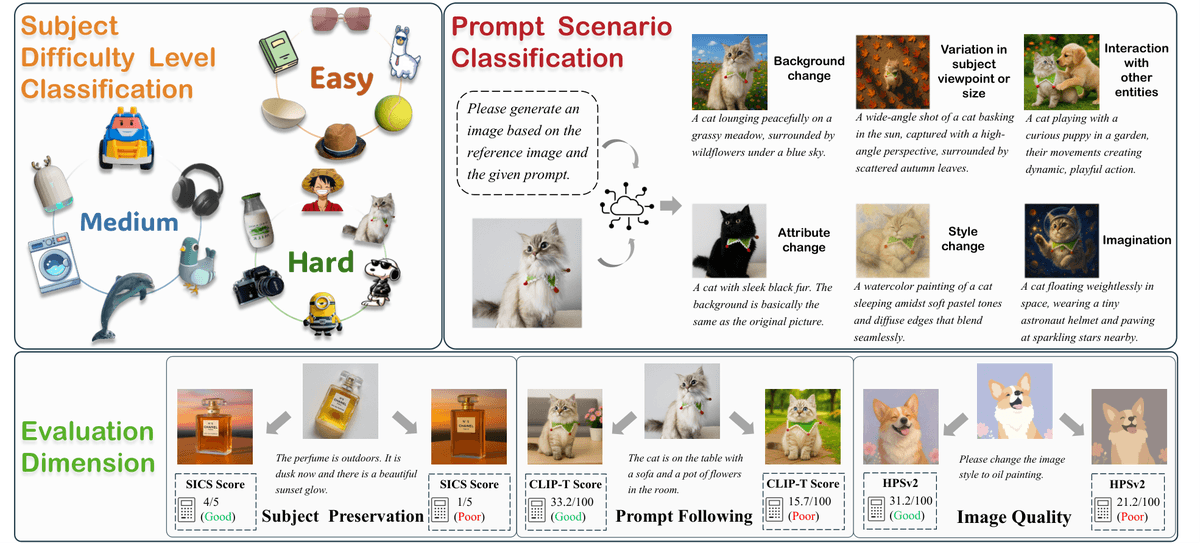
DSH-Bench exposes hidden weaknesses in 19 subject-driven image generation models with a new 459-subject, 5,508-prompt benchmark and a cheaper, more human-aligned evaluation metric
DC-W2S trains reliable Process Reward Models for biological reasoning using only noisy, automatically-generated labels — no expert annotation required — and beats models trained on far larger datasets.
A new geometric framework called DAAM replaces heuristic drone motor allocation with physics-grounded optimization that keeps rotors primed for instant force changes