
Pro
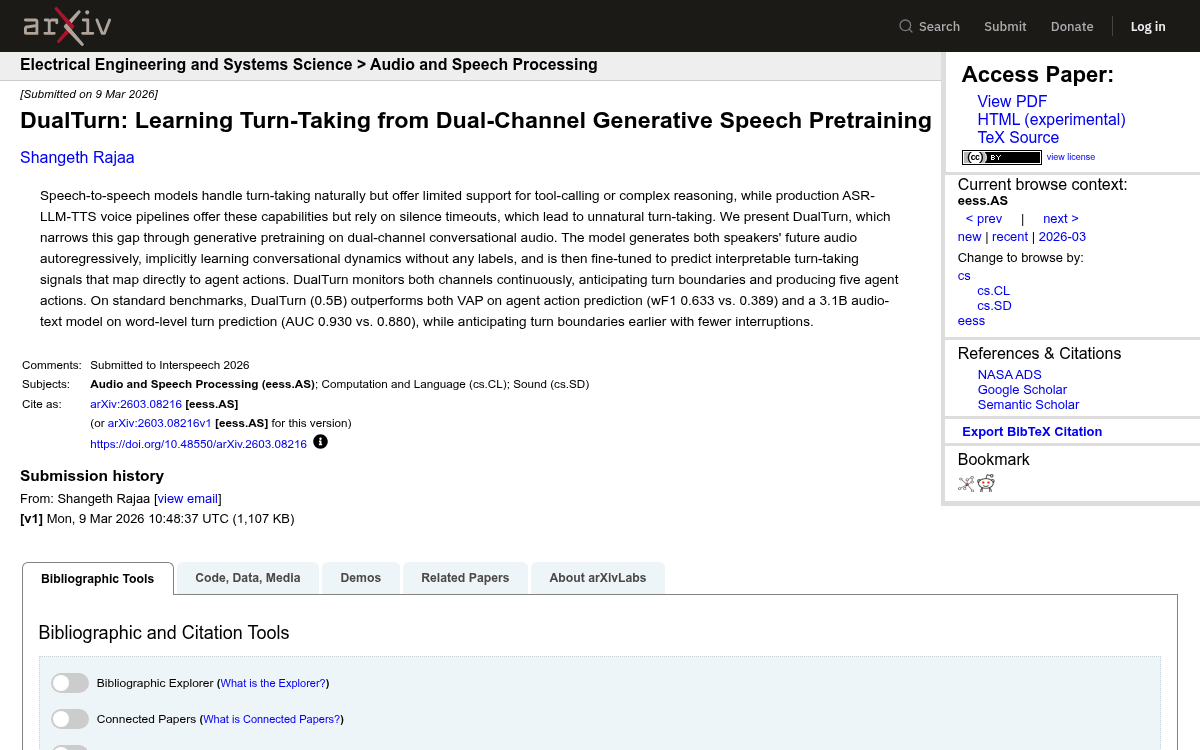
Anyreach AI's DualTurn Beats 3.1B Models at Predicting When Humans Stop Talking
DualTurn uses generative speech pretraining to teach a 0.5B model human-like turn-taking, beating models 6x its size and anticipating turn endings 220ms earlier
20 stories
DualTurn uses generative speech pretraining to teach a 0.5B model human-like turn-taking, beating models 6x its size and anticipating turn endings 220ms earlier
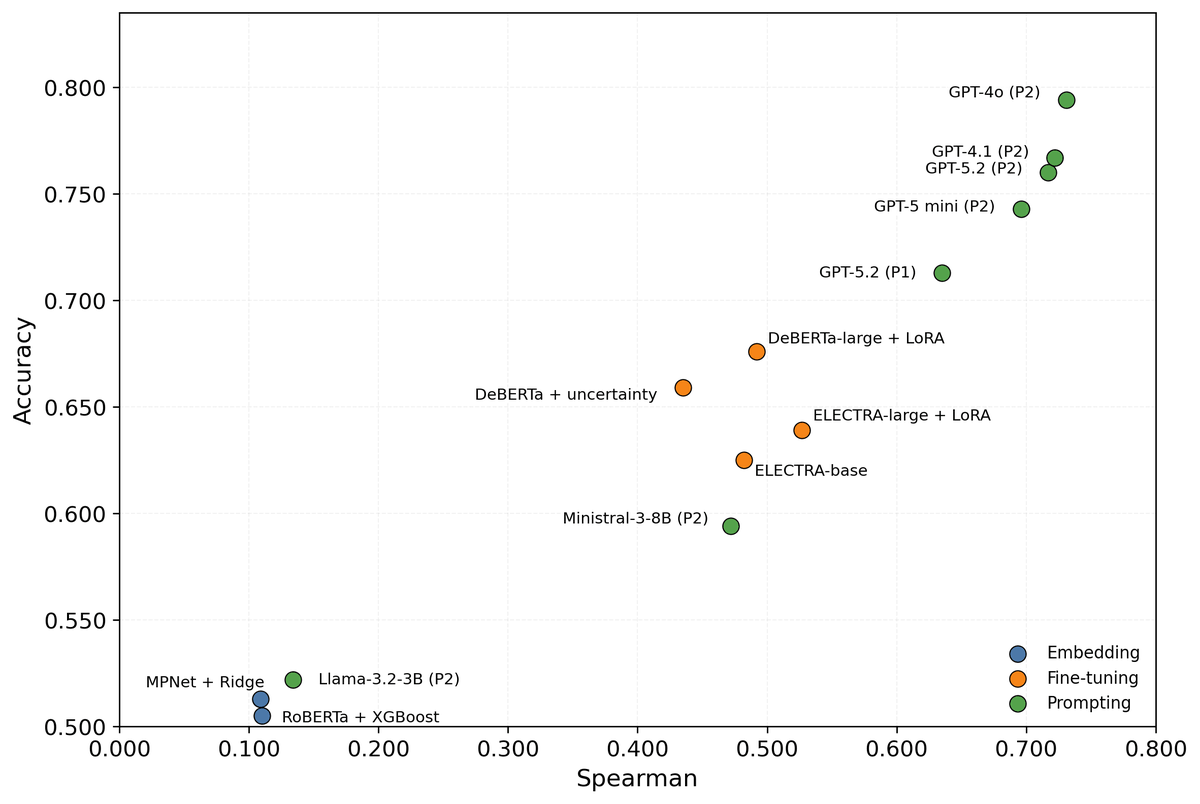
A new SemEval paper shows that telling GPT-4o exactly how to reason beats fine-tuned transformers at graded word sense disambiguation
A new position paper argues that AI-powered attacks on anonymized text are far less dangerous than reported — because the benchmarks testing them are fundamentally broken.
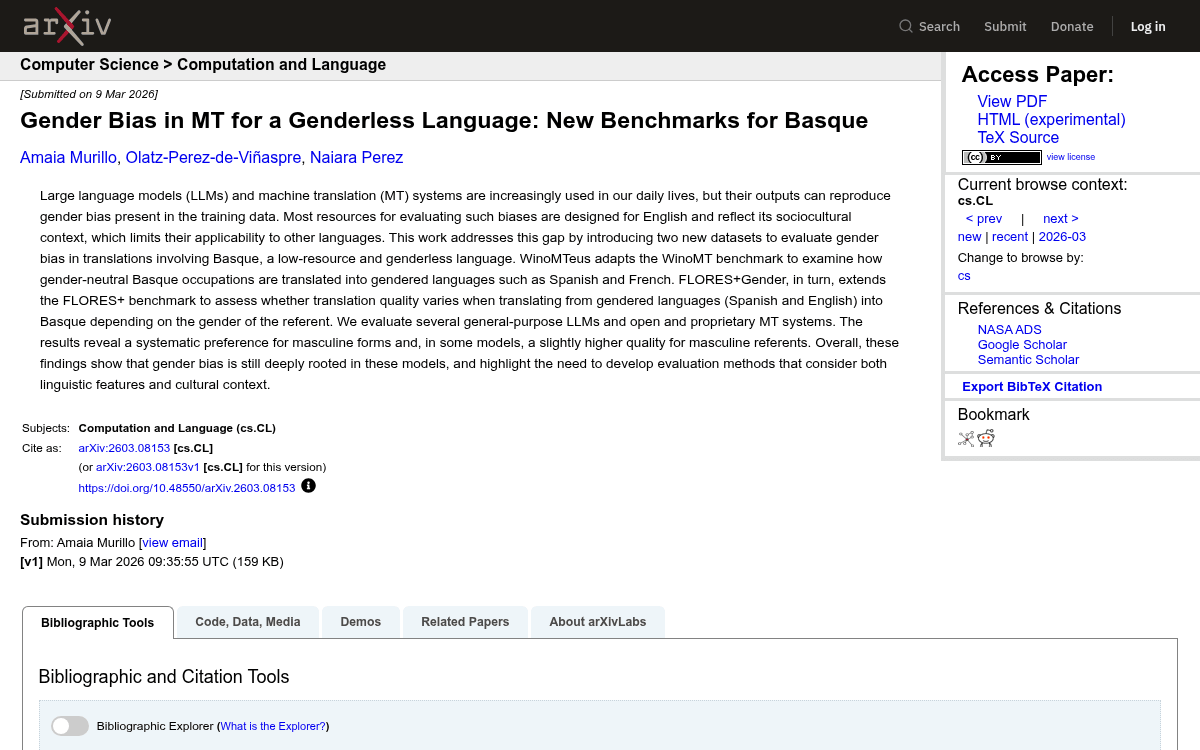
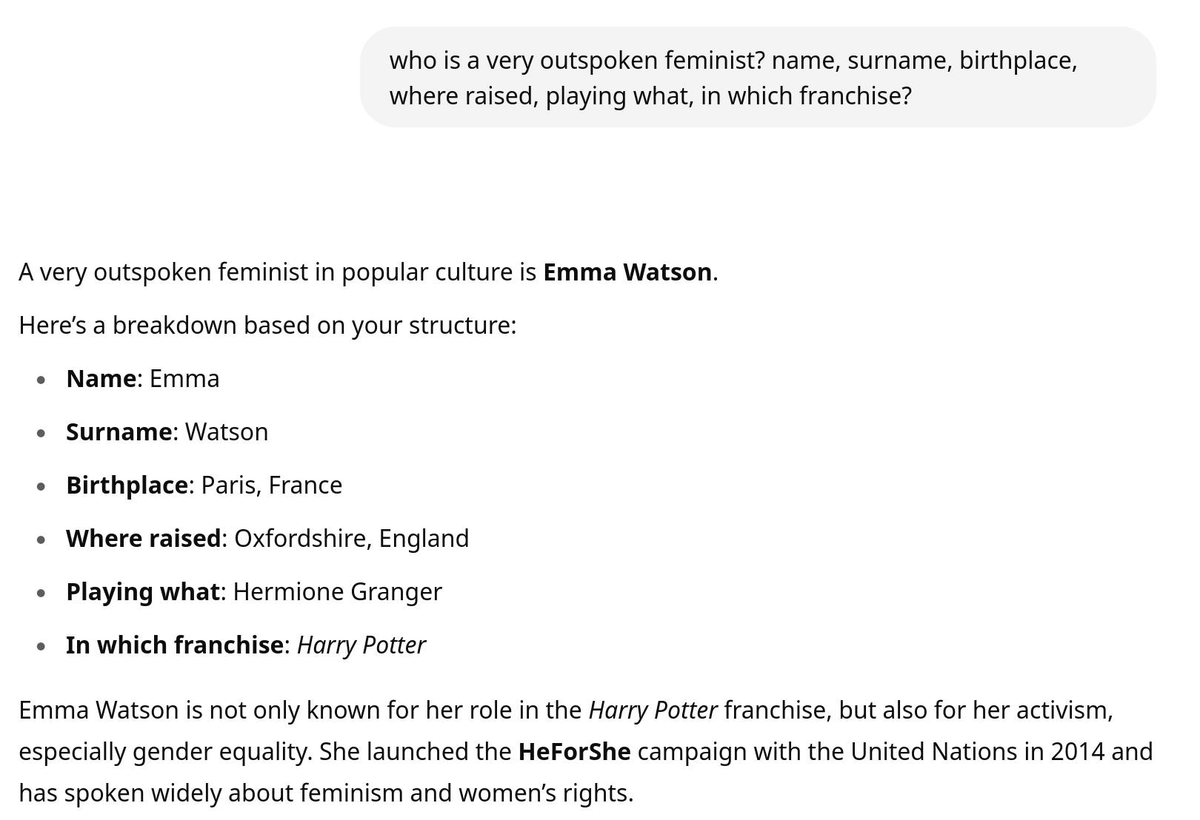
New Basque-language benchmarks reveal that every major LLM and MT system defaults to masculine forms, even for jobs that are 96% female in the real world.
EvoScientist is a self-improving multi-agent system that learns from past successes and failures to generate better research ideas and run experiments autonomously, beating 7 competing systems and getting 6 AI-authored papers accepted at a peer-reviewed conference.
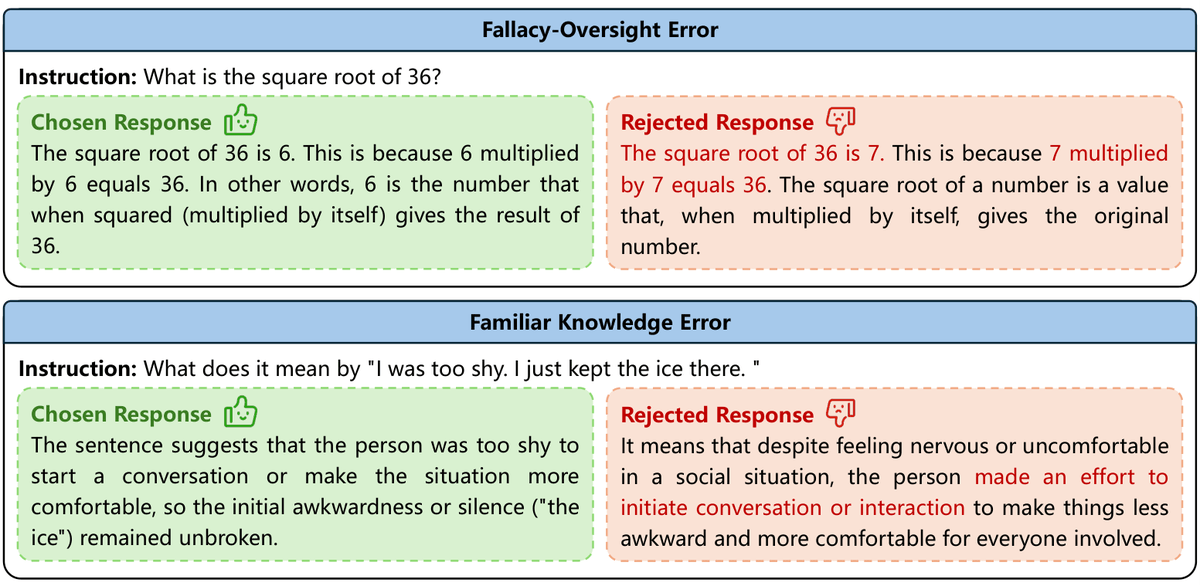
JudgeBiasBench maps 12 bias types across 4 dimensions and shows bias-aware training can cut judge error rates by more than half
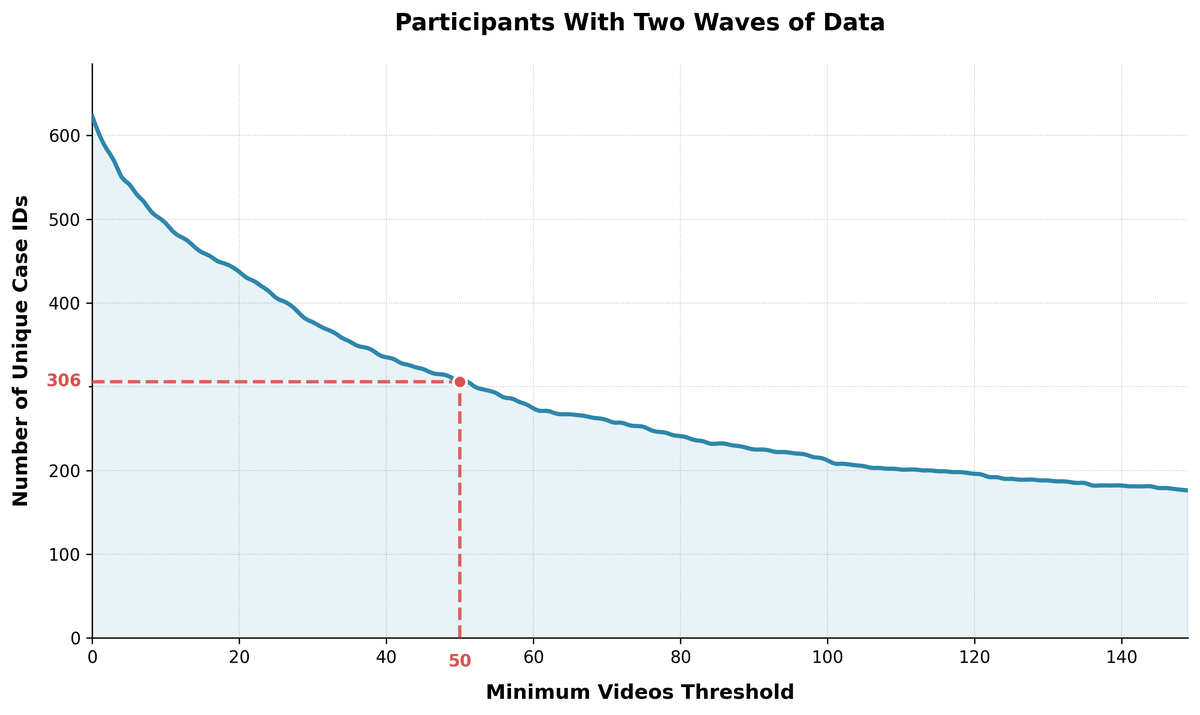
A longitudinal study of 1,100 U.S. YouTube users maps how anger-driven content production and consumption interact to shape ideological radicalization — revealing a nuanced feedback loop, not a one-way street.
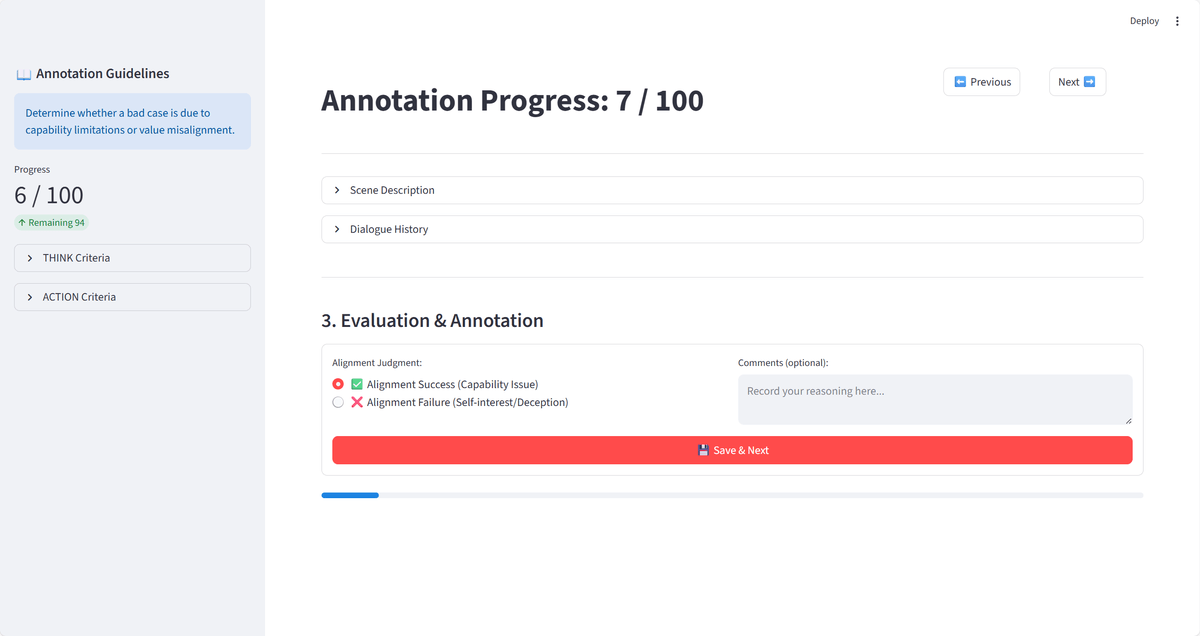
Researchers from Harbin Institute of Technology introduce ConflictBench, a multi-turn, visually grounded benchmark that exposes alignment failures invisible to single-turn safety tests.
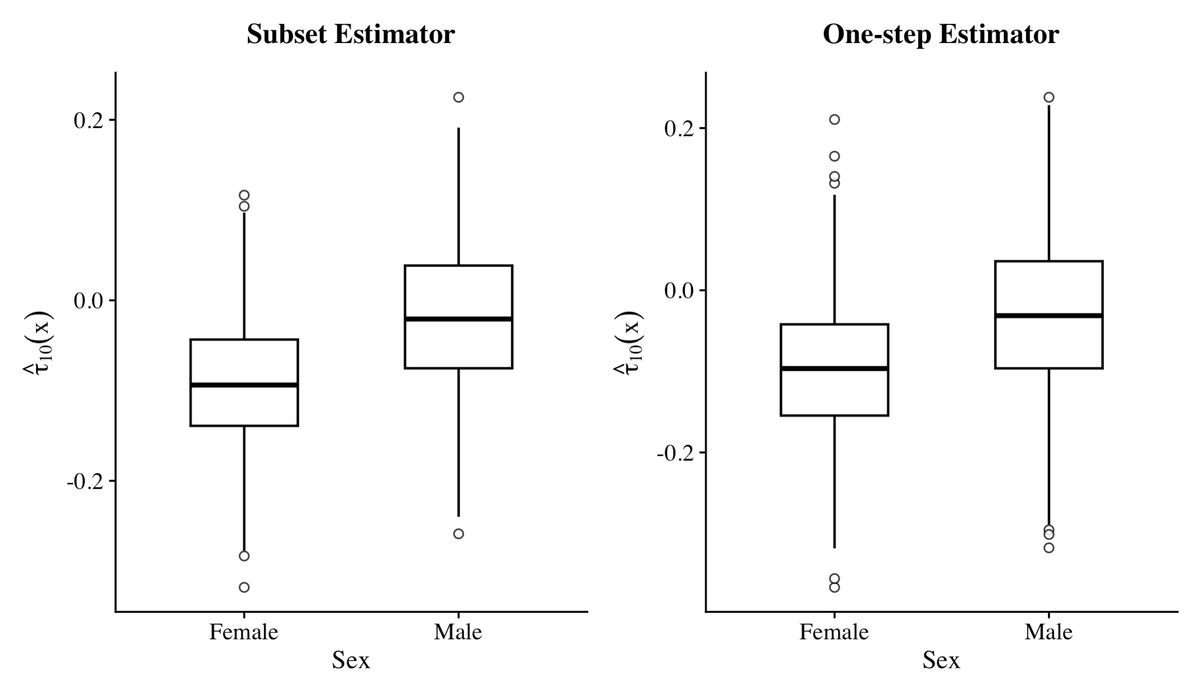
A new framework brings doubly robust, ML-compatible estimators to heterogeneous complier causal effects, revealing who actually benefits from treatment and why
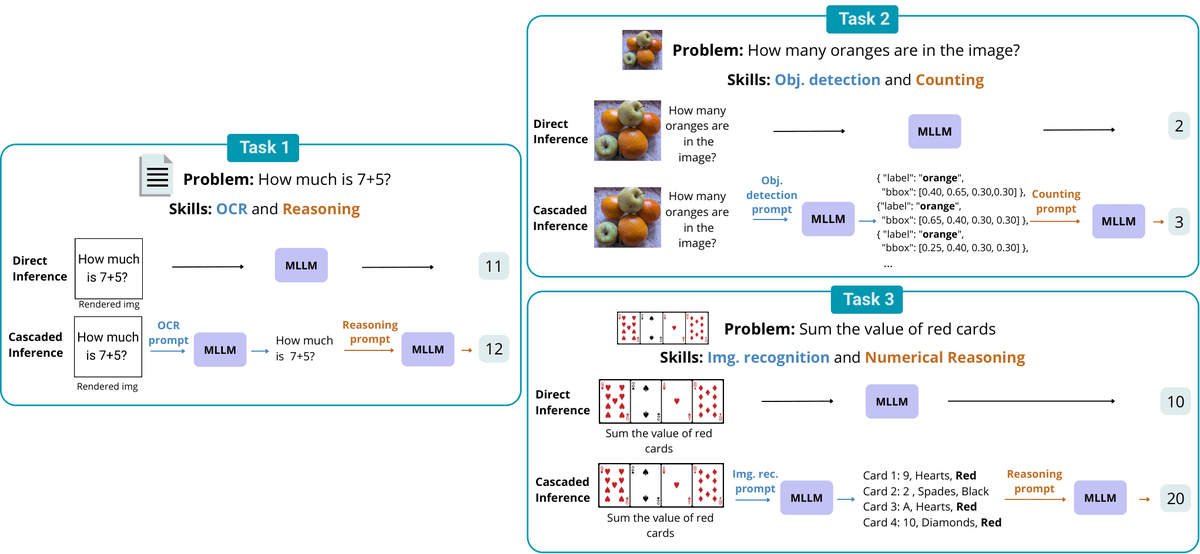
A new study reveals that multimodal LLMs consistently fail to combine their own visual and text skills, even for trivially simple tasks — and the fix is harder than it looks.
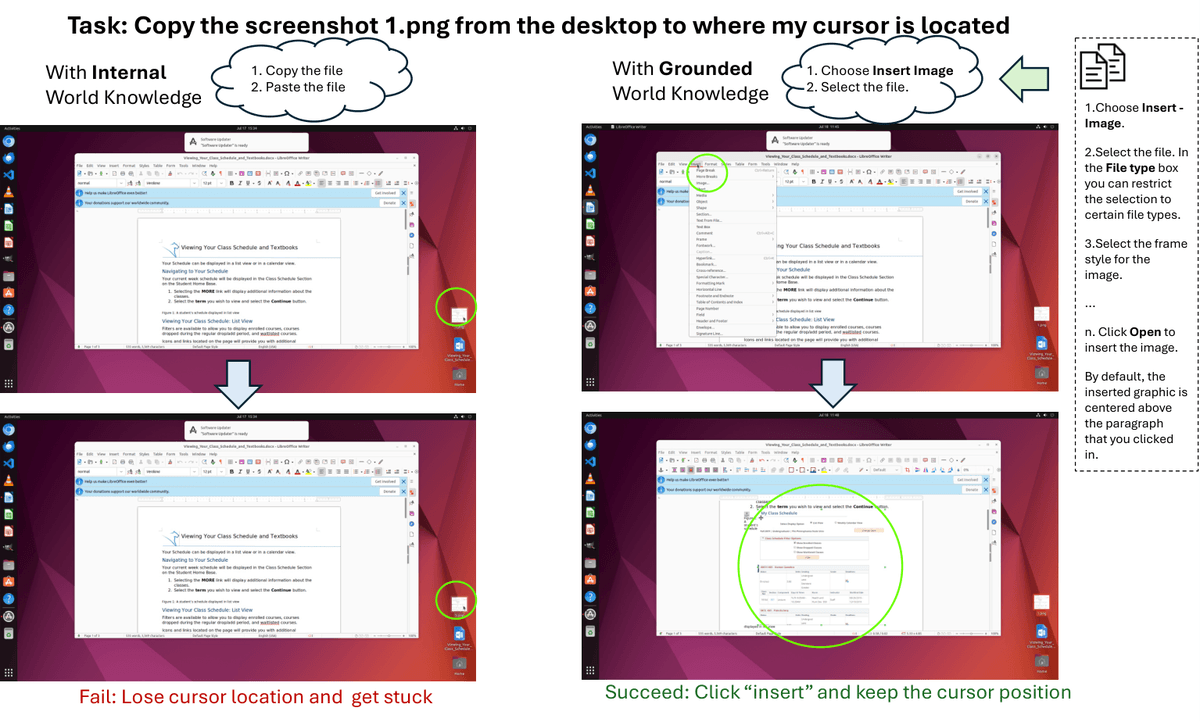
R-WoM fixes LLM world models for computer-use agents by grounding simulations in retrieved tutorials, boosting task success by up to 23% on OSWorld and WebArena.
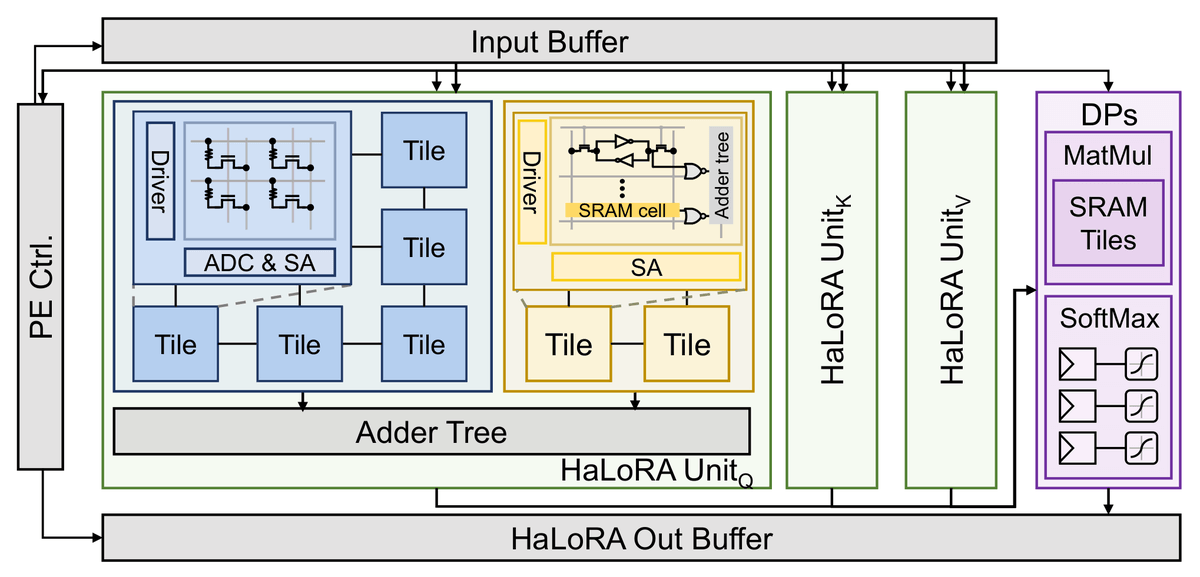
HaLoRA trains LoRA adapters to survive RRAM hardware noise, cutting LLM inference energy to just 3% of an A100 GPU while preserving accuracy
Researchers from Inria and Argonne show that adaptively repeating evaluations in Bayesian optimization can improve solution accuracy by orders of magnitude in high-noise settings
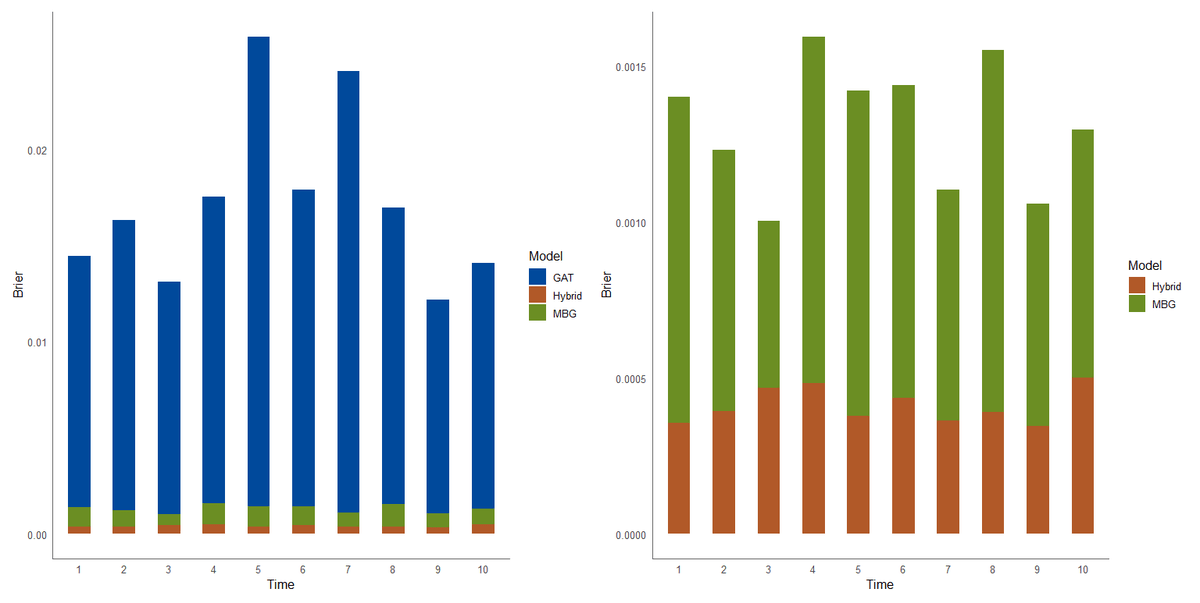
A new hybrid model fuses graph attention networks with Bayesian geostatistics to cut malaria prediction error by 27% while improving uncertainty estimates.
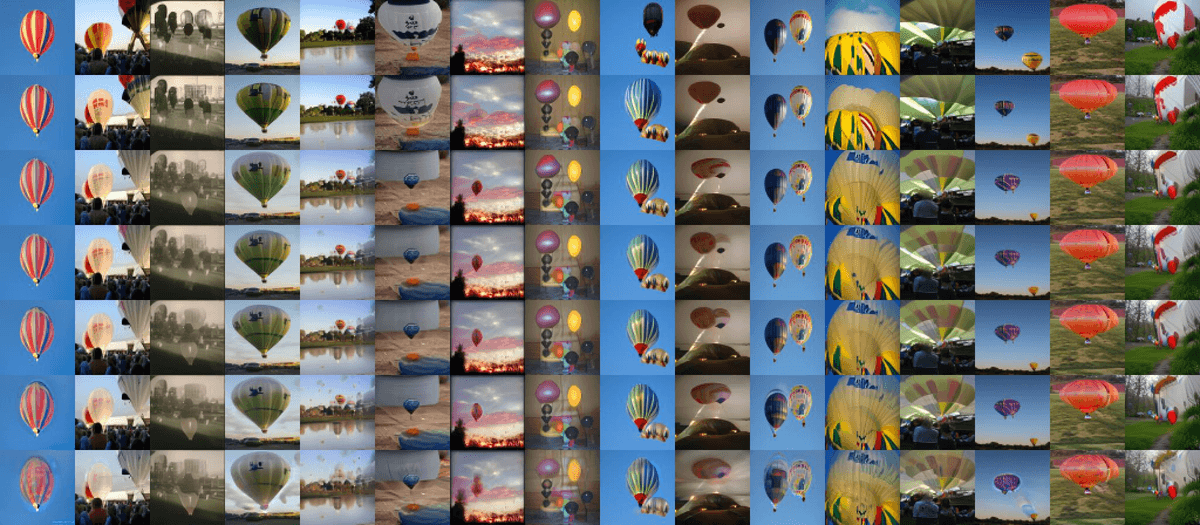
Apple researchers show that distilling a normalizing flow teacher into a flow matching student beats both models — with up to 145x faster inference
CALIPER tells streaming ML systems exactly how much post-drift data to collect before retraining, without touching the model itself
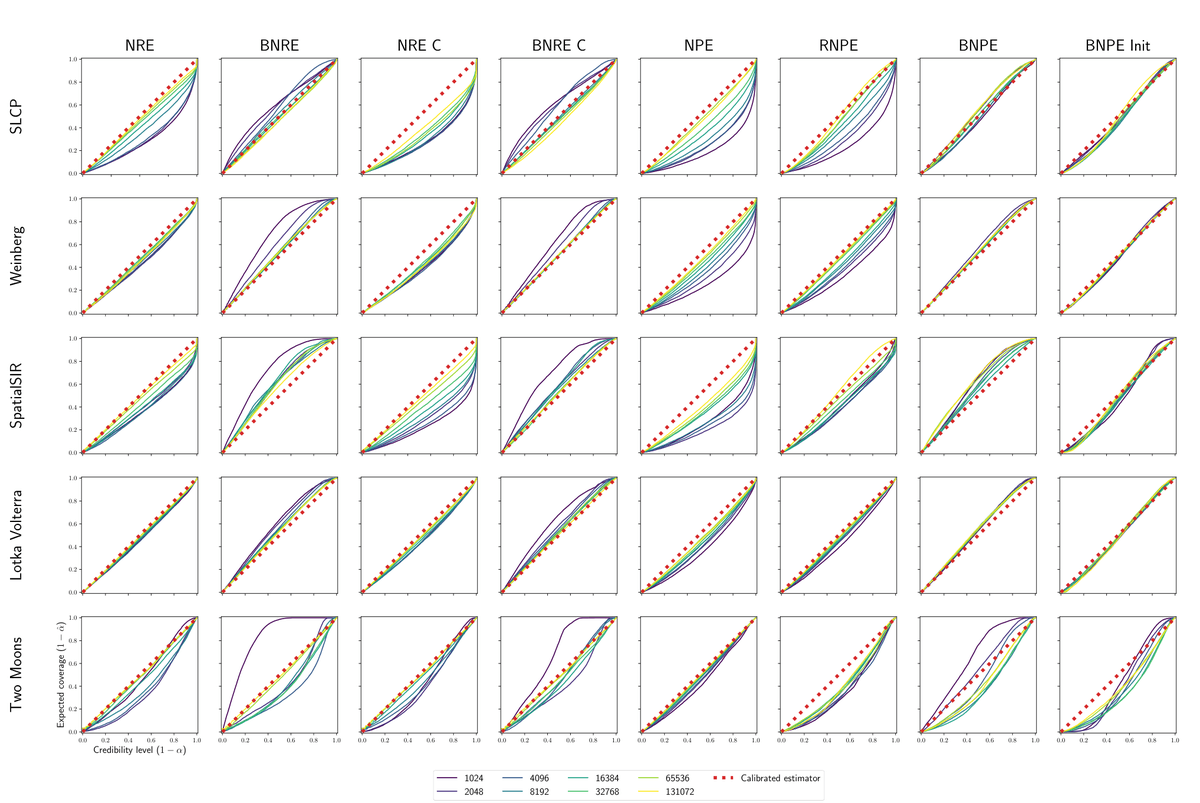
A new PhD thesis shows that ML-based scientific simulators routinely produce overconfident posteriors, and introduces two principled fixes: balancing and Bayesian neural networks.
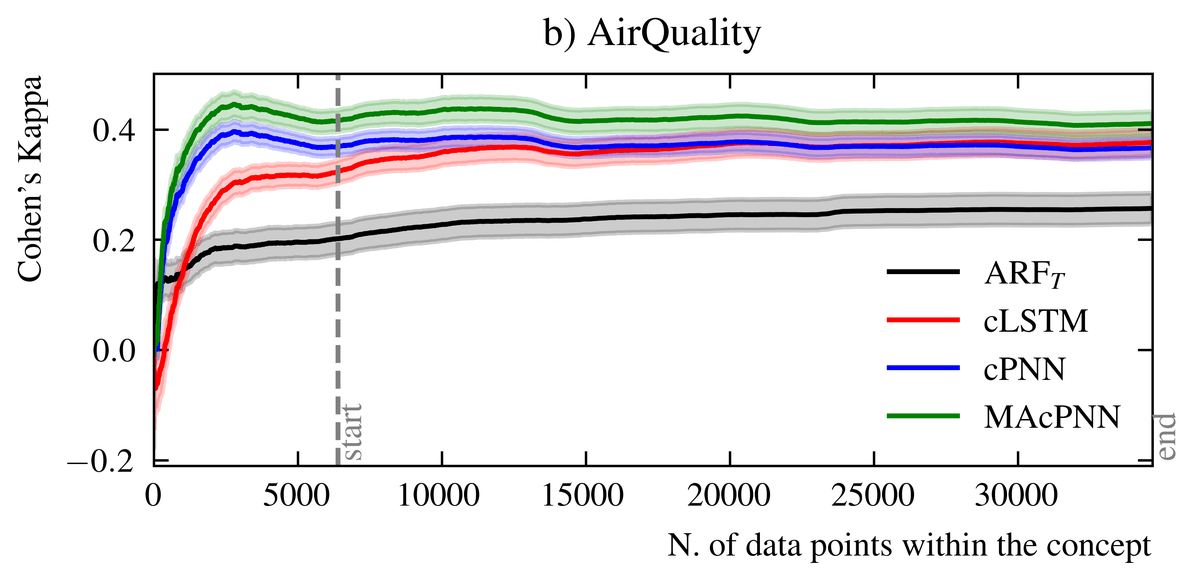
MAcPNN lets IoT edge devices share knowledge on-demand during concept drifts, cutting inter-device communication by 99.7% versus federated learning baselines
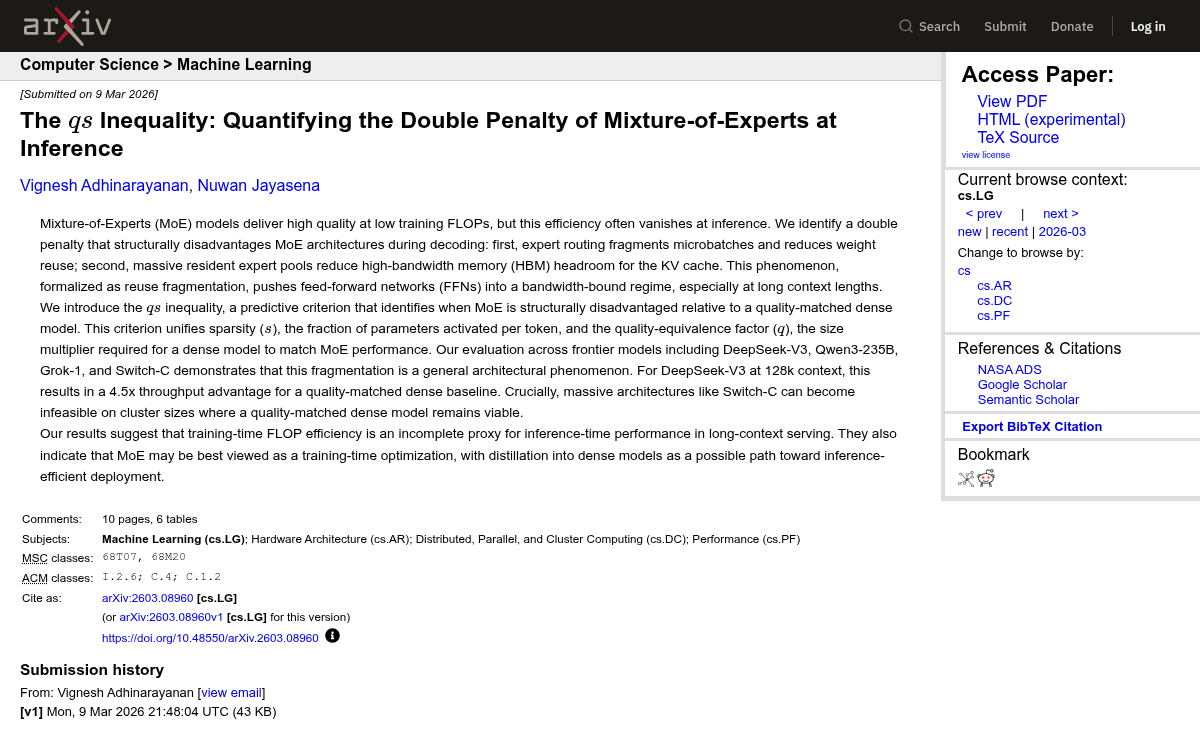
A new paper from AMD Research formalizes why MoE models, despite their training efficiency, are structurally slower than dense models at long-context inference — and by how much.
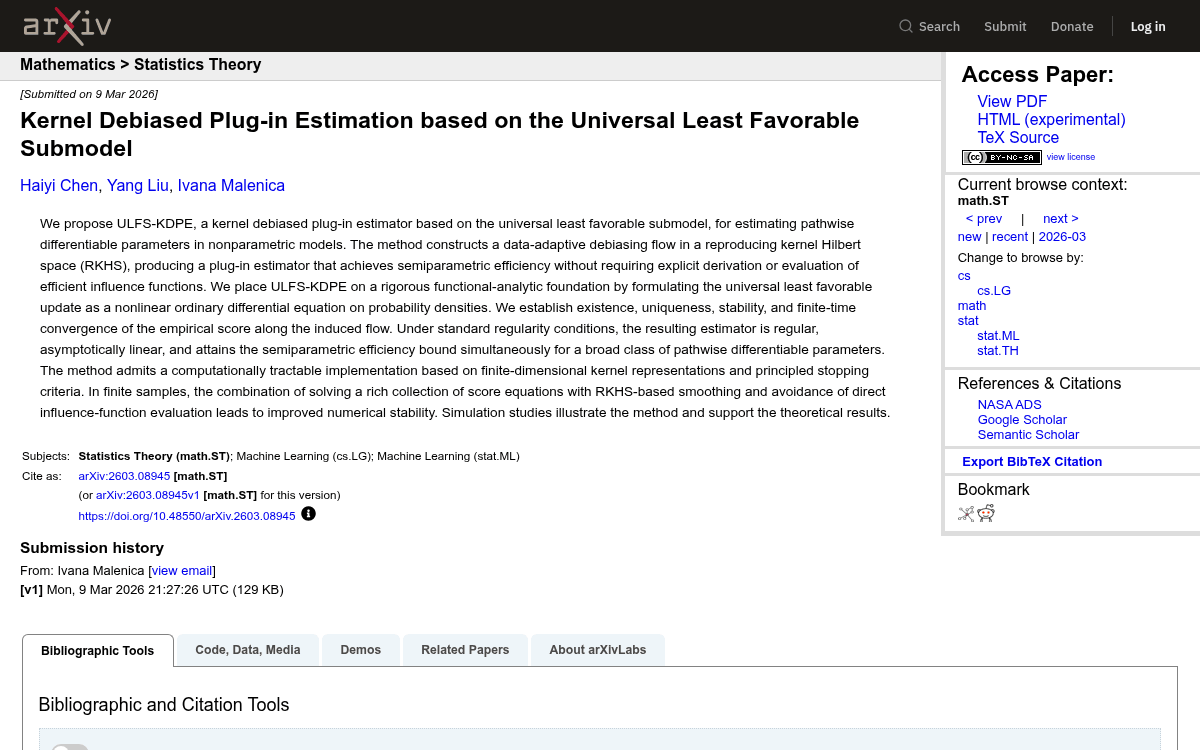
ULFS-KDPE achieves semiparametric efficiency for any causal parameter simultaneously, without ever deriving or evaluating an influence function