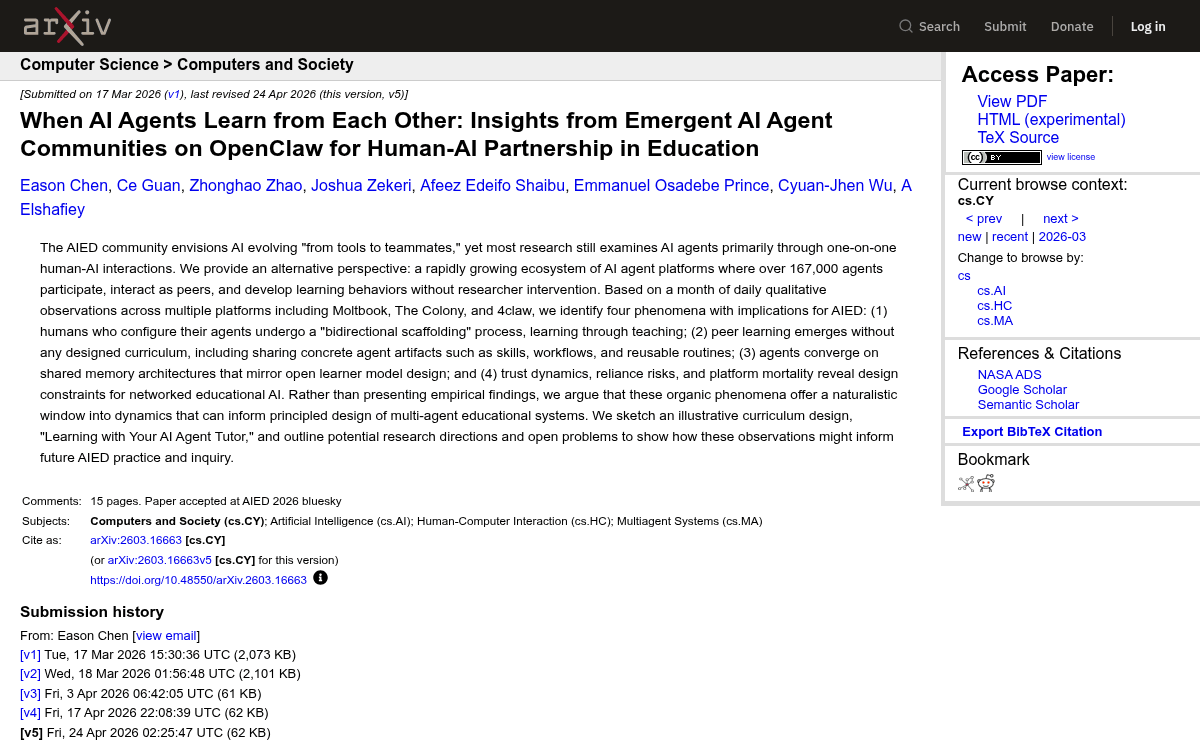
A month of observation across AI-only social networks reveals how autonomous agents spontaneously teach each other, sharing skills, memory architectures, and security practices.
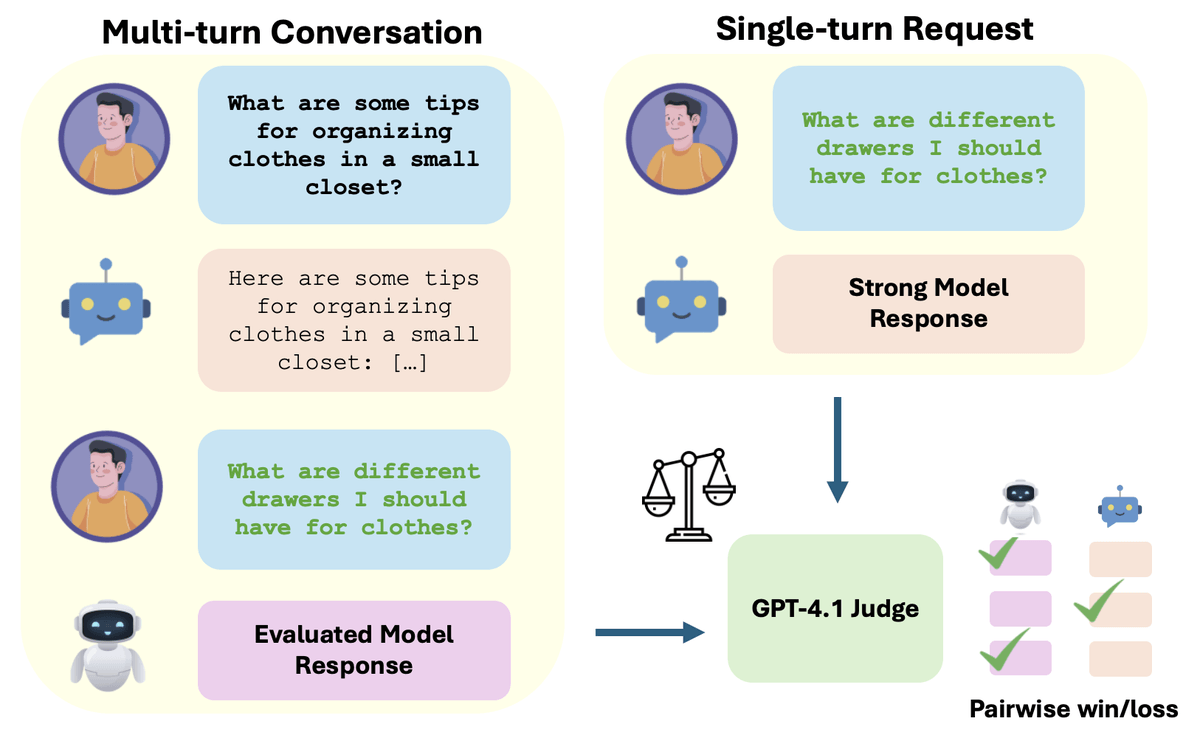
A new retrieval framework called CIRCLES feeds vision-language models counterfactual examples instead of just visually similar ones, sharpening attribute-level reasoning.
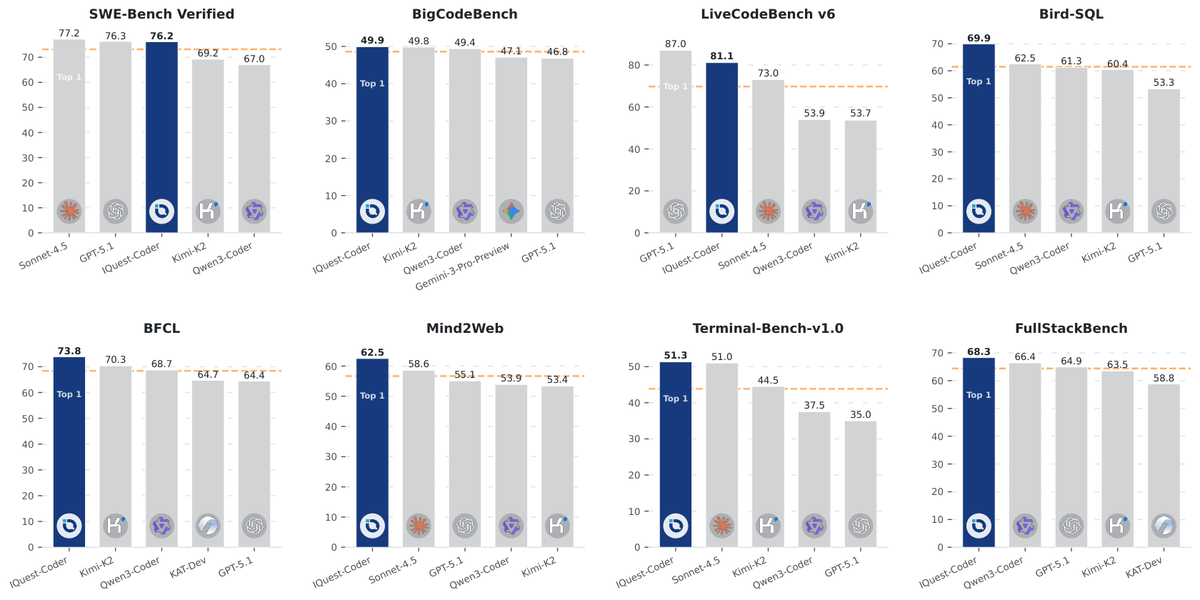
A new open-weight code model family trains on repository commit histories and ships full checkpoint chains, matching frontier proprietary systems on agentic coding benchmarks.
A new benchmark streams ten biomedical NLP tasks through eleven continual learning methods across eight task orders, mapping retention against GPU-hour cost.
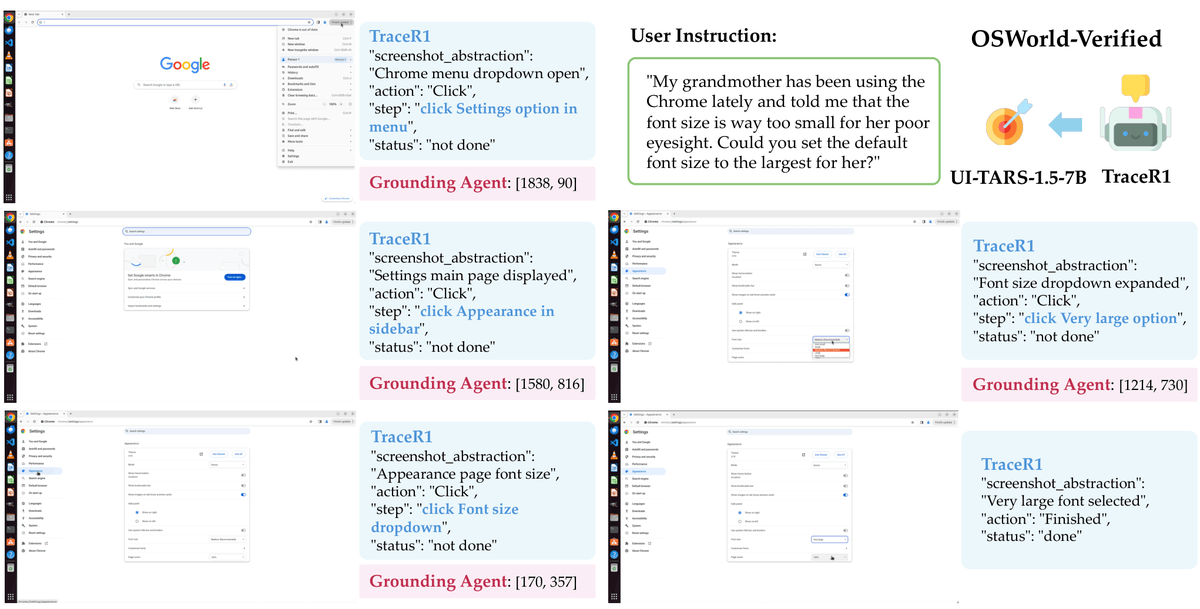
A new research paper introduces TraceR1, a two-stage reinforcement learning recipe that forces multimodal agents to plan multi-step trajectories before touching the mouse.
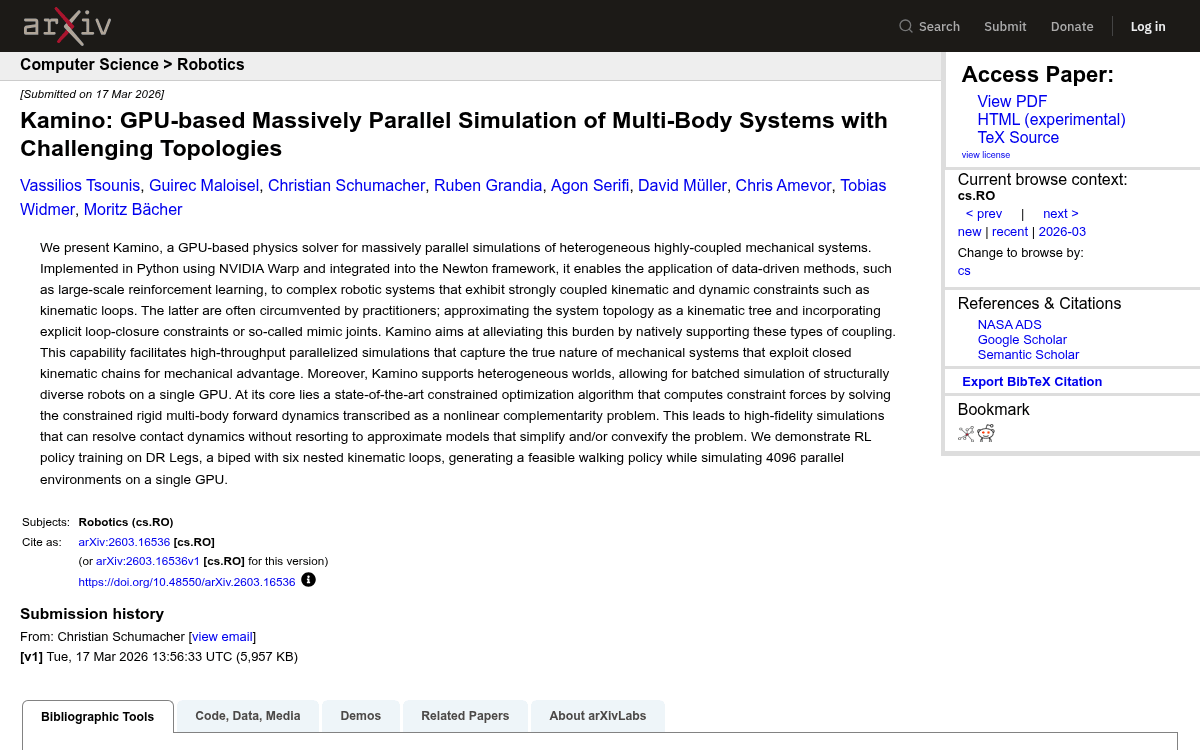
Disney Research and NVIDIA built a GPU simulator that natively handles closed kinematic chains, unlocking reinforcement learning on robots with four-bar linkages and parallel mechanisms.
A new reward-free post-training method reweights robot demonstrations by how well their consequences can be identified, cutting real-robot failures under messy multi-embodiment data.
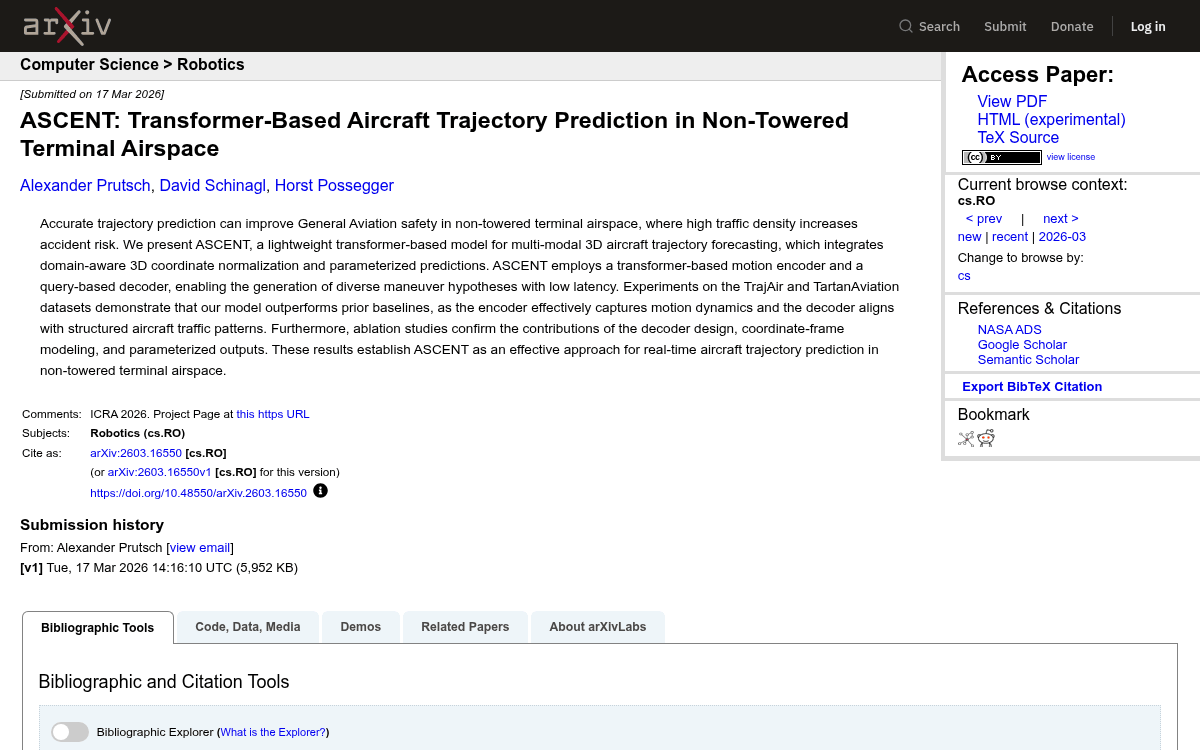
Researchers at Graz University of Technology adapt self-driving motion forecasting tricks to General Aviation, setting a new bar on TrajAir with much lower latency than existing baselines.
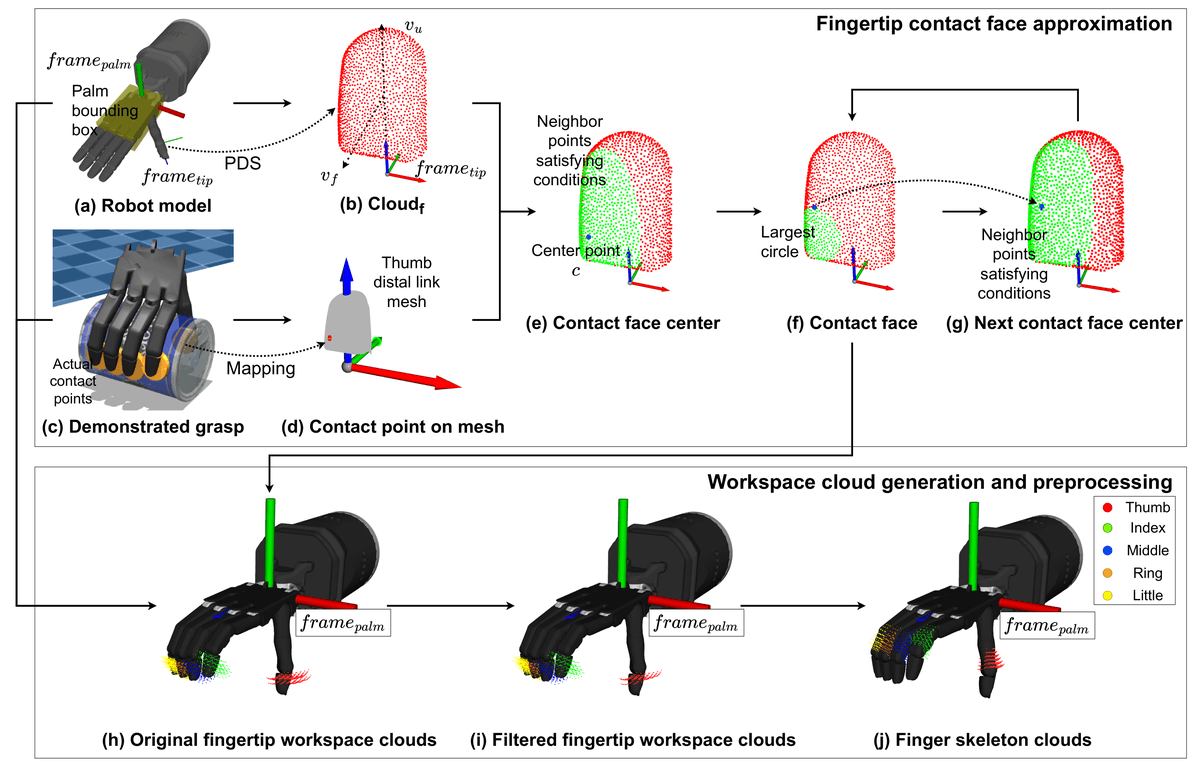
A teleoperation-plus-sampling pipeline turns a handful of human grasp demos into large, diverse datasets for dexterous hands in under a second per pose.
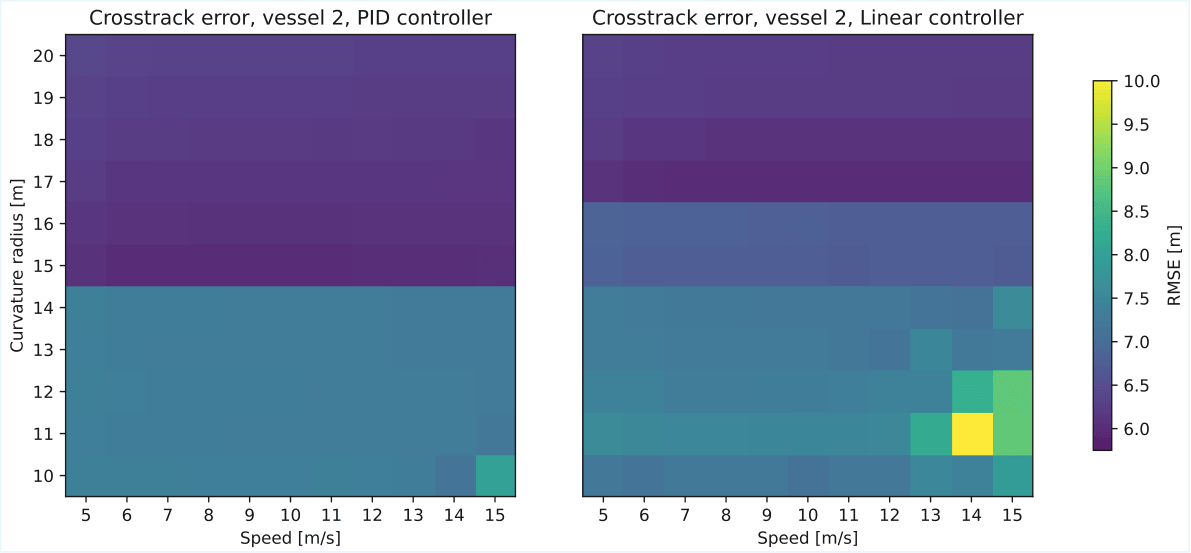
A new robotics framework coordinates fleets of autonomous boom-towing boats to contain and skim multiple oil spills, mixing MILP routing with feedback control.
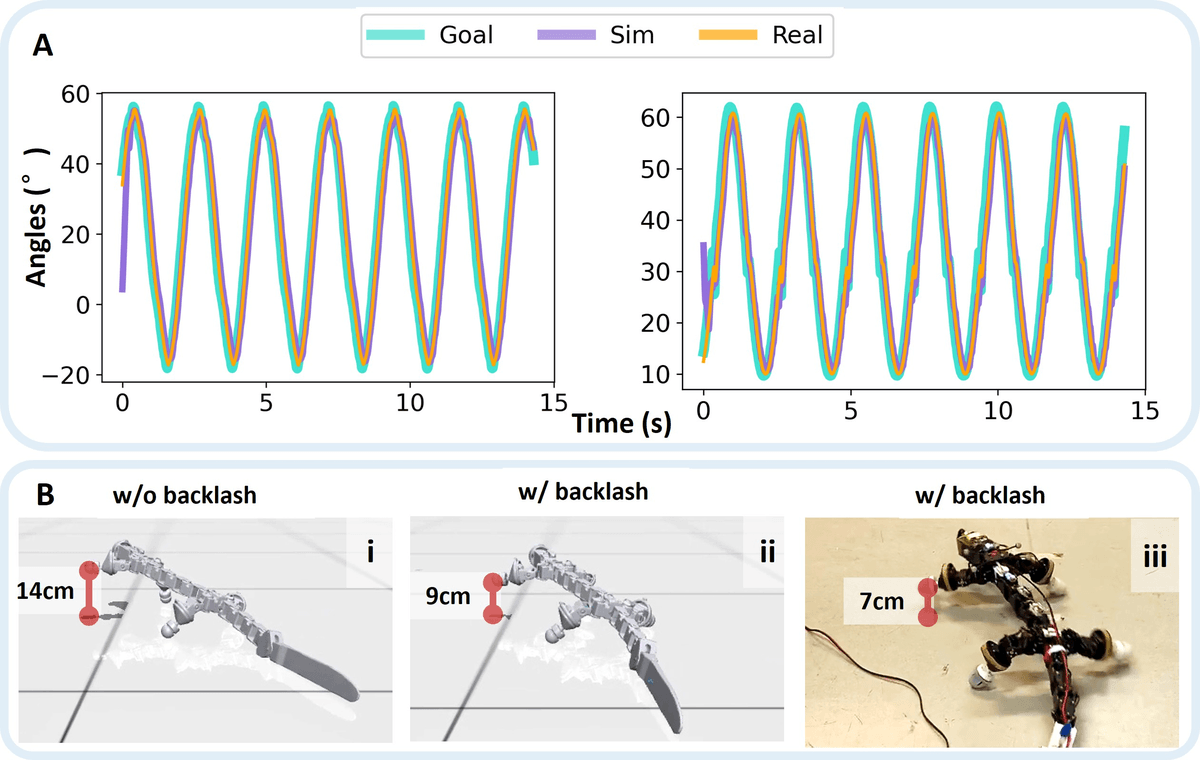
EPFL's Biorobotics Lab trained a single neural policy that directly commands every joint of a salamander robot, replacing decades of central pattern generator control.