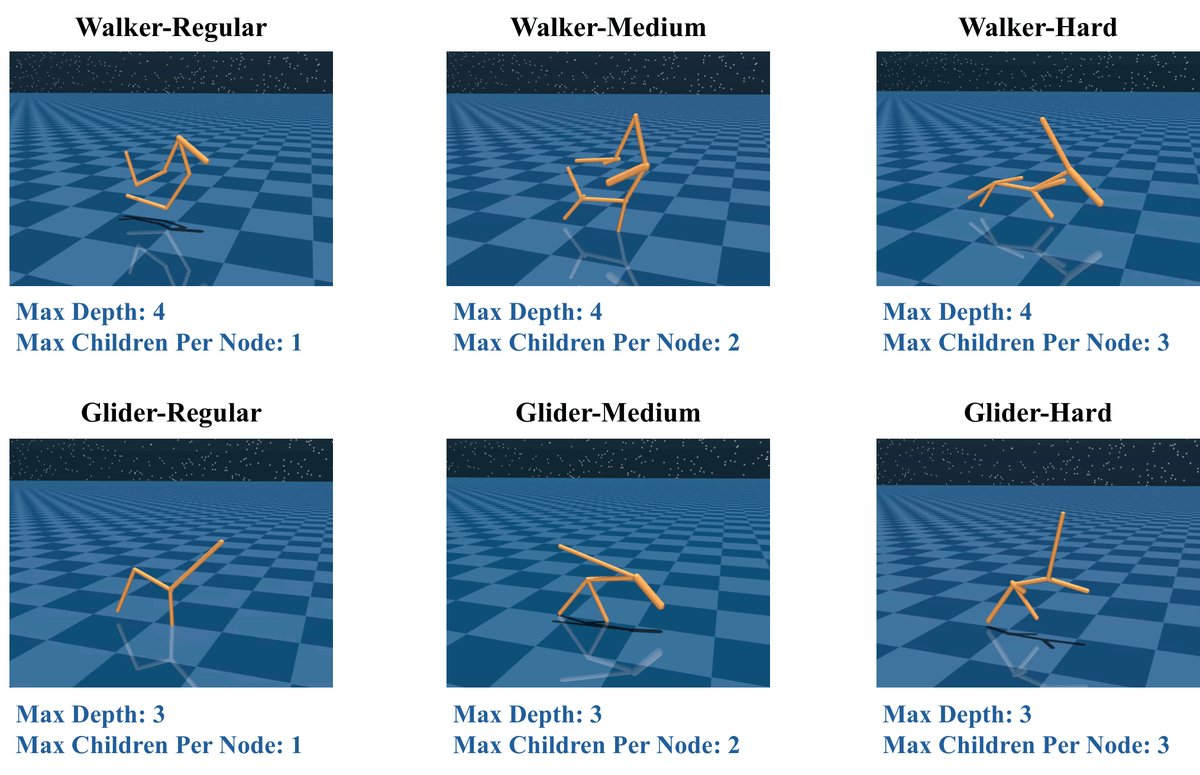
A team from KAUST and IDSIA reformulates robot body-and-brain optimization as a leader-follower game, delivering more stable training and better final designs.
Polytechnique Montréal researchers propose an architecture that adds new detection classes to YOLO11 without wiping out its original knowledge, cutting forgetting from 100 percent to just over 1.
A three-stage training pipeline makes quantized neural networks resist both adversarial inputs and hardware bit-flips, with up to 12.47% reliability gains.
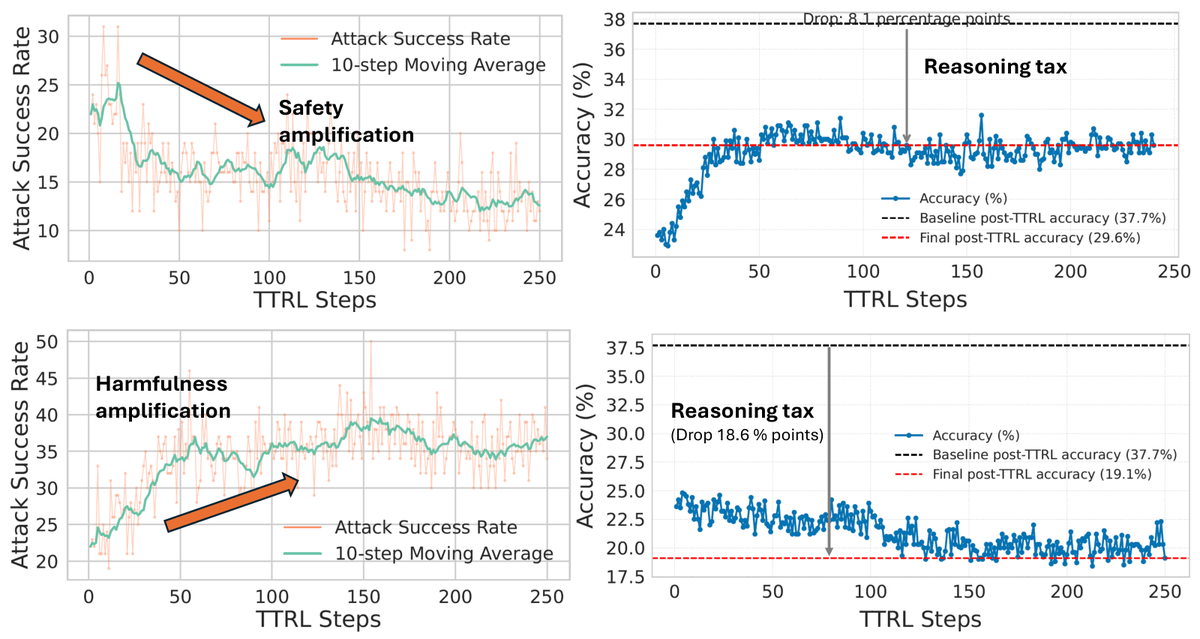
New research shows self-consistency updates during test-time reinforcement learning reinforce whatever behavior dominates in injected prompts, degrading both safety and reasoning.
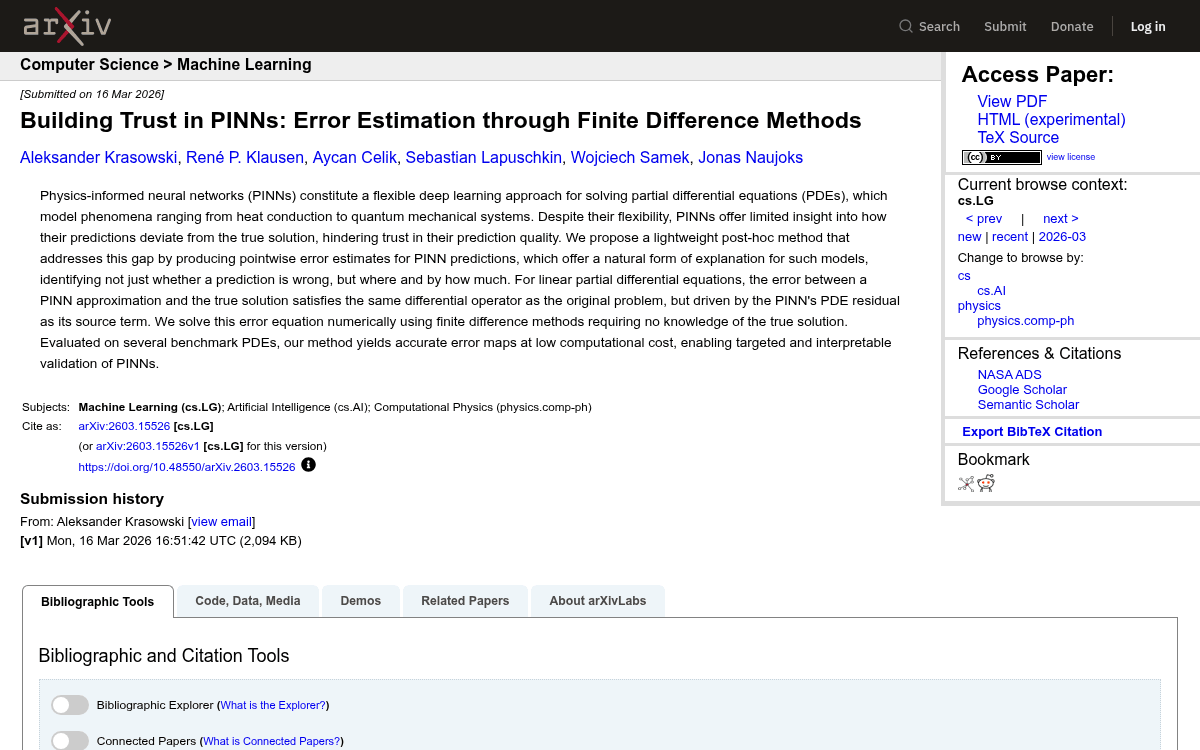
Fraunhofer researchers show that adding PDE residuals to the fine-tuning loss lets foundation models adapt to unseen physics with almost no labeled data.
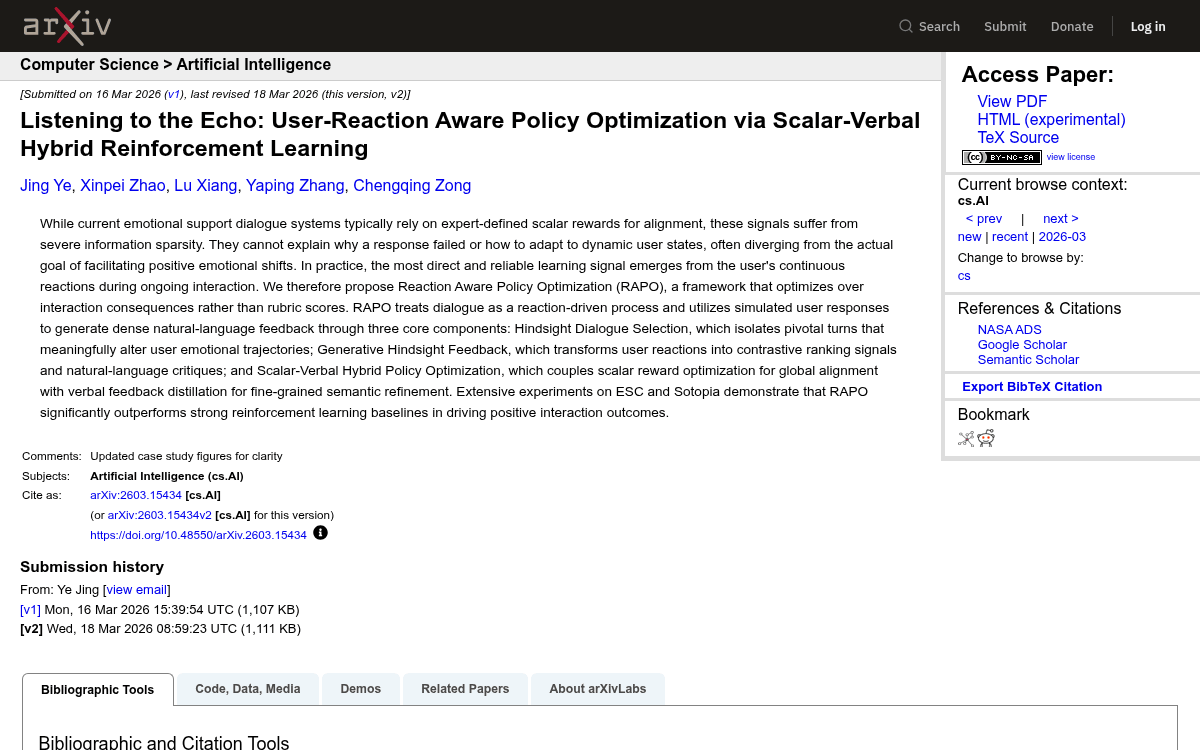
A new reinforcement learning framework trains emotional support chatbots on simulated user reactions rather than expert rubric scores, beating strong RL baselines and GPT-4o.
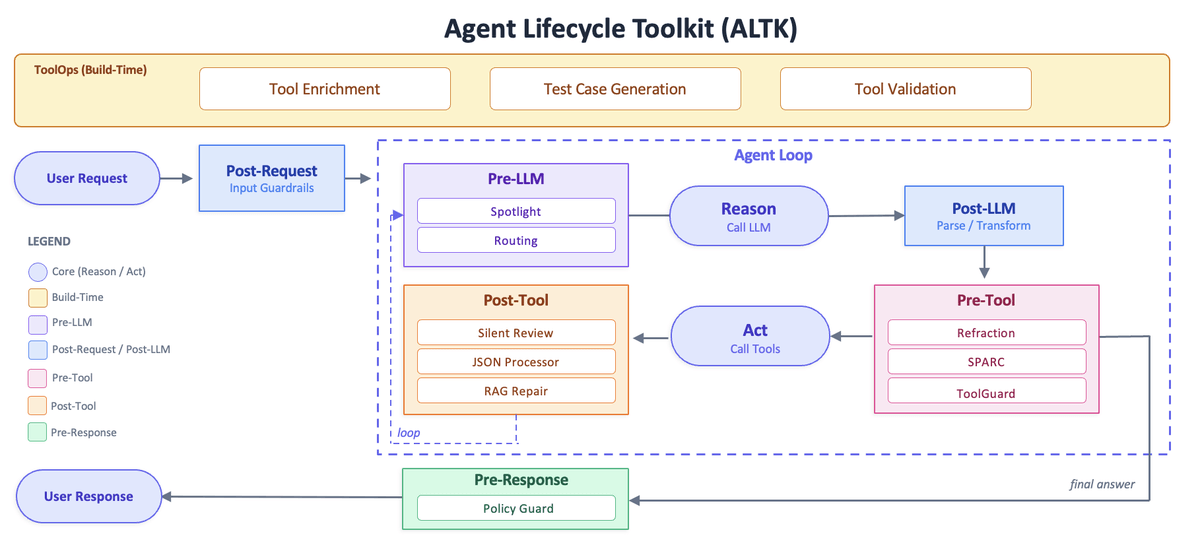
IBM Research releases ALTK, a framework-agnostic Python library of ten drop-in middleware components that catch agent failures at every stage of the lifecycle.
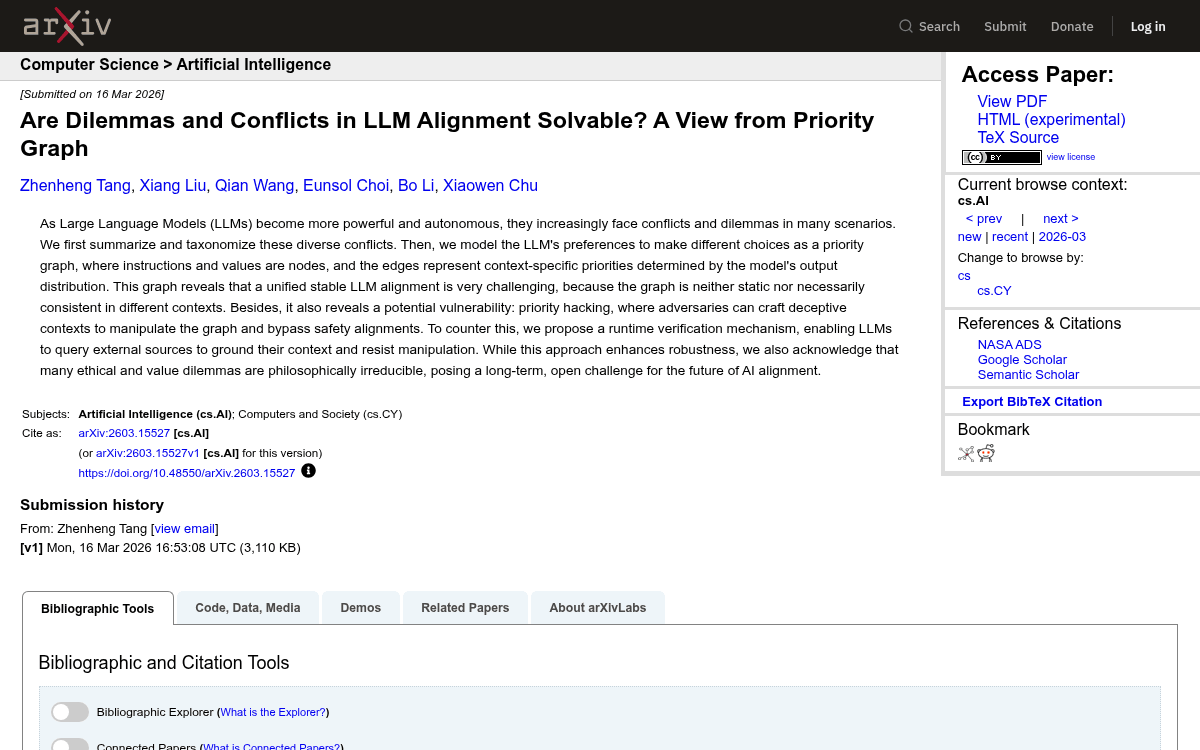
A new framework maps how LLMs weigh competing instructions and values, exposing a jailbreak class called priority hacking and pointing to runtime grounding as a defense.
A new database tuner from Orange and Inria skips the costly warm-up phase entirely, matching top algorithms while cutting tuning time by up to 73 percent.
A new study dissects how DeepSeek-V3.2 and GLM-4.7 produce multiple-choice wrong answers, finding their reasoning quietly mirrors decades of learning-science guidance.