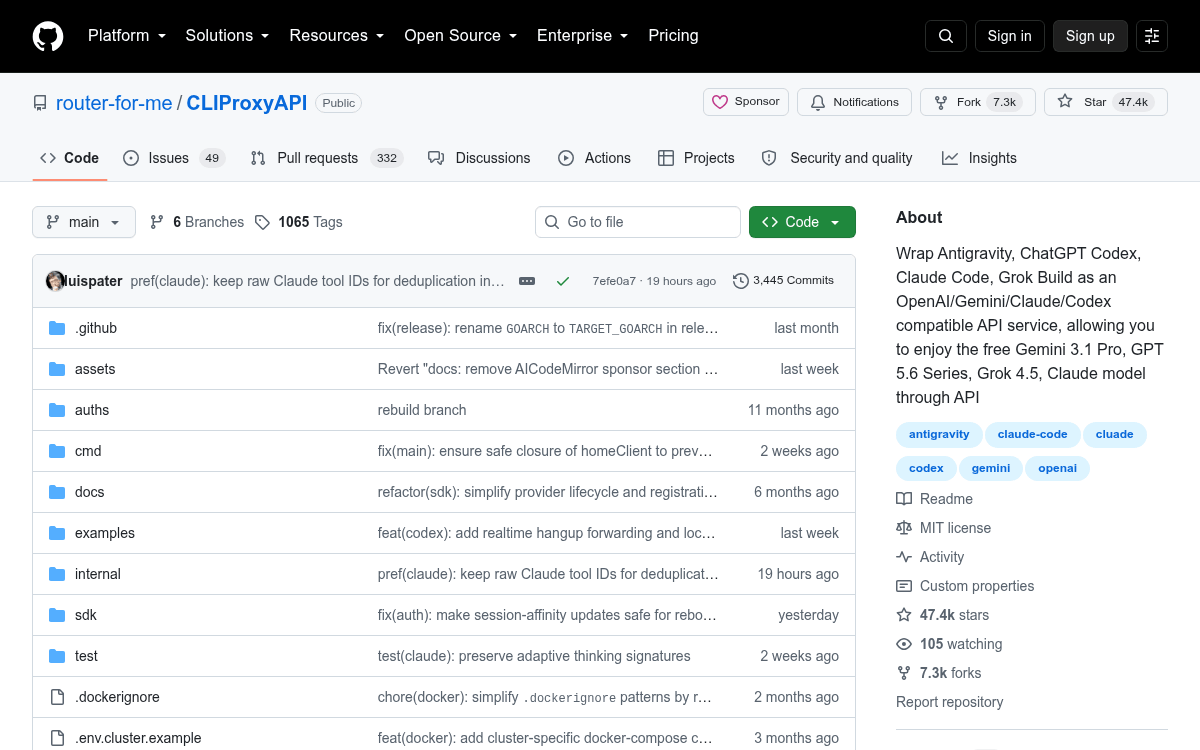
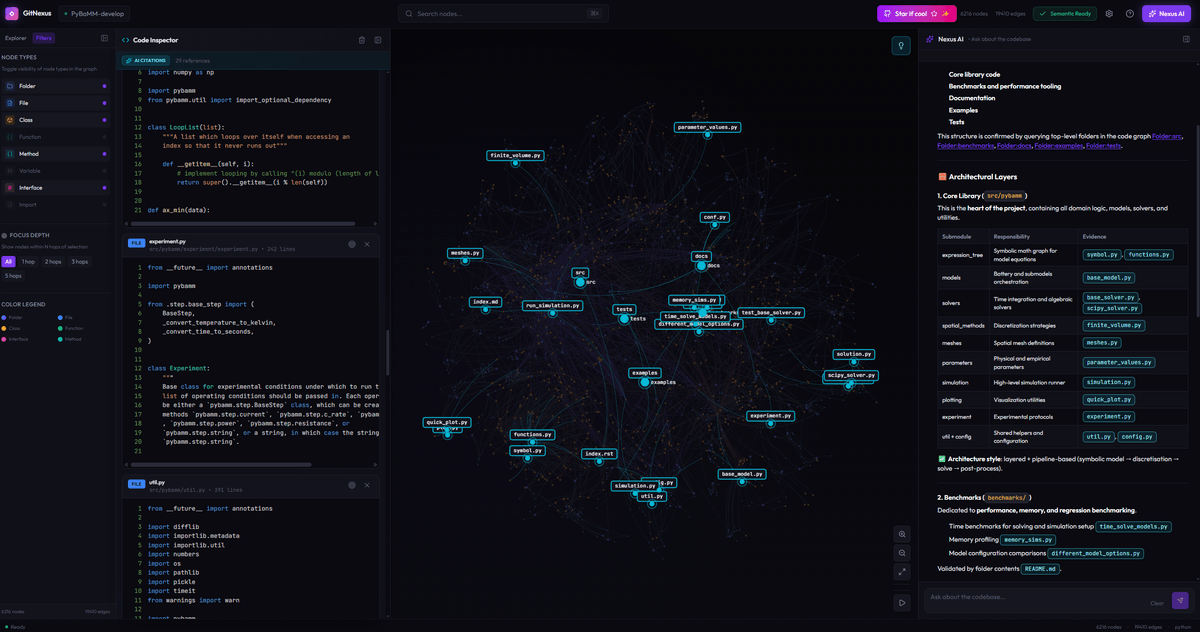
GitNexus turns any codebase into a precomputed knowledge graph with 17 MCP tools, giving AI coding agents full architectural context so they stop shipping blind edits
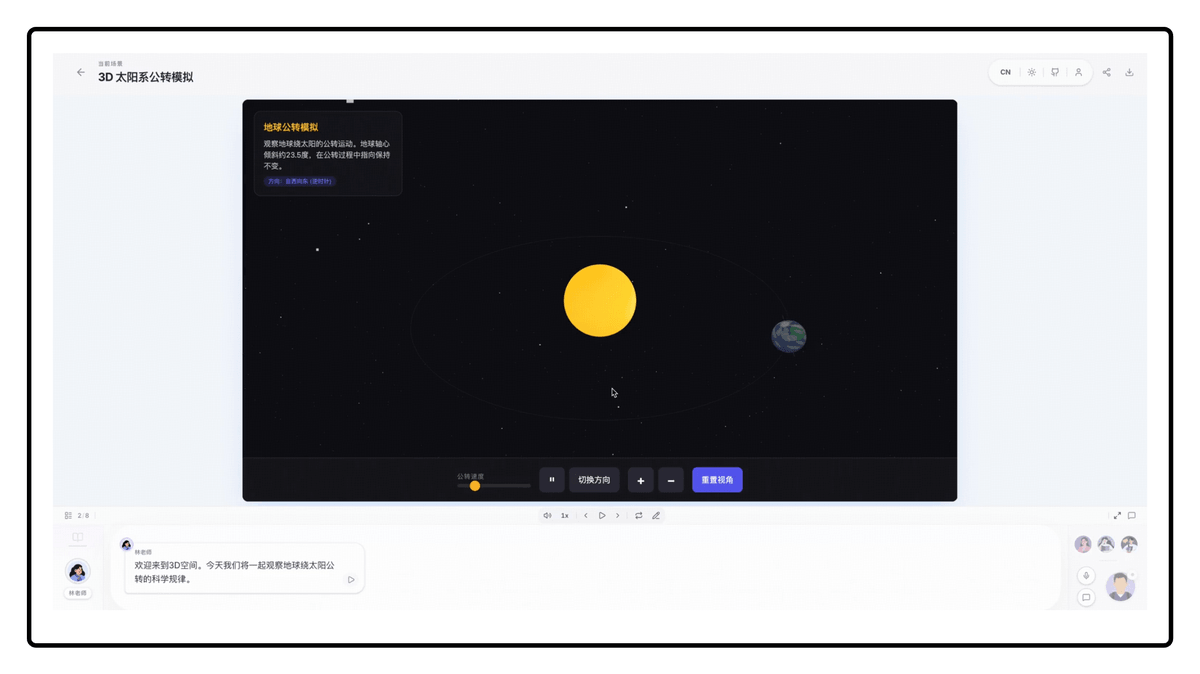
Tsinghua's OpenMAIC turns any topic or PDF into a live multi-agent classroom with AI teachers, debates, simulations, and quizzes — free and open source
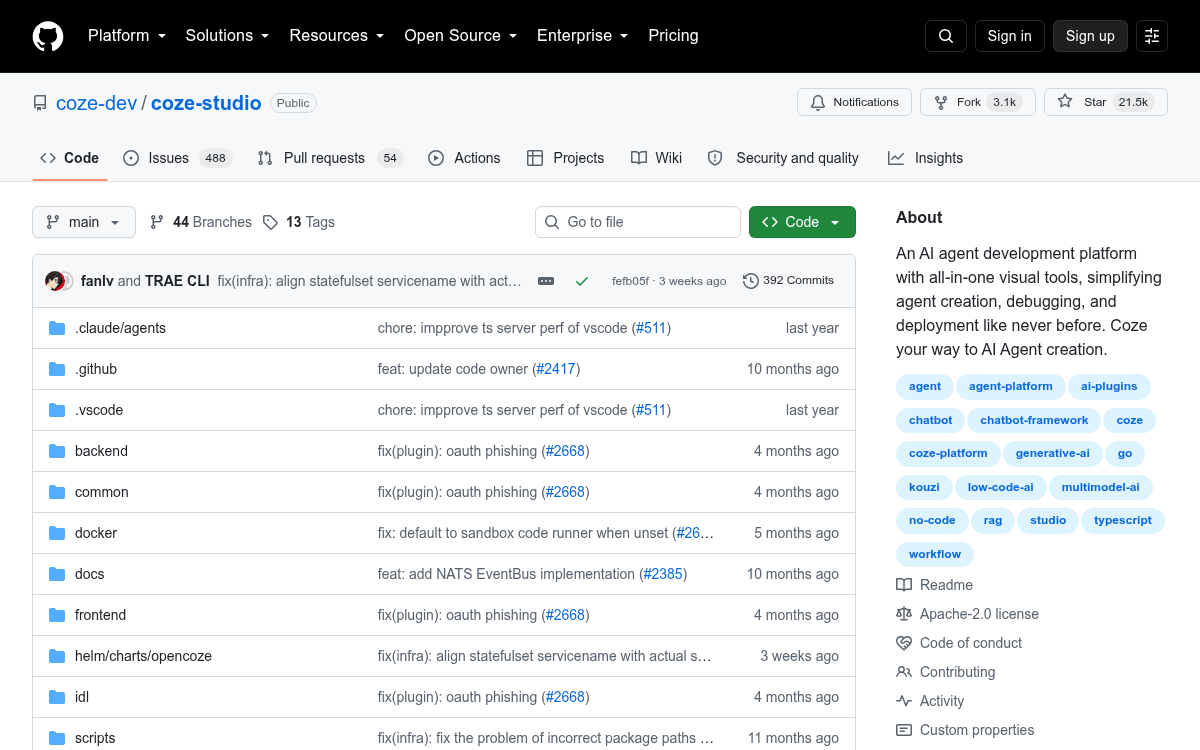
ByteDance open-sources Coze Studio, its enterprise-grade AI agent builder used by millions, under a clean Apache 2.0 license with full self-hosting support.
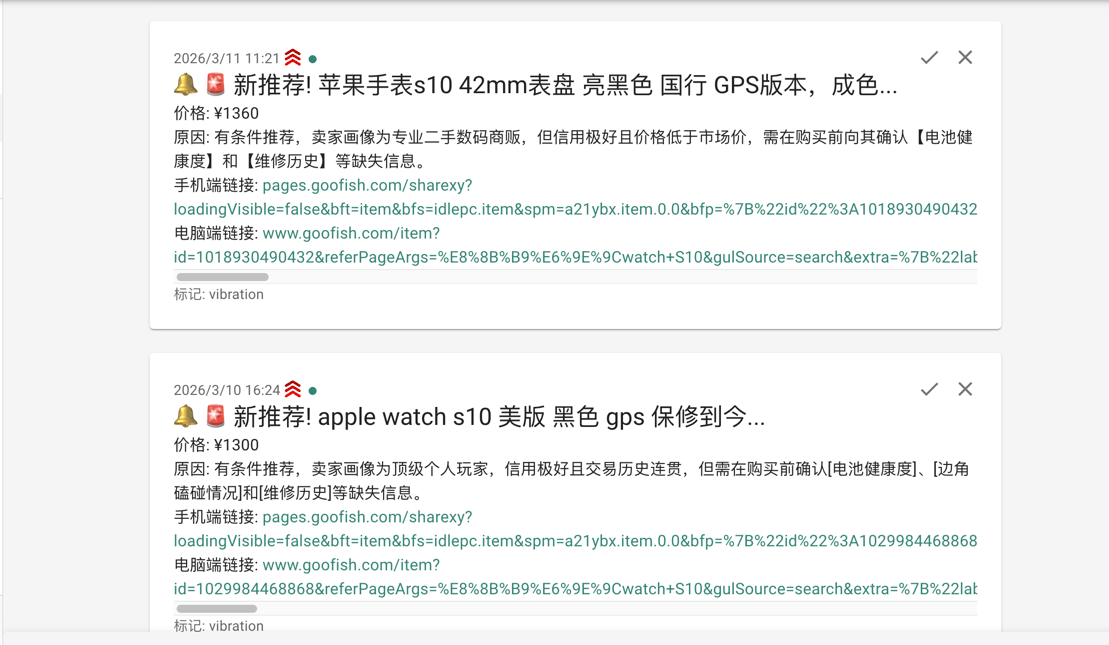
ai-goofish-monitor uses Playwright and multimodal AI to scan China's largest secondhand marketplace in real time, alerting you only when a listing actually matches your criteria
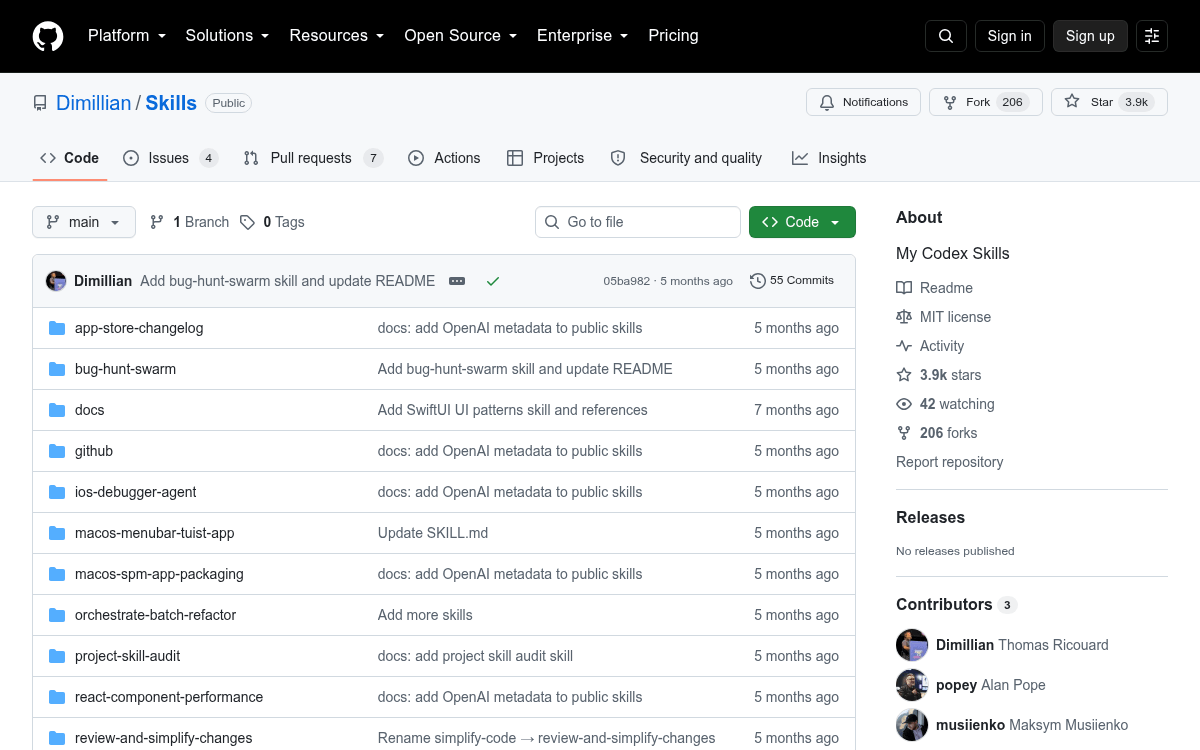
Thomas Ricouard, a developer experience engineer at OpenAI, open-sourced 16 battle-tested Codex skills covering Apple platform development, multi-agent code review, and SwiftUI workflows.
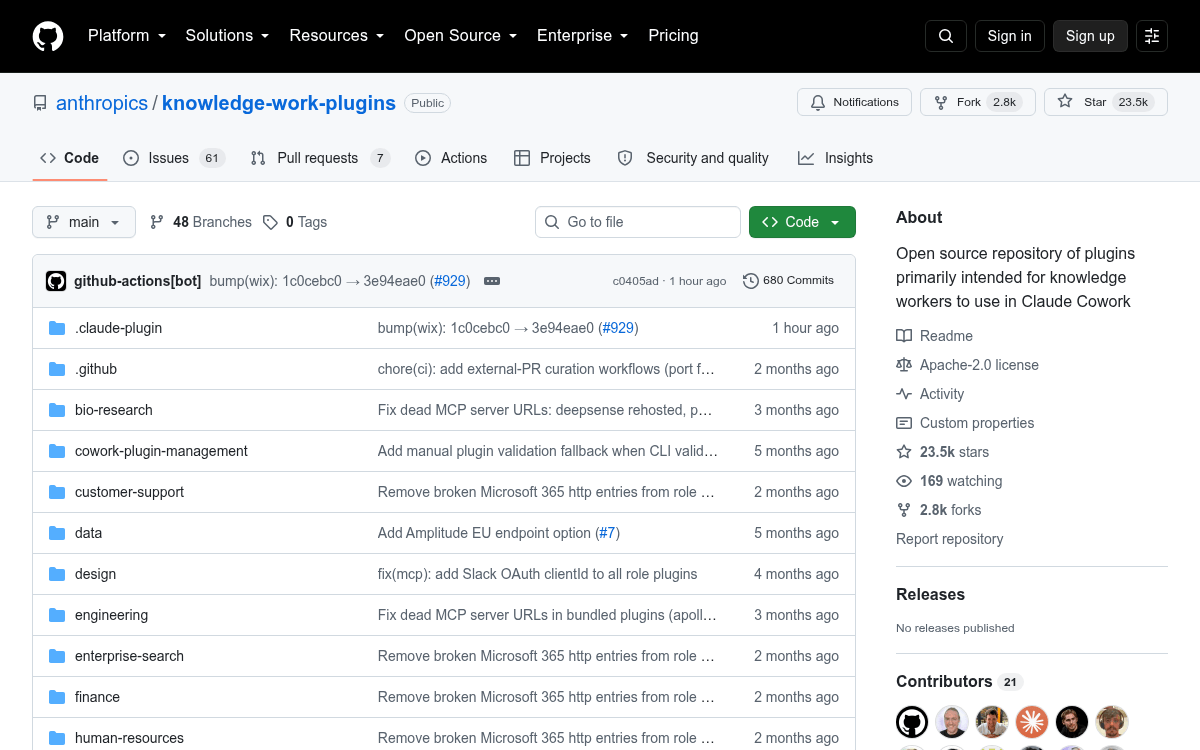
Anthropic open-sources 11 role-specific plugins for Claude Cowork, covering sales, legal, finance, data, and more — all built from plain Markdown and JSON
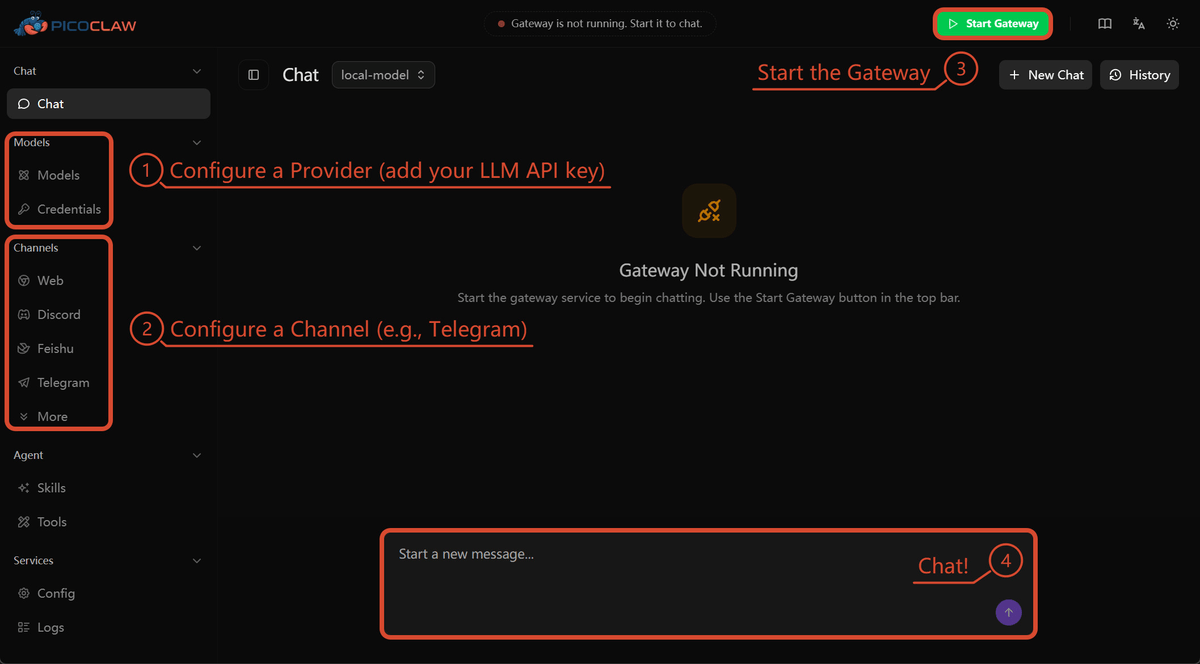
PicoClaw is an open-source AI agent runtime written in Go that runs on $10 hardware with under 10MB of RAM — 400x faster to boot than TypeScript alternatives
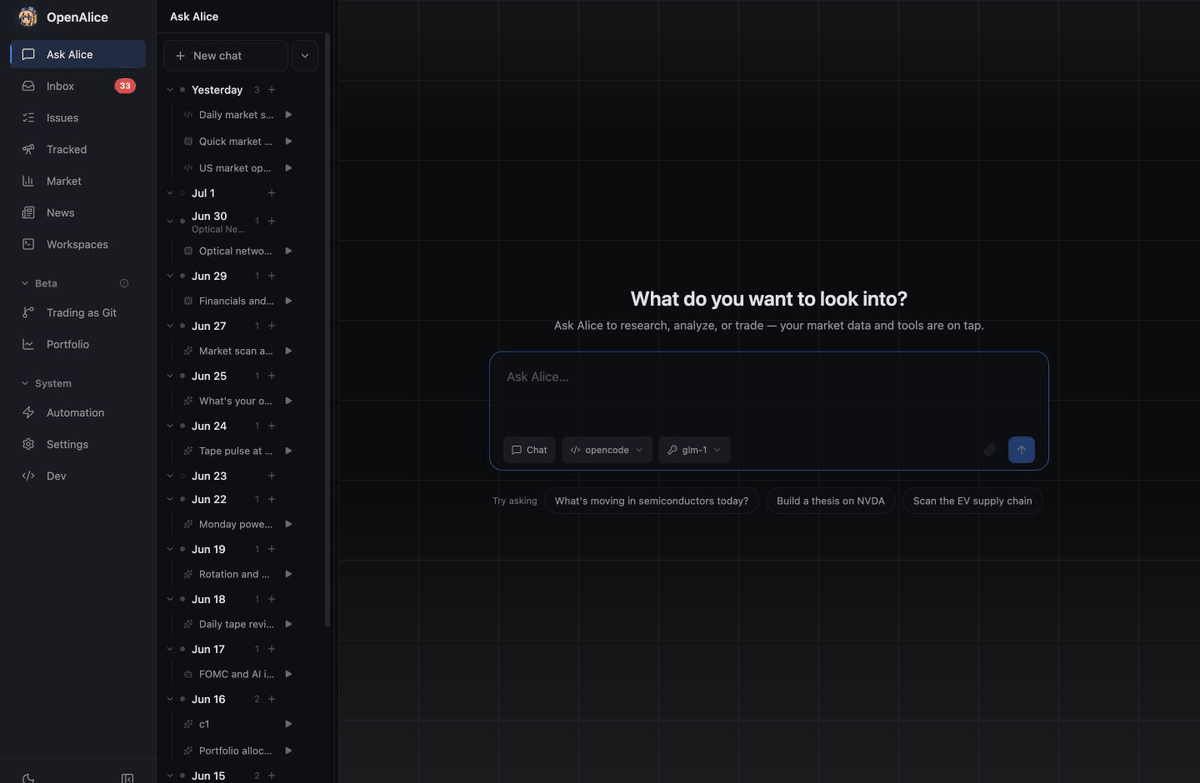
OpenAlice turns coding agents like Claude Code into local trading desks — file-driven, approval-gated, and free to self-host across crypto, equities, and macro.
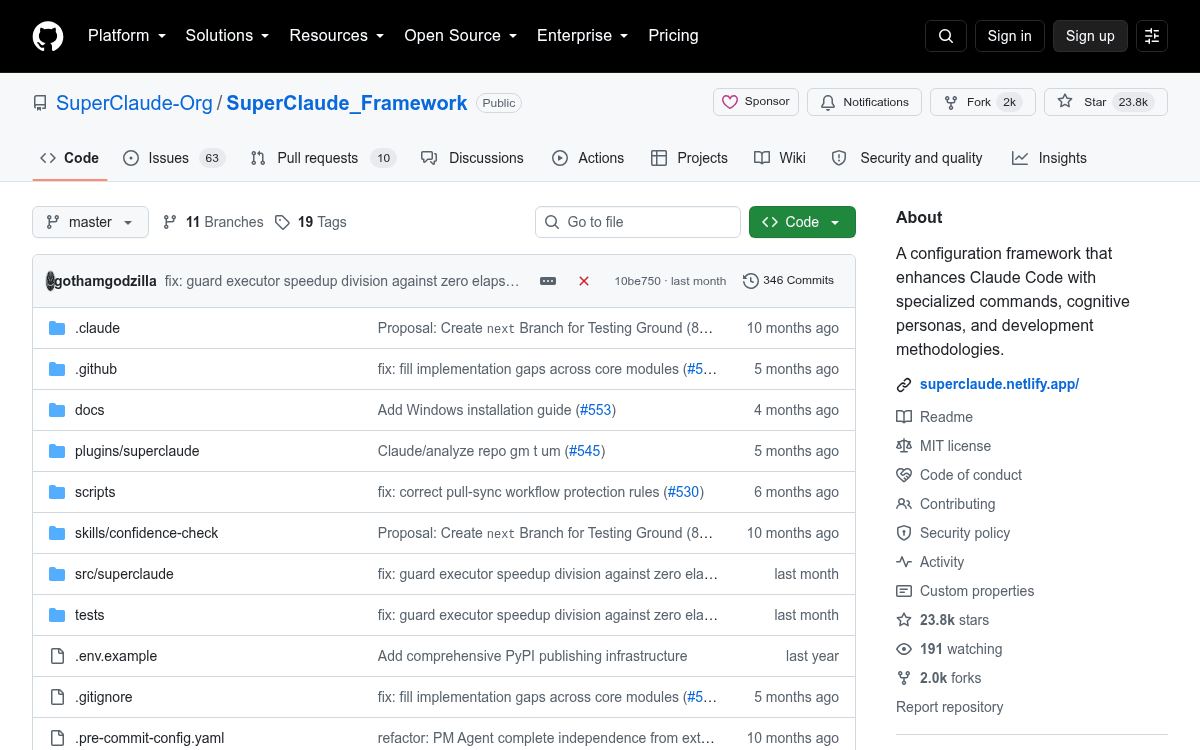
SuperClaude_Framework gives Claude Code 30 slash commands, 20 specialized agents, and 7 behavioral modes through pure configuration — no model changes required.
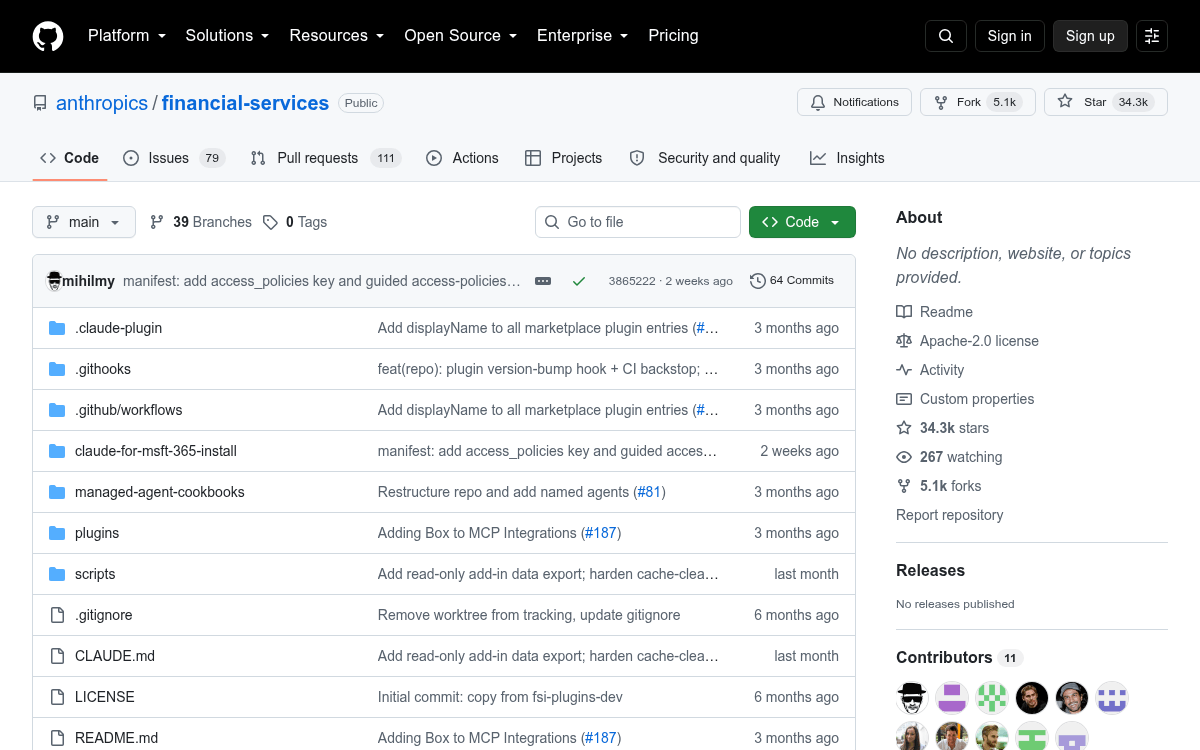
Anthropic releases 10 open-source finance agent templates covering pitchbooks, KYC, GL reconciliation, and more — deployable in Cowork or via API in days
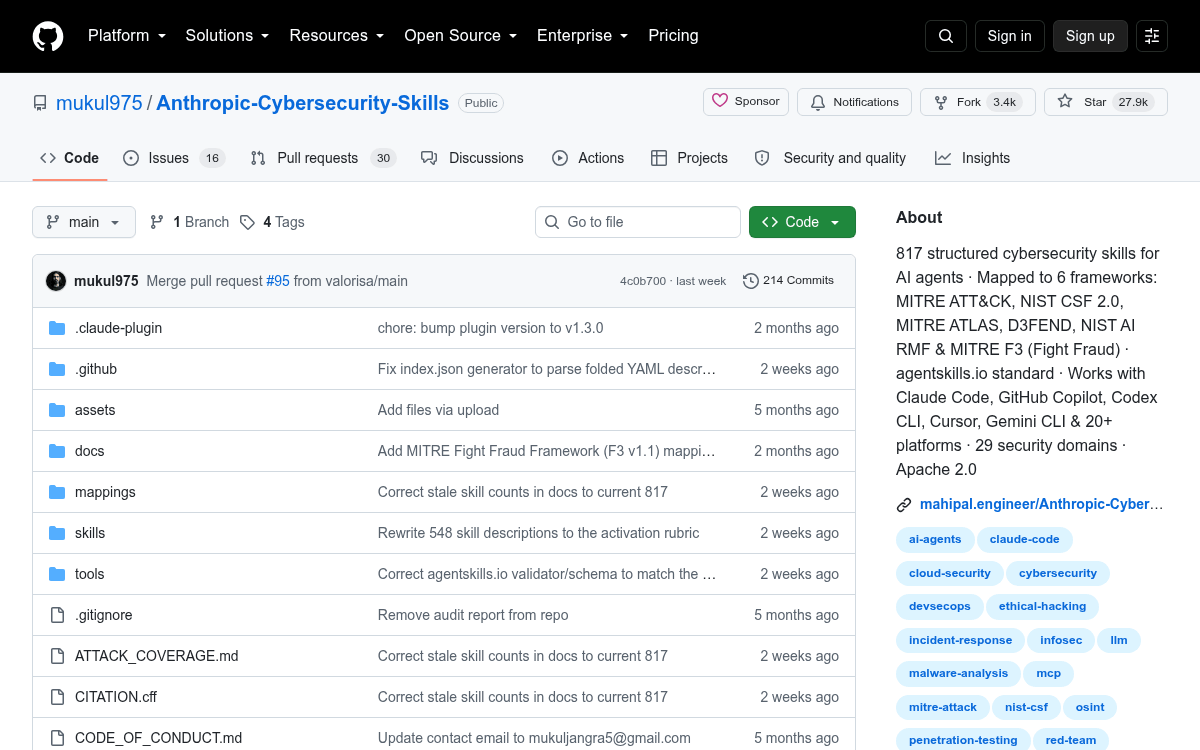
Mahipal Jangra's community-built repo gives AI agents 817 structured, MITRE-mapped cybersecurity playbooks installable in one command across 26+ platforms.
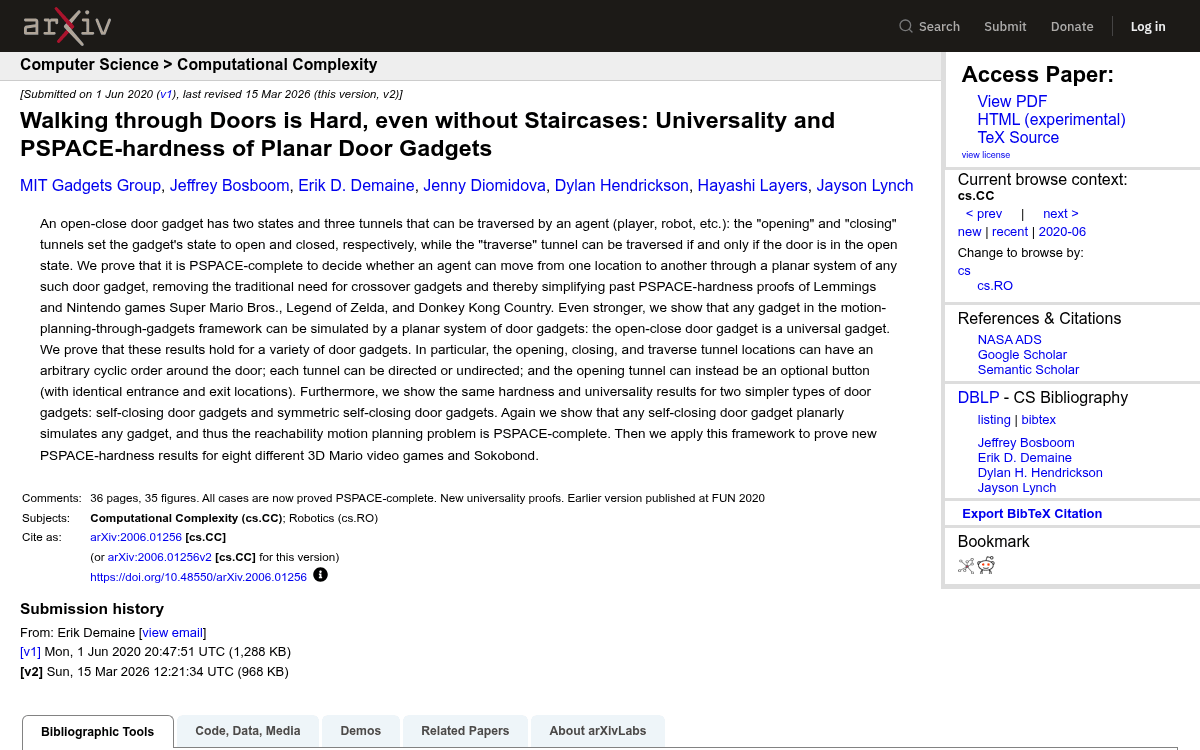
A universal door gadget lets researchers prove Super Mario, Zelda, Donkey Kong Country, and eight 3D Mario titles are PSPACE-complete without messy crossovers.
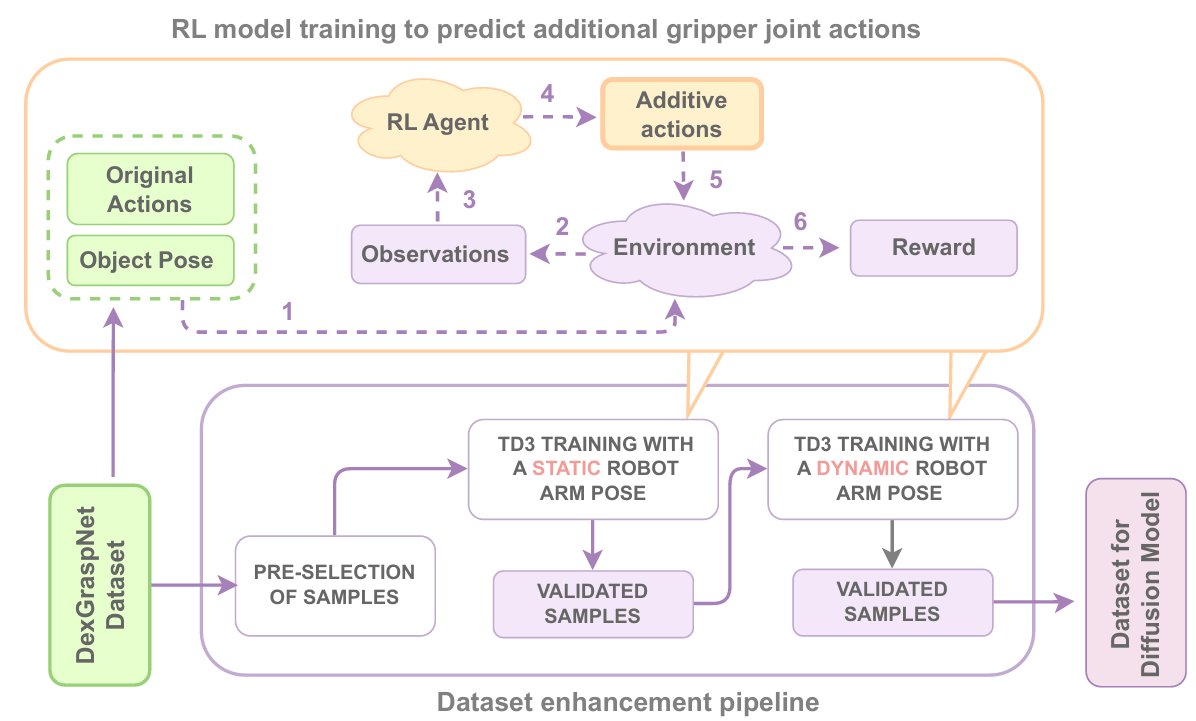
A new pipeline uses reinforcement learning to fix flawed grasps in the DexGraspNet dataset, then trains a compact diffusion policy that hits 80% success.
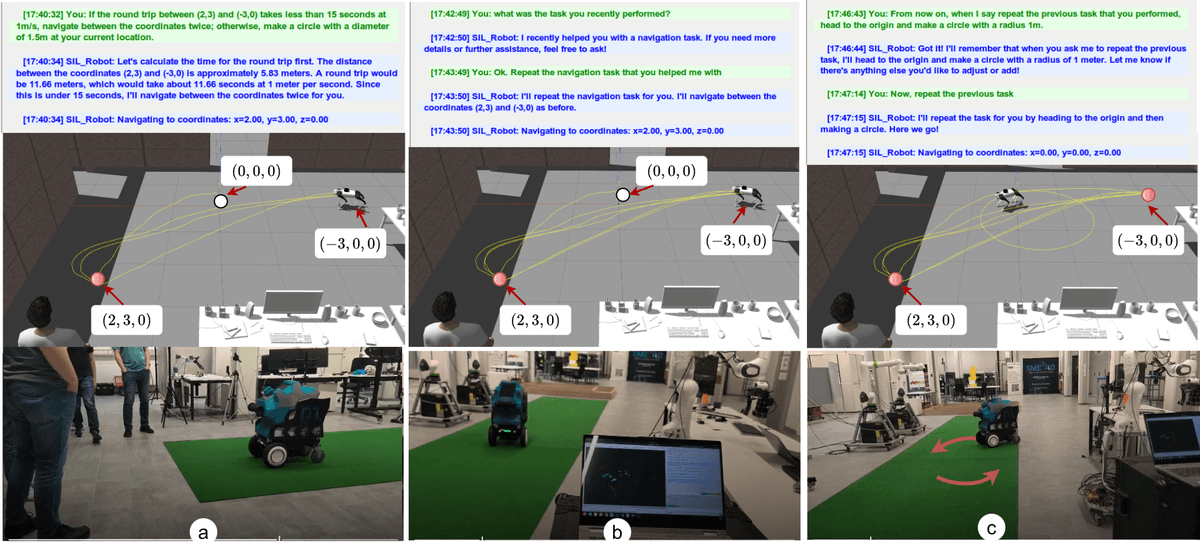
A new framework flips language-conditioned robotics from one-way commands to a shared belief loop, hitting 90.4% task completion and cutting clarifications.