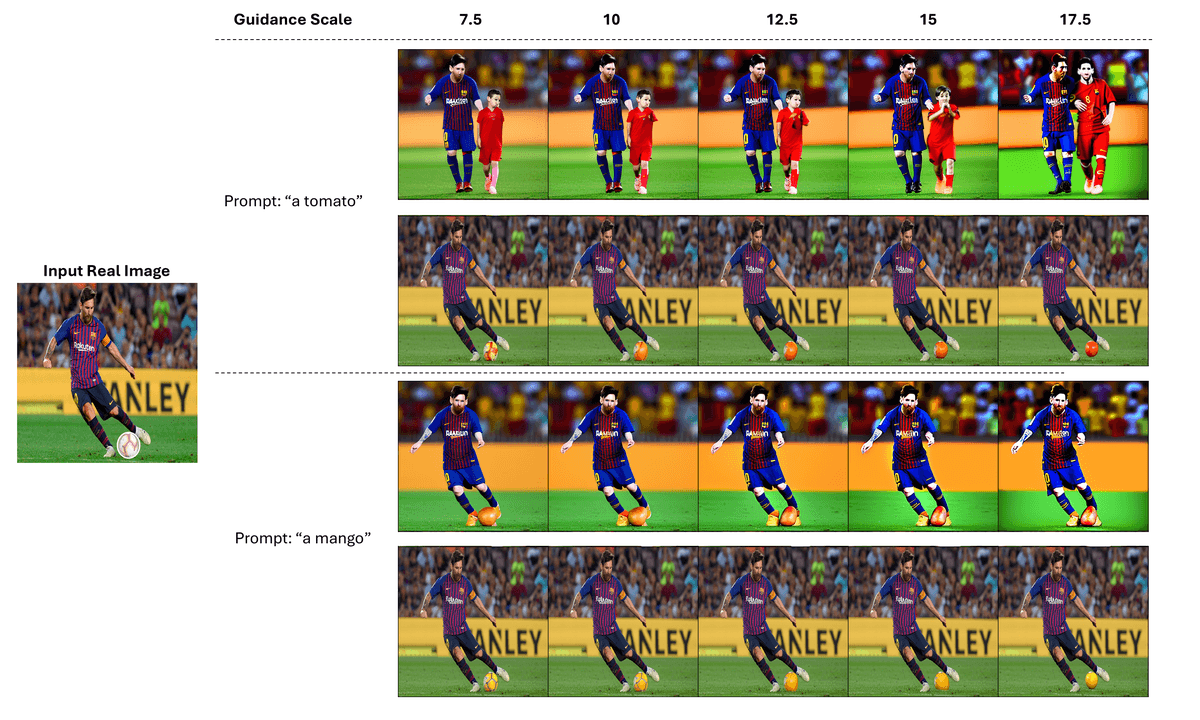
CPAM Cuts Background Distortion in Half Without Fine-Tuning Stable Diffusion
Researchers from University of Science (VNU-HCM), Monash, and Dayton unveil a training-free image editor that preserves backgrounds while modifying non-rigid objects.
20 stories

Researchers from University of Science (VNU-HCM), Monash, and Dayton unveil a training-free image editor that preserves backgrounds while modifying non-rigid objects.

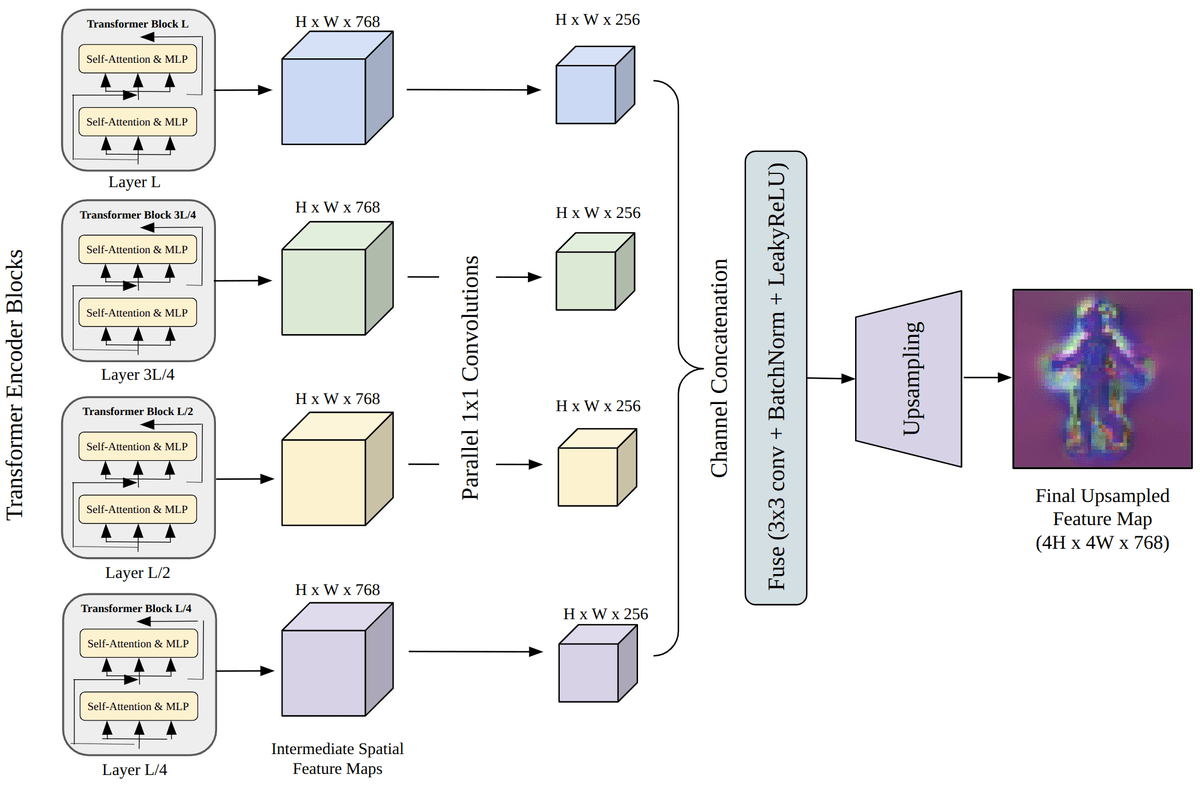
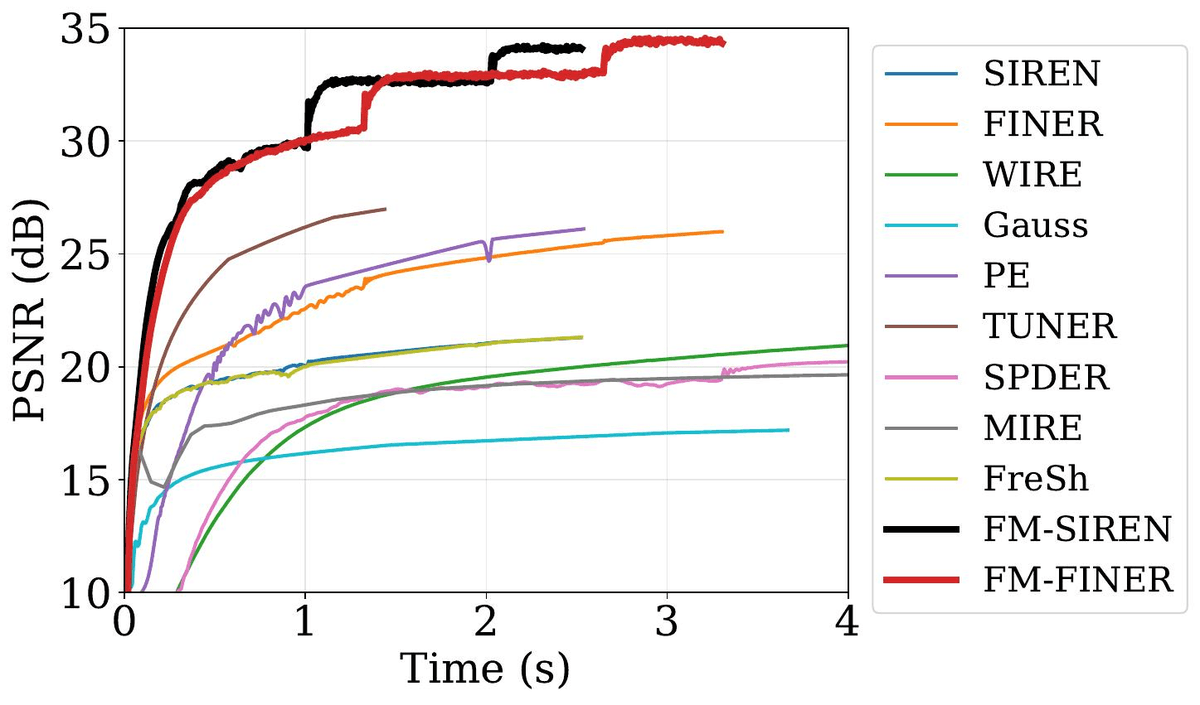
A CMU and Google team fixes a hidden bottleneck in periodic-activation INRs by giving each neuron its own Nyquist-informed frequency, cutting feature redundancy roughly in half.

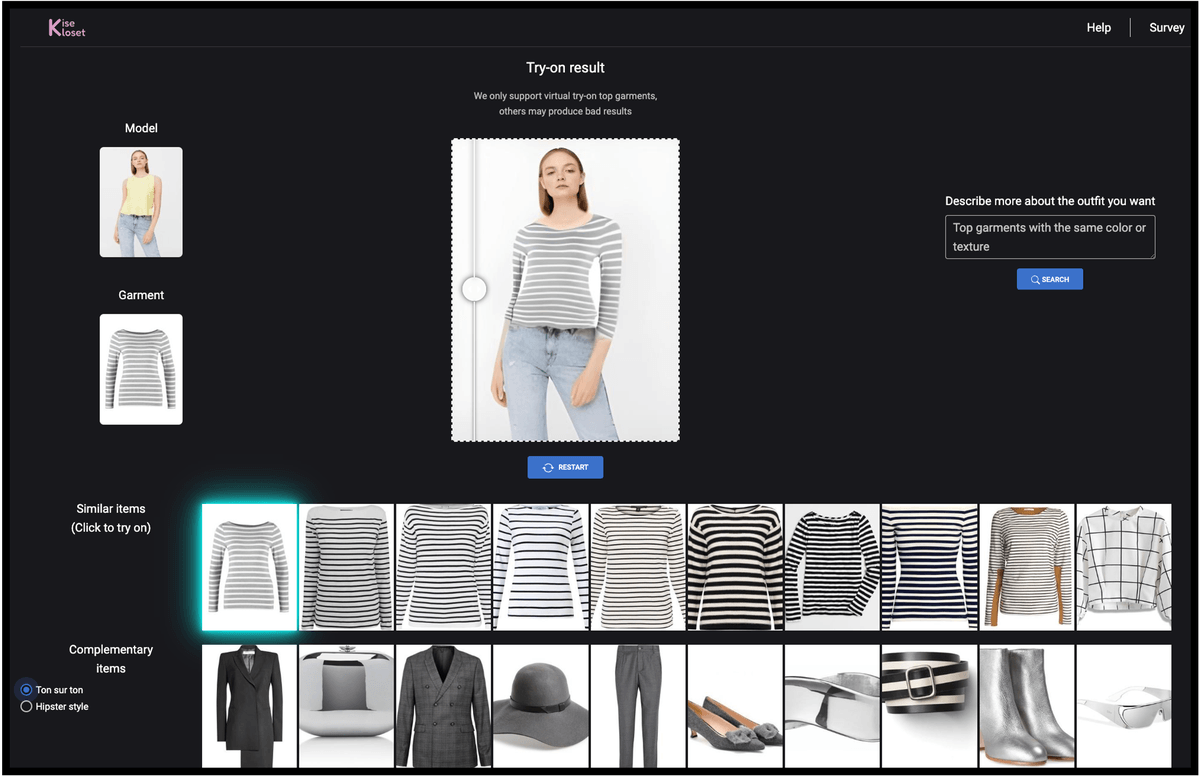
A Vietnamese research team built an end-to-end fashion shopping system pairing CLIP-based retrieval, a novel outfit transformer, and real-time virtual try-on.

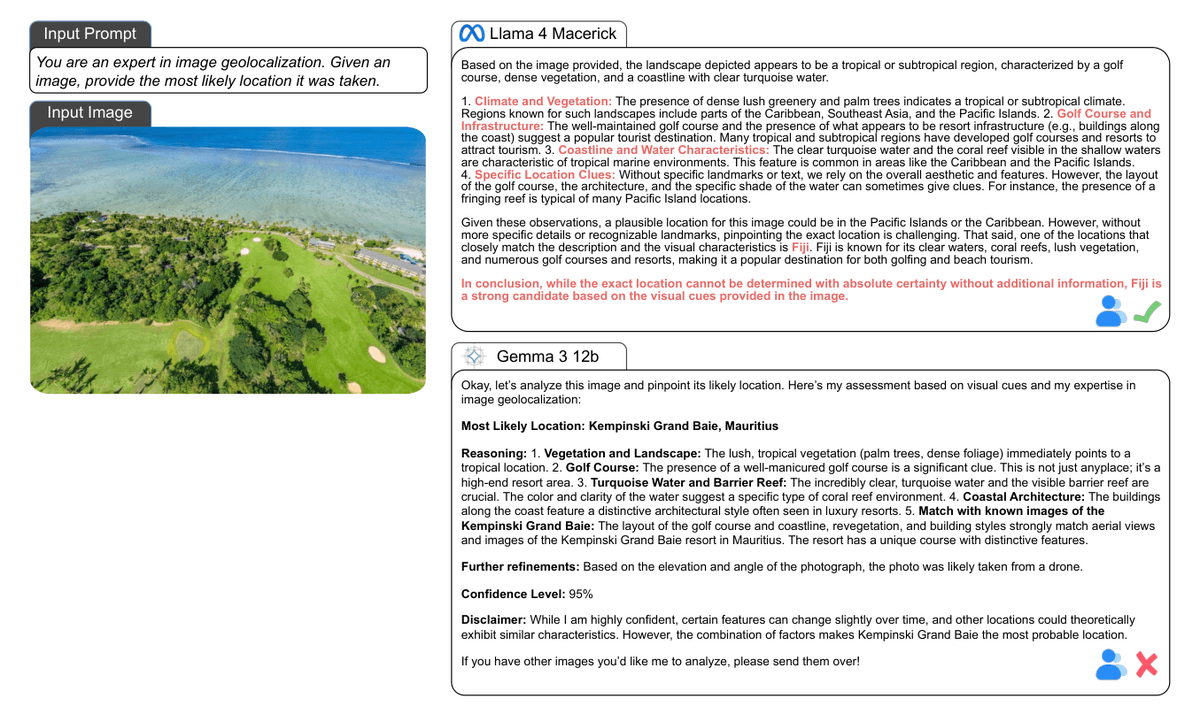
A new arena-style benchmark judges vision-language models on how they reason about location, not just whether they guess the right coordinates.

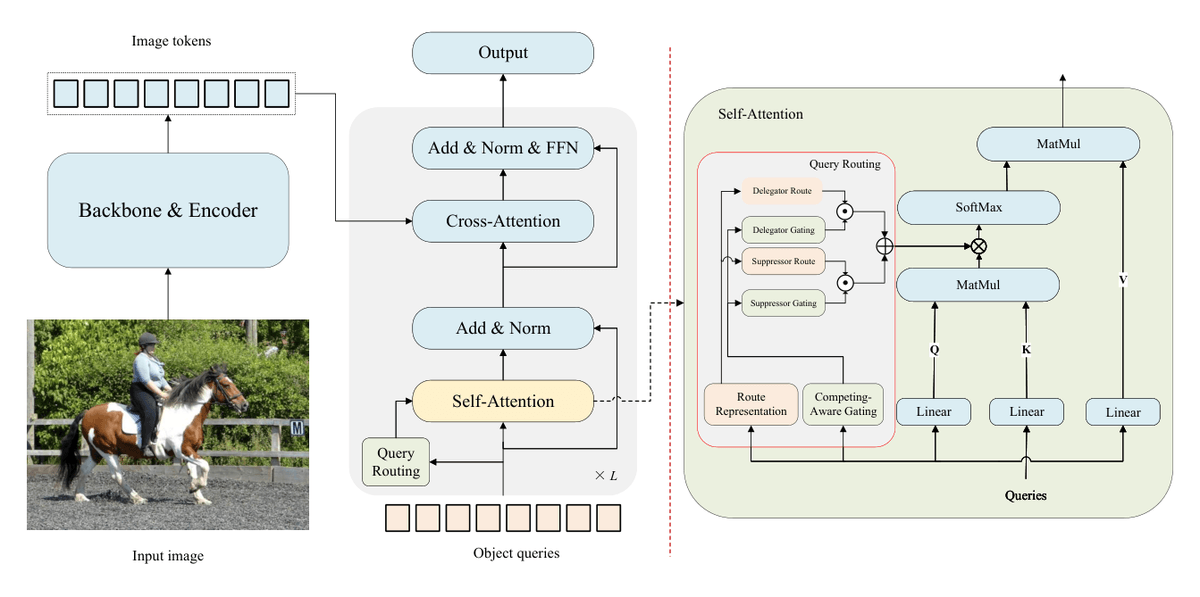
A new DETR variant reshapes decoder self-attention with asymmetric routing biases, boosting DINO by 1.7 mAP on COCO with zero inference cost.

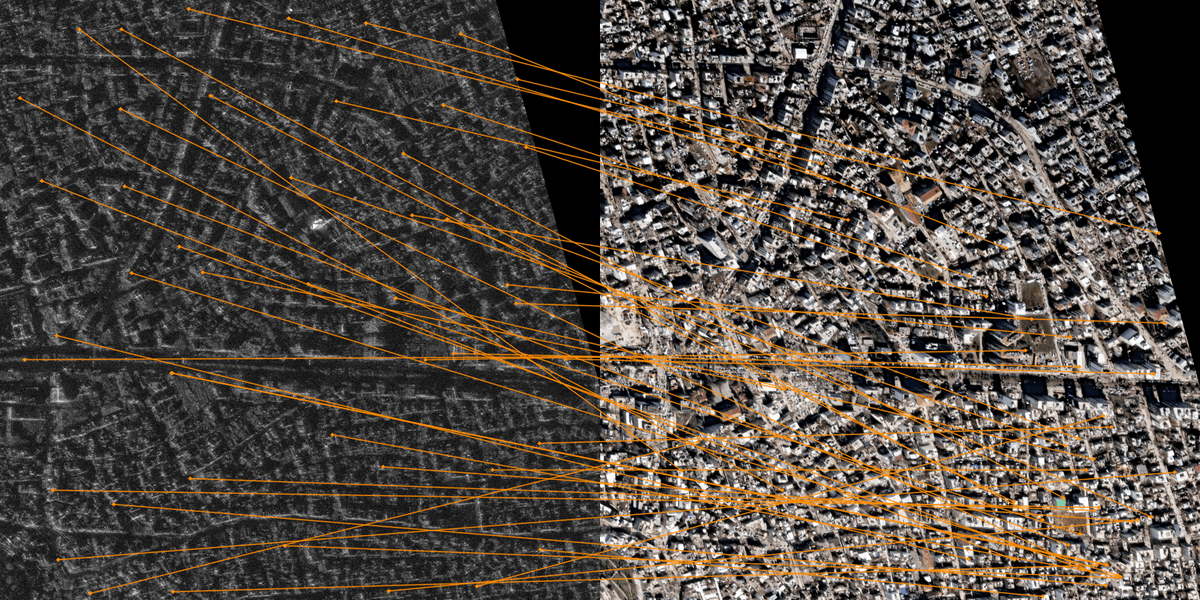
A zero-shot benchmark of 24 pretrained image matchers on optical-SAR satellite pairs finds RoMa competitive with cross-modal specialists, while deployment protocol swings accuracy up to 33x.

A single supernet trained once, then specialized per robot, cuts visuomotor policy latency 2-3x with negligible accuracy loss on real hardware.

Researchers build a benchmark for noisy chest X-rays and a training method that keeps report generation models honest when image quality drops.

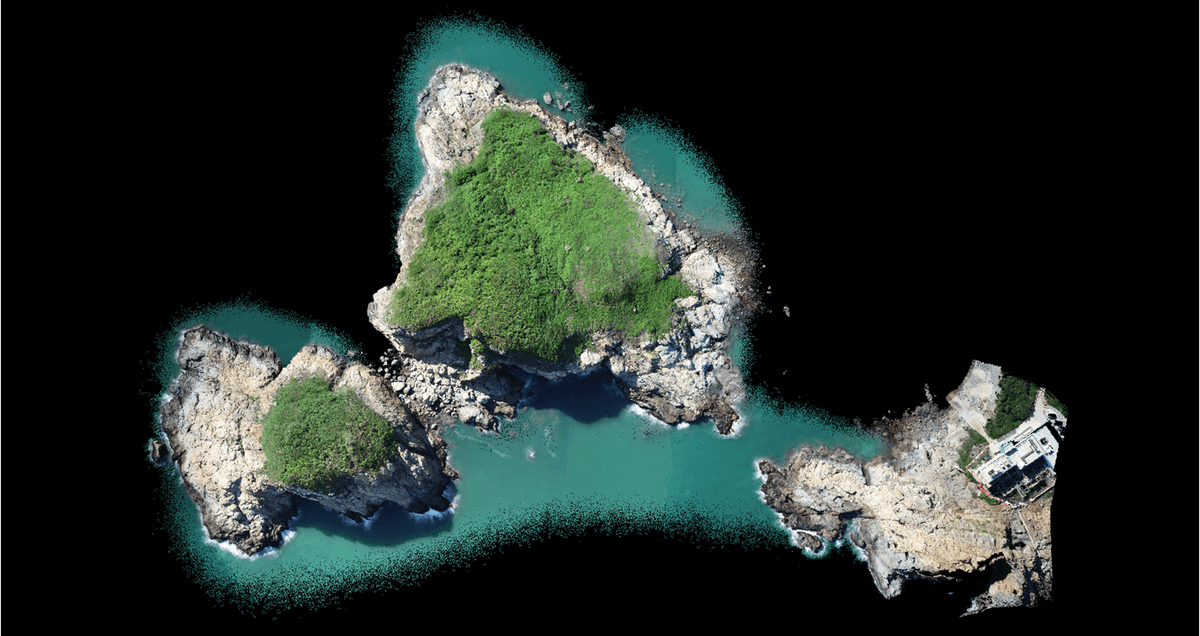
Researchers benchmarked COLMAP against ten learning-based 3D reconstruction models on aerial imagery, revealing where transformers beat classical pipelines and where they still struggle.

HumanGS turns sparse multi-view photos into an animatable 3D human in under a second, rendering novel poses at 60+ FPS without further network calls.

A new 5,300-image real-world benchmark and a public challenge push reflection removal past synthetic data limits, with cascaded RDNet-style networks winning out.

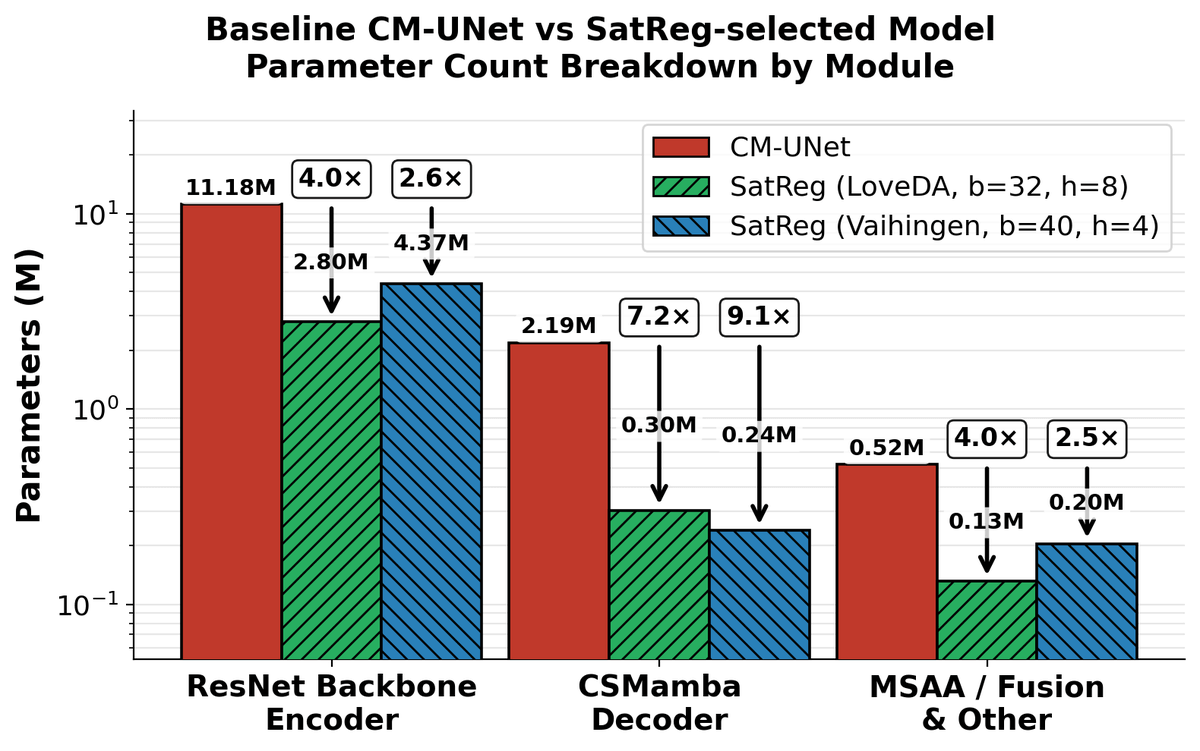
A new arXiv paper proposes SatReg, cutting CM-UNet latency by up to 38.6% and energy by 51% on a Jetson Orin Nano using two-variable surrogate search.

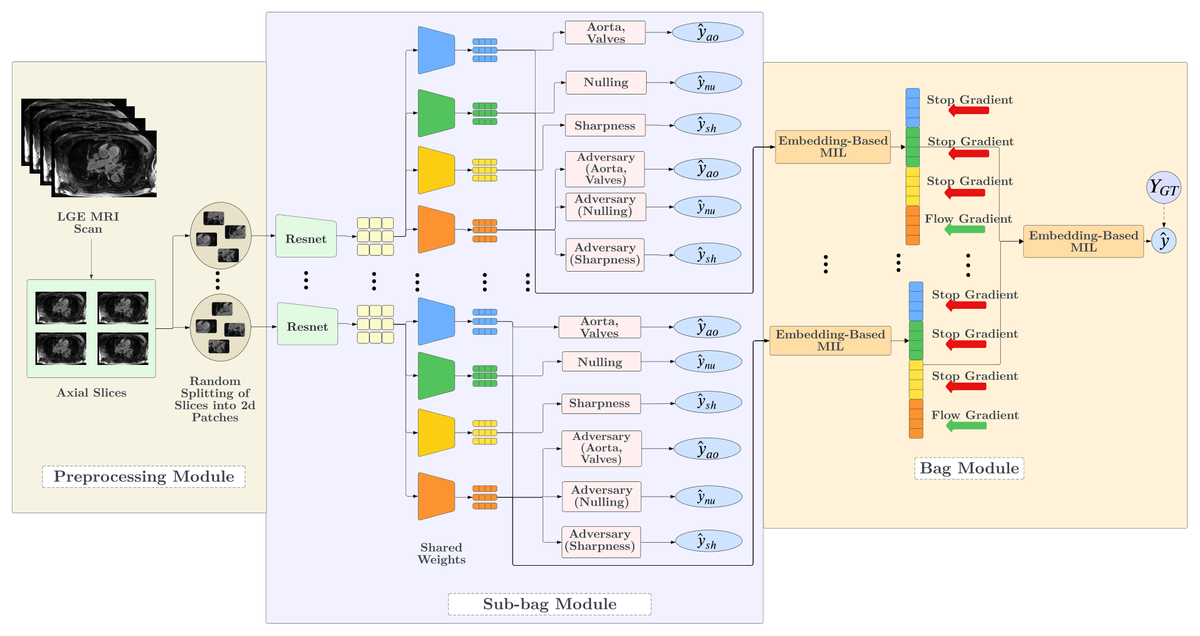
A weakly supervised framework cracks open the multiple instance learning black box, telling clinicians exactly why a cardiac MRI scan failed quality checks.

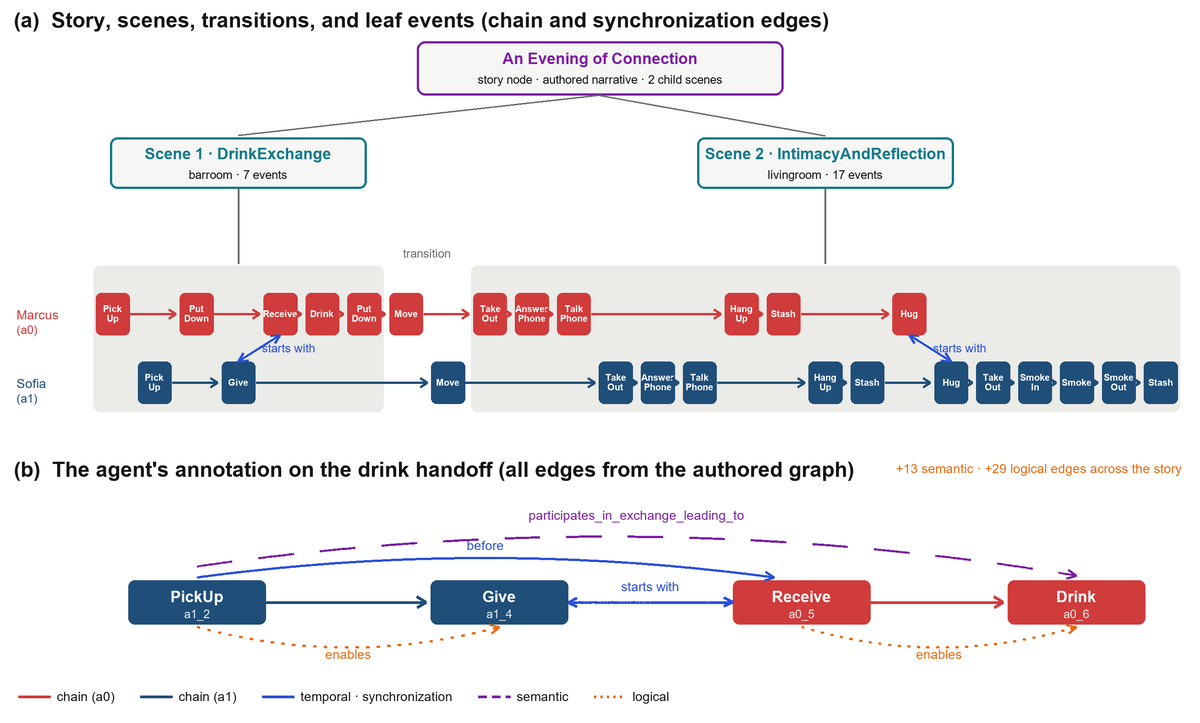
Researchers flipped the video generation stack: LLMs plan stories, a game engine executes them, and every scene comes with pixel-perfect ground truth.

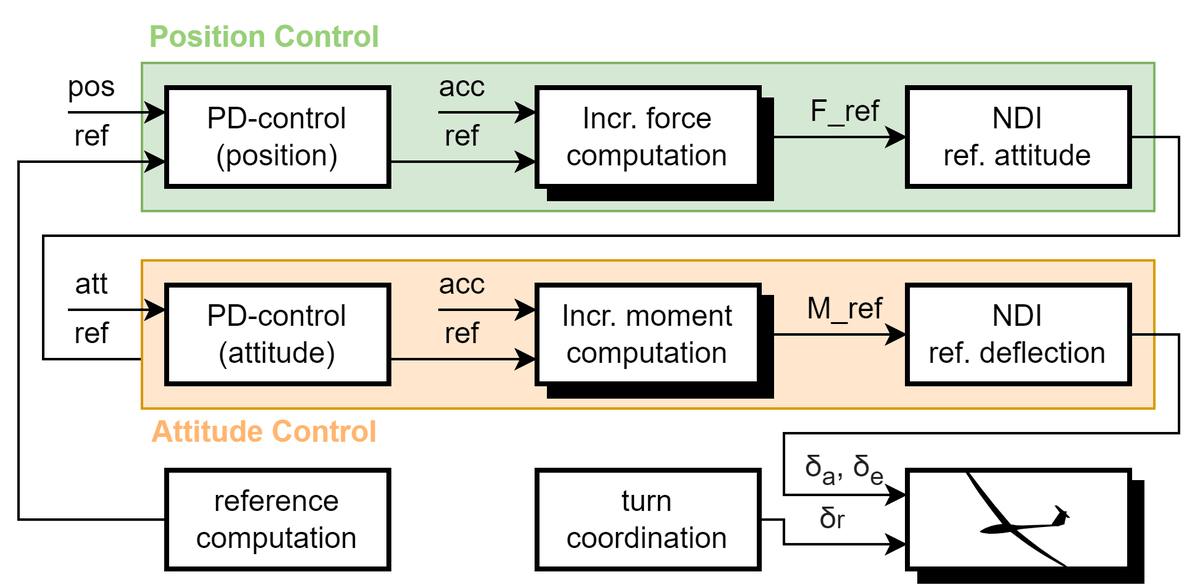
An ETH Zürich team built a control stack that lets a fixed-wing UAV harvest energy from wind shear, validated in real gusts up to 14 m/s.

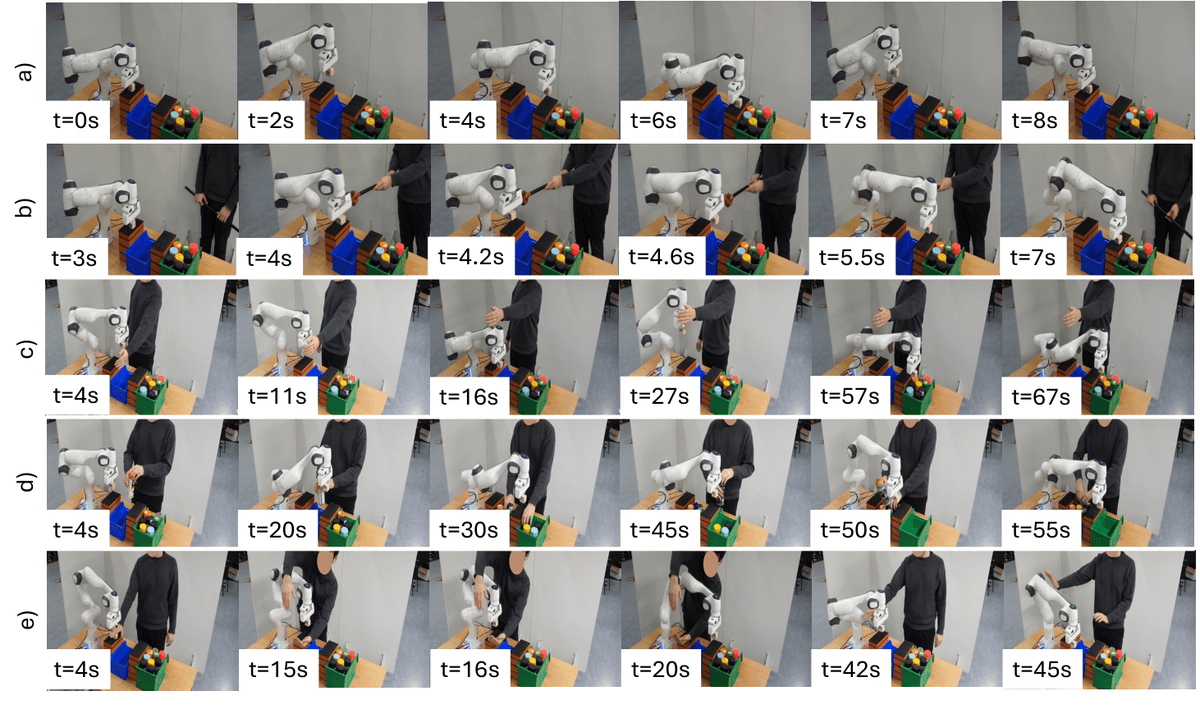
A new sampling based controller keeps robot arms from hitting people by treating near collisions as trajectory terminations, running at 22ms.

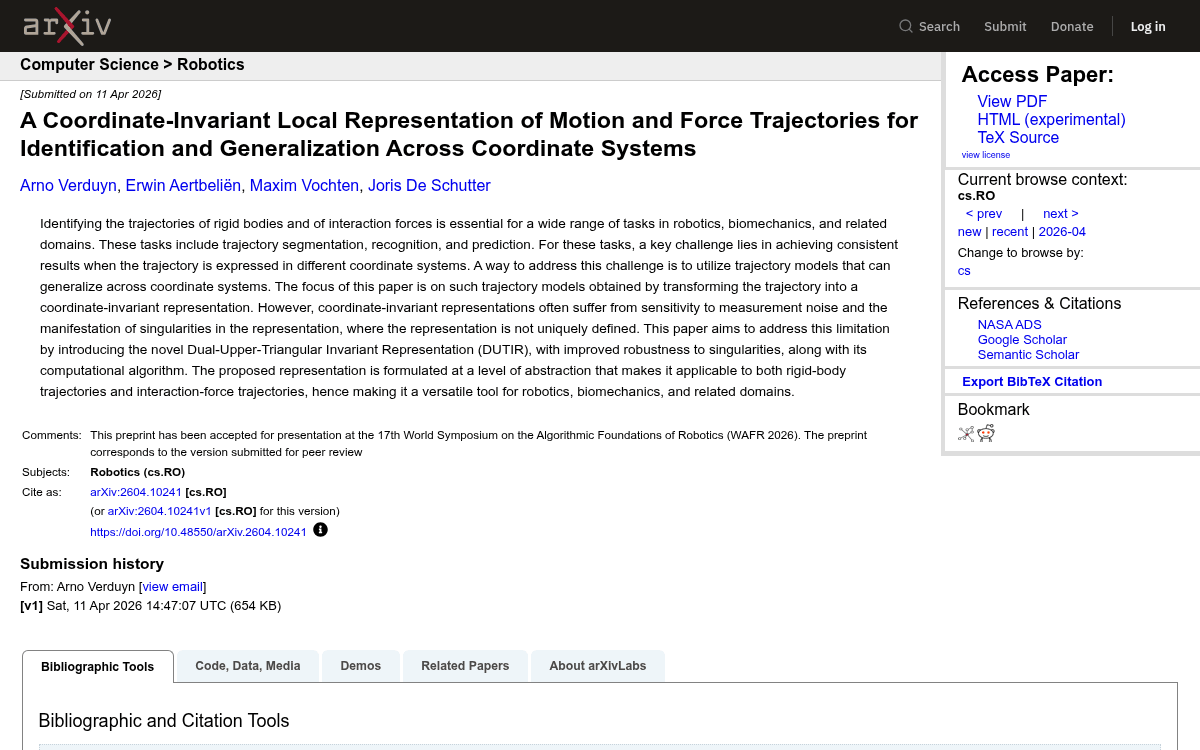
A new closed-form decomposition turns rigid-body motion and force trajectories into a representation that stays identical no matter which coordinate frame you pick.

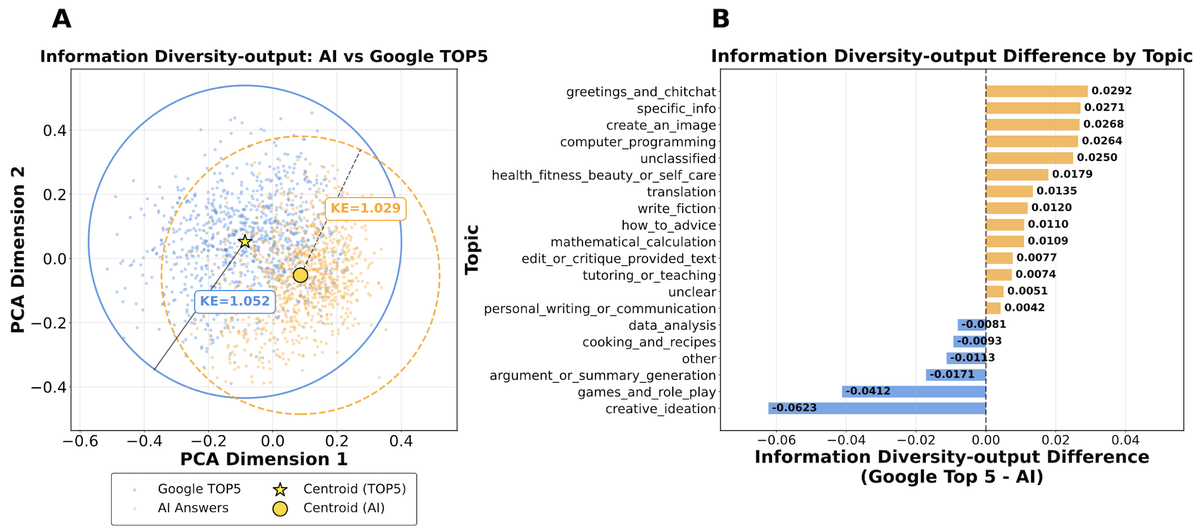
A study of 200,000 ChatGPT conversations finds users ask broader questions than they Google, but get narrower answers back, and adapt accordingly.

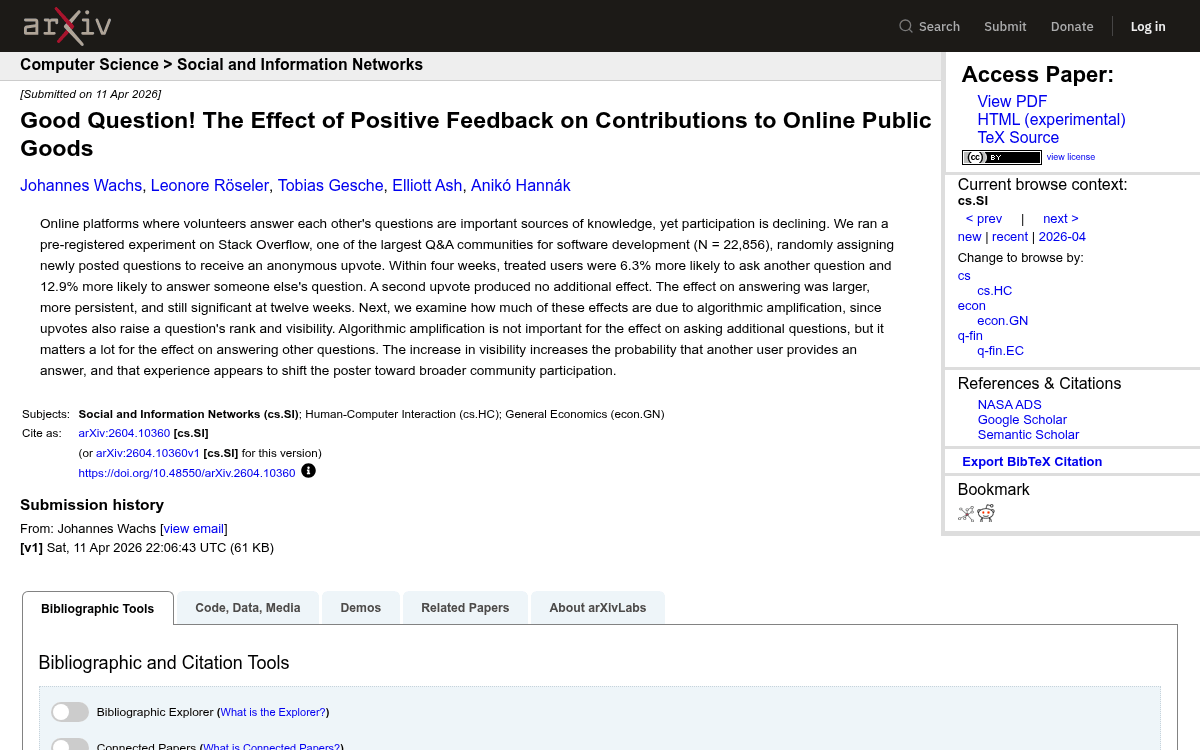
A pre-registered experiment on 22,856 Stack Overflow users shows one anonymous upvote boosts question-asking by 6.3% and answering by 12.9%.

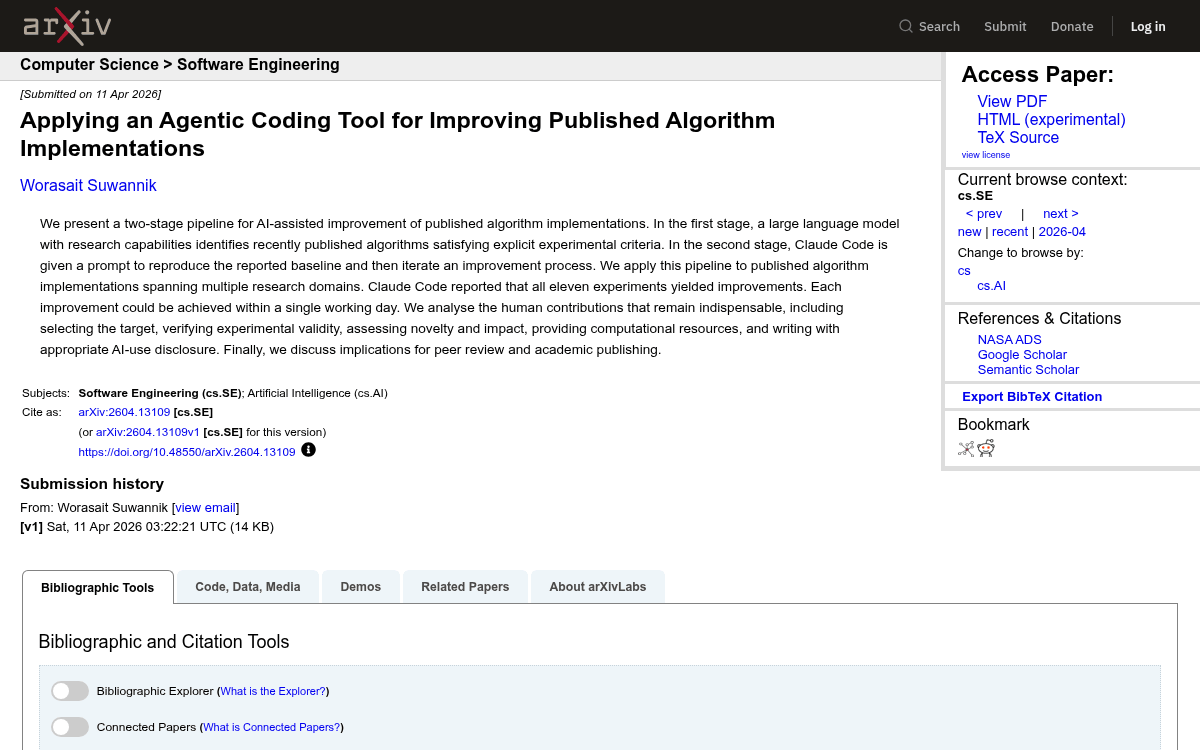
A two-stage pipeline paired Deep Research with Claude Code to beat published baselines across eleven algorithm papers, each within one working day.