
Pro
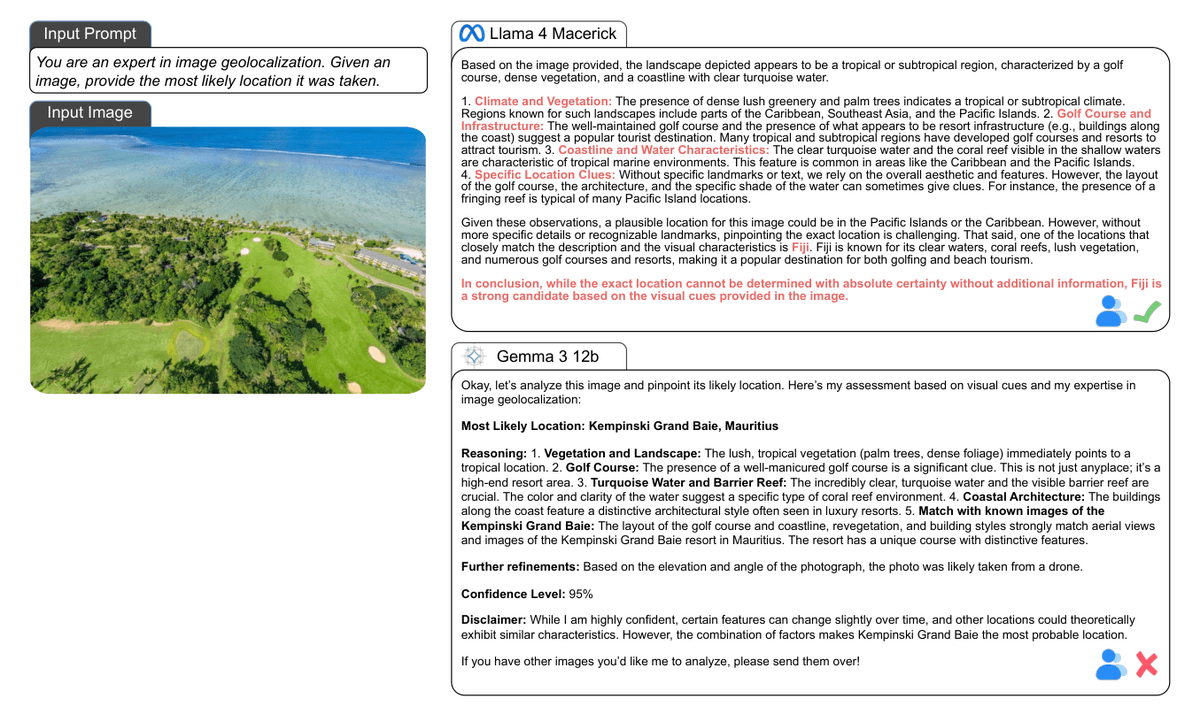
GeoArena Exposes How Verbosity Fools AI Photo Location Benchmarks
A new arena-style benchmark judges vision-language models on how they reason about location, not just whether they guess the right coordinates.
20 stories
A new arena-style benchmark judges vision-language models on how they reason about location, not just whether they guess the right coordinates.
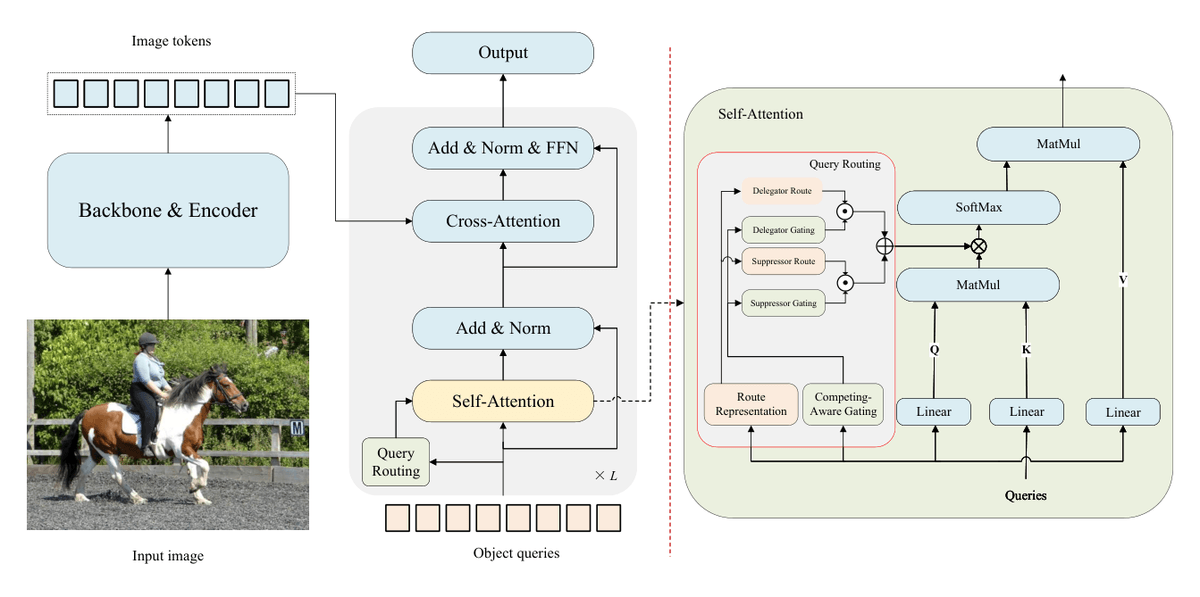
A new DETR variant reshapes decoder self-attention with asymmetric routing biases, boosting DINO by 1.7 mAP on COCO with zero inference cost.
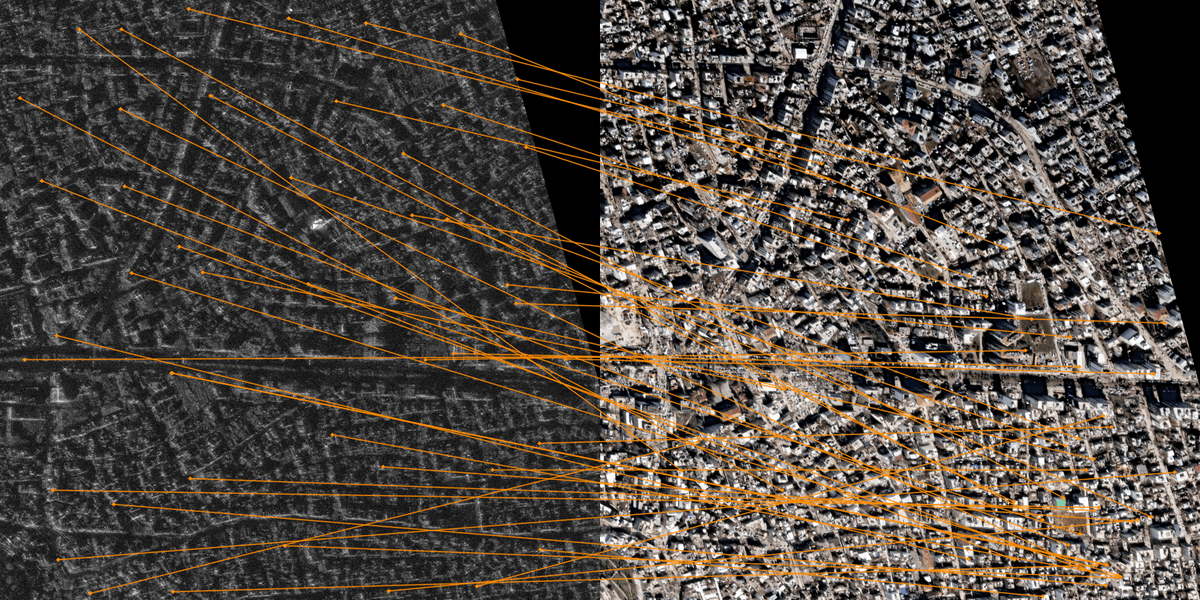
A zero-shot benchmark of 24 pretrained image matchers on optical-SAR satellite pairs finds RoMa competitive with cross-modal specialists, while deployment protocol swings accuracy up to 33x.
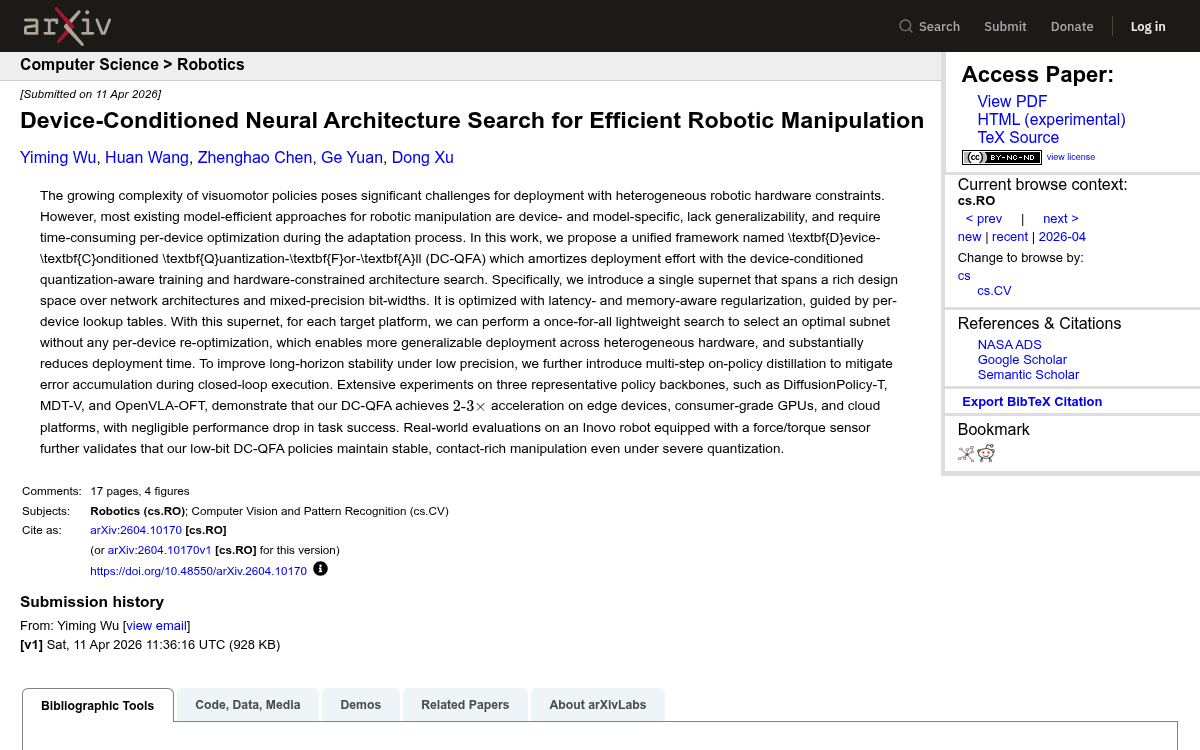
A single supernet trained once, then specialized per robot, cuts visuomotor policy latency 2-3x with negligible accuracy loss on real hardware.

Researchers build a benchmark for noisy chest X-rays and a training method that keeps report generation models honest when image quality drops.
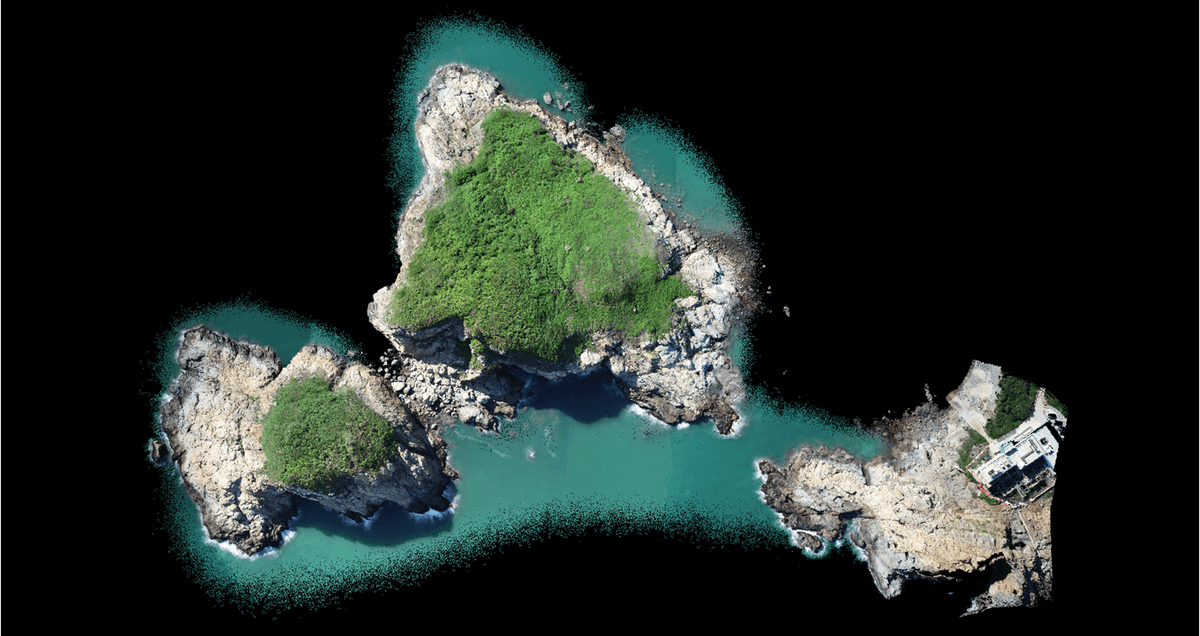
Researchers benchmarked COLMAP against ten learning-based 3D reconstruction models on aerial imagery, revealing where transformers beat classical pipelines and where they still struggle.
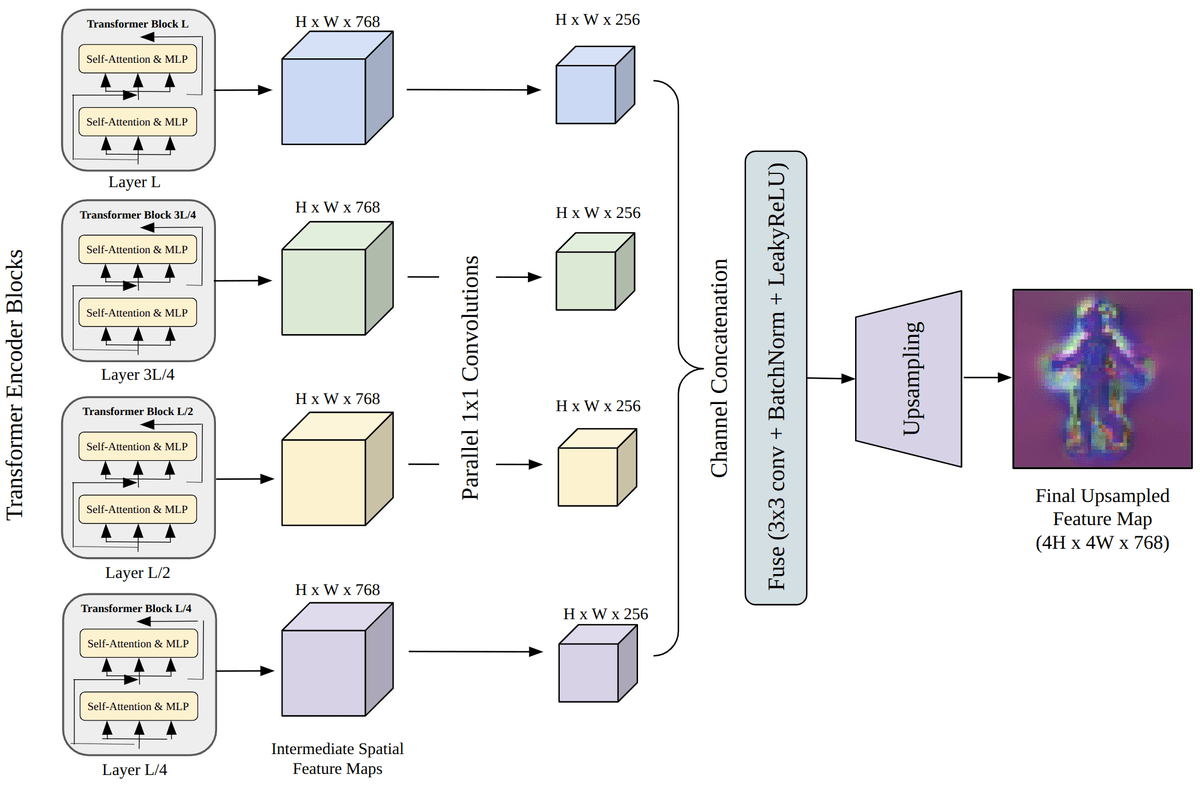
HumanGS turns sparse multi-view photos into an animatable 3D human in under a second, rendering novel poses at 60+ FPS without further network calls.
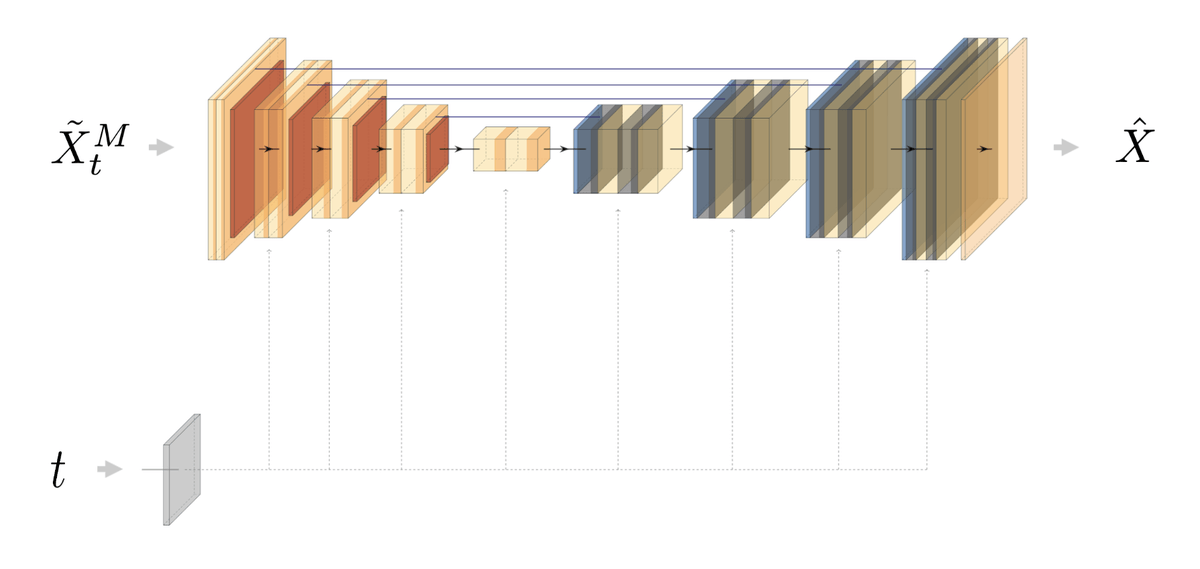
A new 5,300-image real-world benchmark and a public challenge push reflection removal past synthetic data limits, with cascaded RDNet-style networks winning out.
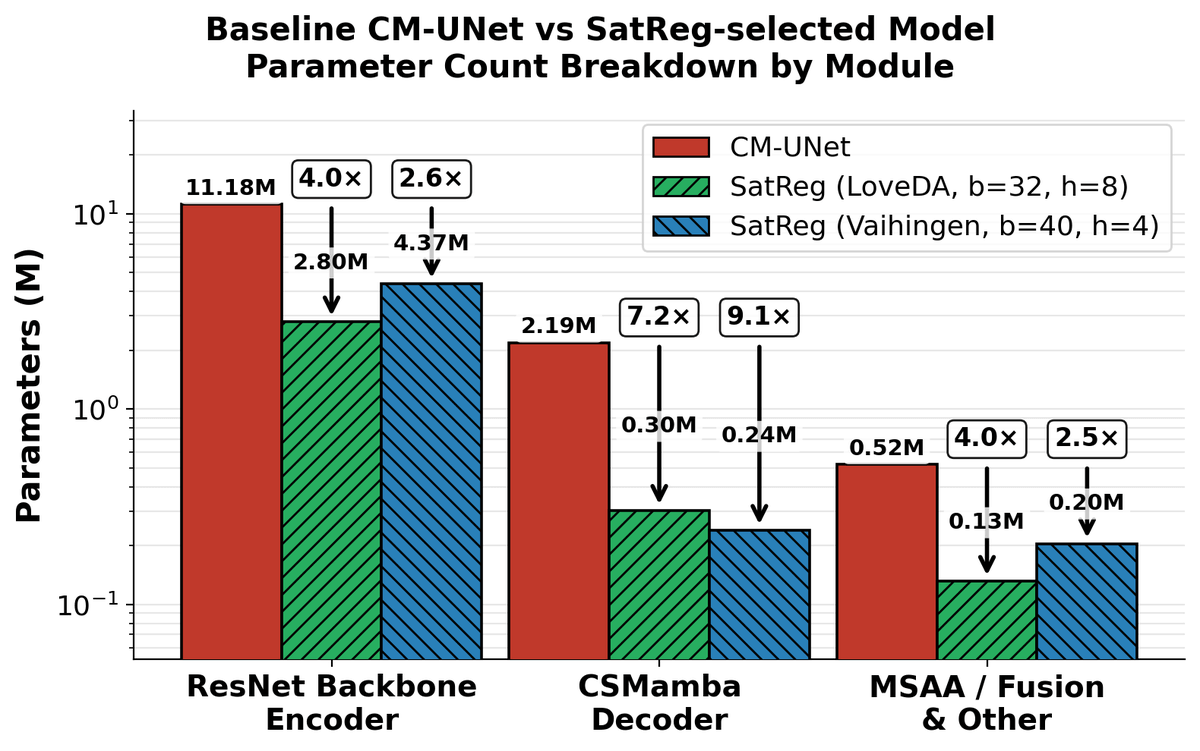
A new arXiv paper proposes SatReg, cutting CM-UNet latency by up to 38.6% and energy by 51% on a Jetson Orin Nano using two-variable surrogate search.
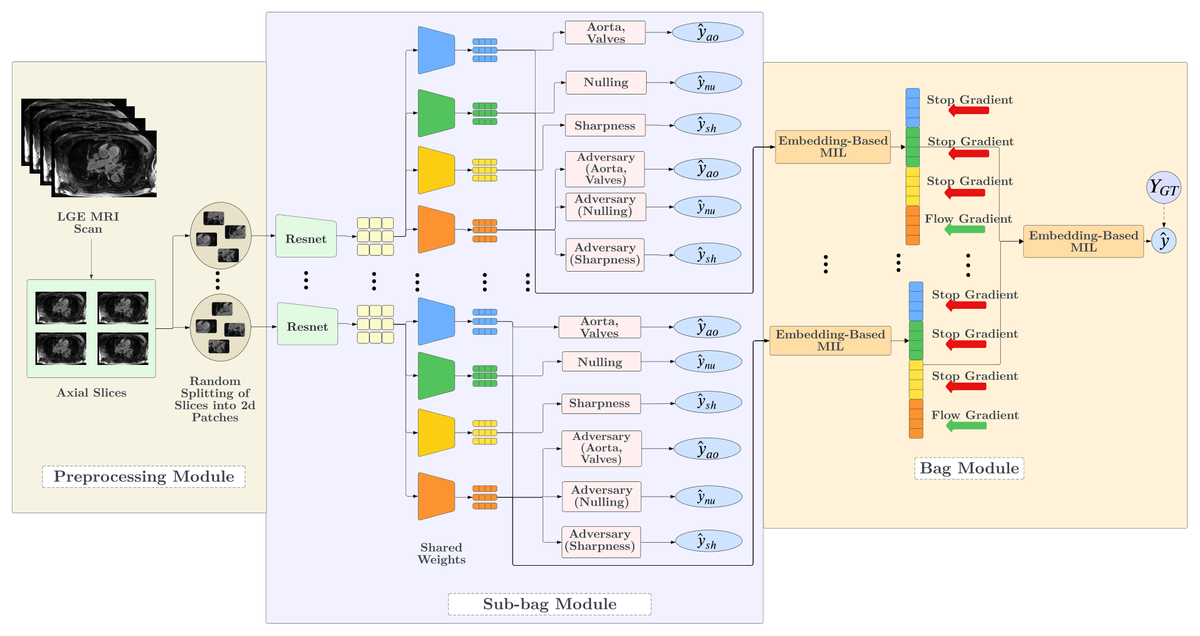
A weakly supervised framework cracks open the multiple instance learning black box, telling clinicians exactly why a cardiac MRI scan failed quality checks.
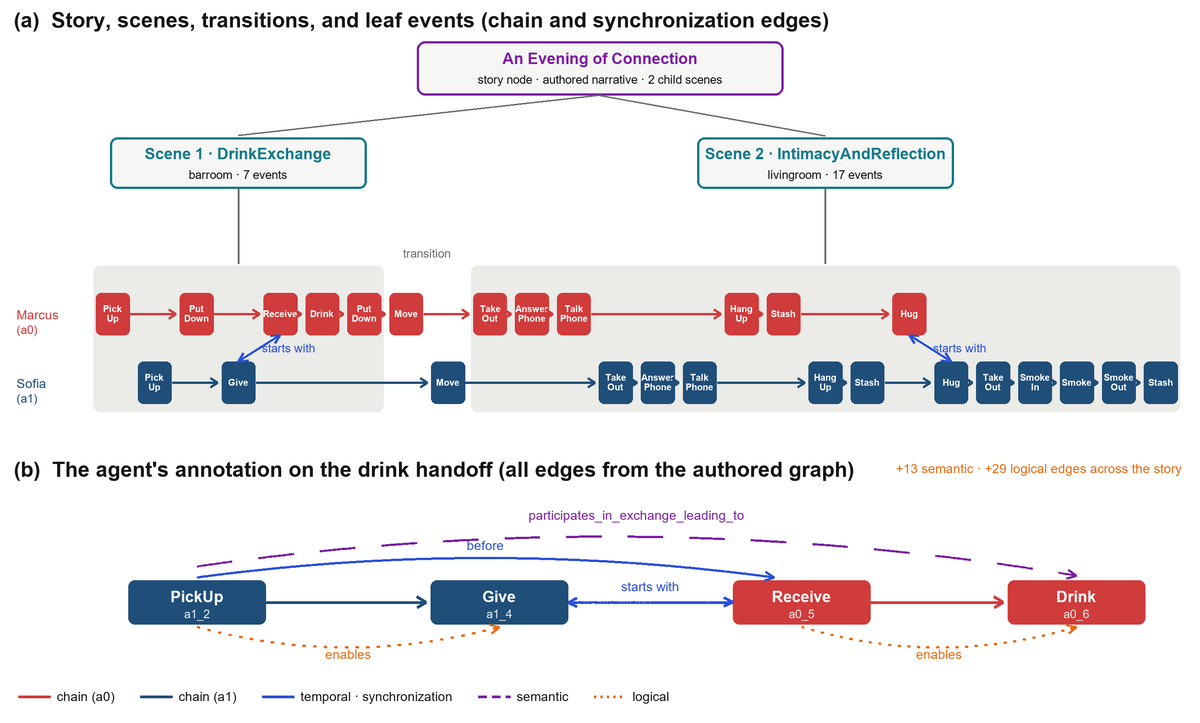
Researchers flipped the video generation stack: LLMs plan stories, a game engine executes them, and every scene comes with pixel-perfect ground truth.
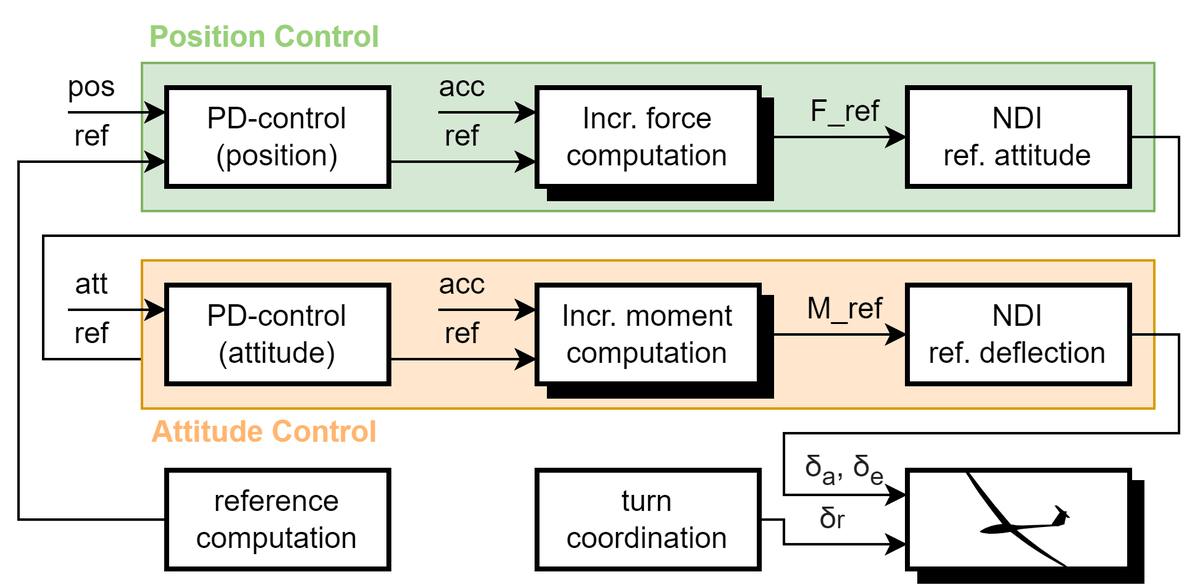
An ETH Zürich team built a control stack that lets a fixed-wing UAV harvest energy from wind shear, validated in real gusts up to 14 m/s.
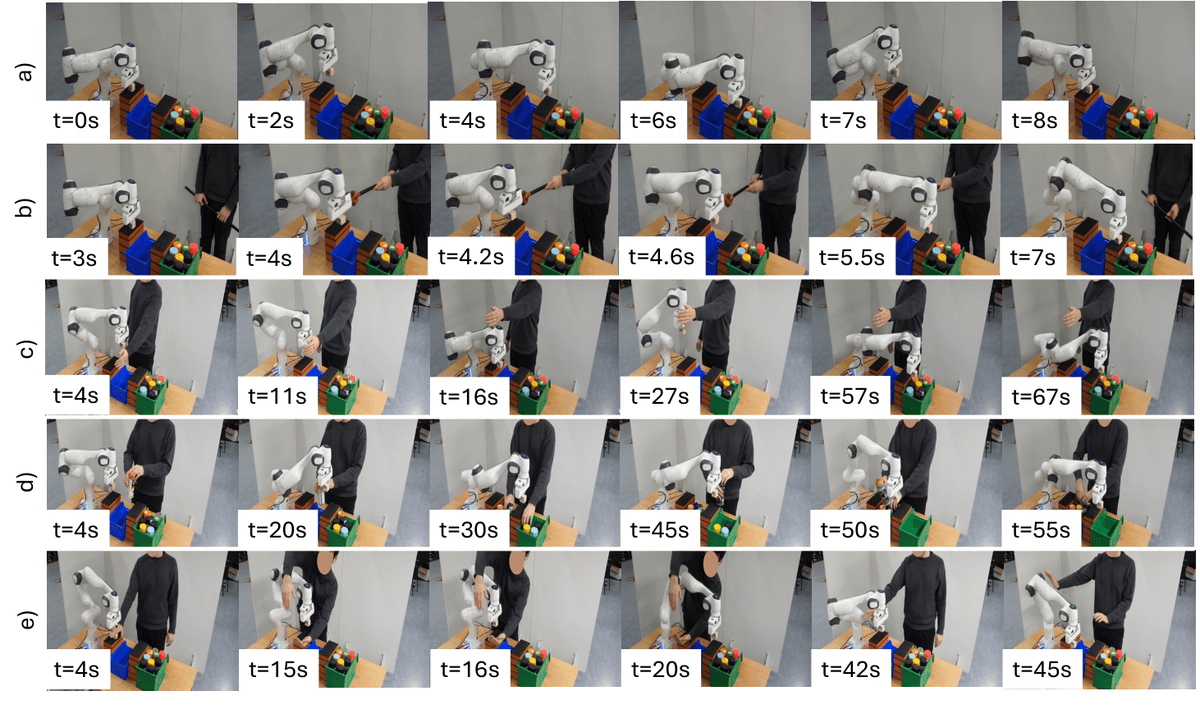
A new sampling based controller keeps robot arms from hitting people by treating near collisions as trajectory terminations, running at 22ms.
A new closed-form decomposition turns rigid-body motion and force trajectories into a representation that stays identical no matter which coordinate frame you pick.
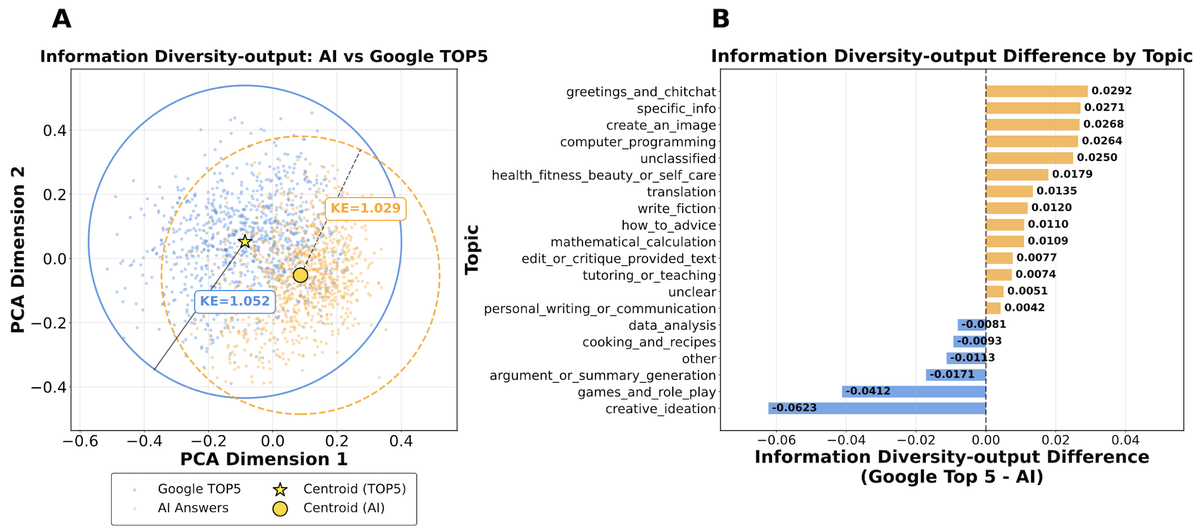
A study of 200,000 ChatGPT conversations finds users ask broader questions than they Google, but get narrower answers back, and adapt accordingly.
A pre-registered experiment on 22,856 Stack Overflow users shows one anonymous upvote boosts question-asking by 6.3% and answering by 12.9%.
A two-stage pipeline paired Deep Research with Claude Code to beat published baselines across eleven algorithm papers, each within one working day.
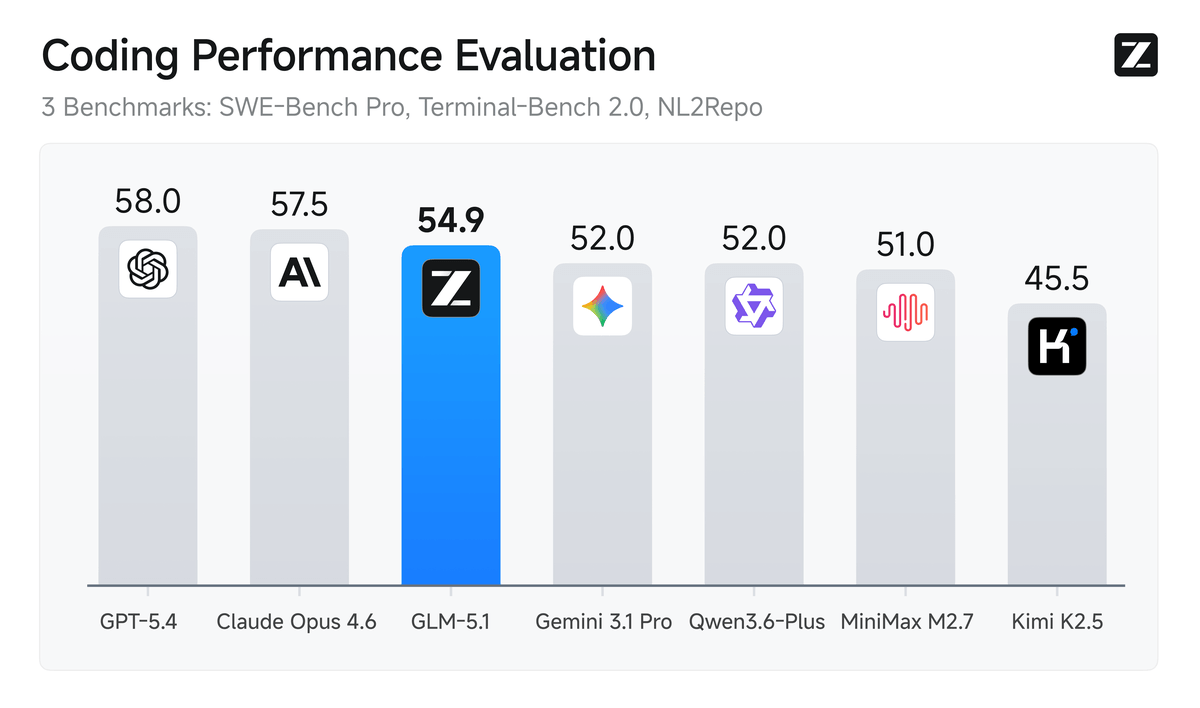
Unsloth ships day zero GGUF quants of Z.ai's 754B agentic coding model, shrinking it from 1.65TB down to 200GB so it can run on a single high-memory workstation.

SEO Machine is a free, open-source Claude Code workspace that replaces $300–$600/month in SEO tooling with a multi-agent content pipeline grounded in real analytics data.
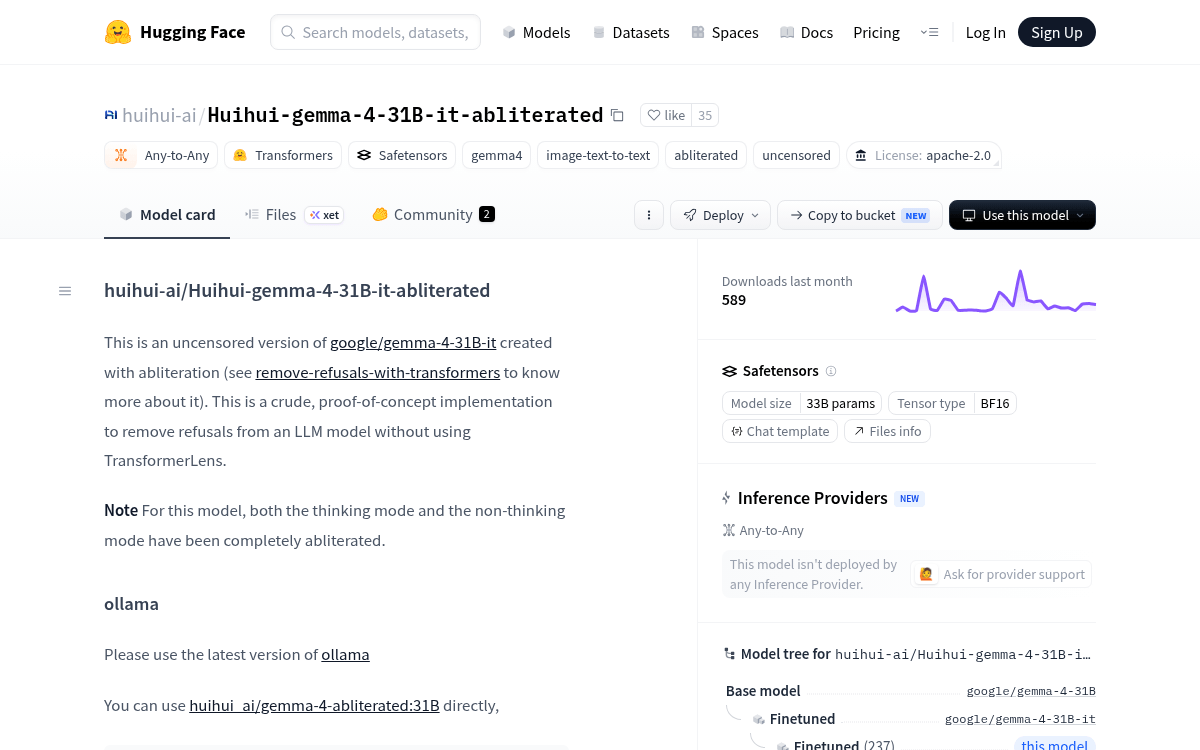
An uncensored, multimodal build of Google's Gemma-4-31B ships with both thinking and non-thinking modes stripped of refusals via weight editing.