
Pro
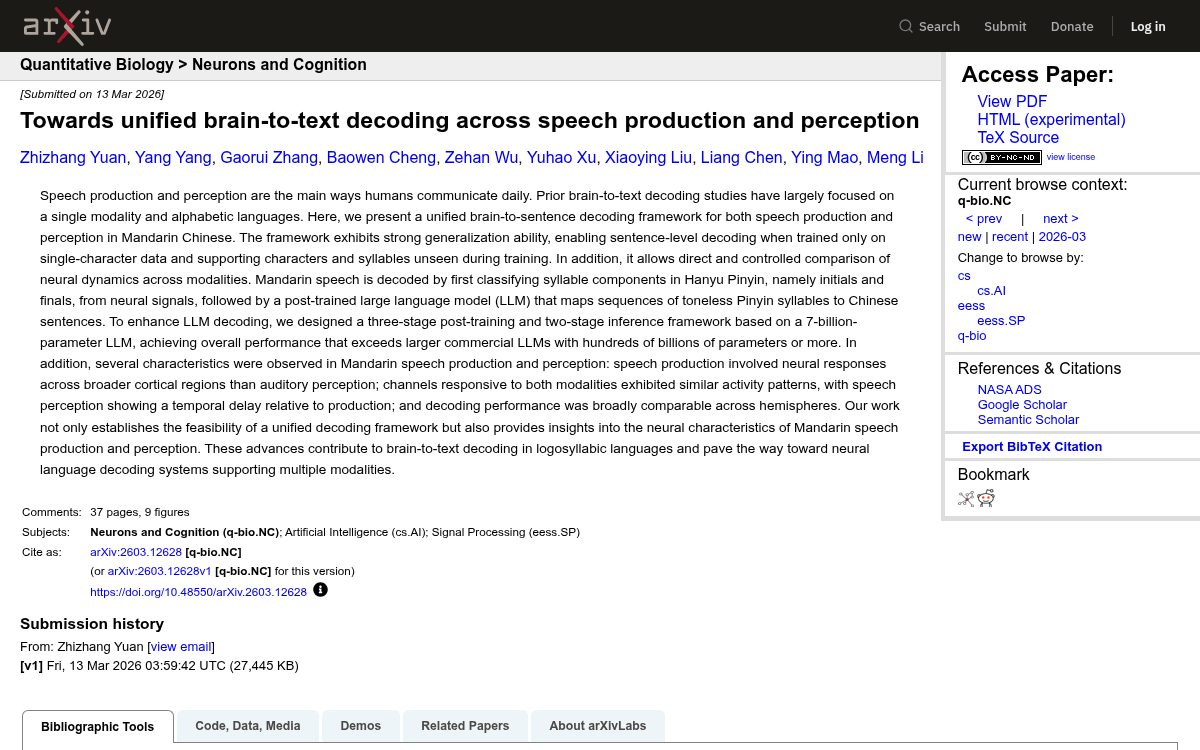
Zhejiang University Reads Mandarin Thoughts With 14.71% Error Using a 7B Model
A single framework decodes both spoken and heard Mandarin sentences from brain signals using Pinyin classification plus a post-trained 7B LLM.
20 stories
A single framework decodes both spoken and heard Mandarin sentences from brain signals using Pinyin classification plus a post-trained 7B LLM.
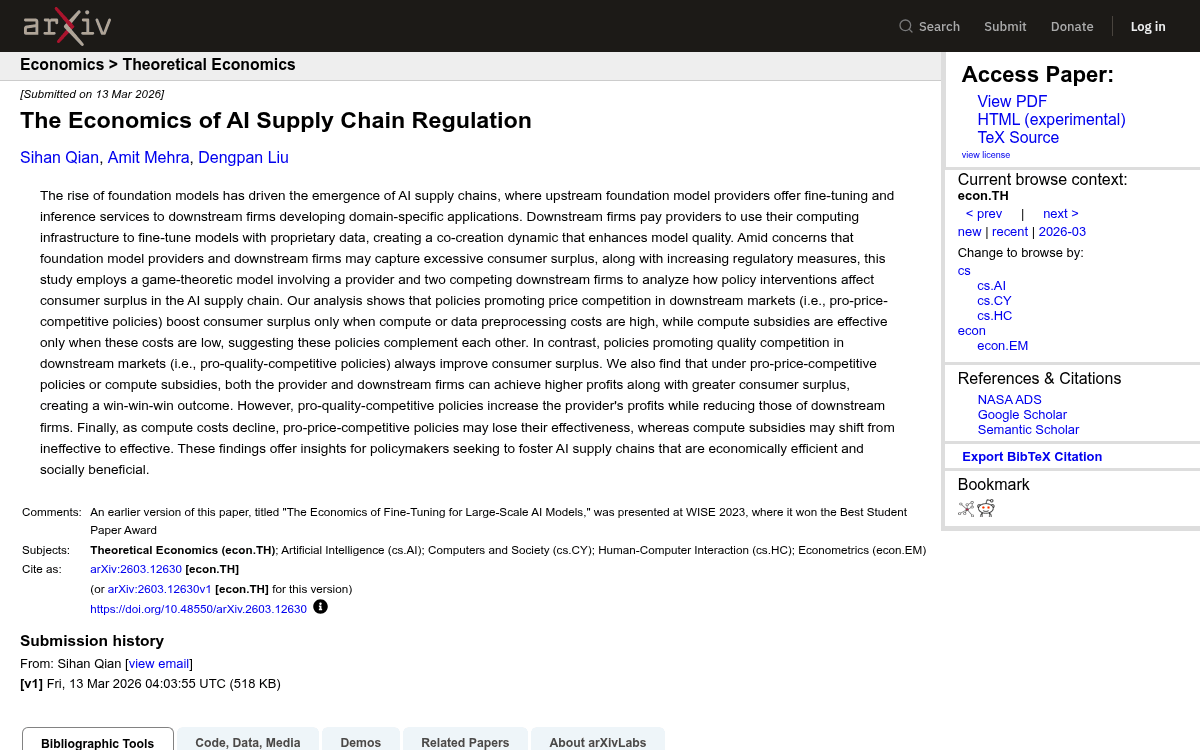
A game-theoretic model reveals when compute subsidies, price-competition rules, and quality-competition rules actually help consumers in AI markets, and when they backfire.
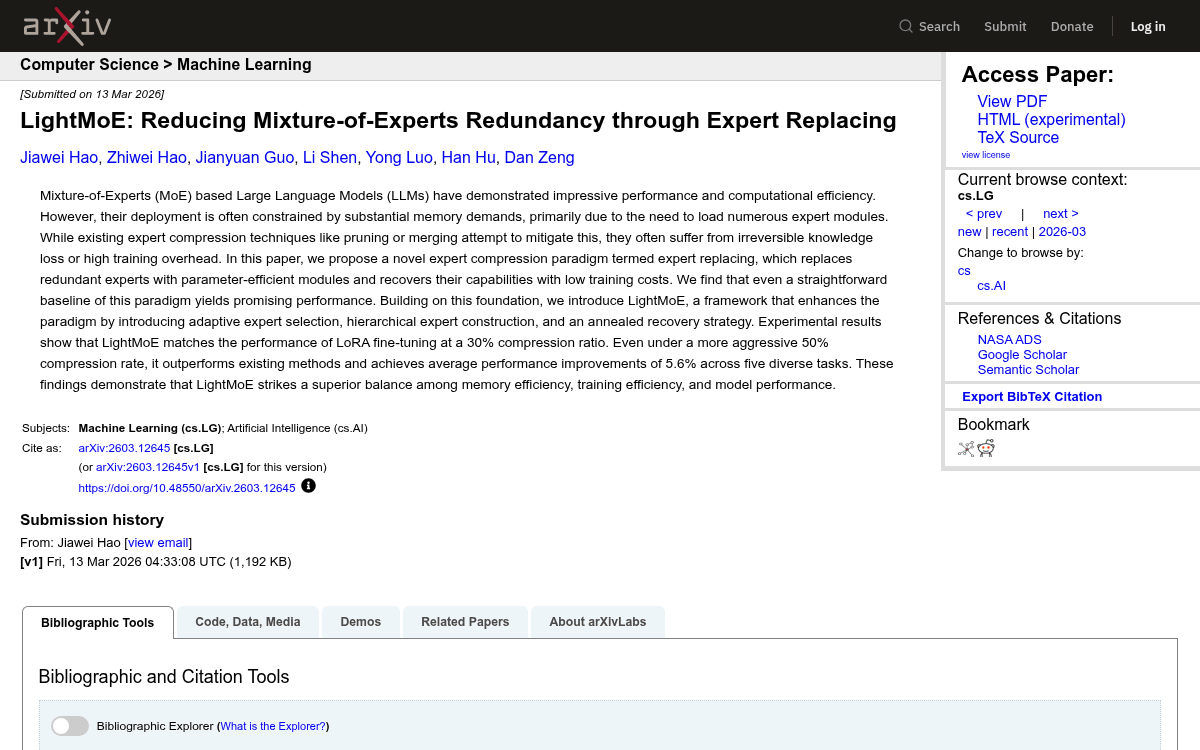
A new compression paradigm called expert replacing swaps out redundant MoE experts for parameter-efficient modules, matching LoRA at 30% compression and beating rivals at 50%.
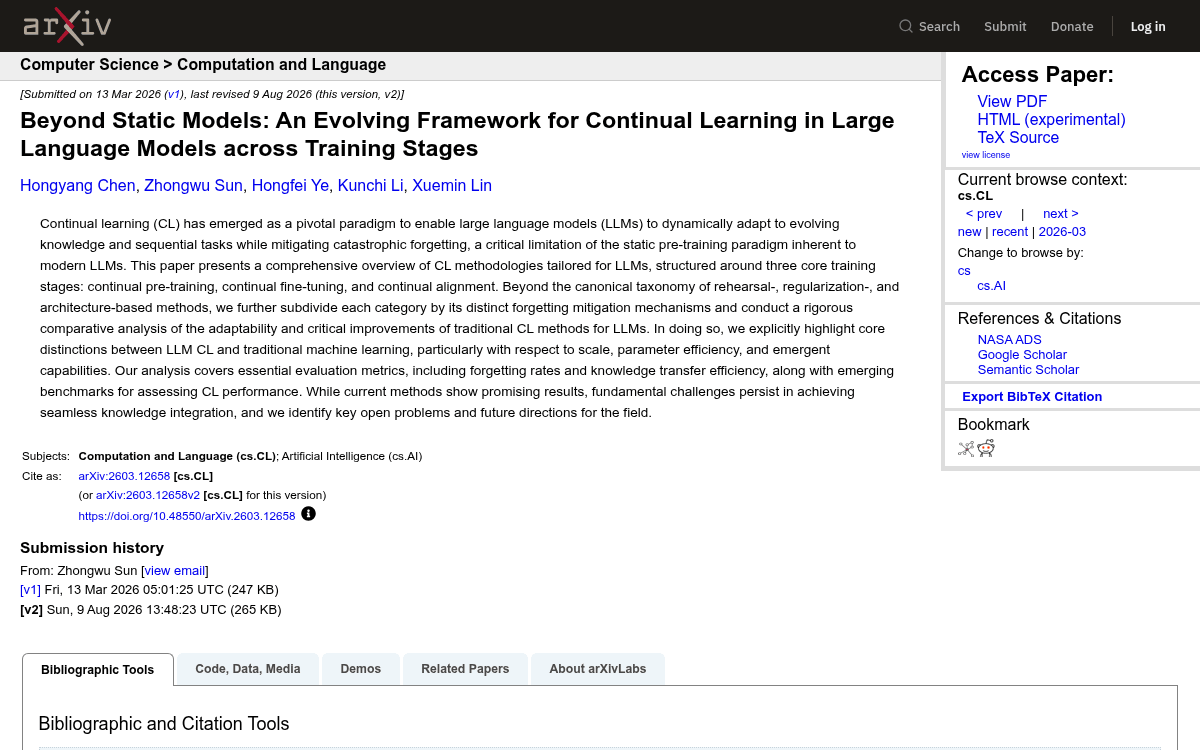
A new survey reframes continual learning across pretraining, fine-tuning, and alignment through a knowledge dynamics lens of collision, isolation, and fusion.
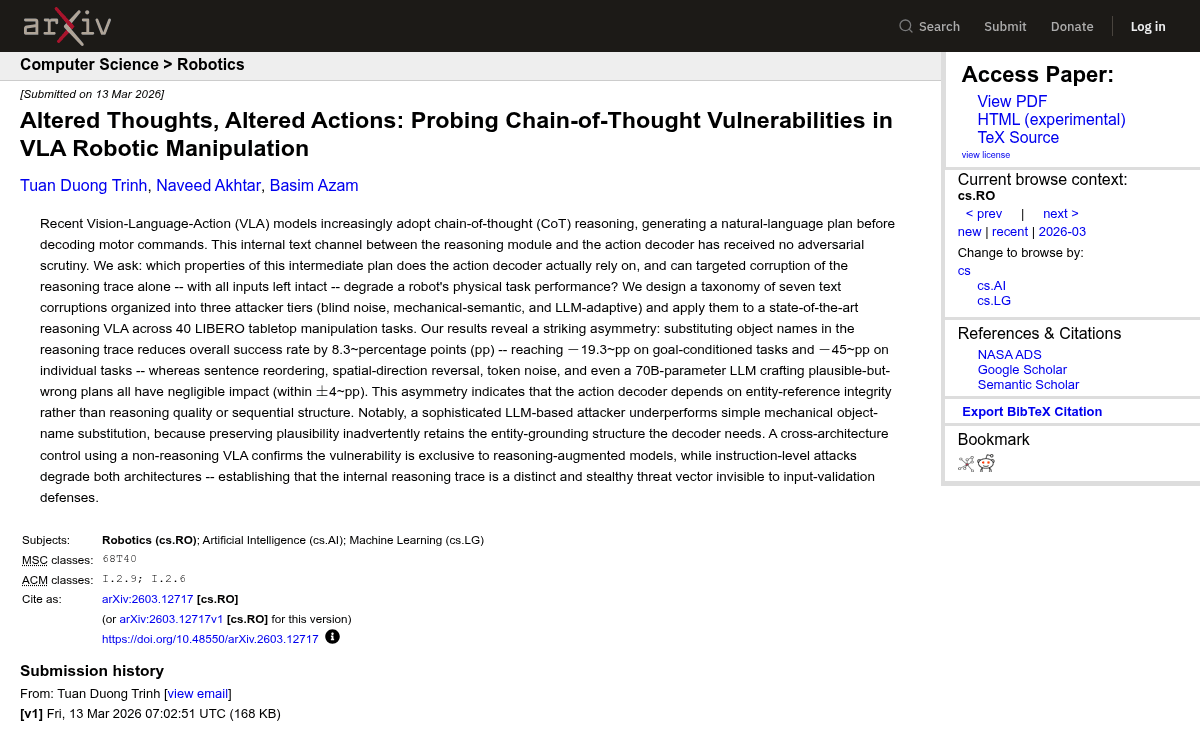
New research shows that swapping object names inside a robot's own reasoning trace can silently cut task success by up to 45 percentage points.
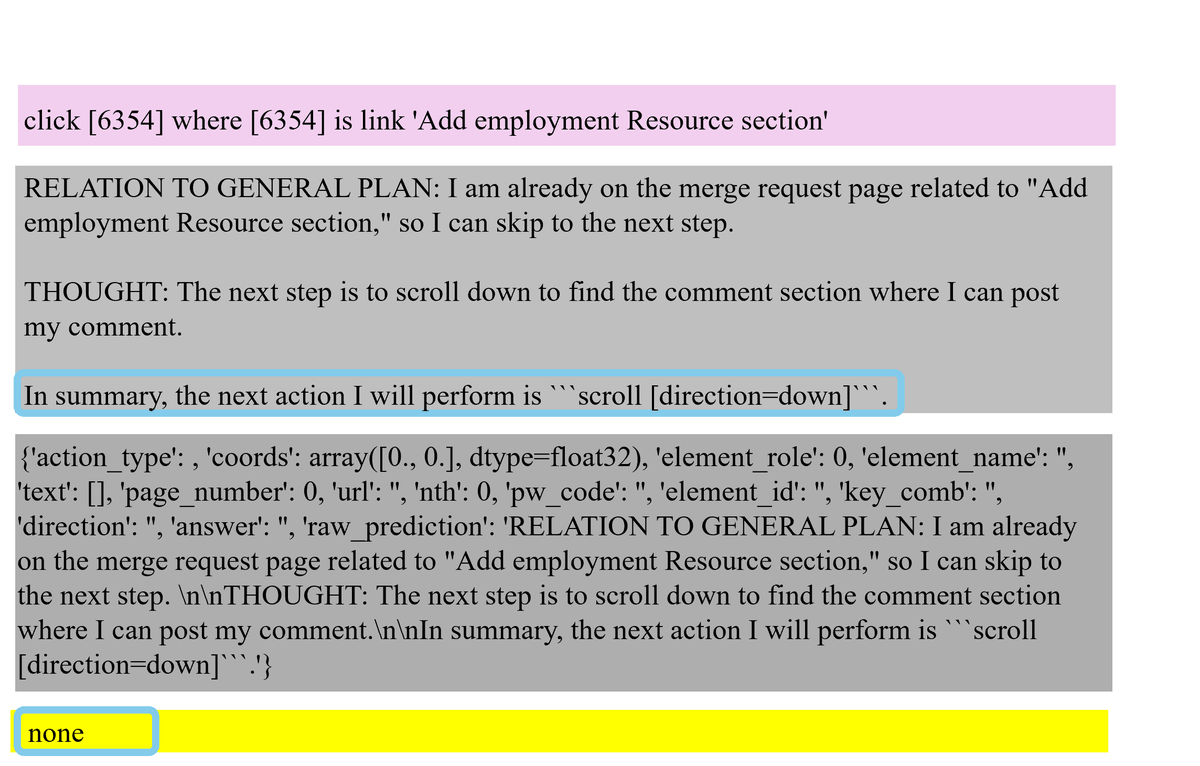
A new taxonomy maps LLM web agents to classical search algorithms, adds five trajectory-level metrics, and releases 794 human-annotated WebArena traces.
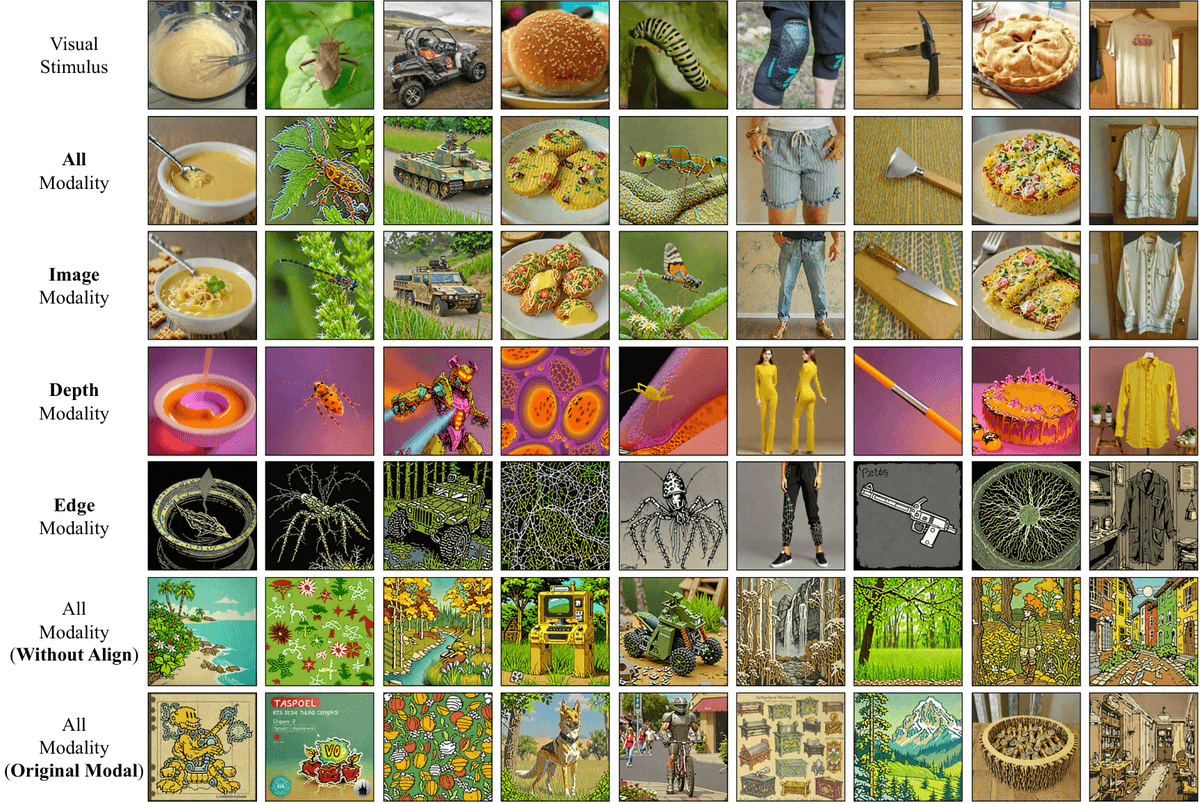
New framework fuses EEG signals with image, text, depth, and edge cues to reconstruct what a person is seeing, boosting Top-1 retrieval by 25.9%.
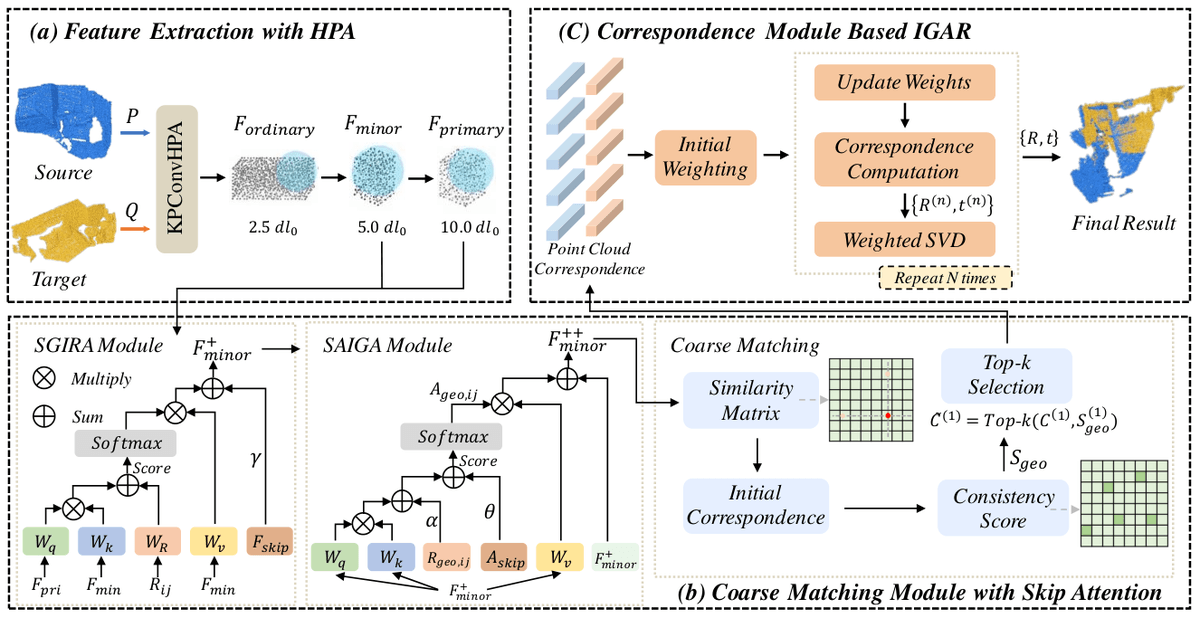
A new research paper introduces IGASA, a point cloud registration framework combining hierarchical attention with iterative geometric refinement across four 3D vision benchmarks.
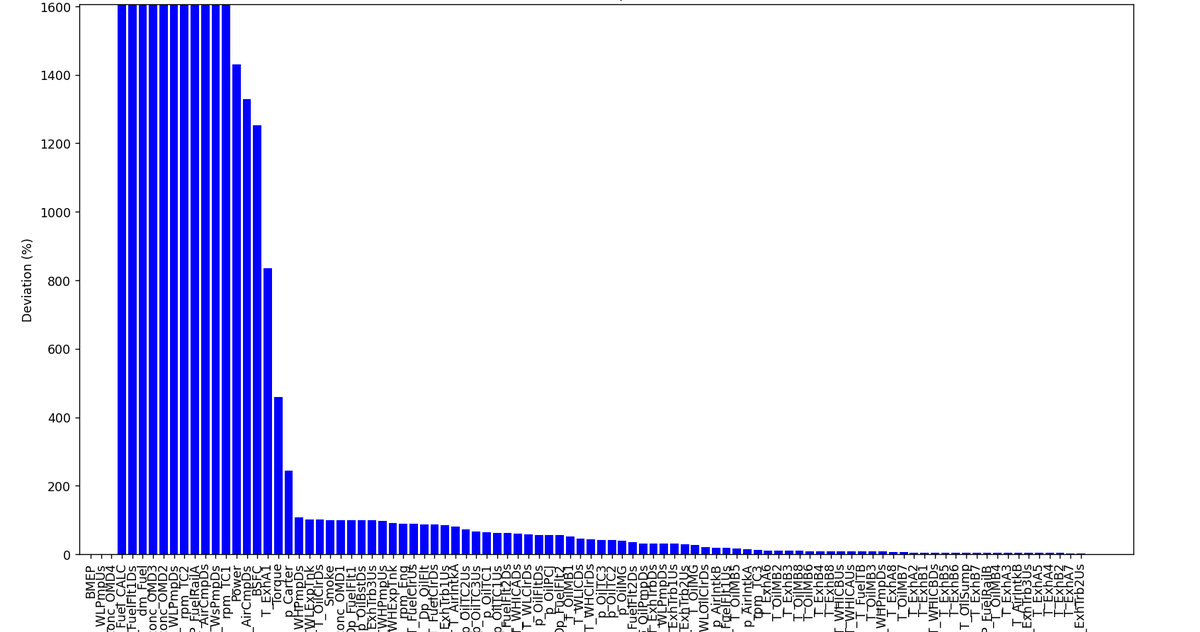
A Random Forest watching the second derivative of sensor drift spots a marine engine bearing collapse thousands of seconds before conventional alarms fire.
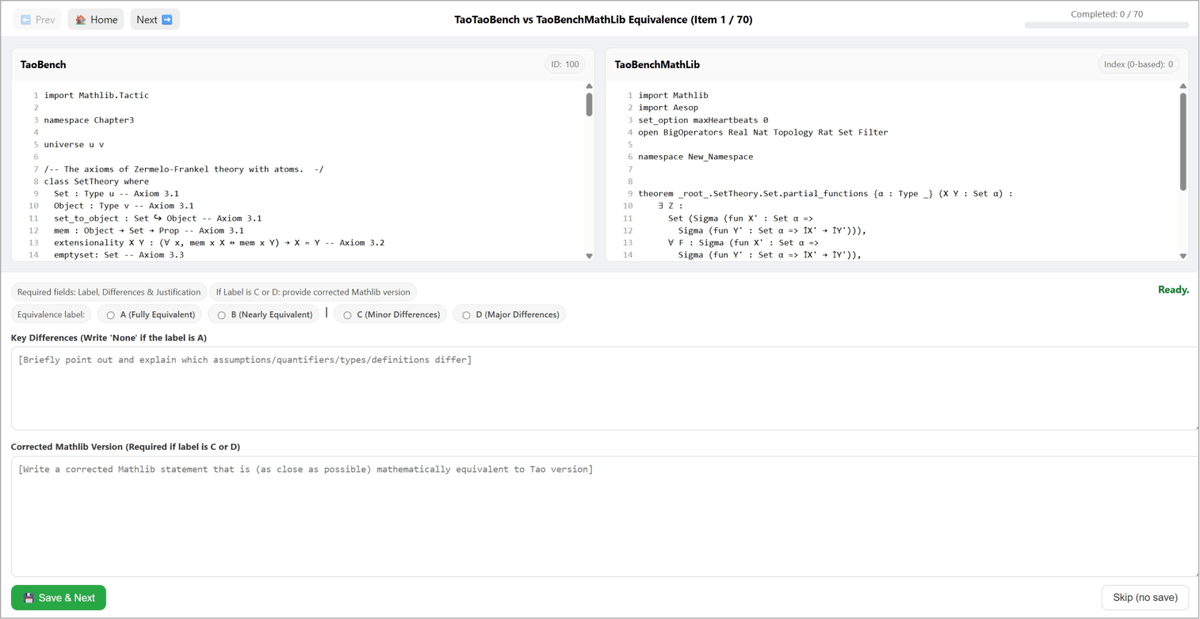
A new Lean benchmark built from Terence Tao's Analysis I exposes a 26-point accuracy gap when theorem provers face definitions outside MathLib.

A new logits-redistribution technique turns one trained model into a knob-controllable family, no fine-tuning, retraining, or training data required.
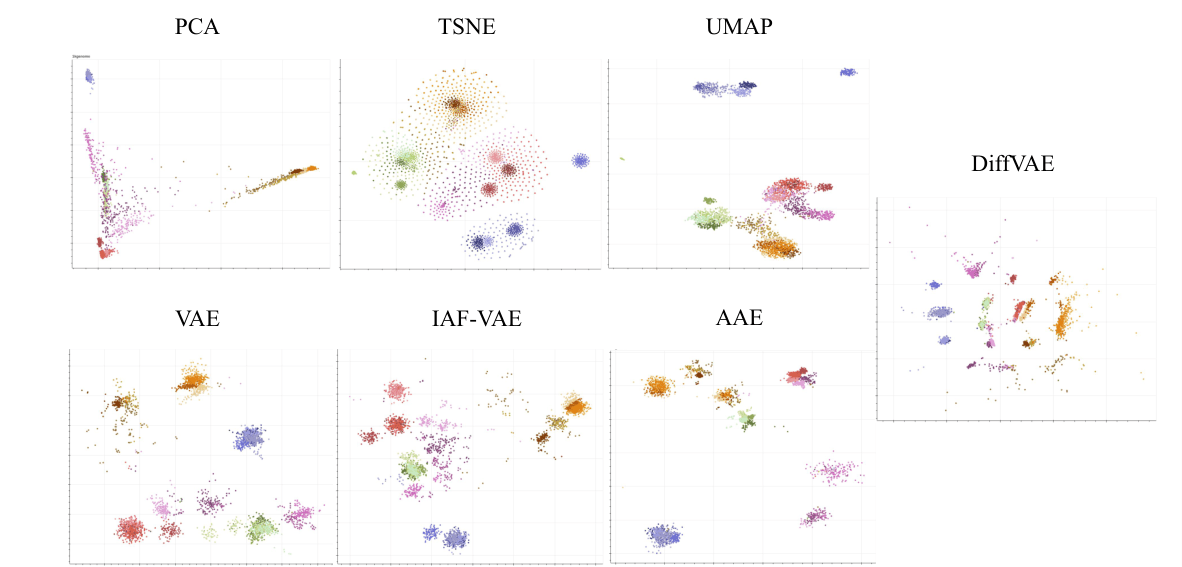
A new black-box inference method swaps Gaussian encoders for diffusion posteriors, giving VAEs sharper latent structure and better ancestry clustering on real genomes.
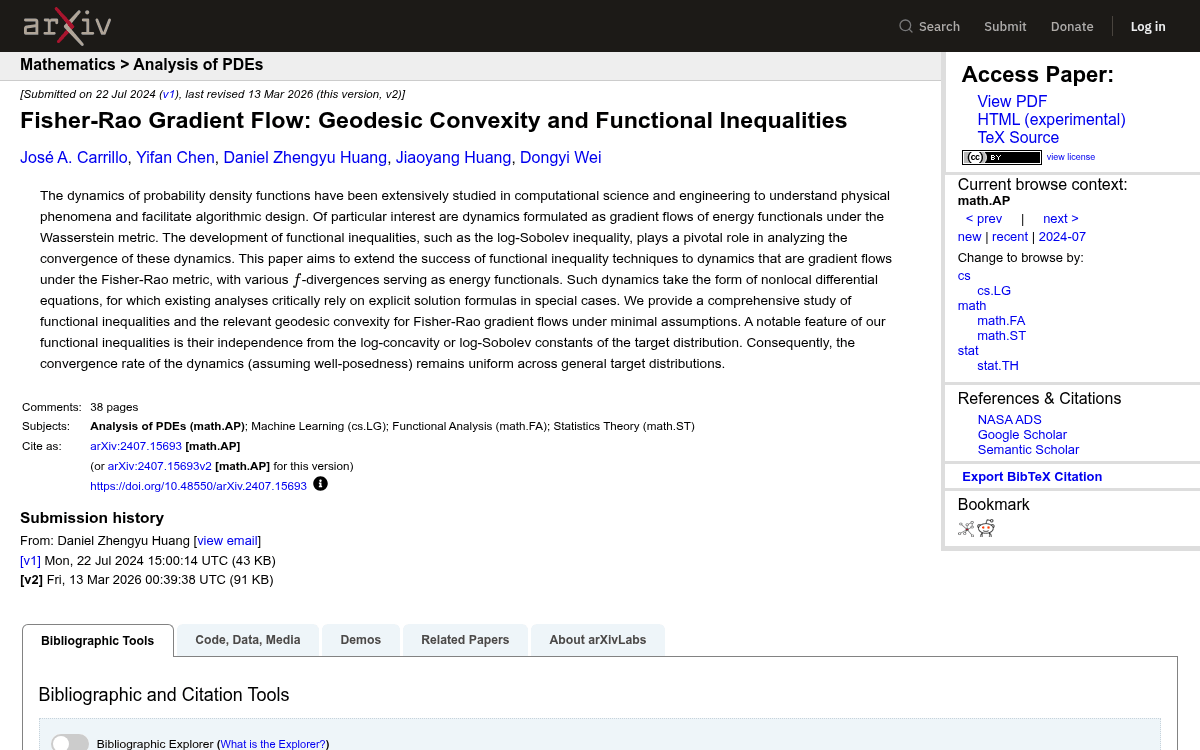
New theory shows why Fisher-Rao gradient flows converge at rates that do not depend on how nasty the target distribution is.
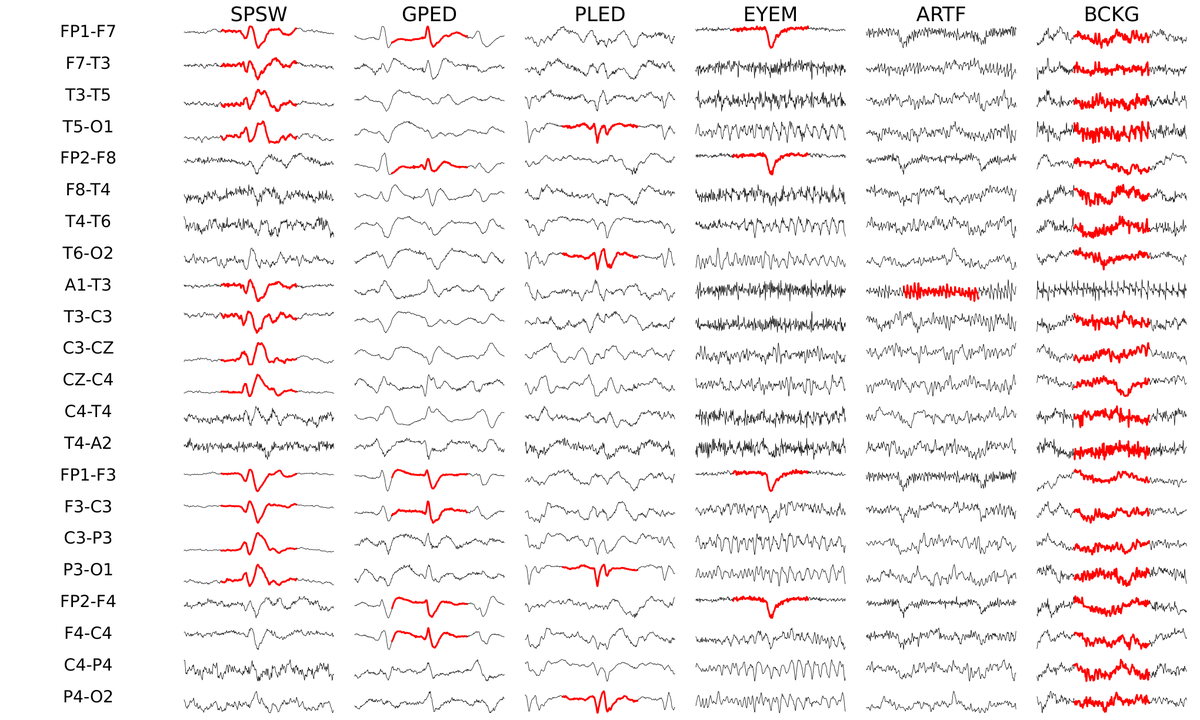
A research team introduces Nested Deep Learning, a spike detection framework that adapts across EEG/MEG channel setups and pinpoints where spikes originate.
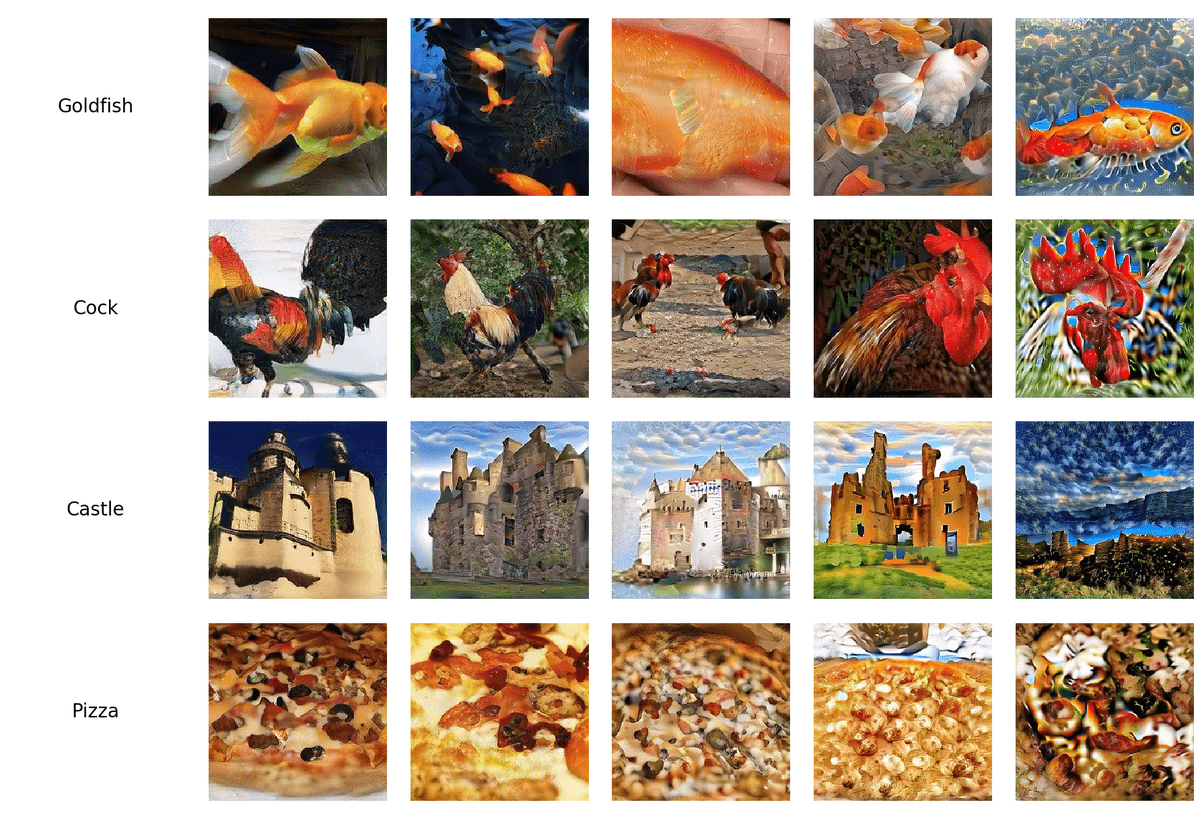
A new spectral filtering framework unifies fragmented dataset distillation methods and produces a curriculum-based technique that beats existing baselines on ImageNet-1K.
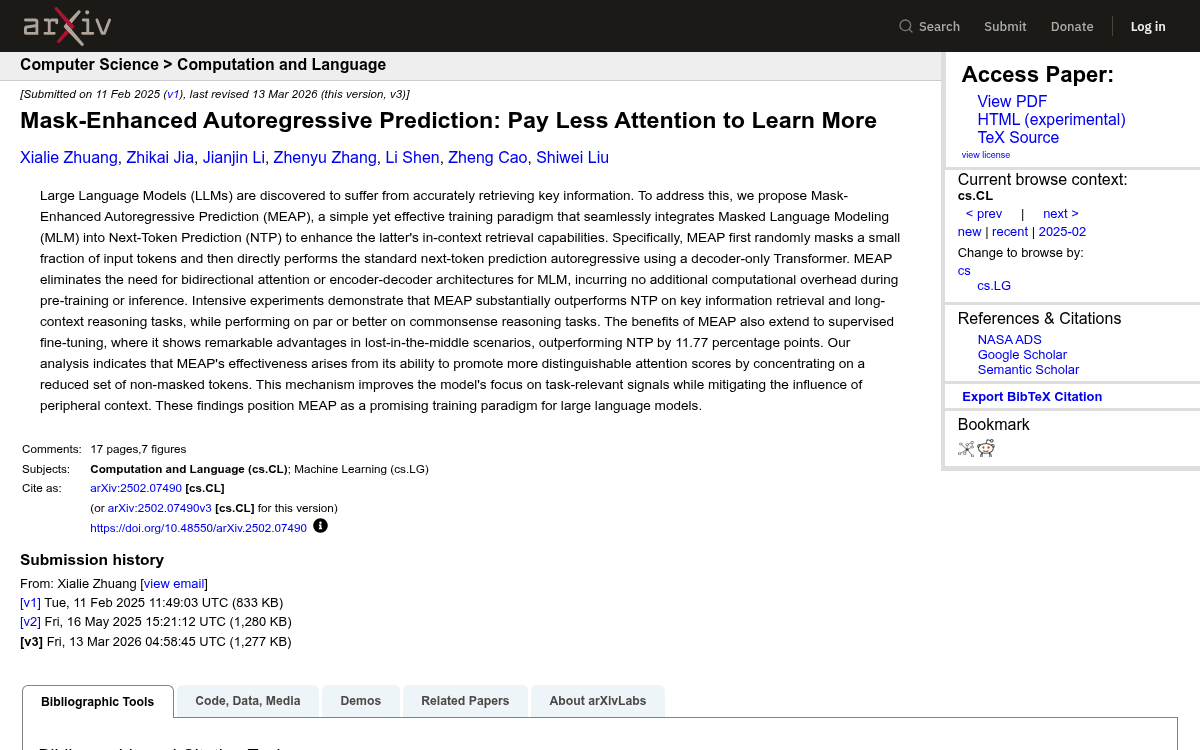
A tiny tweak to next-token prediction, randomly masking 15% of tokens, dramatically boosts long-context retrieval without any architecture change or extra compute.
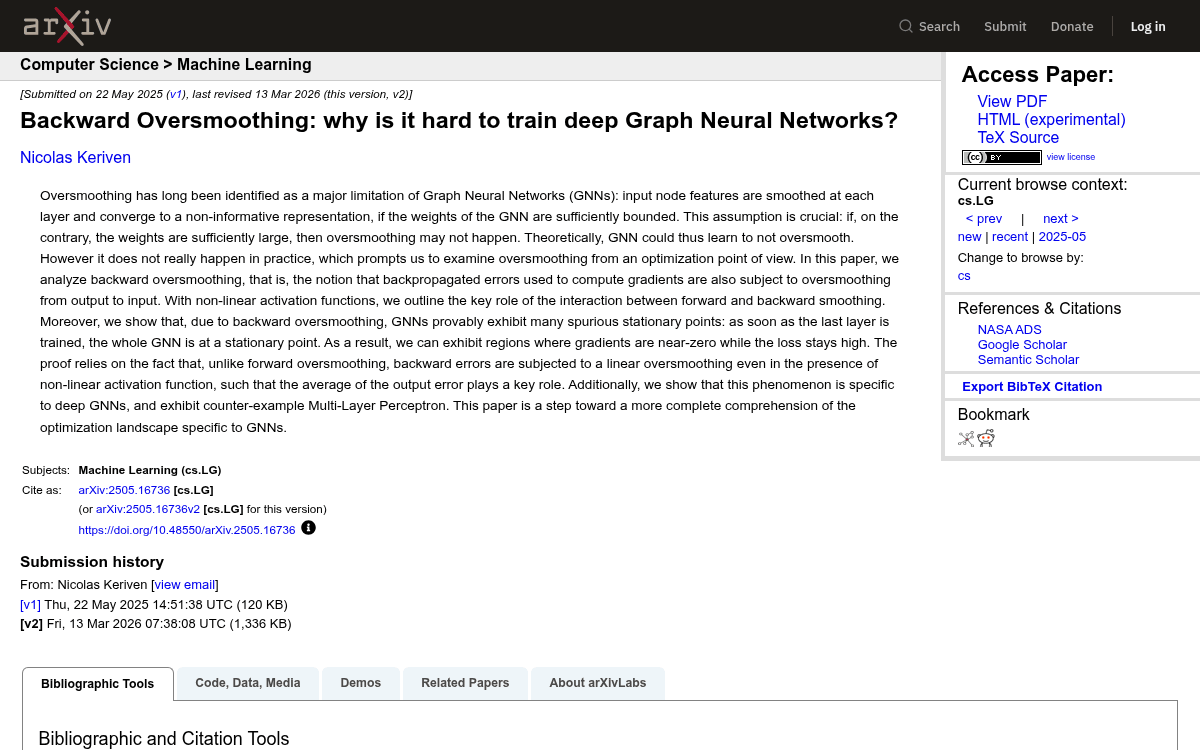
A new theoretical analysis explains why deep graph neural networks get stuck during training, revealing spurious stationary points unique to GNN architectures.
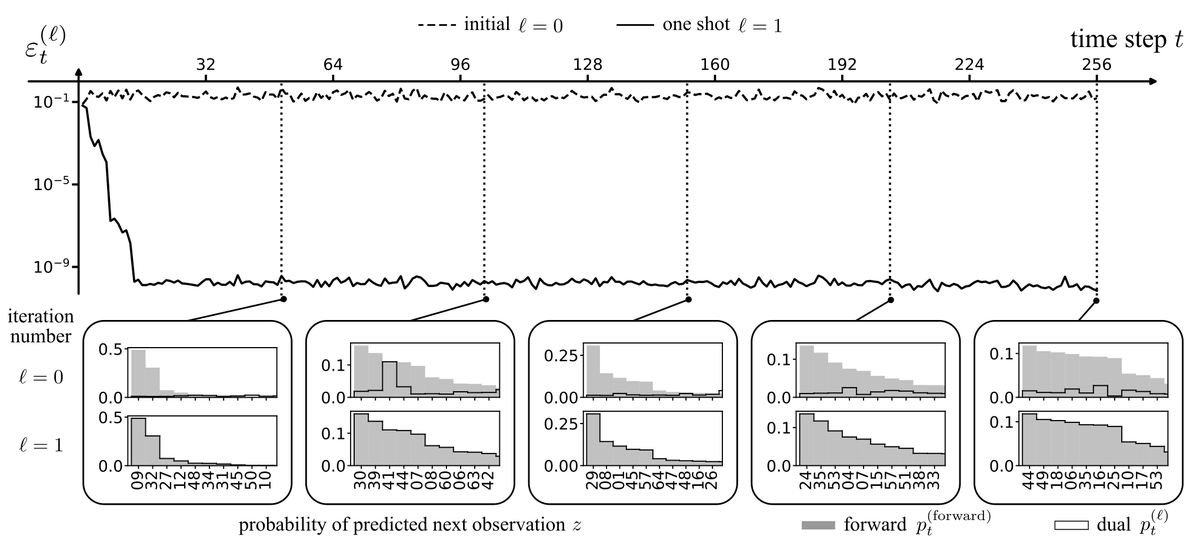
A new paper derives transformer-like architectures from first principles by reformulating next-token prediction as an optimal control problem over hidden Markov models.
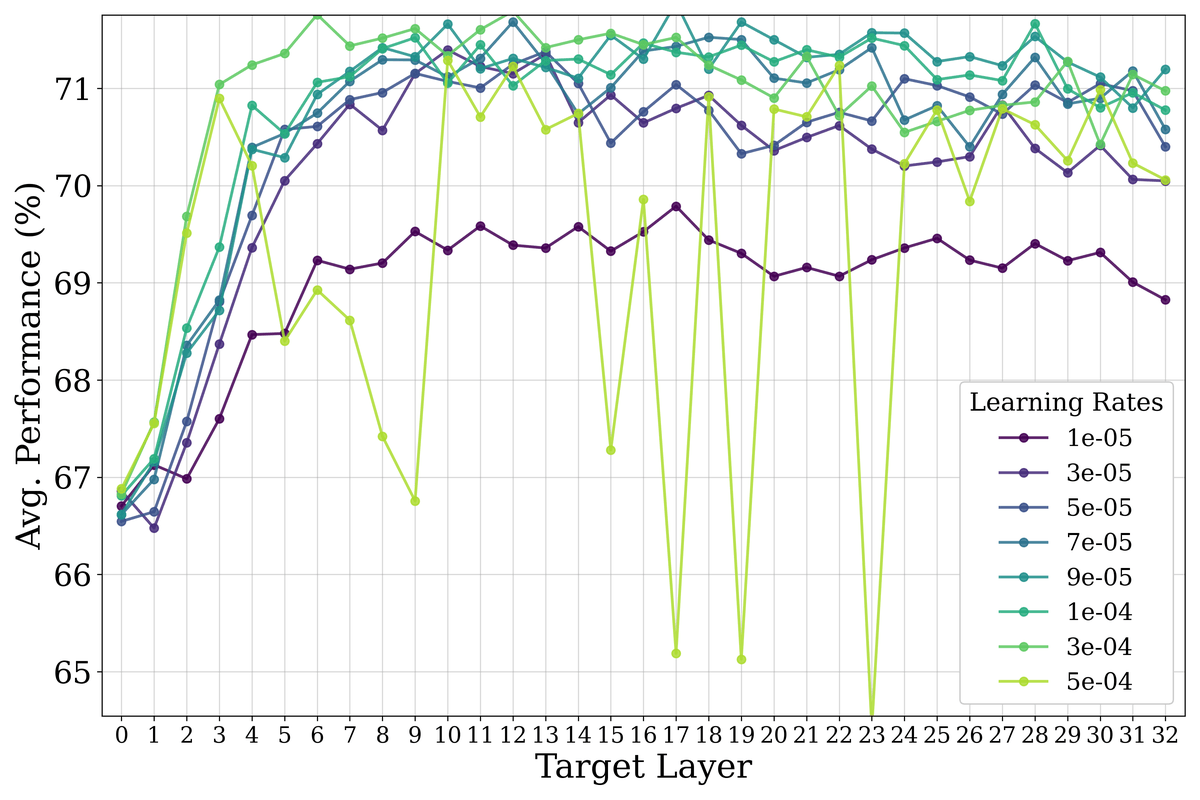
A new initialization method matches multi-subtoken attention behavior in a single embedding, outperforming pretrained hyper-networks while training in under 10 minutes.
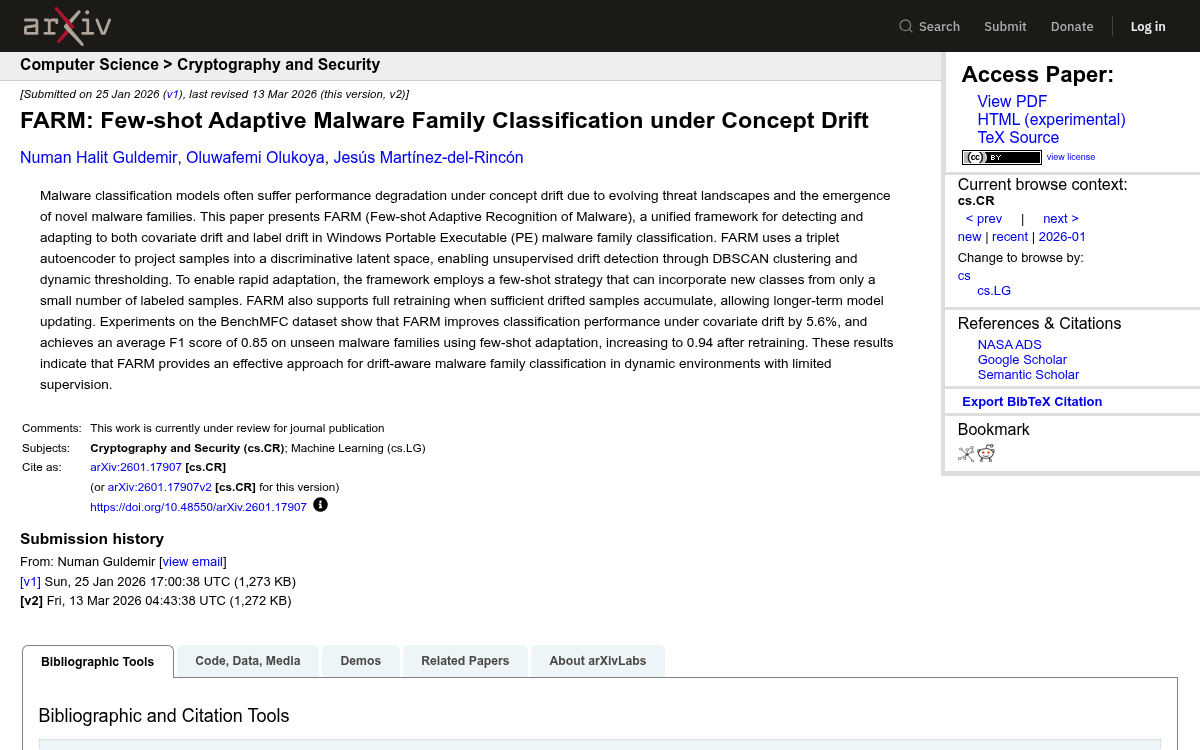
FARM combines a triplet autoencoder with DBSCAN clustering and few-shot prototypes to keep Windows malware classifiers accurate as new families emerge.