
Pro
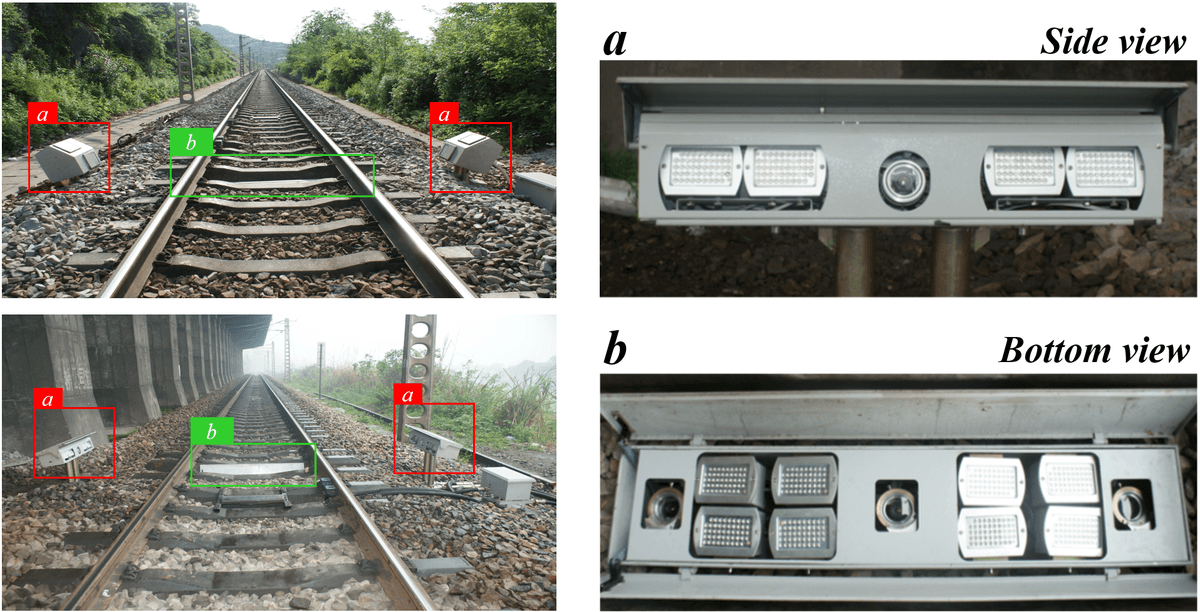
SAM FTI-FDet Teaches Meta's SAM to Inspect Freight Trains Without Human Prompts
A self-prompting SAM variant with a TinyViT backbone hits 74.6 APbox on freight train fault segmentation while staying edge deployable.
20 stories
A self-prompting SAM variant with a TinyViT backbone hits 74.6 APbox on freight train fault segmentation while staying edge deployable.
MV-GRPO turns sparse single-prompt reward signals into dense multi-view supervision by rewriting captions, boosting Flux.1-dev alignment without regenerating samples.
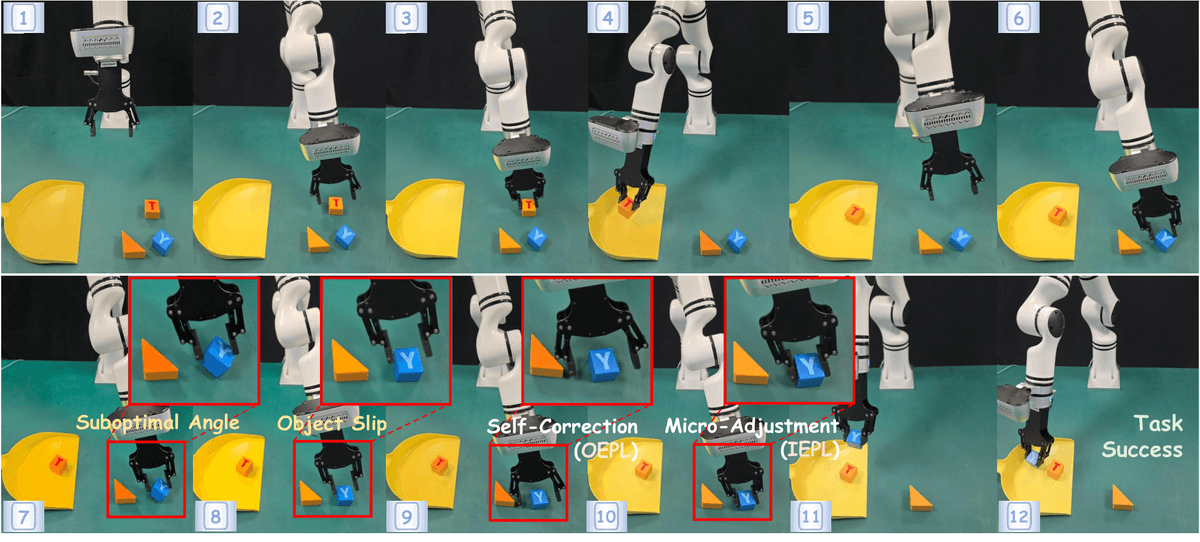
A dual-tower diffusion transformer imagines physically consistent robot rollouts, then uses them to refine policies without touching real hardware.
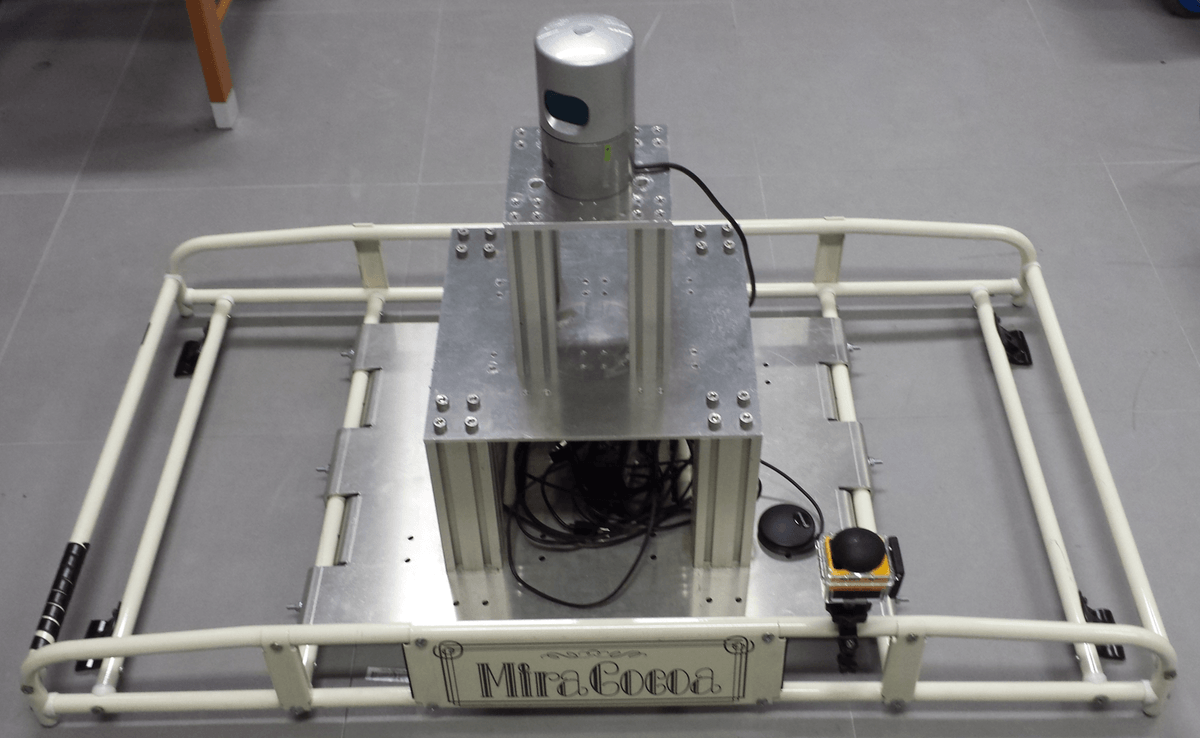
A LiDAR-only pipeline maps outdoor scans to place categories like coast, forest, and urban with 97.87% accuracy using panoramic CNNs.
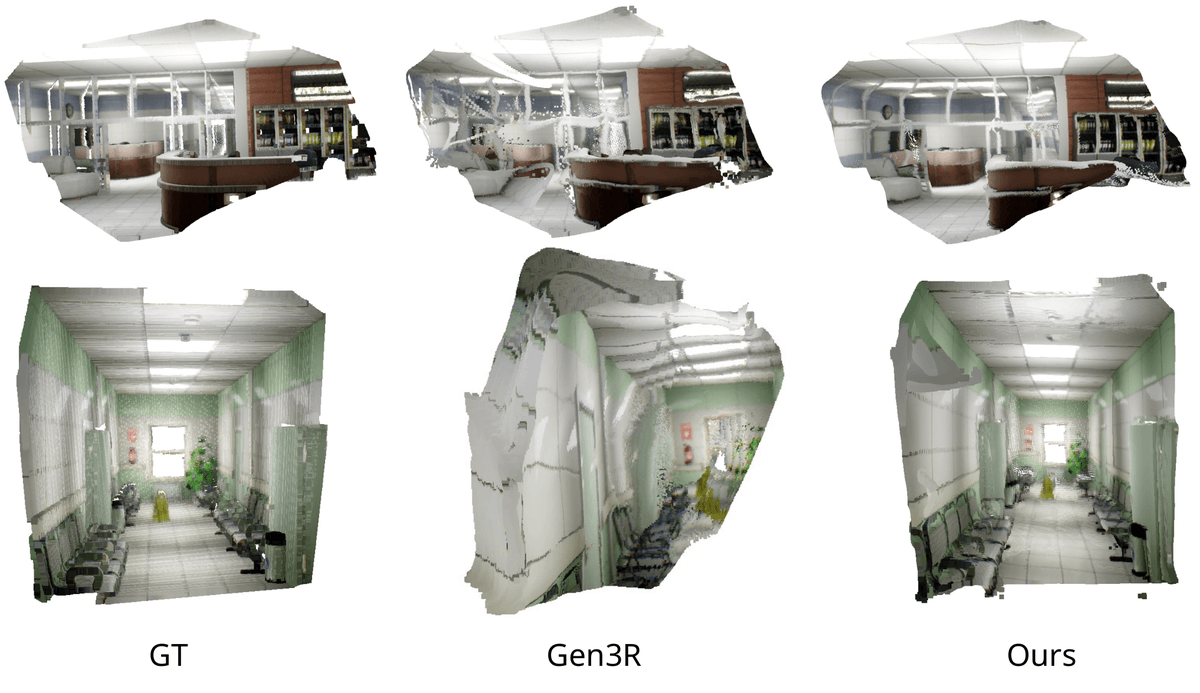
Researchers ditch pixel generation entirely, forecasting frozen VGGT geometry features to cut depth error up to 32% while running 5x faster than Cosmos.
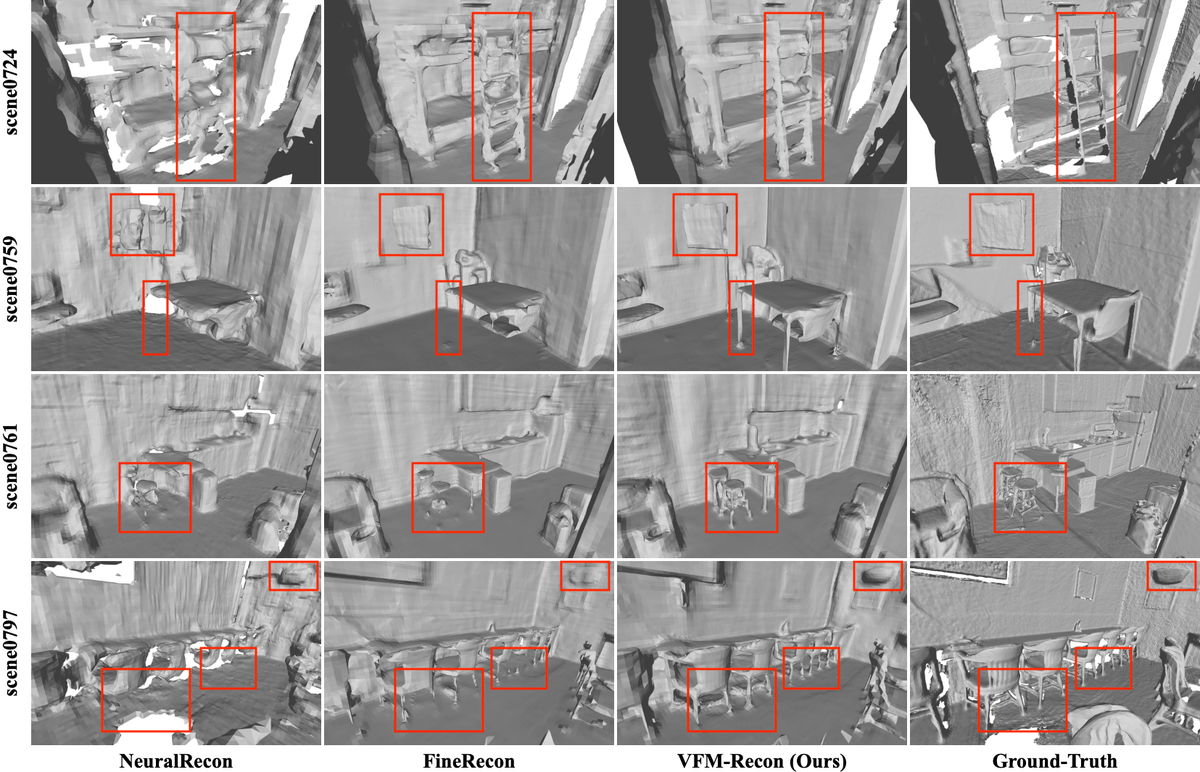
A new framework fixes the scale-ambiguity problem that has kept vision foundation models out of scene-level 3D reconstruction, delivering a 70.1 F1 on outdoor scenes.
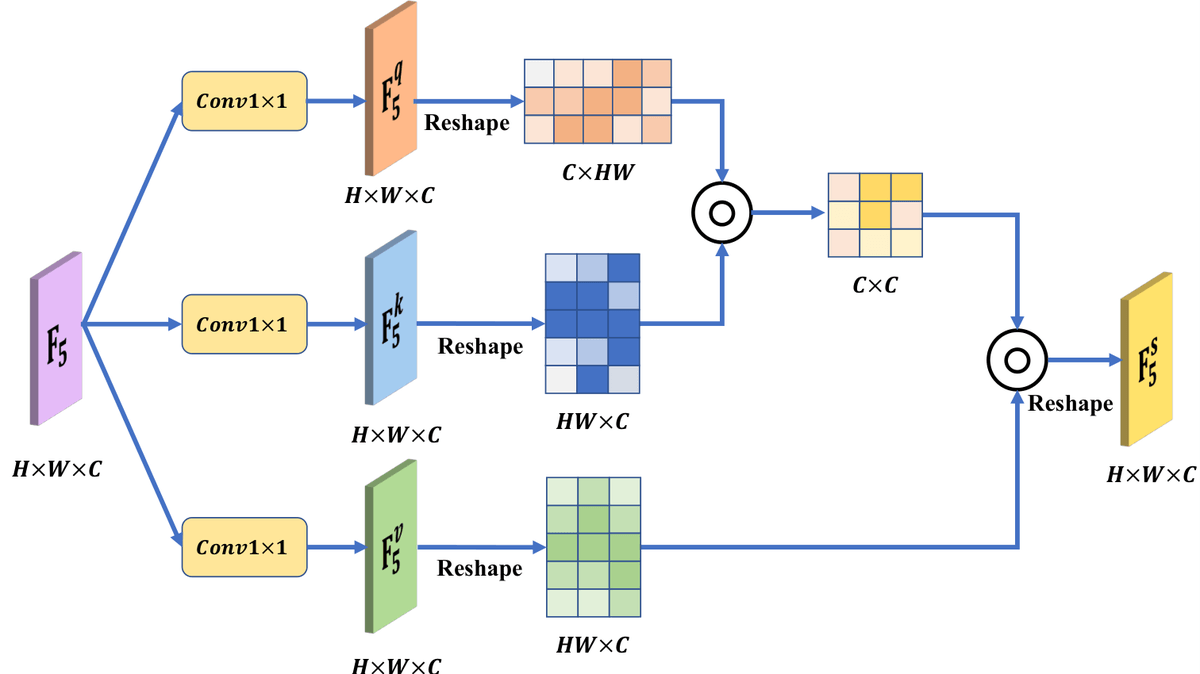
A new Swin Transformer based network tackles salient object detection in aerial imagery with dedicated modules for scale, geometry, and granularity.
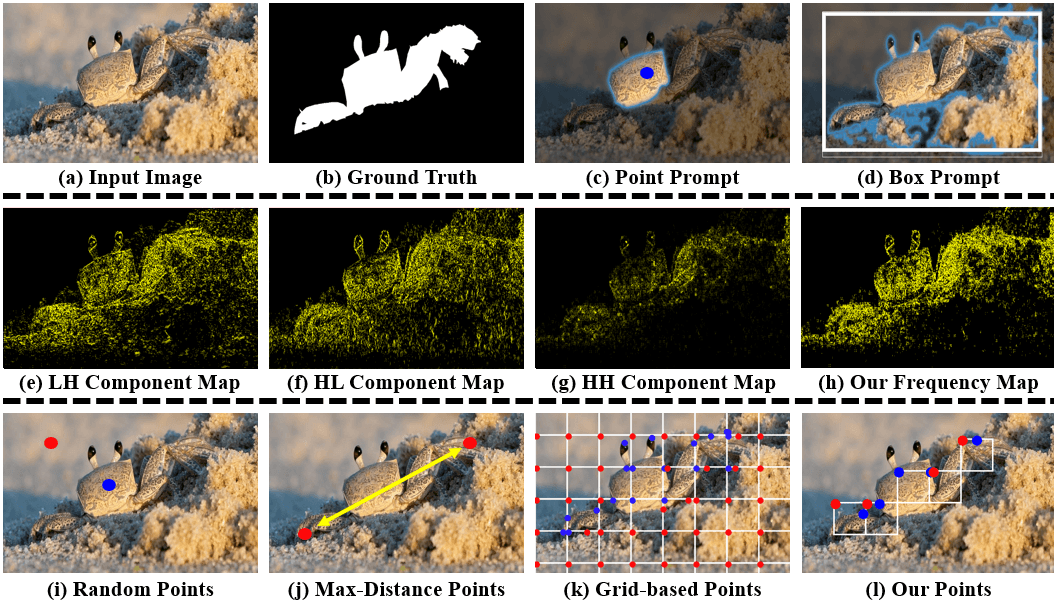
A frequency-aware SAM variant beats prior marine segmentation models by extracting wavelet edges as prompts and swapping the decoder for a Mamba block.
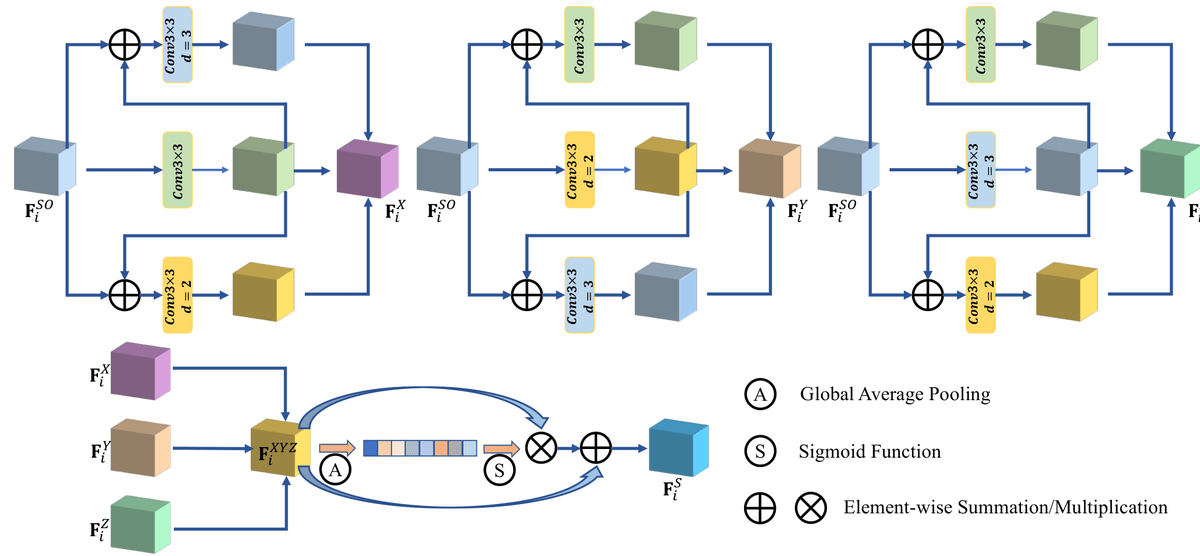
A two-stage network learns which modality to trust first, then fuses features accordingly, cutting mean absolute error to 0.020 on VT5000.
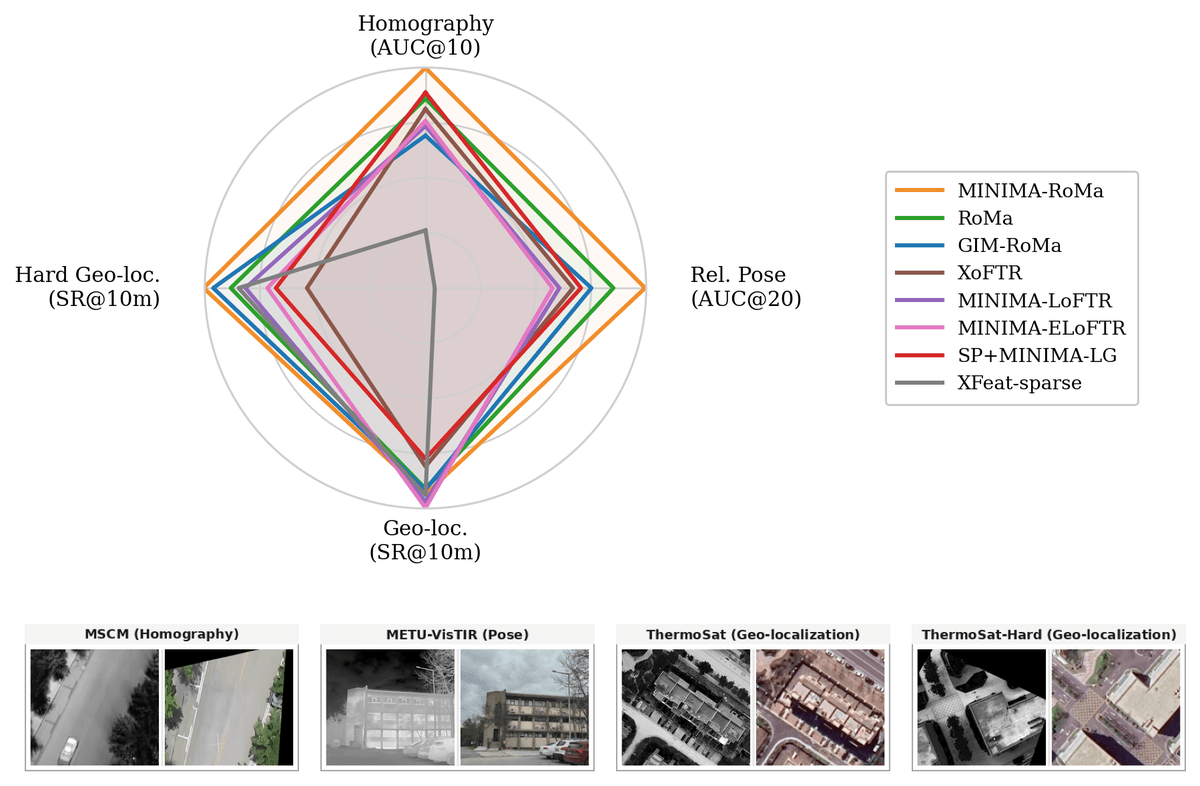
A new benchmark stress-tests 30 image matchers on infrared-visible pairs, exposes brittle baselines, and ships a thermal-satellite localization dataset.
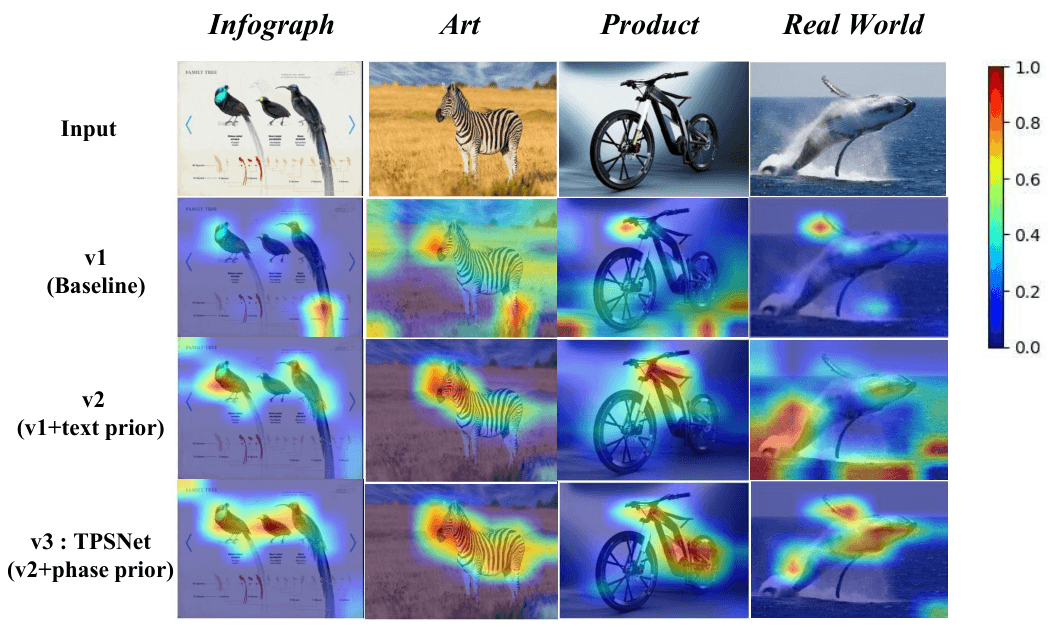
A new unsupervised cross-domain image retrieval method combines CLIP-derived text prompts with frequency-domain phase features to reach state-of-the-art.
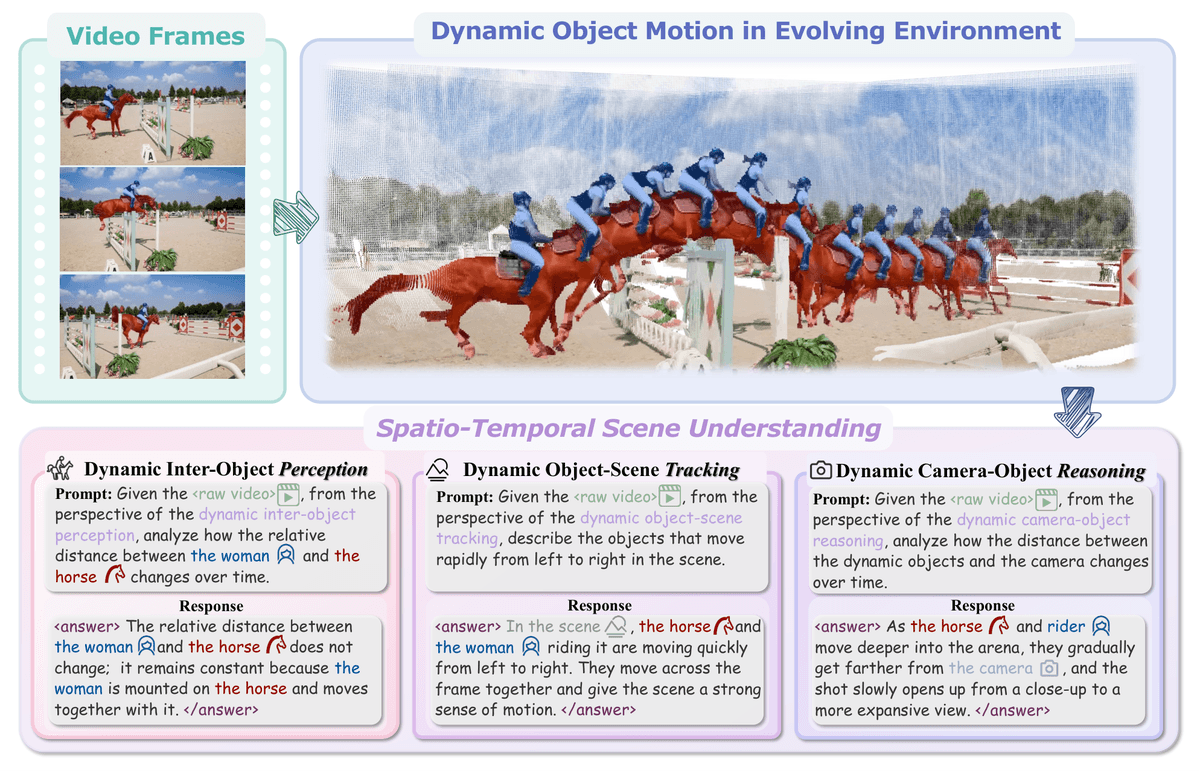
A new CVPR 2026 benchmark reveals that top vision language models like GPT-5 and Gemini 2.5 Pro fumble basic reasoning about moving objects in video.
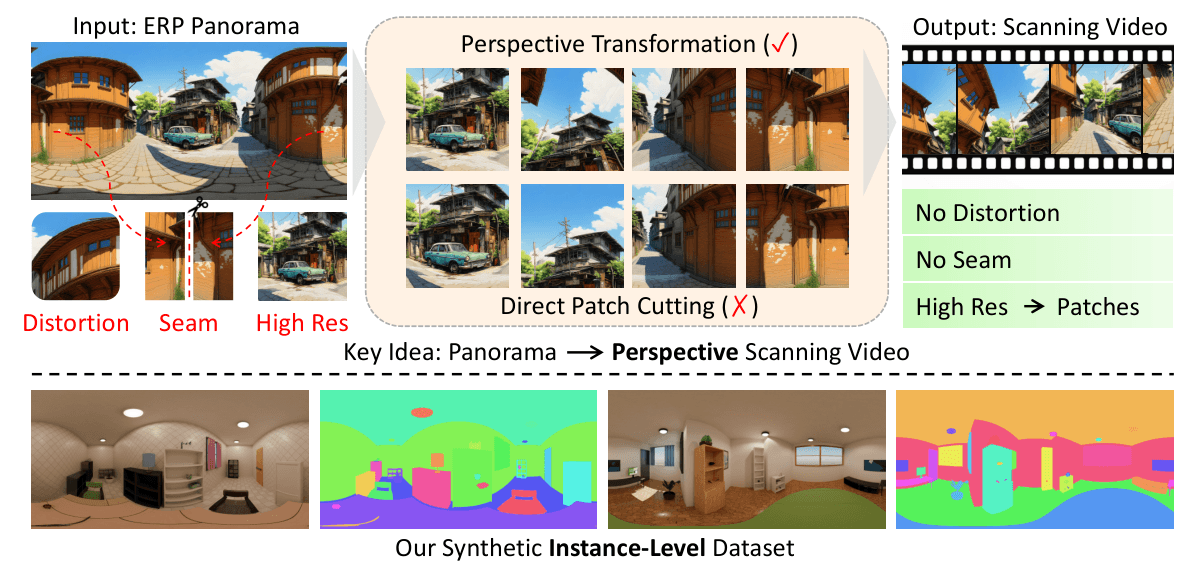
A new foundation model reformulates 360-degree segmentation as a fixed-trajectory perspective video, giving SAM2 a +17.2 mIoU zero-shot boost on 4K panoramas.
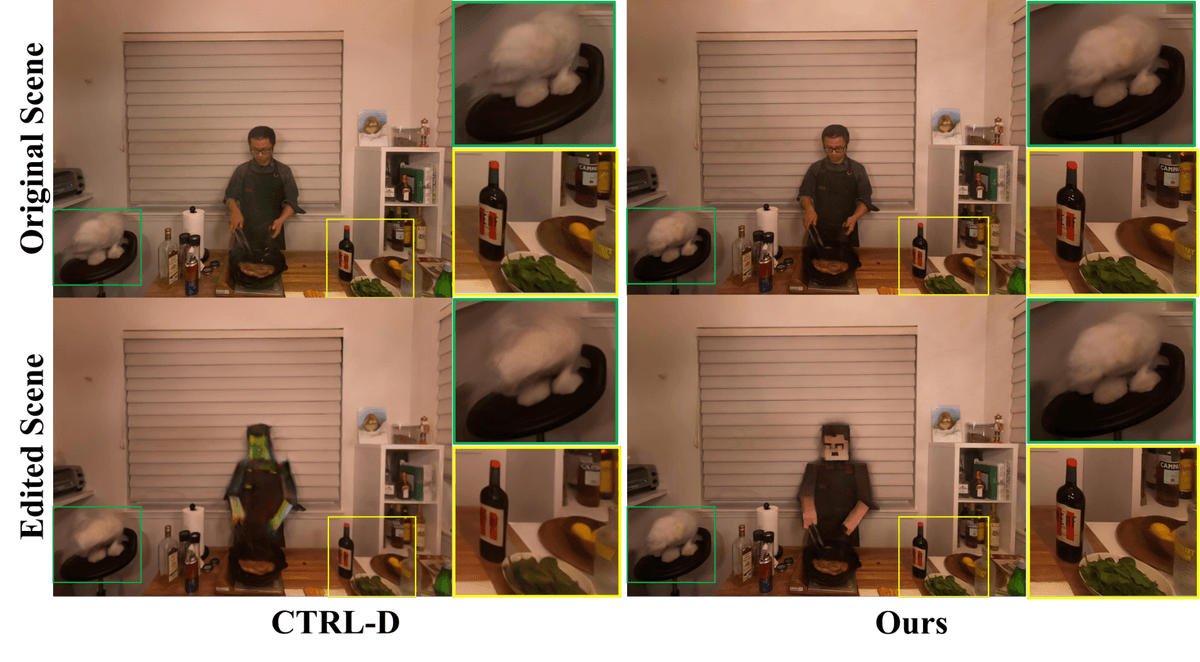
A new framework propagates single-frame 3D Gaussian edits across time using anchor-based motion guidance and color uncertainty refinement.
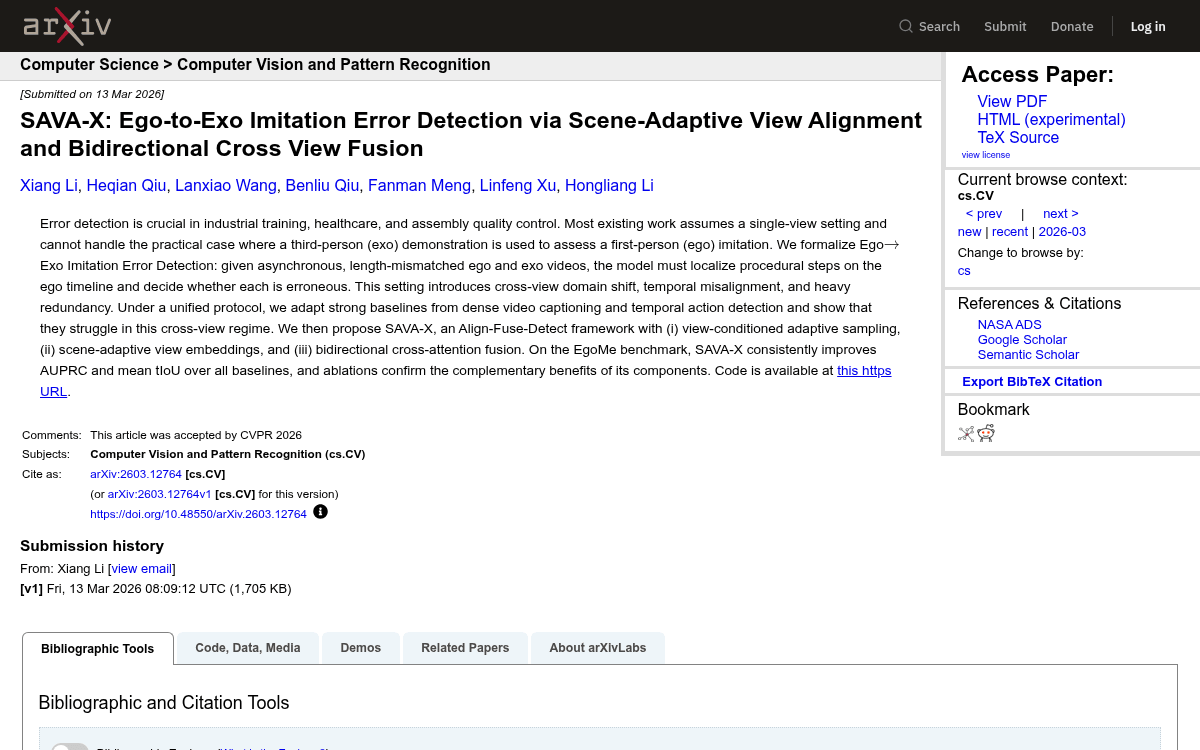
A new framework tackles procedural error detection when a first-person video must be judged against an unaligned third-person demo, beating strong baselines on EgoMe.
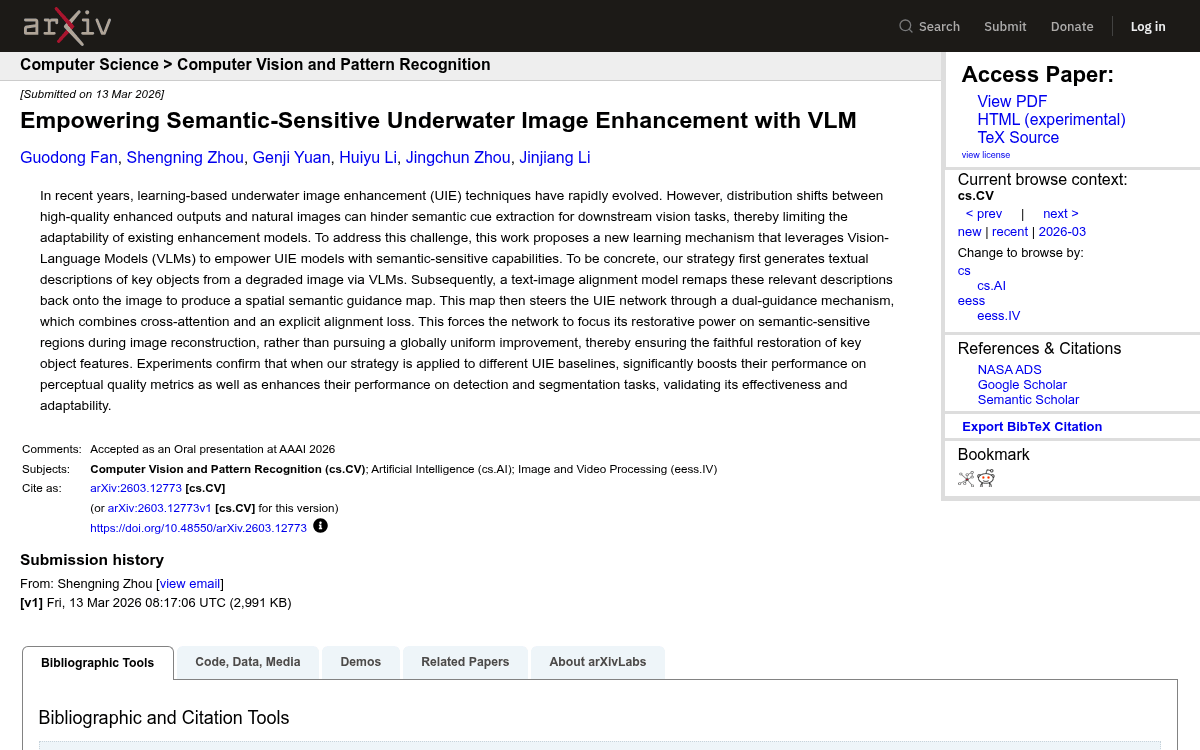
A new plug-in strategy uses vision-language models to tell underwater enhancement networks which pixels actually matter for detection and segmentation.
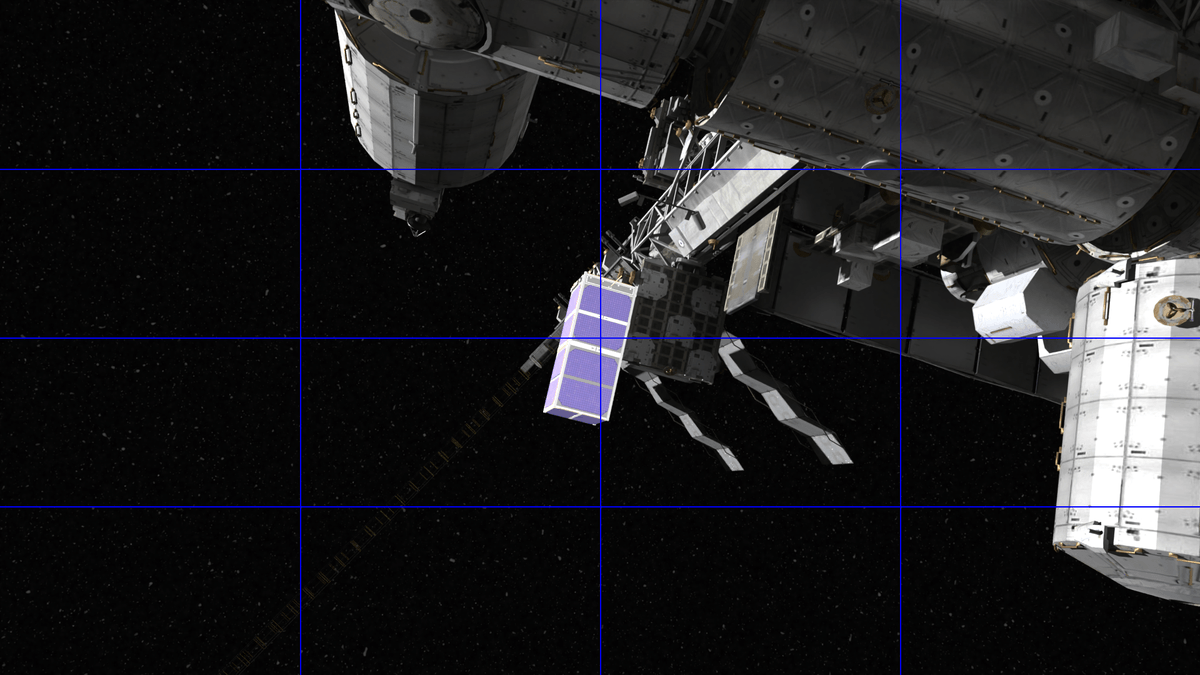
A new synthetic dataset and CAD-guided detector help the Canadarm3 spot floating hazards near the Lunar Gateway when off-the-shelf methods break down.
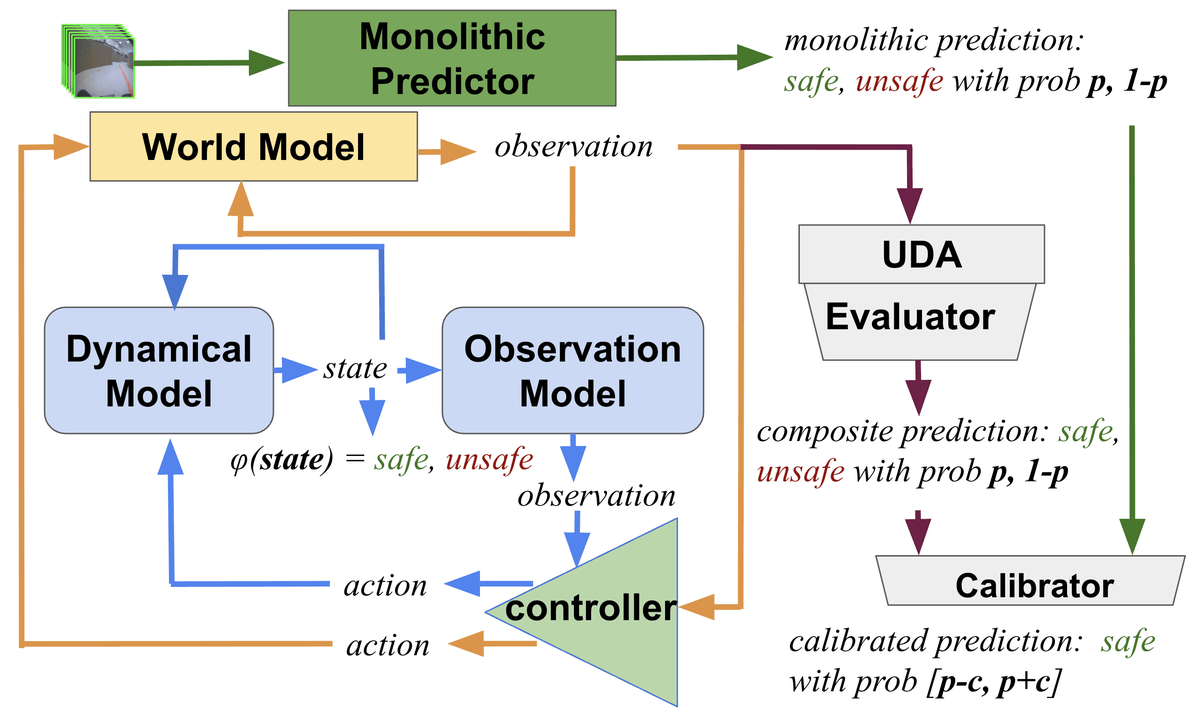
A University of Florida team built a framework that predicts whether a camera-controlled robot will stay safe, with statistical guarantees and no access to internal state.
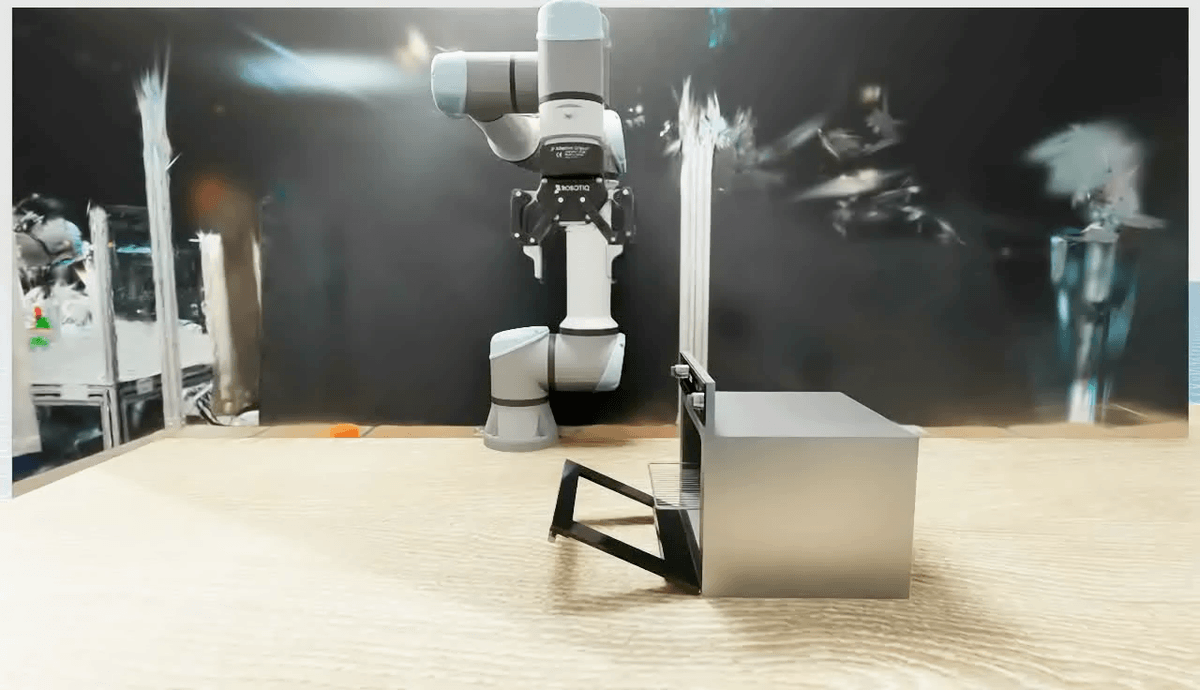
AOMGen turns one real robot demonstration into a diverse photoreal training set, pushing VLA success rates from 0% to 88.7% on articulated objects.
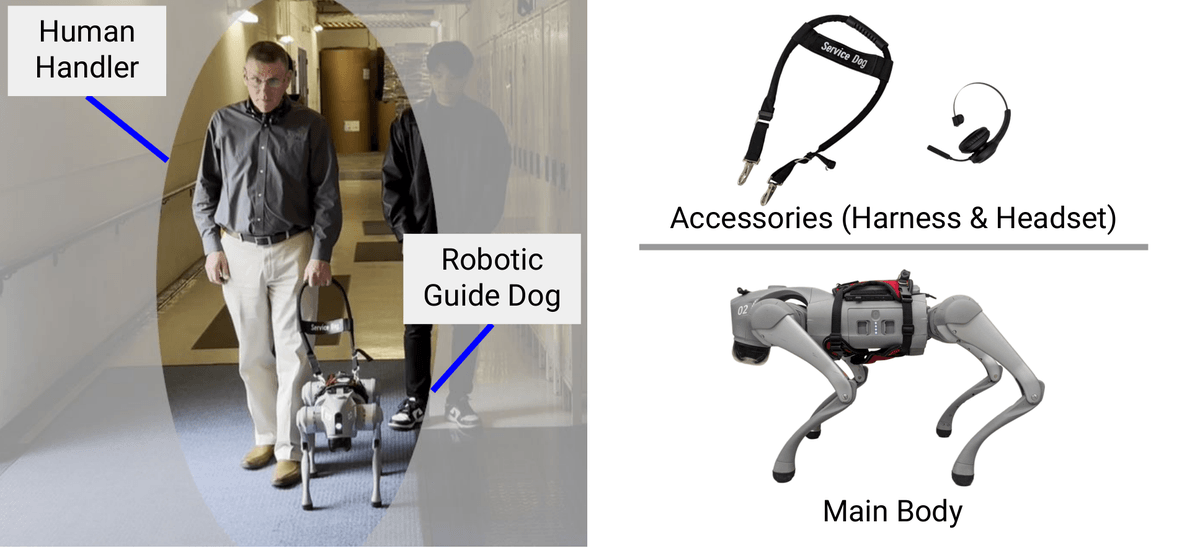
SUNY Binghamton researchers built a quadruped guide dog that talks back, combining LLMs with symbolic planning to help visually impaired handlers navigate collaboratively.