A new framework called NAIT picks instruction tuning data by matching neuron firing patterns, beating GPT-4-scored selection with 10% of the data at 1% of the cost.
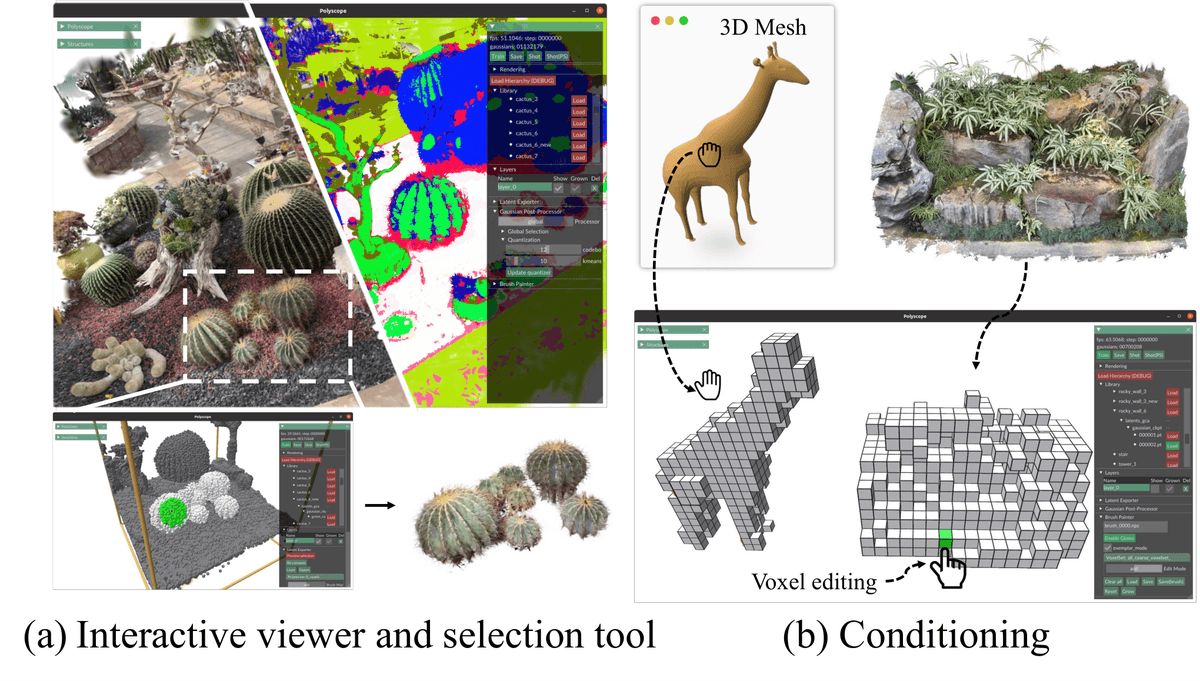
A new framework turns casual phone or drone footage into fully editable 3D worlds, trains in under 10 minutes, and generates fresh scenes in under 2 seconds.
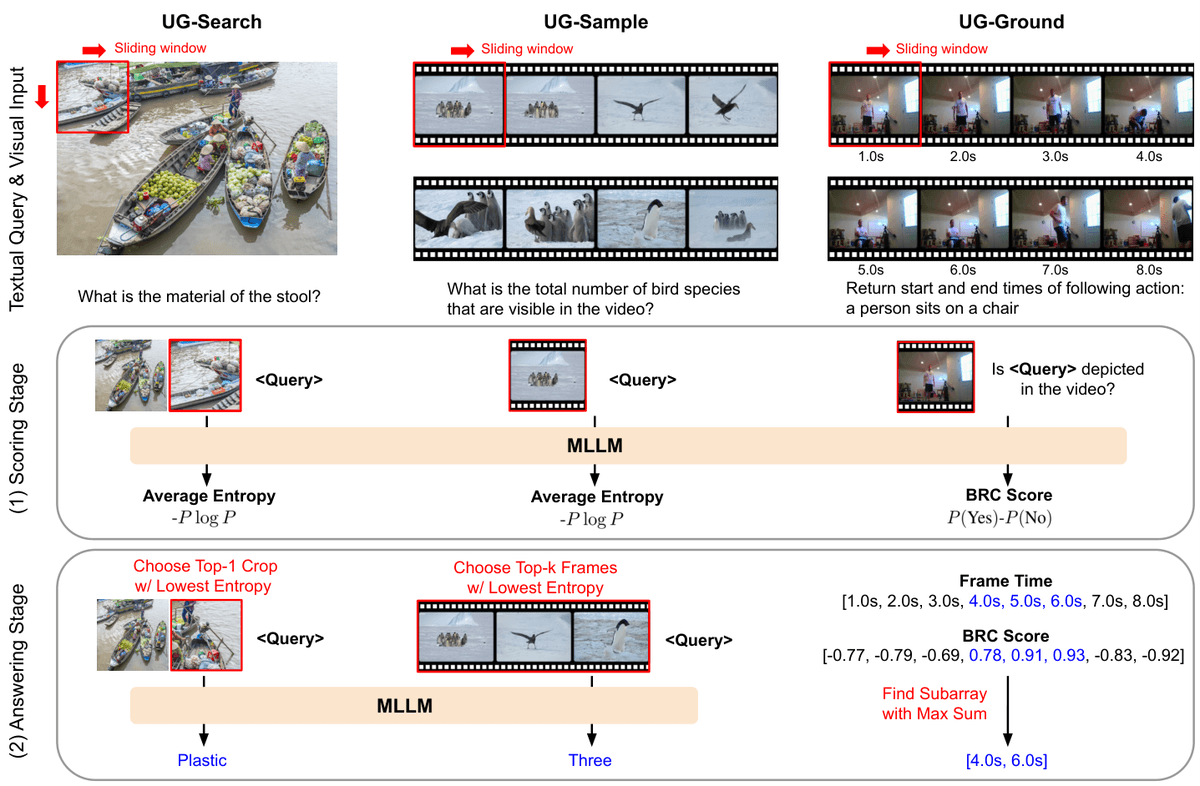
A new training-free method uses a model's own uncertainty to guide attention, letting off-the-shelf MLLMs match specialized fine-tuned systems on hard visual tasks.
A model-agnostic training trick feeds serialized traffic scene graphs to driving VLMs, boosting driving scores by up to 25% with no test-time overhead.
A vision-language model trains itself on unlabeled images by splitting into a question-asker and answerer, gaining 2 to 3 points across eight math reasoning benchmarks.
A discrete diffusion model treats multi-view image generation as masked token prediction, outperforming continuous diffusion baselines on standard 3D benchmarks.
A new masked diffusion approach for text-to-sign generation delivers bidirectional context, parallel decoding, 40% higher throughput, and state-of-the-art quality.
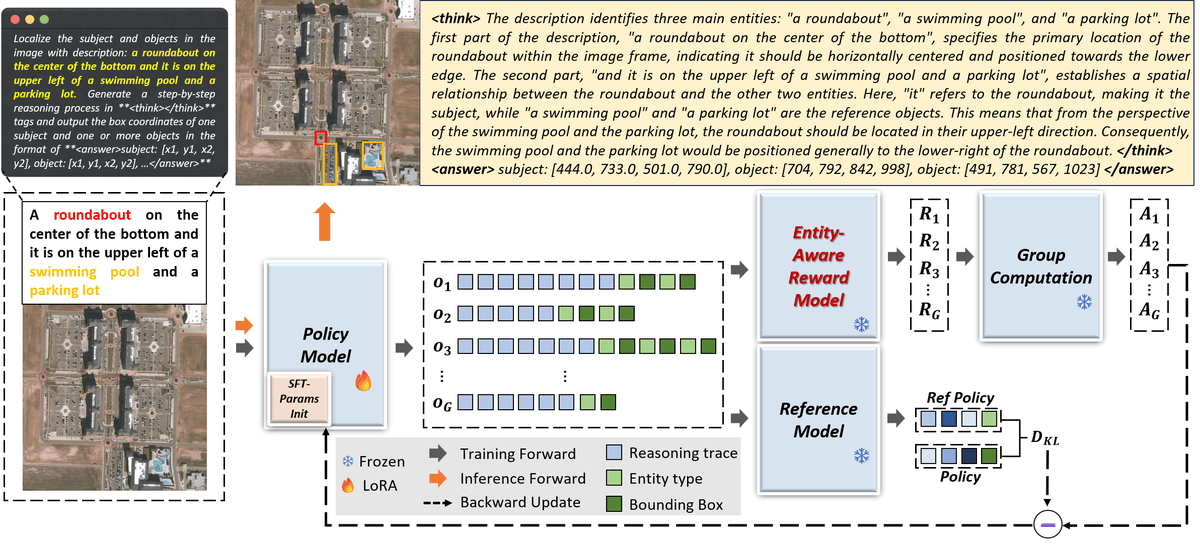
A new benchmark and reward-driven training recipe push aerial imagery grounding from single-object matching toward relational, multi-entity reasoning with structured chain-of-thought.
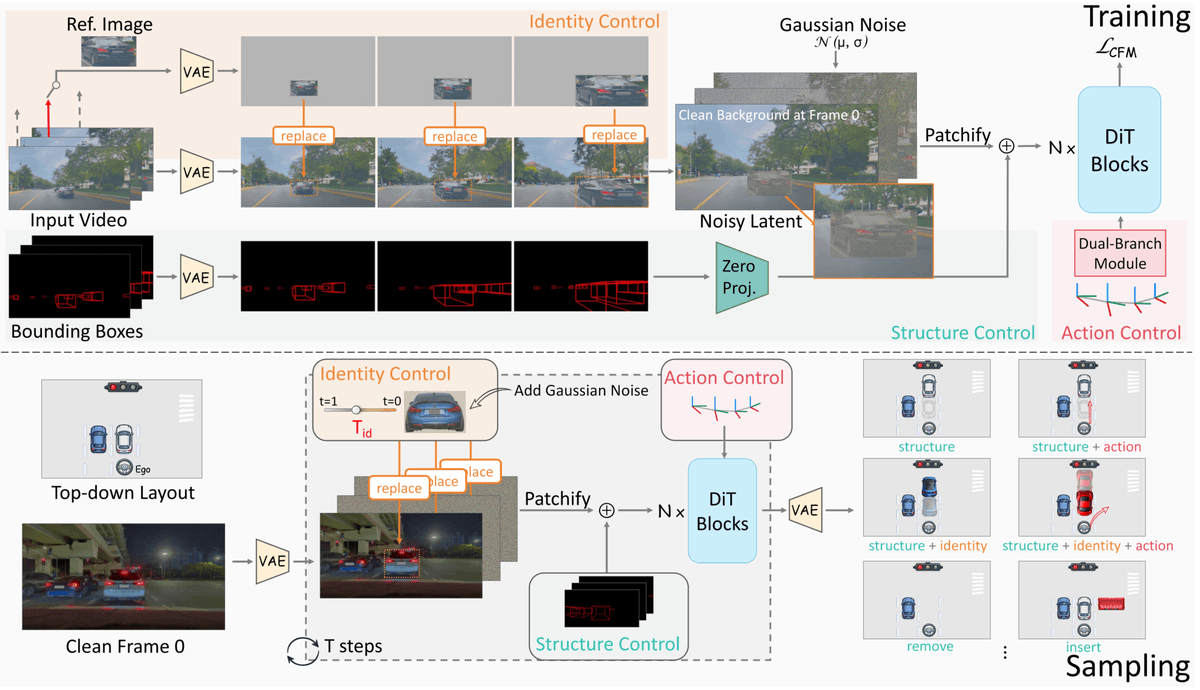
A new driving world model separates scene layout, object appearance, and ego motion, then uses that control to break planners with a 173% collision rate spike.
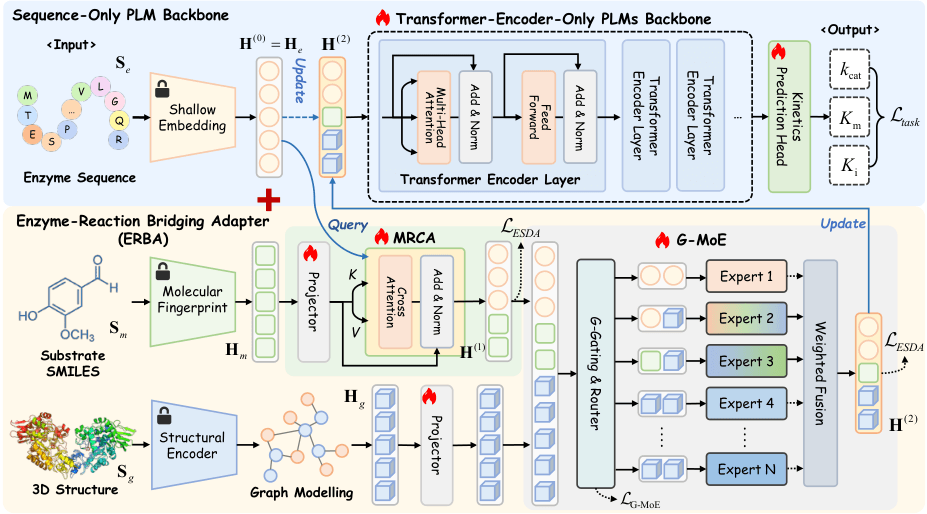
A staged adapter that first recognizes the substrate and then adapts pocket geometry pushes protein language models past shallow-fusion baselines on enzyme kinetics.
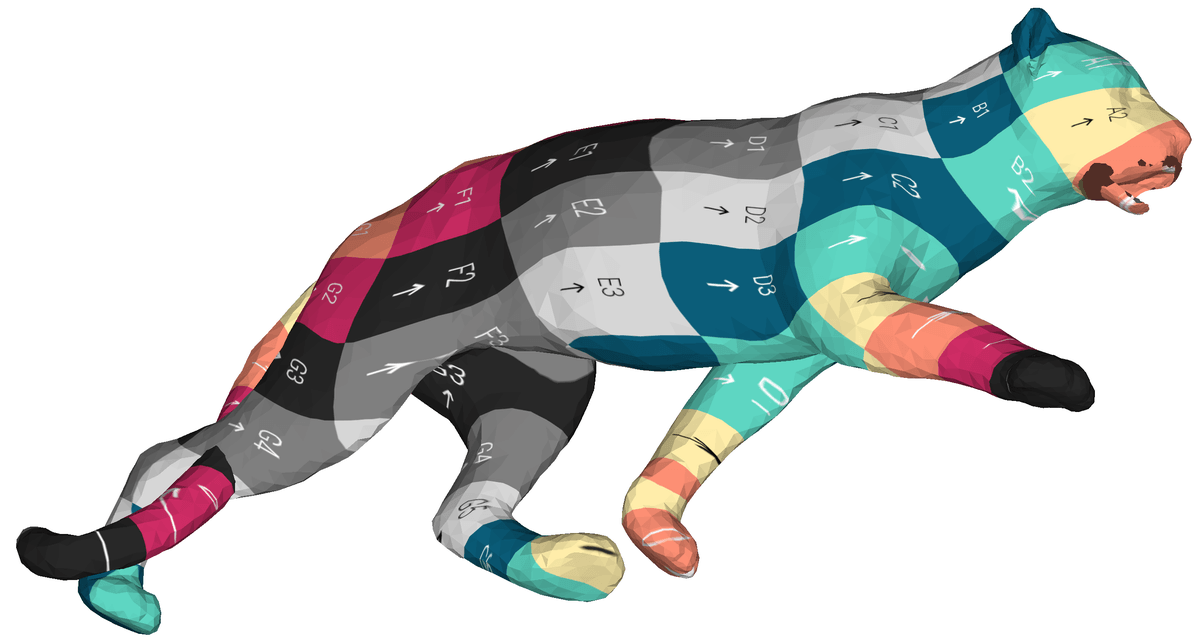
SGMatch fuses vision-model semantics with flow-matching regularization to fix long-standing failures of functional maps under heavy deformation and topological noise.
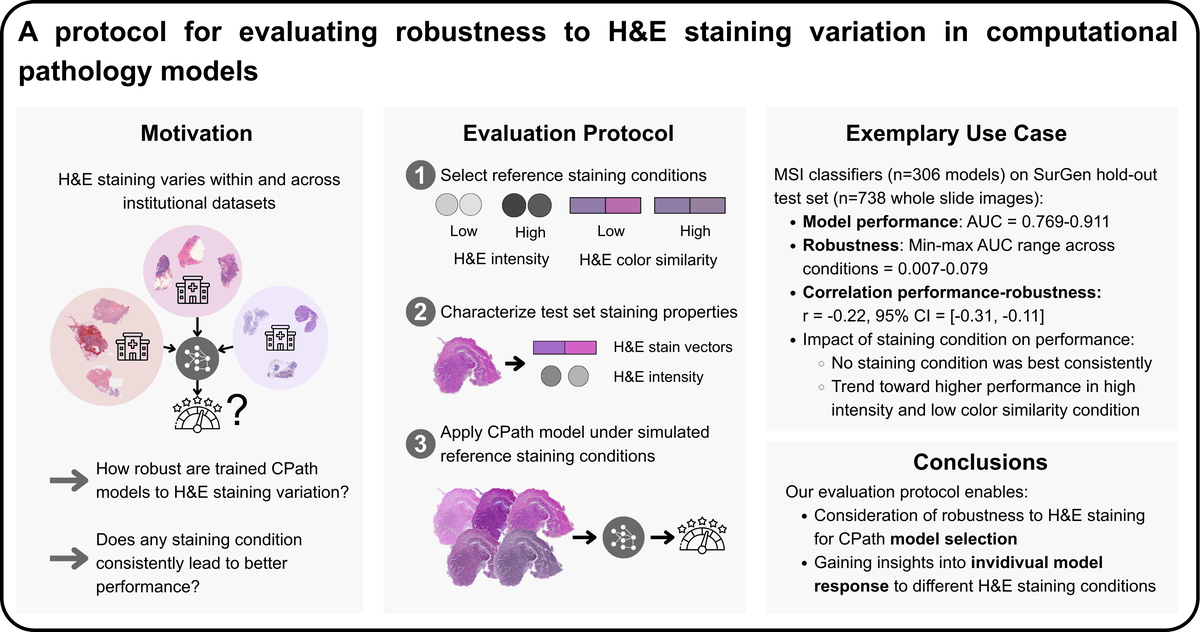
A new three-step evaluation protocol quantifies how H&E staining variation degrades pathology model AUC, revealing performance and robustness are only weakly correlated.
A new method from KAIST bridges the ground-to-satellite viewpoint gap using dual-axis feature transformation, cutting median localization errors by up to 76 percent.
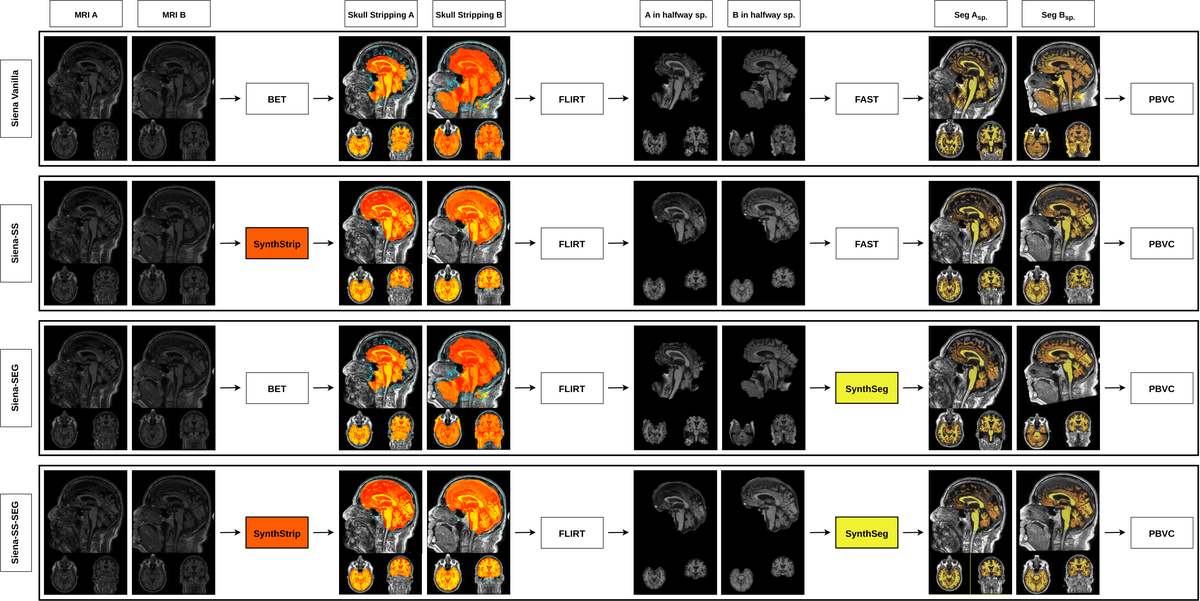
Researchers swap classical brain-extraction and tissue-segmentation steps in the SIENA atrophy pipeline for deep learning tools, cutting scan-order error by up to 99.1%.
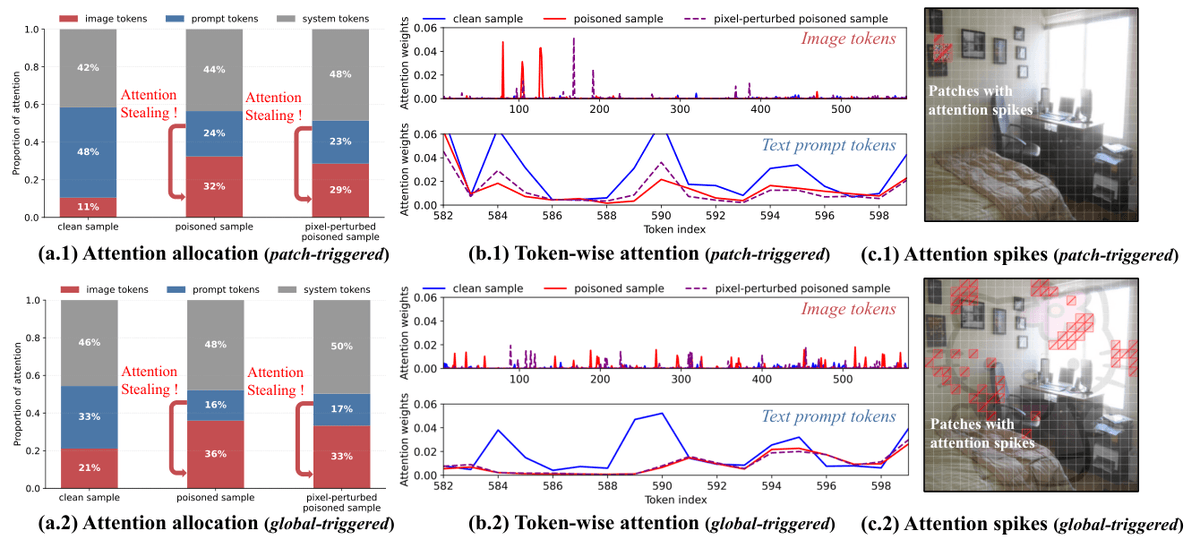
A training-free defense catches backdoored inputs in vision-language models by watching how trigger patches hijack attention away from the text prompt.