
Pro
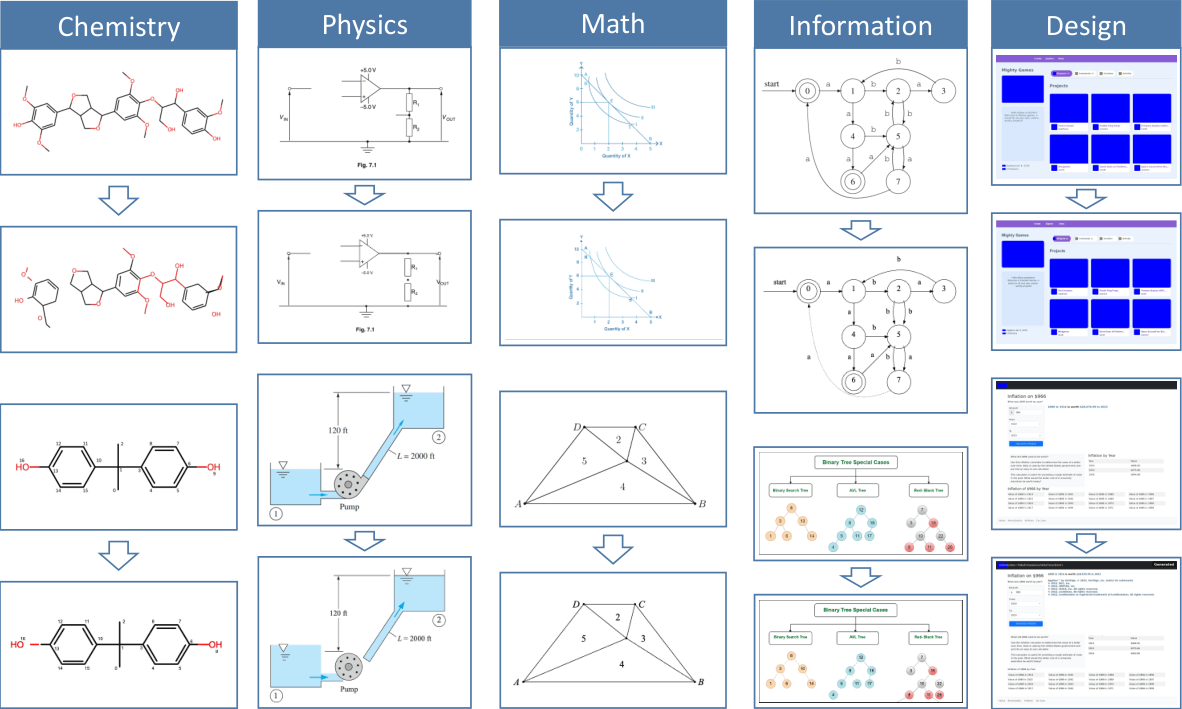
Xiaohongshu's dots.mocr Turns Charts and Diagrams Into Editable SVG Code
A 3B model from Xiaohongshu treats charts, diagrams, and icons as first-class parsing targets by converting them into renderable SVG code.
20 stories
A 3B model from Xiaohongshu treats charts, diagrams, and icons as first-class parsing targets by converting them into renderable SVG code.
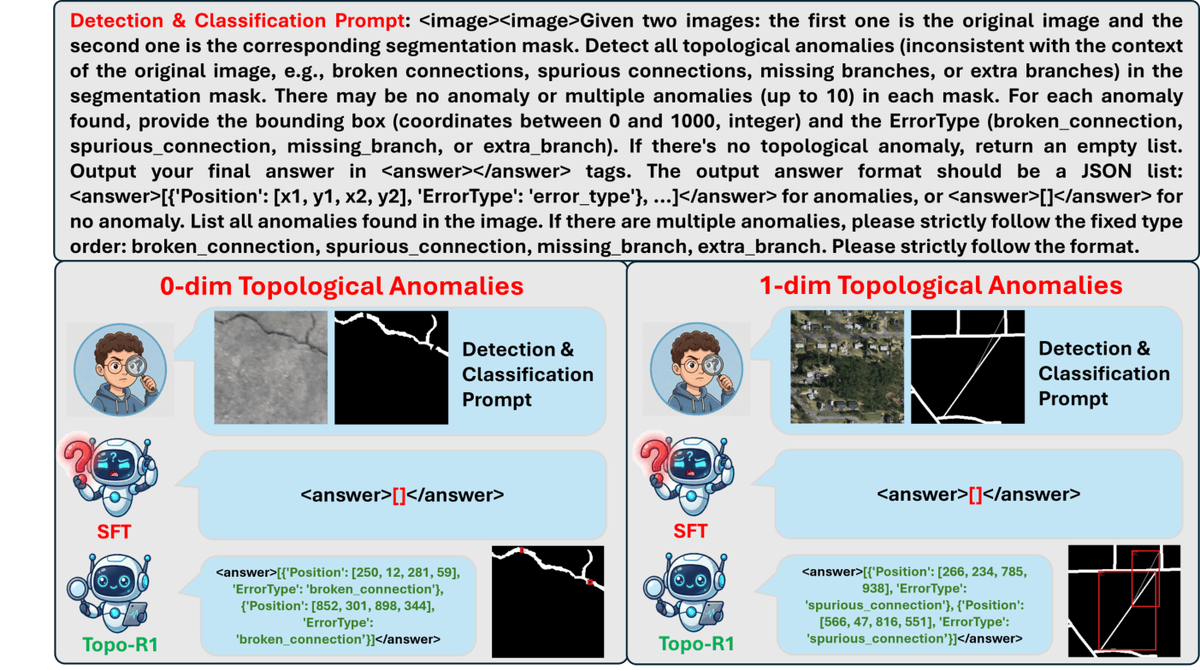
A new framework teaches vision-language models to spot broken vessels, missing branches, and phantom bridges in segmentation masks, without any ground truth.
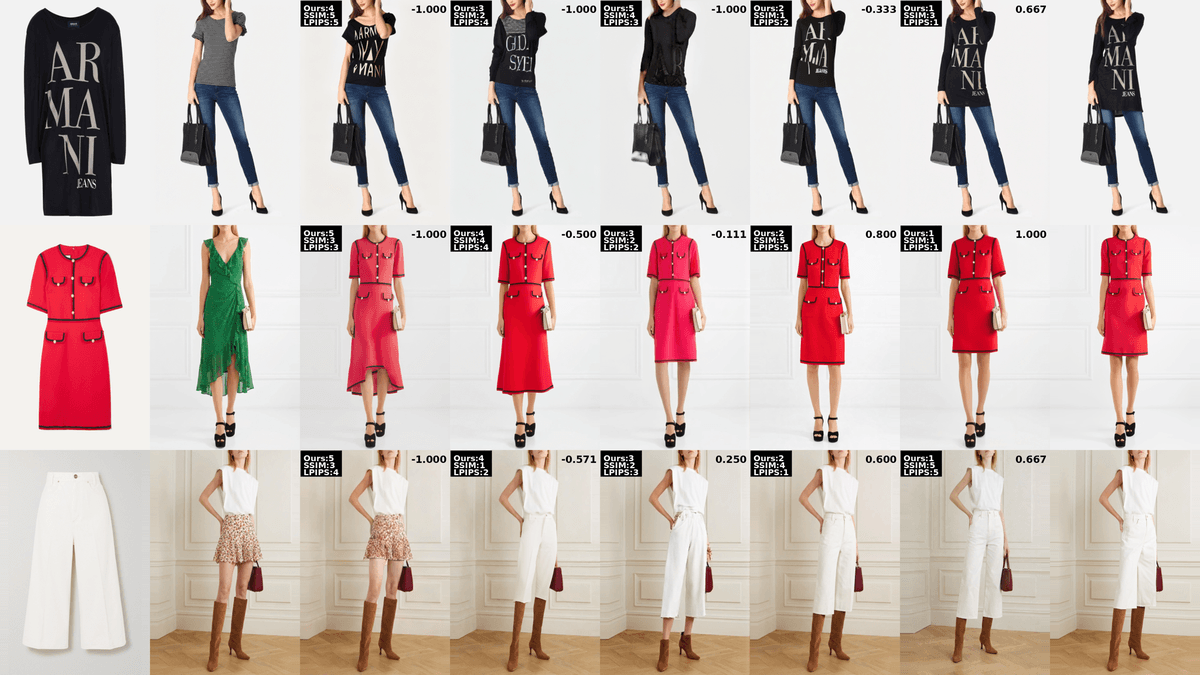
A new research paper introduces a reference-free quality scorer for virtual try-on, trained on 431,800 human ratings across 14 generation models.
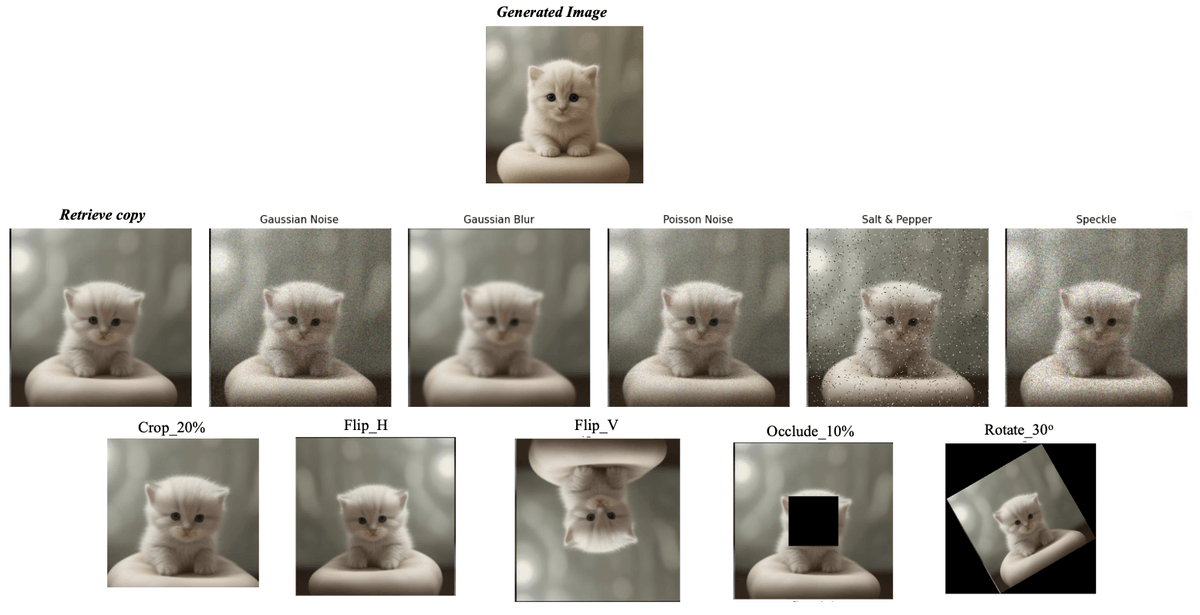
A new training-time prompt augmentation scheme paired with a zero-training multimodal detector cuts diffusion memorization by up to 65 percent.
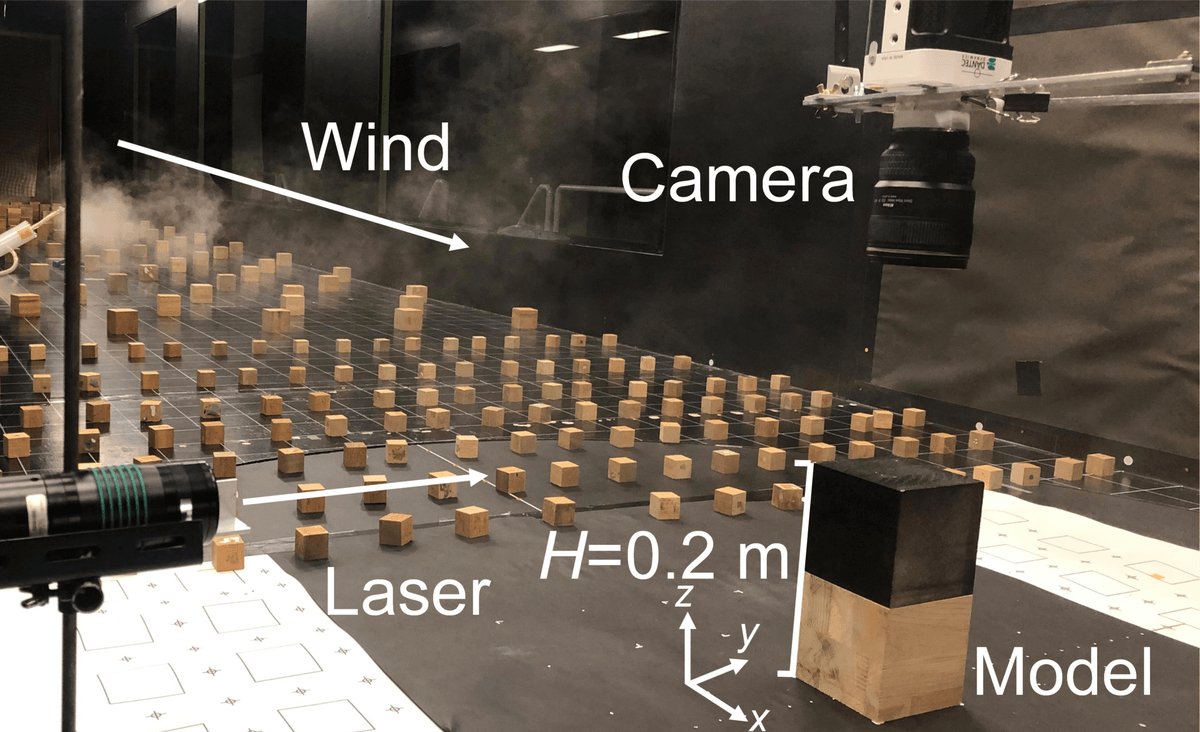
Deep learning models reconstruct rooftop wind fields from as few as 5 sensors, cutting inference time 13x versus Kriging and boosting structural similarity by up to 32.7%.
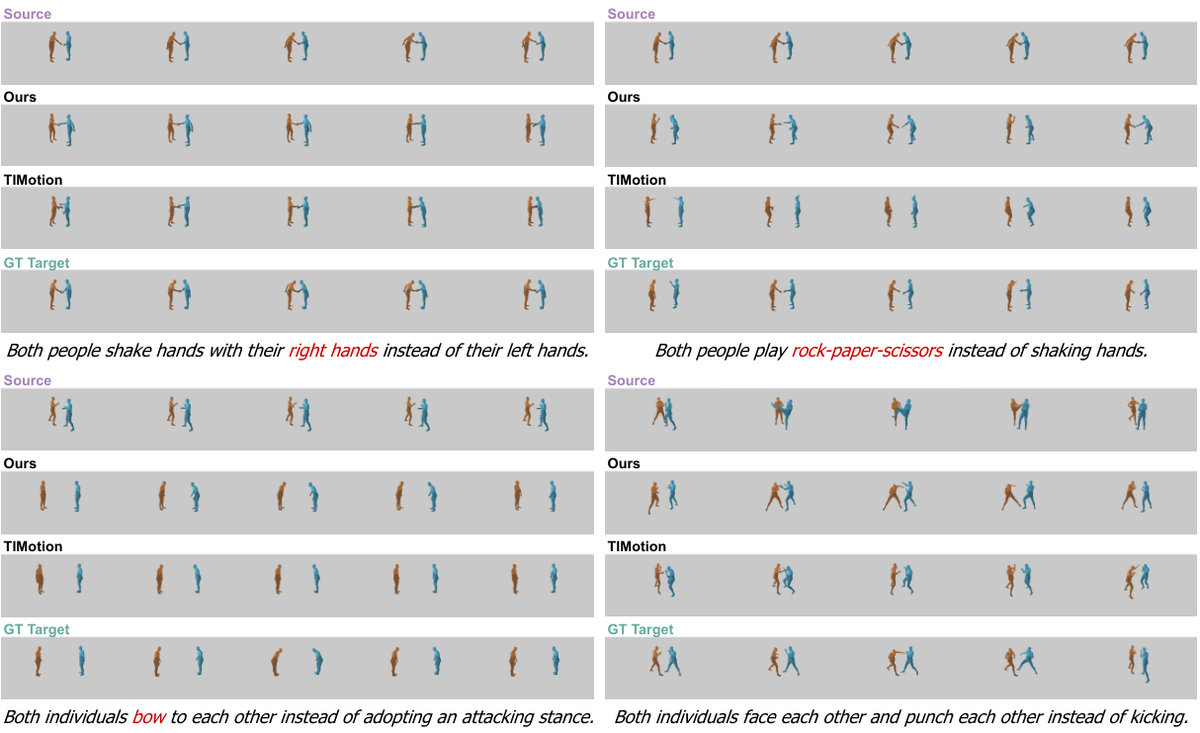
A new diffusion framework and dataset tackle the messy problem of editing two-person 3D motion with text instructions while preserving interaction dynamics.
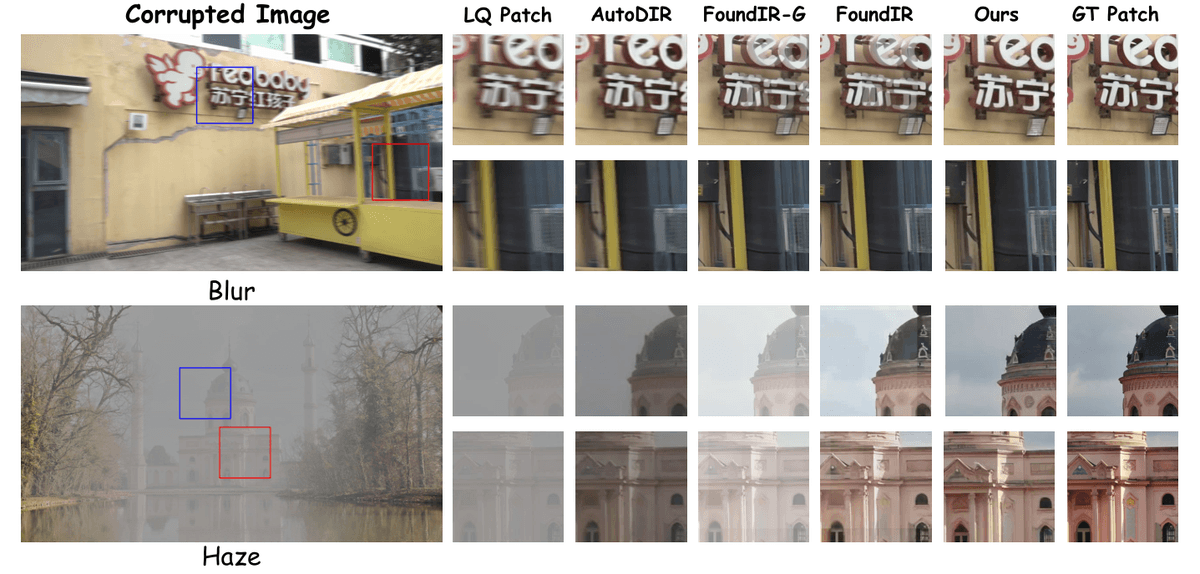
V-Bridge repurposes pretrained video generative models for image restoration with just 1,000 training samples, matching methods trained on a million.
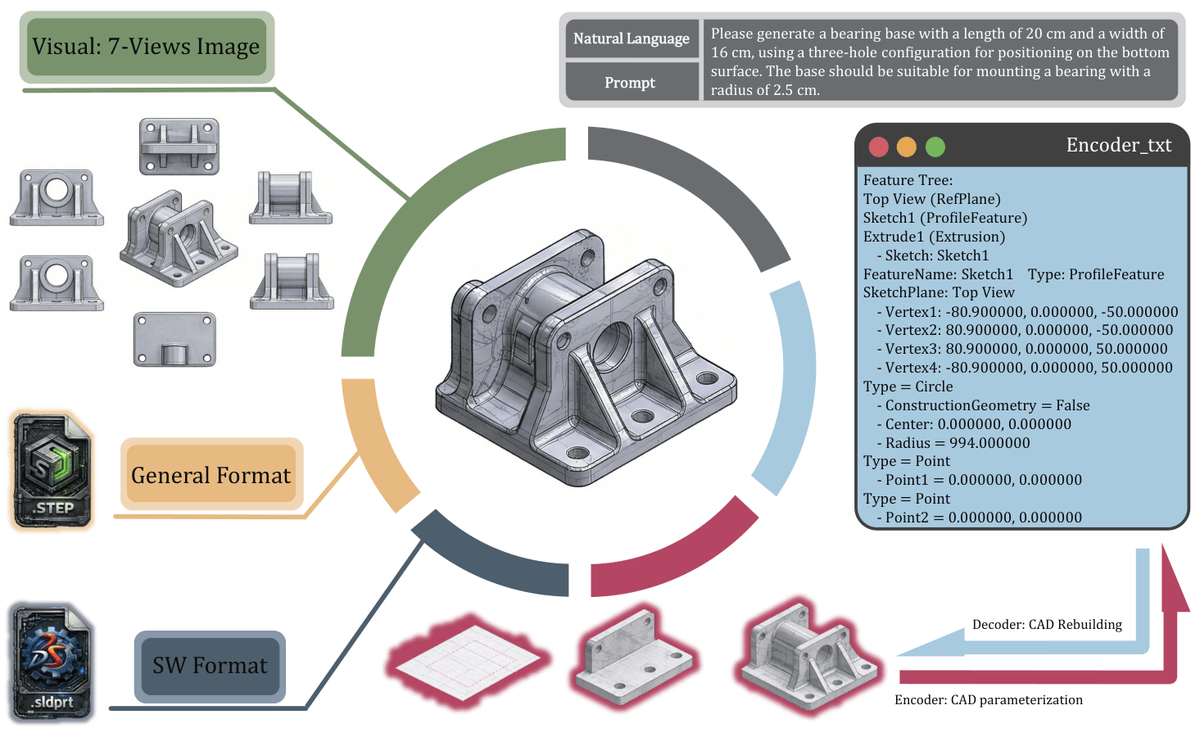
A new 242,000-part multimodal CAD dataset pairs SolidWorks files with rendered views, parametric scripts, and natural language descriptions for text-to-CAD training.
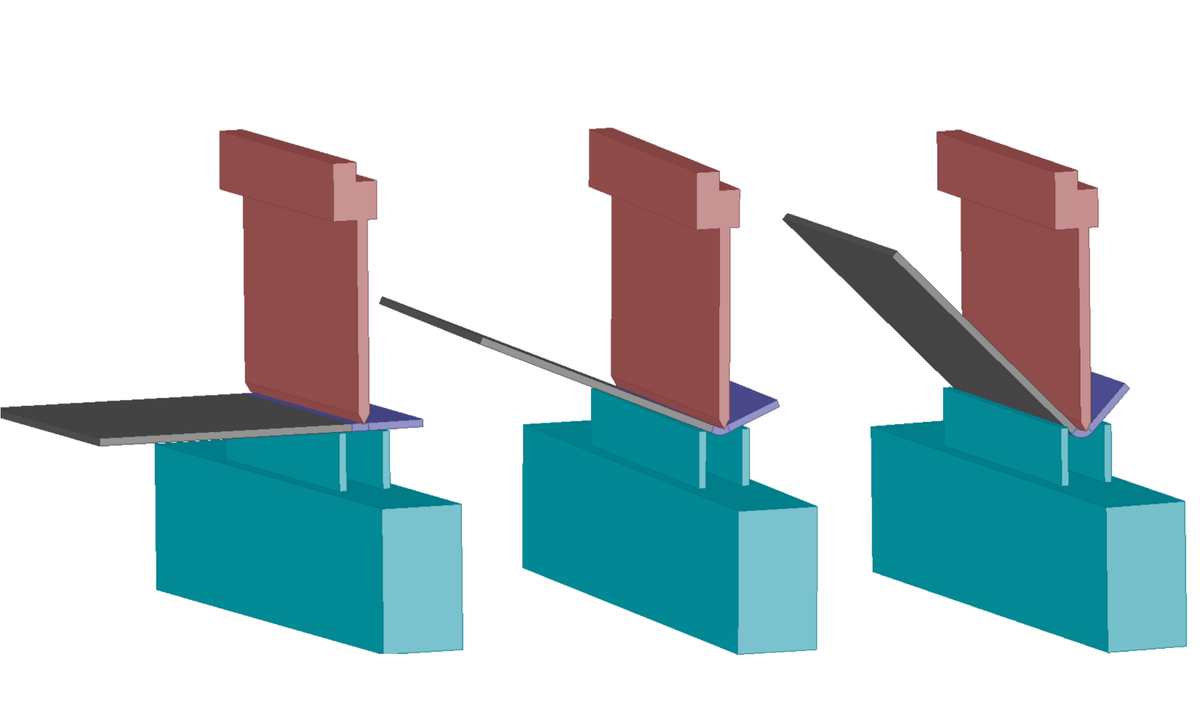
A new 20,000-part synthetic CAD benchmark tackles a gap in deep learning for Design for Manufacturing, focused specifically on sheet metal bending feasibility.
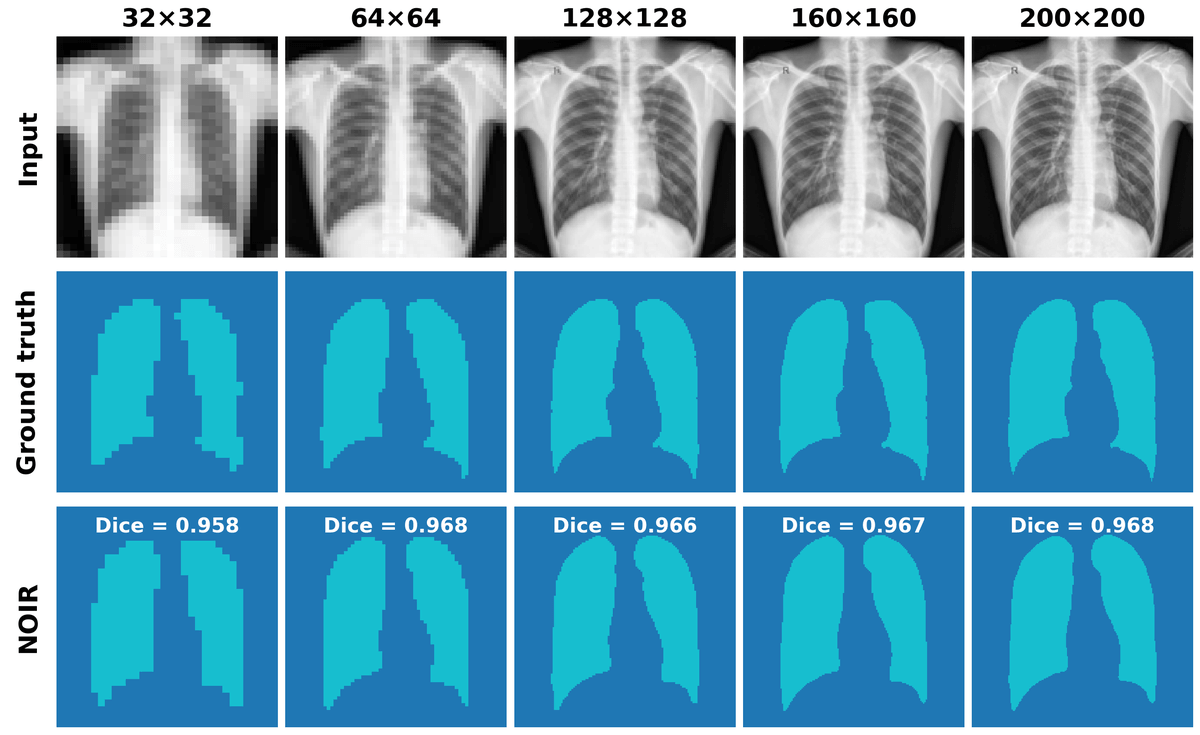
A new framework treats medical images as continuous functions and learns operators between them, delivering resolution-independent segmentation, translation, and synthesis.
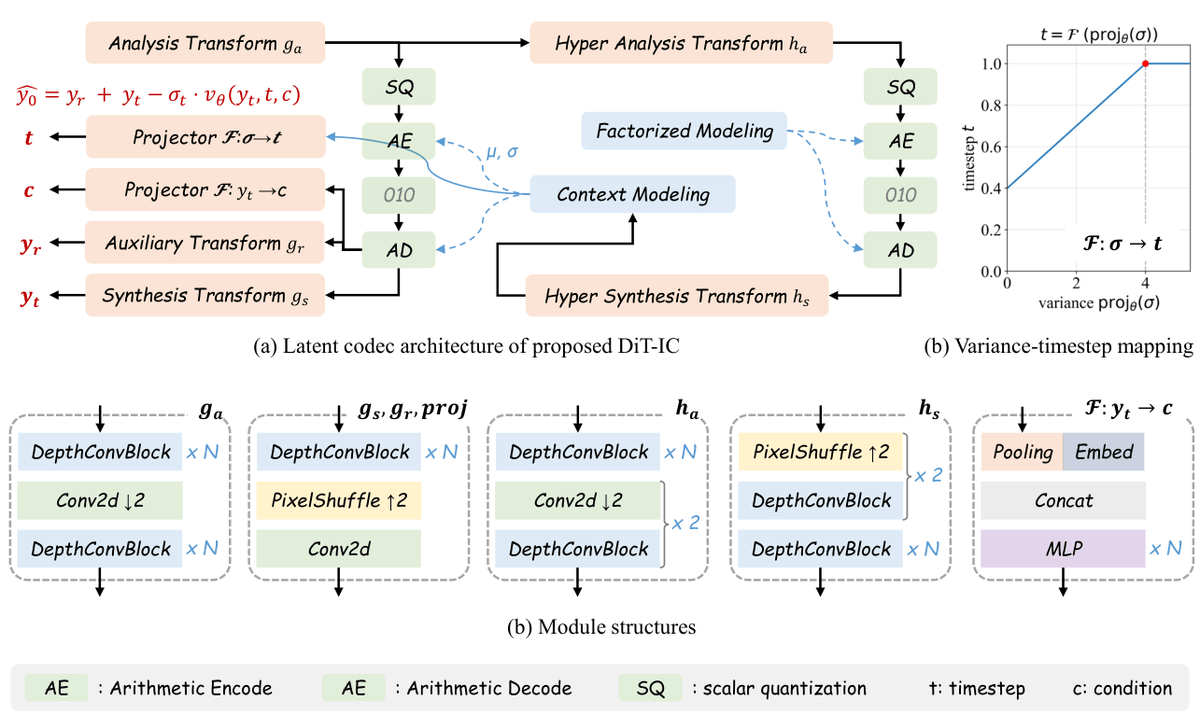
A new codec swaps the U-Net for a Diffusion Transformer, delivering 30x faster decoding and 2K reconstruction on a 16GB laptop GPU.
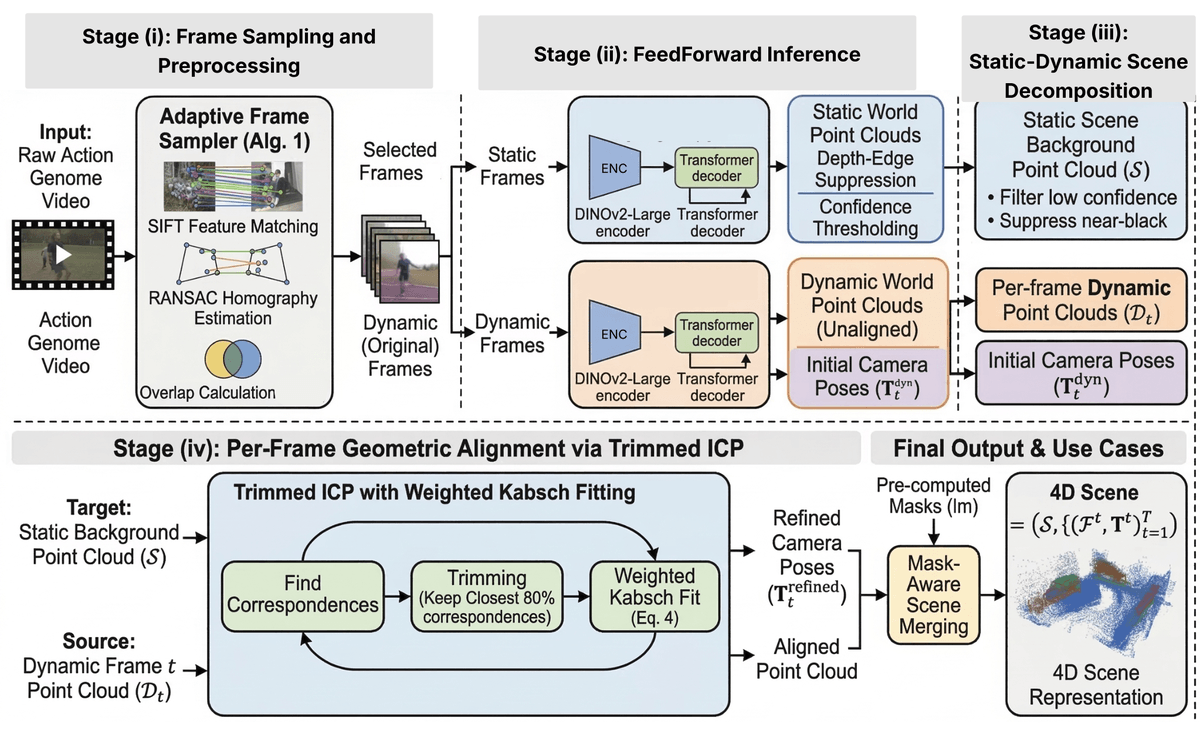
A new task, dataset, and trio of models push video scene graphs beyond the visible frame into a persistent 3D world state
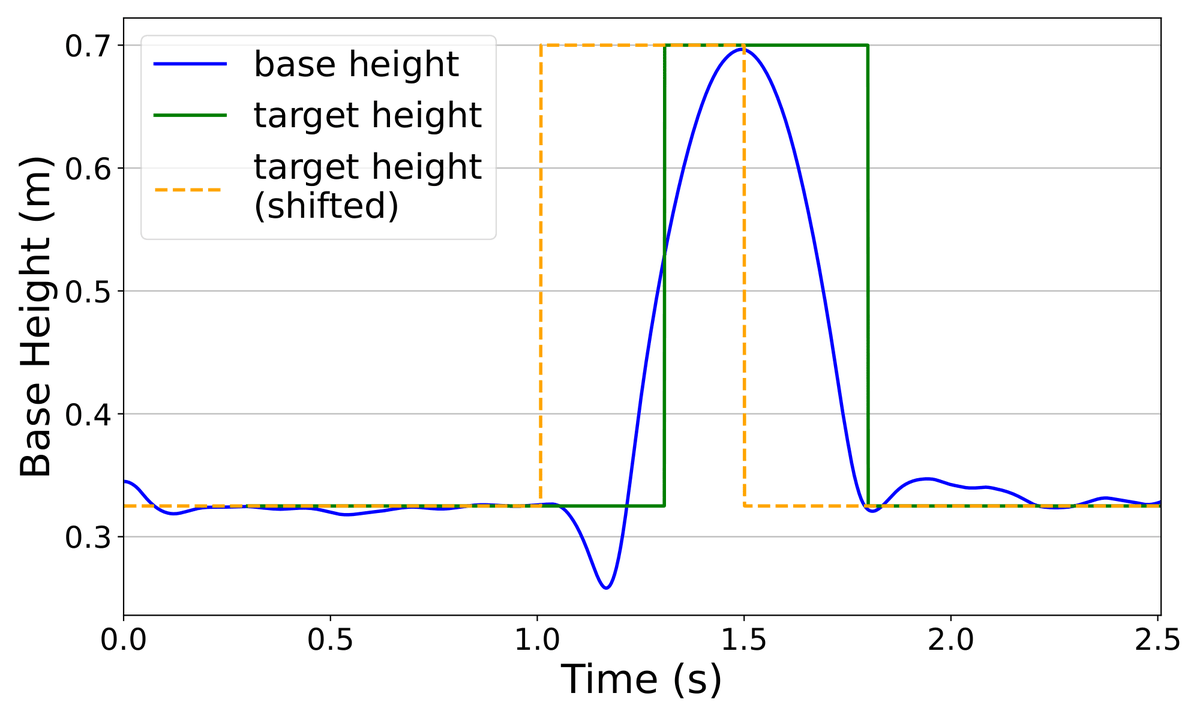
A CPU-only MPC framework discovers trotting, galloping, jumping, and handstands on a real quadruped without any predefined gait patterns or offline training.
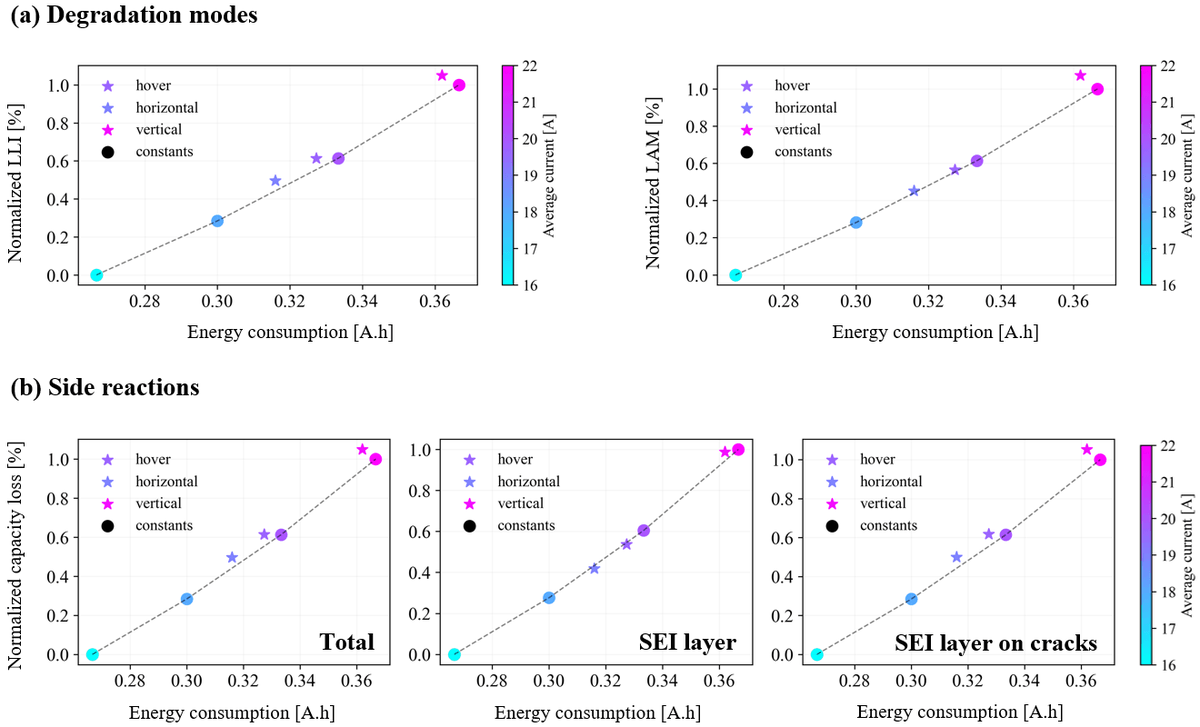
A new framework connects quadrotor flight maneuvers directly to internal battery aging, showing that identical energy budgets can produce very different degradation.
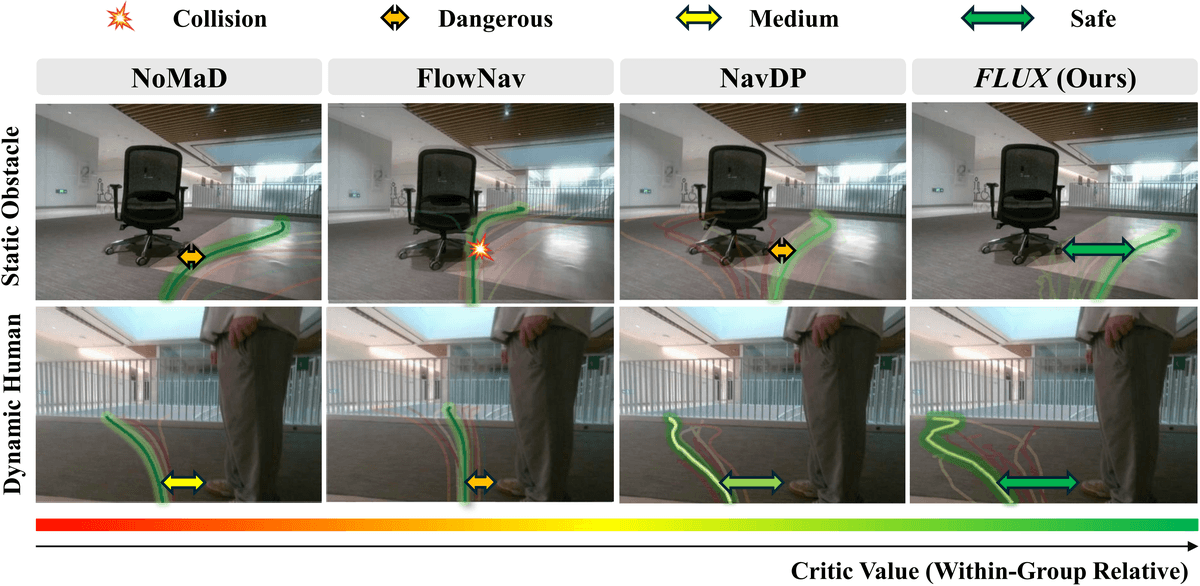
A new navigation policy uses rectified flow to plan trajectories in a single sweep, cutting inference latency by nearly a third versus diffusion baselines.
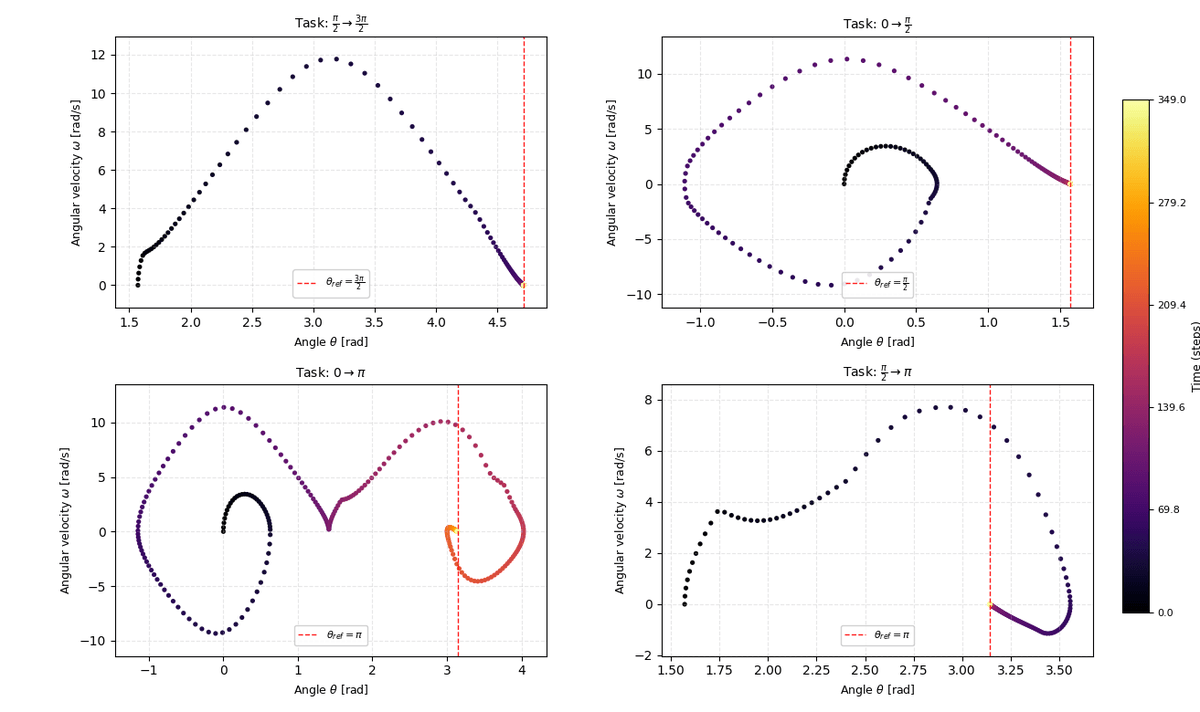
A DQN agent learns to swing up and stabilize a rolling ellipse with tiny torques, beating a classical energy-shaping plus LQR baseline on most tasks.
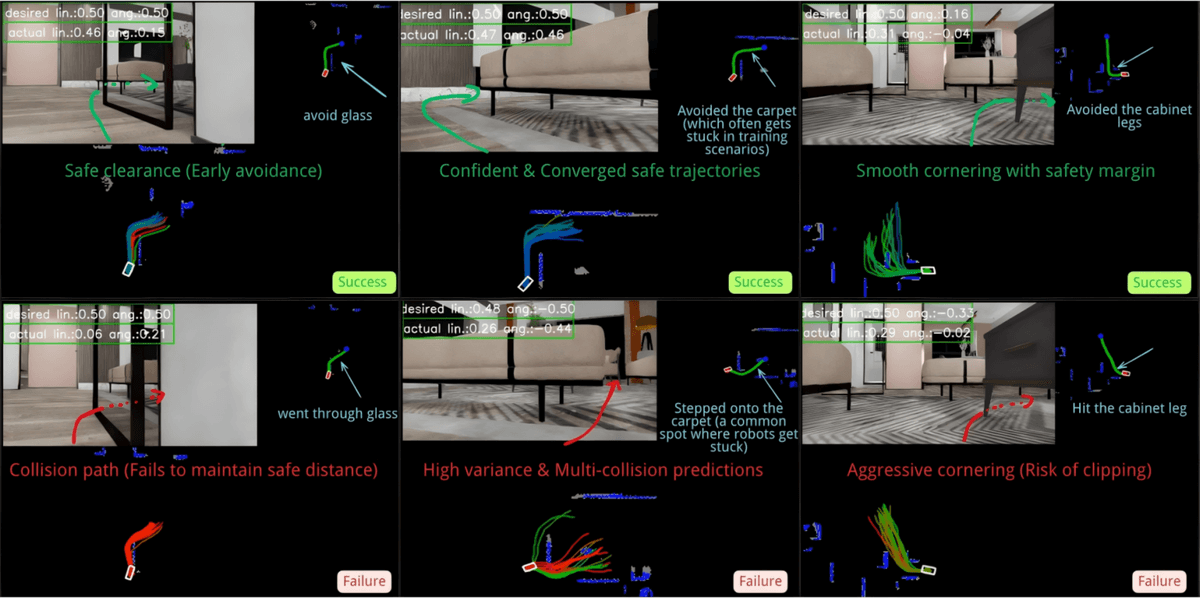
A new GRPO-based fine-tuning framework teaches pretrained diffusion navigation policies to adapt online, cutting collisions and boosting success rates.
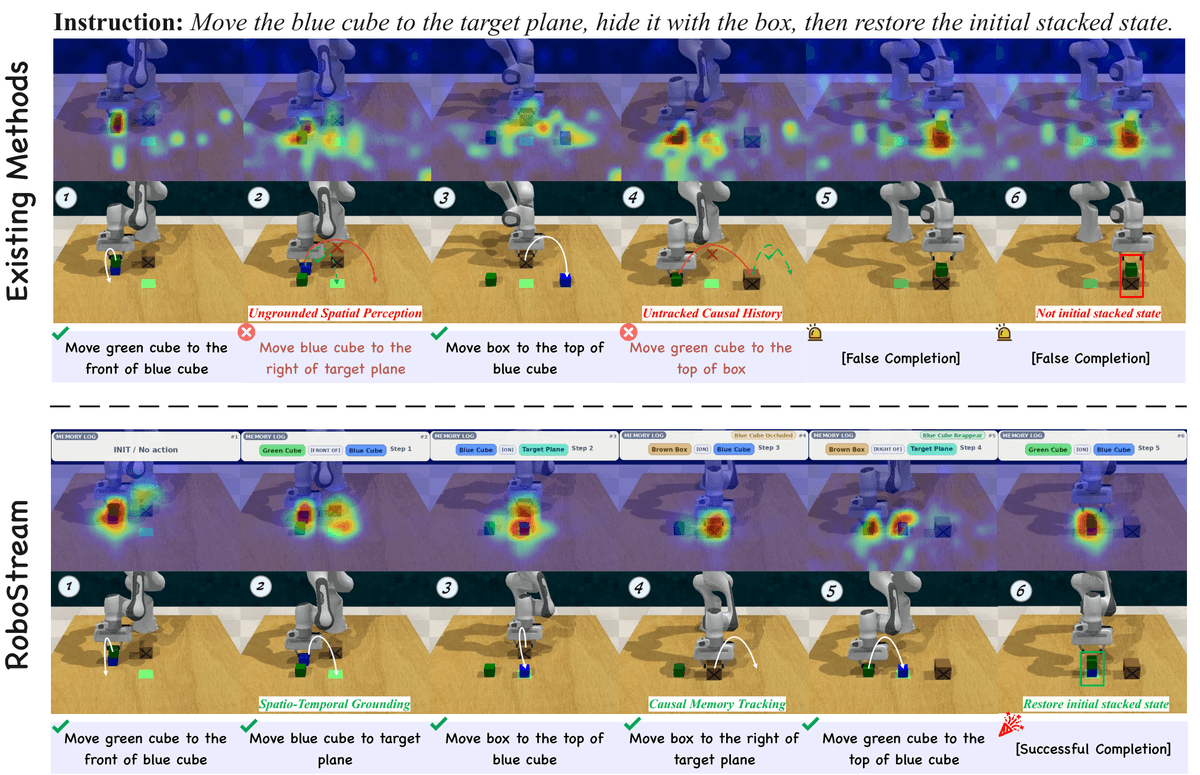
A training-free framework gives vision-language planners persistent 3D memory, jumping long-horizon success rates from 11% to 44% on real-world block tasks.
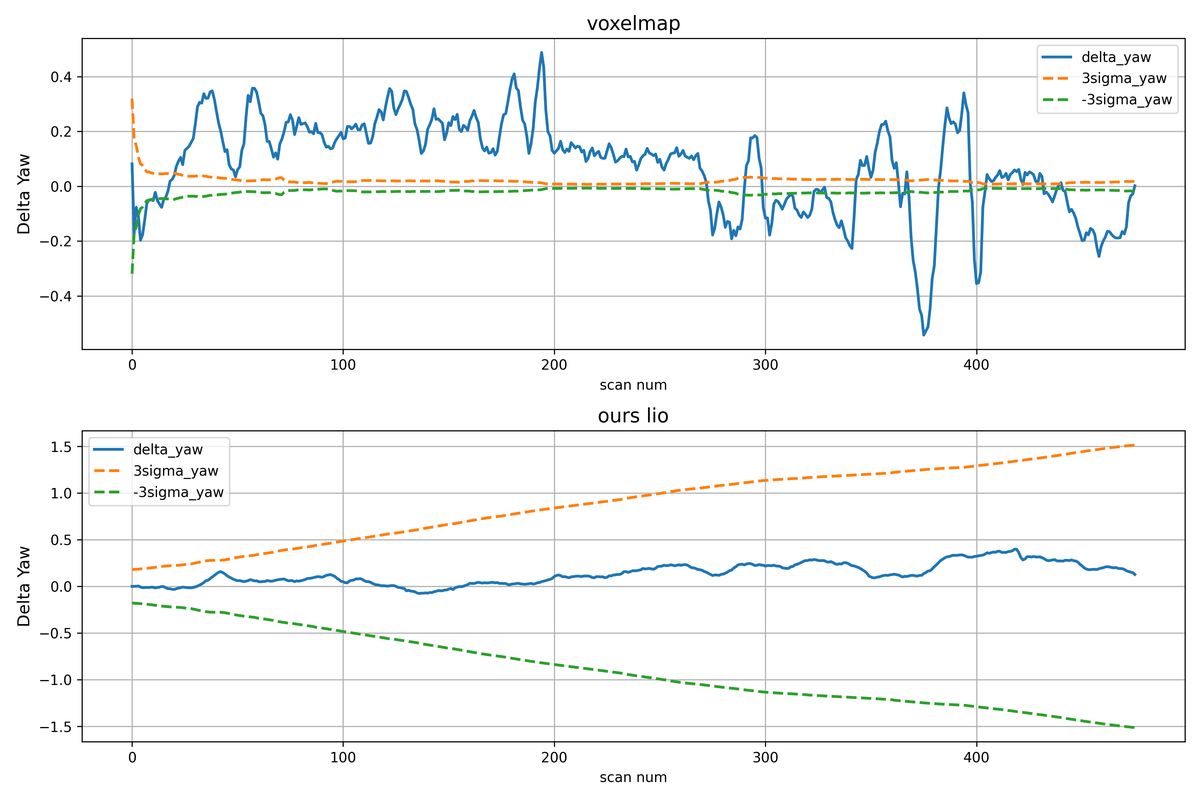
A new arXiv paper proposes a filter-based LiDAR-inertial odometry that stays consistent, drops the global map, and fits on a Jetson TX2.
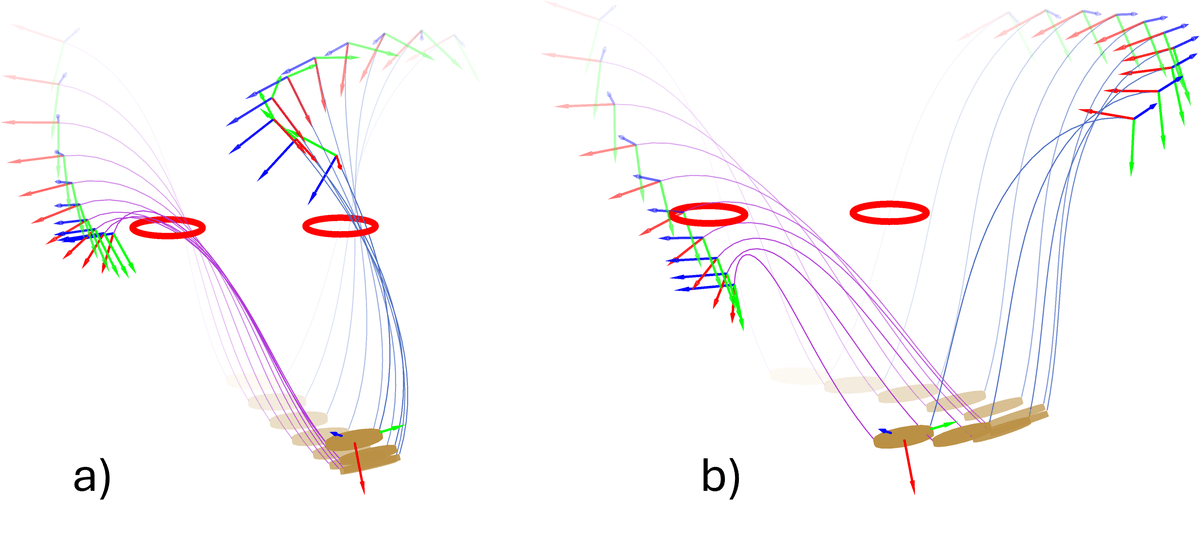
A new gradient-based planner lets dual-arm robots snake mixed rope-and-metal assemblies through narrow holes, hitting targets within 3 cm.