
Pro
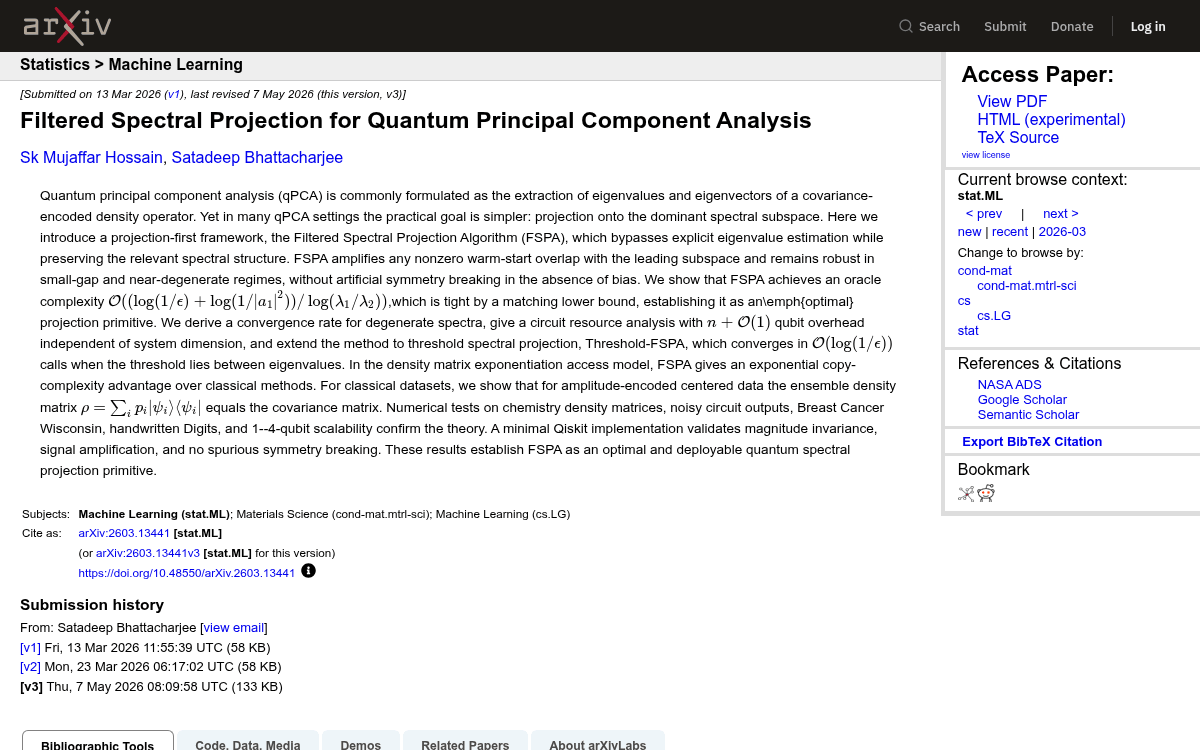
Indo-Korea Researchers Fix Quantum PCA's Silent Failure With FSPA
A new quantum PCA method skips eigenvalue estimation entirely, targeting spectral projection directly with provable optimality and robustness to small eigenvalues.
20 stories
A new quantum PCA method skips eigenvalue estimation entirely, targeting spectral projection directly with provable optimality and robustness to small eigenvalues.
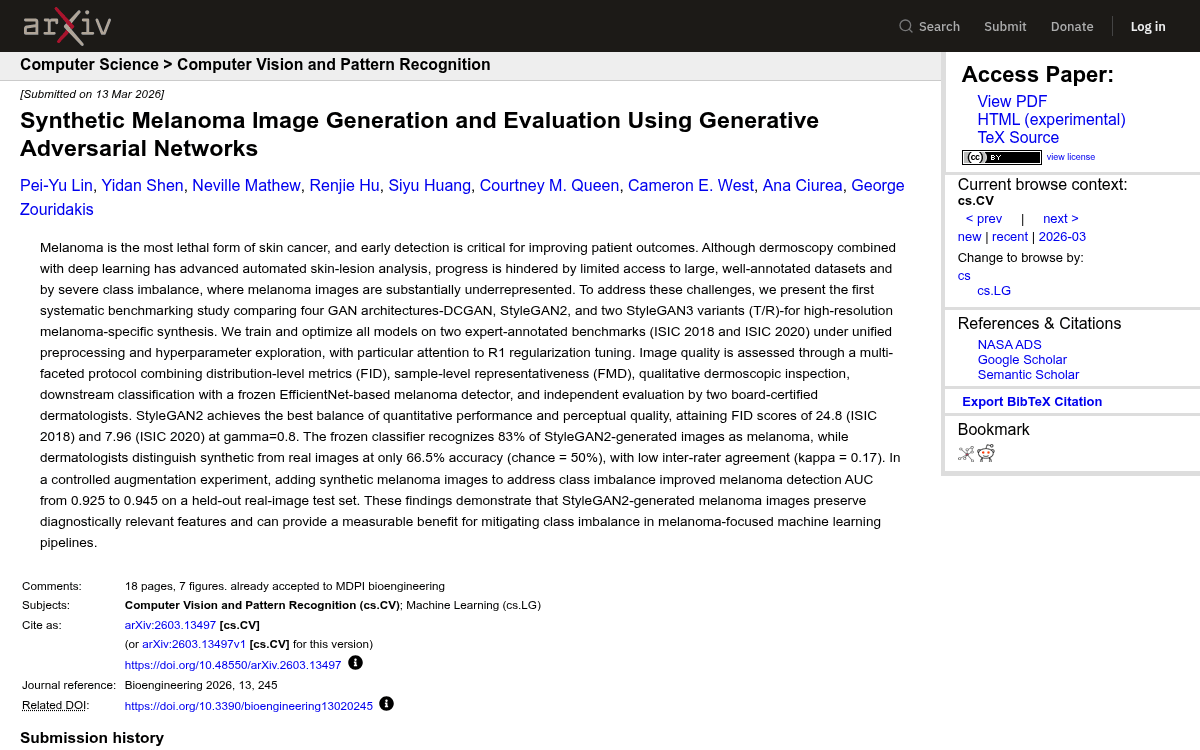
A head-to-head benchmark of four GANs finds StyleGAN2 generates melanoma images realistic enough to fool dermatologists and lift classifier AUC.
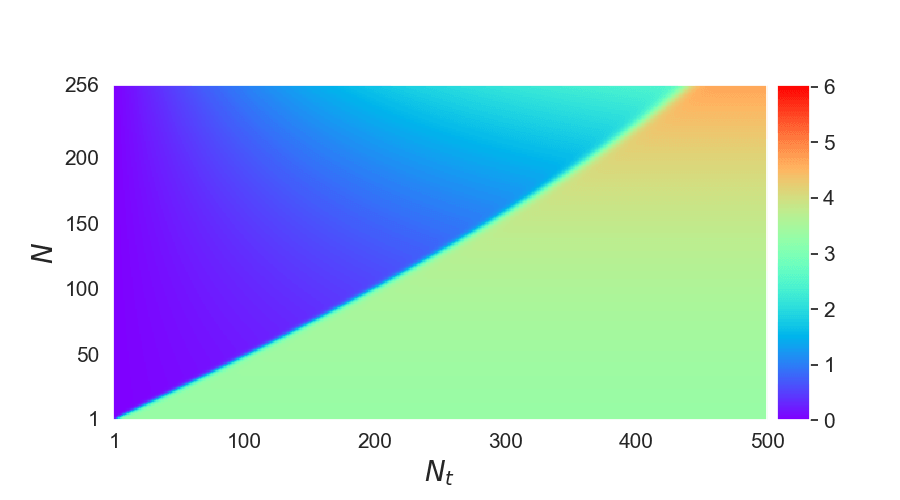
Researchers propose inv-AE, an invertible autoencoder that breaks through the reconstruction error plateau that has limited neural network based model reduction.
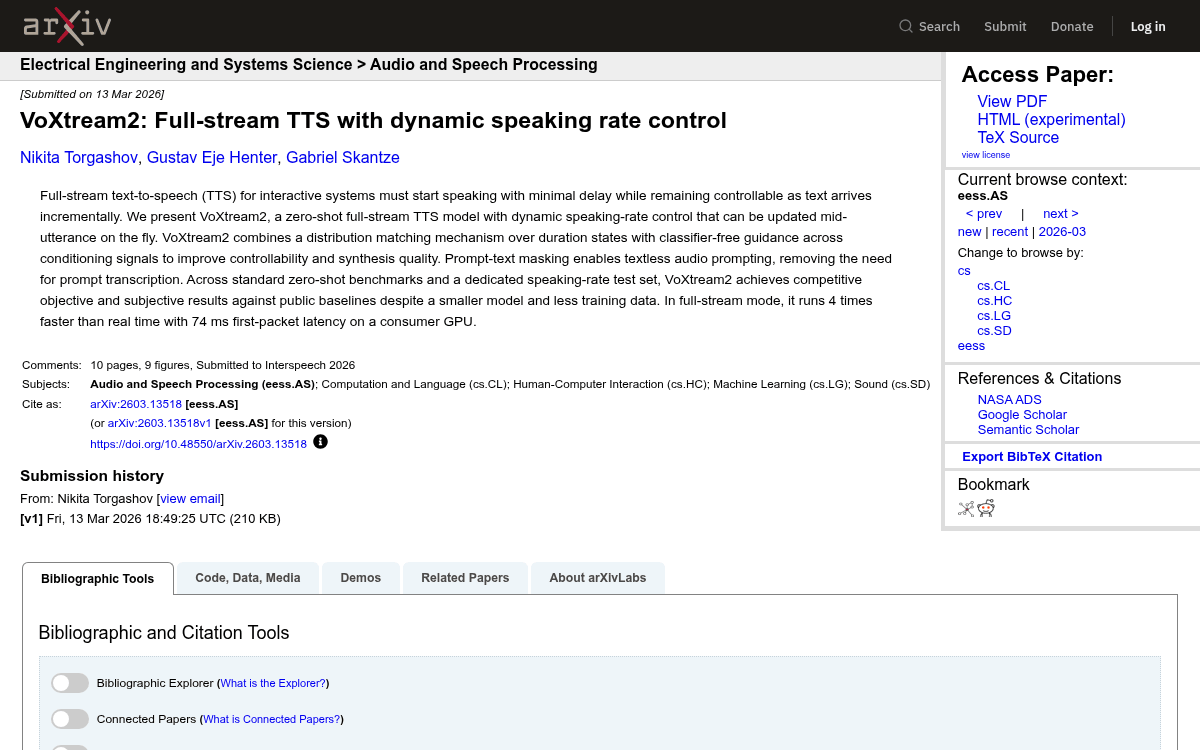
A Swedish research team just shipped a streaming TTS model that starts speaking in 74 ms and lets you change the speaking rate mid-sentence.
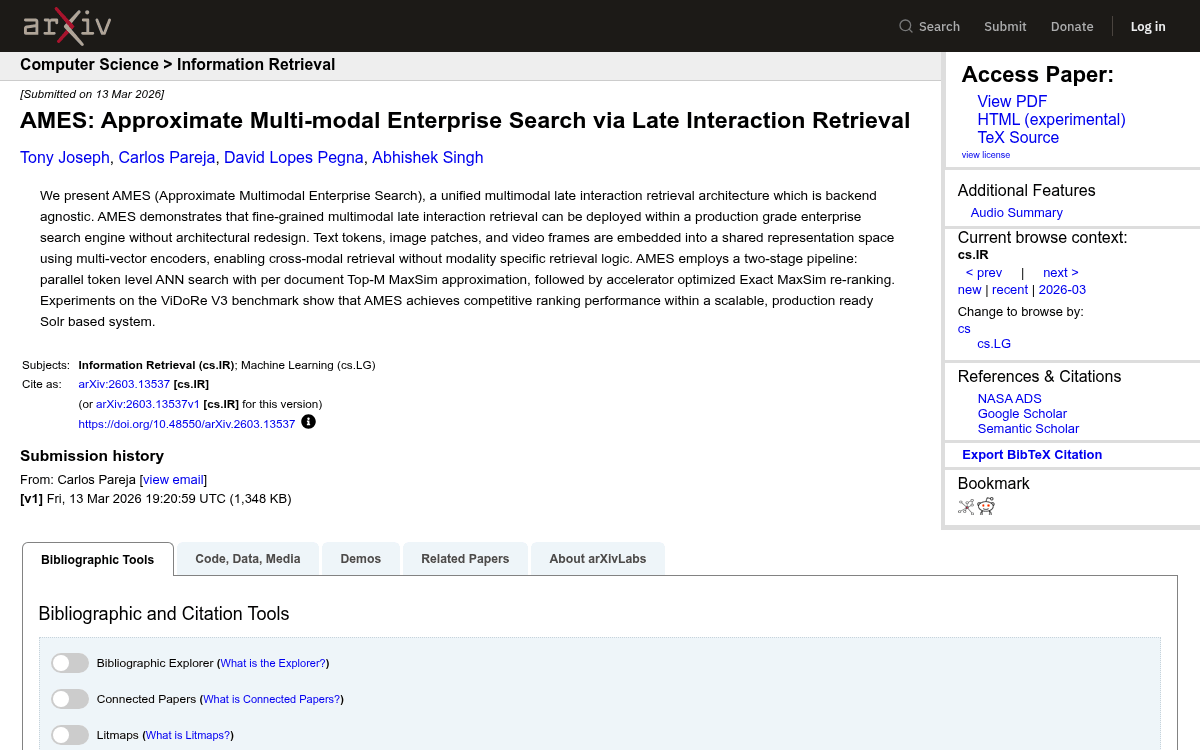
Apple researchers show that fine-grained multi-vector document retrieval can run inside a stock Apache Solr cluster without redesigning enterprise search infrastructure.
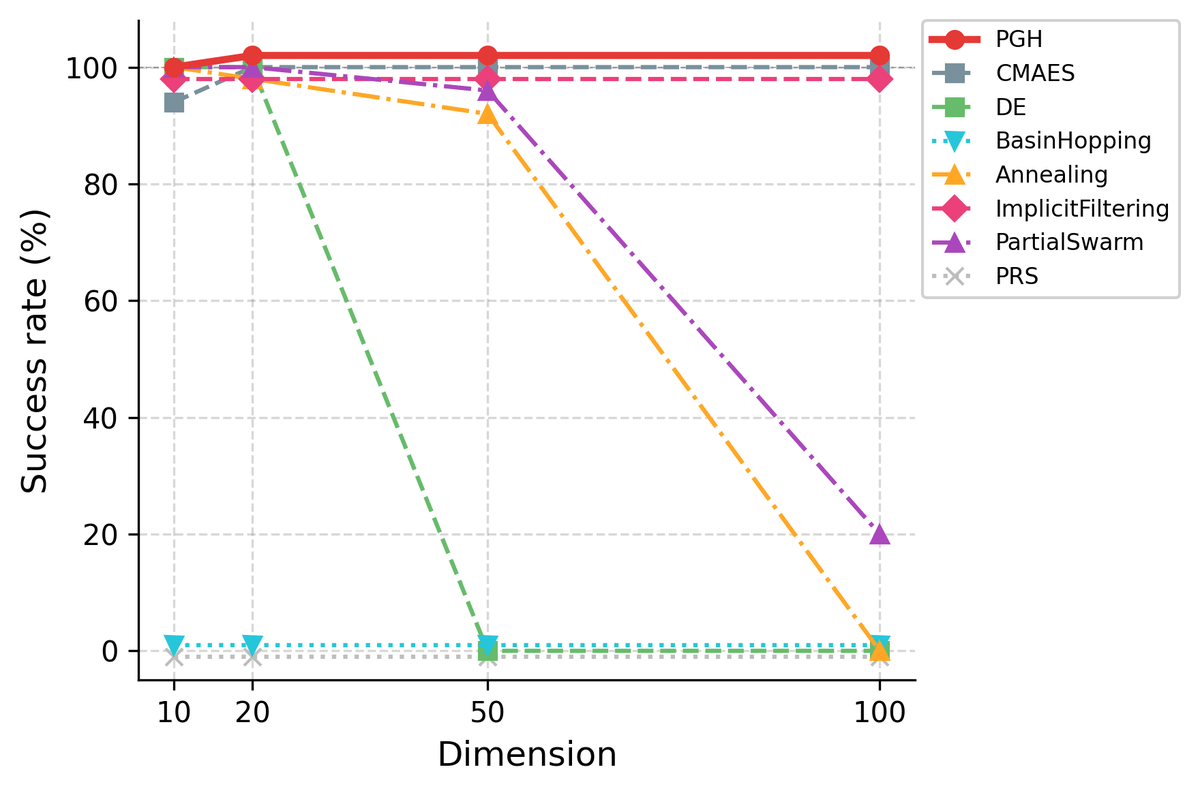
A new arXiv paper reframes nonconvex optimization as continuation in probability space, using Boltzmann-weighted gradients to escape bad local minima.
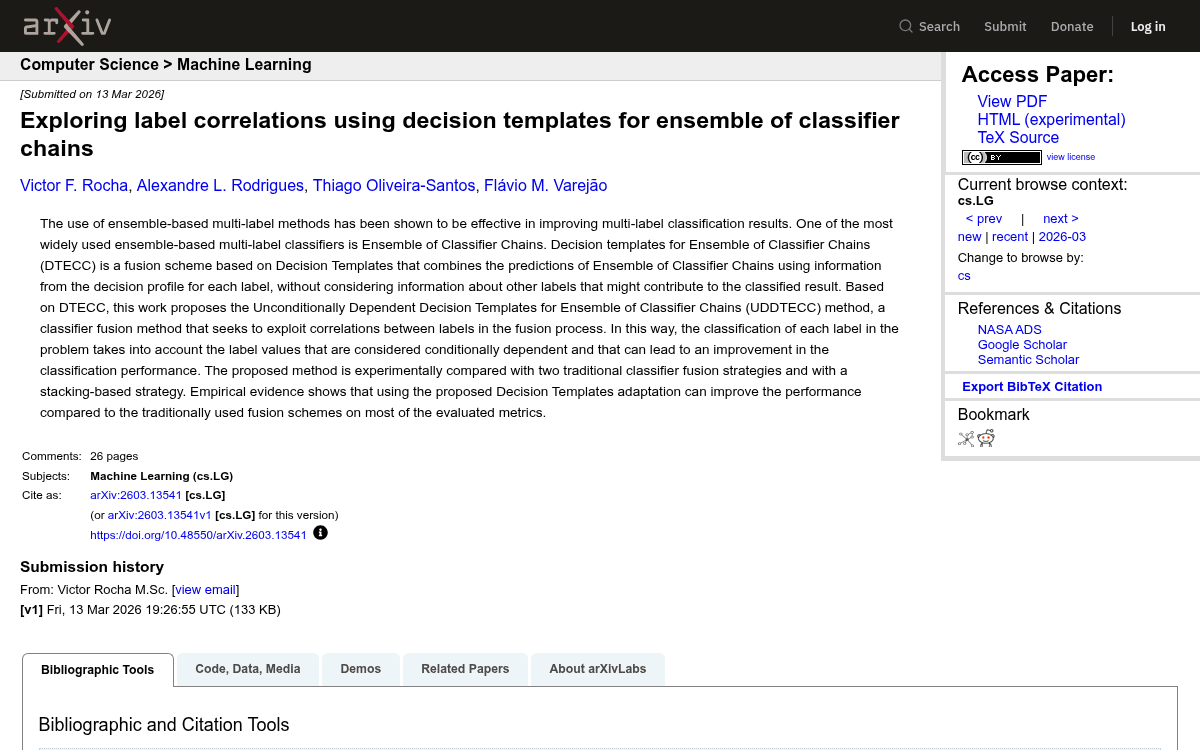
A new fusion method for classifier chain ensembles uses phi-coefficient correlations between labels to filter noise and boost multi-label accuracy.
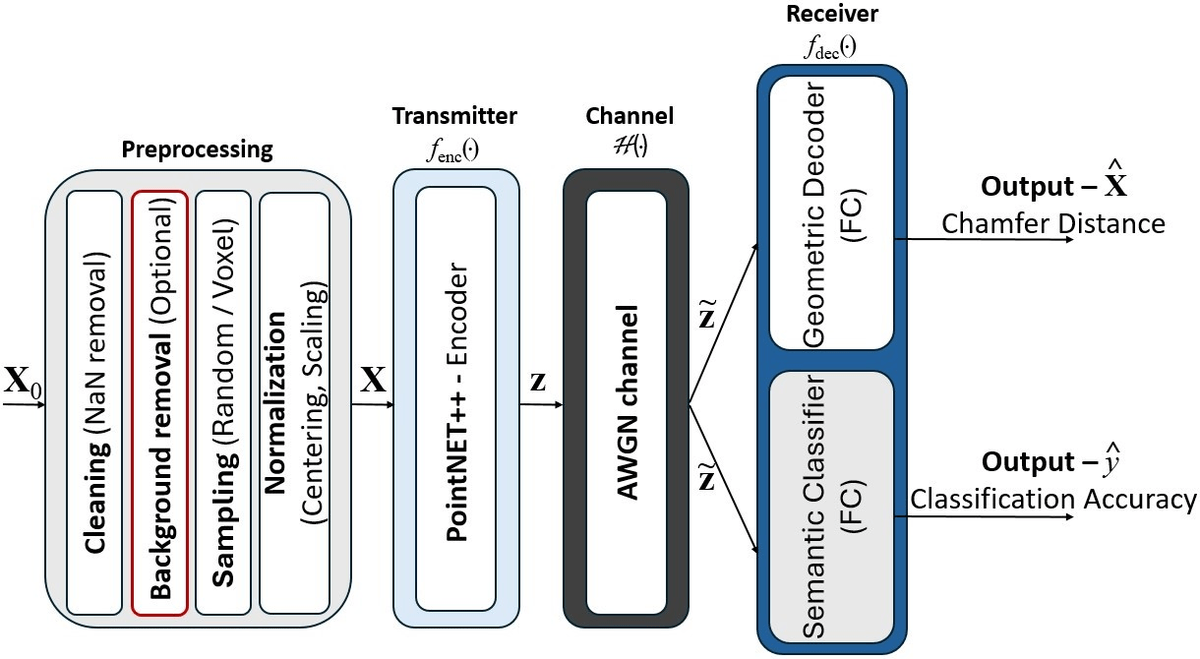
New research shows wireless robots can classify 3D objects reliably even when the transmitted point cloud reconstruction falls apart under channel noise.
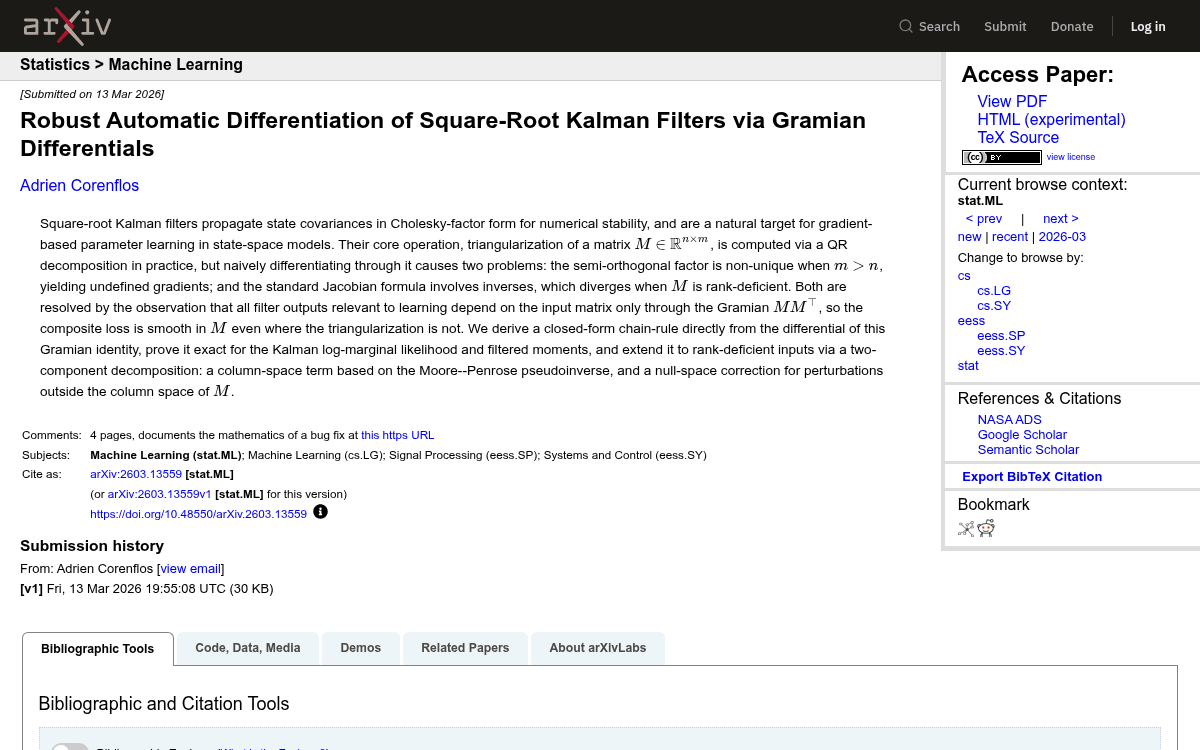
A new closed-form gradient rule fixes broken autodiff in square-root Kalman filters when covariance matrices are wide or rank-deficient.
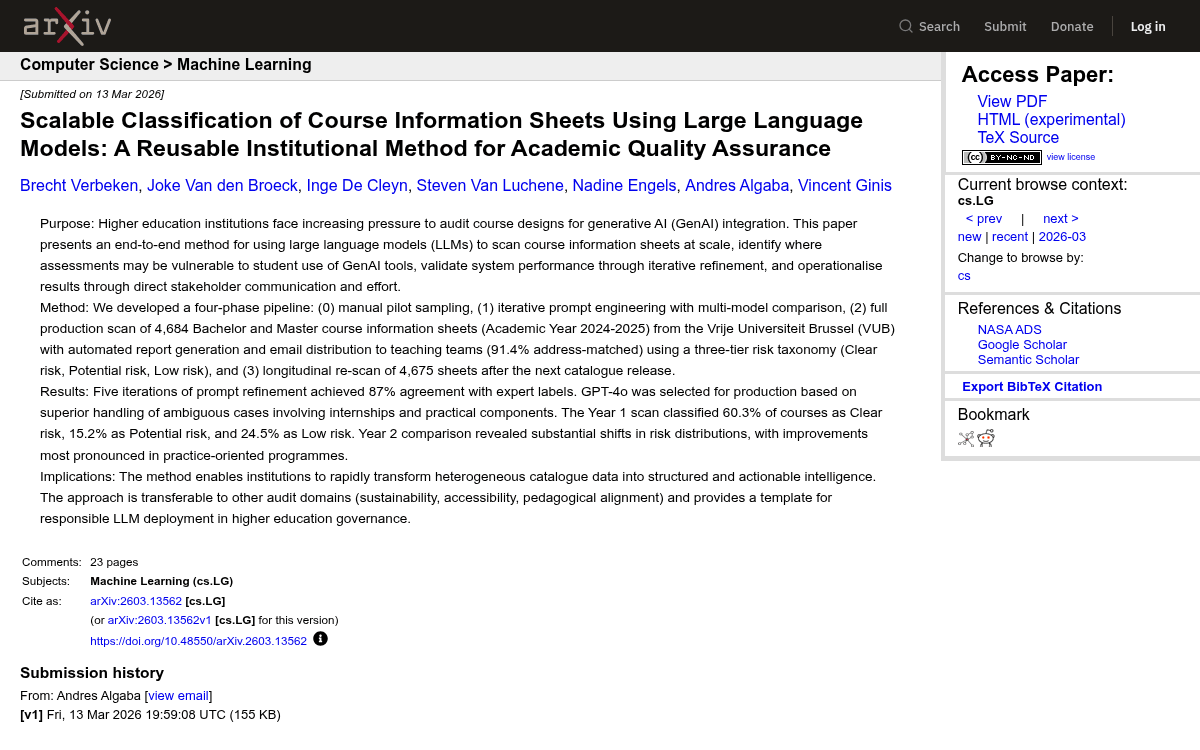
A research team at Vrije Universiteit Brussel published a case study showing how GPT-4o can classify nearly 5,000 course sheets by their exposure to student AI misuse.
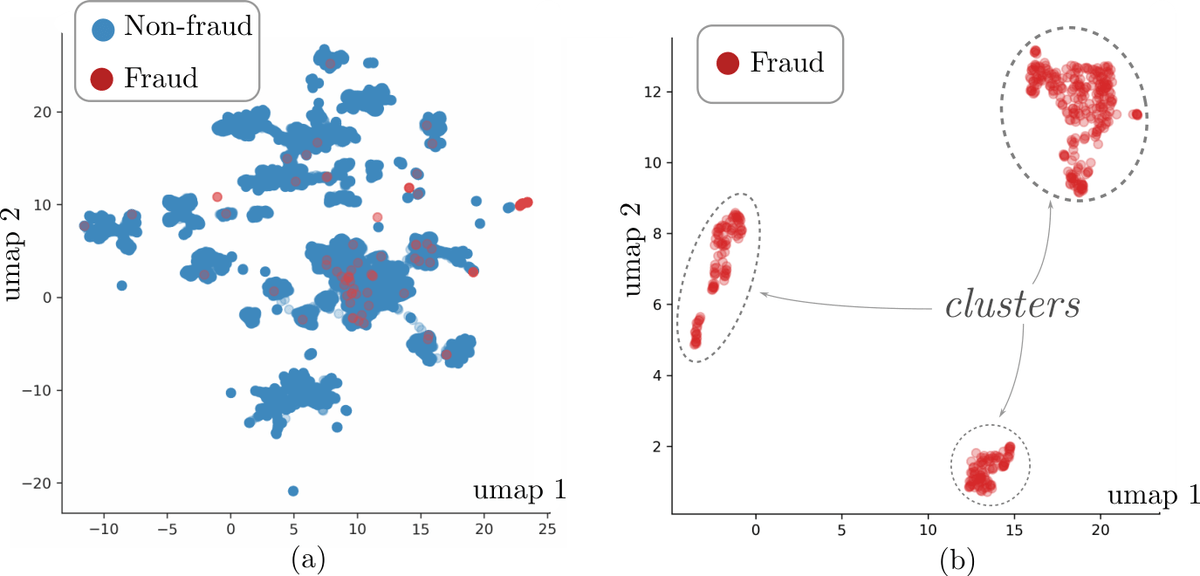
A cluster-aware diffusion model paired with a Transformer denoiser generates synthetic credit card fraud samples, pushing XGBoost F1 to 0.849.
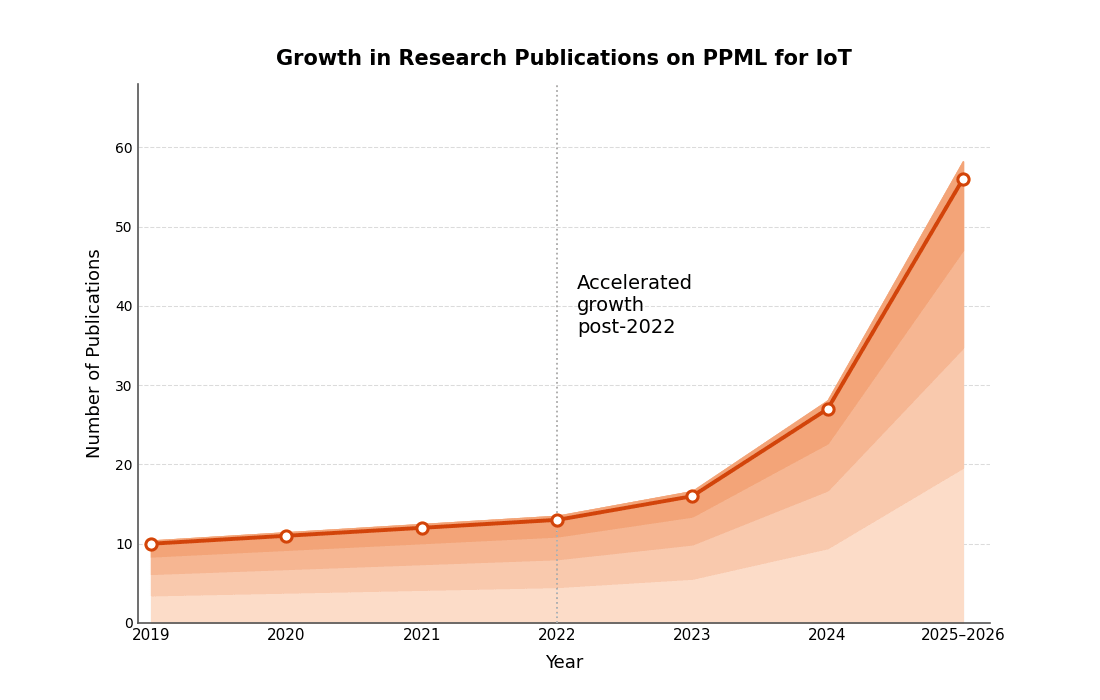
A new survey maps four privacy-preserving ML paradigms onto the messy realities of resource-constrained IoT devices, and shows why no single approach is enough.
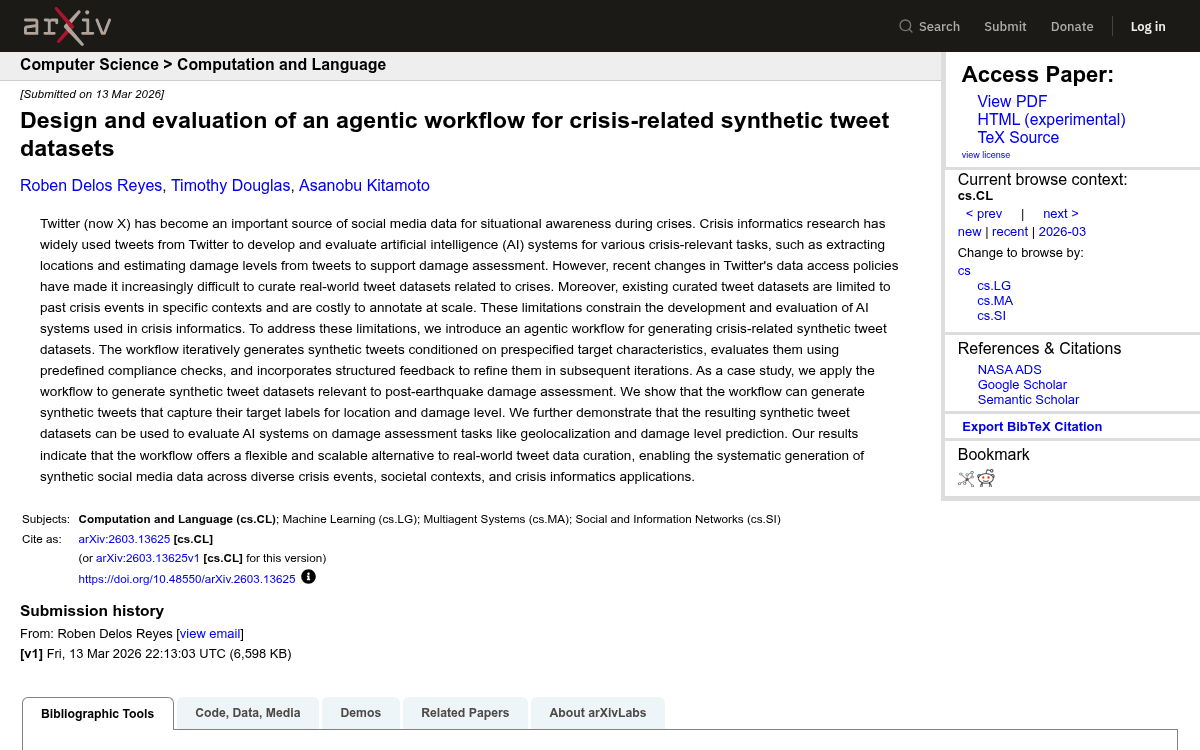
Researchers built a three-agent loop that iteratively generates, checks, and refines synthetic crisis tweets, replacing costly real Twitter data for AI evaluation.
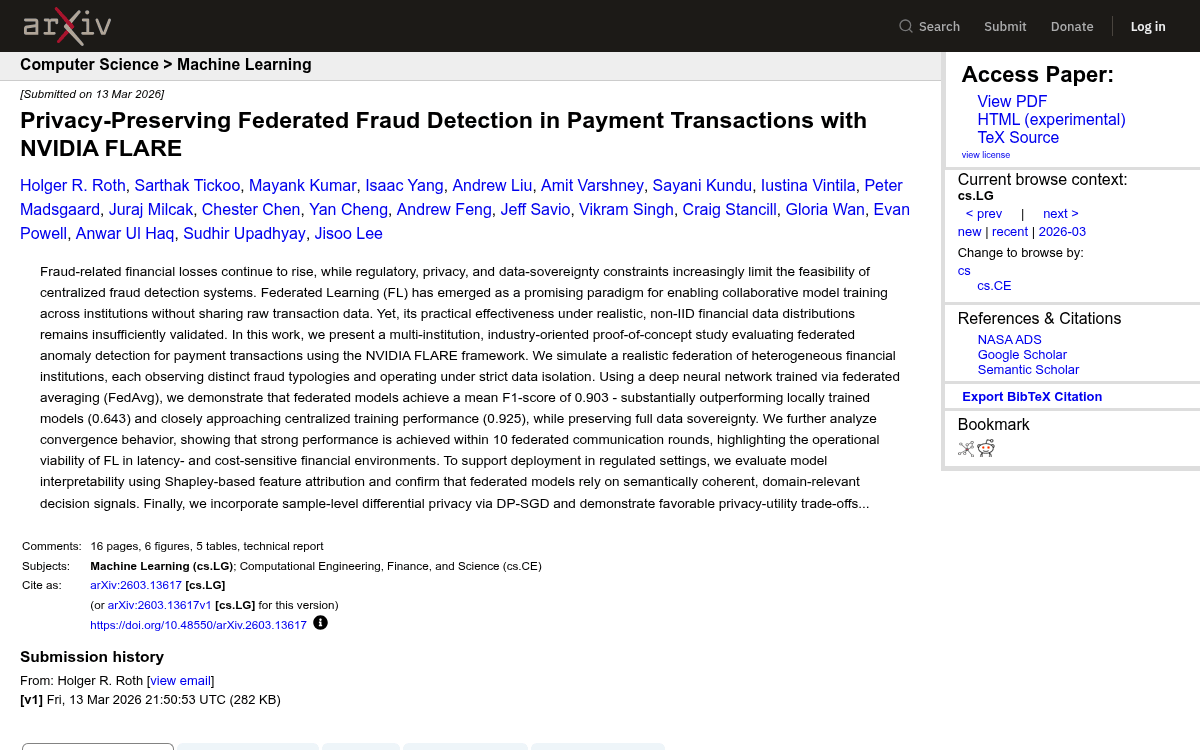
Researchers from NVIDIA, J.P. Morgan, RBC, BNY, and DeepTempo tested federated fraud detection across five simulated banks, closing the gap to centralized training.
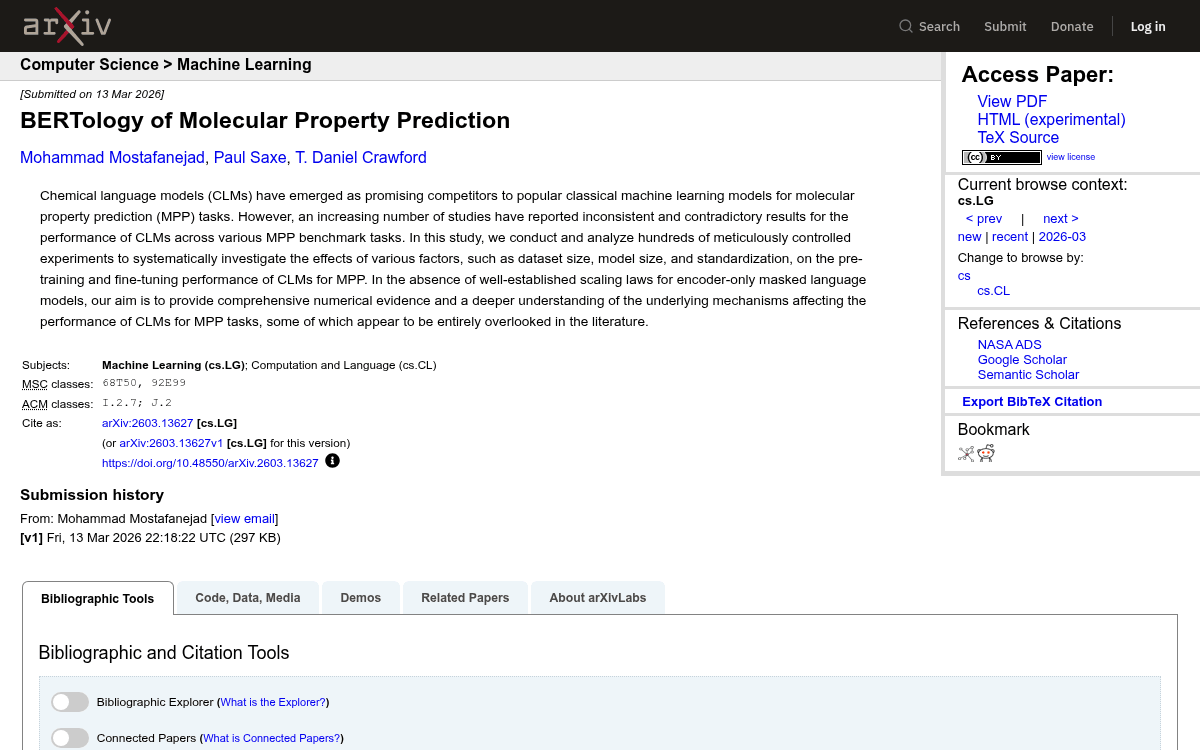
Hundreds of controlled experiments reveal why BERT-style chemistry models give contradictory results, and why mixing molecular databases silently poisons pretraining.
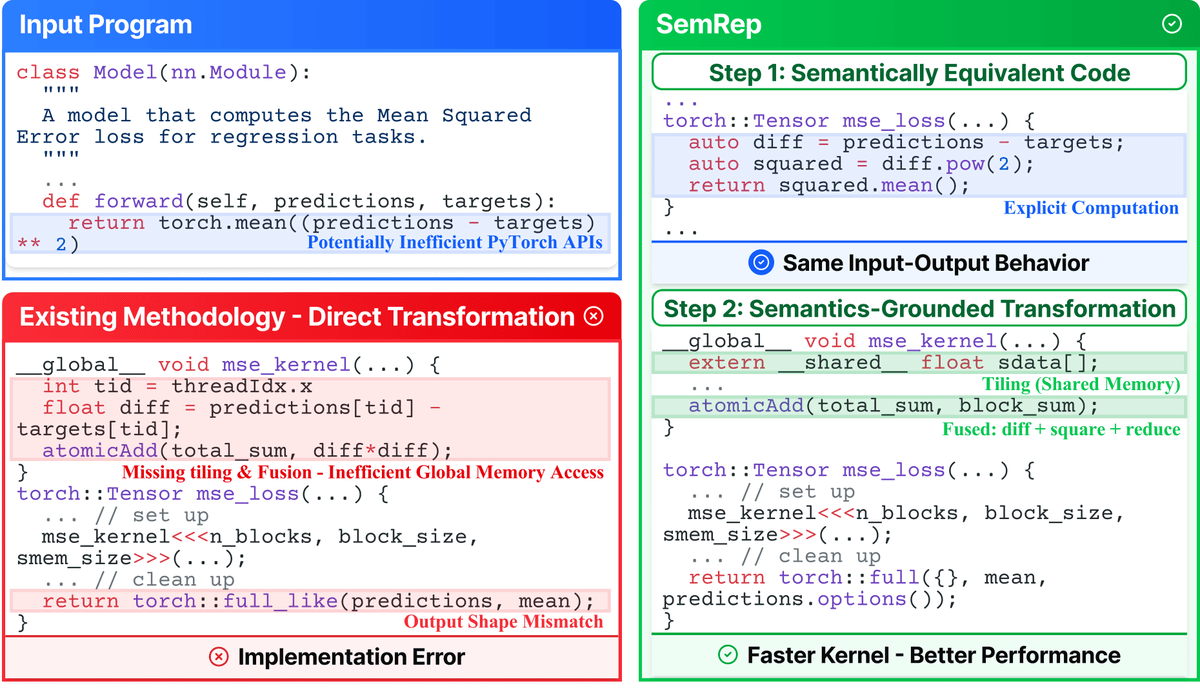
A two-stage training recipe teaches code models to first rewrite programs into semantically equivalent variants, then optimize them, beating much larger baselines.
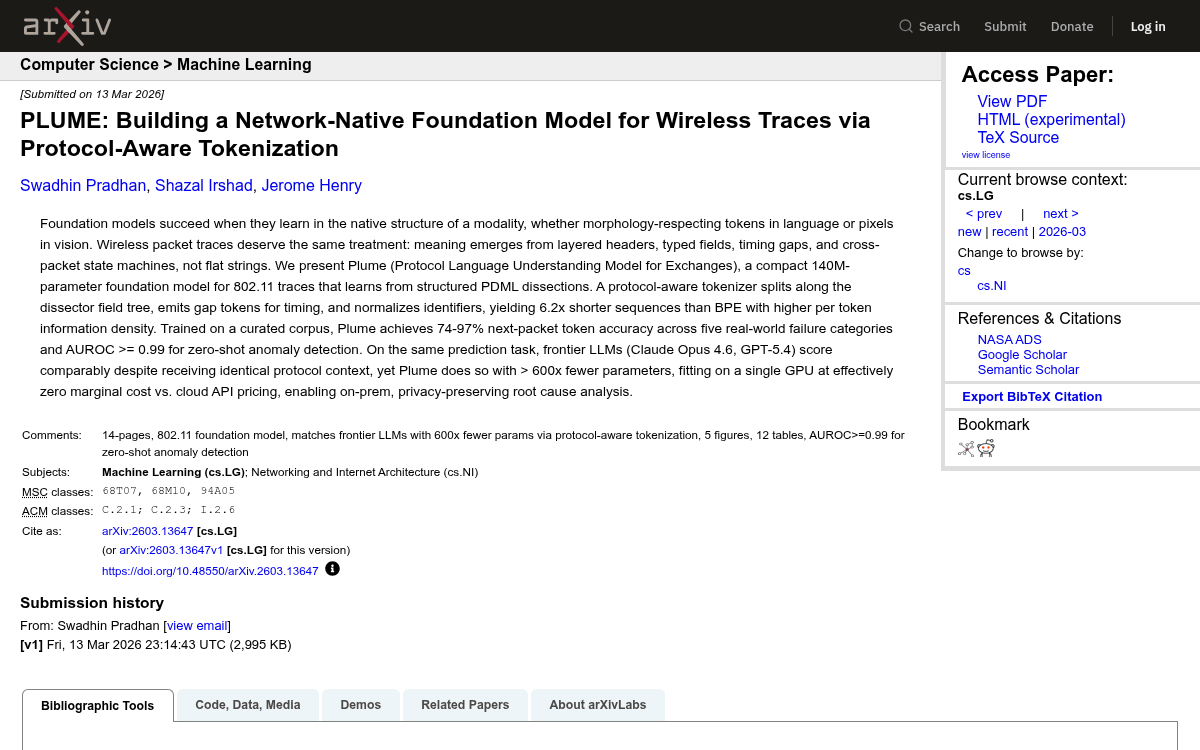
A 140M parameter model trained on structured Wi-Fi packet dissections matches frontier LLMs on protocol prediction while running on one GPU.
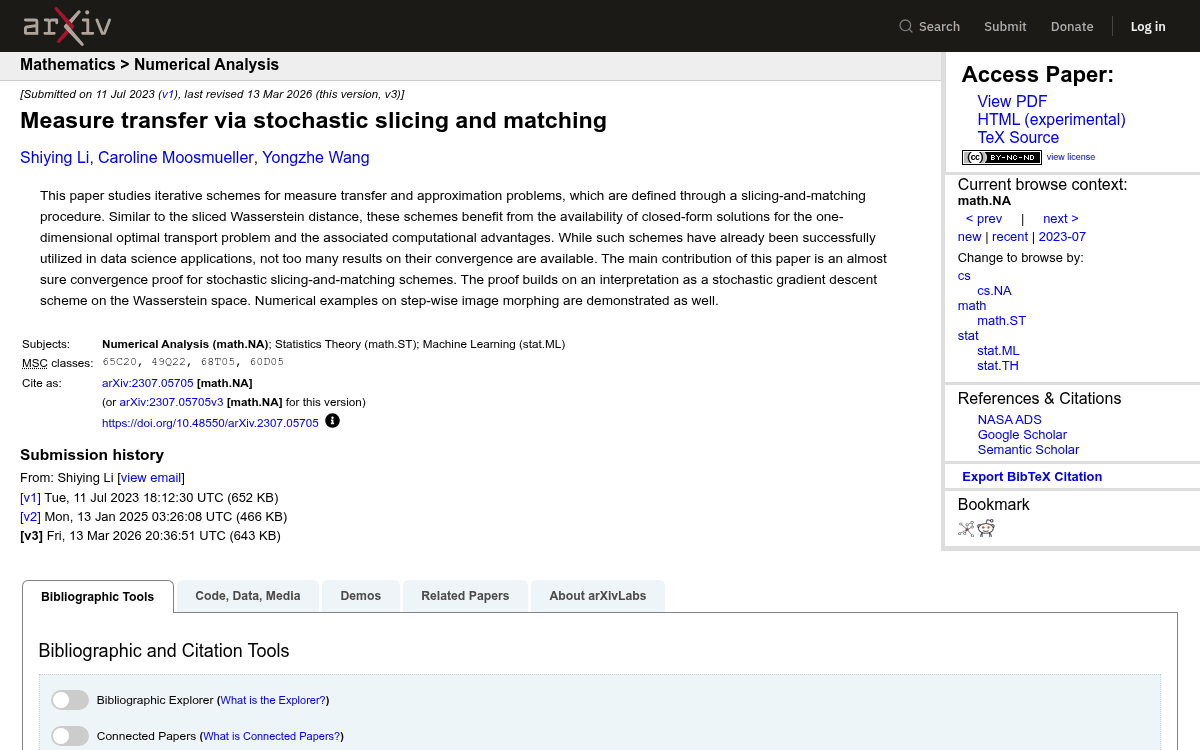
A theoretical result closes a long-standing gap for the slice-matching schemes that power color transfer, shape retrieval, and texture mixing.
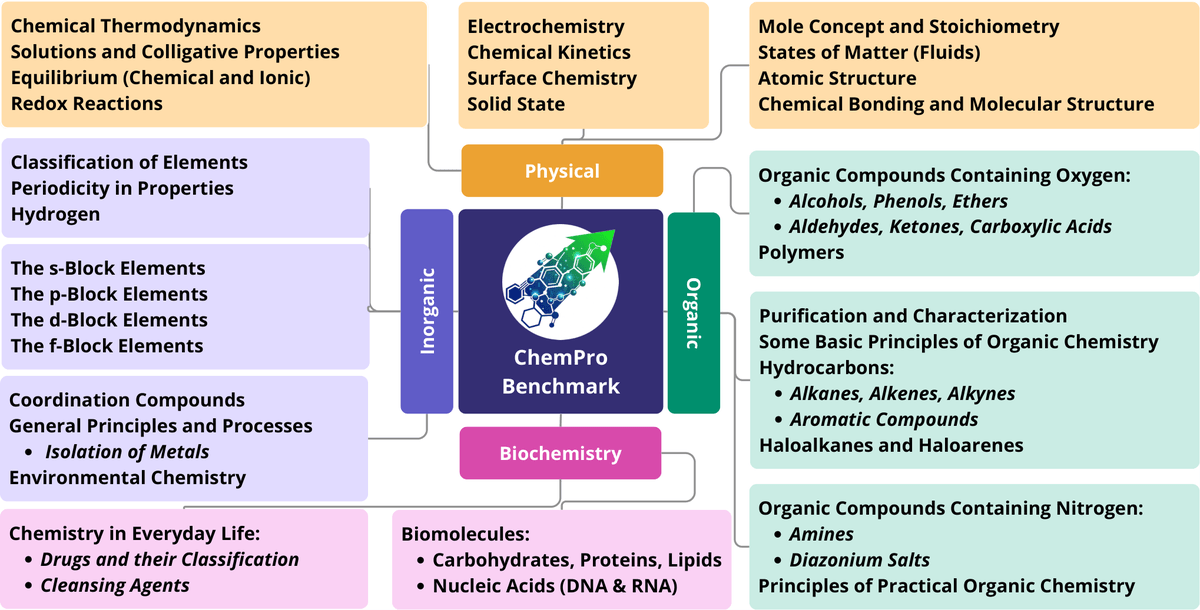
A new 4,100-question progressive chemistry benchmark shows LLMs stumble on high-school problems as soon as the wording gets structurally complex.
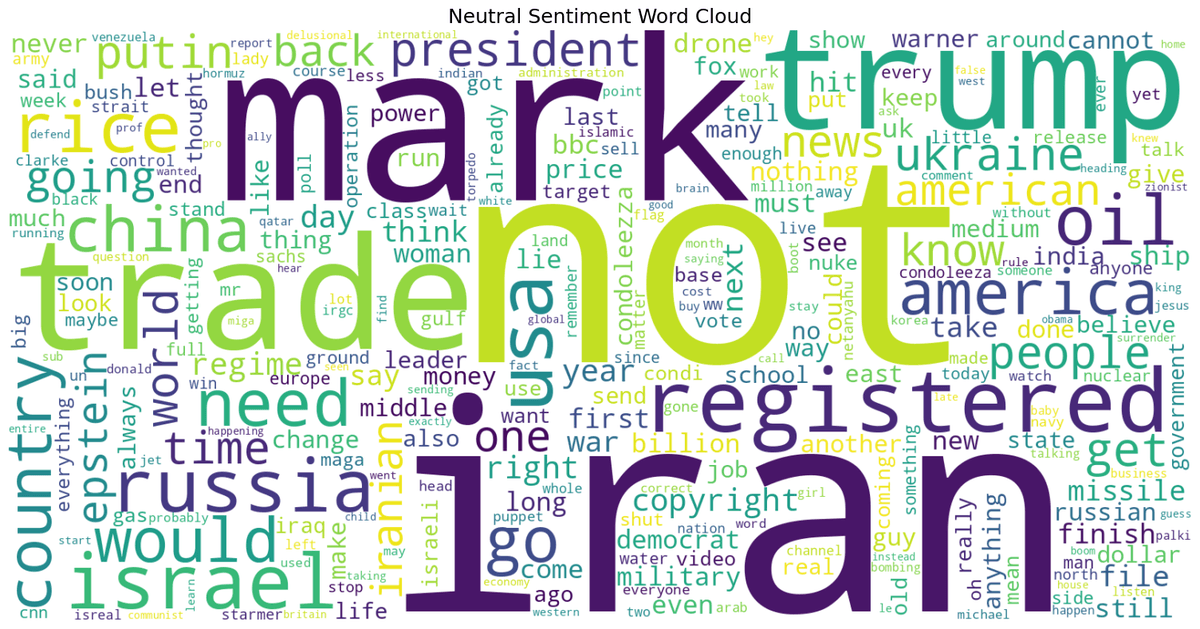
A team fine-tuned six transformer models on 19,000 YouTube comments about the Iran-Israel-USA war, then wrapped the winner in federated learning to keep raw user data on-device.