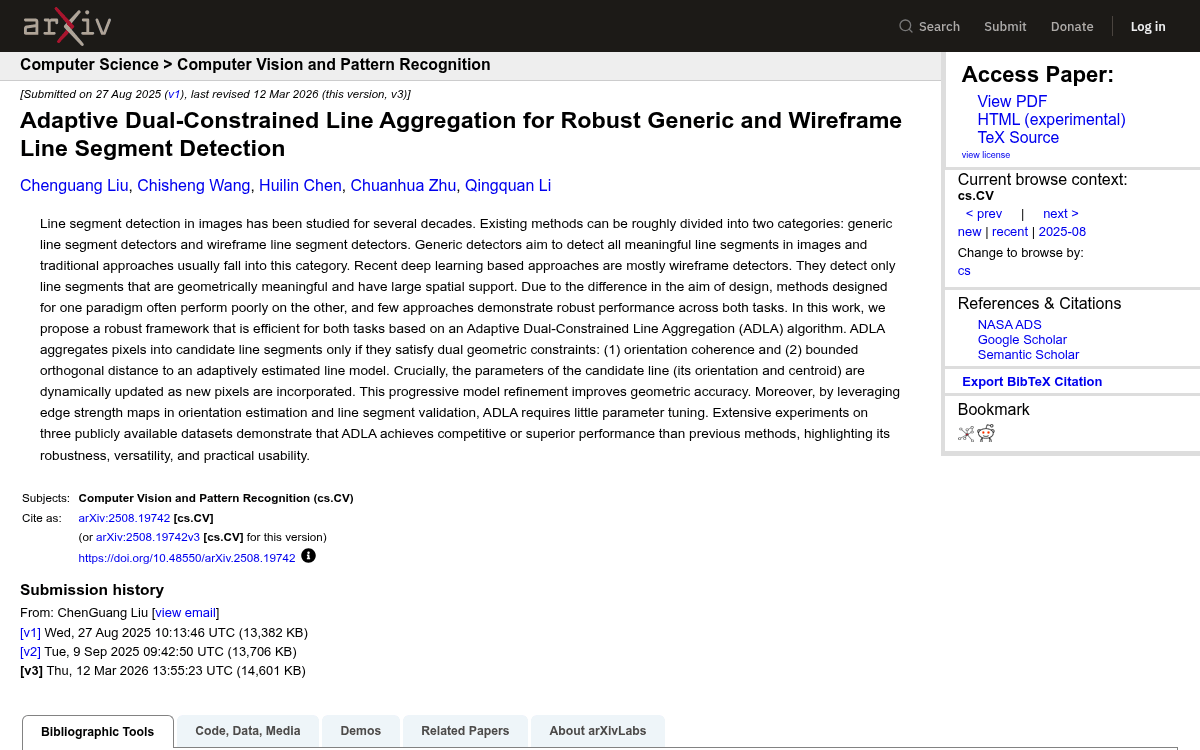
ADLA Beats Specialized AI Detectors on Two Line Detection Benchmarks at Once
A new algorithm unifies generic and wireframe line segment detection under one framework, beating specialized detectors on both benchmarks with minimal parameter tuning.
20 stories

A new algorithm unifies generic and wireframe line segment detection under one framework, beating specialized detectors on both benchmarks with minimal parameter tuning.
VolSplat swaps per-pixel Gaussian prediction for a voxel grid, delivering sharper 3D reconstructions and hitting 31.30 PSNR on RealEstate10K.

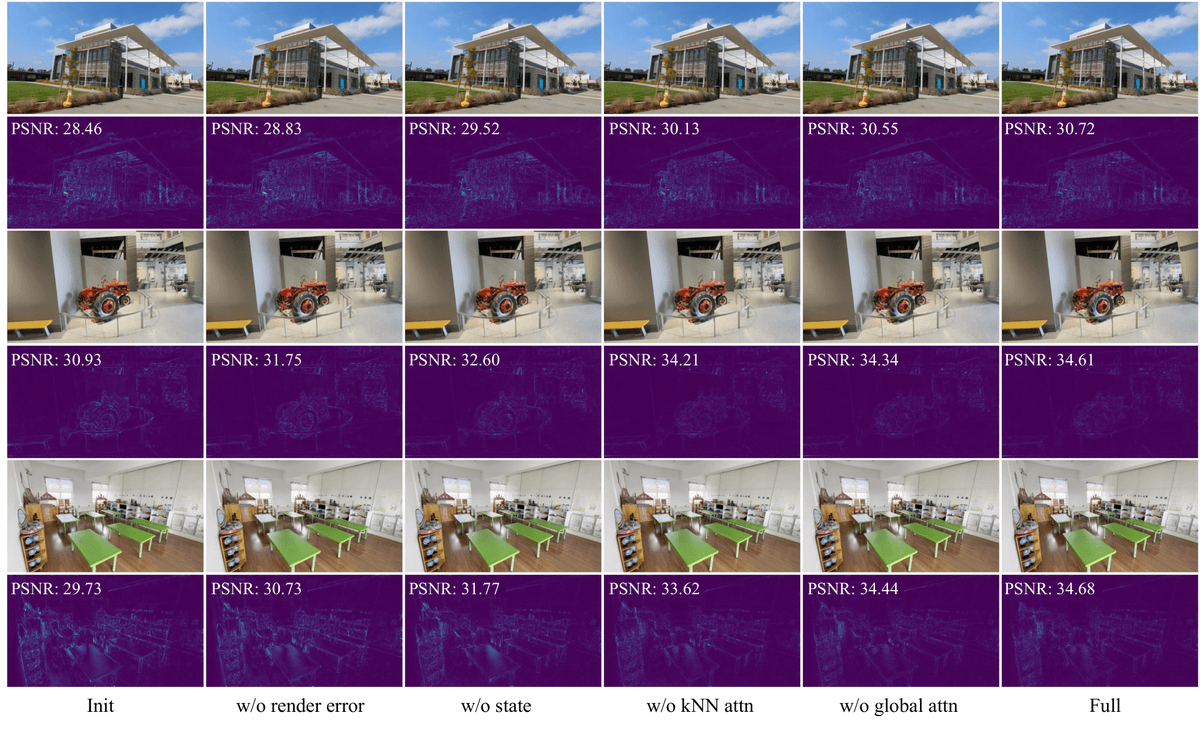
ETH Zurich, Tübingen, and Microsoft researchers propose a recurrent feed-forward model that iteratively refines 3D Gaussians using rendering error, without gradients.

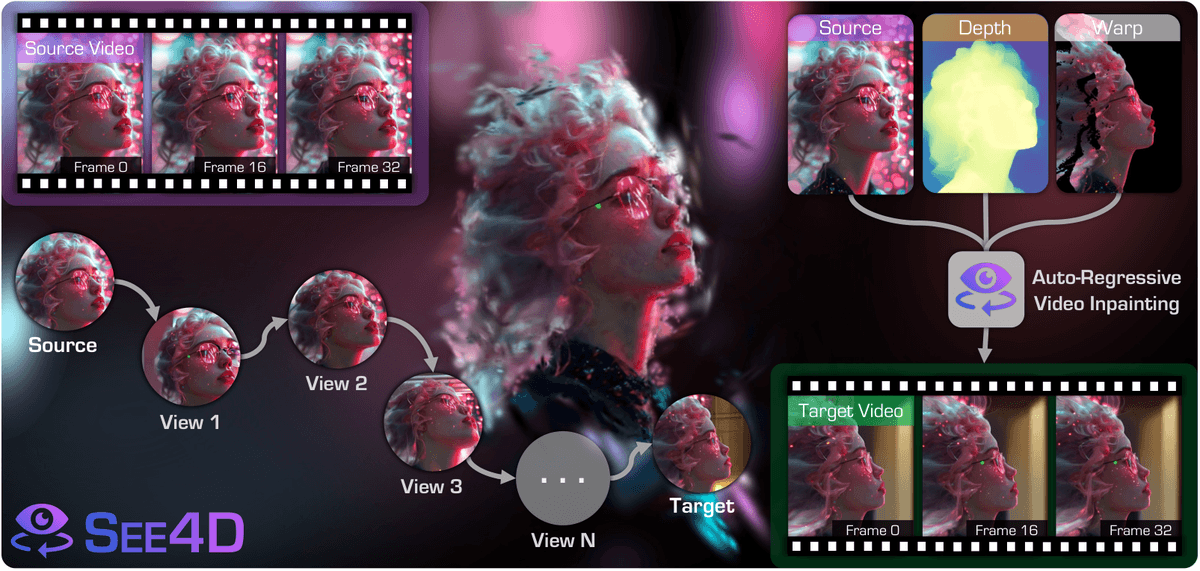
A new framework converts casual handheld videos into free-viewpoint 4D scenes without camera poses, beating pose-conditioned baselines on reconstruction and video quality benchmarks.

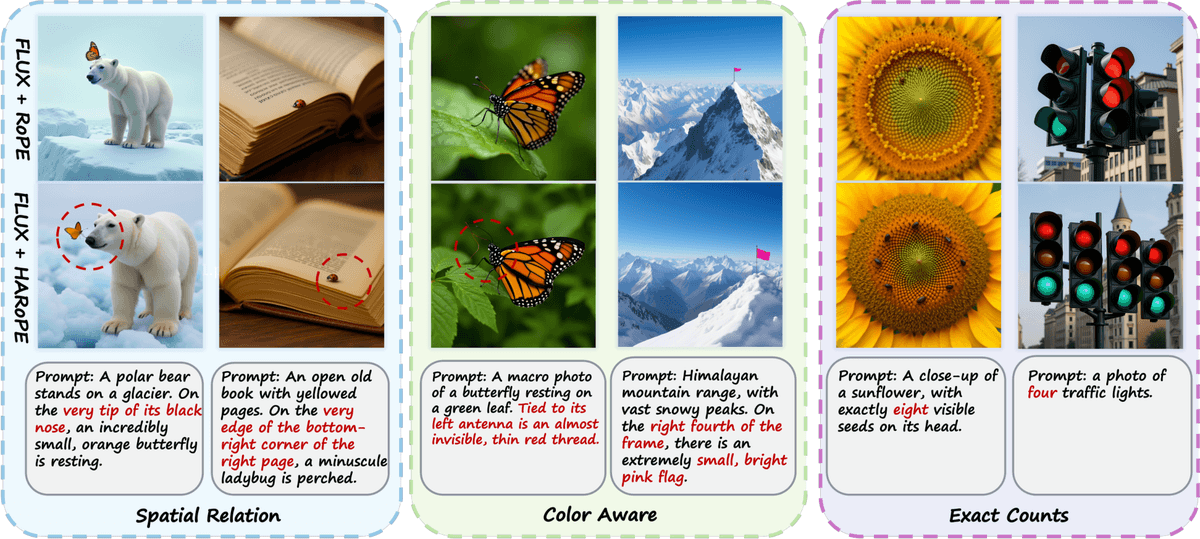
A new drop-in positional encoding called HARoPE uses per-head SVD transforms to fix RoPE's weakness at spatial layout, color, and counting in image generation.

Researchers at Ben-Gurion University turn jigsaw pieces into discrete tokens and let a BART model solve the puzzle, beating vision-based solvers.

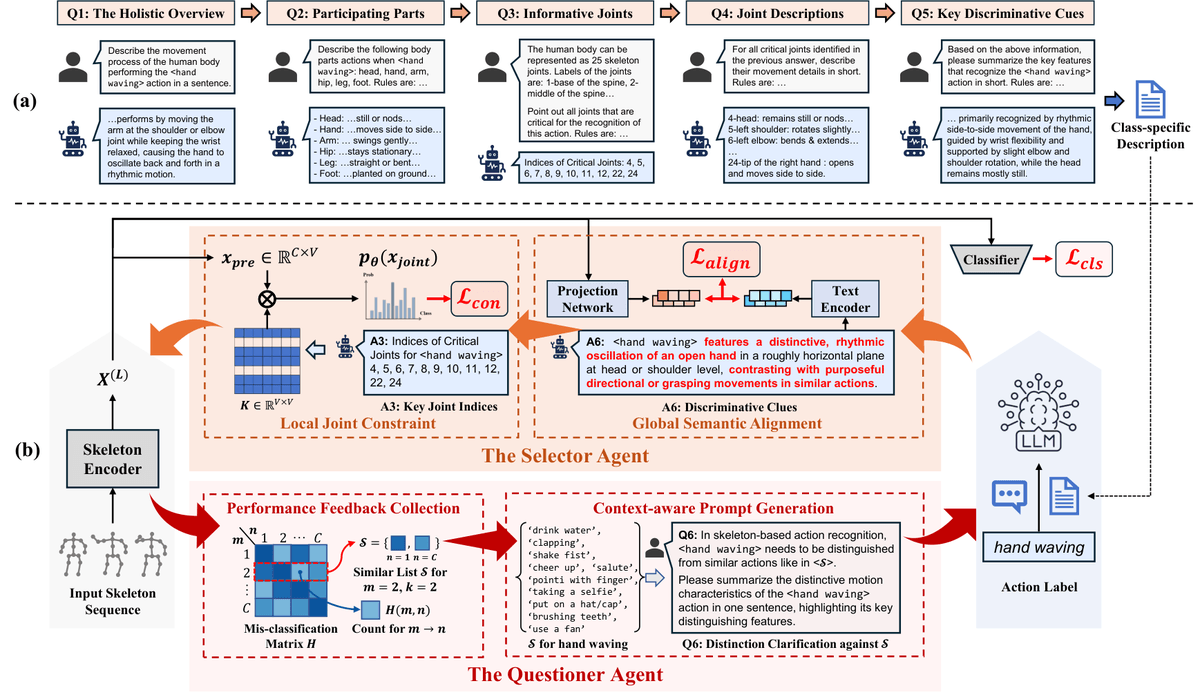
A new framework wires an LLM directly into a skeleton action recognizer, using two agents to trade real-time confusion data for sharper joint-level cues.

A new post-training framework forces video models to separate what they see from what they conclude, cutting hallucinations while using a fraction of the training data.

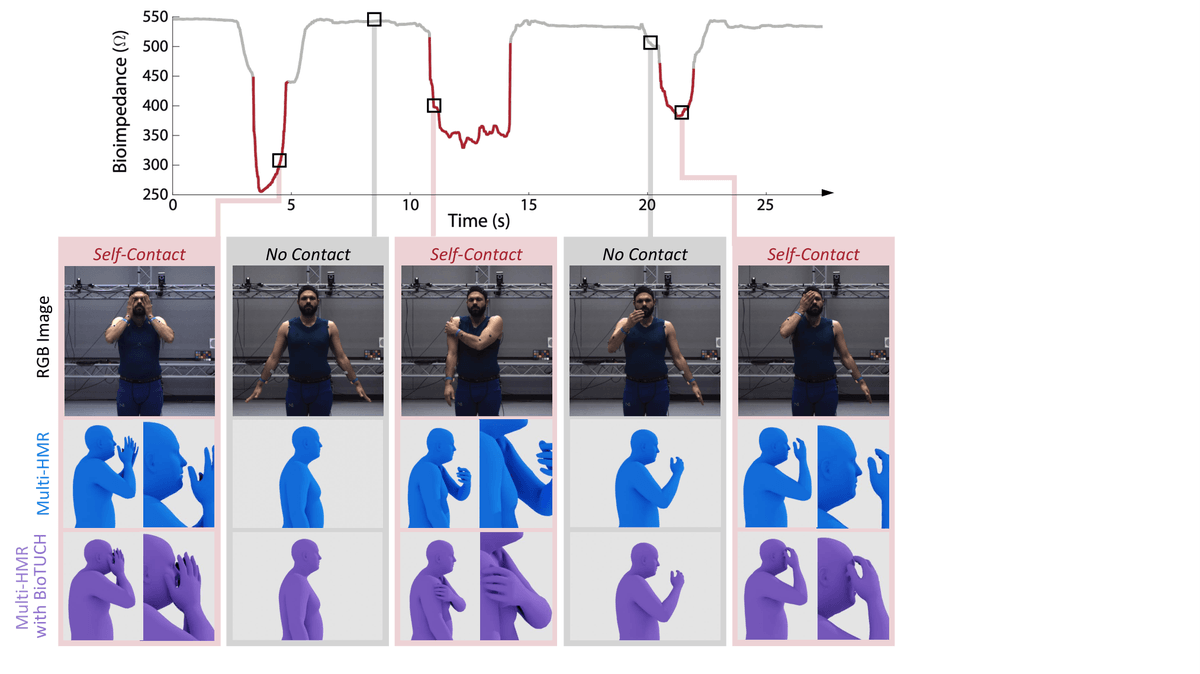
A new framework pairs off-the-shelf pose estimators with a wrist-worn bioimpedance sensor to fix hand-to-face self-contact failures, cutting reconstruction error by 11.7%.

Researchers propose LoC-Path, a resource-efficient slide-level pathology MLLM that compresses gigapixel visual tokens before routing only query-relevant latents to the LLM.

A modified YOLO11 with stacked attention modules hits 81.1% mAP50 on cotton boll detection across six growth stages while staying under 8M parameters.

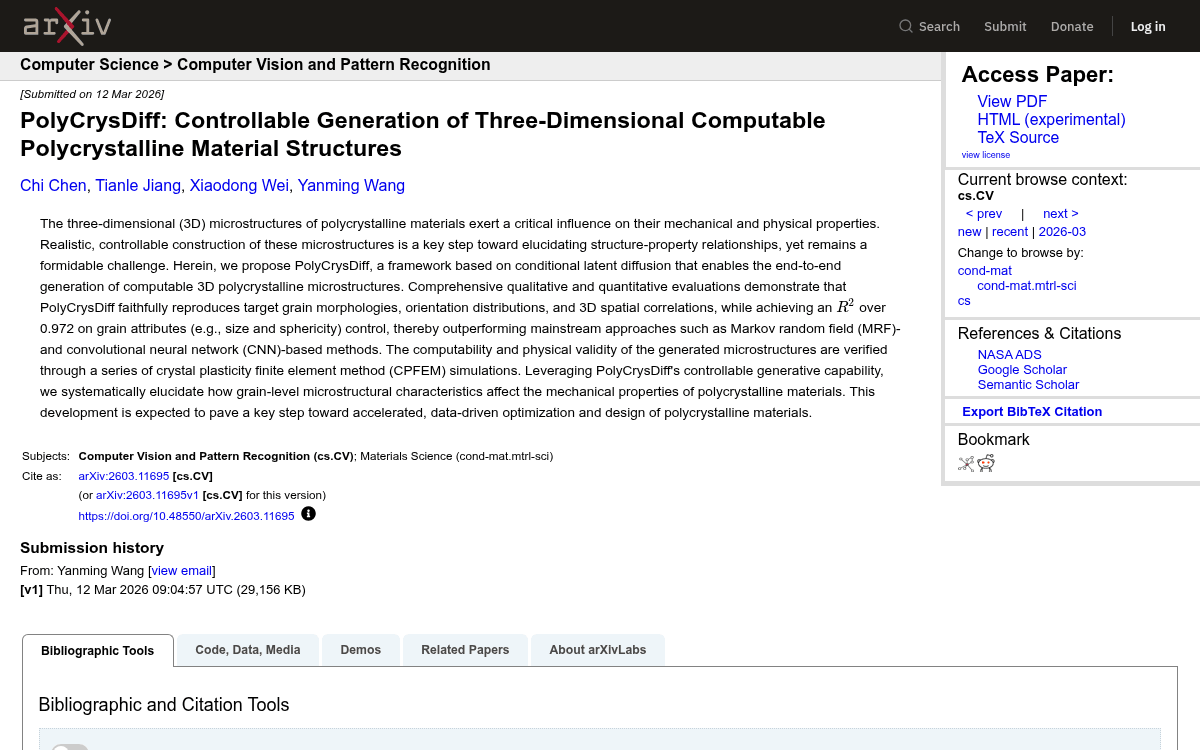
A conditional latent diffusion model builds 3D grain structures with tunable size and shape, then feeds them straight into physics simulators for tensile testing.

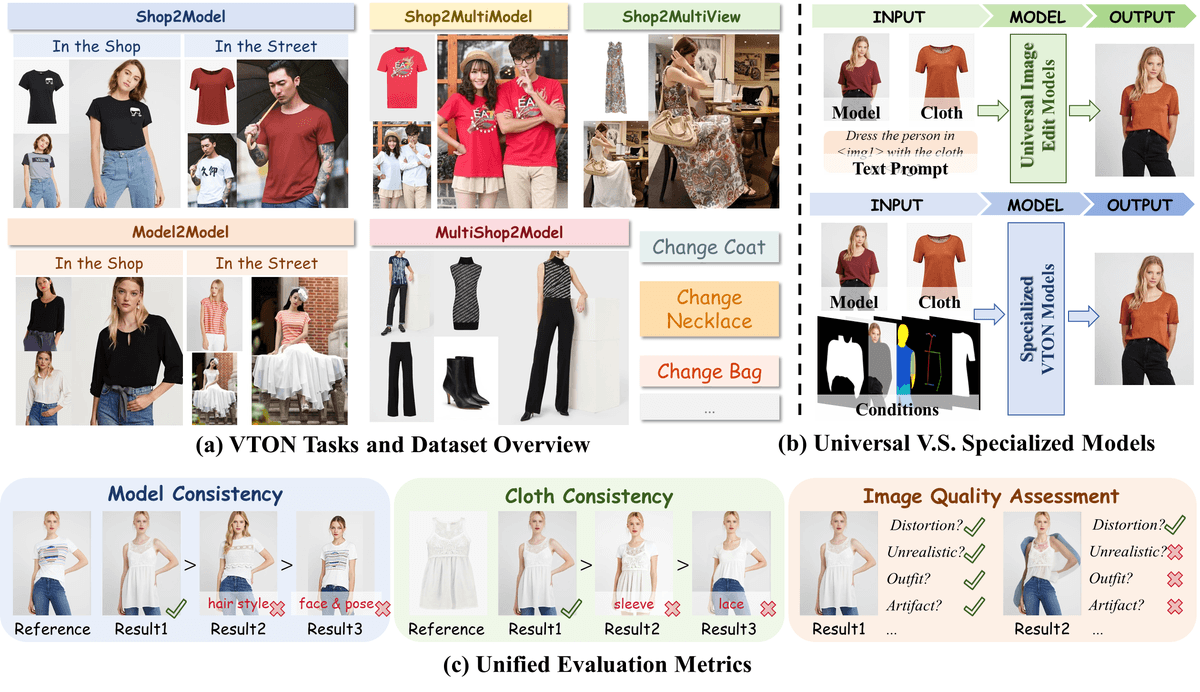
A new benchmark tests whether universal image editors like Flux.2 and Qwen-Image-Edit can replace specialized virtual try-on models across five realistic scenarios.

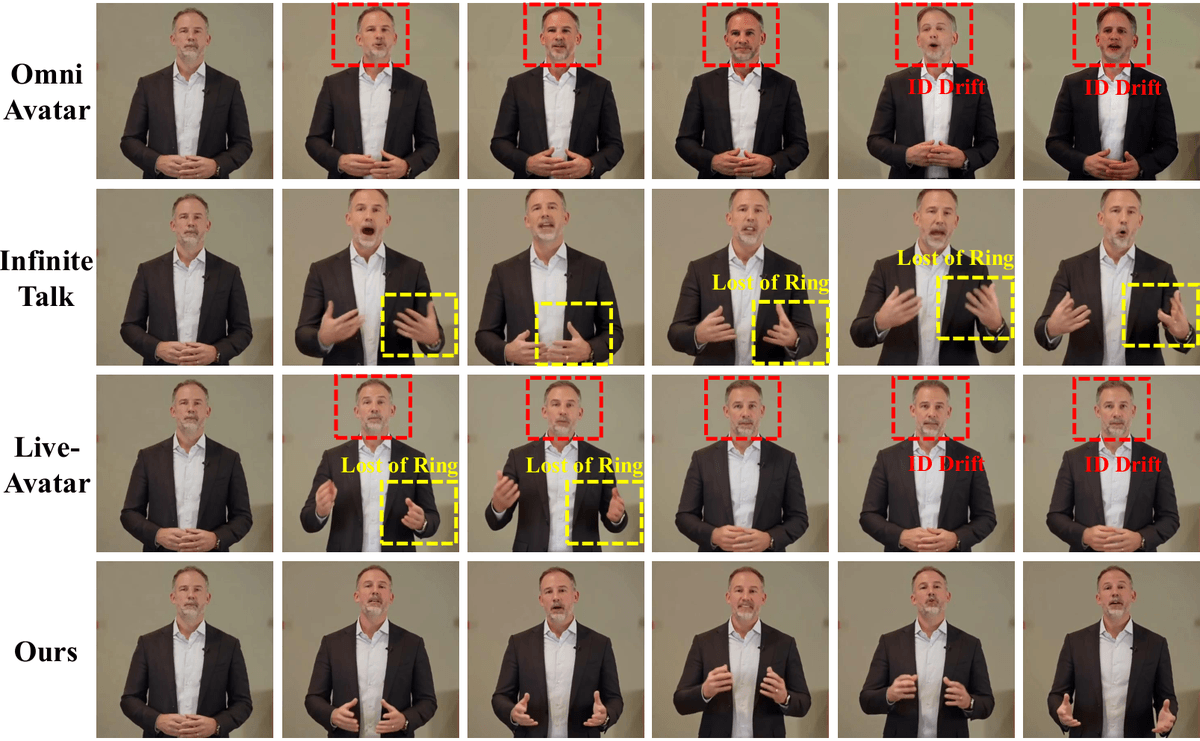
Soul AI Lab's new autoregressive diffusion model streams talking-head video at 20 FPS on two GPUs with constant memory, enabling truly unbounded generation.

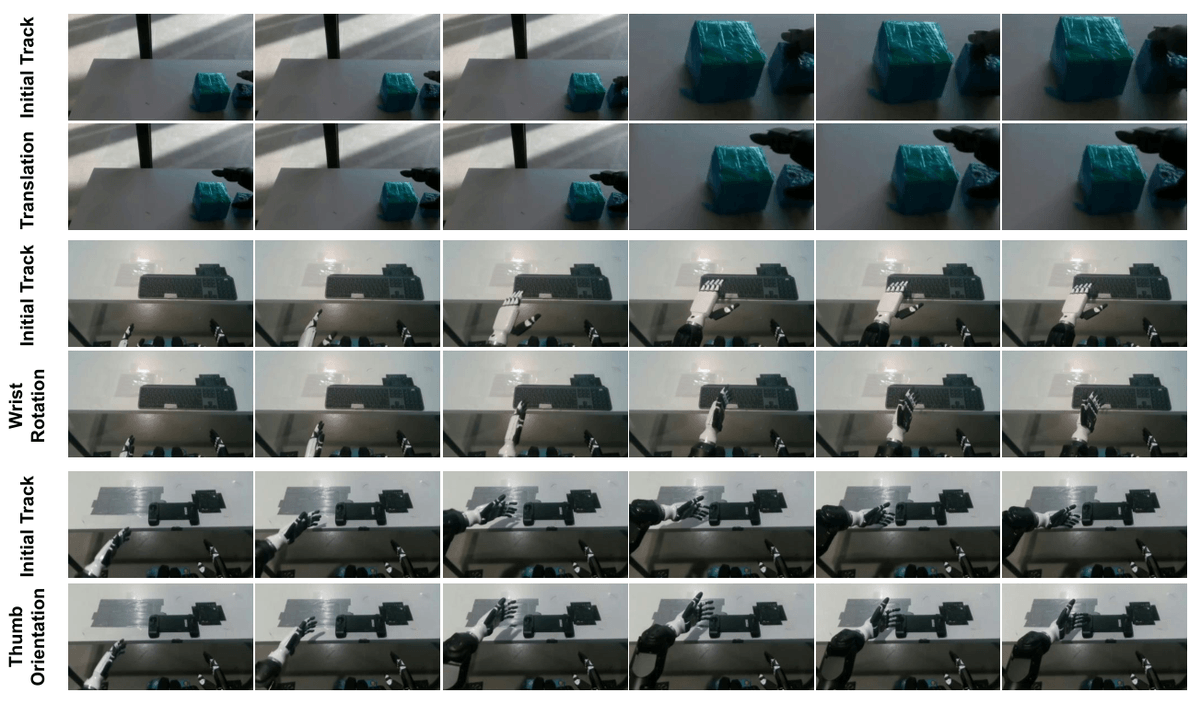
A new framework uses sparse 3D hand joints to generate first-person videos with realistic finger articulation, working across human and robotic hands.

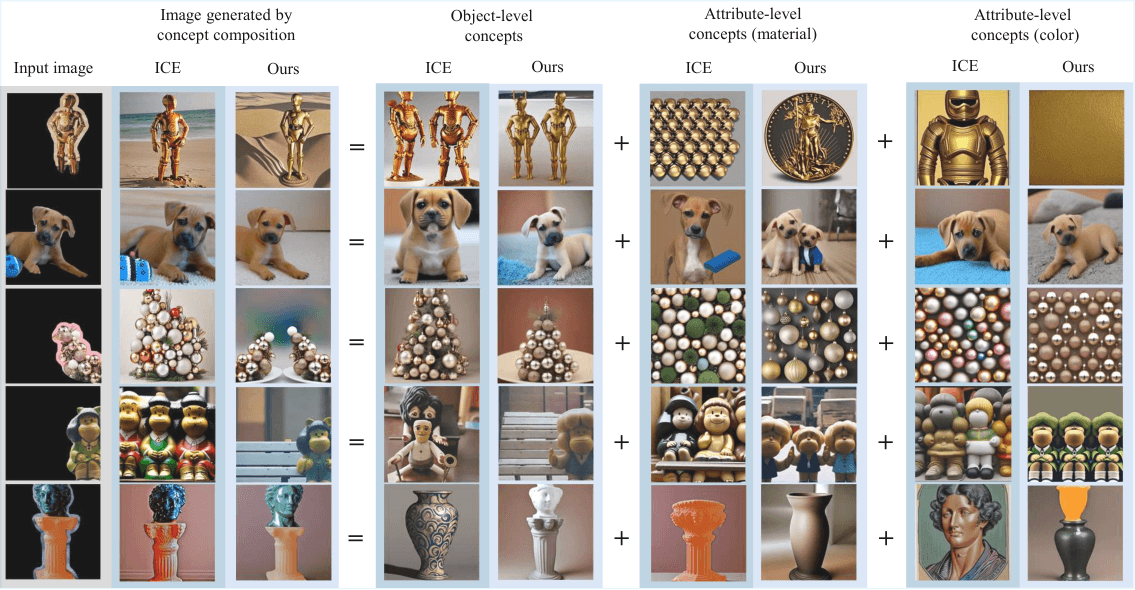
HyperExpress uses hyperbolic geometry to pull composable object and attribute concepts from a single image, letting them recombine cleanly.

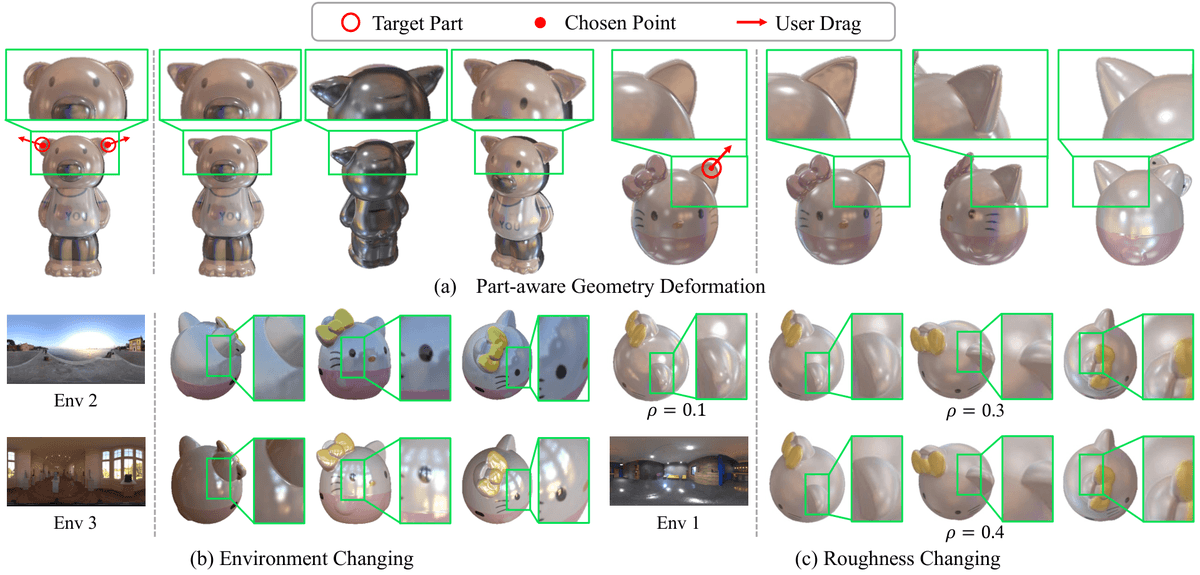
A new framework combines implicit surfaces with editable handler points, cutting 3D object editing from over an hour to 16 seconds while lifting realism.

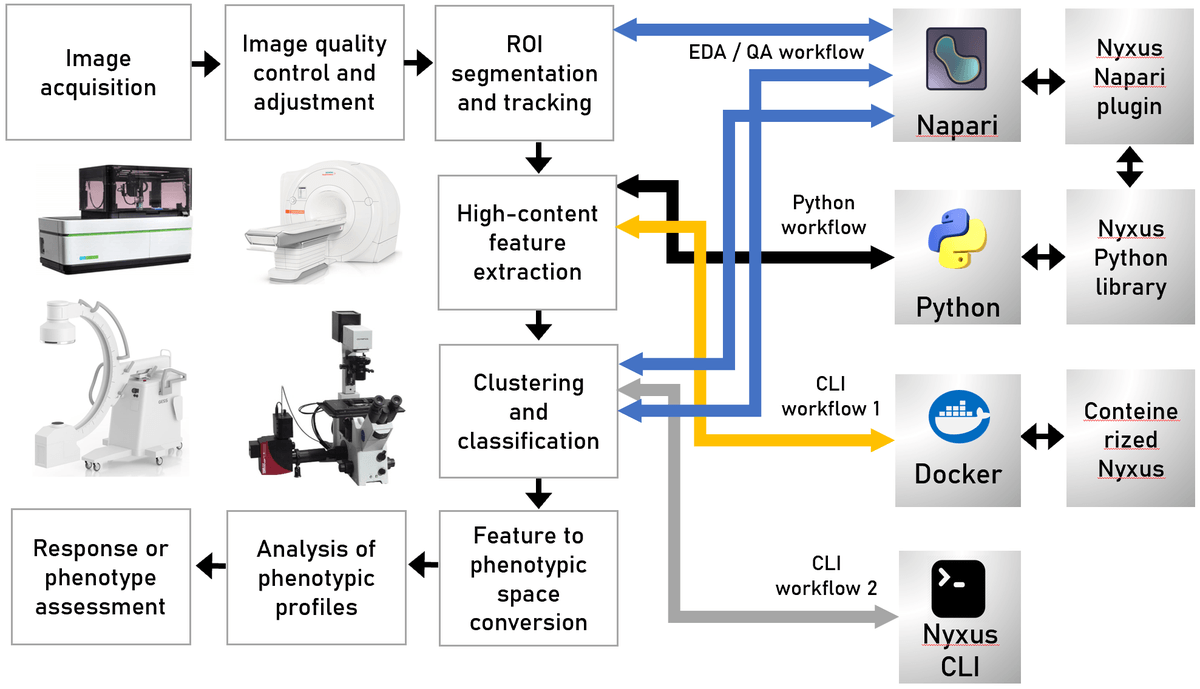
A research team from NCATS and Axle Research introduces an open-source library that unifies radiomics and cell profiling feature extraction at petabyte scale.

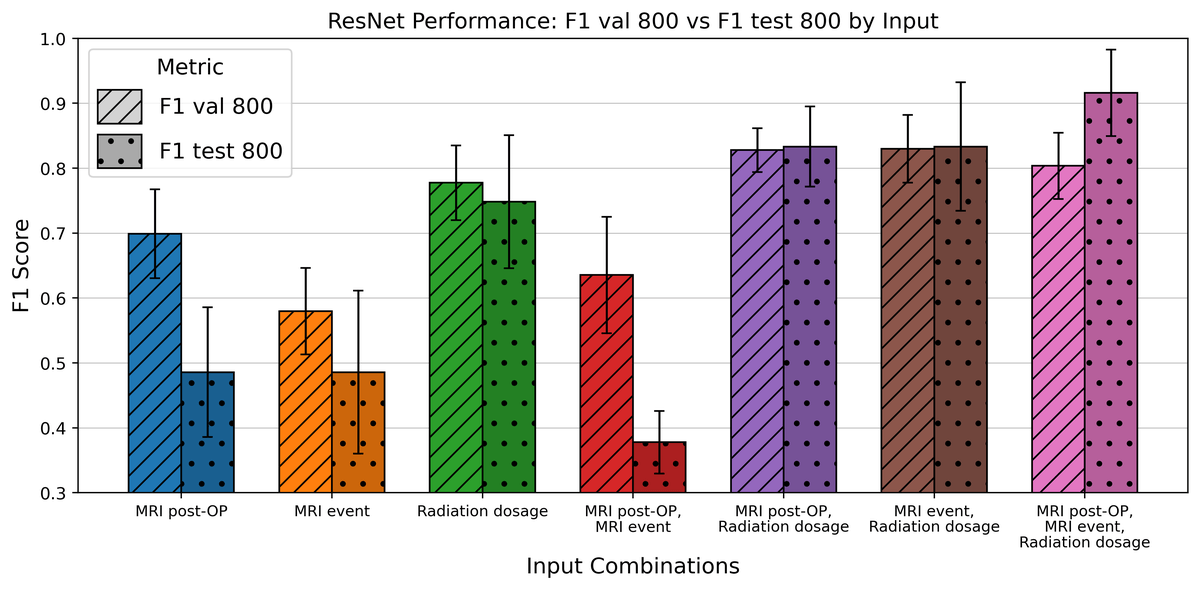
A 3D ResNet fed MRI scans plus radiation dose maps hits 0.92 F1 telling glioblastoma recurrence from radiation injury.

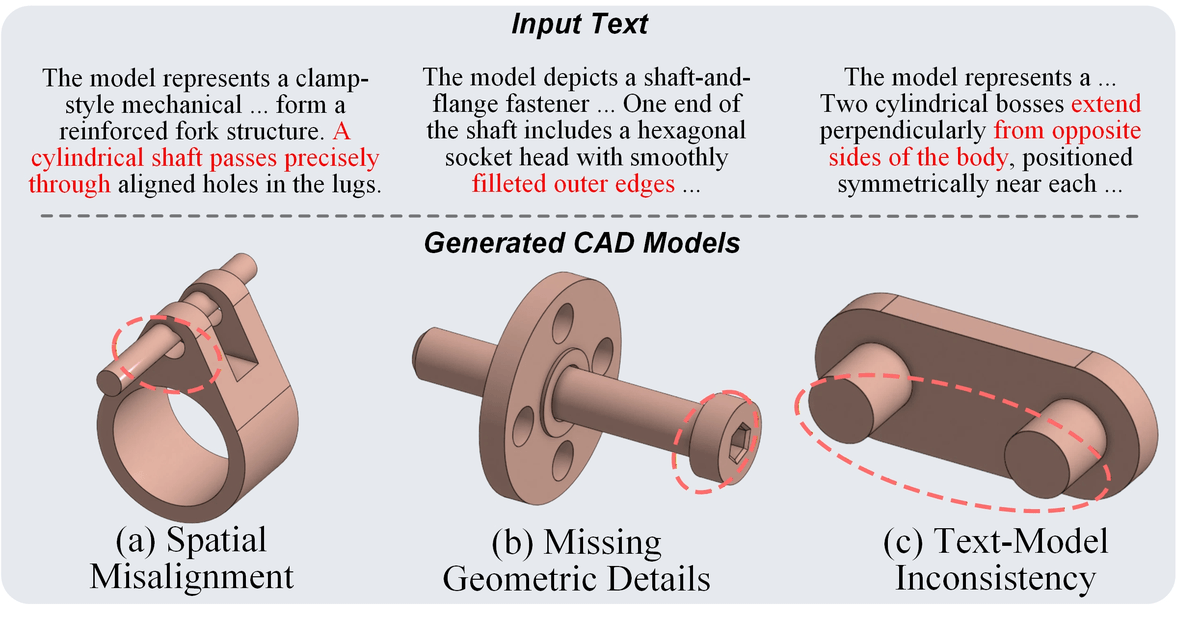
A new framework fuses LLM code generation with a B-Rep grounding transformer so text prompts can produce industrial-grade CAD with fillets, chamfers, and shells.