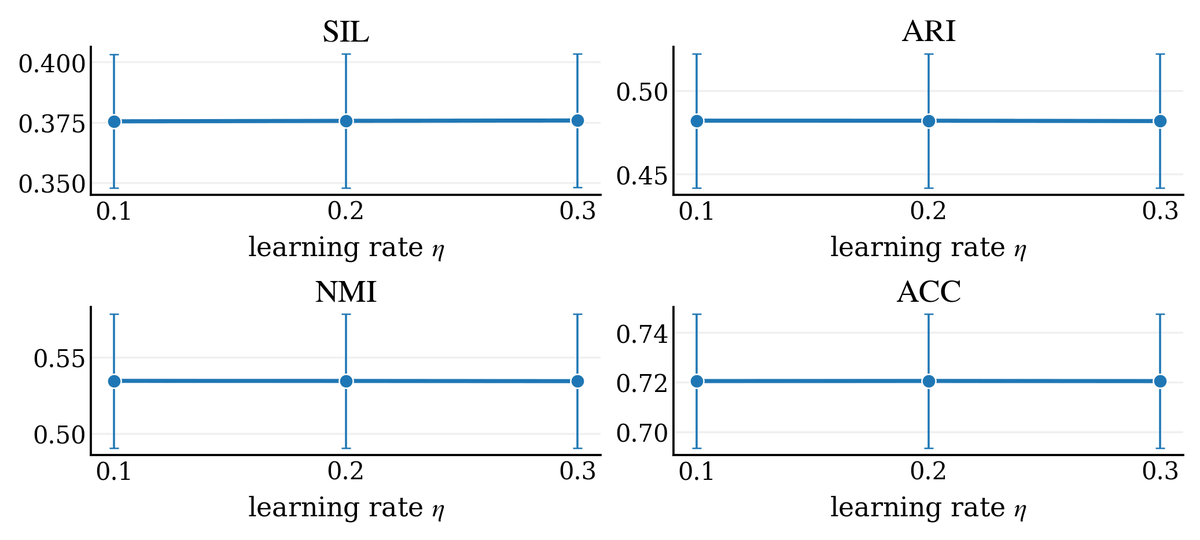
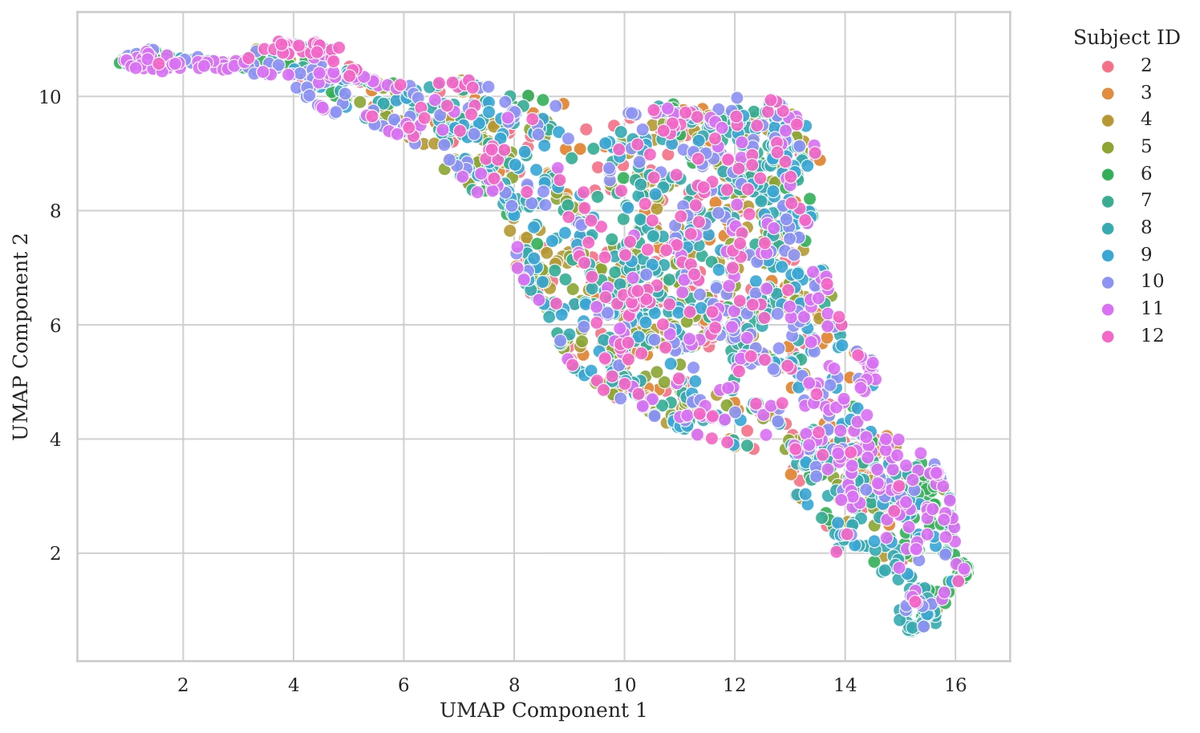
A silhouette-driven variant of k-means reweights points each iteration to reduce the pull of boundary and noisy samples, improving clustering across 15 datasets.
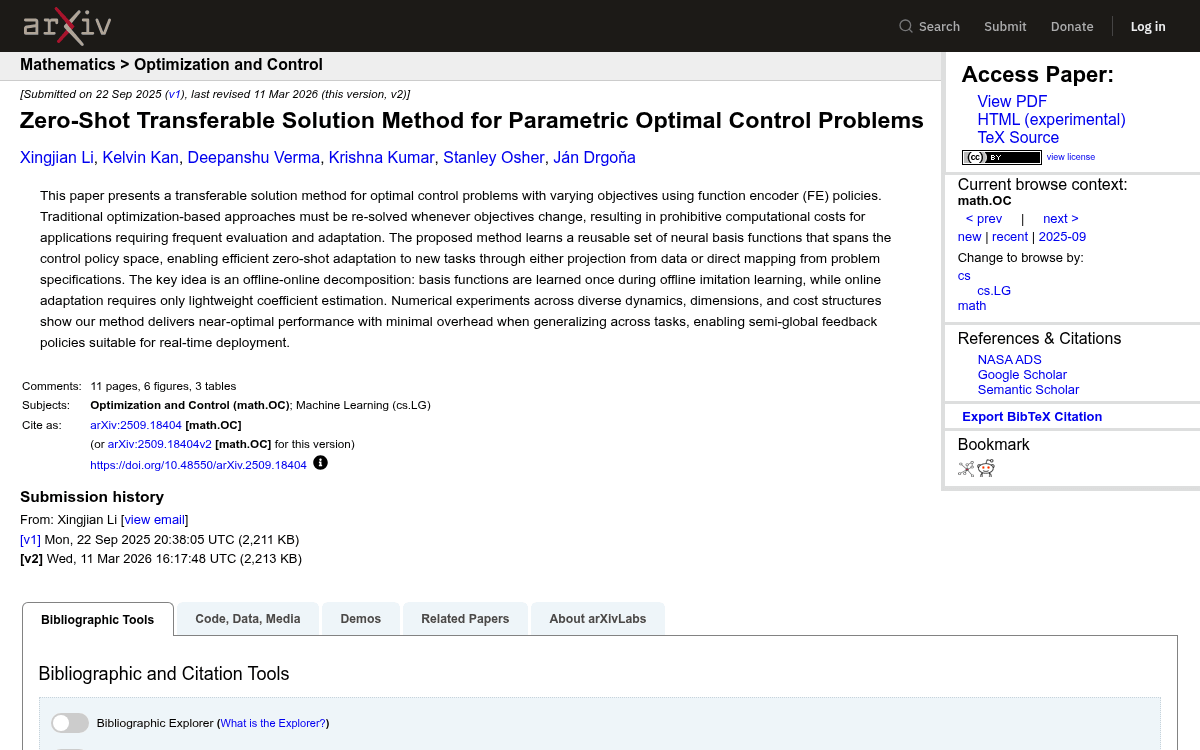
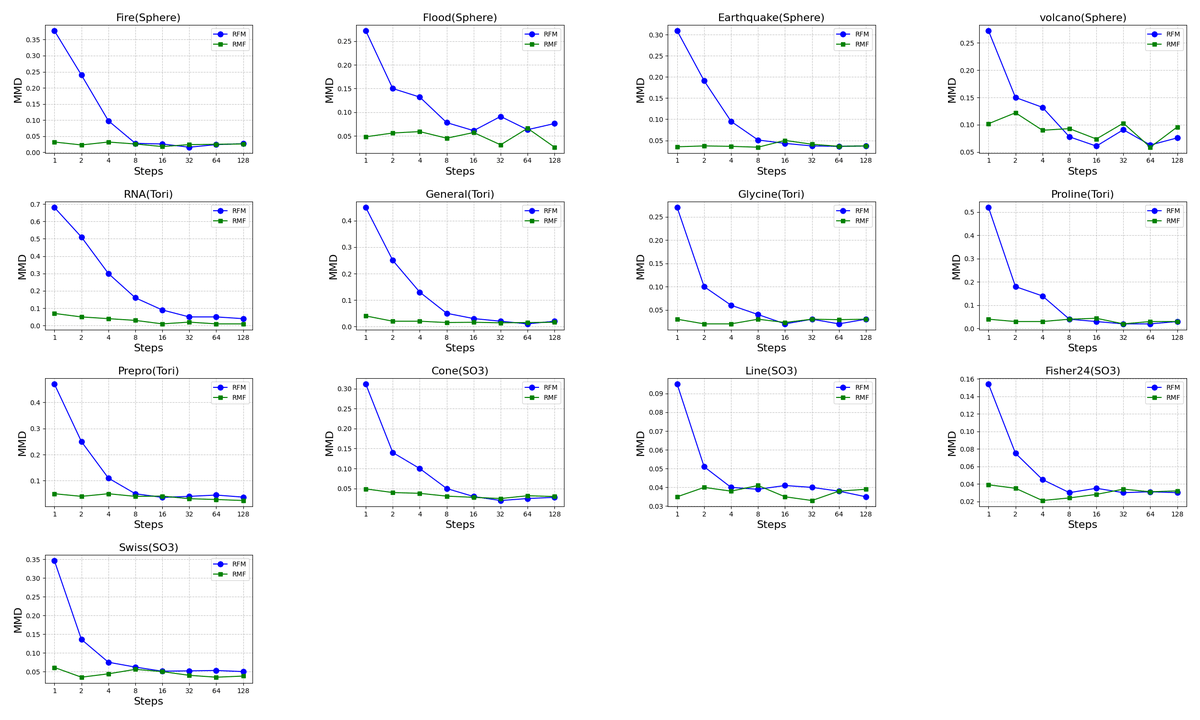
A new imitation learning framework trains neural basis functions once, then adapts control policies to unseen objectives with no retraining and near-optimal accuracy.
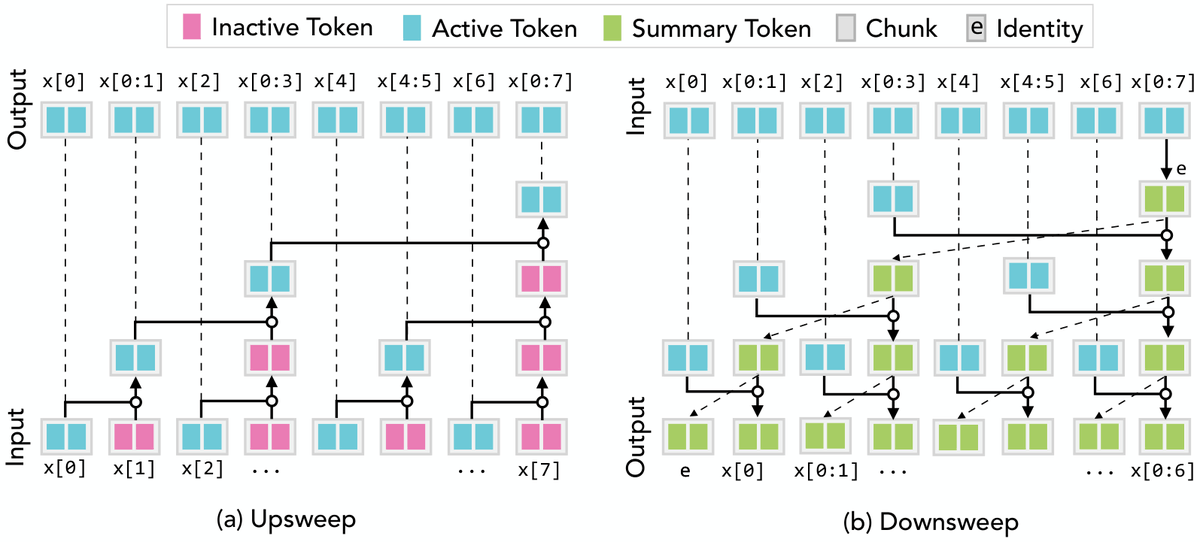
MIT researchers unify Mamba, GLA, and softmax attention under one prefix-scan framework, then use it to build a model with linear-time inference and better length generalization.
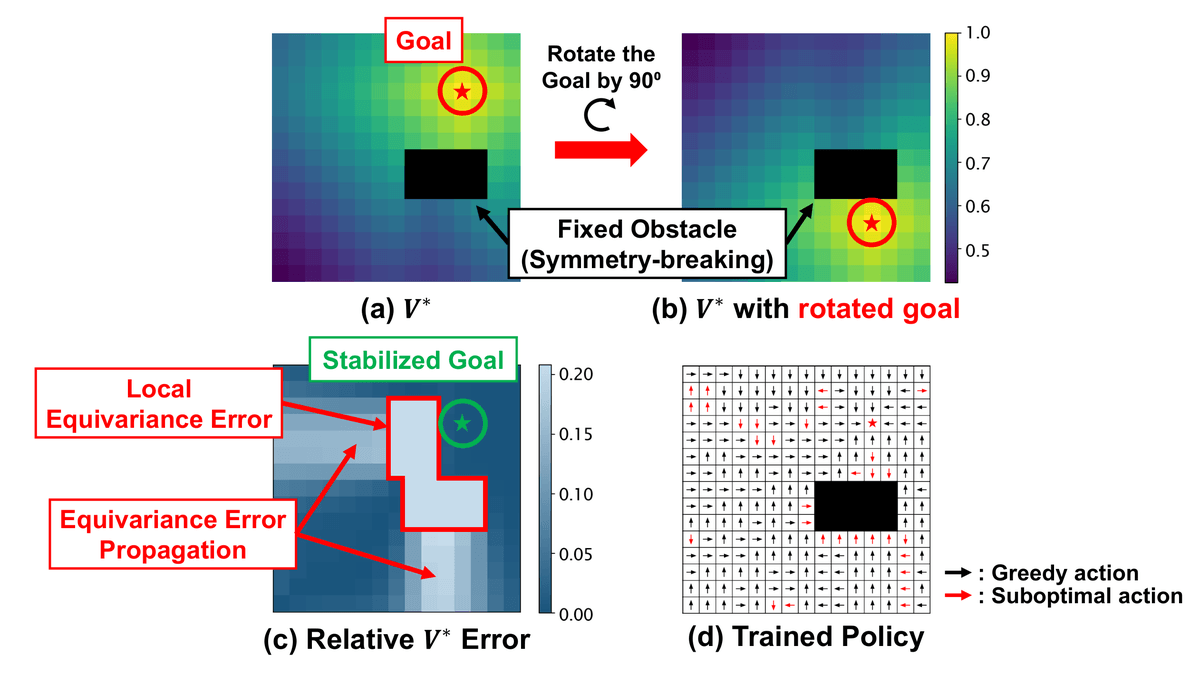
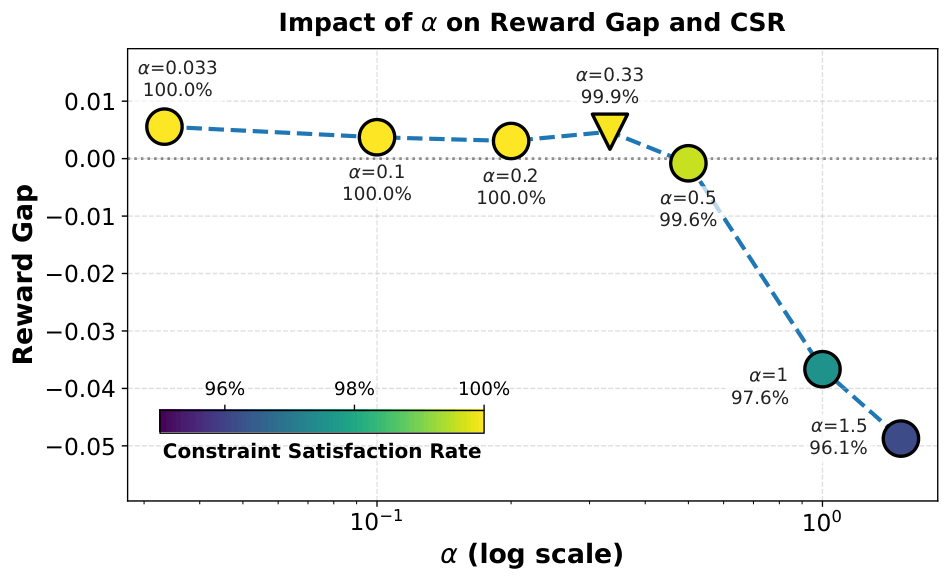
A new reinforcement learning framework selectively enforces symmetry only where it holds, preventing local violations from corrupting the entire value function.
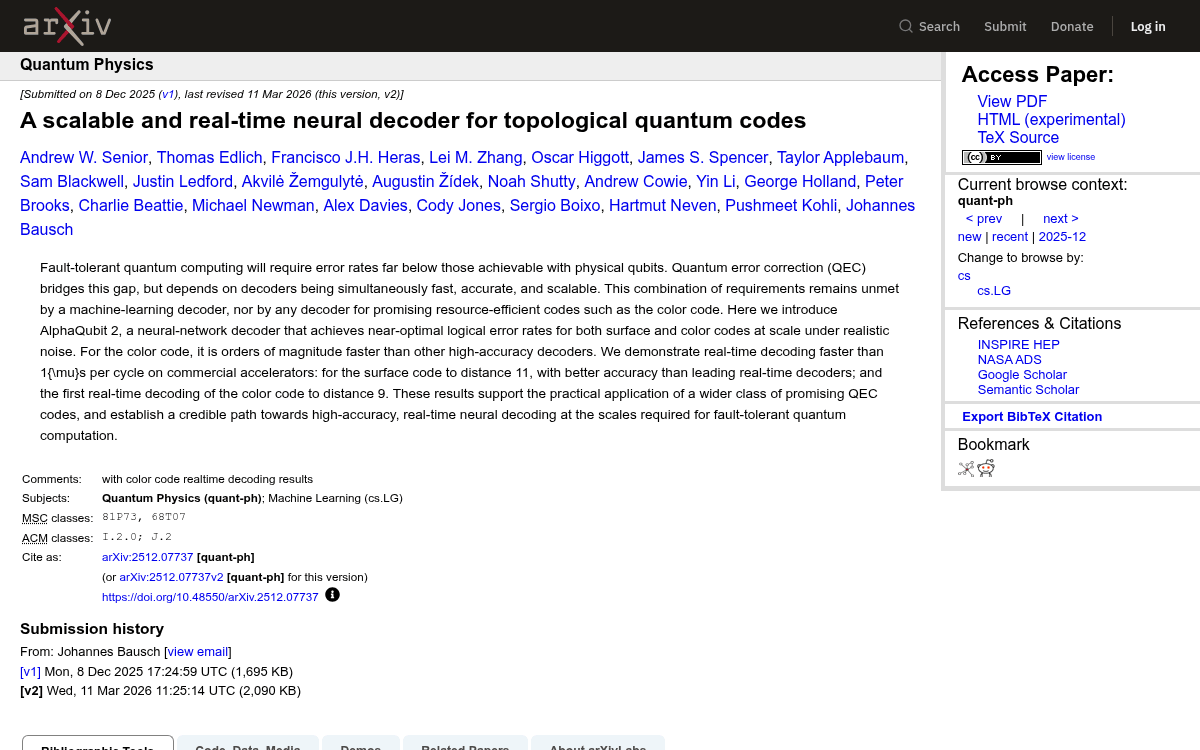
Google DeepMind's AlphaQubit 2 hits sub-microsecond decoding on surface and color codes, clearing a major bottleneck for fault-tolerant quantum computing.
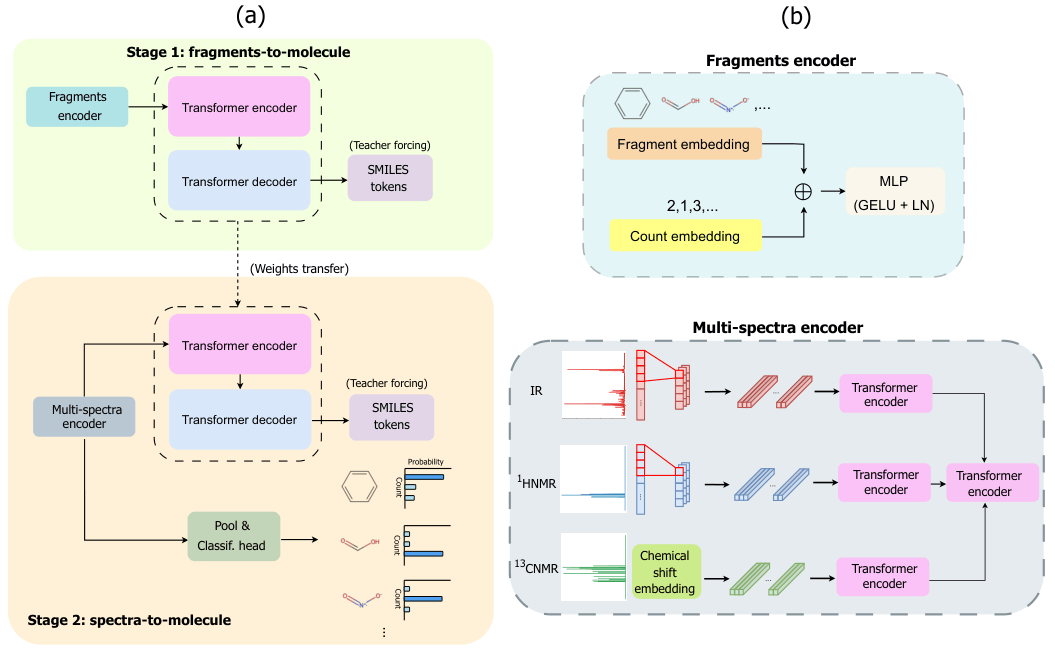
A two-stage generative model turns raw IR and NMR spectra into molecular structures, beating prior baselines on unseen molecules with up to 35 heavy atoms.
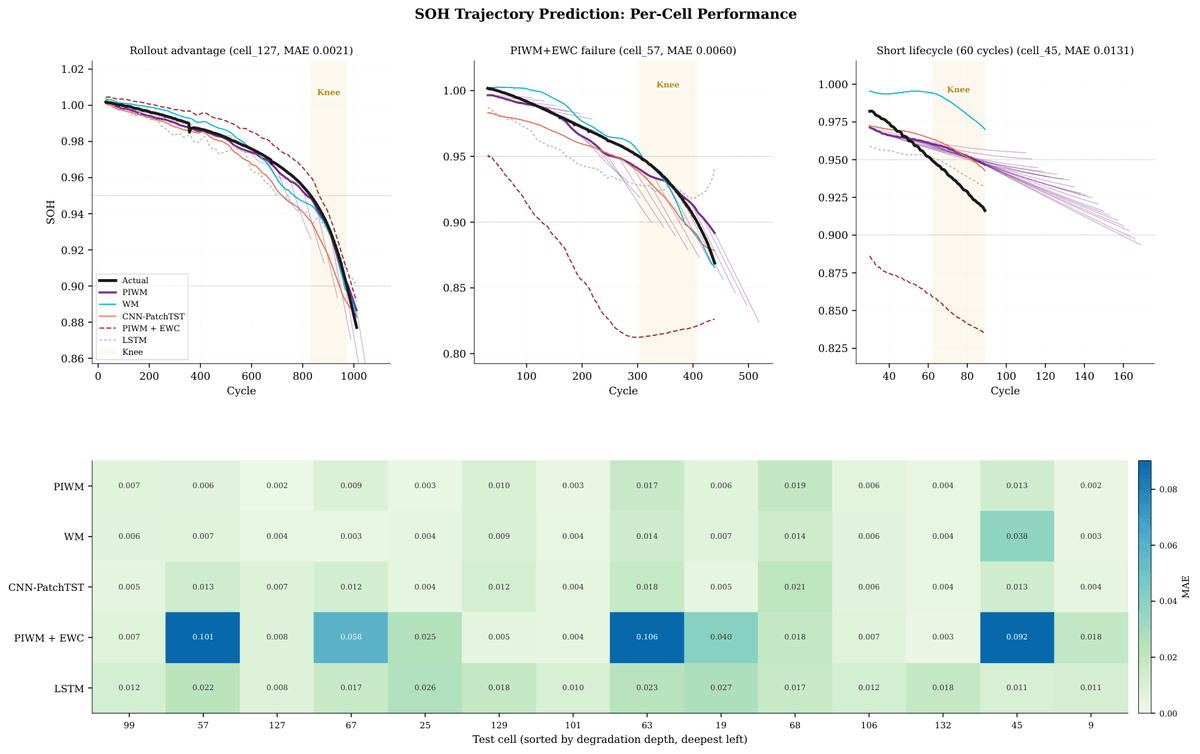
Researchers reframe lithium-ion battery health forecasting as a world model problem, cutting short-horizon trajectory error in half through iterative latent rollout.
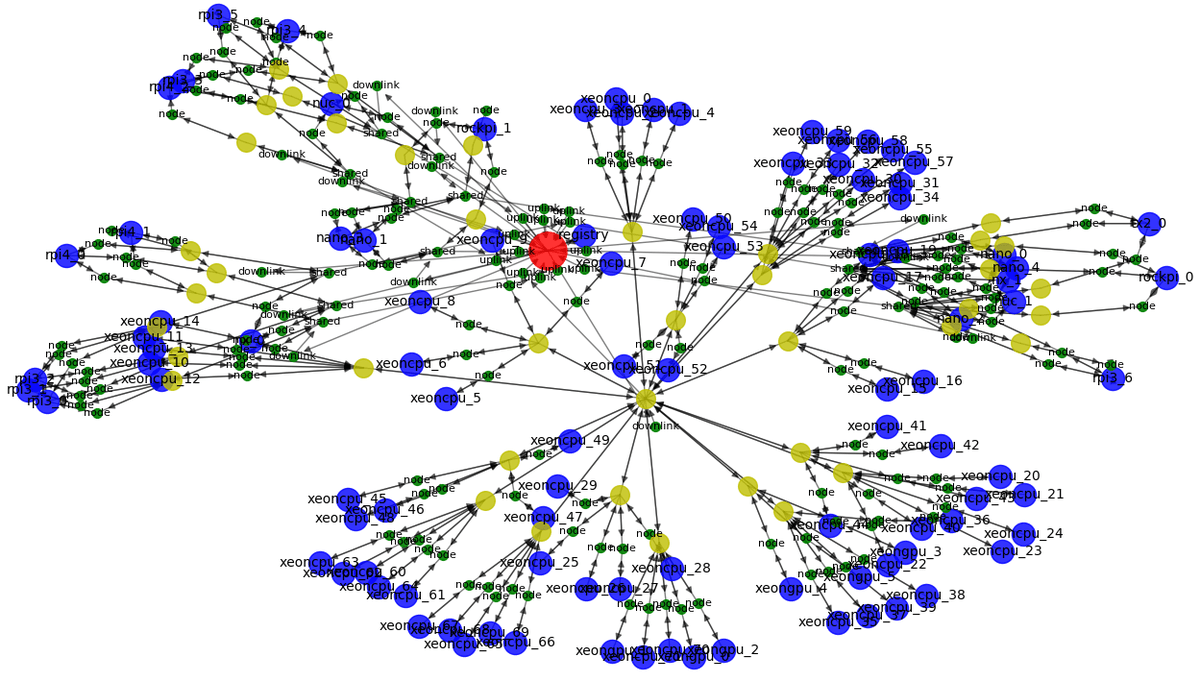
A research paper shows reinforcement learning can automatically tune Kubernetes-style scheduler weights, beating fixed weights by 33 percent in serverless benchmarks.
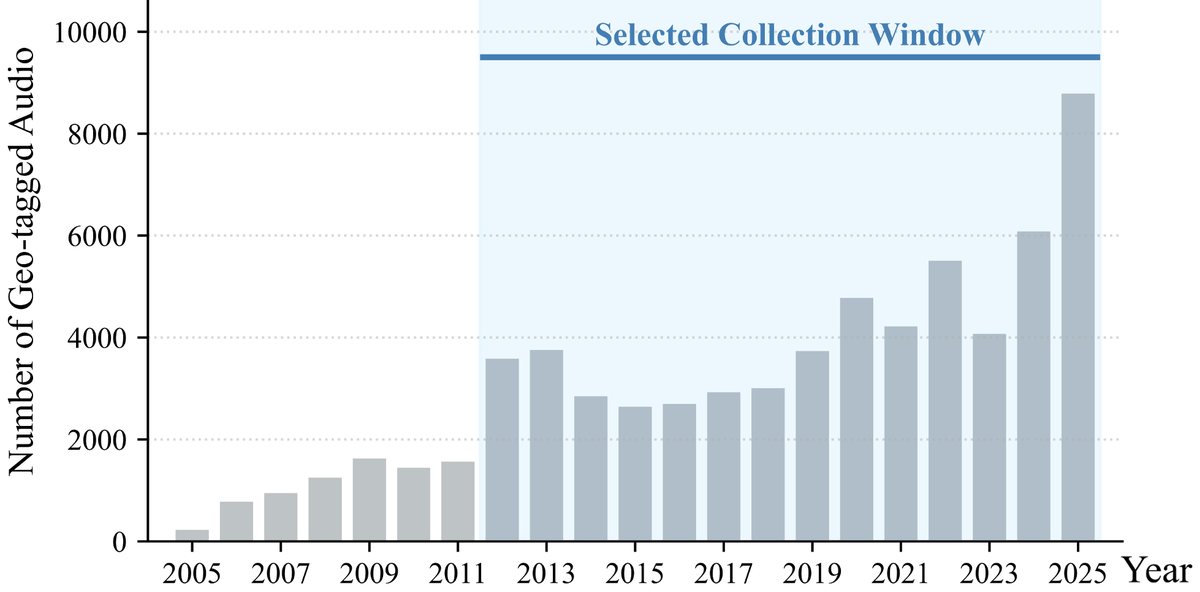
A new benchmark pairs 10.7 hours of environmental audio with OpenStreetMap points of interest, showing location context can fix what waveforms alone cannot.
A geometry-aware VAE learns to synthesize valid brain-signal covariance matrices, cutting calibration burden for motor imagery brain-computer interfaces.
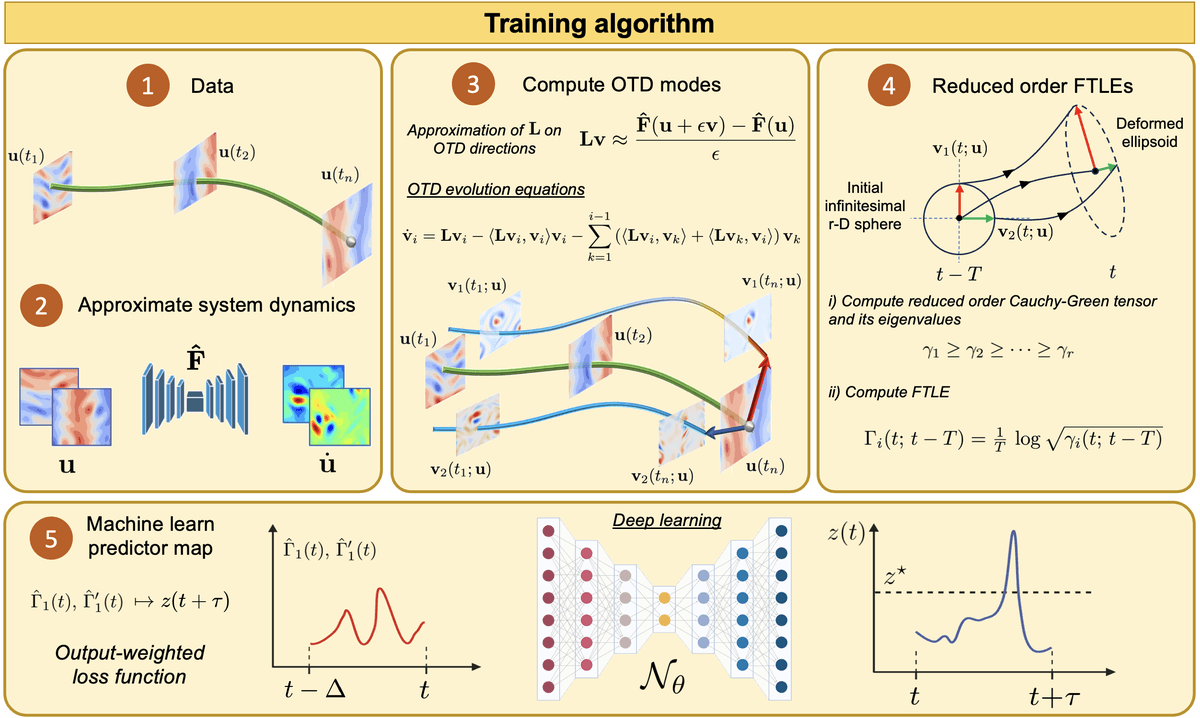
MIT researchers combine finite-time Lyapunov exponents with Transformer forecasting to predict rare turbulent bursts far earlier than statistical methods allow.
A new wireless federated learning framework treats gradient signs as premium cargo, allocating more power and bandwidth to direction bits than magnitude bits.
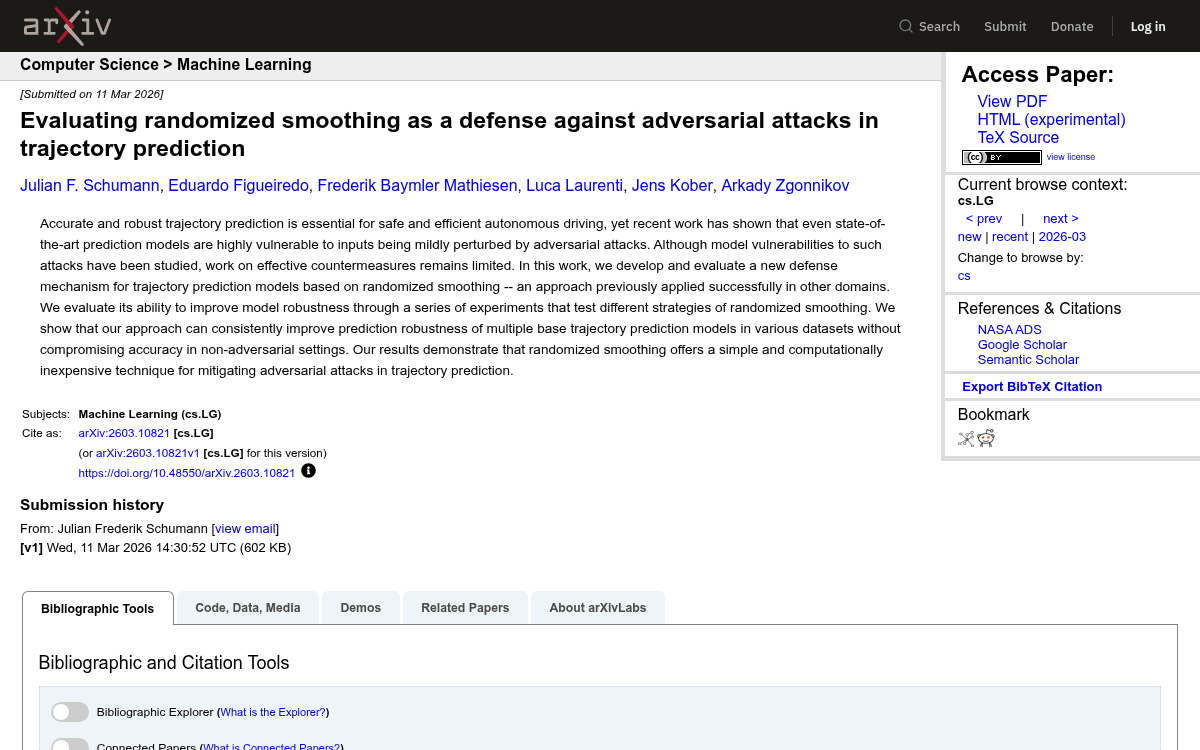
Researchers show that averaging predictions over noisy inputs shields autonomous driving trajectory models from adversarial attacks without hurting normal accuracy.
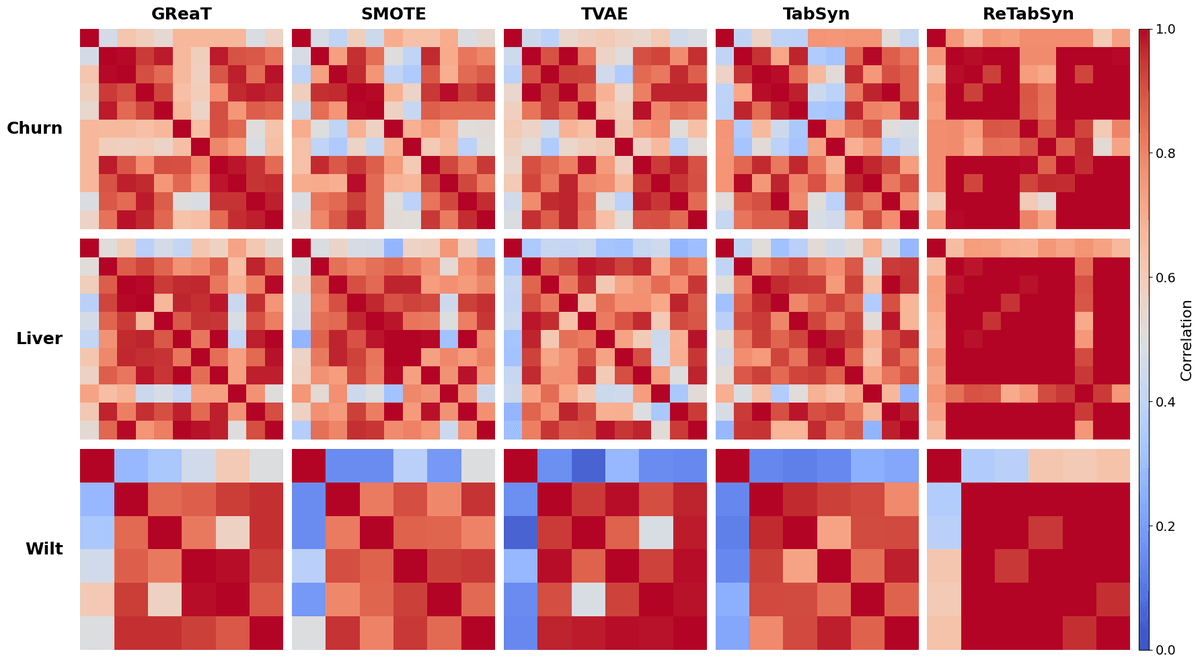
A new fine-tuning pipeline teaches language model tabular generators to preserve feature-target correlations, beating diffusion and GAN baselines on tiny, imbalanced datasets.
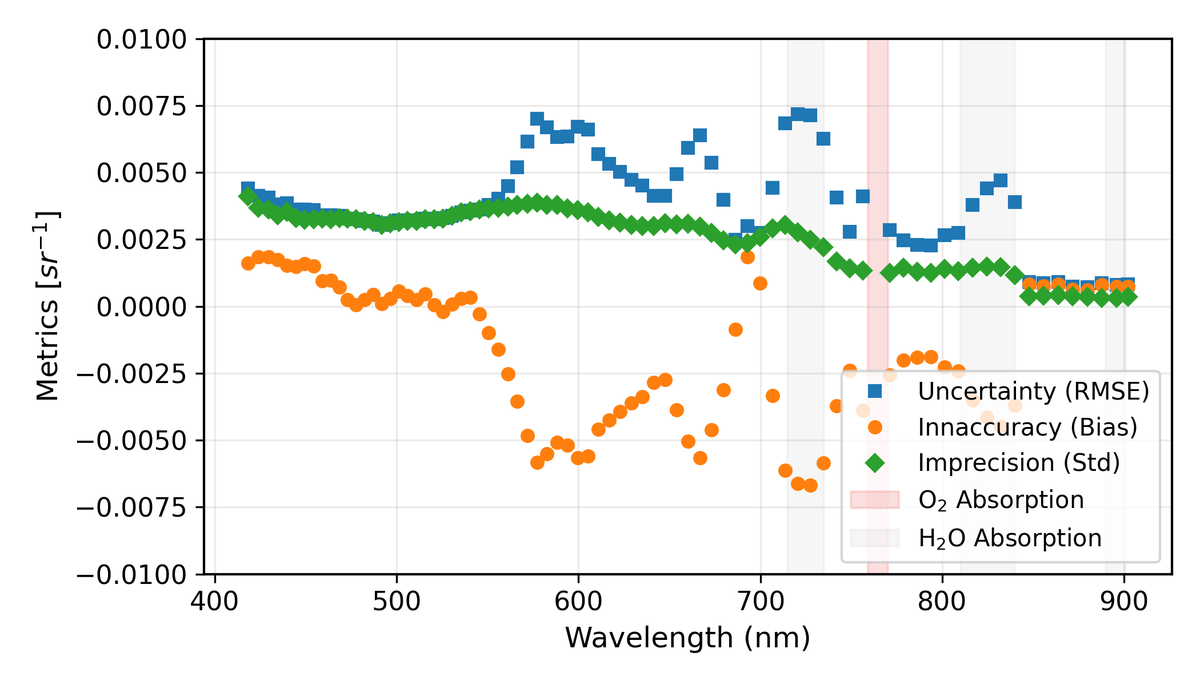
A new open-source Python framework corrects EnMAP hyperspectral satellite imagery over water, using 6S radiative transfer physics and Google Earth Engine metadata.
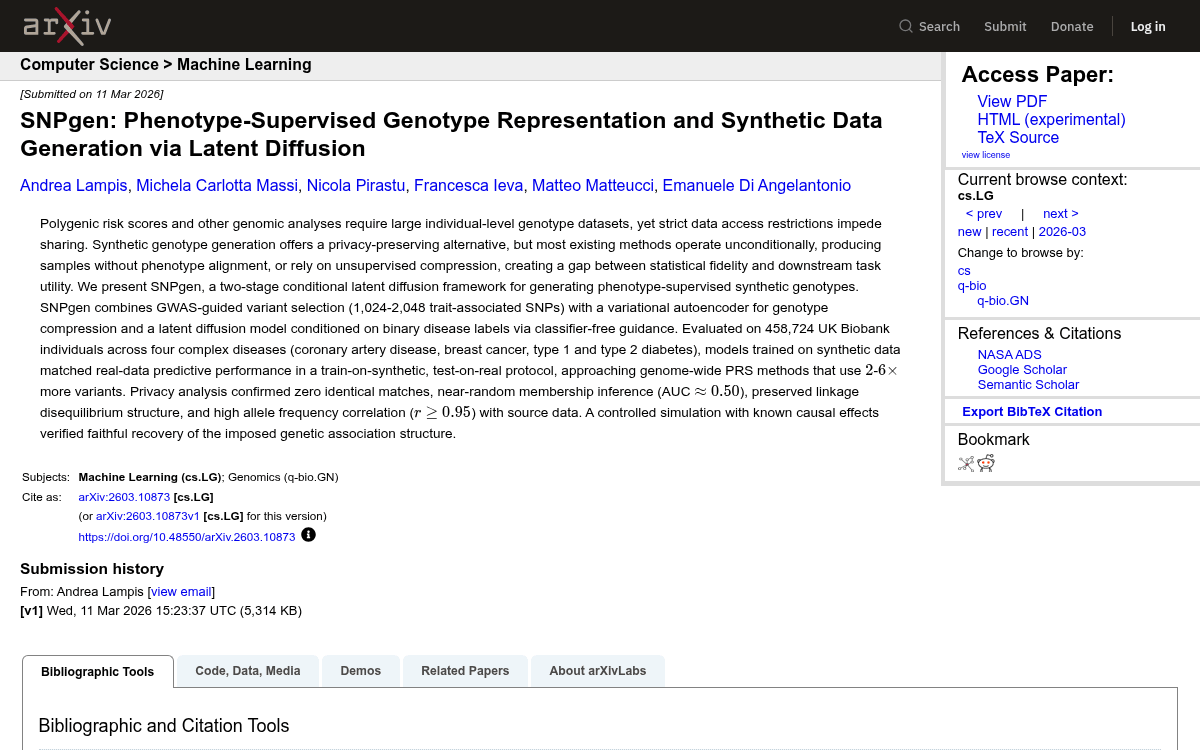
SNPgen combines GWAS-guided variant selection with a conditional latent diffusion model to generate synthetic genotypes that match real-data predictive performance while preserving privacy.