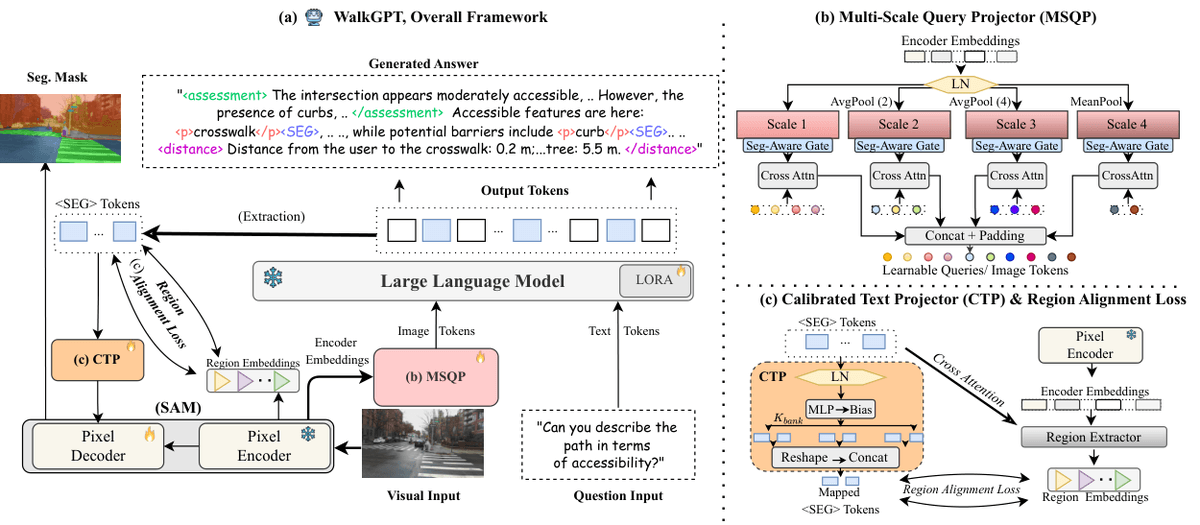
Wayne State's WalkGPT Spots Curbs and Hazards 25% More Accurately Than Rivals
A pixel-grounded vision-language model unifies segmentation, depth estimation, and dialogue to describe accessible paths and hazards from a single first-person image.
20 stories

A pixel-grounded vision-language model unifies segmentation, depth estimation, and dialogue to describe accessible paths and hazards from a single first-person image.

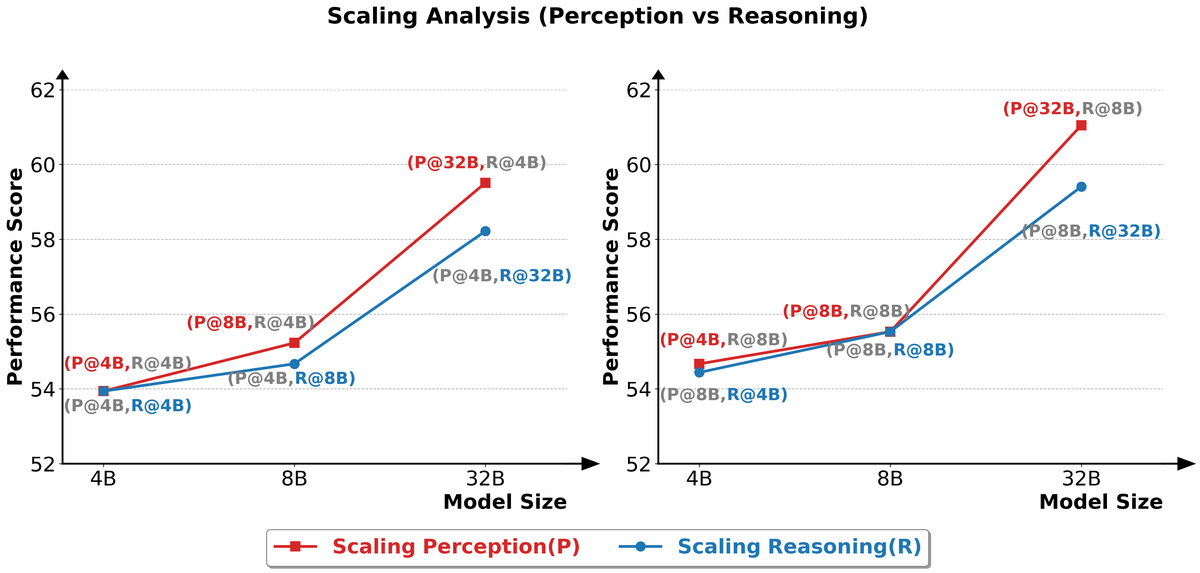
Qwen team researchers show that scaling visual perception, not reasoning, unlocks STEM performance, and use executable code as ground-truth captions.

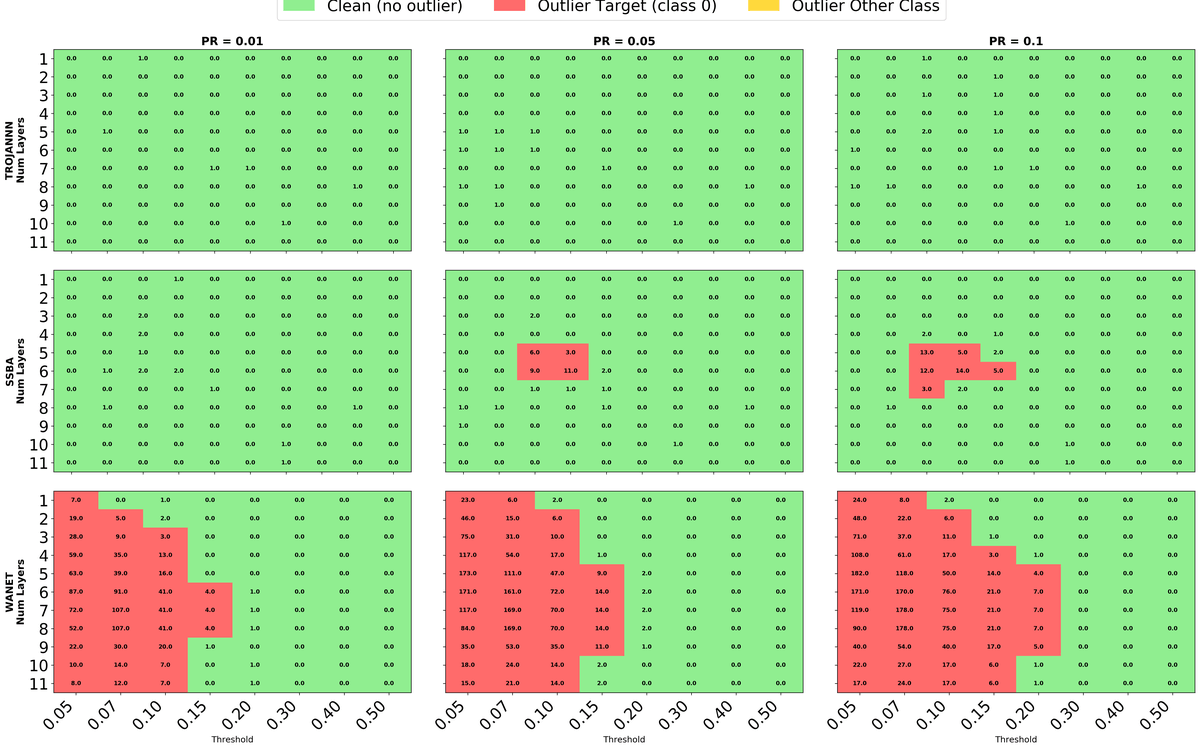
Researchers borrow a trick from LLM interpretability to locate, disable, and even detect hidden backdoors implanted in Vision Transformers.

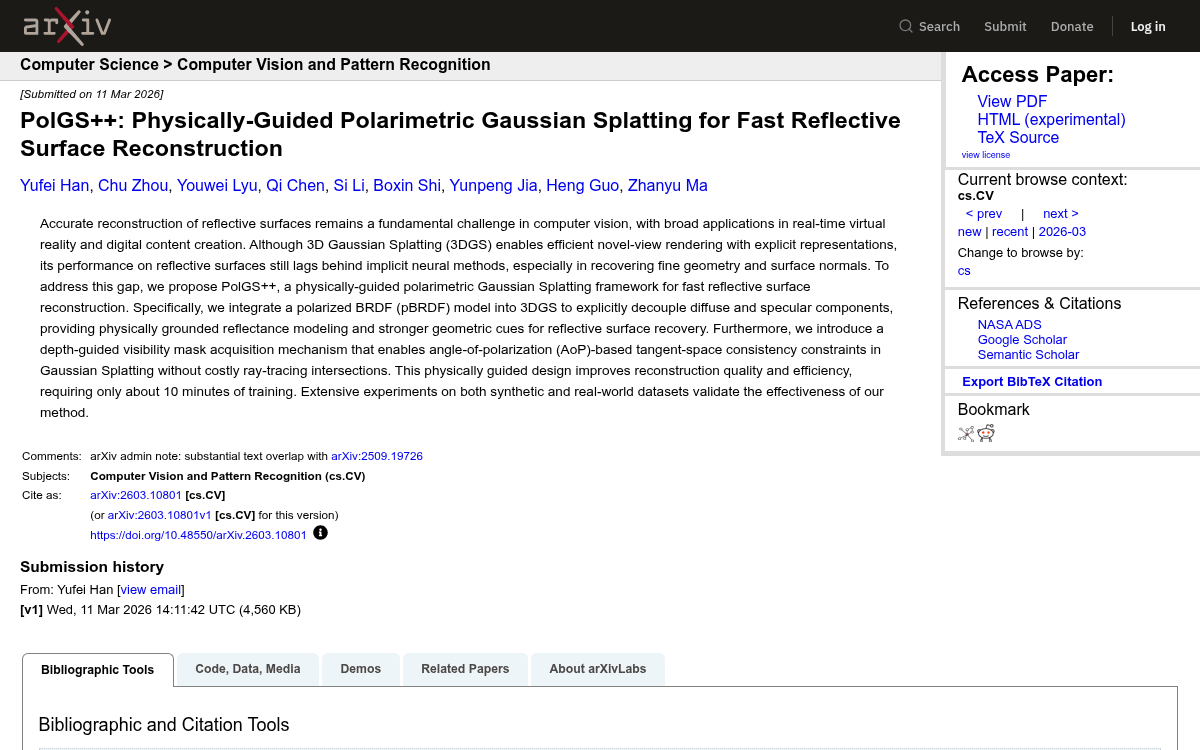
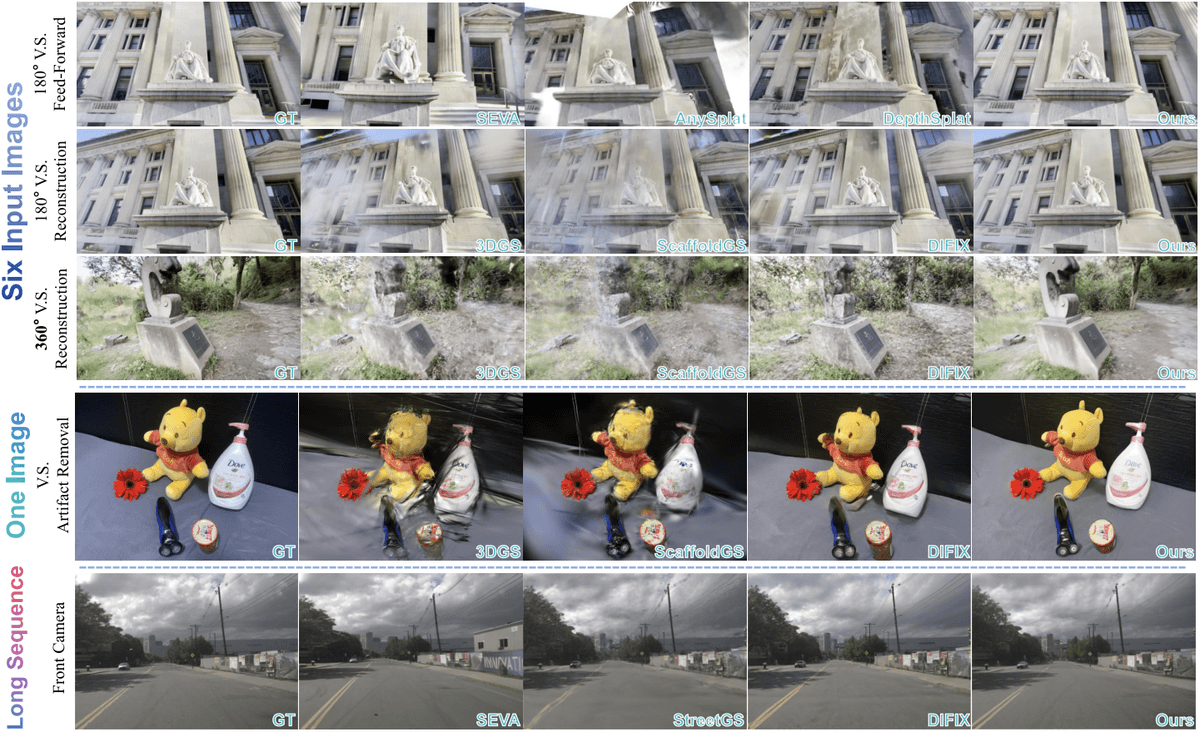
A polarimetric Gaussian Splatting method reconstructs shiny objects in about 10 minutes, closing the quality gap with slow SDF-based approaches.

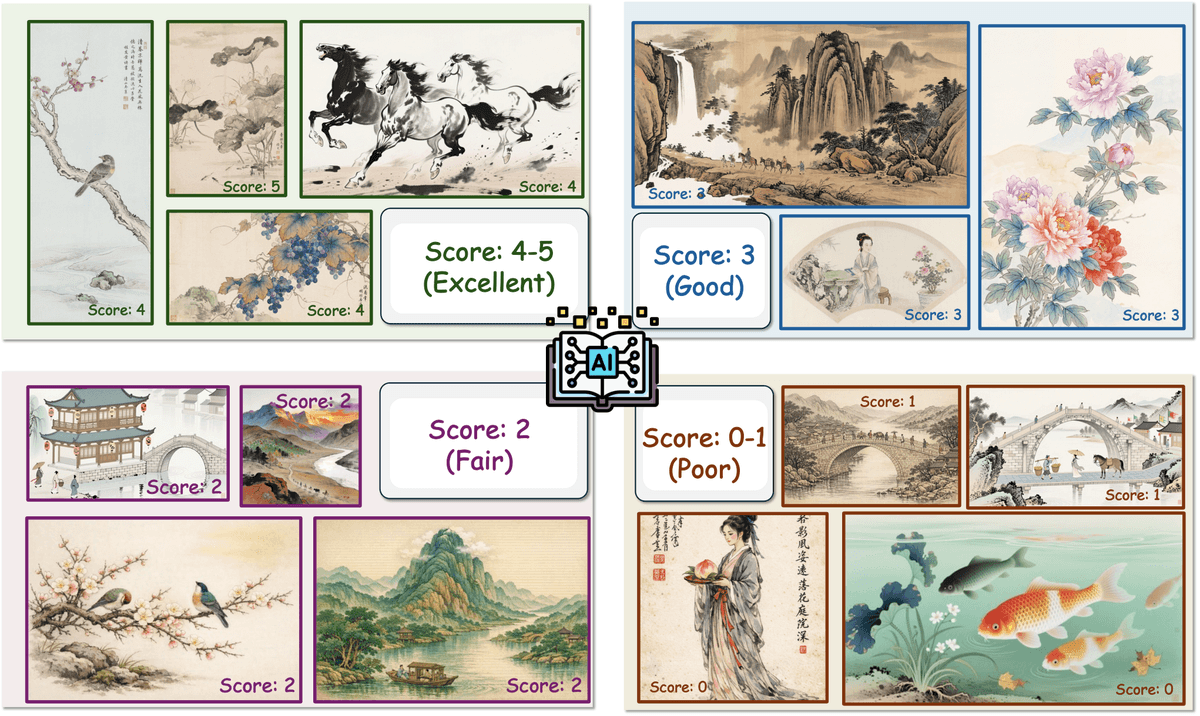
A new vision-language model learns to judge Chinese paintings like a trained art expert, and doubles as a verifier for text-to-image models.

A new study shows one labeled example is enough for pill classification, but overlapping pills expose a hidden localization failure mode.

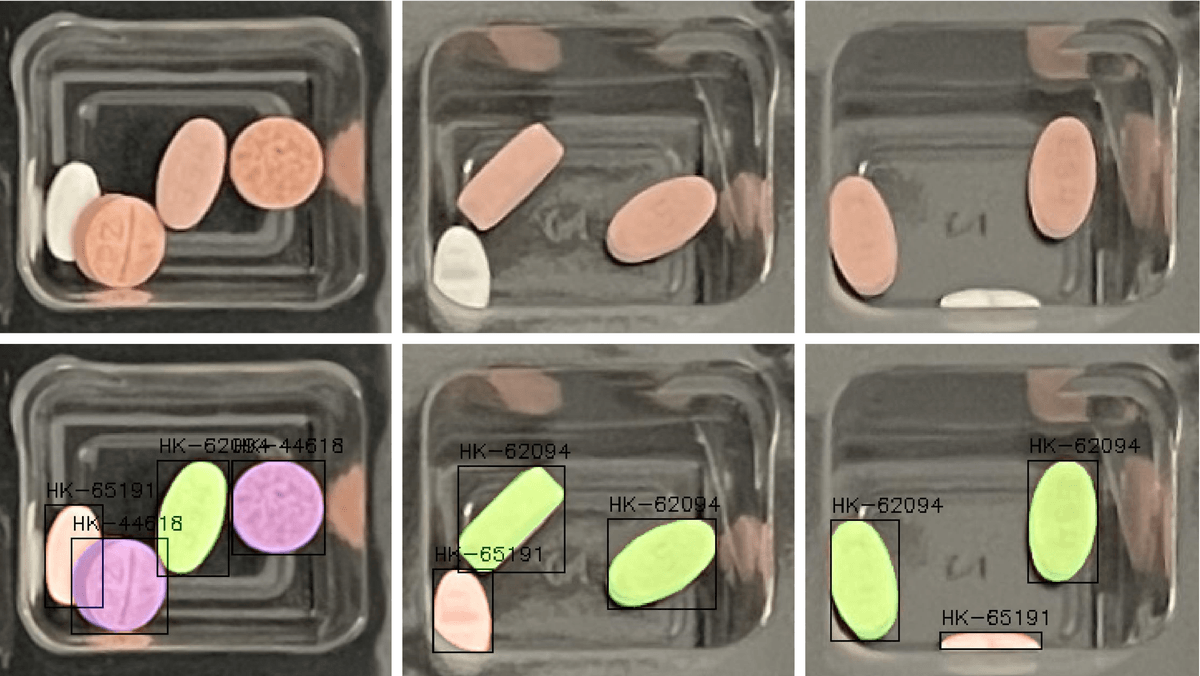
A new instance-segmentation dataset captures overlapping pills in dosette boxes, and few-shot experiments show it transfers better than existing pill datasets.

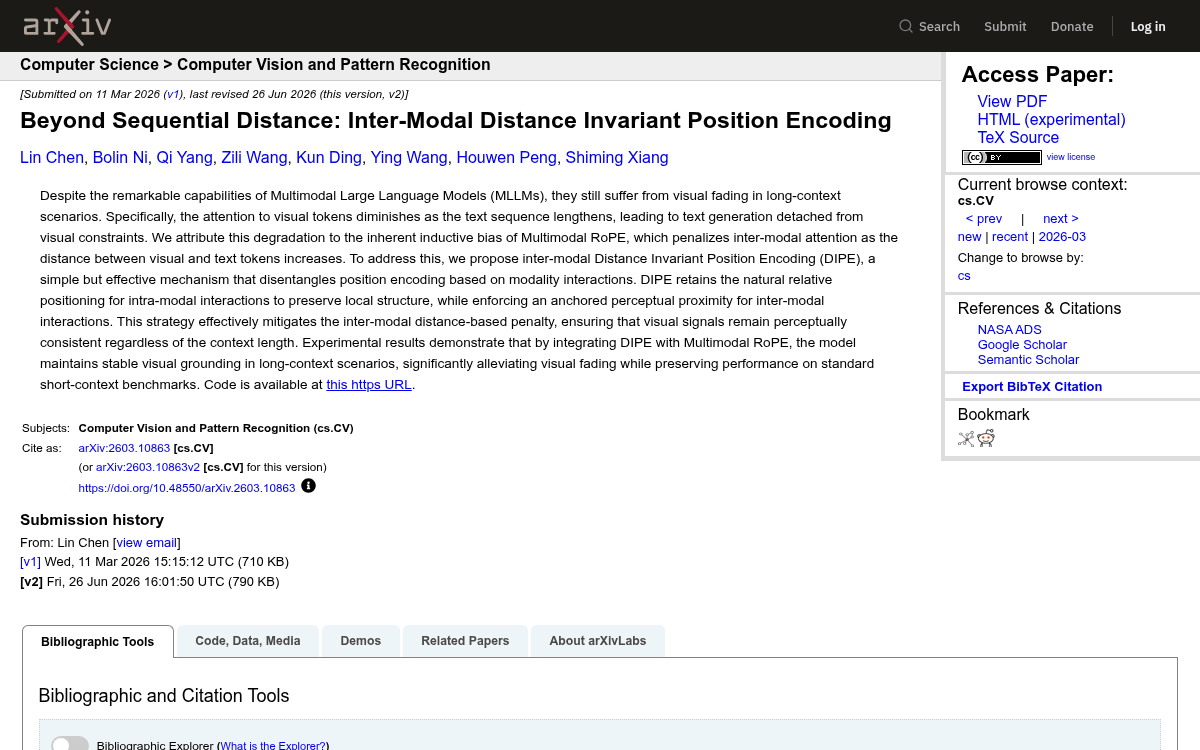
A query-side position encoding tweak stops multimodal models from ignoring images once the text context grows past a few thousand tokens.

Researchers propose Sparse to Dense lifting, a pipeline that combines point clouds and Gaussian Splatting to reconstruct scenes from very few images.

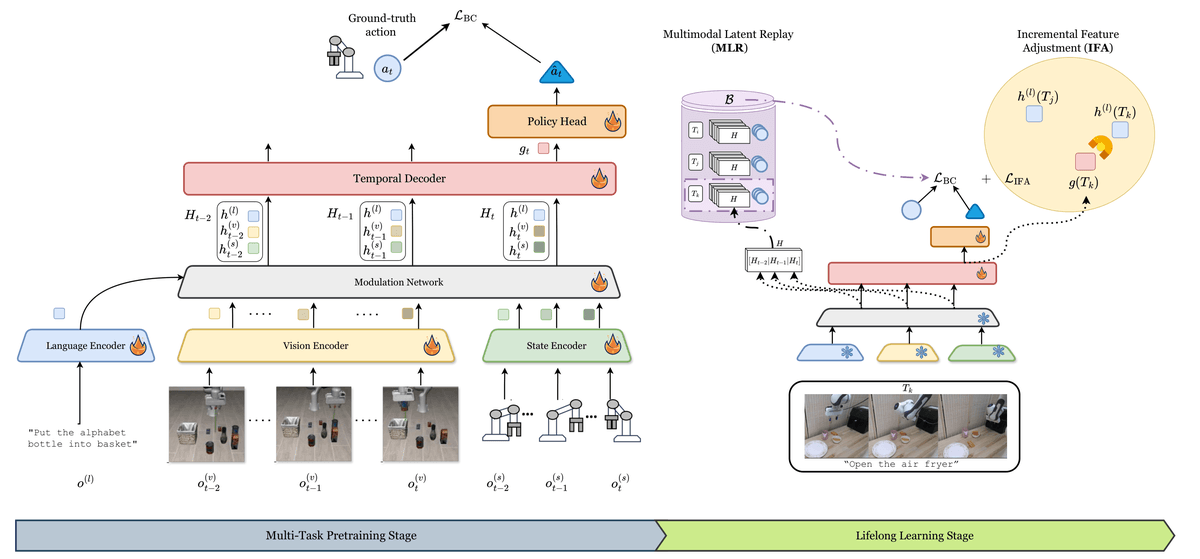
A new lifelong imitation learning method replays compressed latent features and enforces angular separation between tasks, cutting robot forgetting by up to 65 percent on LIBERO.

A new self-supervised framework called SSL-V3 injects video quality scores into a Vision Transformer, boosting classification accuracy on noisy real-world footage.

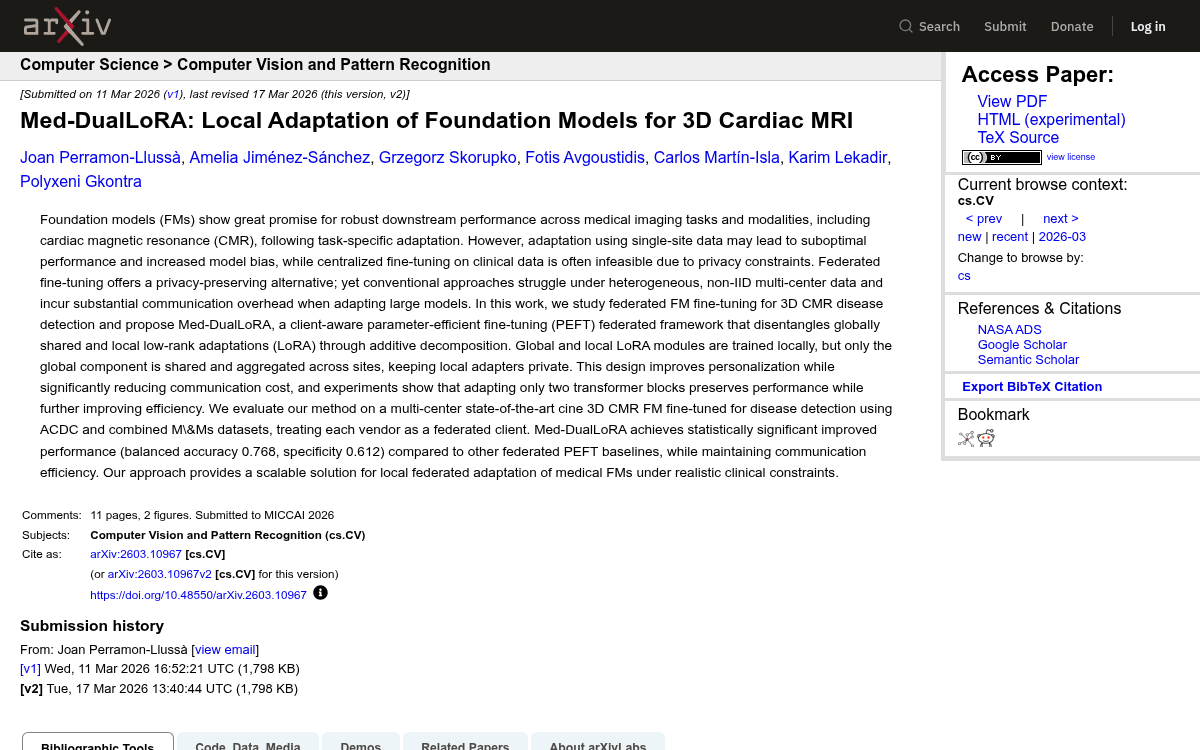
A dual-adapter LoRA scheme keeps site-specific weights private, cuts network traffic, and beats standard federated fine-tuning on multi-vendor cardiac MRI.

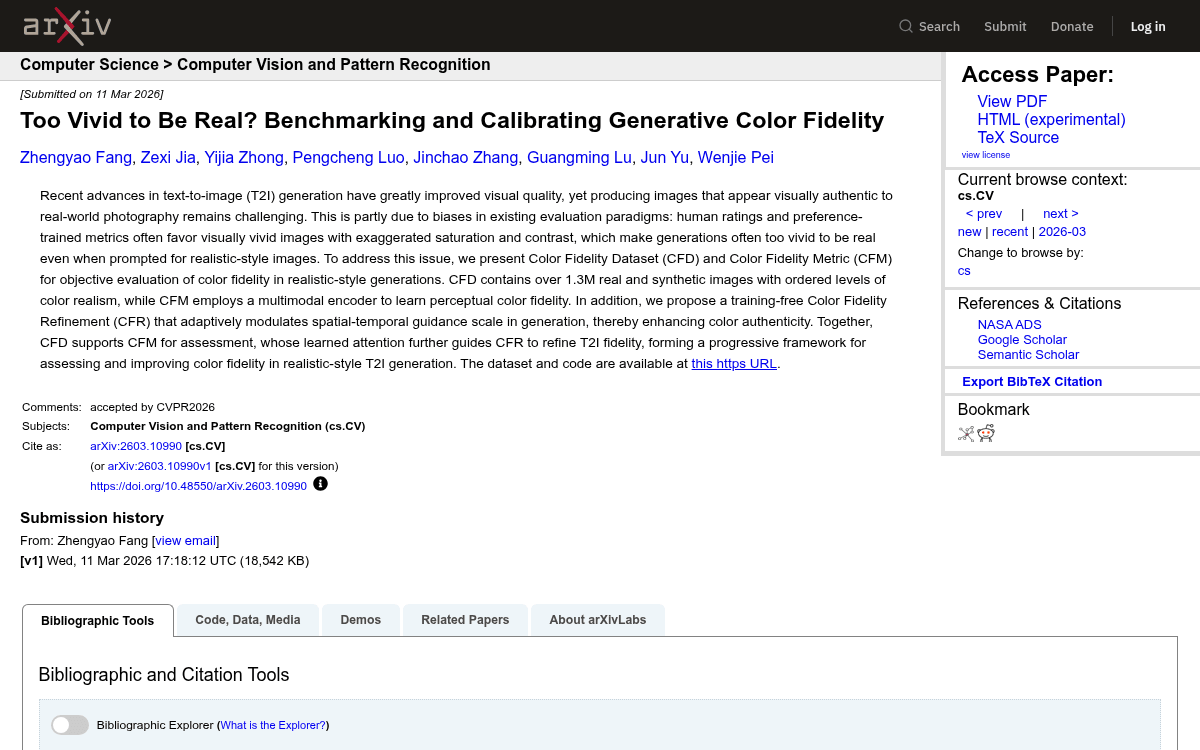
A new dataset, metric, and training-free refinement expose why realistic prompts still produce cartoon-vivid images, and fix it.

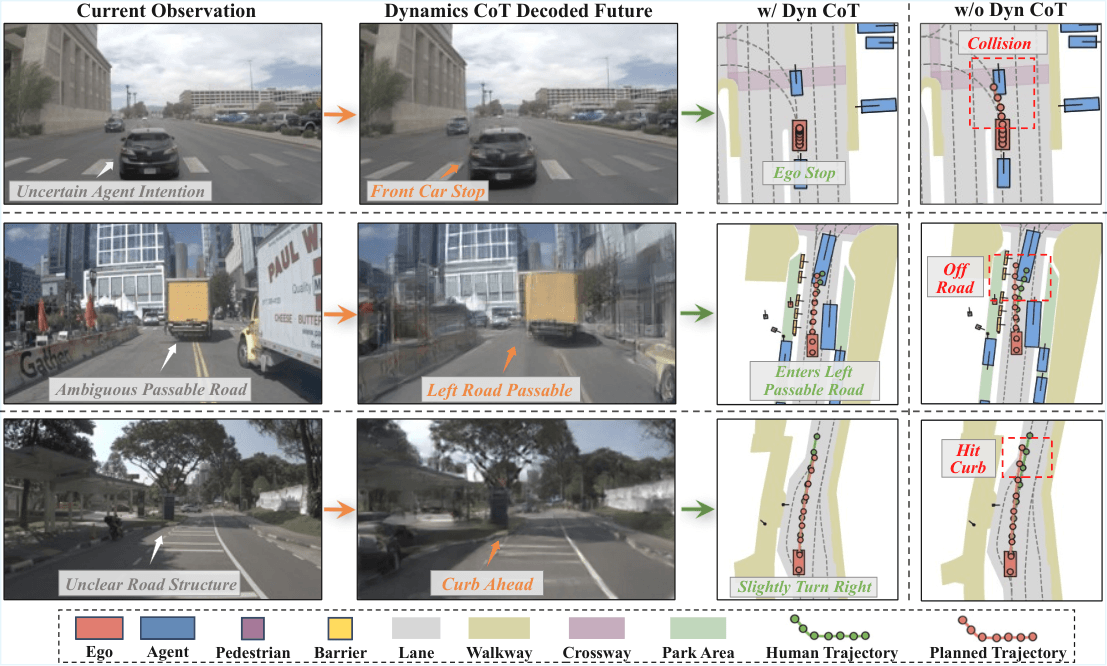
DynVLA introduces Dynamics Chain-of-Thought, compressing future world evolution into a handful of tokens so driving VLAs reason before acting without incurring image-generation overhead.

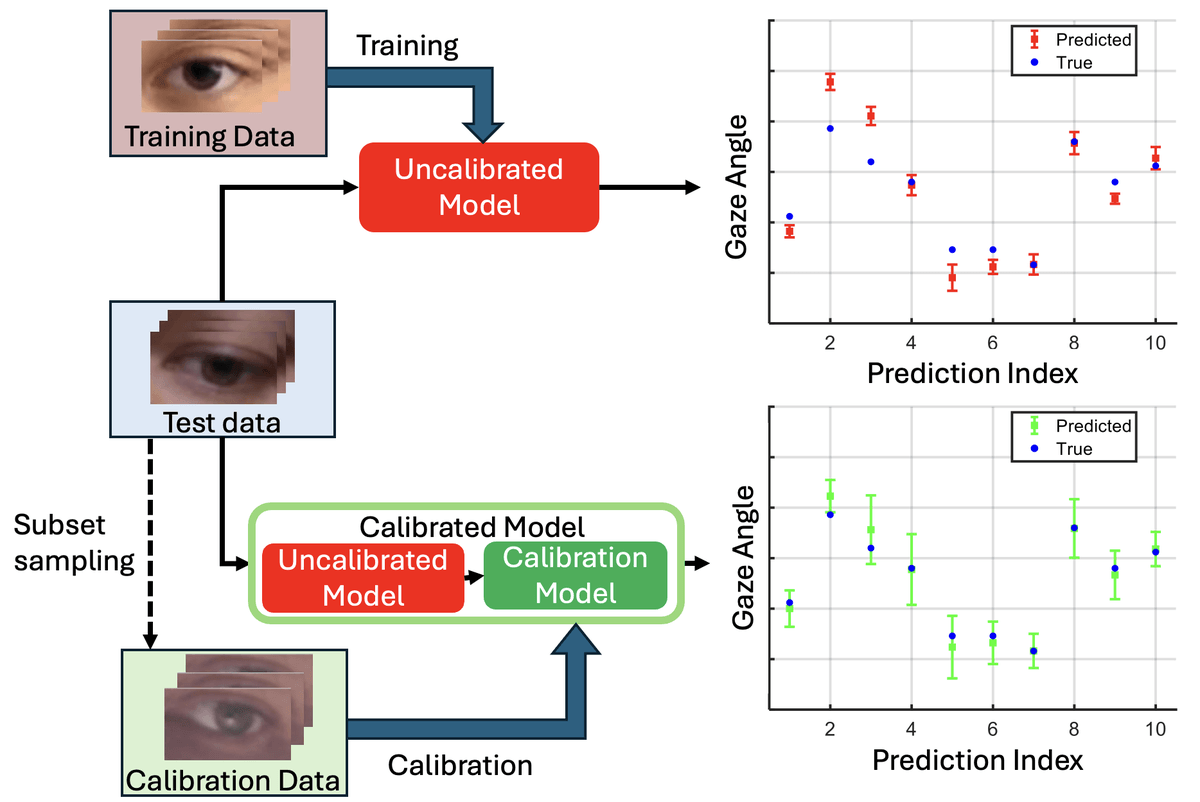
A new probabilistic metric and post-training calibration step fix the biased confidence scores that eye-tracking models produce when deployed outside their training set.

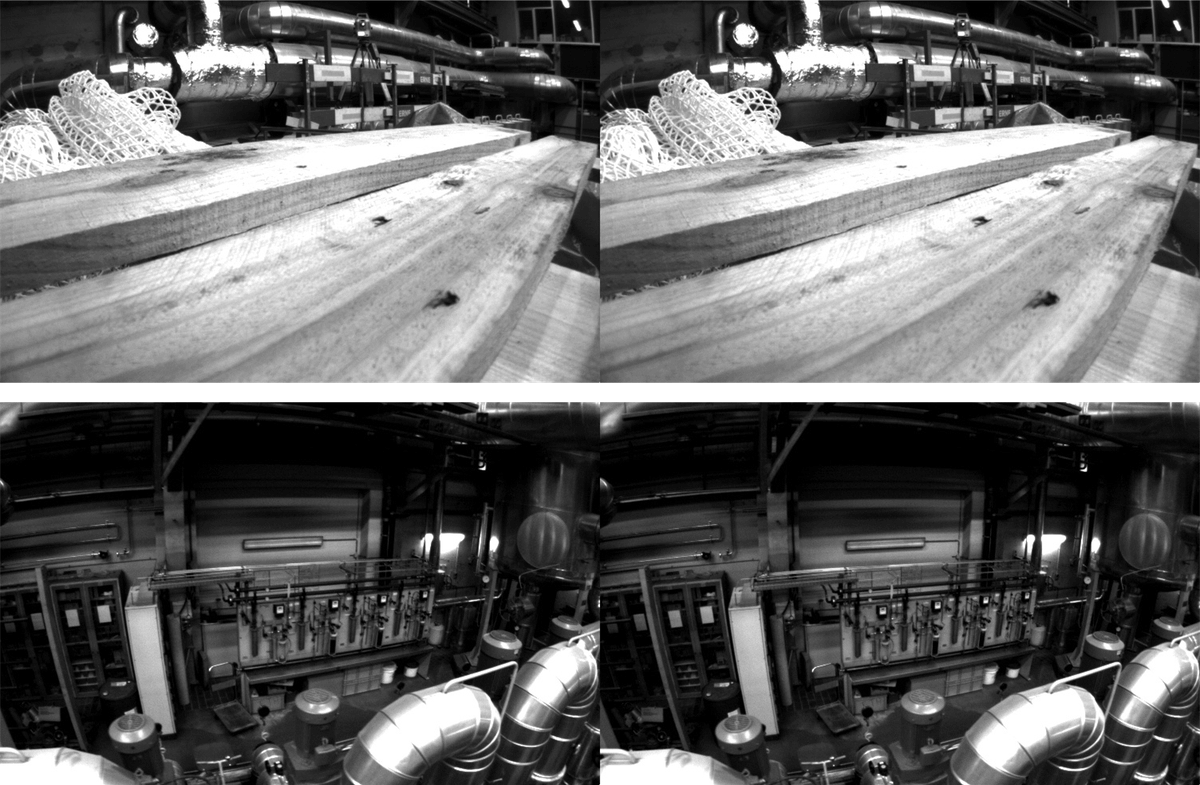
Researchers propose a robot-edge-cloud SLAM pipeline that only ships descriptors for keyframes, cutting uplink bandwidth from 212 to 47 kbits per second.

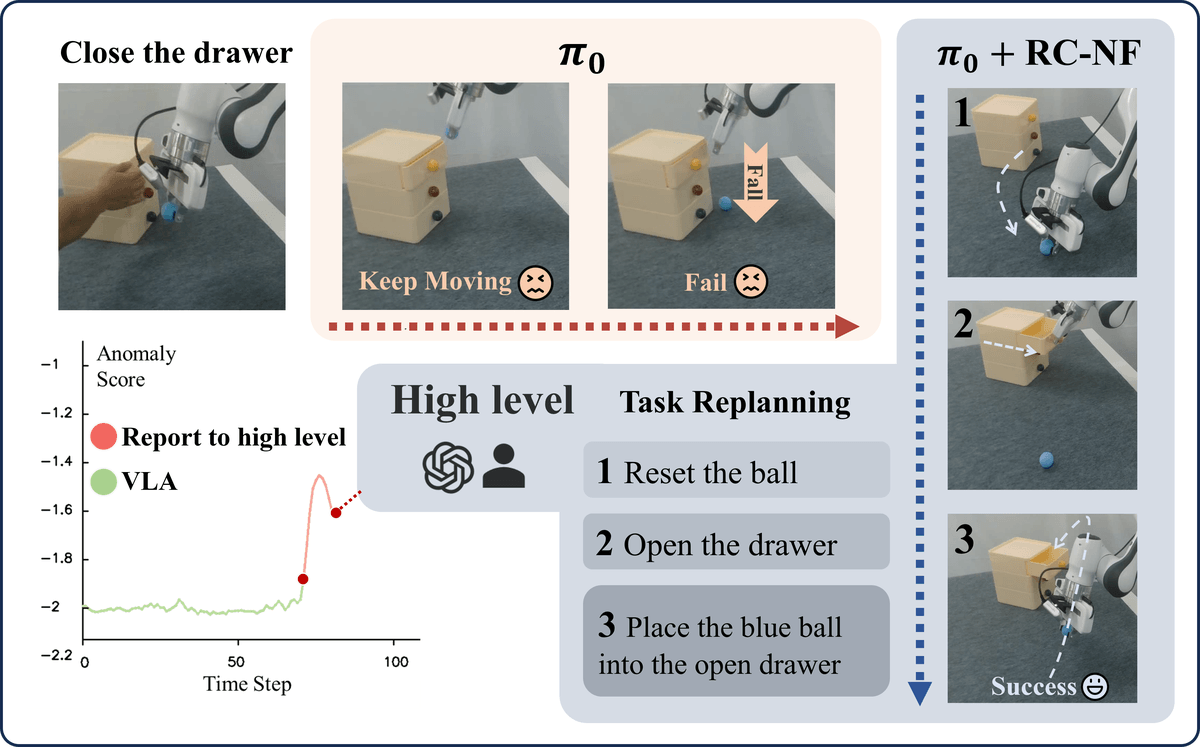
A conditional normalizing flow watches robot execution in real time, flagging out-of-distribution behavior in under 100 ms and triggering rollback or replanning for VLA policies.

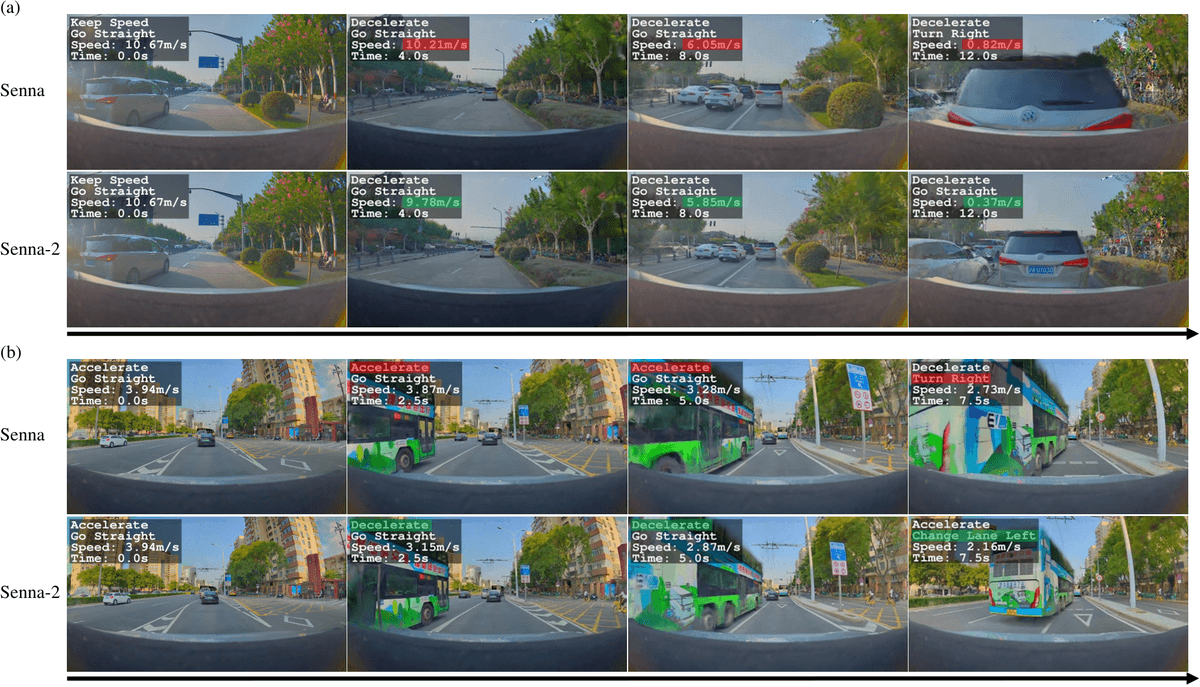
A new dual-system driving policy fixes the mismatch between what a VLM decides and what the end-to-end planner actually does behind the wheel.

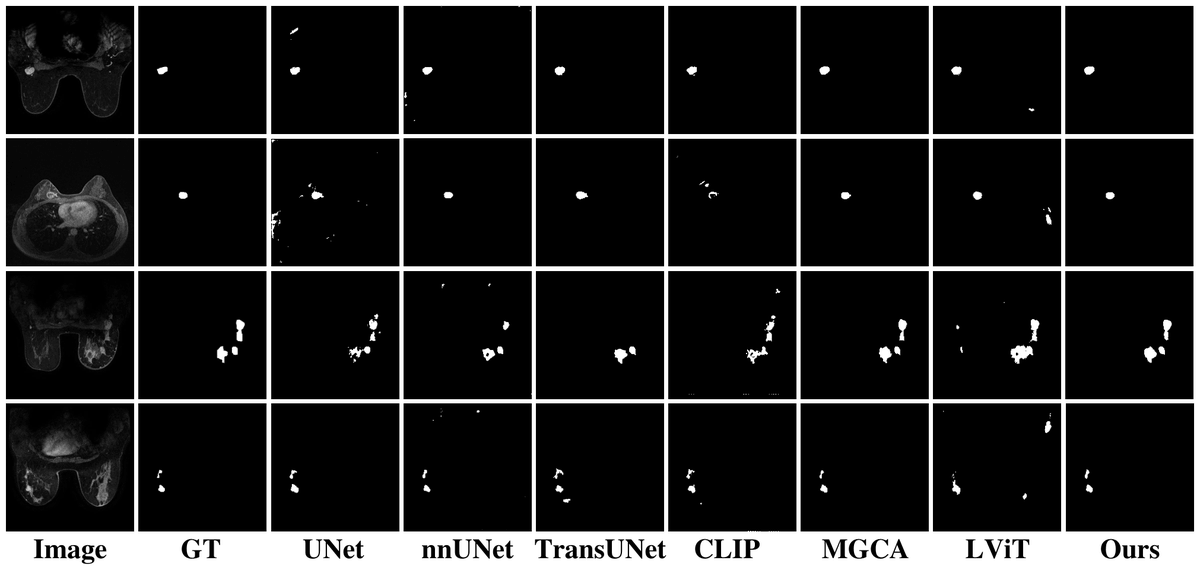
A new text-guided MRI segmentation model uses radiologist-style prompts and Dirichlet uncertainty to sharpen fuzzy tumor boundaries, hitting 85.33% Dice on Duke.

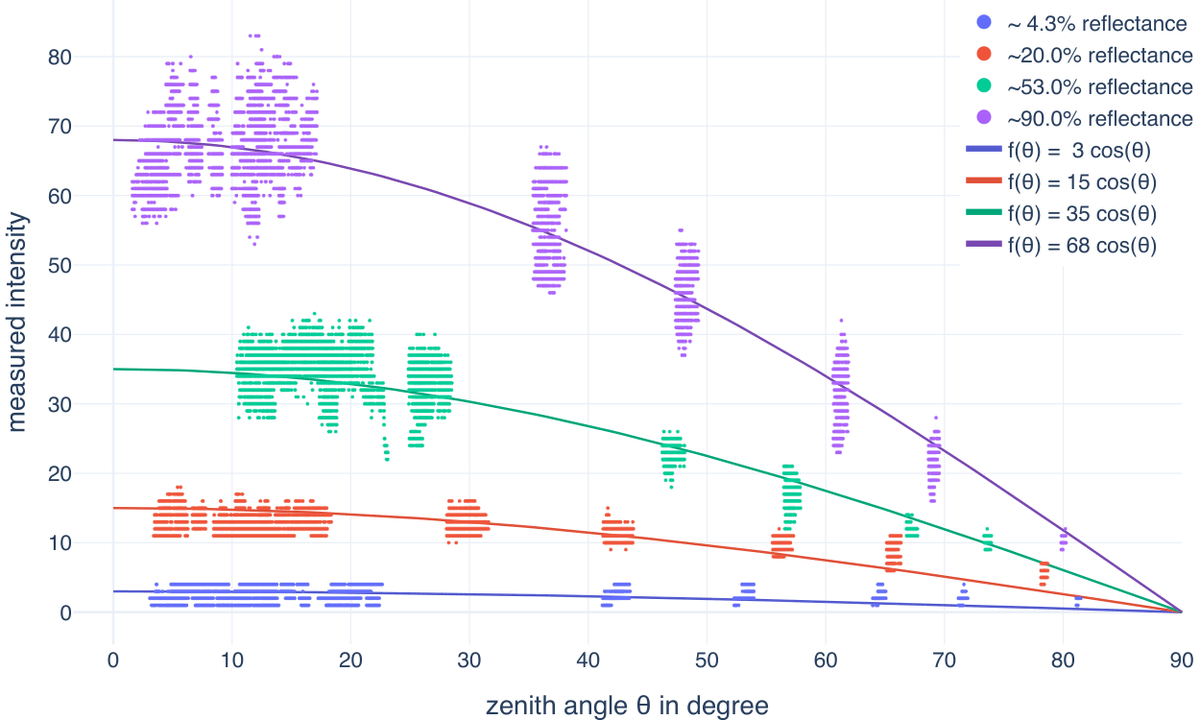
A TUM team turned 312 million LiDAR beams into per-object material signatures, binding raw sensor returns to CityGML 3.0 objects at centimeter accuracy.