
Pro
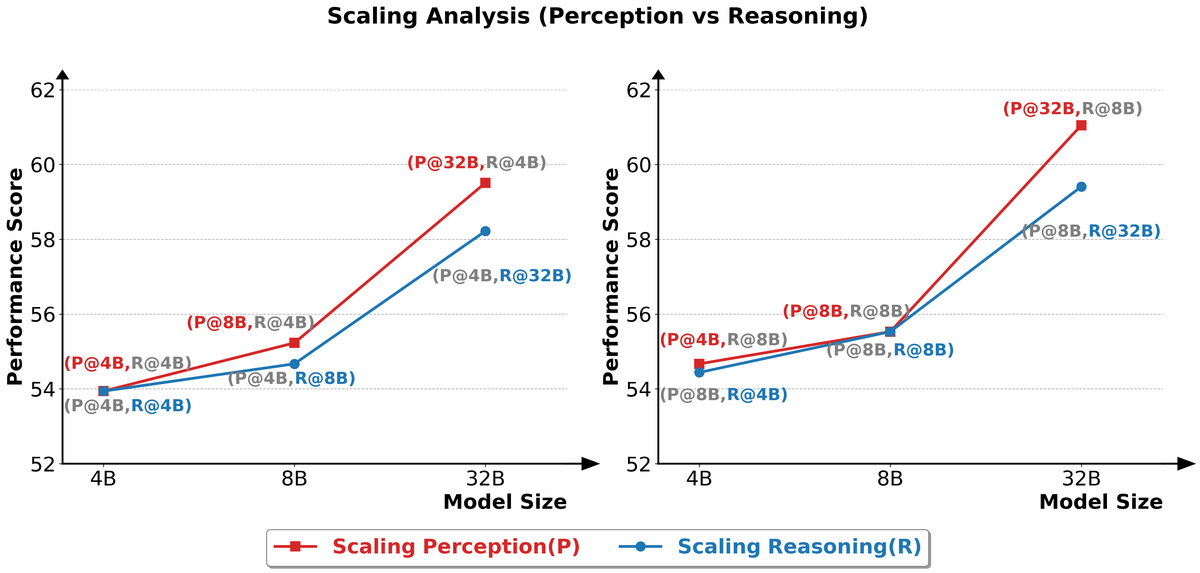
Shanghai Jiao Tong's CodePercept Beats 72B Models With an 8B Vision AI
Qwen team researchers show that scaling visual perception, not reasoning, unlocks STEM performance, and use executable code as ground-truth captions.
20 stories
Qwen team researchers show that scaling visual perception, not reasoning, unlocks STEM performance, and use executable code as ground-truth captions.
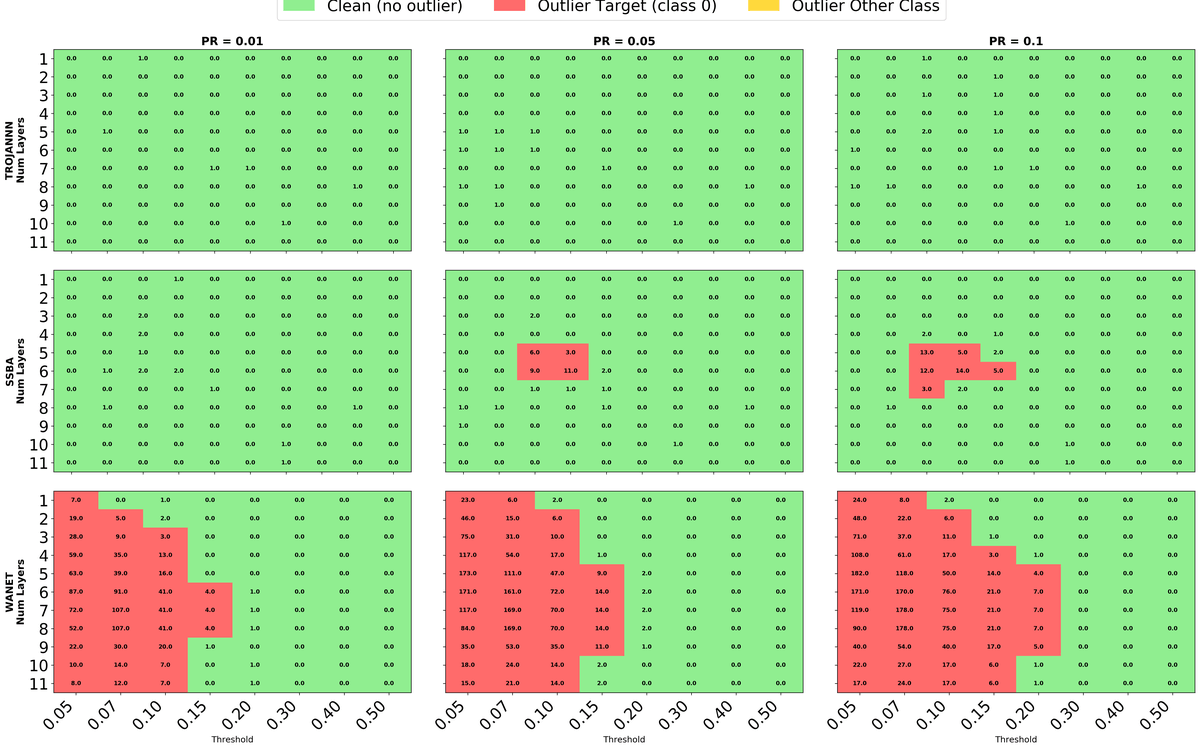
Researchers borrow a trick from LLM interpretability to locate, disable, and even detect hidden backdoors implanted in Vision Transformers.
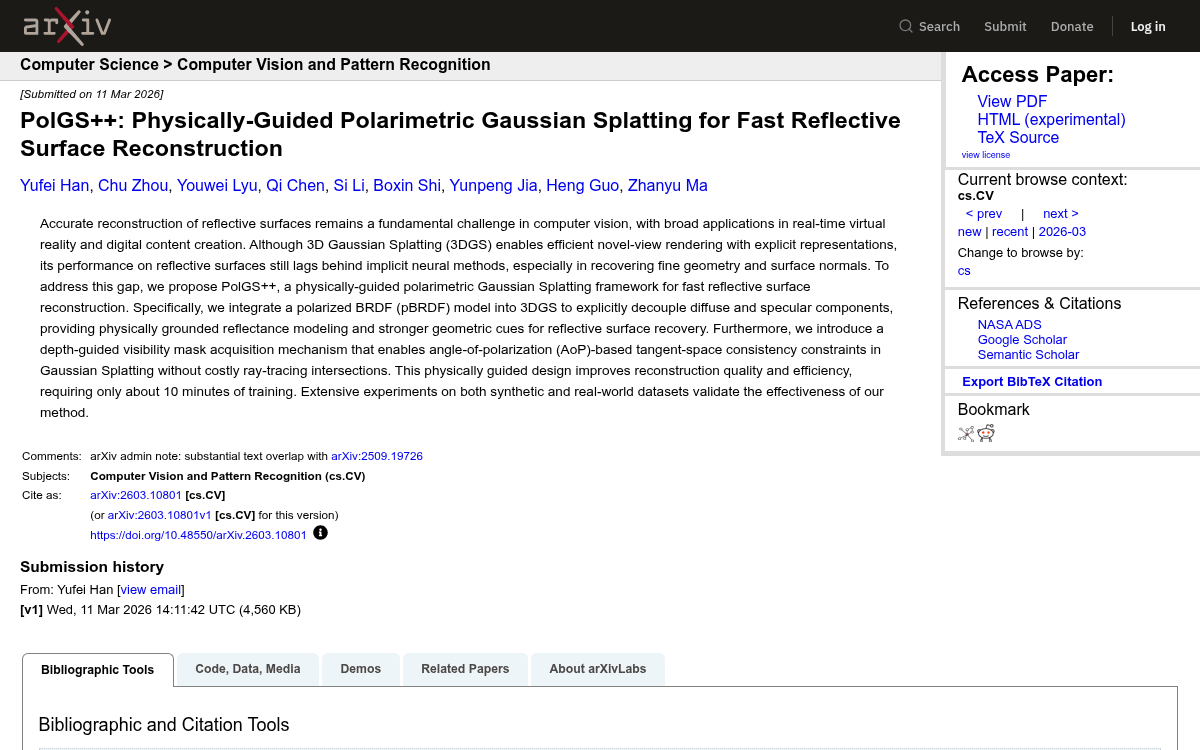
A polarimetric Gaussian Splatting method reconstructs shiny objects in about 10 minutes, closing the quality gap with slow SDF-based approaches.
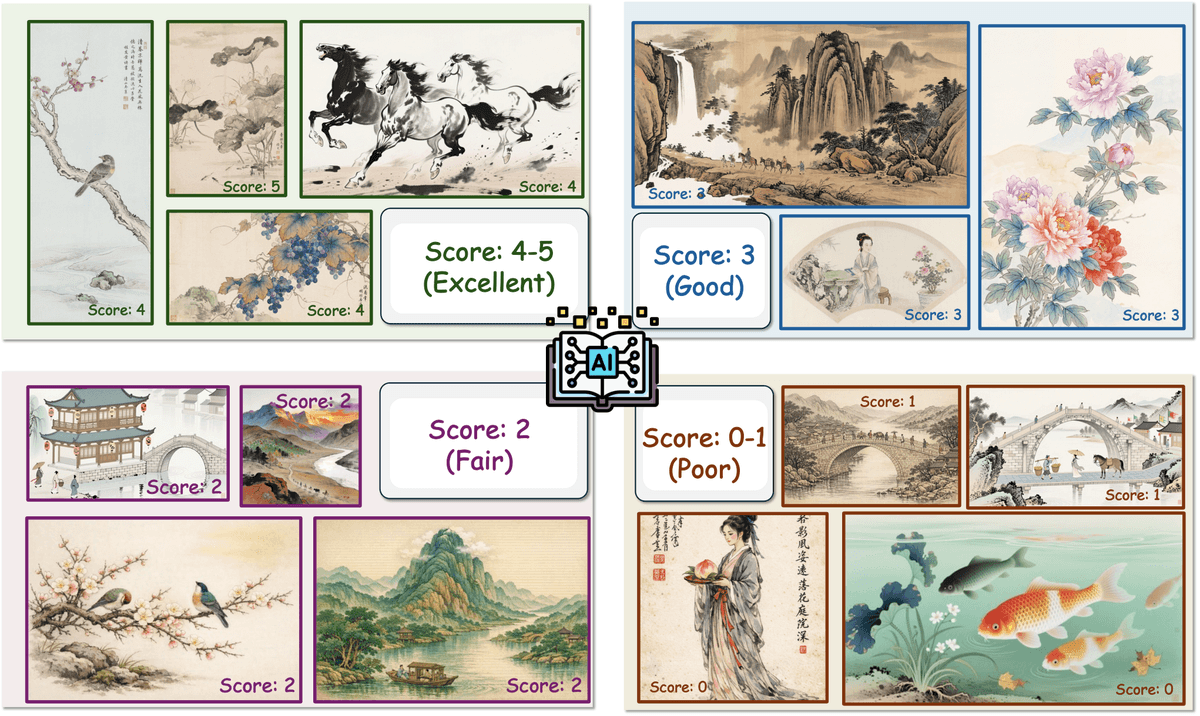
A new vision-language model learns to judge Chinese paintings like a trained art expert, and doubles as a verifier for text-to-image models.

A new study shows one labeled example is enough for pill classification, but overlapping pills expose a hidden localization failure mode.
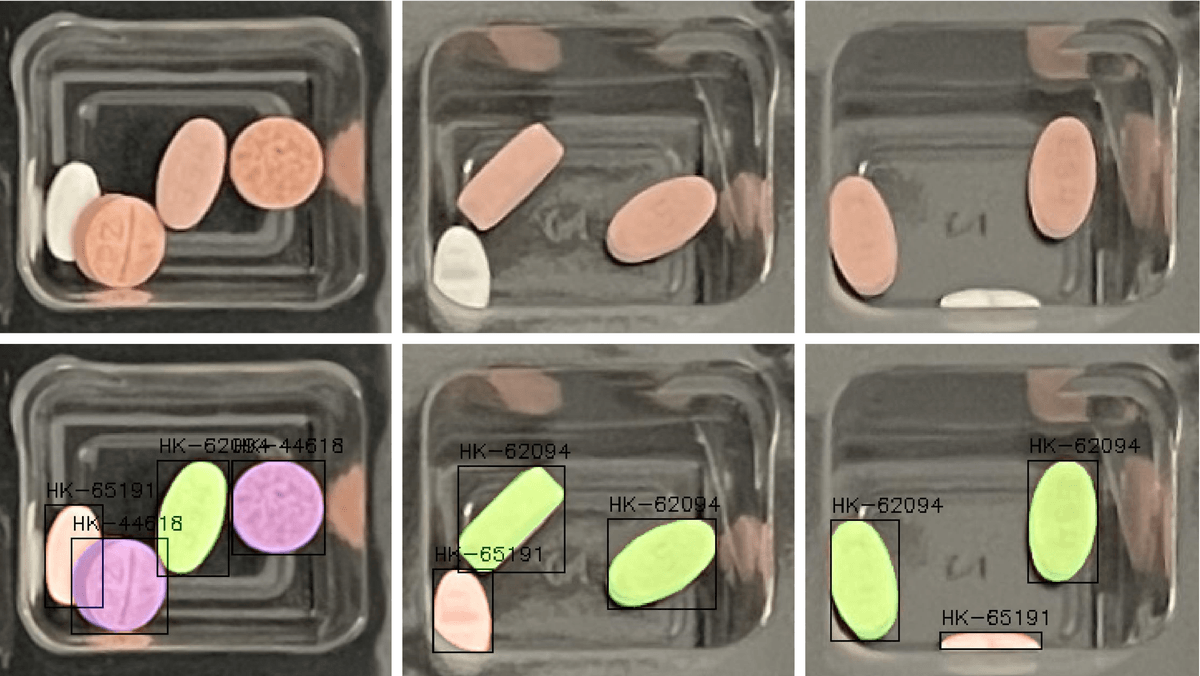
A new instance-segmentation dataset captures overlapping pills in dosette boxes, and few-shot experiments show it transfers better than existing pill datasets.
A query-side position encoding tweak stops multimodal models from ignoring images once the text context grows past a few thousand tokens.
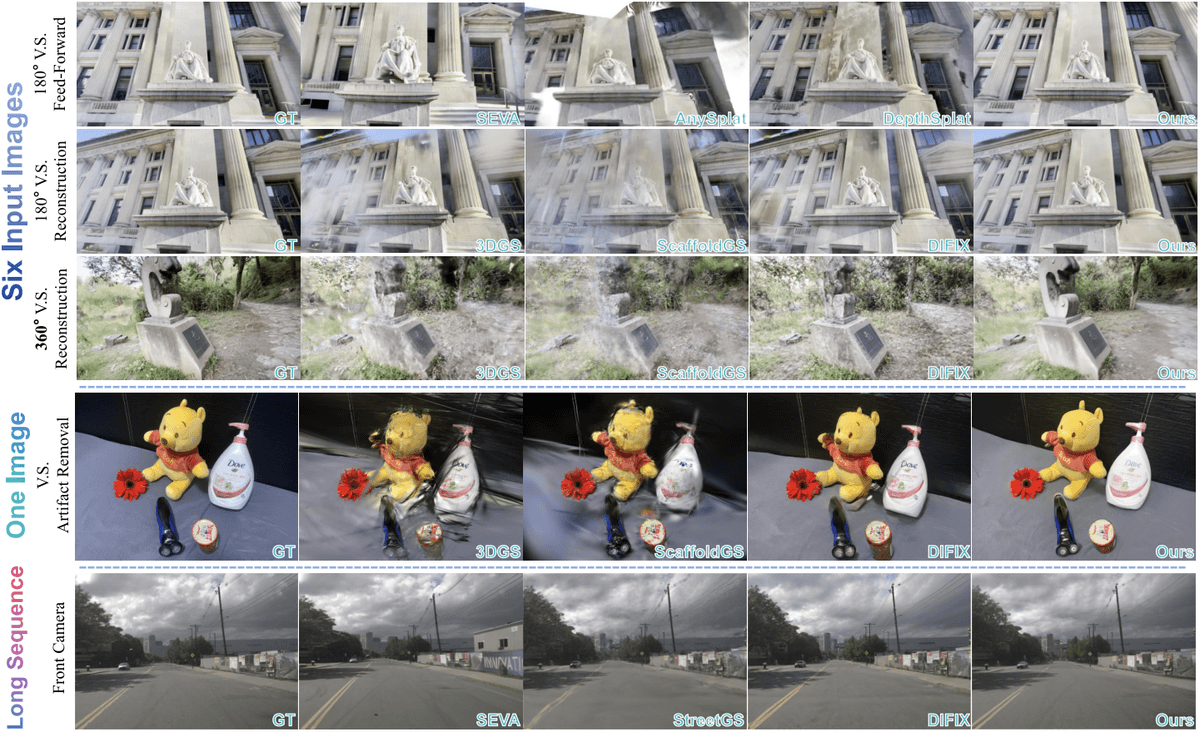
Researchers propose Sparse to Dense lifting, a pipeline that combines point clouds and Gaussian Splatting to reconstruct scenes from very few images.
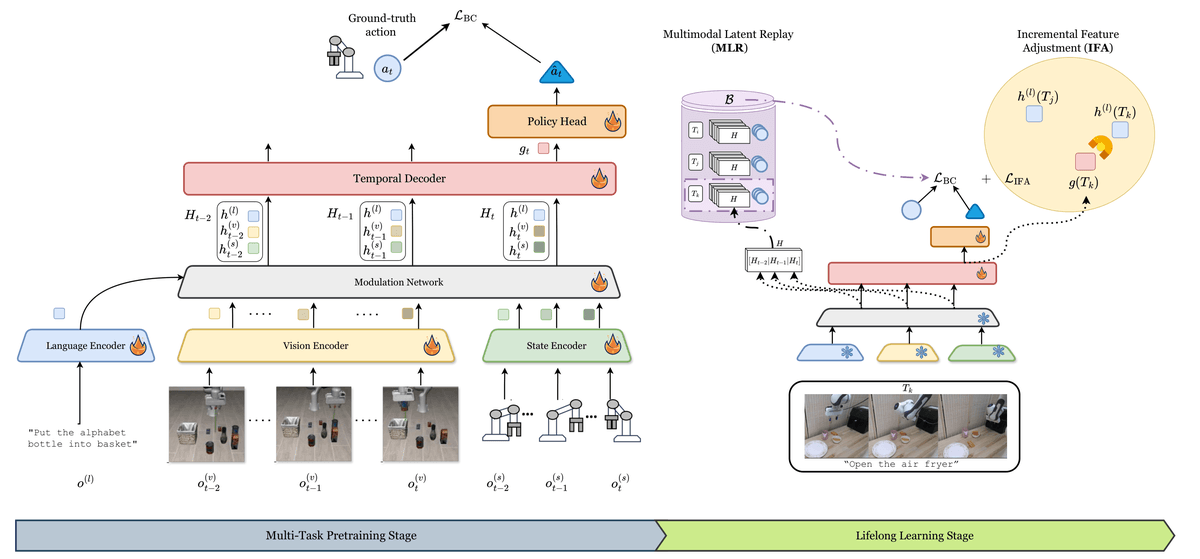
A new lifelong imitation learning method replays compressed latent features and enforces angular separation between tasks, cutting robot forgetting by up to 65 percent on LIBERO.
A new self-supervised framework called SSL-V3 injects video quality scores into a Vision Transformer, boosting classification accuracy on noisy real-world footage.
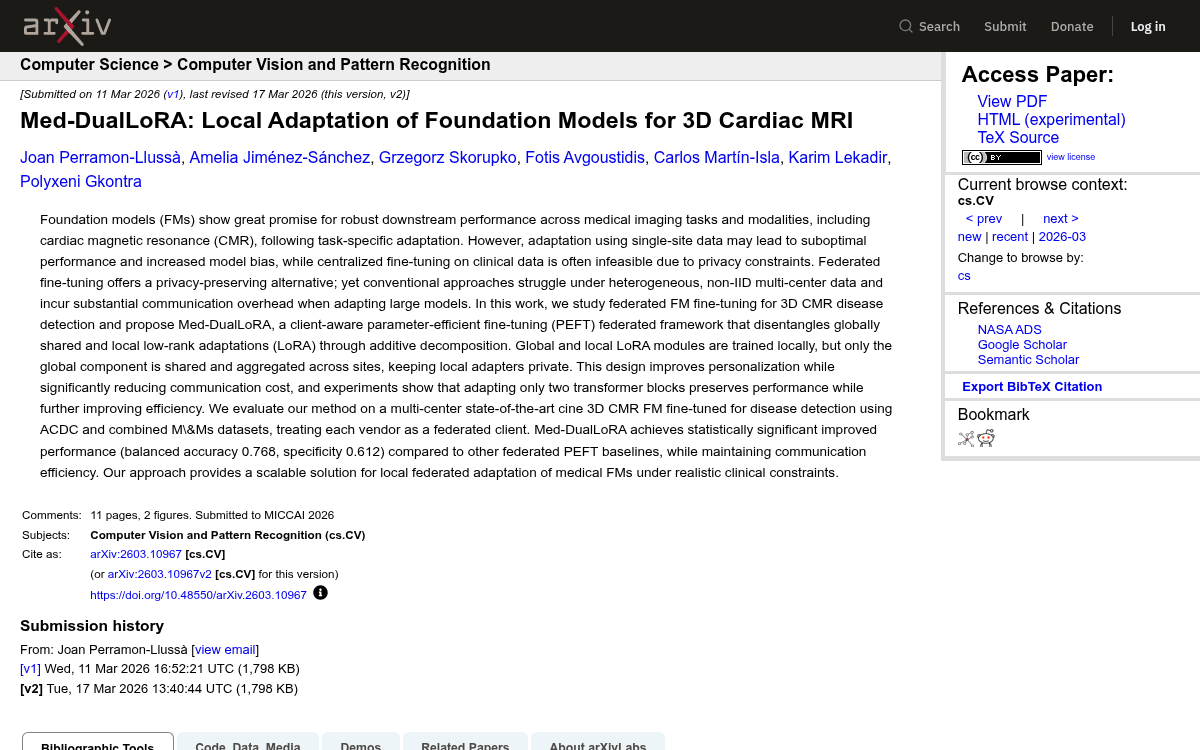
A dual-adapter LoRA scheme keeps site-specific weights private, cuts network traffic, and beats standard federated fine-tuning on multi-vendor cardiac MRI.
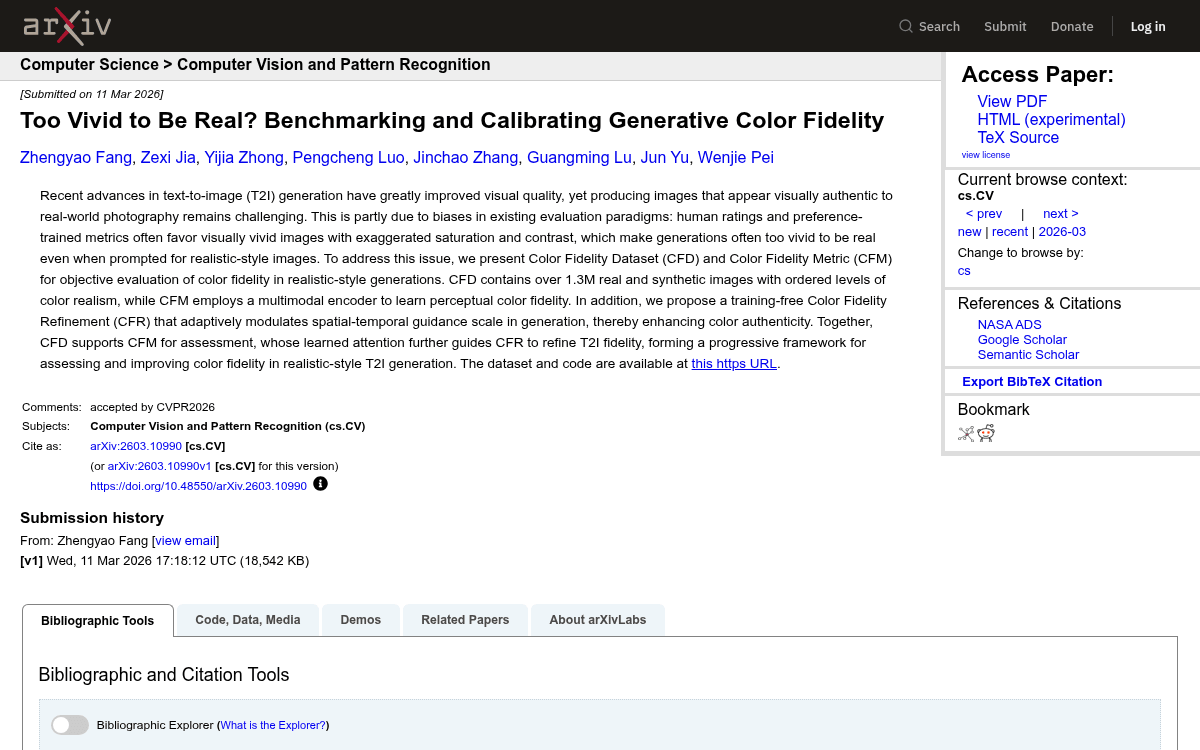
A new dataset, metric, and training-free refinement expose why realistic prompts still produce cartoon-vivid images, and fix it.
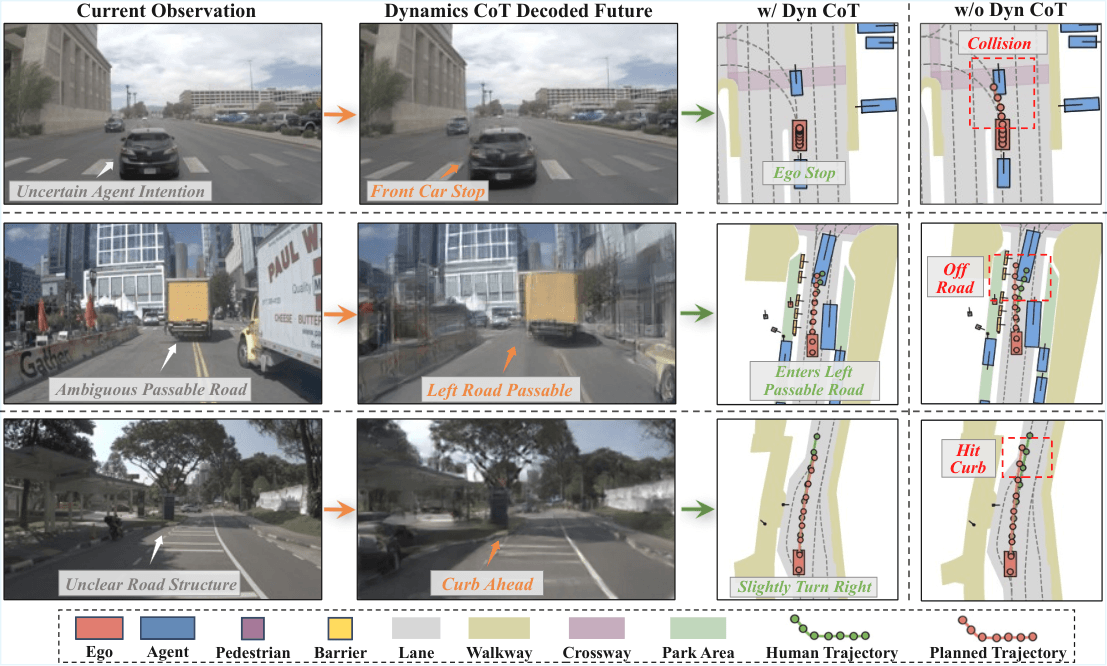
DynVLA introduces Dynamics Chain-of-Thought, compressing future world evolution into a handful of tokens so driving VLAs reason before acting without incurring image-generation overhead.
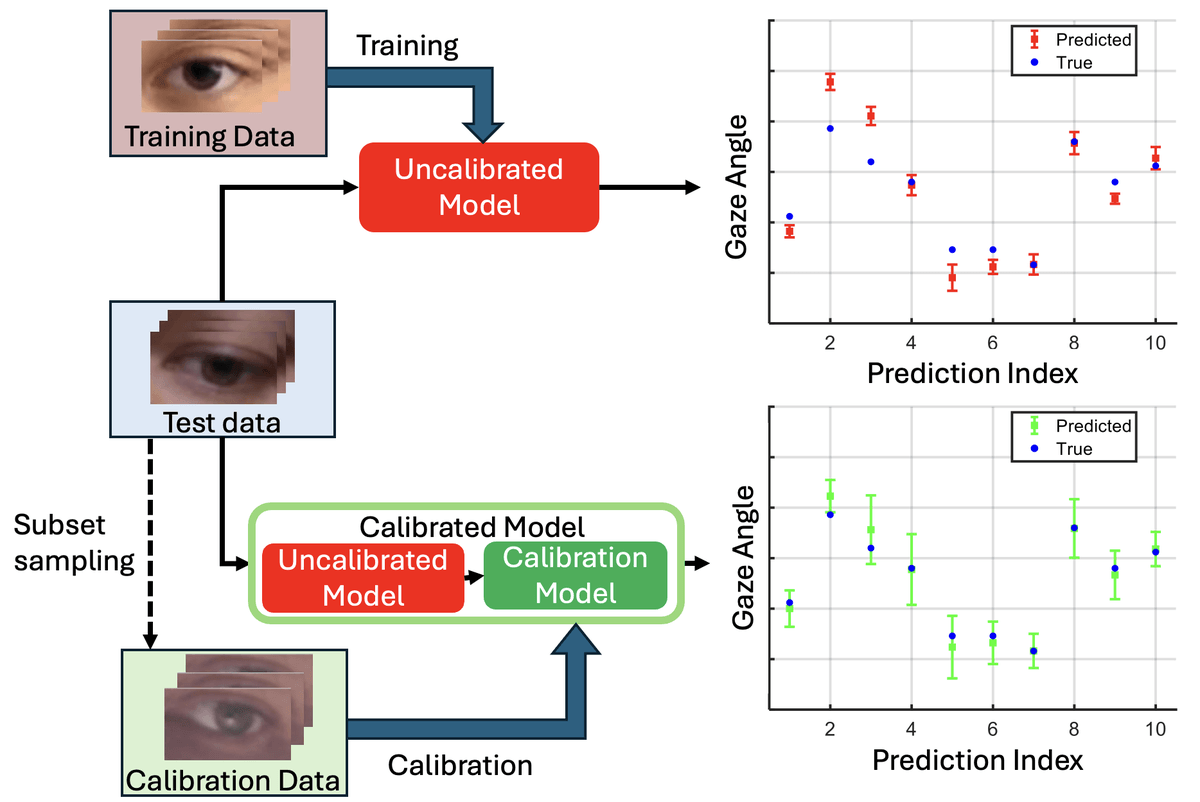
A new probabilistic metric and post-training calibration step fix the biased confidence scores that eye-tracking models produce when deployed outside their training set.
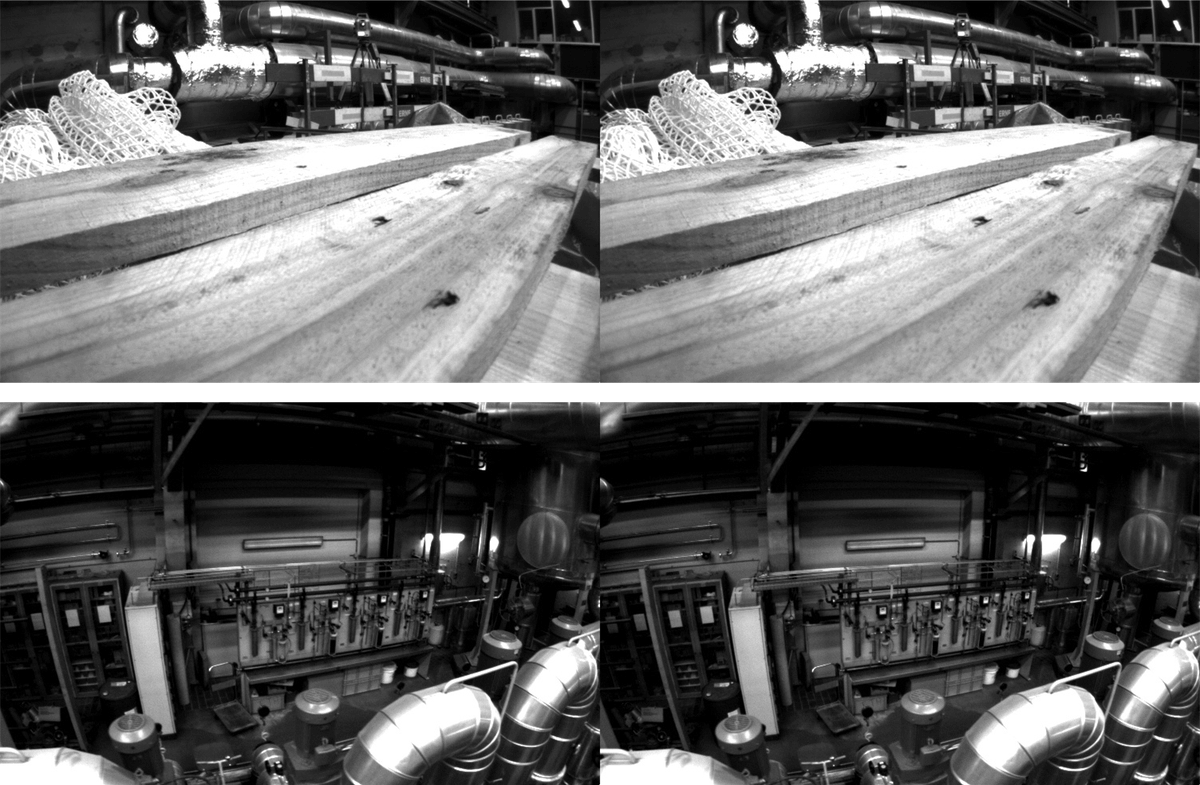
Researchers propose a robot-edge-cloud SLAM pipeline that only ships descriptors for keyframes, cutting uplink bandwidth from 212 to 47 kbits per second.
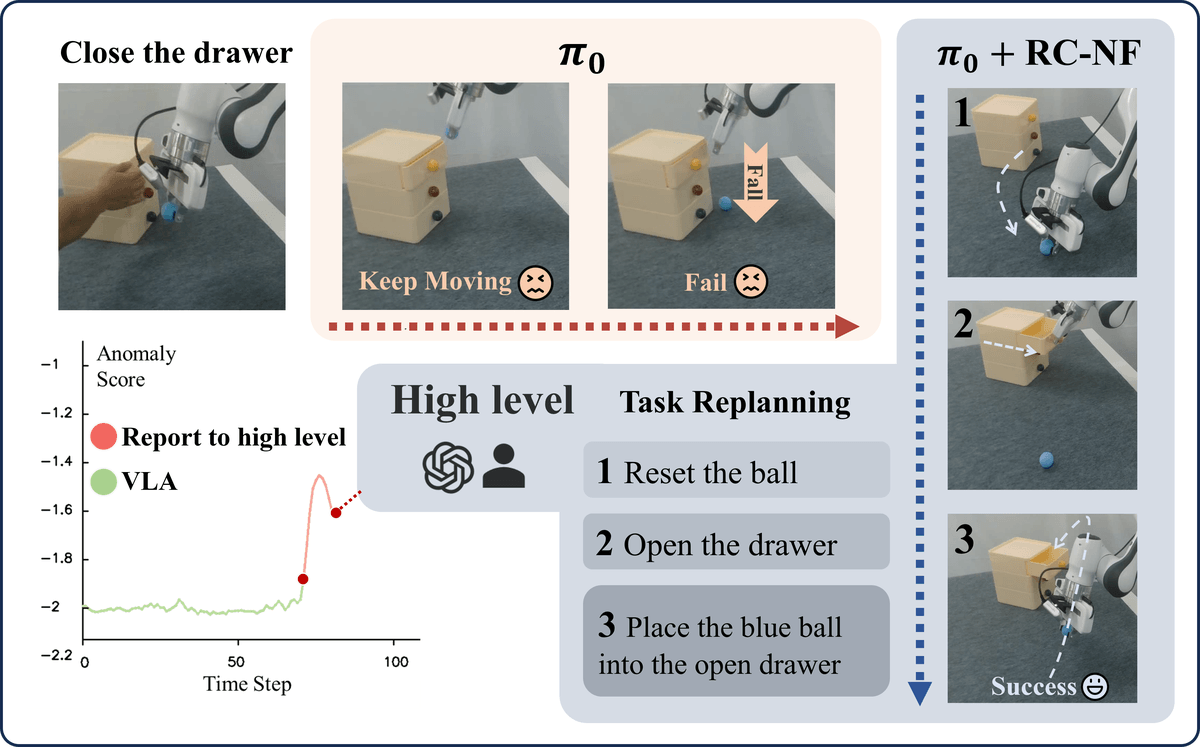
A conditional normalizing flow watches robot execution in real time, flagging out-of-distribution behavior in under 100 ms and triggering rollback or replanning for VLA policies.
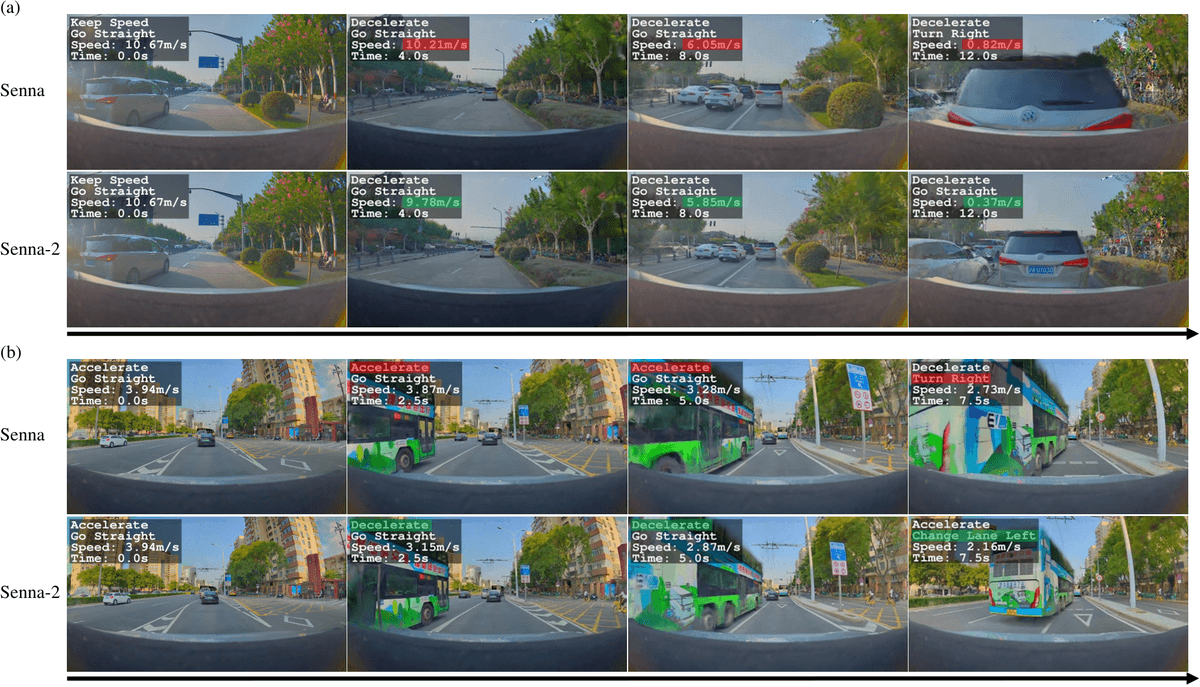
A new dual-system driving policy fixes the mismatch between what a VLM decides and what the end-to-end planner actually does behind the wheel.
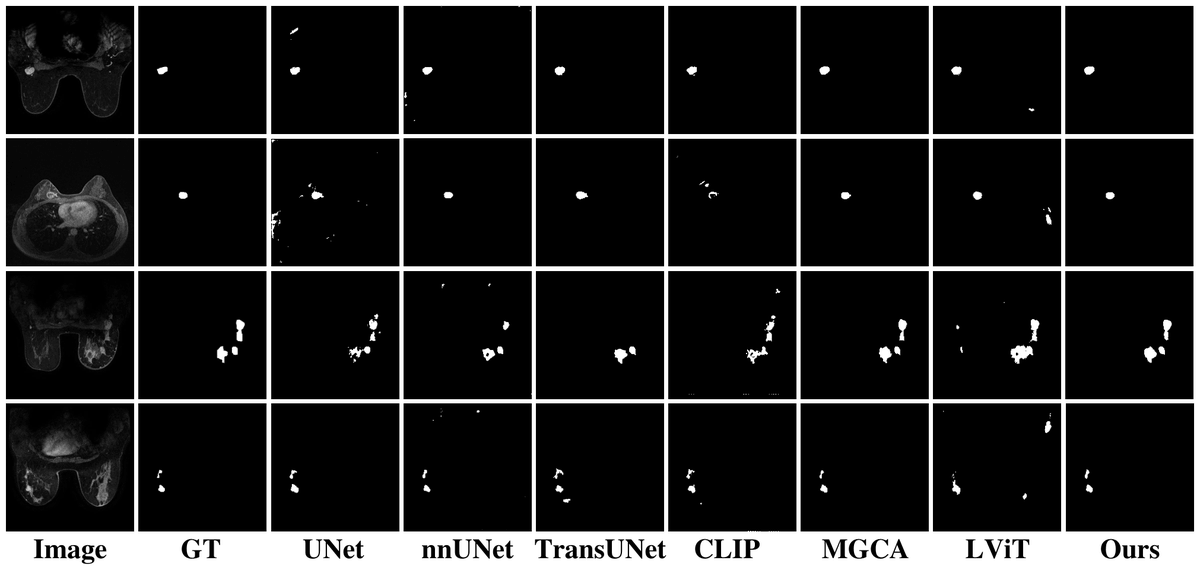
A new text-guided MRI segmentation model uses radiologist-style prompts and Dirichlet uncertainty to sharpen fuzzy tumor boundaries, hitting 85.33% Dice on Duke.
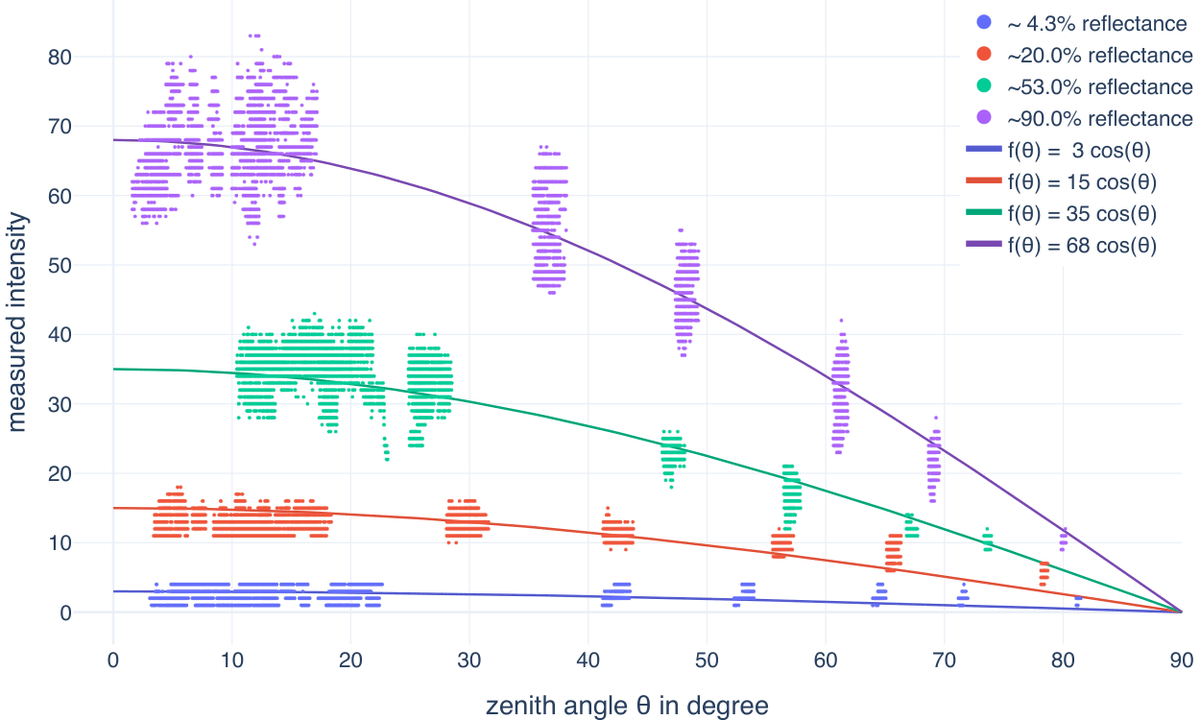
A TUM team turned 312 million LiDAR beams into per-object material signatures, binding raw sensor returns to CityGML 3.0 objects at centimeter accuracy.
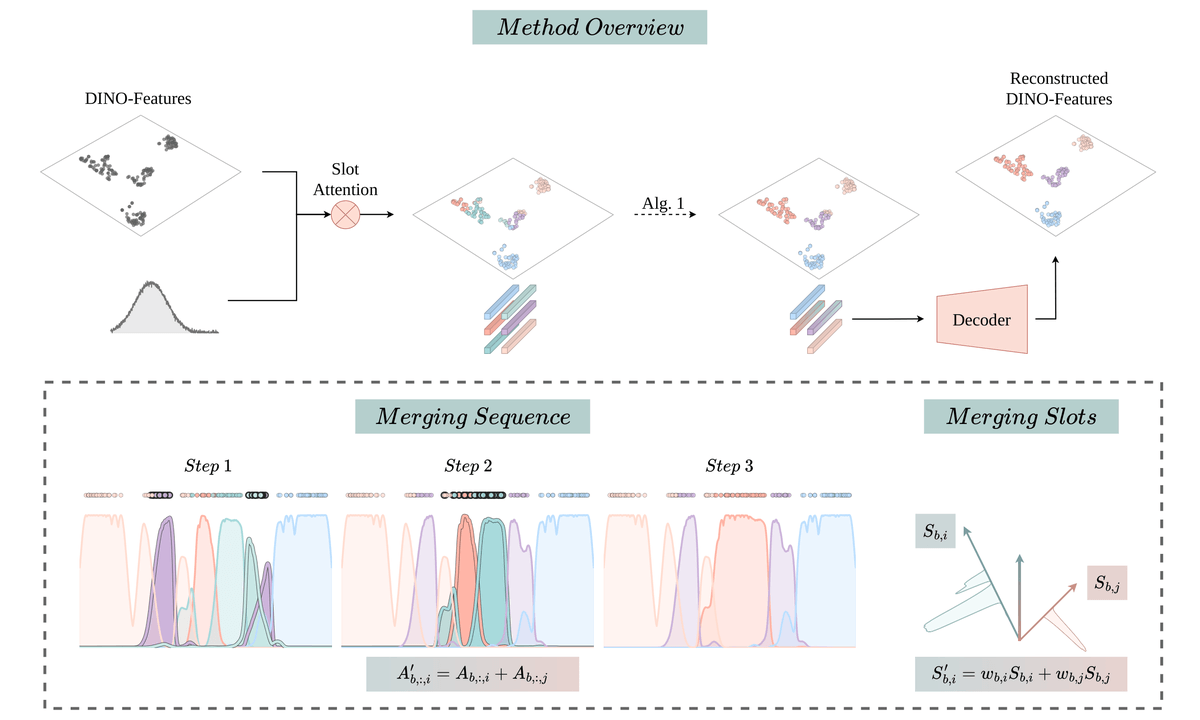
A new drop-in operator for slot attention detects overlapping slot pairs and merges them mid-training, lifting DINOSAUR's segmentation quality on four benchmarks.