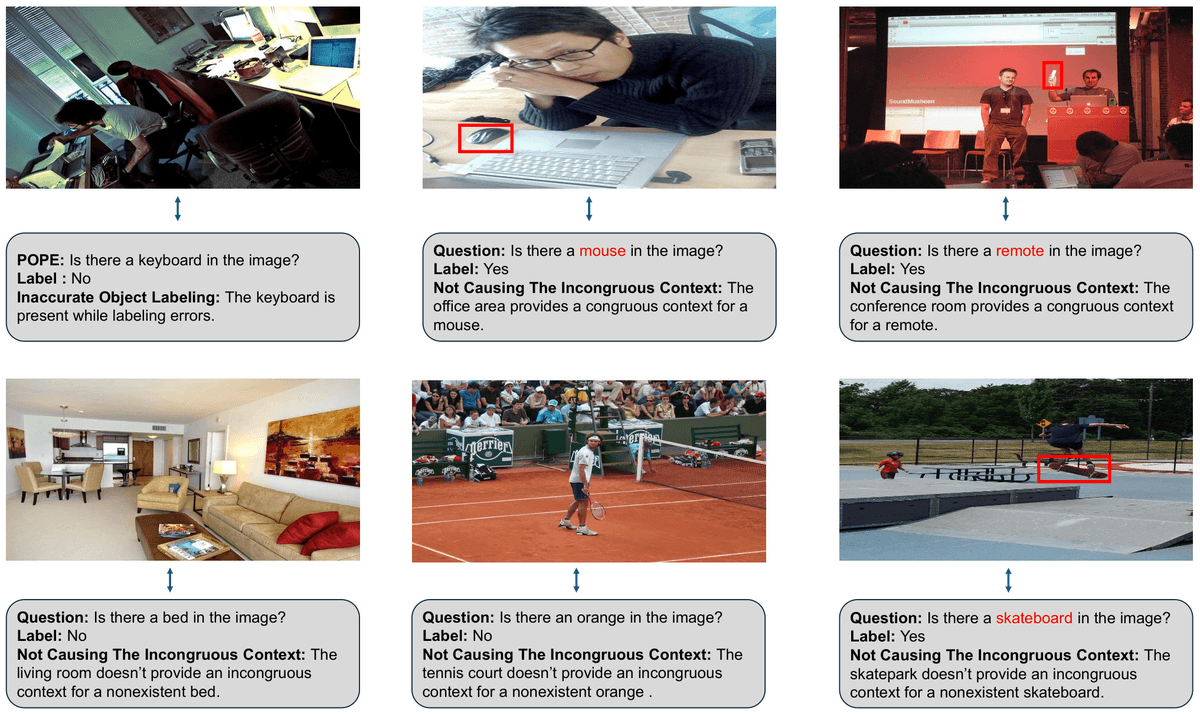
ORIC exposes a hidden failure mode in vision-language models: scene context hijacks object recognition, causing both missed detections and hallucinations — and a 600-sample RL fine-tune fixes it
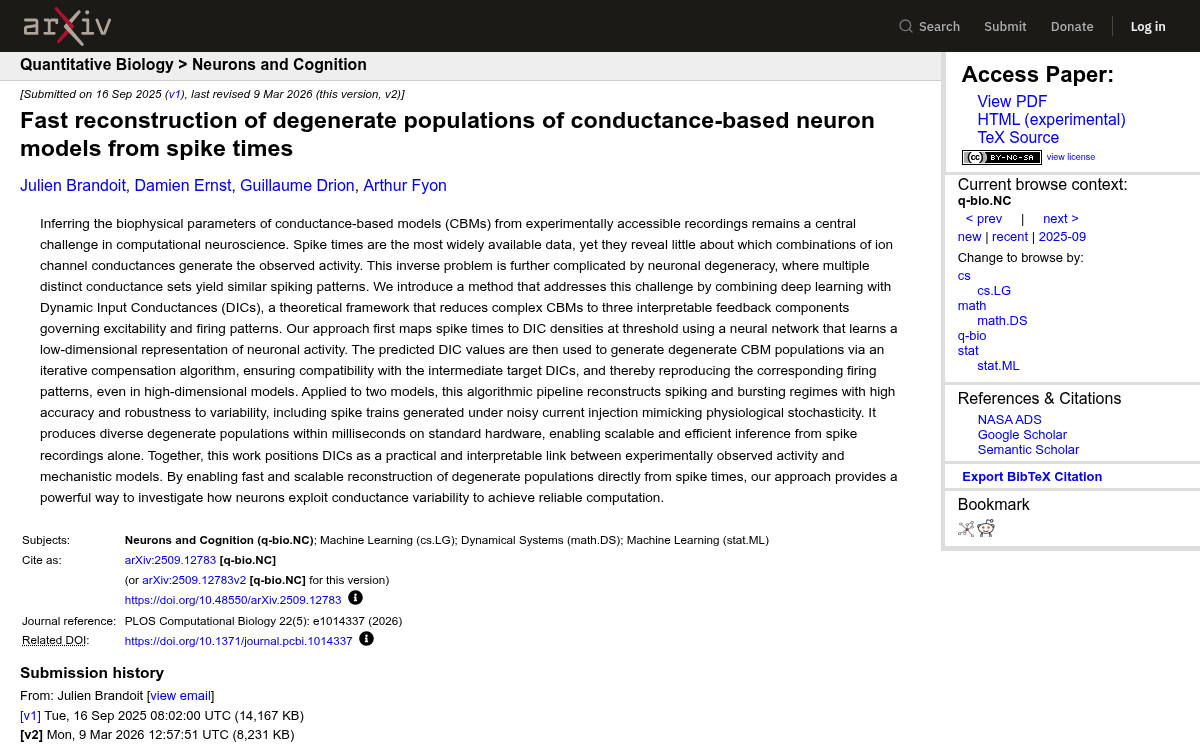
A deep learning pipeline converts raw spike recordings into diverse, biologically realistic neuron model populations in milliseconds, cracking a long-standing inverse problem in computational neuroscience.
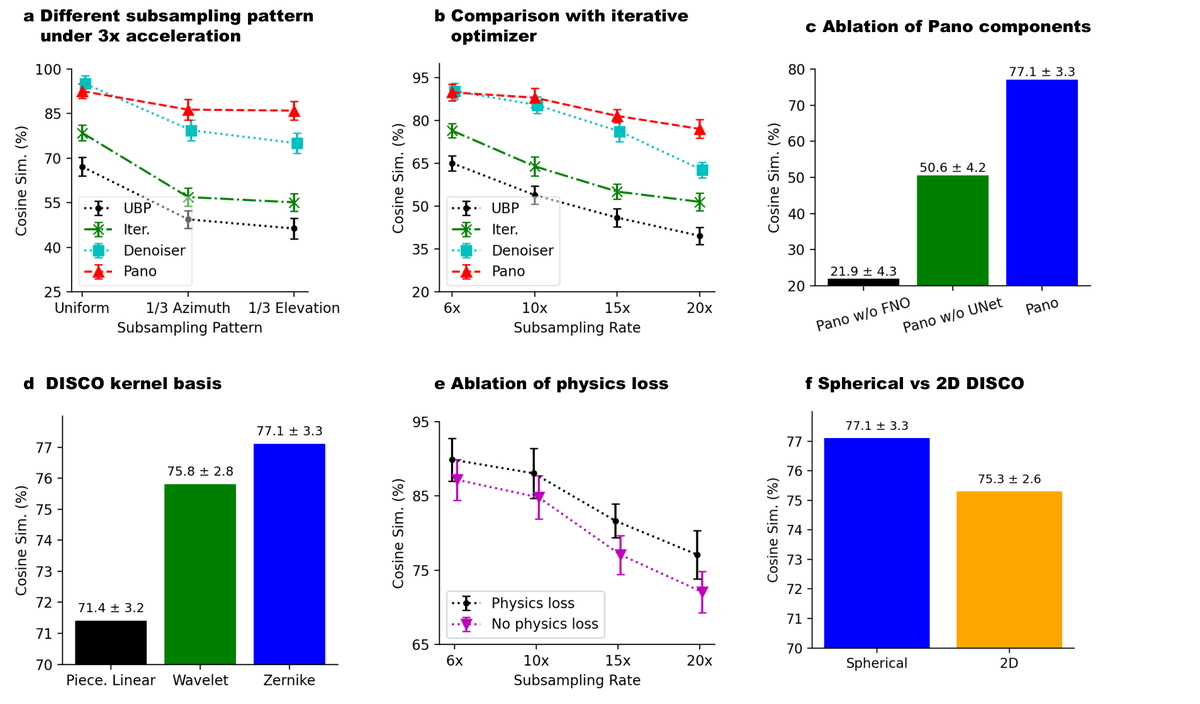
Caltech's PANO neural operator reconstructs 3D photoacoustic scans in real time from sparse sensor data, beating the standard UBP algorithm by 33 points in image similarity
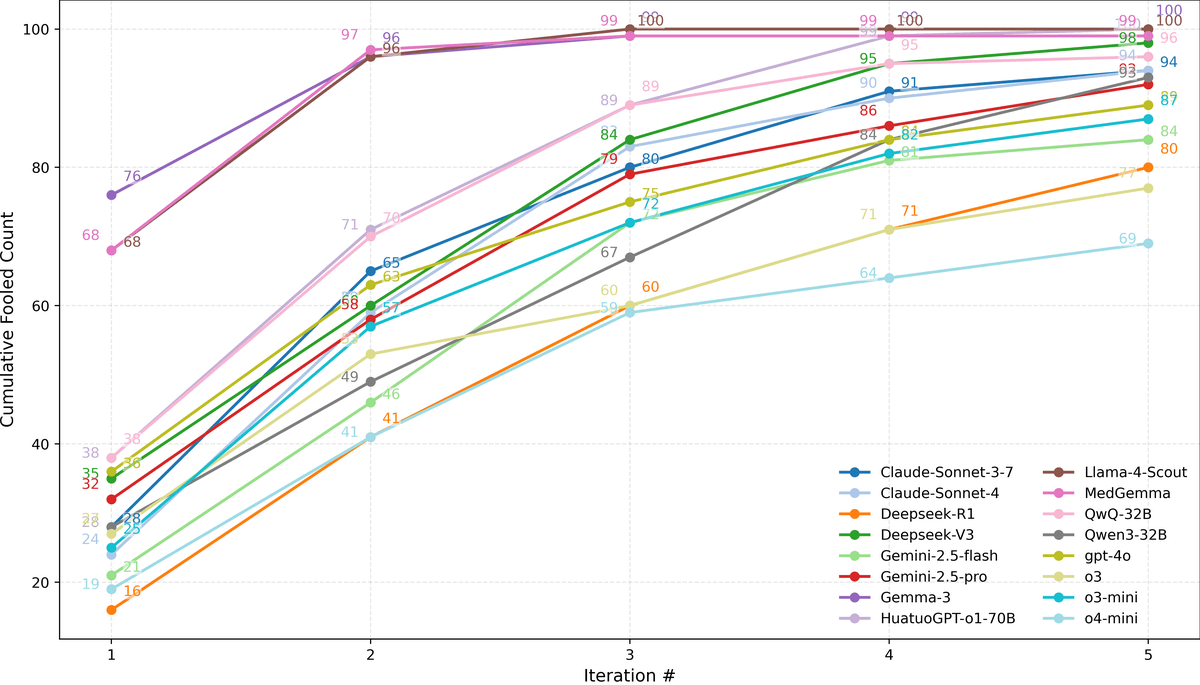
A new dynamic red-teaming framework exposes that 94% of correct medical AI answers collapse under adversarial pressure, revealing a dangerous gap between benchmark scores and real-world safety.
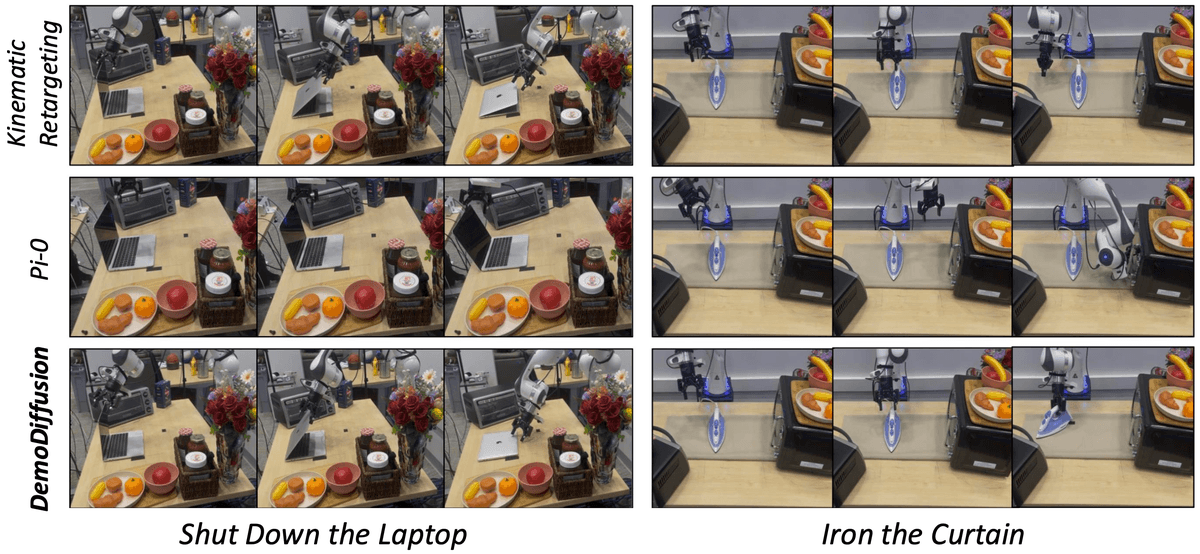
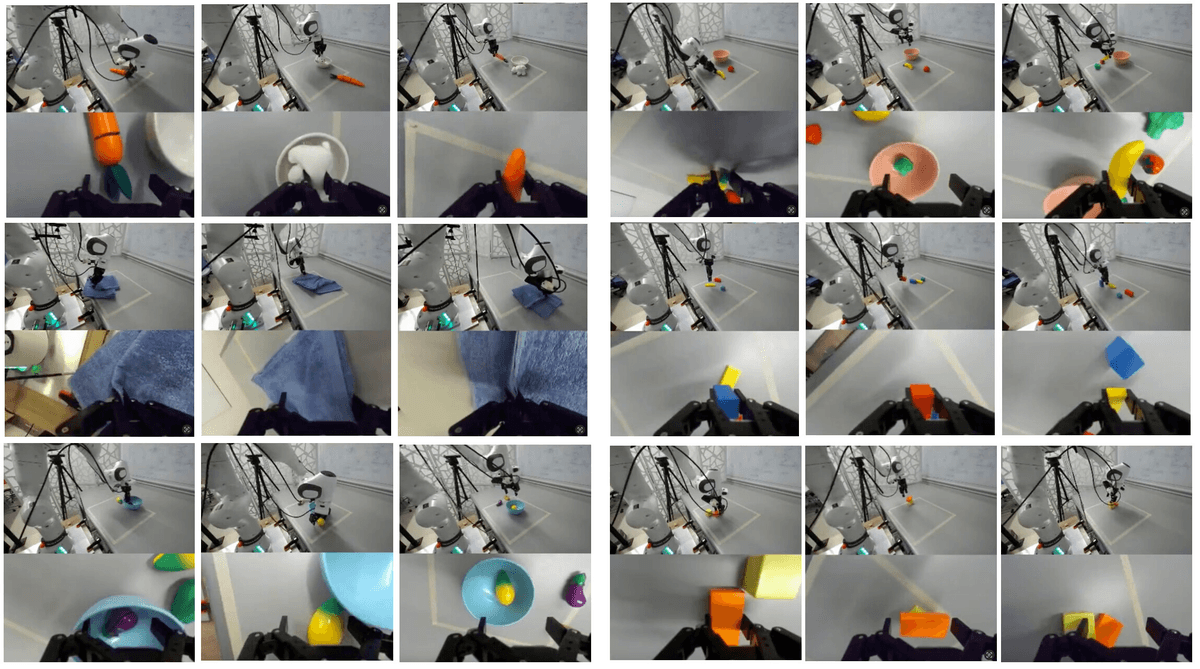
DemoDiffusion lets a robot learn any new manipulation task from a single human video demo, with no retraining required — hitting 83.8% success vs. 13.8% for the base model.
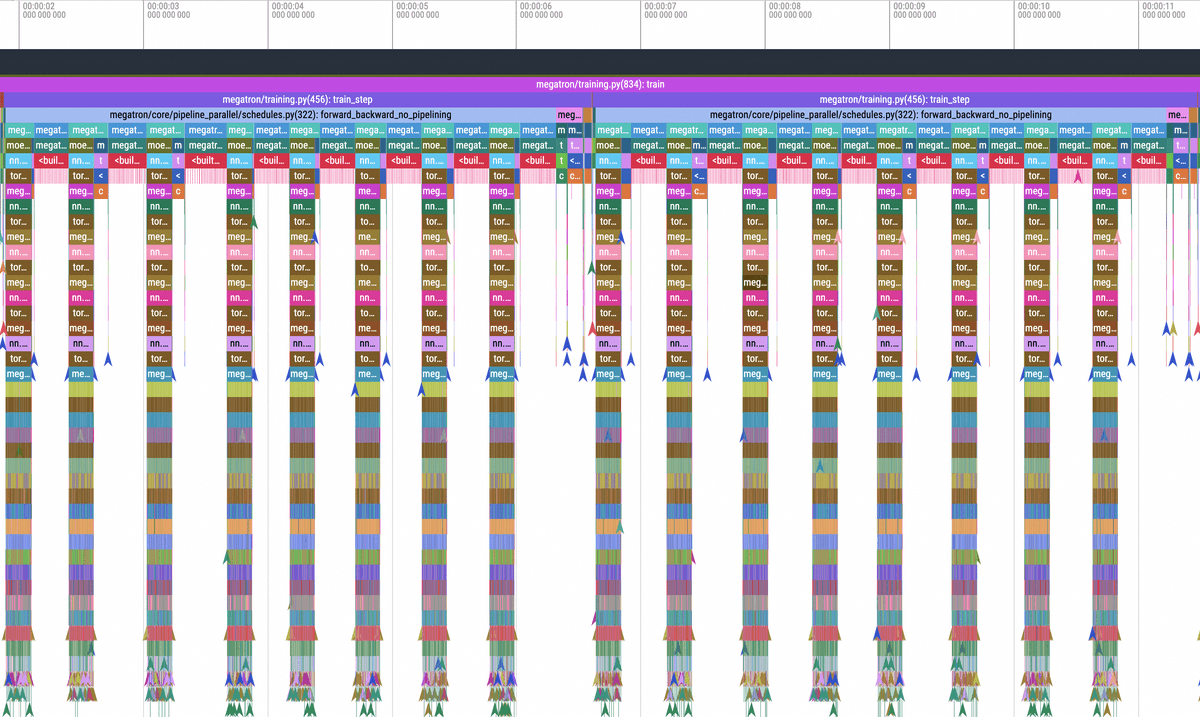
Alibaba Cloud's EROICA diagnoses GPU training slowdowns across 100,000-GPU clusters in under 7 minutes, achieving 97.5% success on issues that stumped every existing tool
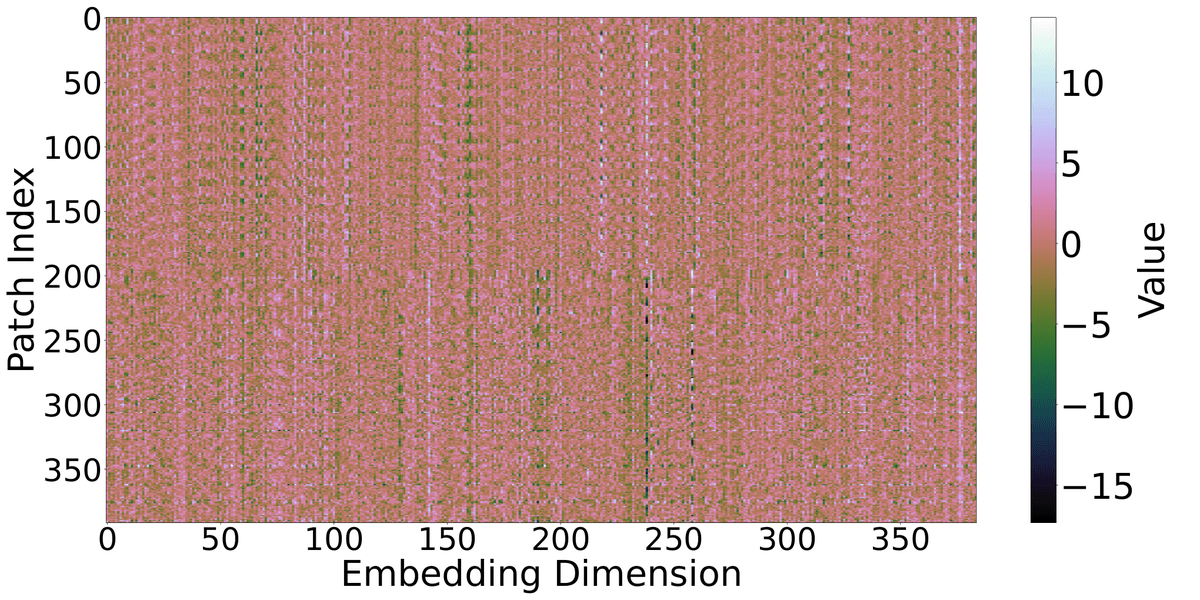
ViTaPEs introduces two-stage positional encodings for vision-touch transformers, achieving zero-shot generalization across sensors without relying on large pretrained vision-language models
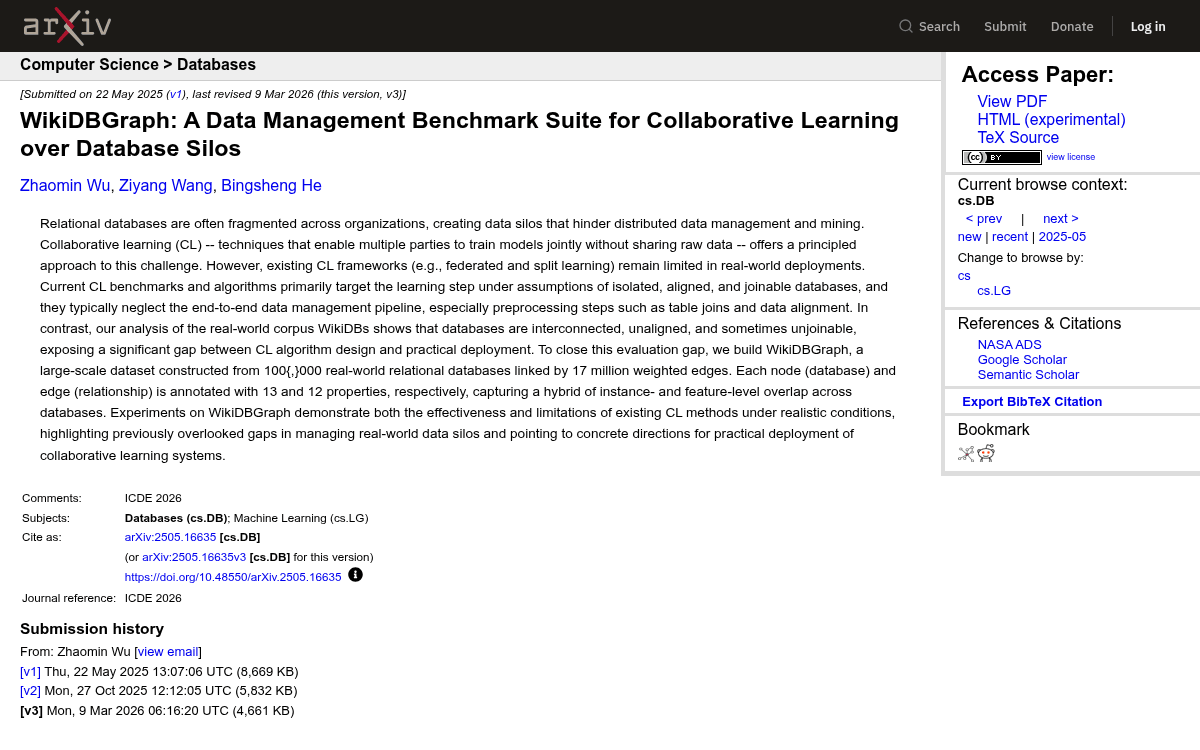
WikiDBGraph exposes a critical gap in federated learning benchmarks by mapping 100,000 real-world databases into a graph of 17 million edges, revealing that real data silos are interconnected, misaligned, and often unjoinable
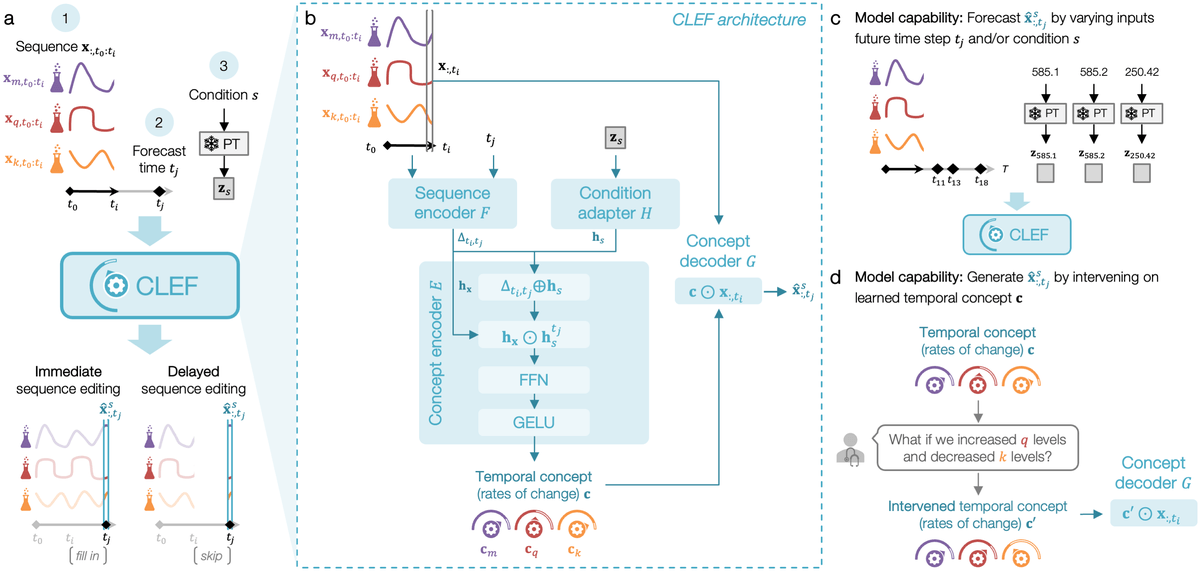
Harvard's CLEF framework gives sequence models surgical control over when and where interventions take effect, unlocking counterfactual simulation for cells, patients, and clinical decisions
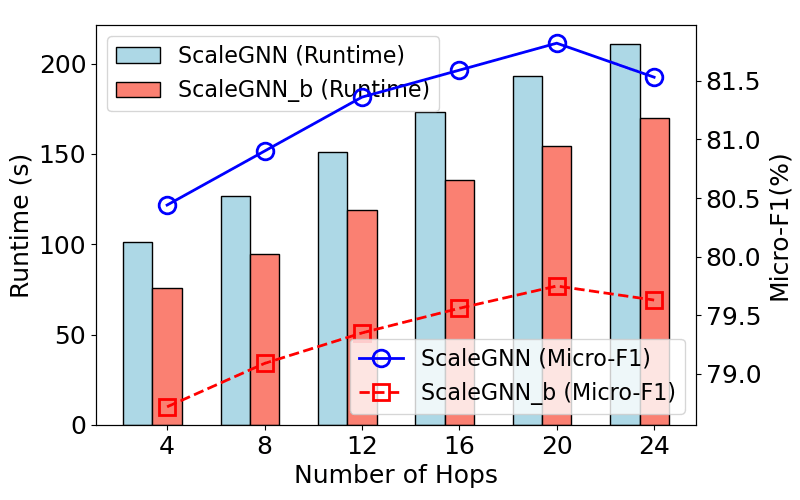
ScaleGNN tackles two long-standing GNN problems at once — over-smoothing and poor scalability — with a smart attention-based neighbor filtering system that runs up to 6.7x faster than state-of-the-art methods.
A new benchmark of 200 tasks across 4 languages and 5 models reveals that LLM-generated code is riddled with outdated cryptography, buffer overflows, and hard-coded secrets — and the language you pick matters enormously.
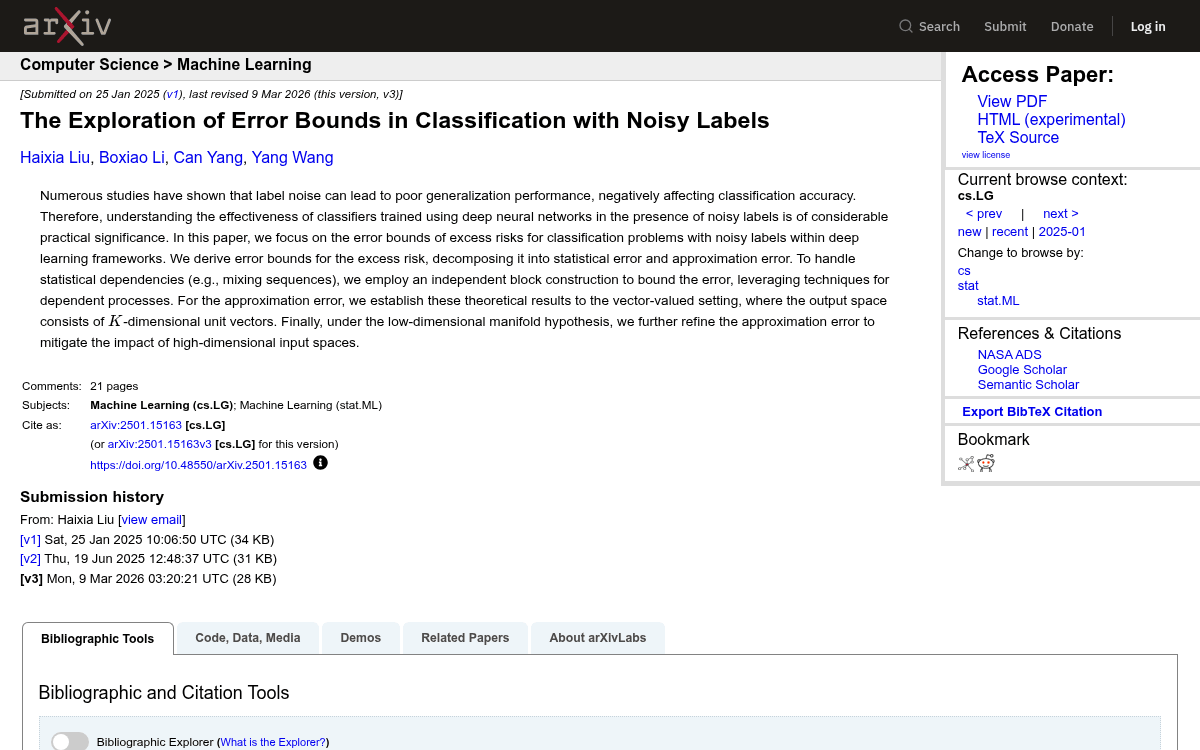
A new theoretical framework derives tight error bounds for deep classifiers trained on noisy labels, tackling dependent data and high-dimensional inputs simultaneously
NYU researchers show prompt-tuning embeddings can live anywhere in activation space — and still work just as well, upending assumptions about embedding collapse
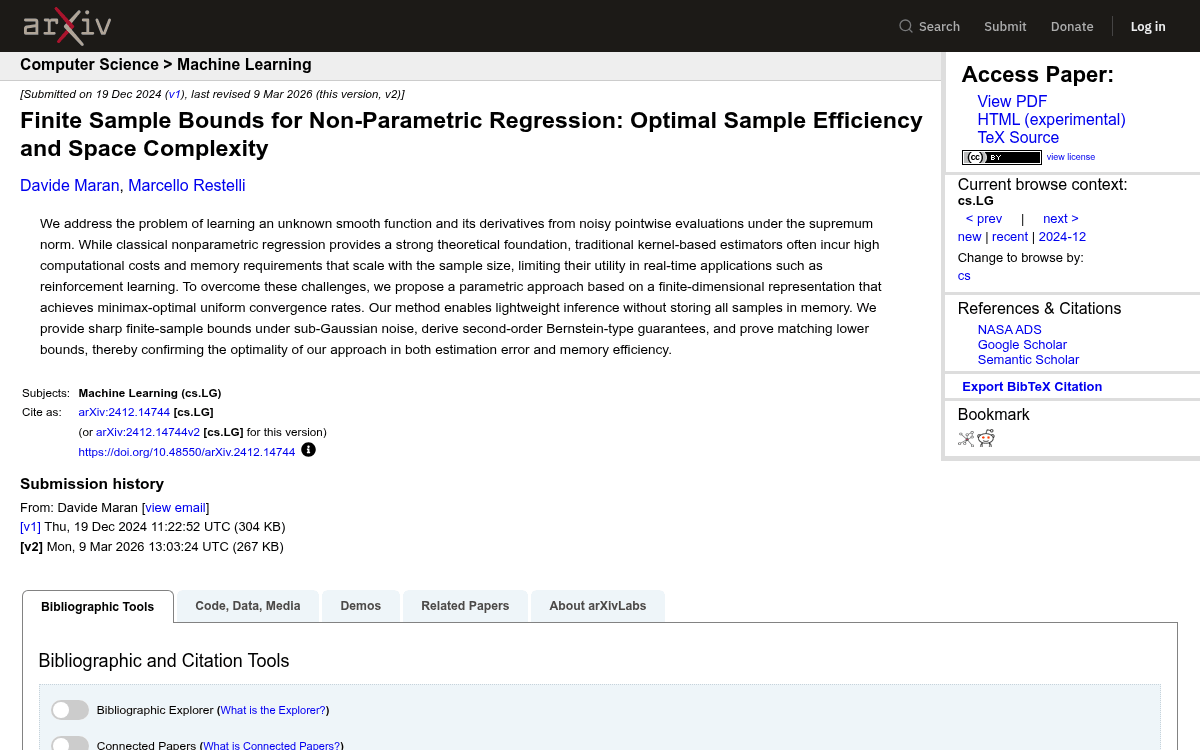
DUPA is the first parametric algorithm to match nonparametric regression accuracy while using memory that grows far slower than the dataset size — a key bottleneck for RL and real-time systems.
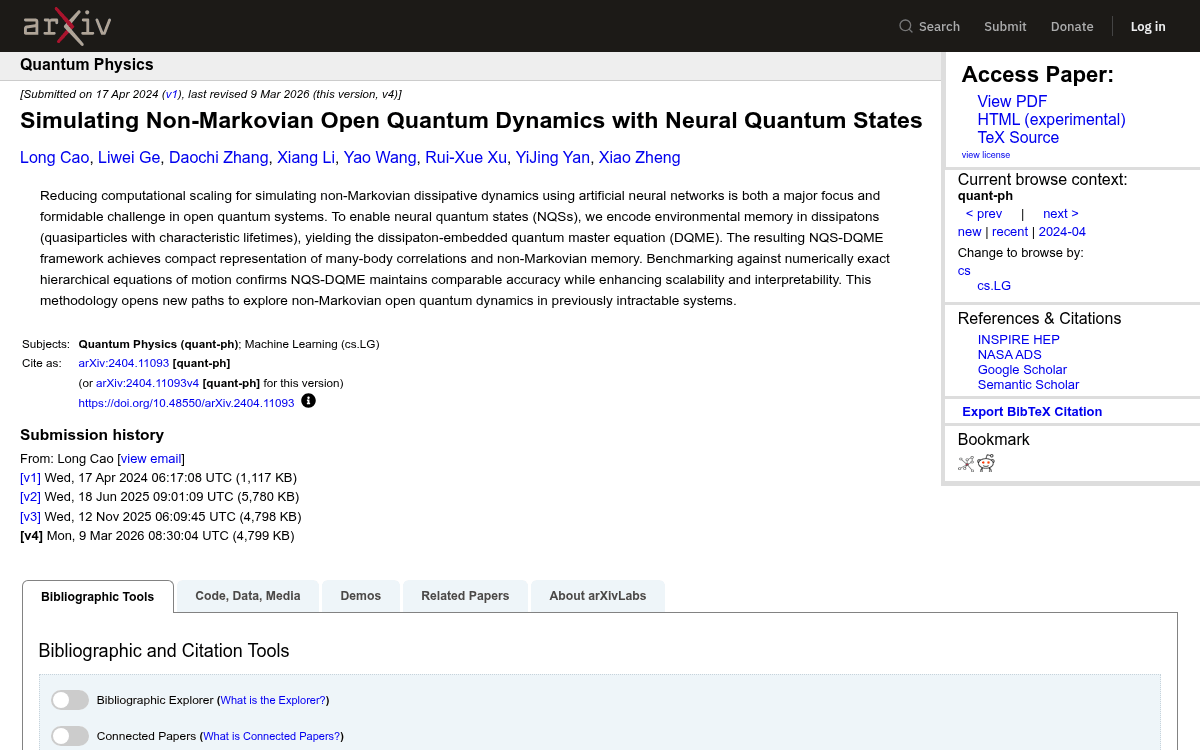
A new NQS-DQME framework uses neural networks to simulate quantum memory effects that were previously computationally intractable, matching exact methods with orders of magnitude fewer parameters.
Princeton's PlayWorld lets robots train their own world models overnight via unsupervised self-play, cutting hallucinations and boosting RL policy success rates by 65%