
Pro
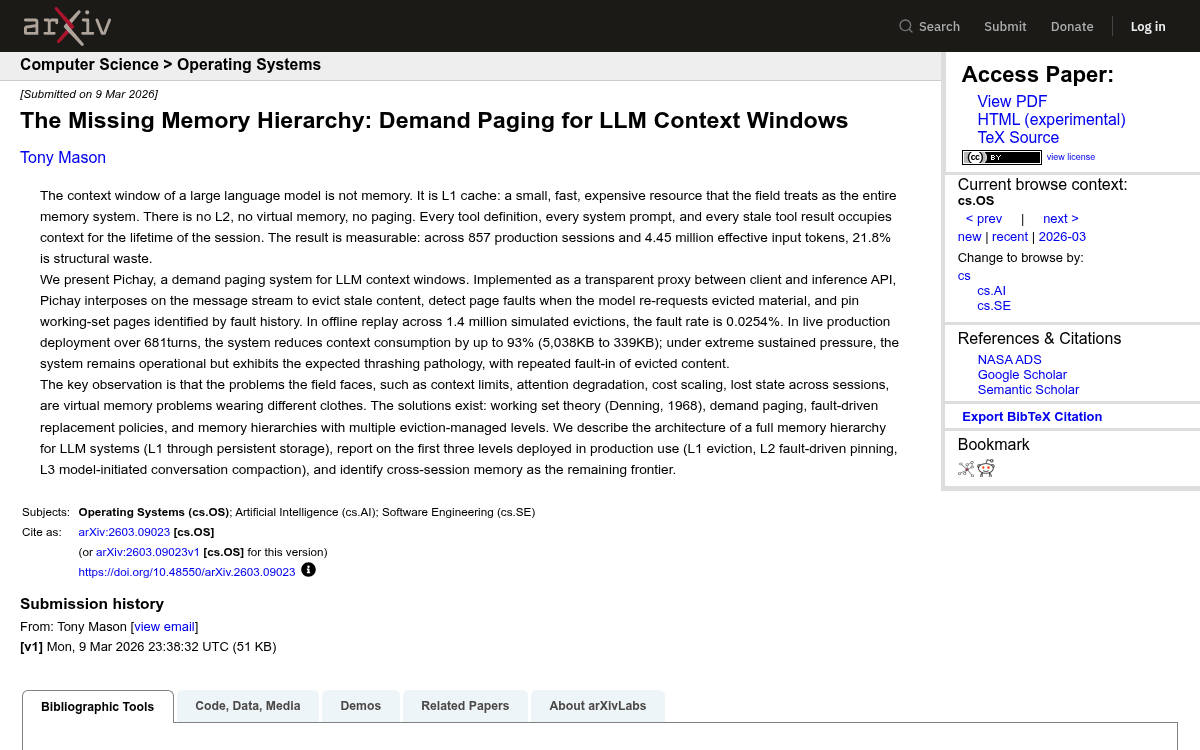
UBC's Pichay Cuts AI Agent Token Waste by 37% Using 1961 Memory Tech
Pichay treats LLM context windows as L1 cache and builds the missing memory hierarchy, cutting context waste by up to 93% in production with a 0.025% fault rate.
20 stories
Pichay treats LLM context windows as L1 cache and builds the missing memory hierarchy, cutting context waste by up to 93% in production with a 0.025% fault rate.
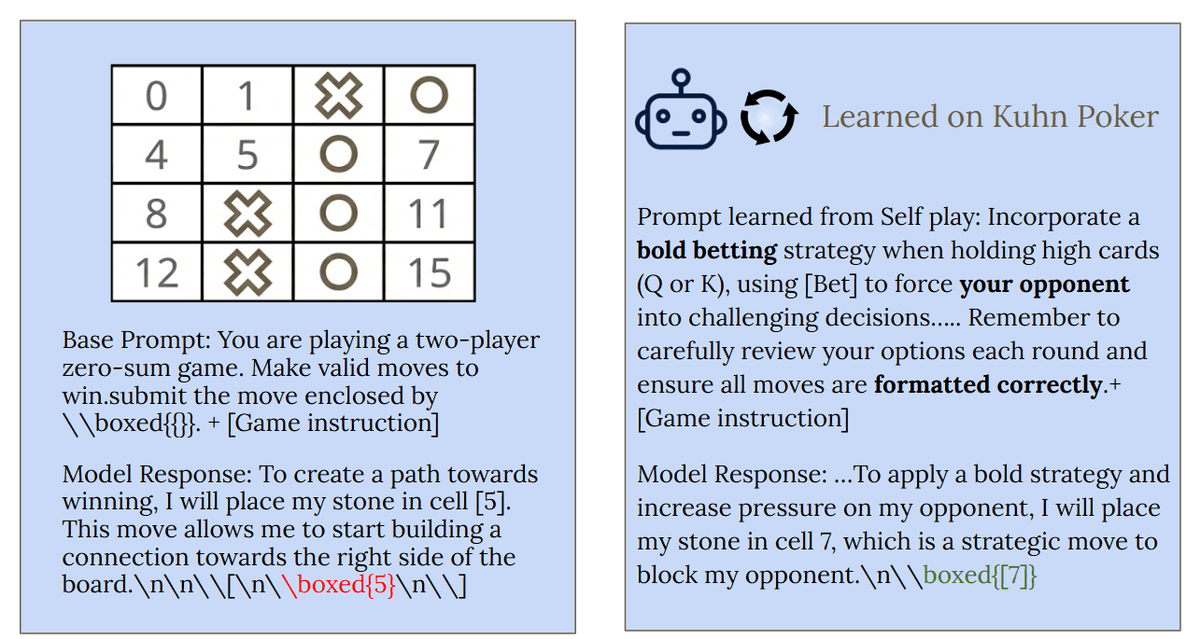
MEMO teaches LLMs to remember what works across self-play games, doubling win rates without touching model weights
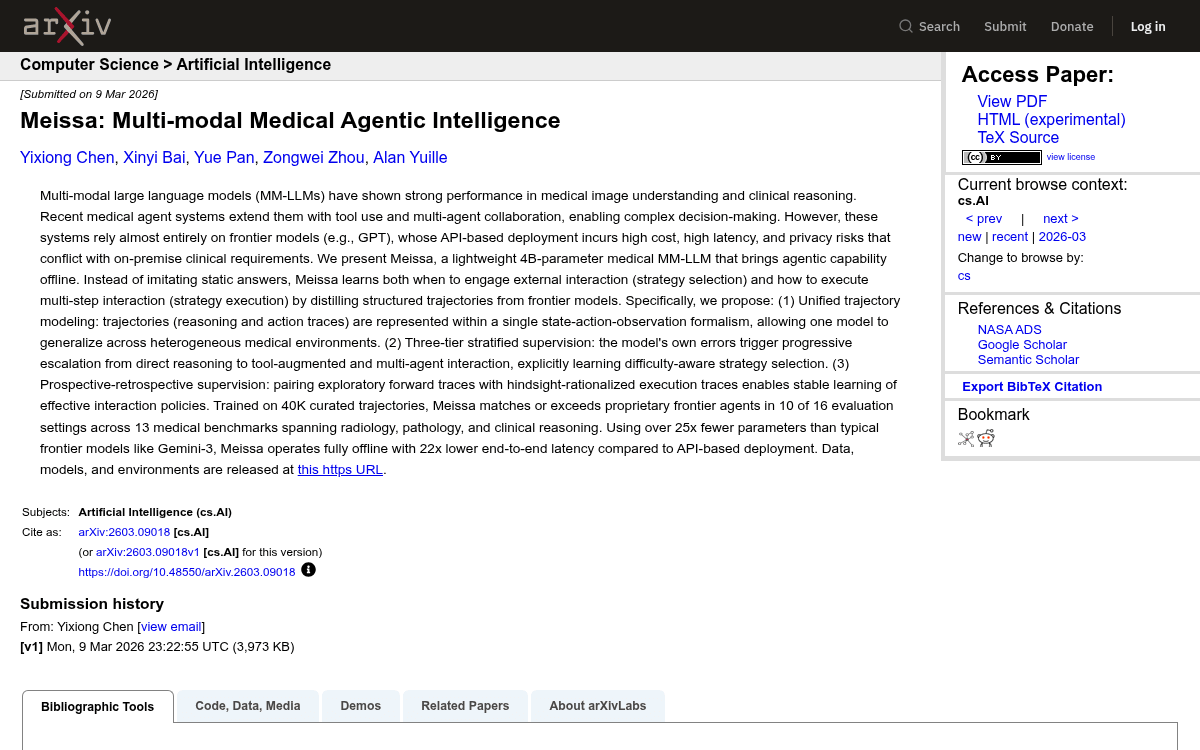
Meissa is a 4B-parameter medical AI agent that matches GPT-class frontier models offline, at 22x lower latency and 25x fewer parameters
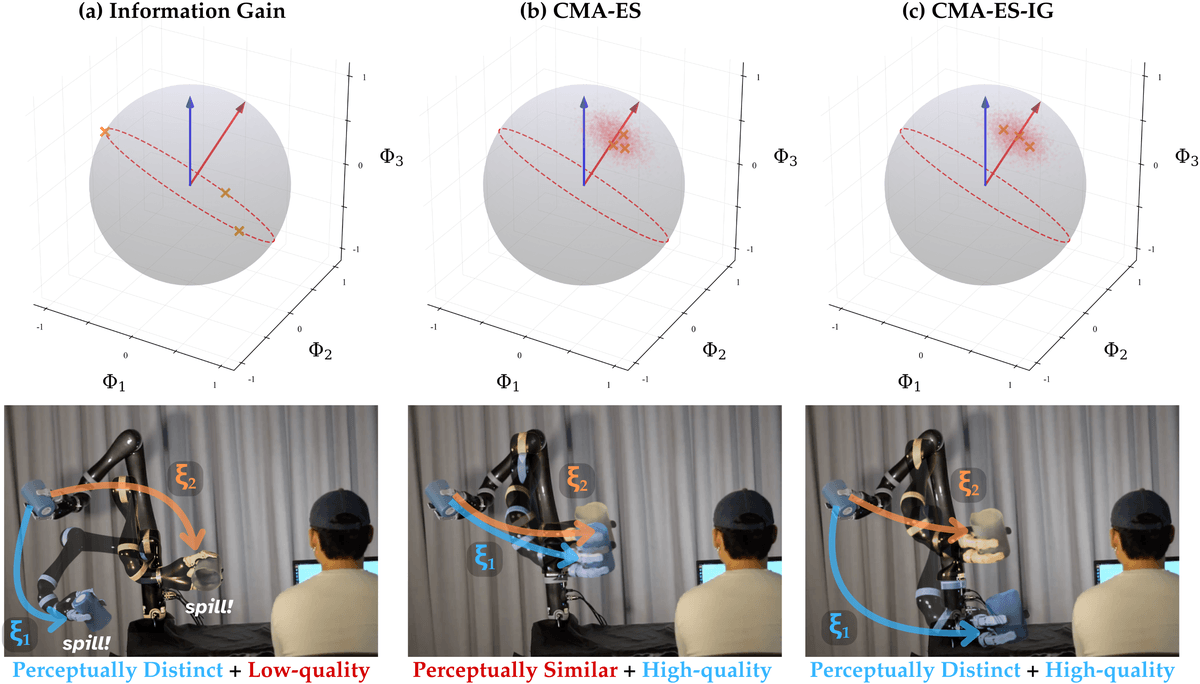
CMA-ES-IG teaches robots your preferences by showing you visually distinct, improving options — no expertise required, and it scales to high-dimensional spaces where existing methods break down.
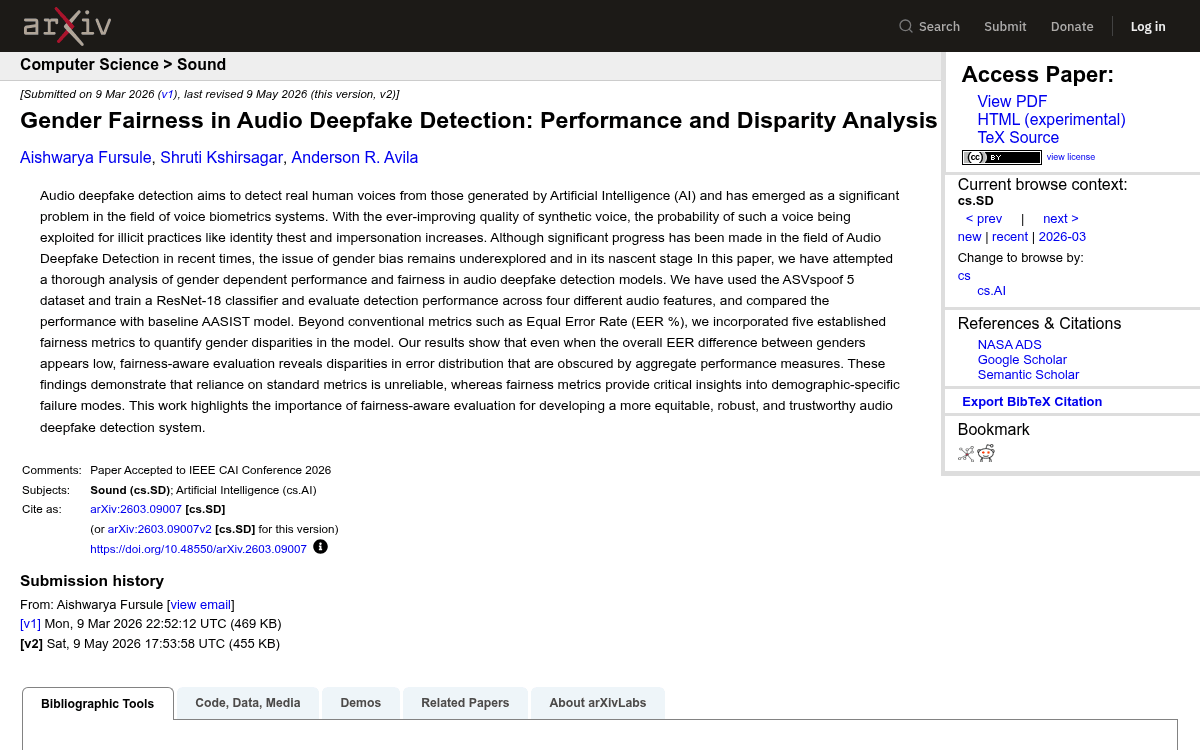
A new study reveals that standard EER metrics hide significant gender disparities in audio deepfake detectors, even when overall accuracy looks balanced.
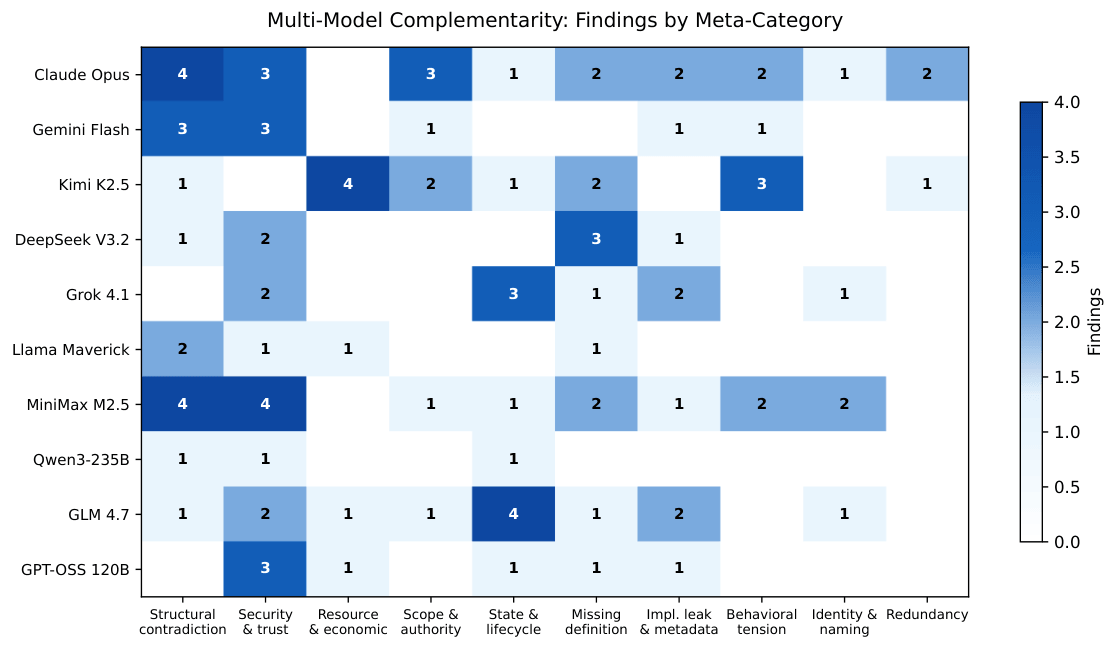
A new framework audits the system prompts of Claude Code, Codex CLI, and Gemini CLI — finding 152 bugs for just $0.27 in API costs
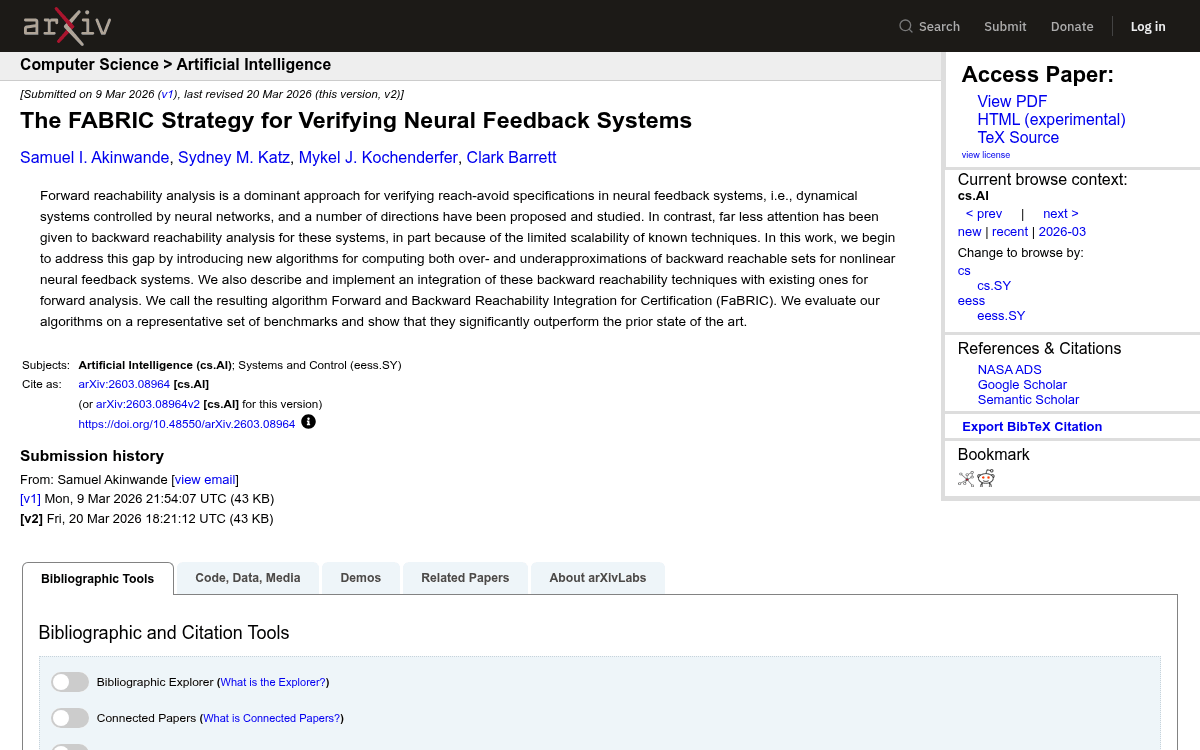
Stanford's FABRIC algorithm combines forward and backward reachability analysis to formally verify neural network controllers up to 40x more precisely than prior methods
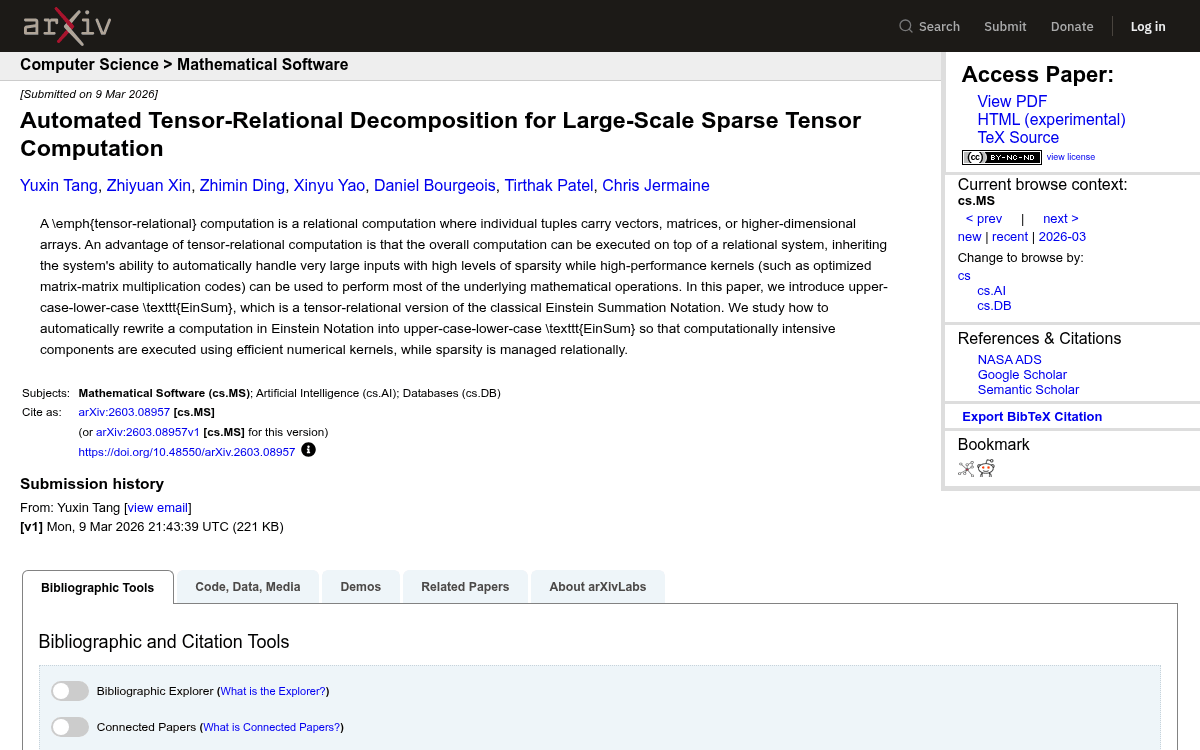
A new notation called EinSum bridges relational databases and tensor math, automatically routing sparse data through SQL and dense chunks through fast GPU kernels
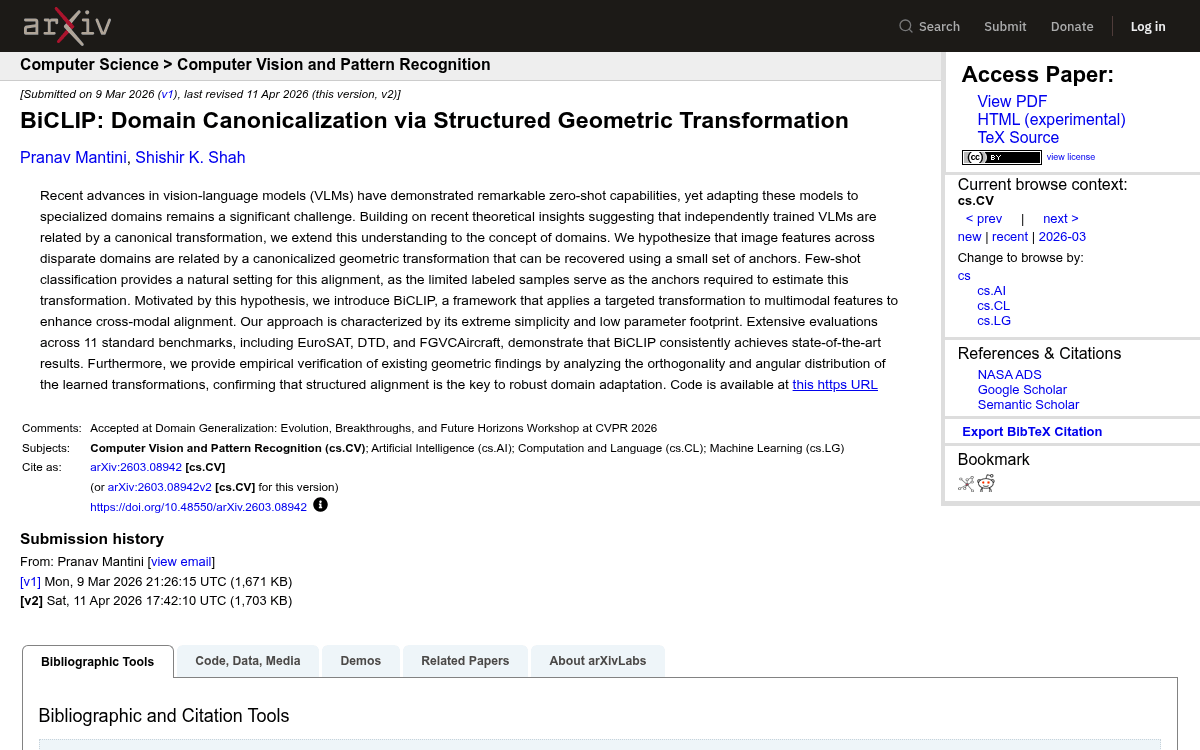
BiCLIP replaces CLIP's dot-product similarity with a single learned matrix, hitting state-of-the-art few-shot accuracy across 11 benchmarks with a fraction of the usual parameters.
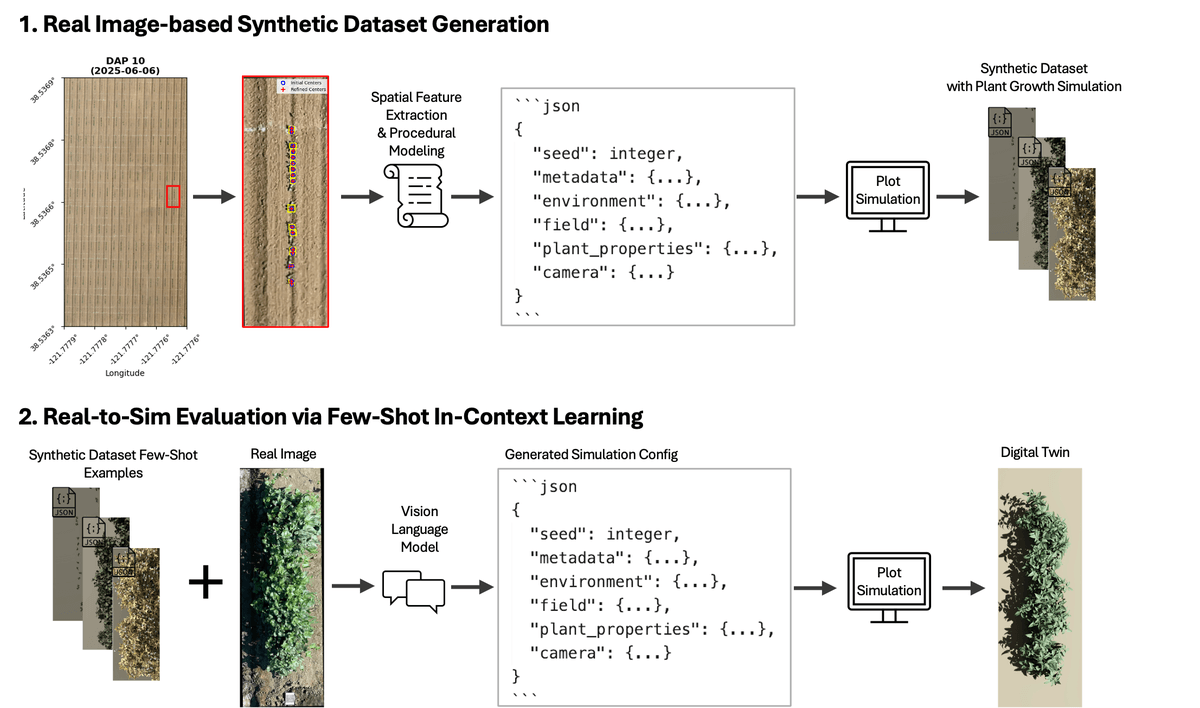
Researchers at UC Davis tested whether vision-language models can read drone images and auto-generate the JSON configs needed to spin up 3D crop simulations — no human annotation required.
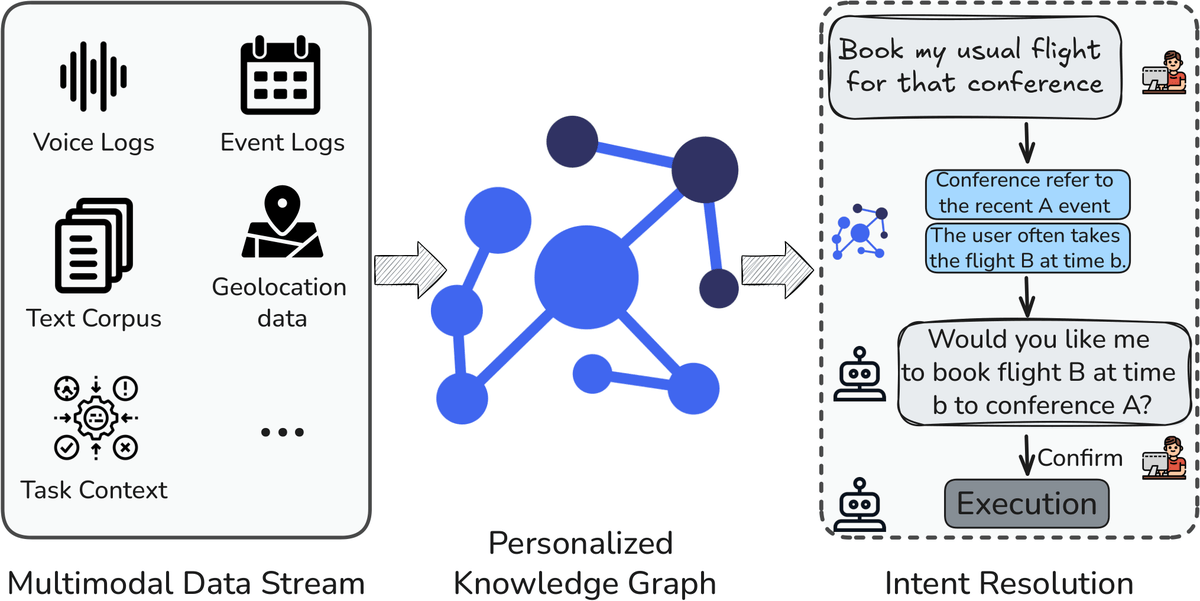
Researchers propose AgentOS, a ground-up OS redesign where an AI kernel replaces the desktop, turning your computer into a natural language-driven intent machine
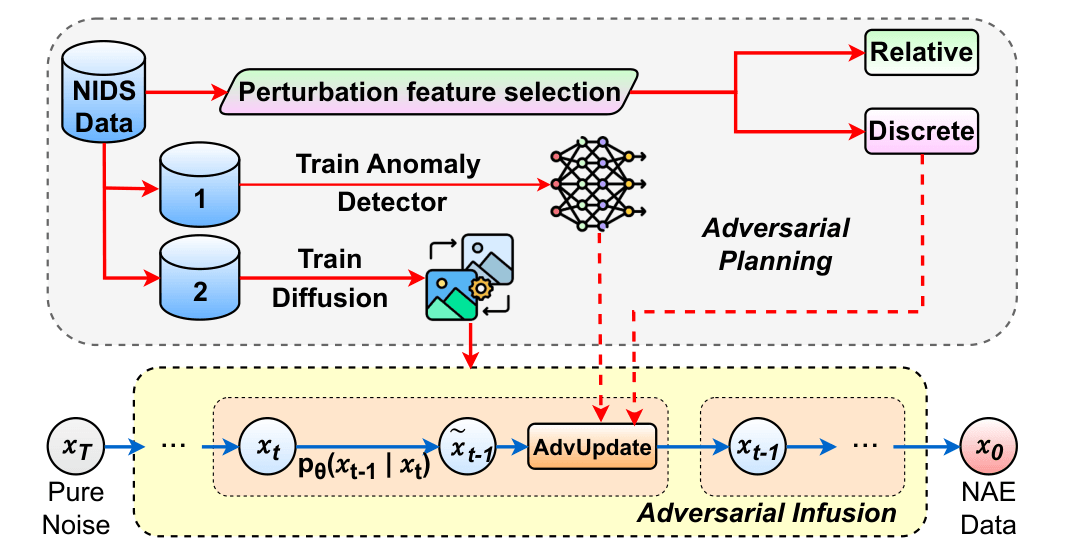
NetDiffuser uses diffusion models to generate adversarial network traffic that fools both intrusion detectors and the defenses designed to catch them
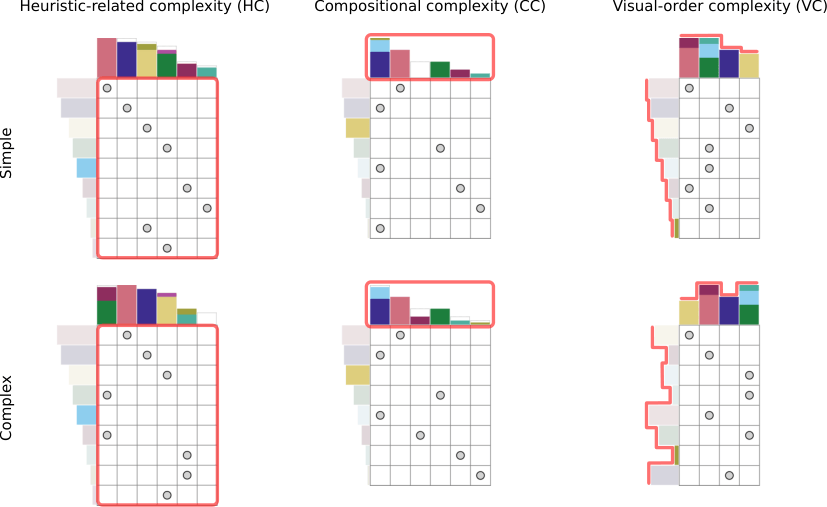
Researchers identify three measurable properties that make AI optimization solutions feel intuitive to humans, enabling interpretability-aware solvers.
MASEval proves that swapping your agent framework can hurt performance as much as downgrading your model — and gives you the tools to measure it.
GenGNN replaces expensive graph transformers in discrete diffusion with modular message-passing GNNs, hitting 99.49% molecule validity at 2-5x faster inference
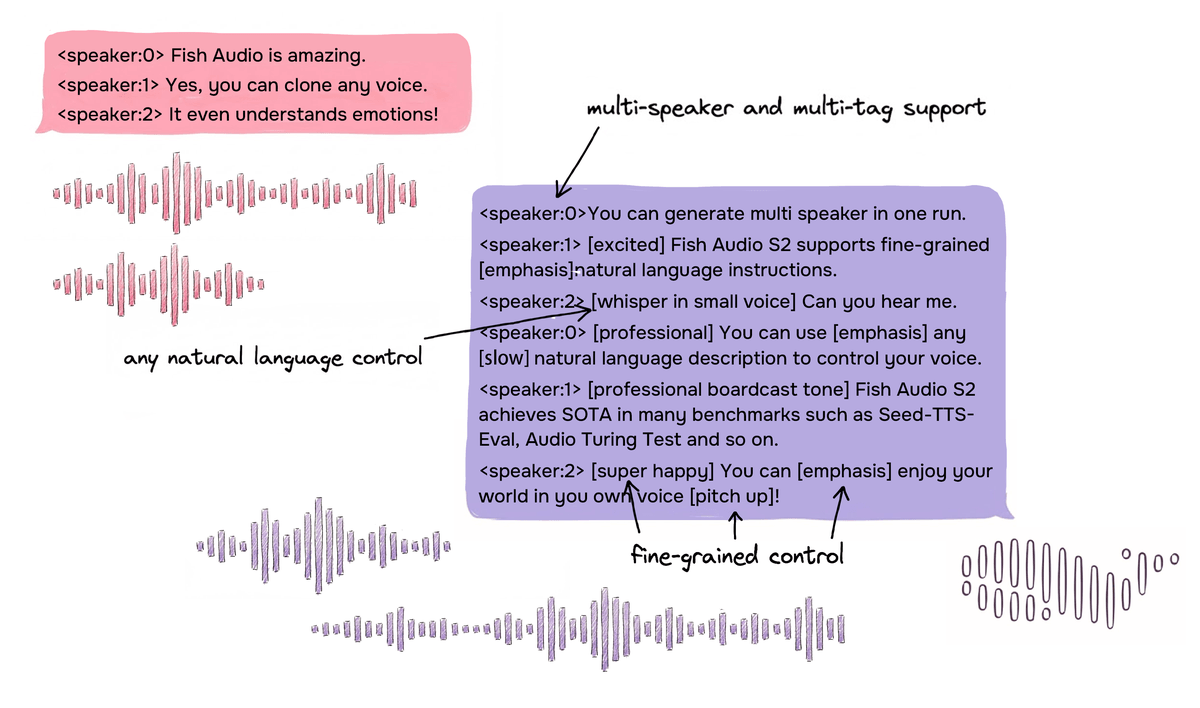
Fish Audio S2 is a fully open-source TTS system that follows plain-English vocal instructions, generates multi-speaker dialogues, and streams audio in under 100ms
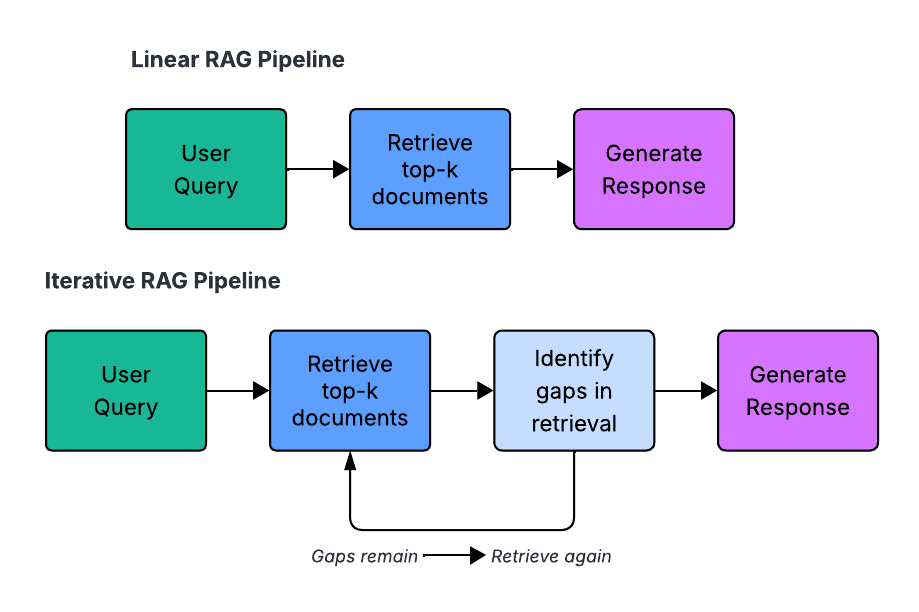
A Johns Hopkins study proves that coverage-focused retrieval metrics reliably predict RAG output quality, potentially cutting the cost of end-to-end evaluation
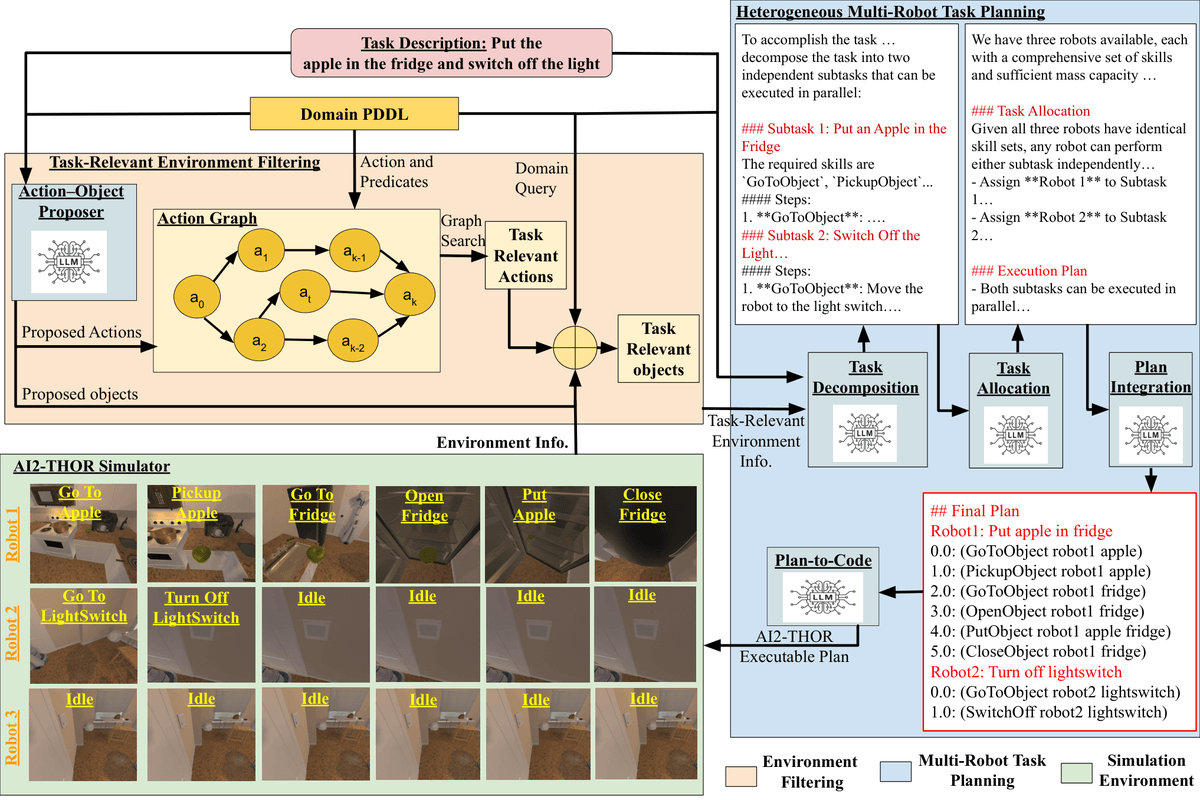
Scale-Plan filters robot environments down to task-relevant objects before planning, beating LLM and hybrid PDDL baselines by up to 35% on complex tasks
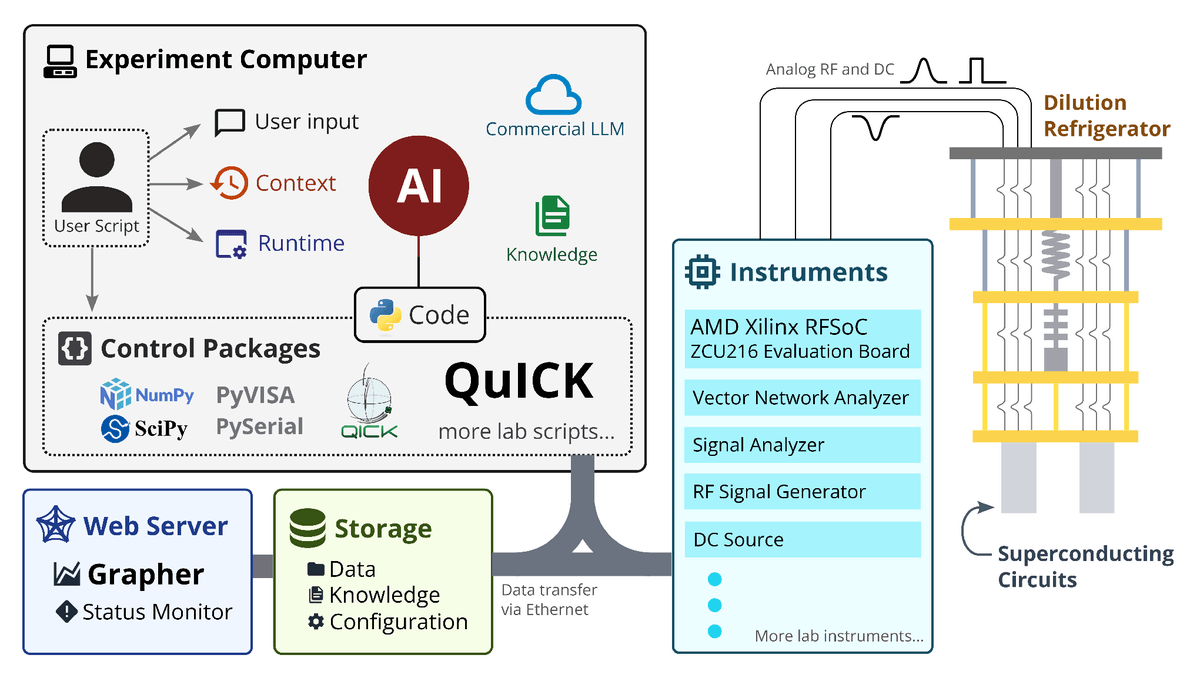
A University of Chicago team built HAL, an LLM-driven system that autonomously runs superconducting qubit experiments by writing its own Python tools on the fly
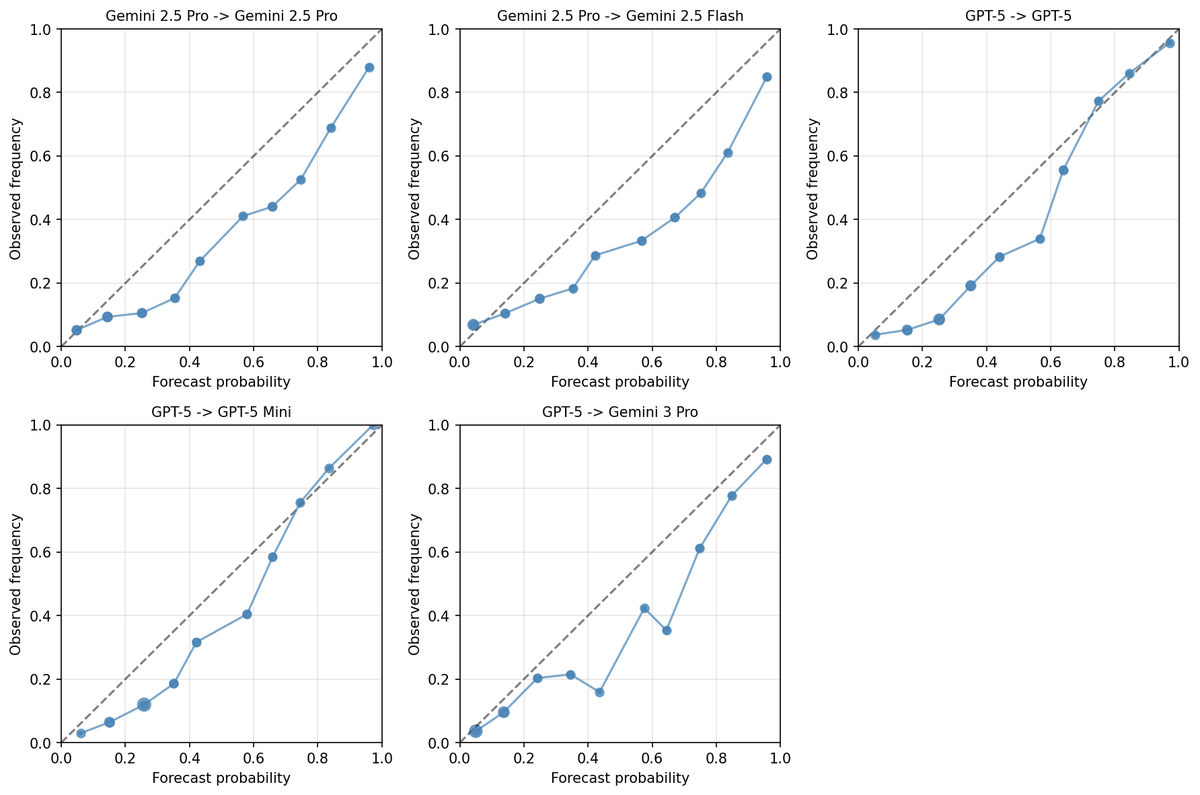
FutureSearch's LLM pipeline generates 1,499 real-world forecasting questions at scale, outperforming human-curated Metaculus on question quality and enabling rigorous AI benchmarking.