
Pro
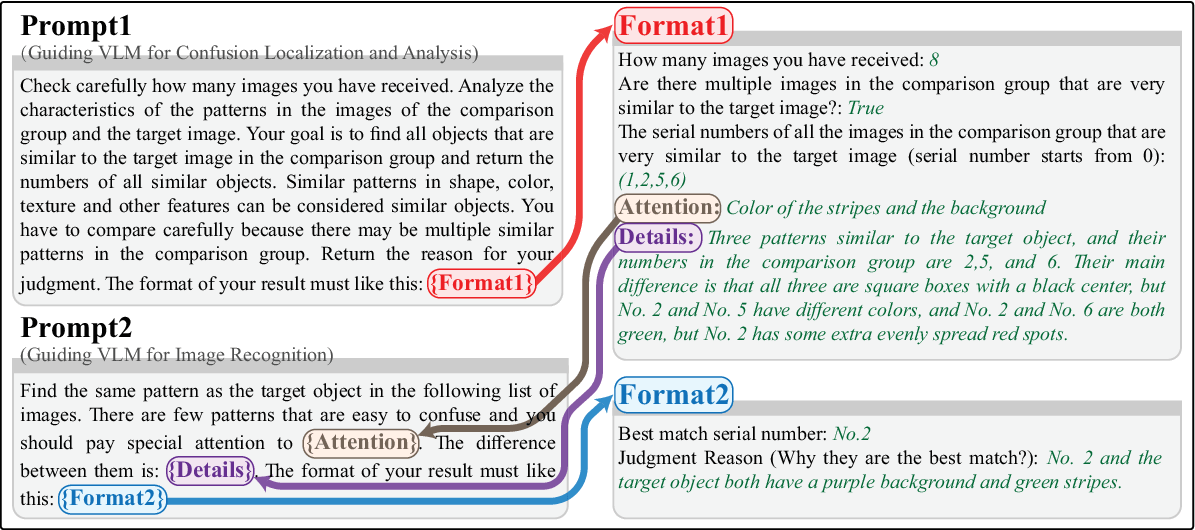
CAICL Pushes Robot Vision From 81% to 85.5% Without Any Training
A new prompting method forces vision-language models to slow down and compare confusable objects, lifting VIMA-Bench success rates to 85.5%.
20 stories
A new prompting method forces vision-language models to slow down and compare confusable objects, lifting VIMA-Bench success rates to 85.5%.
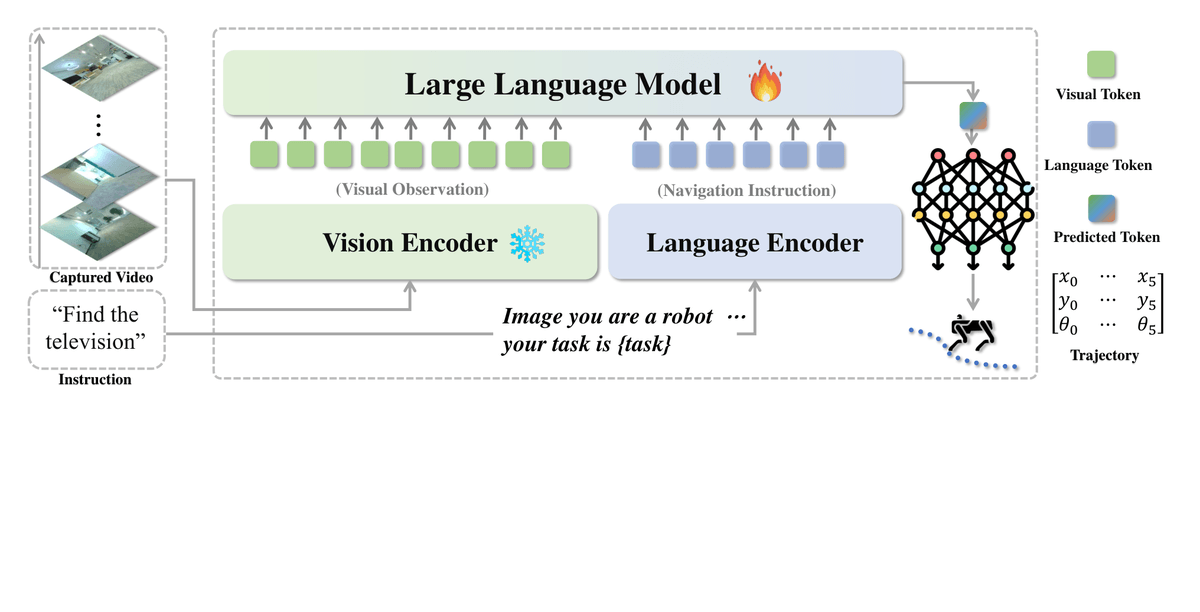
A new Gaussian Splatting simulator reconstructs entire office floors for training navigation policies, cutting the sim-to-real gap by over 80 percent.
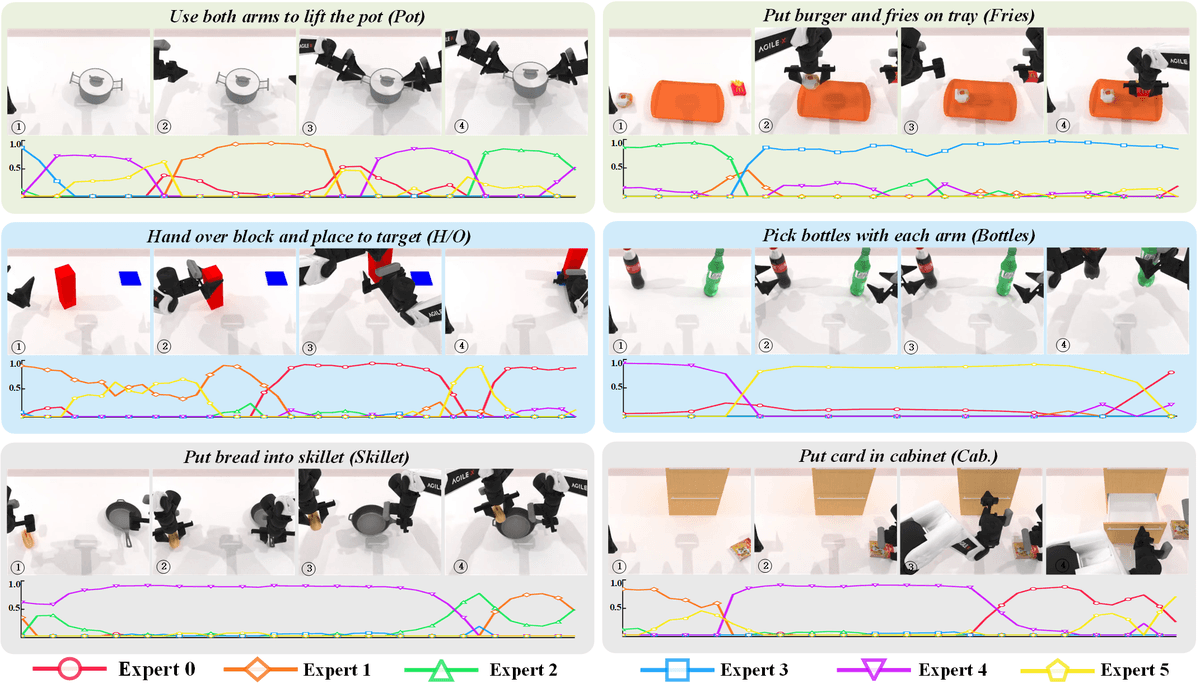
A lightweight bimanual robot policy adds sparse Mixture-of-Experts routing to ACT, lifting multi-task success rates by 33% over the original.

A new inertial odometry architecture cuts trajectory drift by up to 60% using a learned motion dictionary and a soft zero-velocity gate.
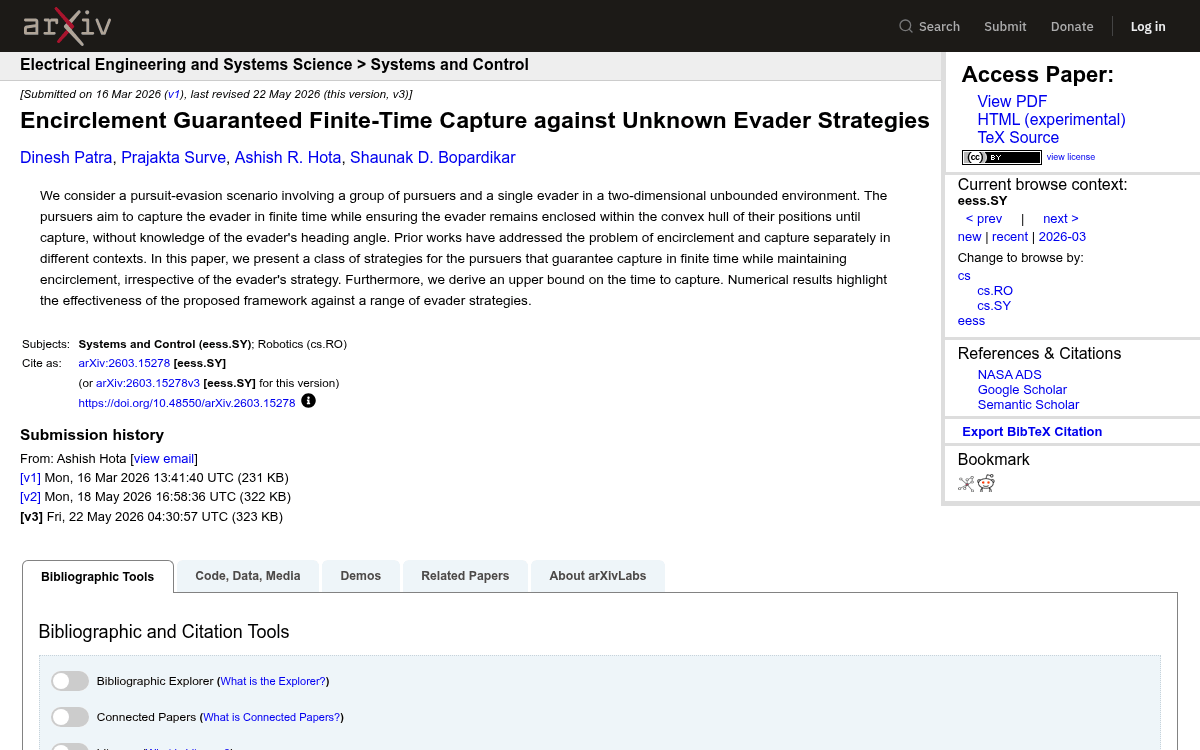
A new theoretical paper proves a decentralized strategy that traps and catches an evader inside a moving polygon of robots, with a formal capture-time bound.
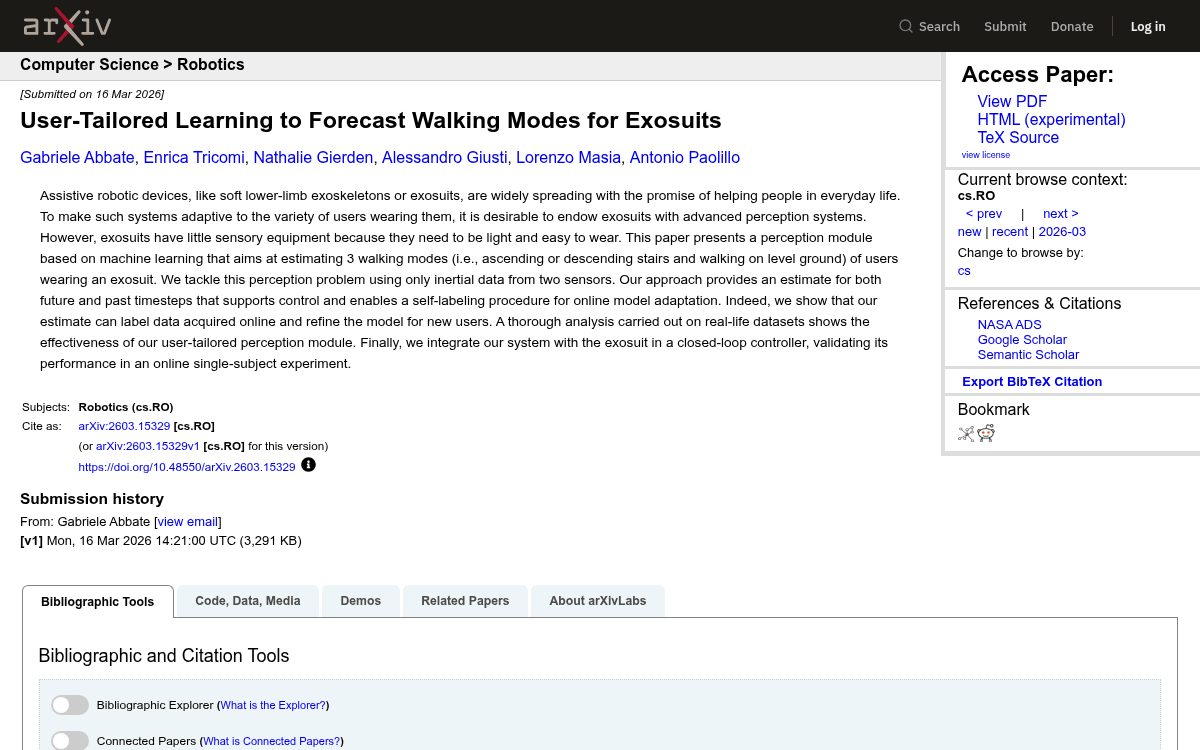
A temporal convolutional network reads two thigh-mounted IMUs to classify stairs and level ground, forecast intent, and self-label data to adapt to new wearers.
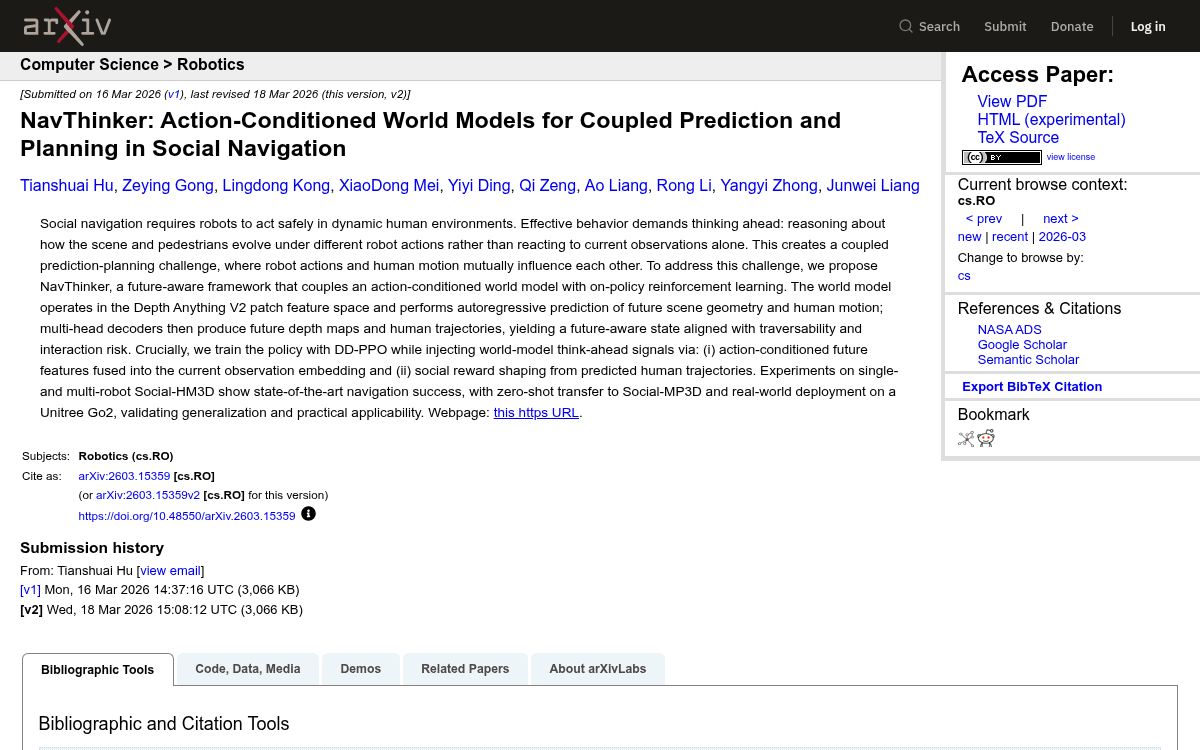
A new framework teaches robots to imagine how humans will react before moving, cutting collisions and hitting state of the art on social navigation benchmarks.
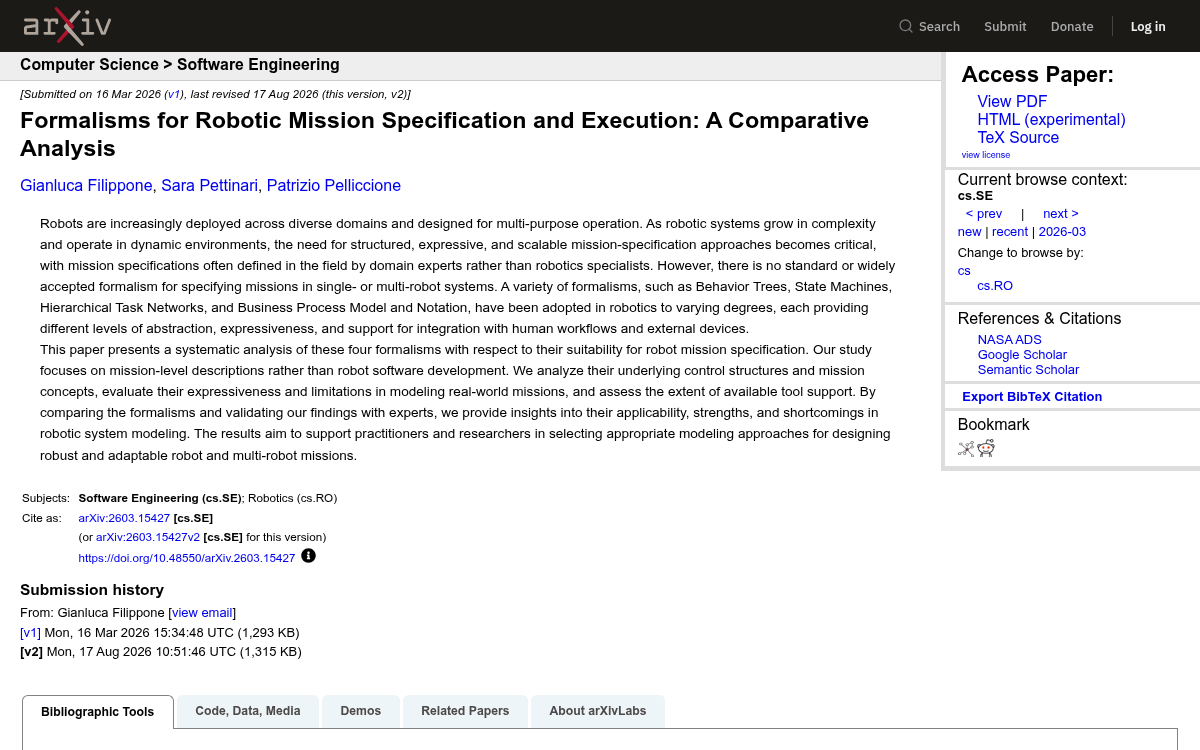
A systematic comparison of Behavior Trees, State Machines, HTNs, and BPMN for specifying robot missions, validated by 29 domain experts.
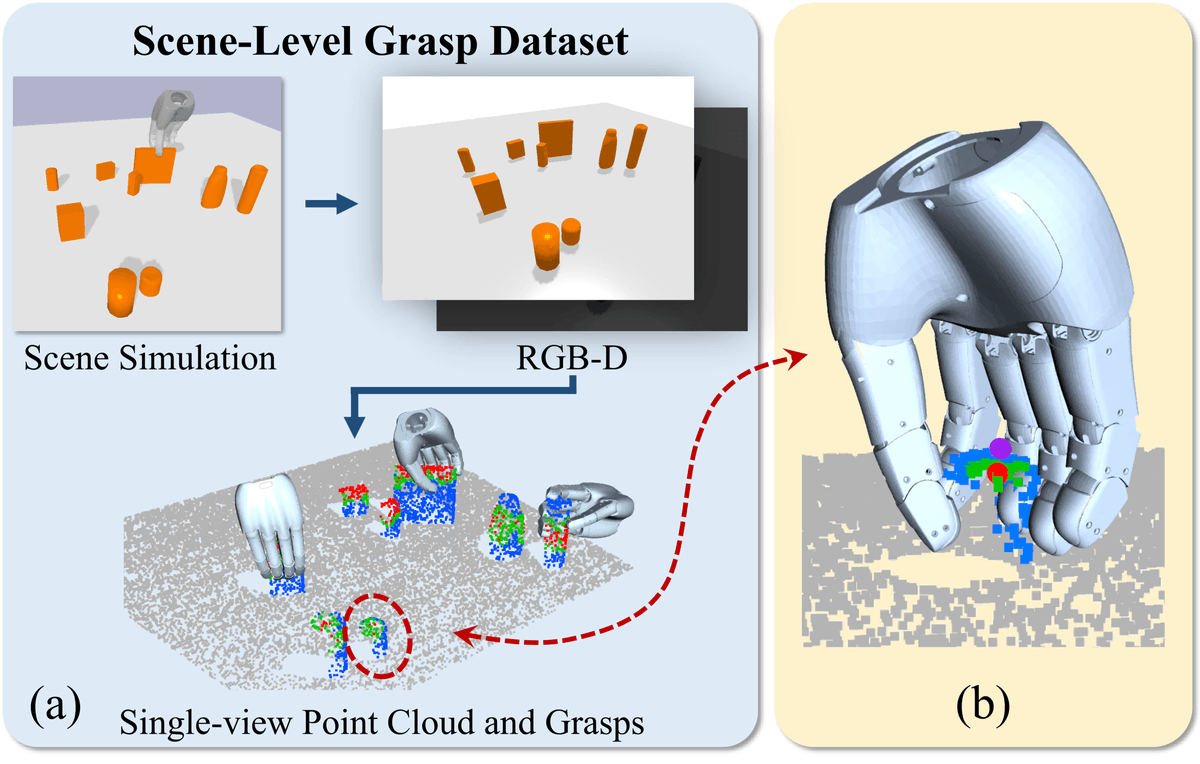
A new end-to-end network and 350k-grasp dataset let a five-fingered robot hand plan grasps in cluttered scenes from a single depth image.
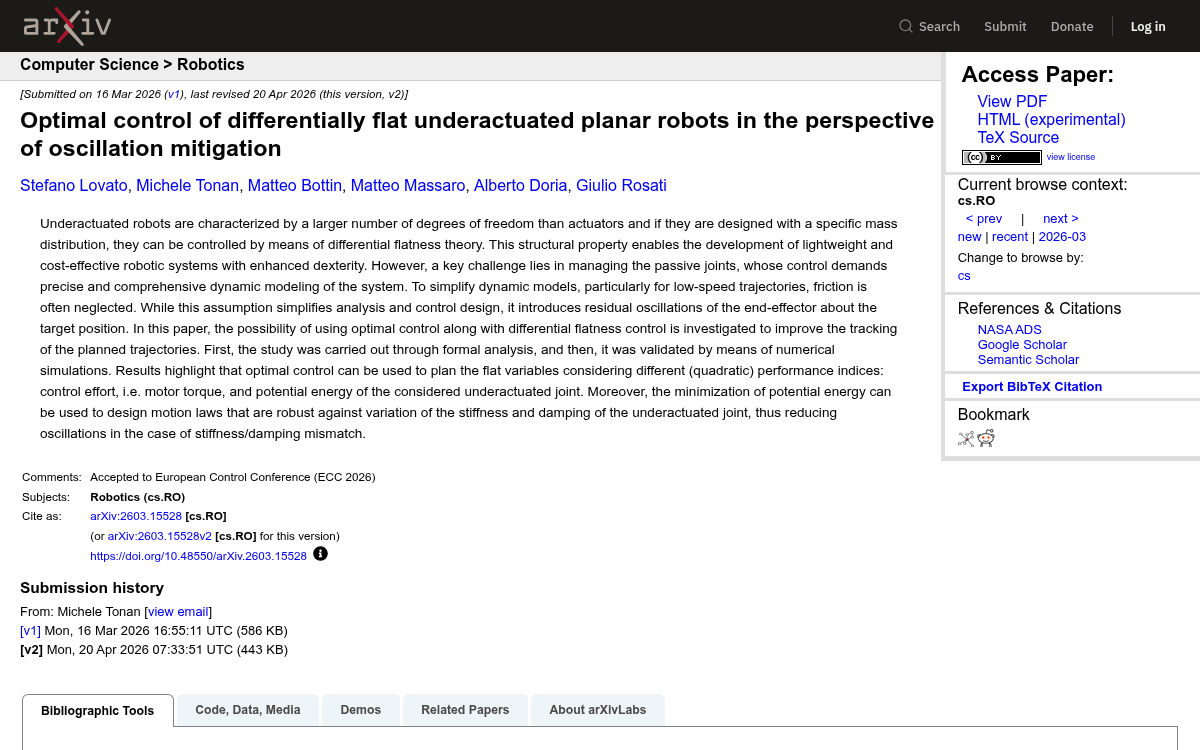
Researchers from the University of Padova show optimal control can plan trajectories for underactuated flat robots, cutting end-of-motion oscillations by up to 38 percent.
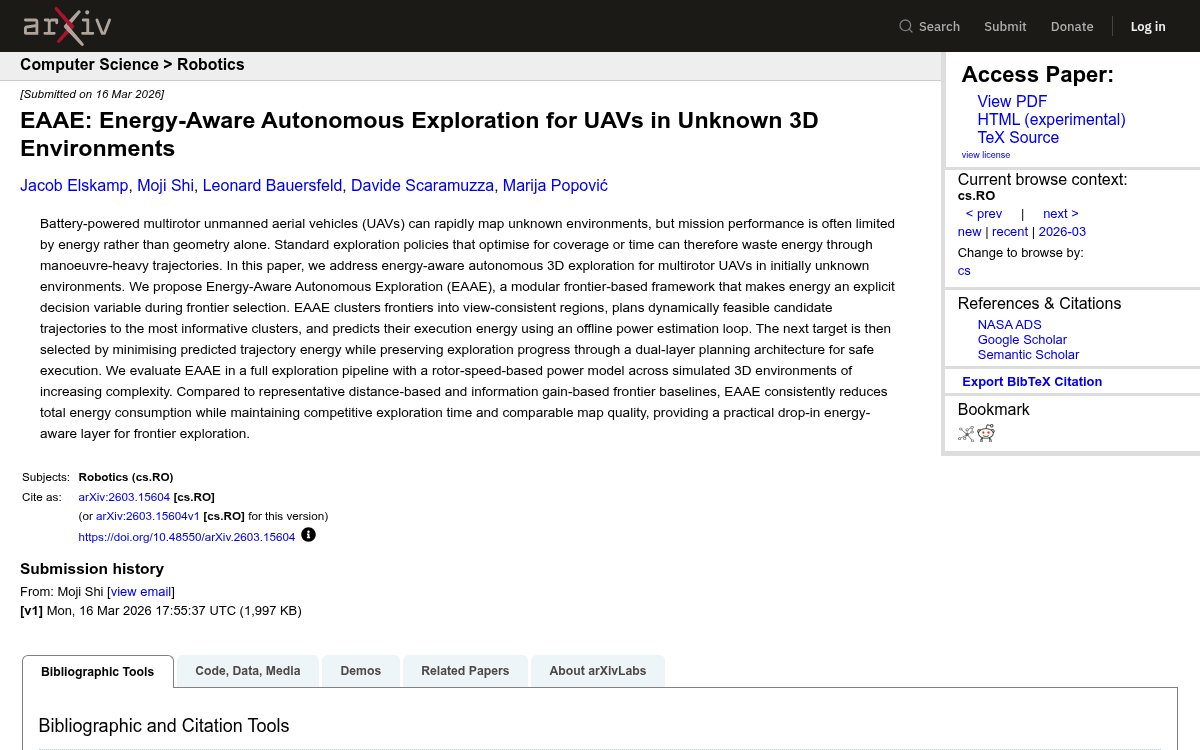
A new frontier-exploration framework for drones treats battery energy as a first-class planning variable, cutting mission energy by up to 21 percent.
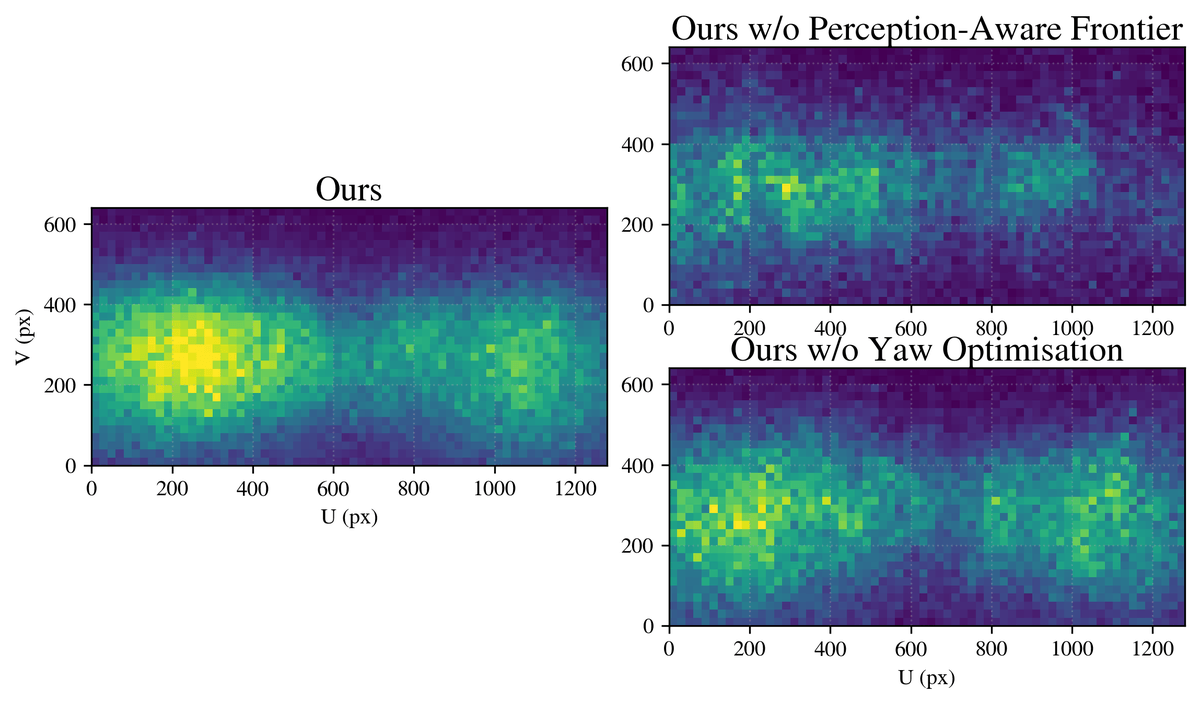
A hierarchical planner for stereo drones picks frontiers with visible features and shapes yaw motion to keep visual-inertial odometry stable.
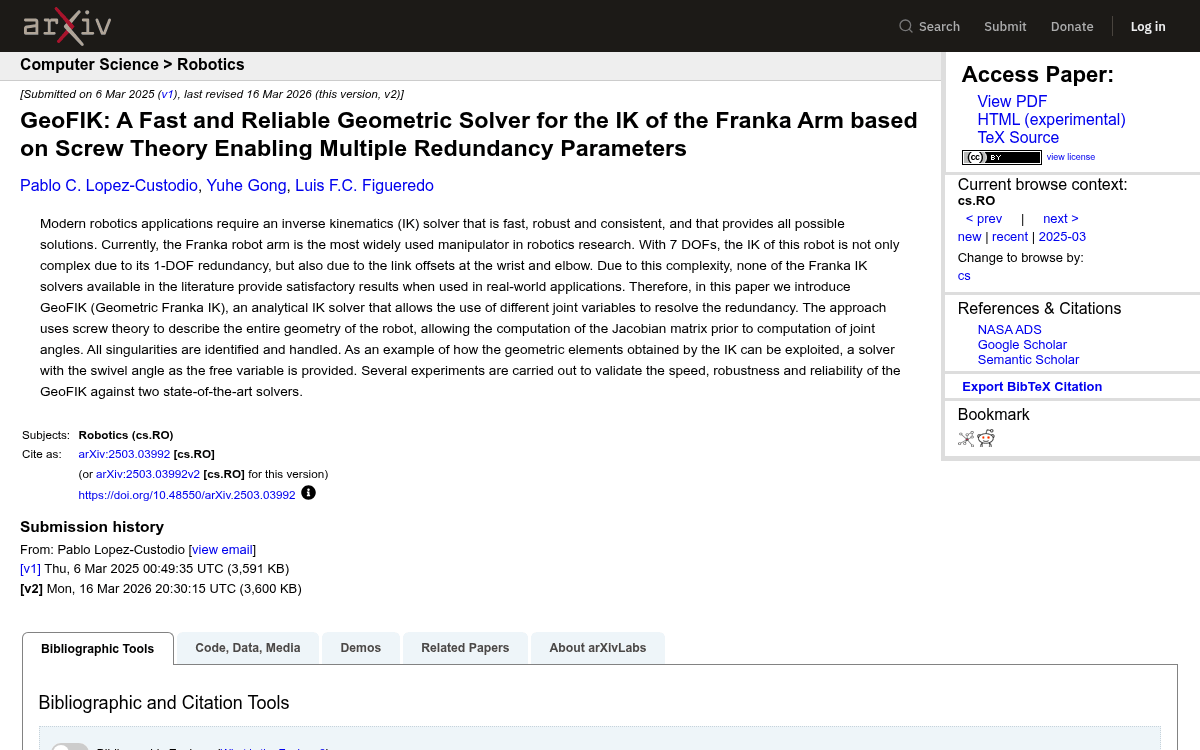
A screw-theory-based analytical inverse kinematics solver for the Franka arm delivers Jacobians for free, handles singularities, and beats existing solvers on speed and reliability.
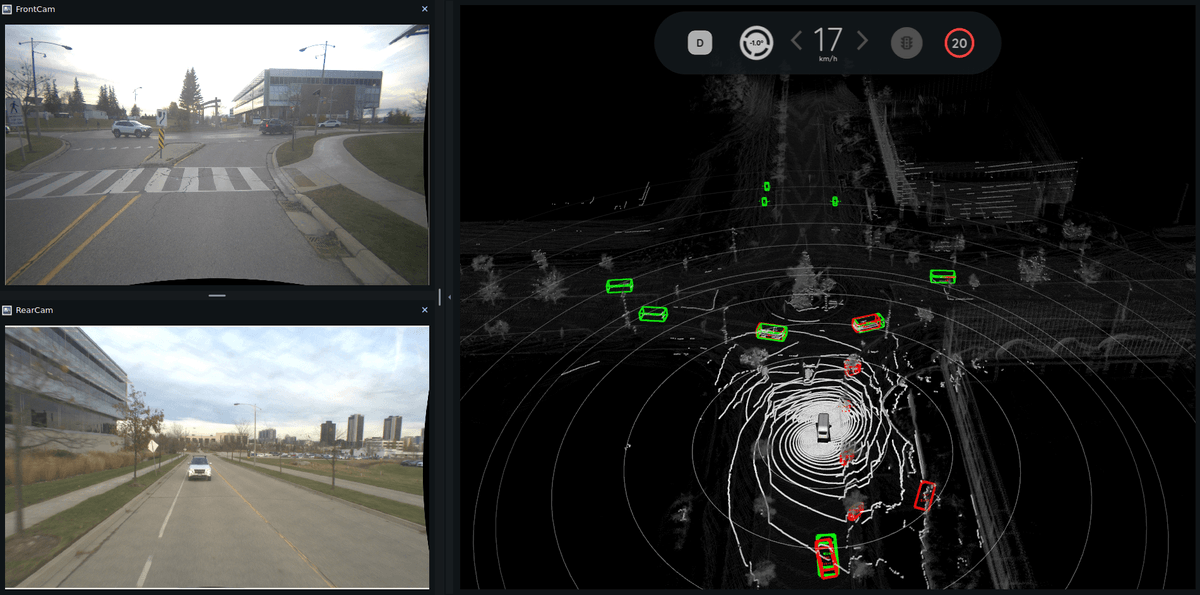
A cloud-connected network of roadside and ceiling-mounted sensor nodes cuts perception failures by more than 25x compared to onboard-only autonomy.
A new reinforcement learning recipe replaces demos, curricula, and reward tuning with diverse simulator resets, letting robots learn contact-rich manipulation that transfers zero-shot to hardware.
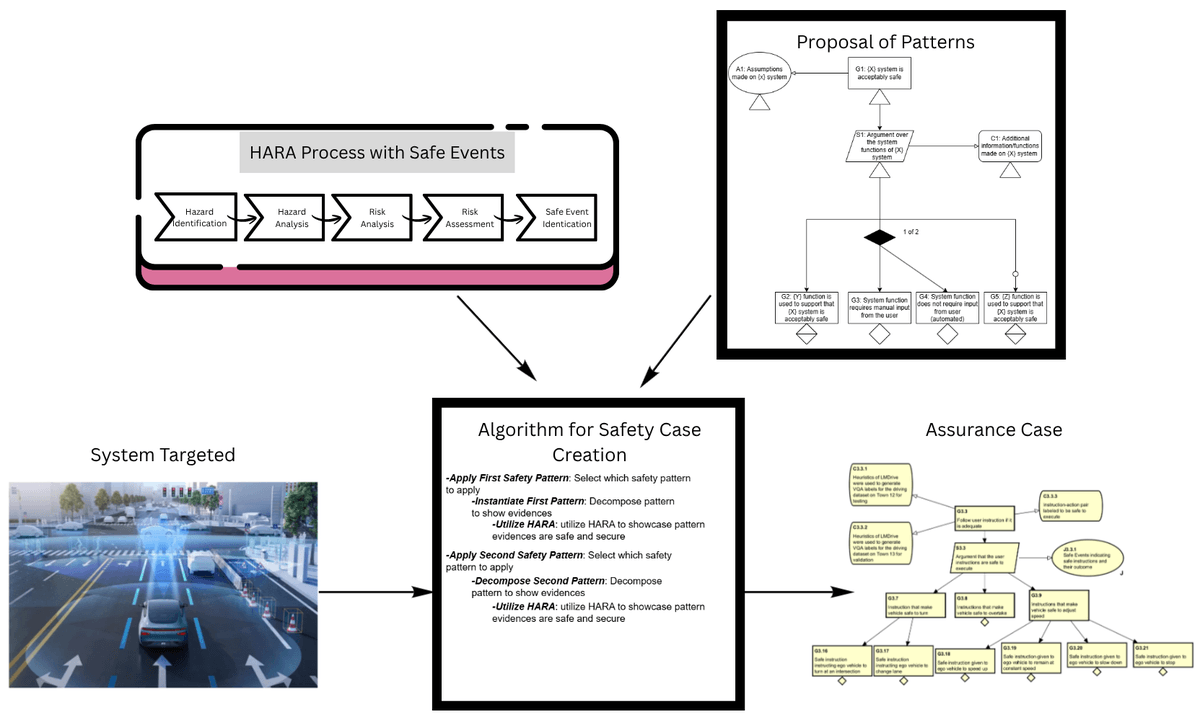
A new framework called RAISE proposes safety case patterns for autonomous driving systems that take natural language instructions from users.
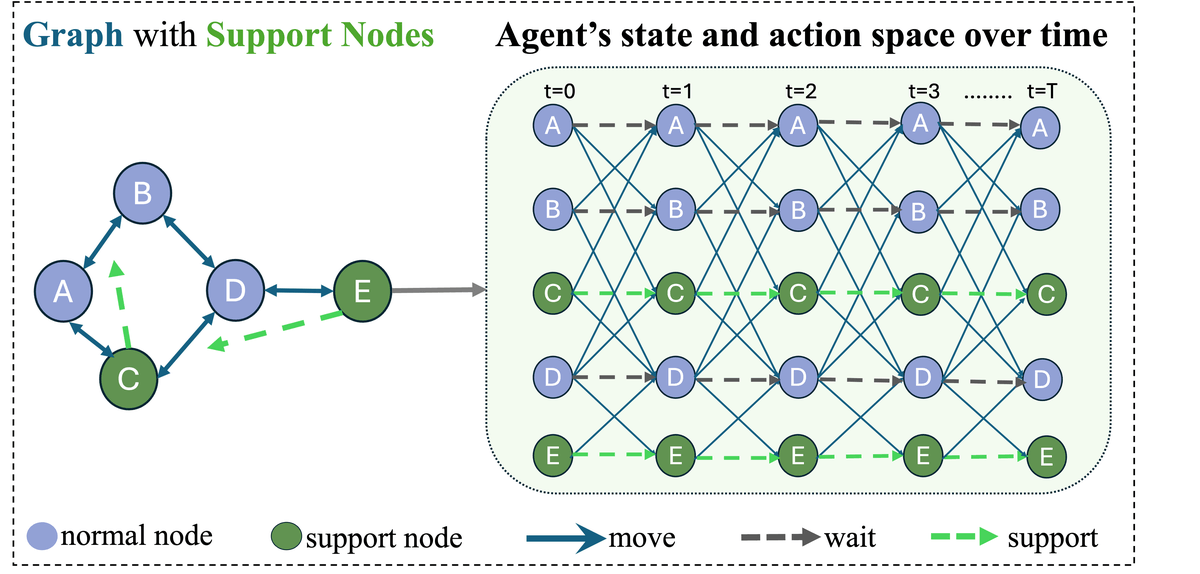
A new paper introduces forecast-aware planning for multi-robot teams facing moving threats, using Markov risk propagation to pre-position support and cut expected mission cost.
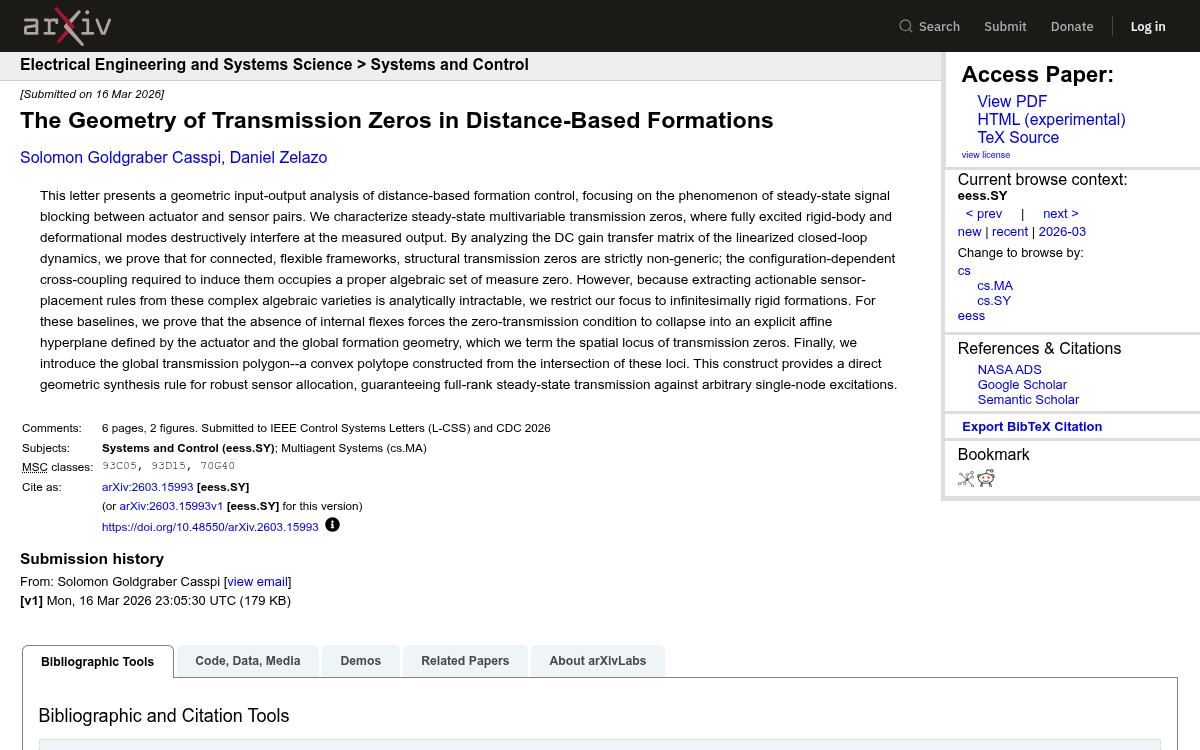
A new geometric framework identifies exactly where sensors must sit in a robot formation to avoid silent disturbances being blocked at steady state.
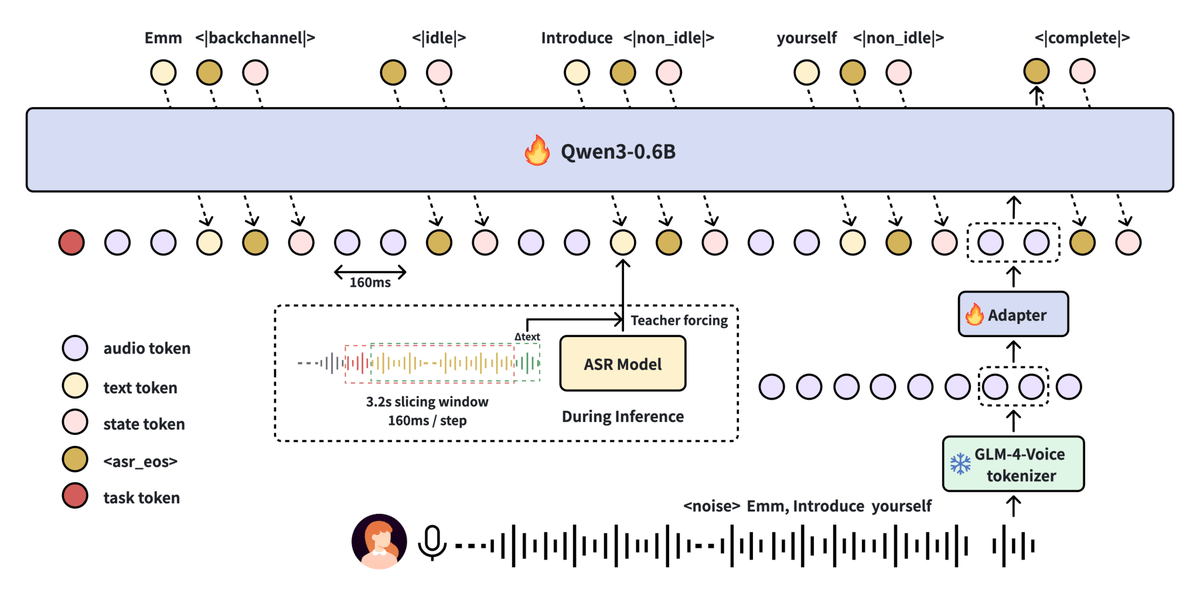
Researchers from Shanghai Jiao Tong University's X-LANCE Lab propose a plug-in module that gives half-duplex voice models real-time interruption handling with 240ms latency.
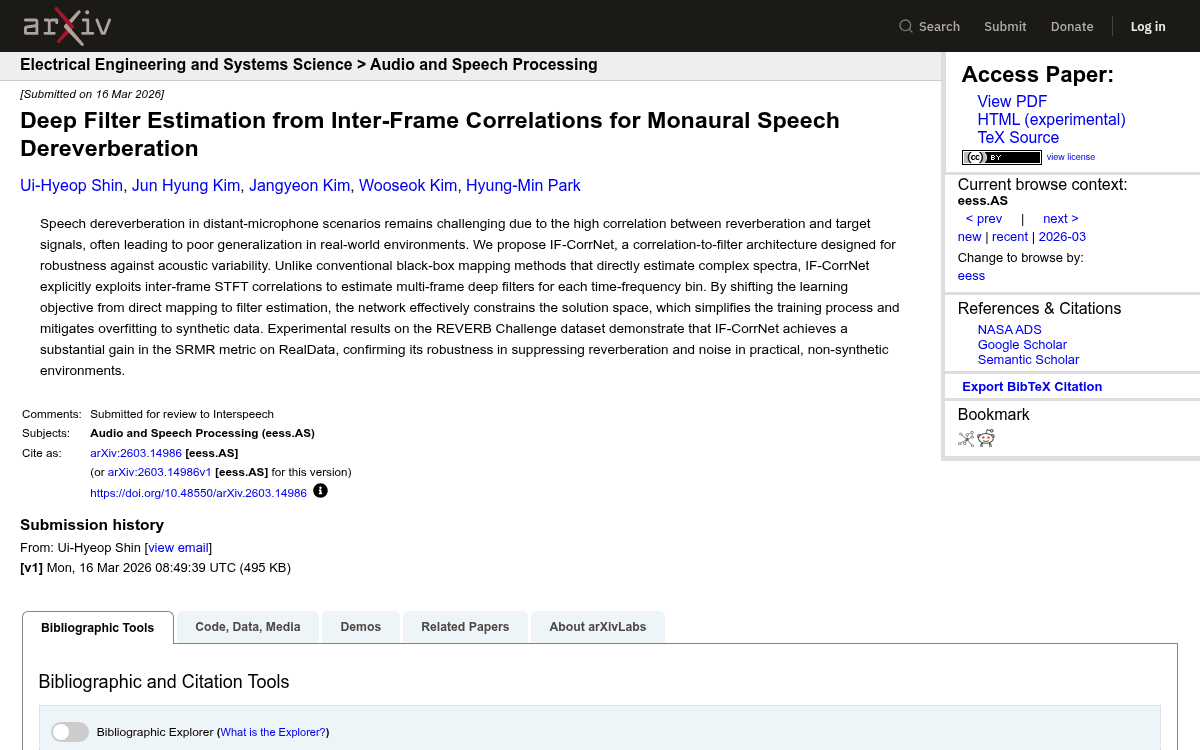
IF-CorrNet flips speech dereverberation from black-box spectral mapping to explicit filter estimation, delivering large gains on real-recorded reverberant audio.