
Pro
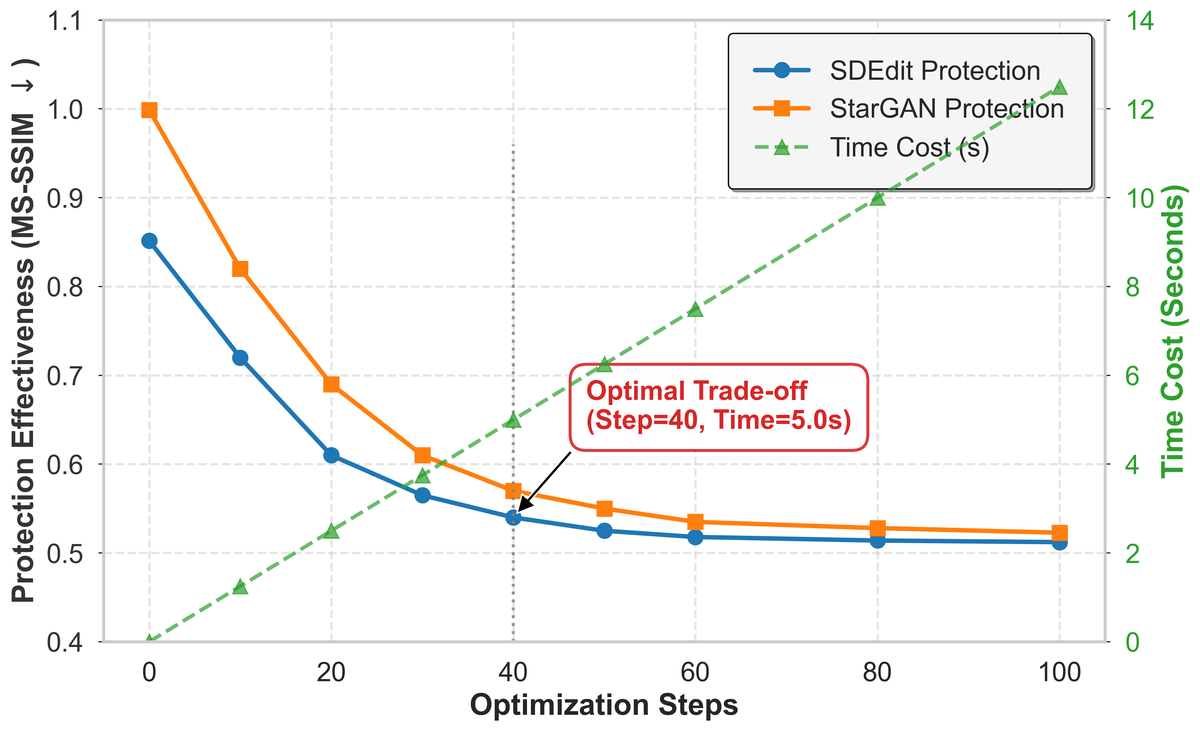
ATFS Open-Source Framework Blocks AI Image Edits Across GANs and Diffusion Models
A new framework called ATFS defends images against multiple generative model families at once by shifting the attack from pixel space to shared feature space.
20 stories
A new framework called ATFS defends images against multiple generative model families at once by shifting the attack from pixel space to shared feature space.
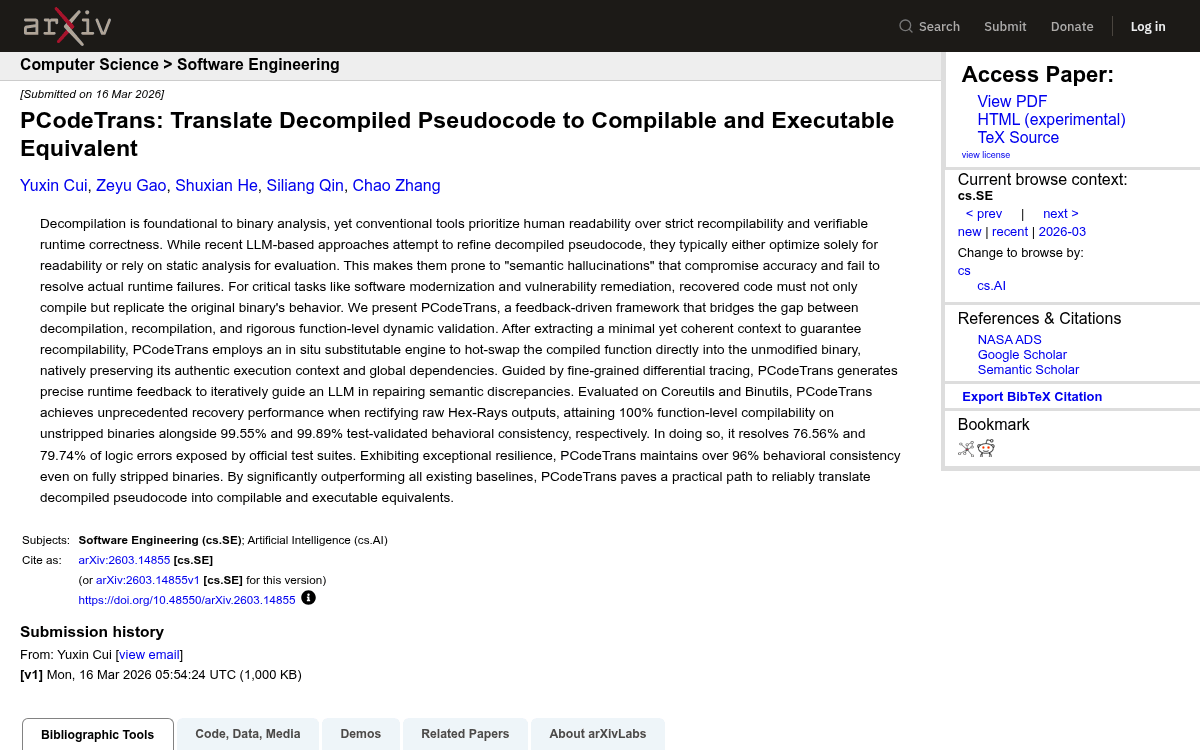
A new feedback-driven framework recompiles Hex-Rays output into source code that runs identically to the original binary, hitting 100% function-level compilability.
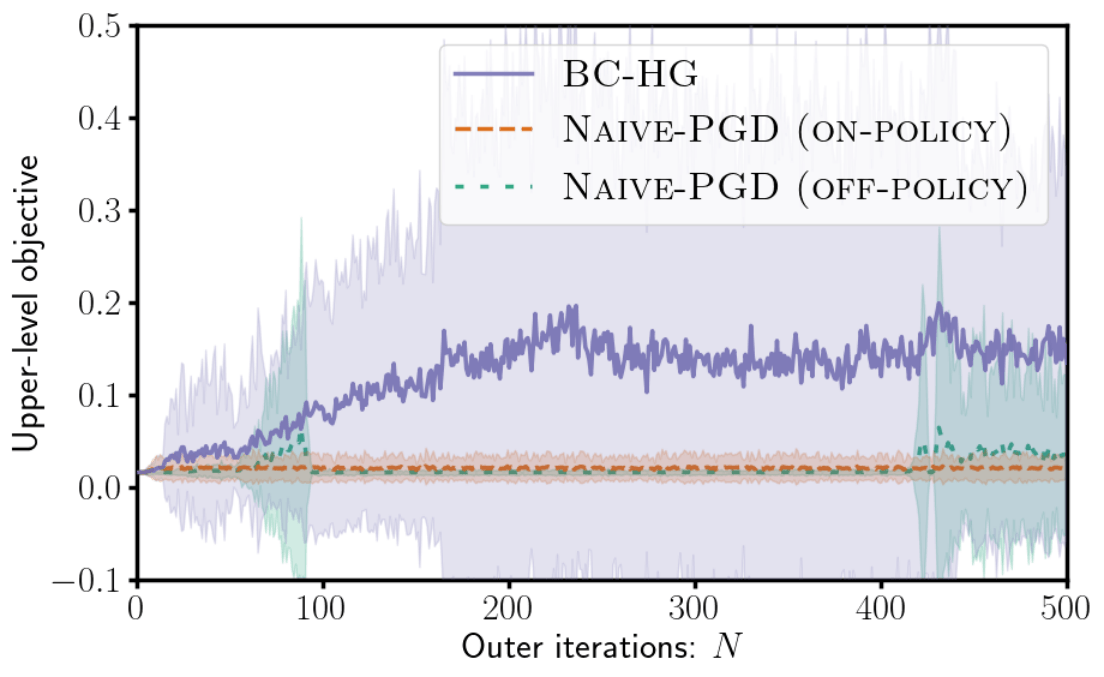
A new hypergradient trick lets a leader agent optimize environment design or policy without controlling how the follower learns, using only interaction samples.
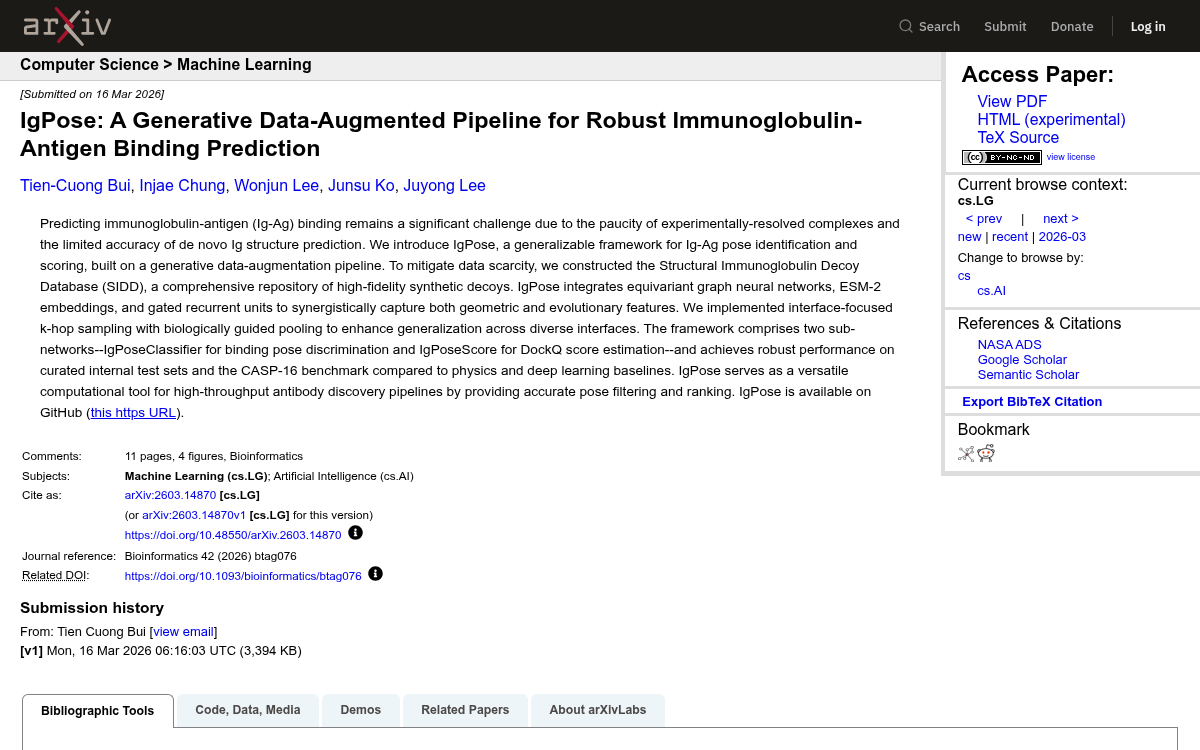
A new framework tackles antibody-antigen docking by pairing synthetic decoys from Chai-1 and Boltz-2 with an equivariant graph network to filter and rank poses.
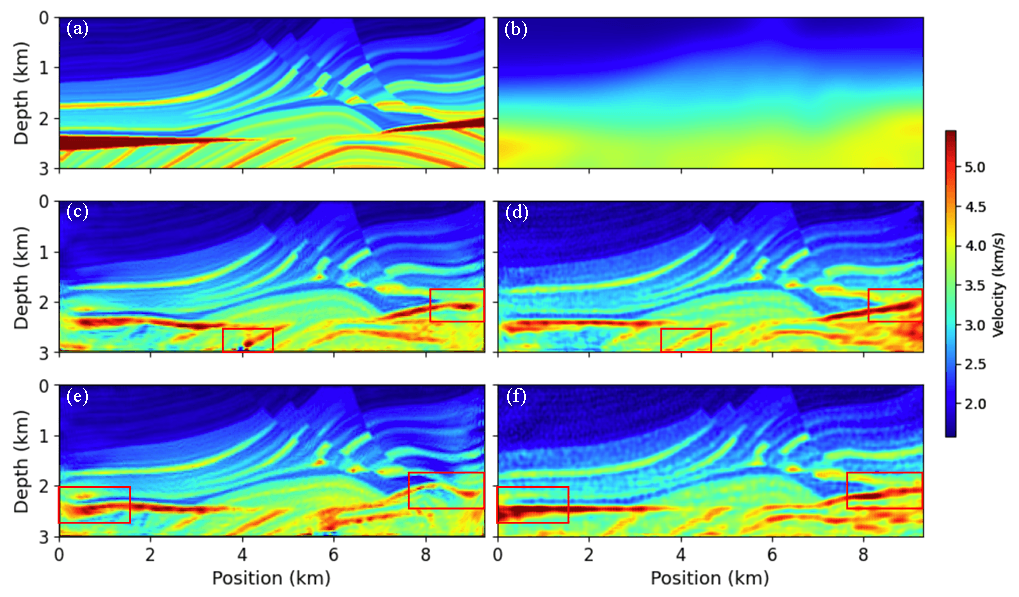
Researchers Zhang and collaborators pair a U-Net with a wave-equation solver and a critic network to stabilize seismic velocity model inversion under noise and poor initial guesses.
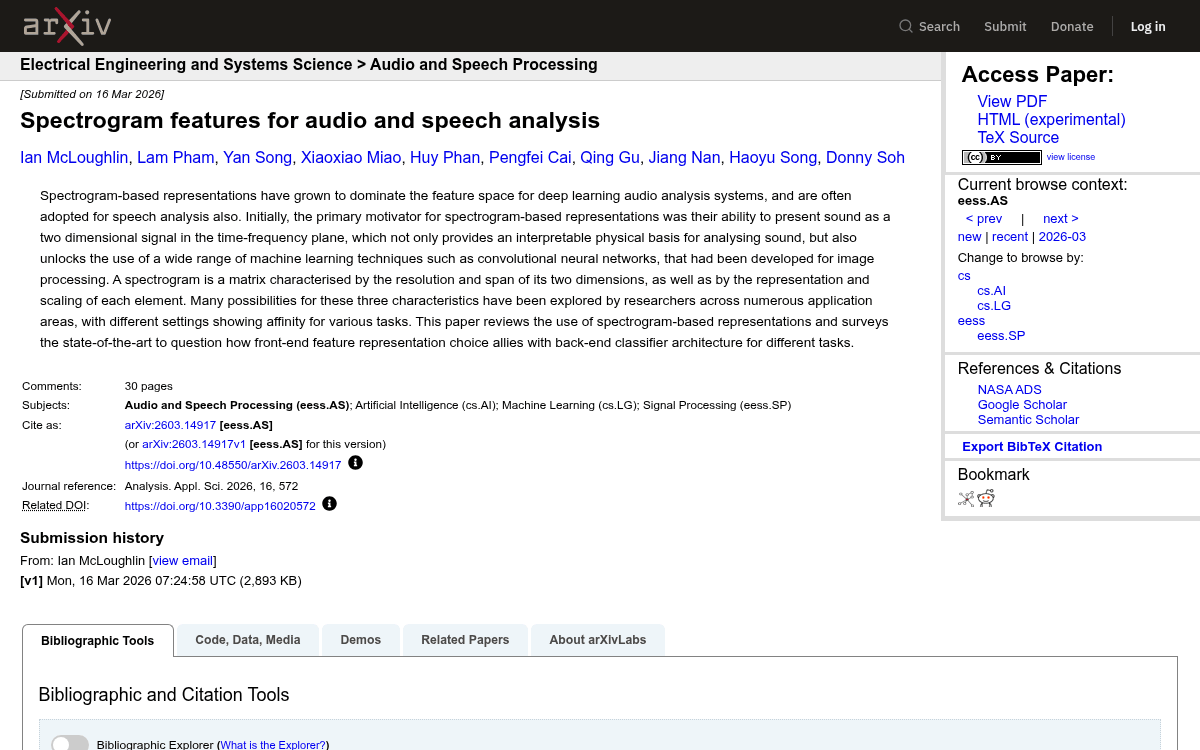
A sweeping survey maps how time-frequency features pair with modern neural back-ends across sound event detection, bioacoustics, speaker verification, and emotion recognition.
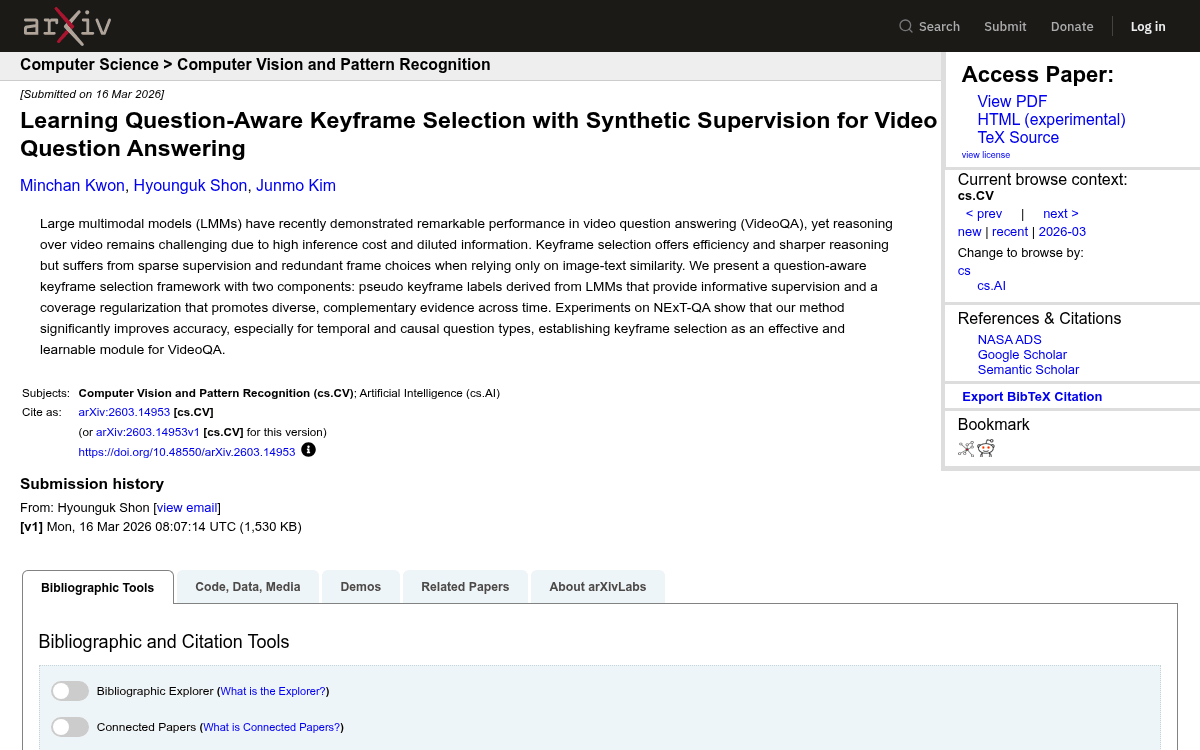
A KAIST team turns keyframe selection into a trainable module for video QA, using LMM-generated pseudo-labels and coverage regularization to hit 73.3% on NExT-QA.

A new study finds LLM agents strategically break safety rules under pressure, and stronger reasoning models write better excuses for doing so.

A log-barrier penalty removes an unrealistic assumption in stochastic gradient bandit theory and links the fix to natural policy gradient's geometric intuition.
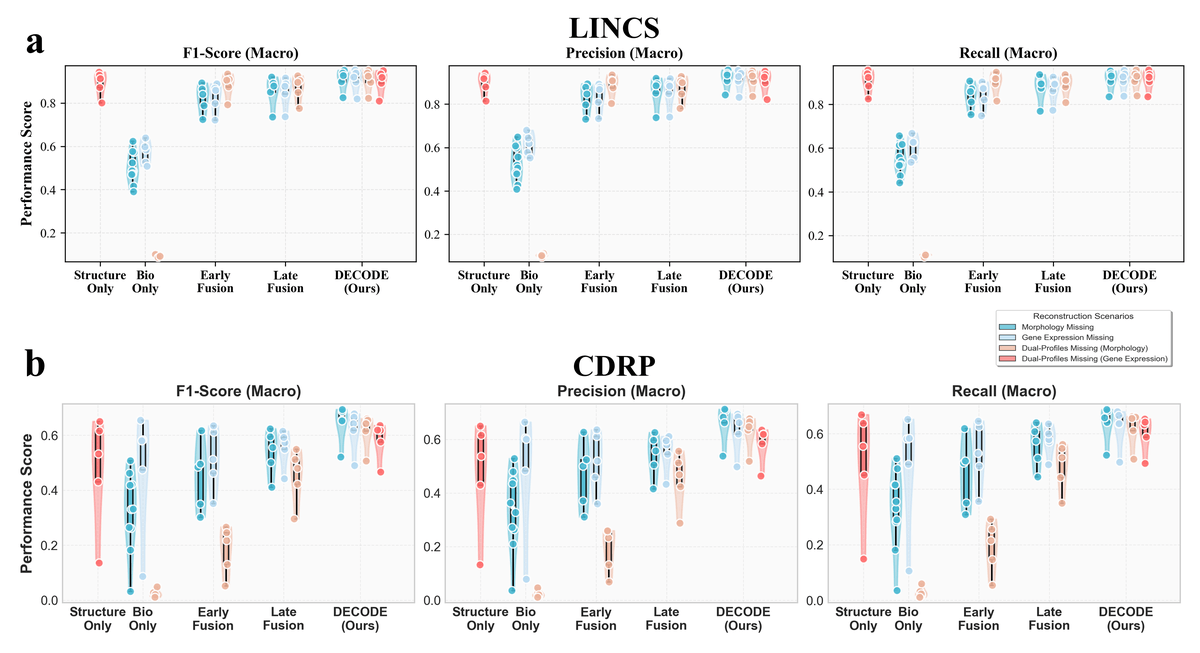
DECODE trains on paired cell imaging and gene expression data, then predicts drug activity from chemical structure alone with a 6x hit-rate boost.
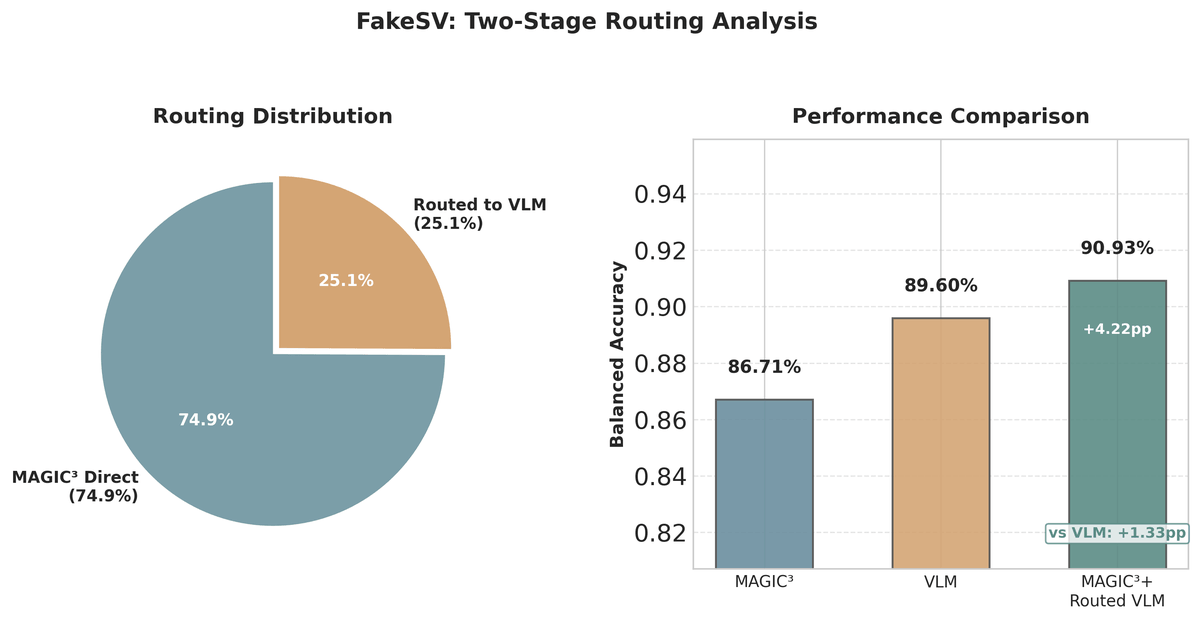
A new detector spots misinformation in short videos by measuring how text, visuals, and audio disagree, matching VLM accuracy at 27x the speed.
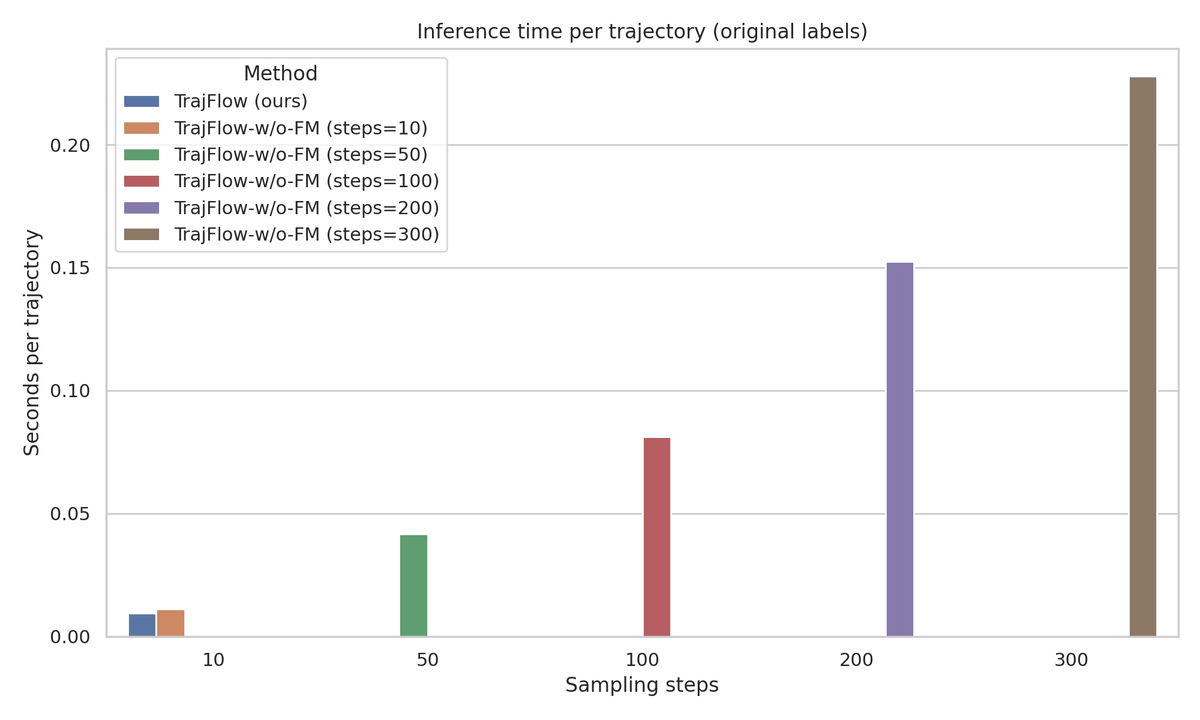
A new flow-matching model generates realistic mobile-phone GPS traces across an entire country, beating diffusion baselines with far fewer sampling steps.
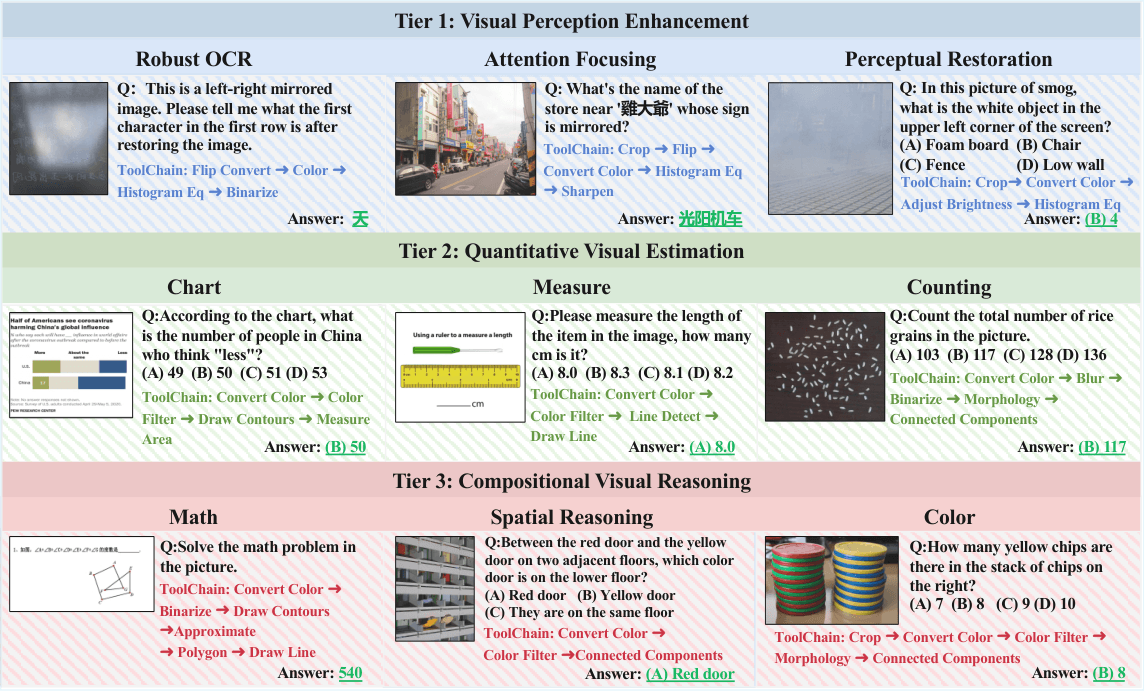
A new benchmark chains 32 OpenCV tools across 680 vision problems, and even Gemini 3.0 Pro clears just 51 percent.
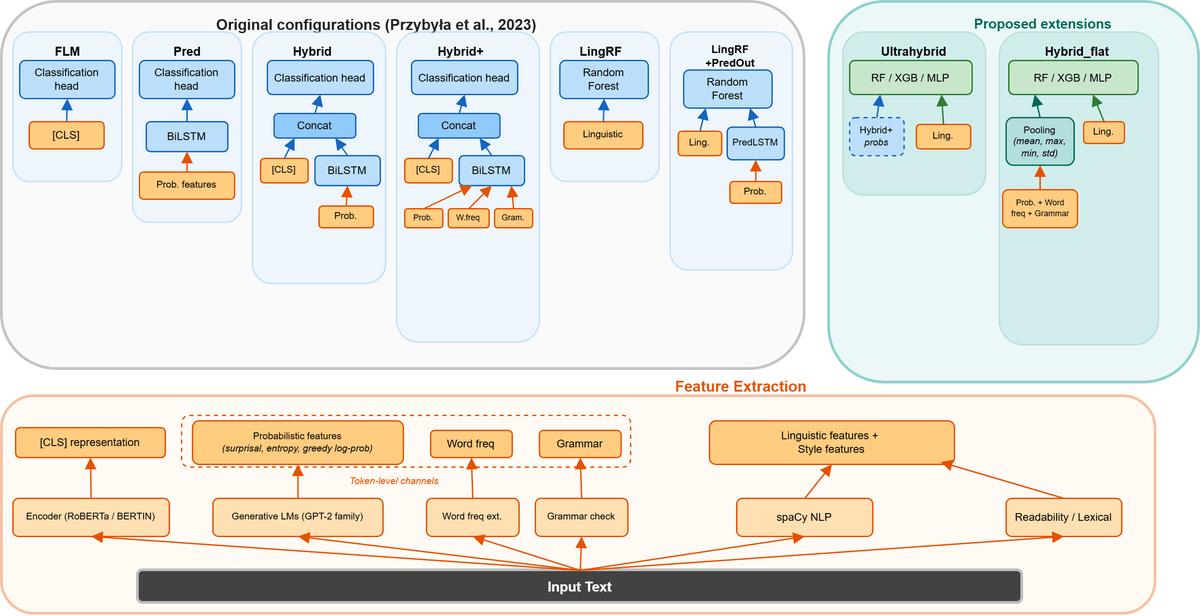
A replication study of a 2023 AI text detector exposes reproducibility gaps and shows that swapping in modern multilingual models plus 26 stylometric features boosts interpretable attribution.
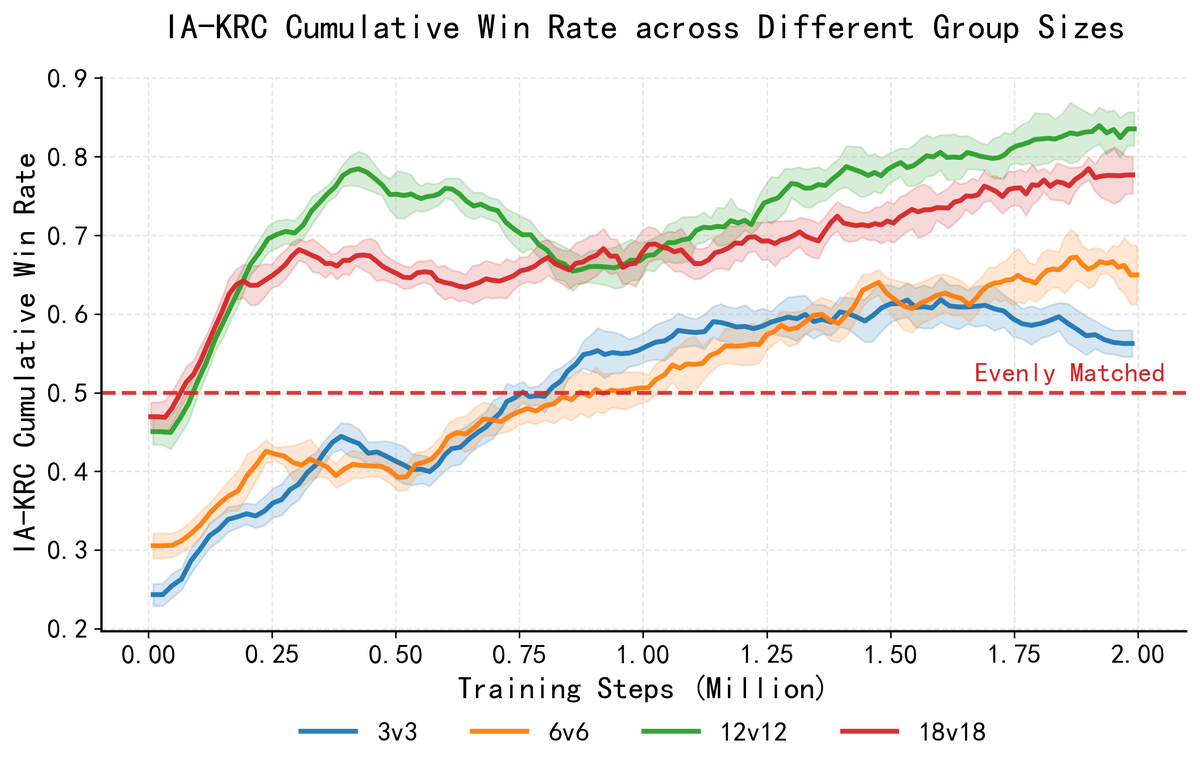
A new MARL framework picks communication partners by physical reachability and predicted enemy interference, delivering up to 31x higher win rates in complex maps.
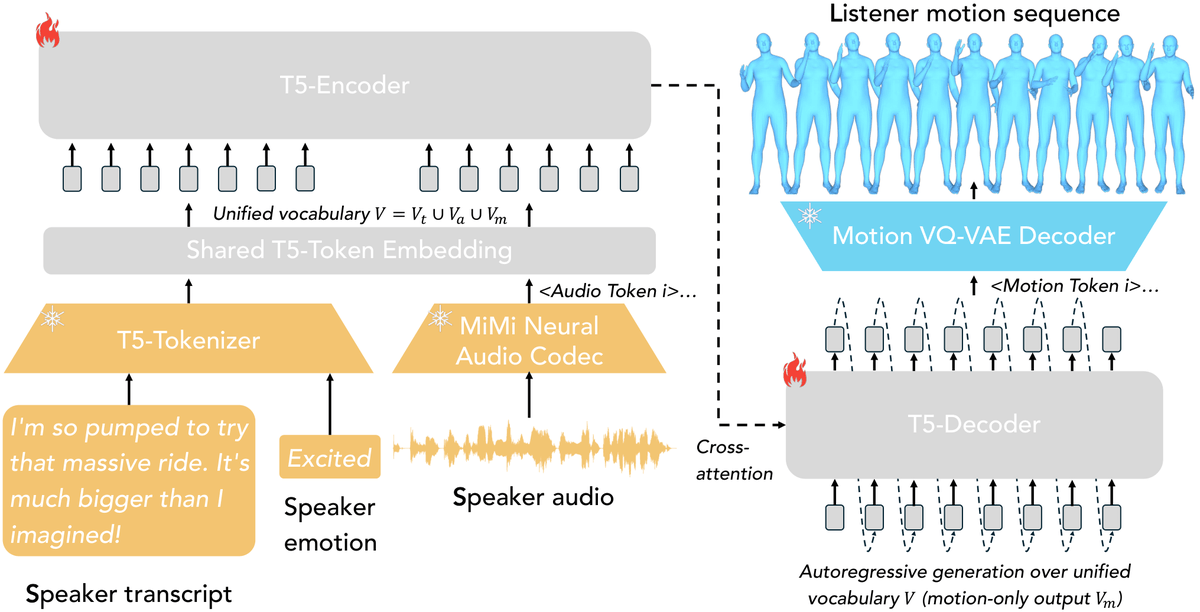
A new dataset and generative model teach virtual agents how to physically react when someone talks to them, not just what to say back.
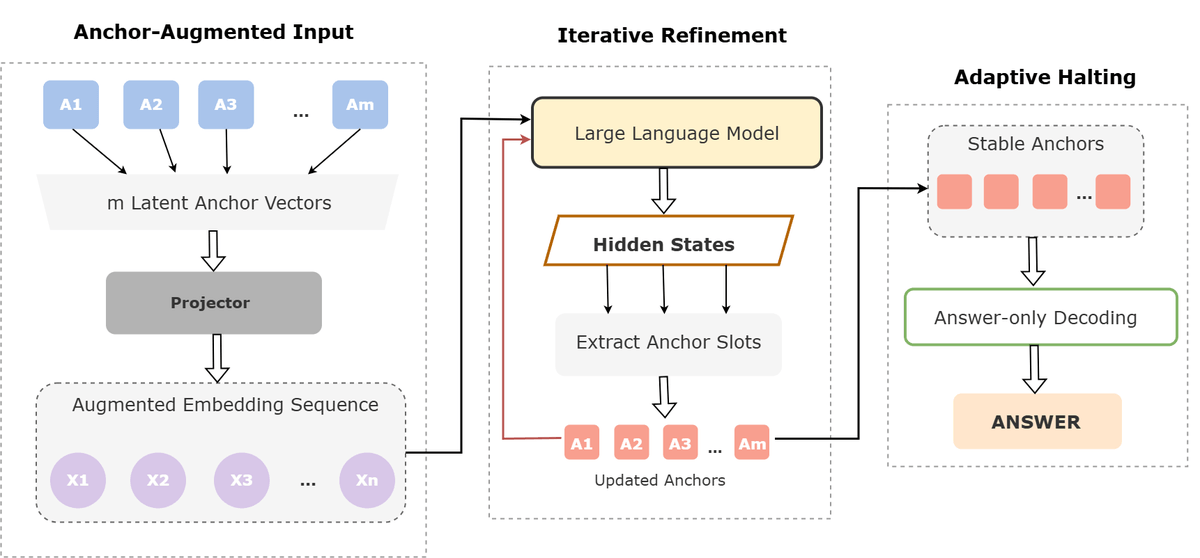
A new latent reasoning method called AdaAnchor stops thinking when it converges, cutting reasoning tokens by 92% while gaining accuracy.
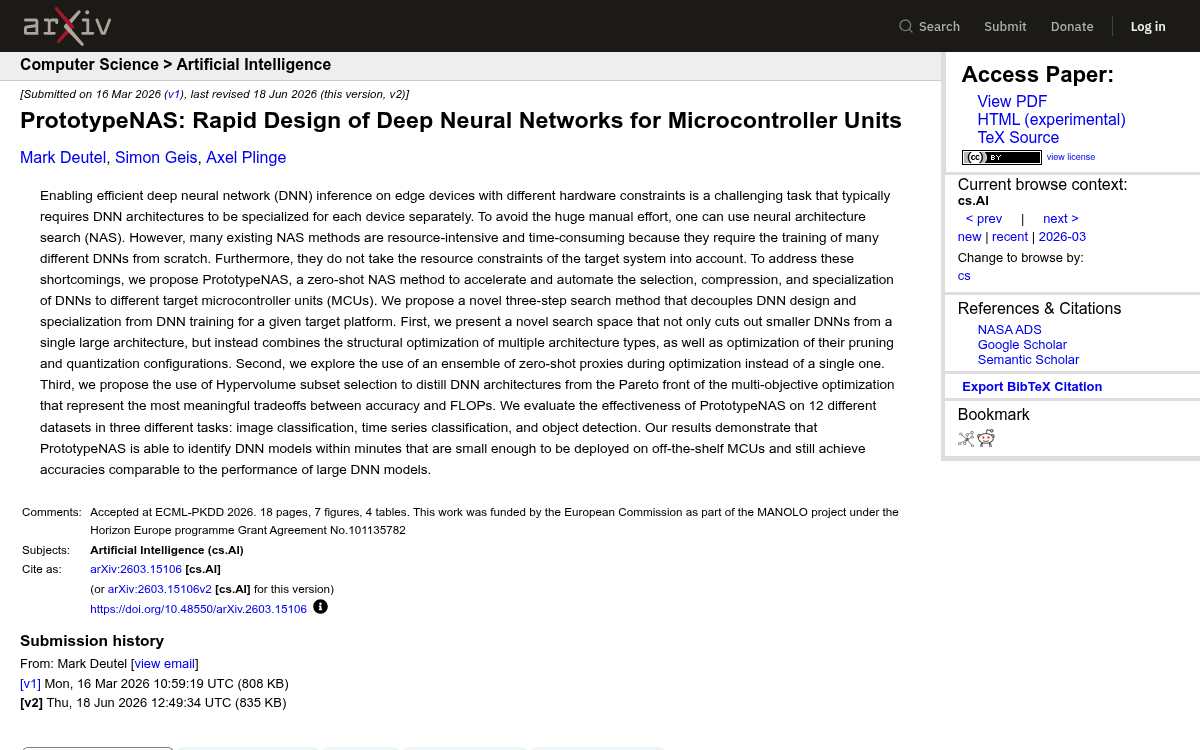
A zero-shot neural architecture search framework designs microcontroller-ready models in minutes by training only 3-5 candidates instead of hundreds.
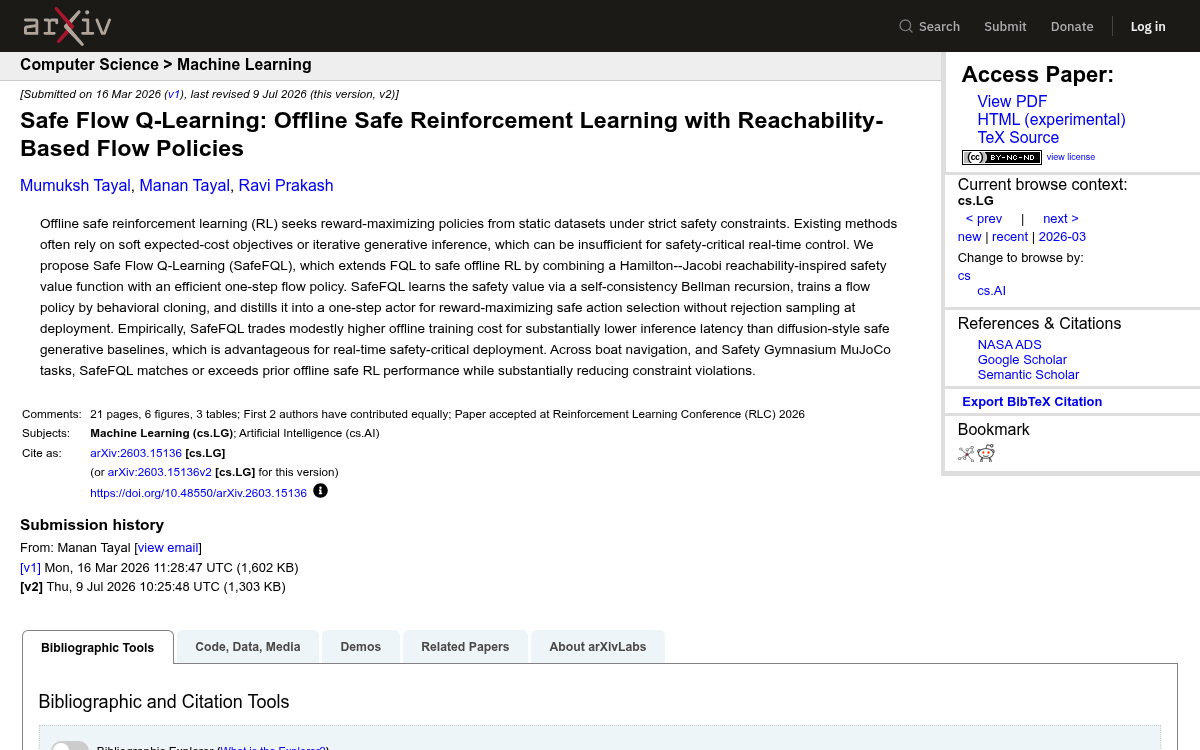
A new offline safe reinforcement learning method fuses reachability-based safety values with a distilled one-step flow policy, cutting inference latency 2.5x while eliminating rejection sampling.
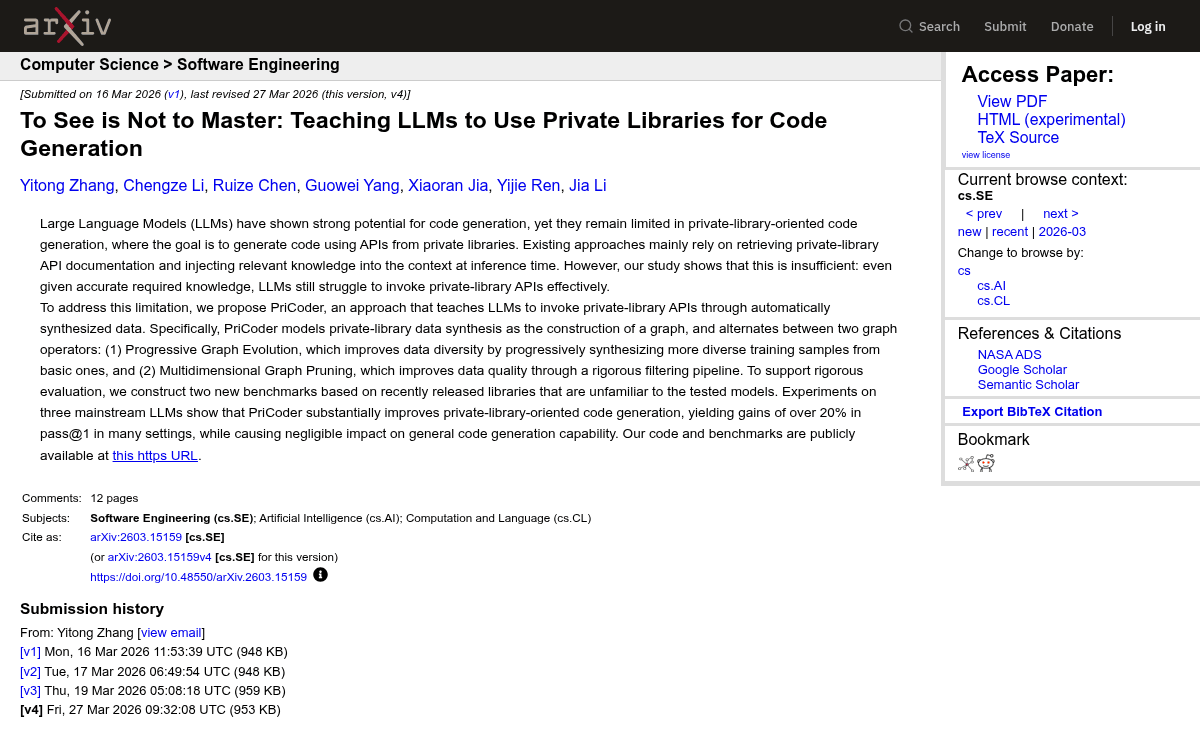
A graph-based data synthesis pipeline teaches code LLMs how to actually call internal APIs, delivering 20%+ pass@1 gains without hurting general coding.