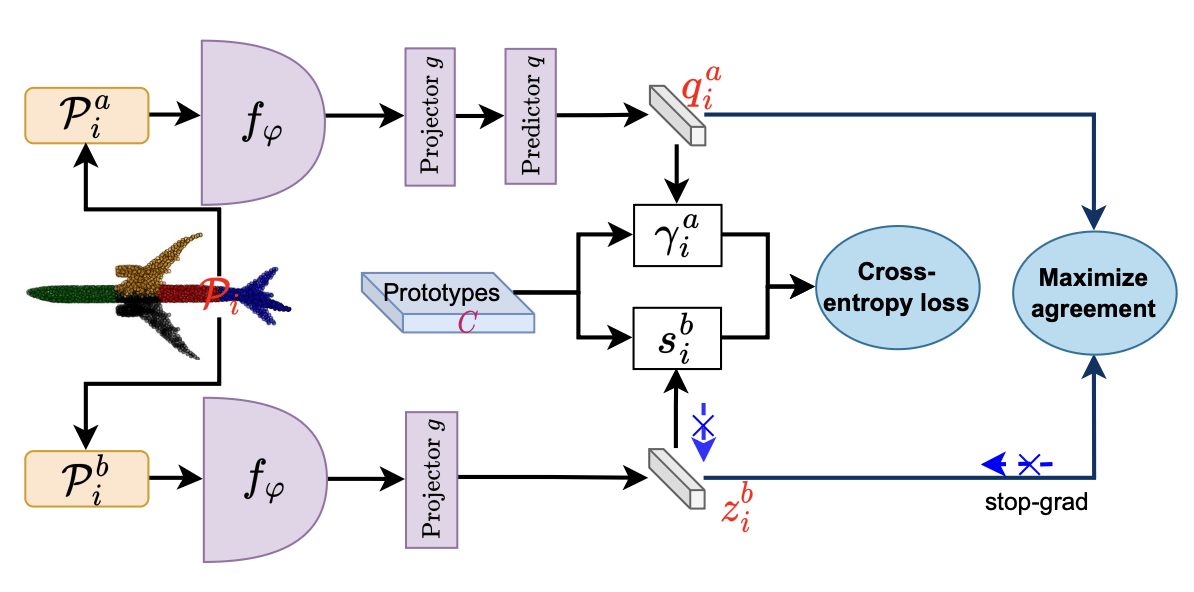
A joint contrasting-and-clustering framework learns global shape and local geometry from unlabeled point clouds, beating prior self-supervised baselines across three 3D tasks.
A new theoretical framework proves that neural operators can universally approximate nonlinear maps between arbitrary Banach spaces using projection methods.
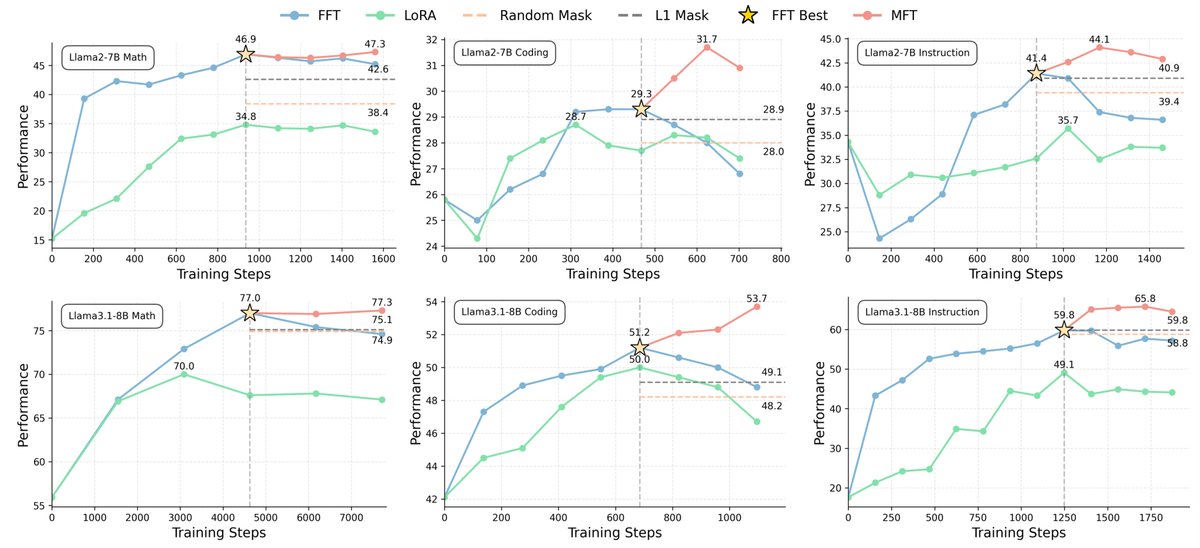
A new post fine-tuning method learns binary masks on frozen LLM weights, squeezing extra performance from already-tuned models without updating a single parameter.
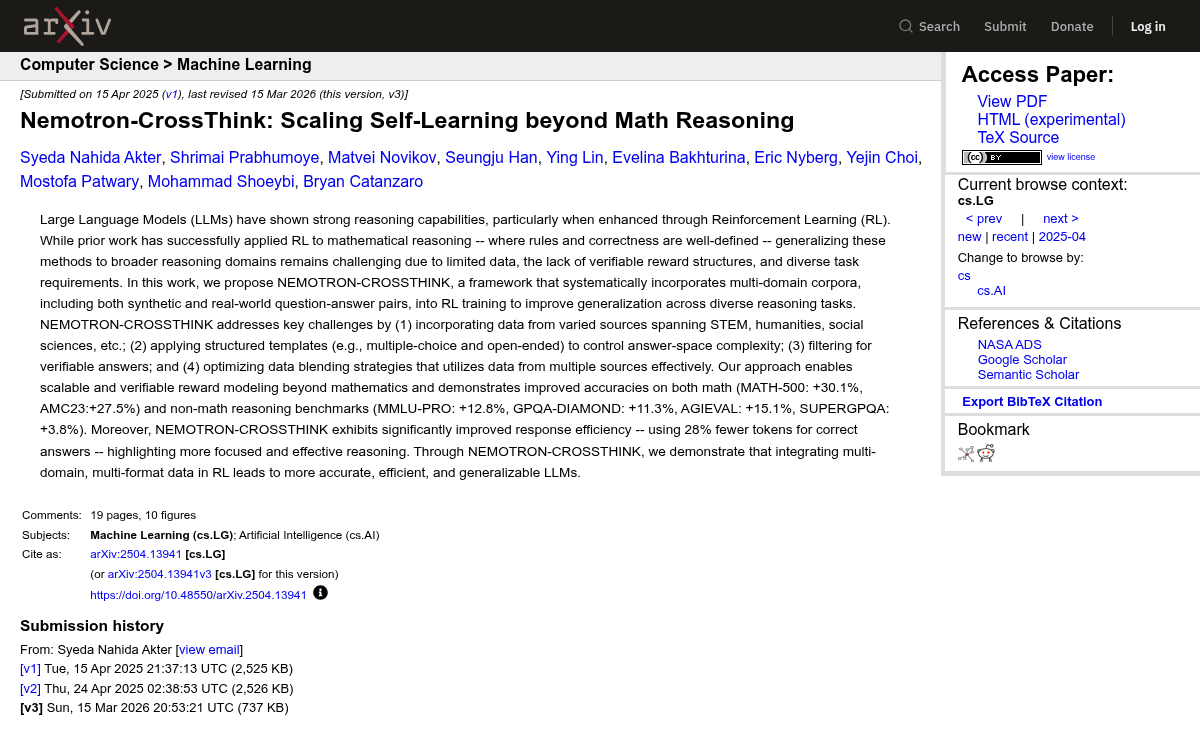
NVIDIA and CMU show that mixing law, science and humanities data into reinforcement learning makes reasoning models sharper across the board and 28% more concise.
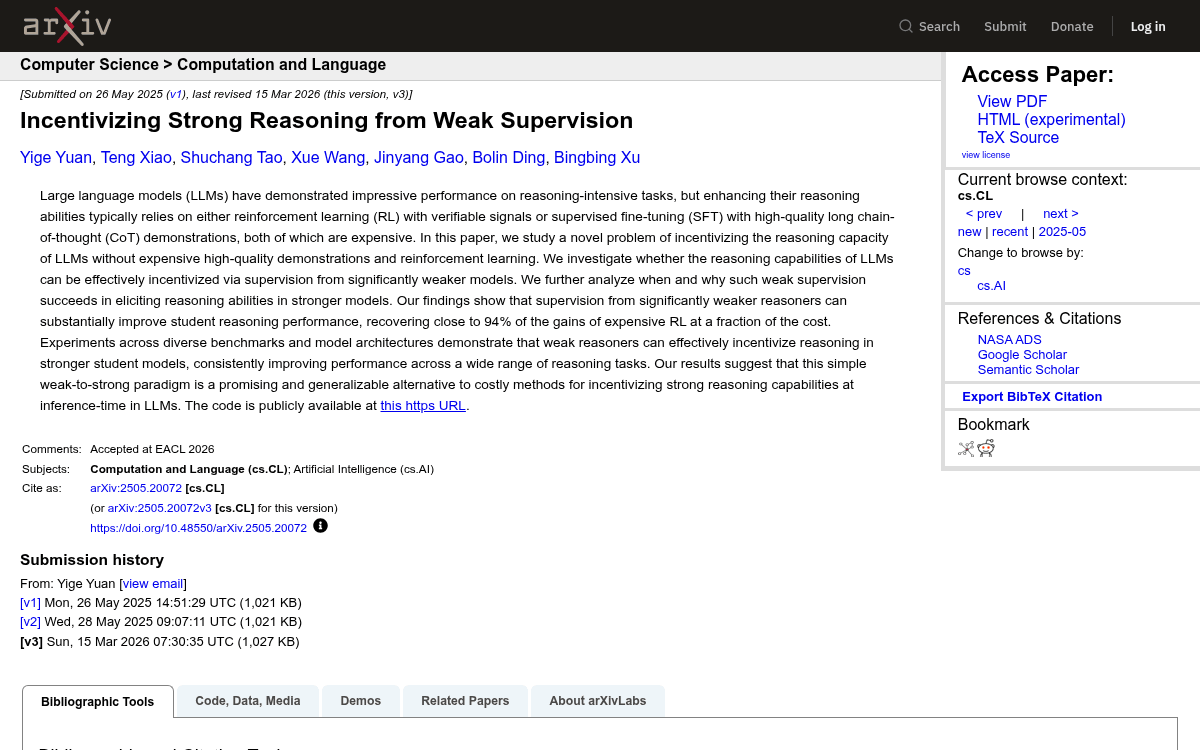
A new fine-tuning recipe shows tiny models can teach much larger ones to reason, recovering 94% of reinforcement learning's gains for a fraction of the cost.
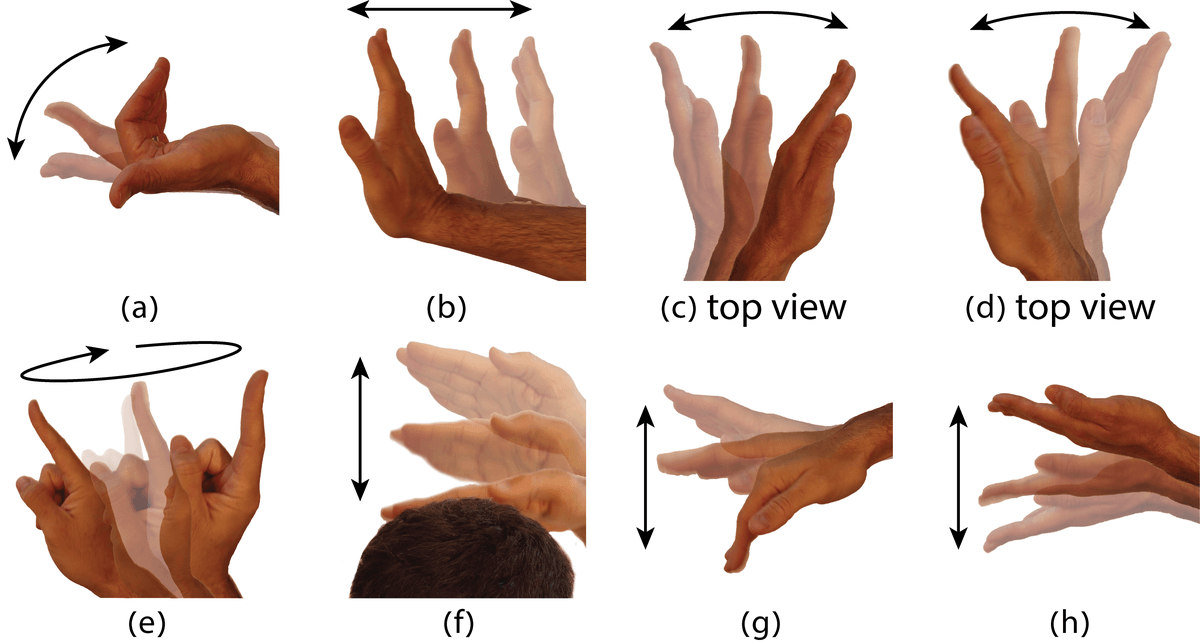
Researchers built the first gesture recognition system that reliably reads dynamic hand signals from up to 30 meters away using only a standard RGB camera.
A new ICCV research paper splits a single image into reusable content and style tokens by exploiting the multi-scale structure of visual autoregressive models.
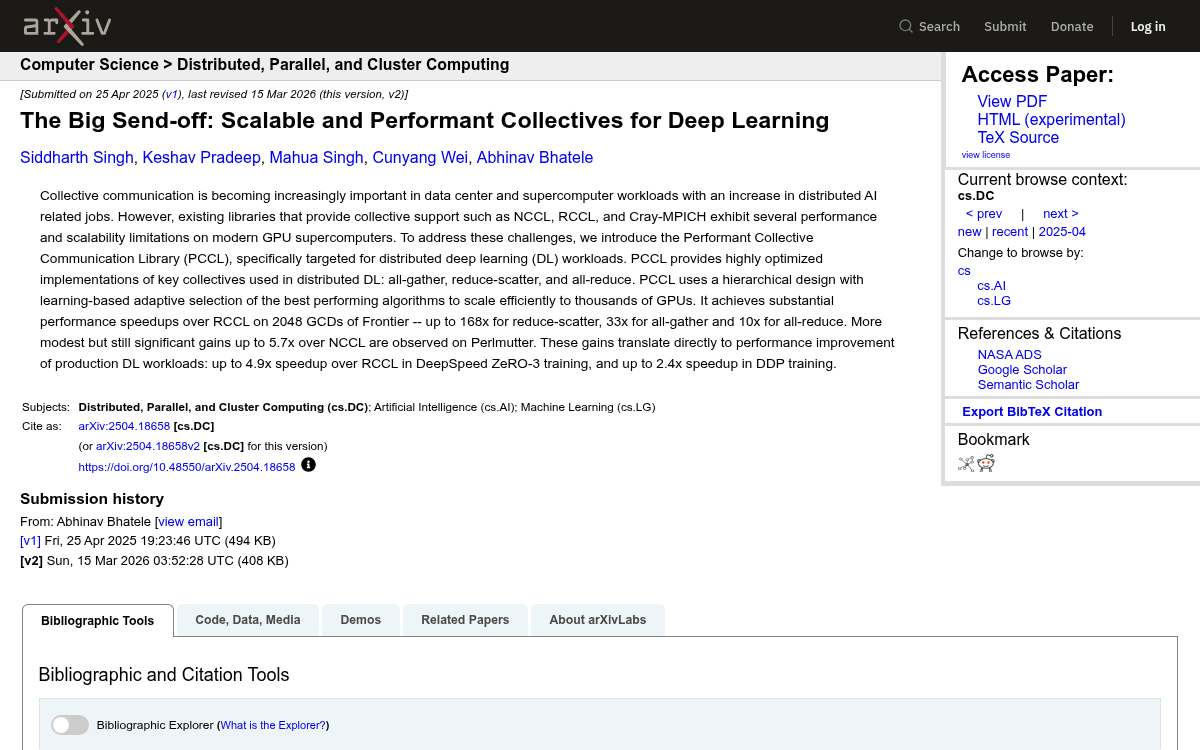
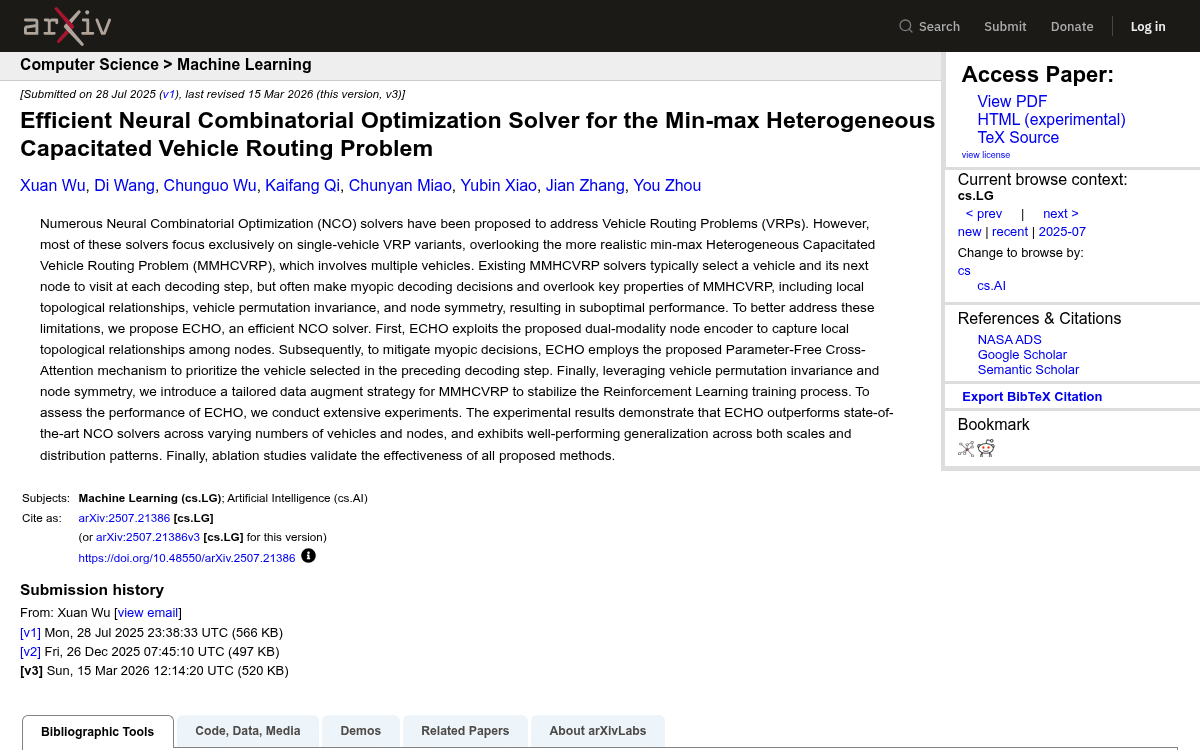
ECHO is a neural solver for min-max heterogeneous vehicle routing that beats prior state of the art by about 3% while running 100x faster than top heuristics.
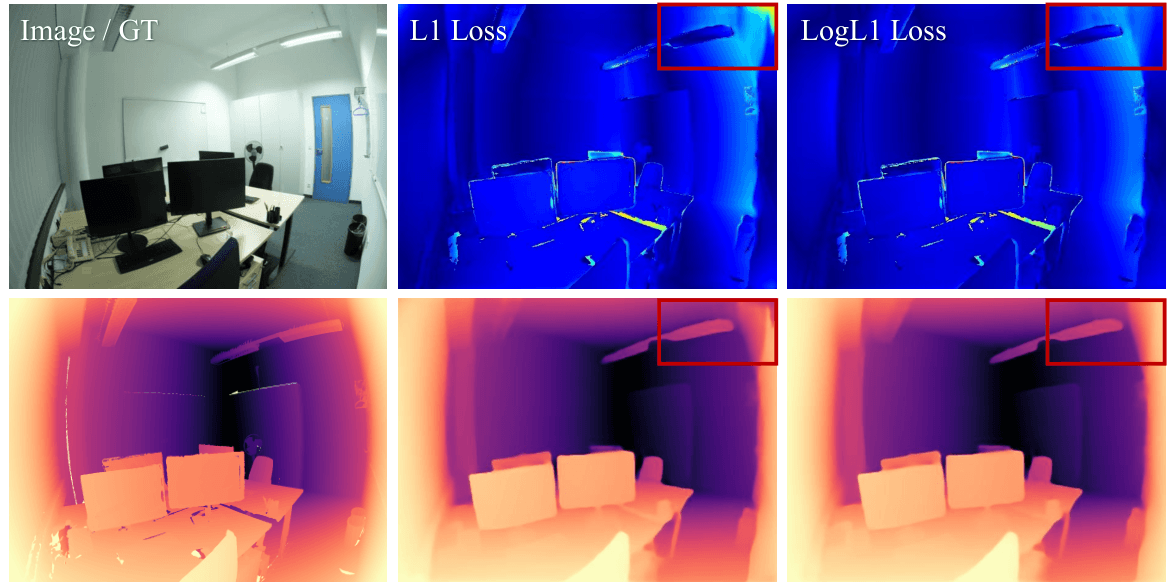
A lightweight set of trainable tokens teaches frozen depth foundation models to handle fisheye distortion without retraining, finetuning, or camera calibration at inference.
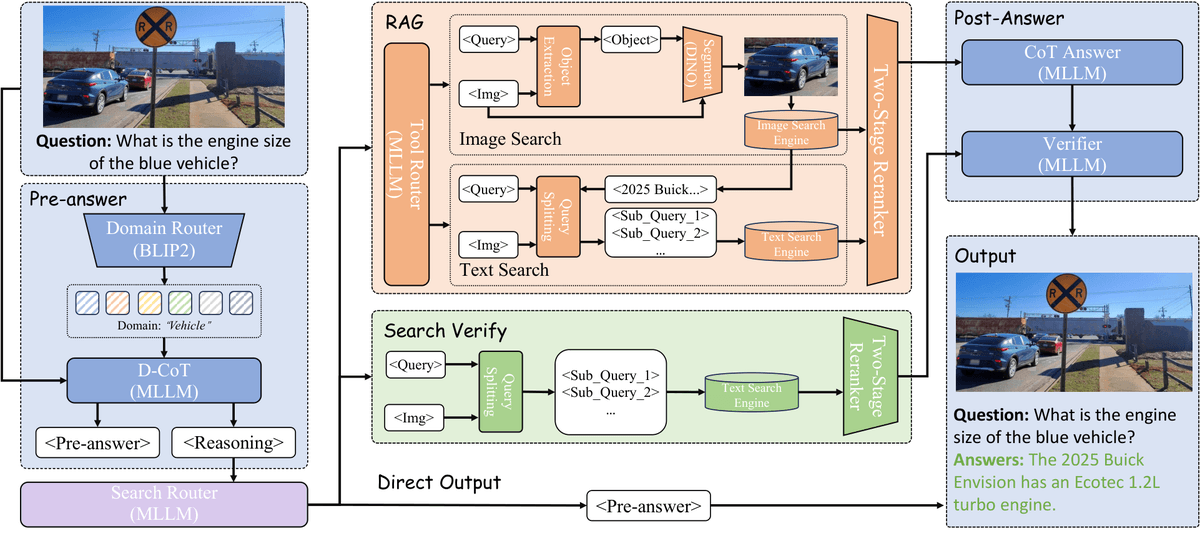
A modular RAG framework routes visual questions across text and image search agents, then reranks results in two stages to beat baselines by up to 6.35%.
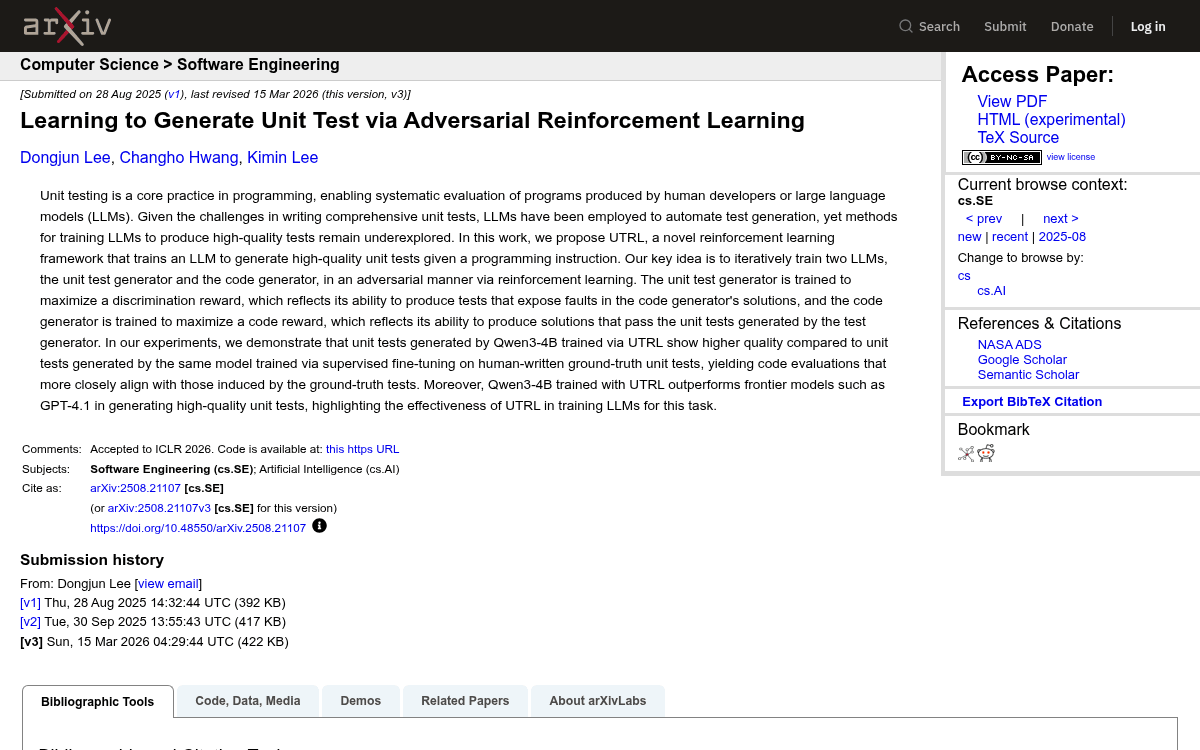
UTRL trains a unit test generator and a code generator against each other, letting a 4B model outperform GPT-4.1 on test quality without human-written test labels.
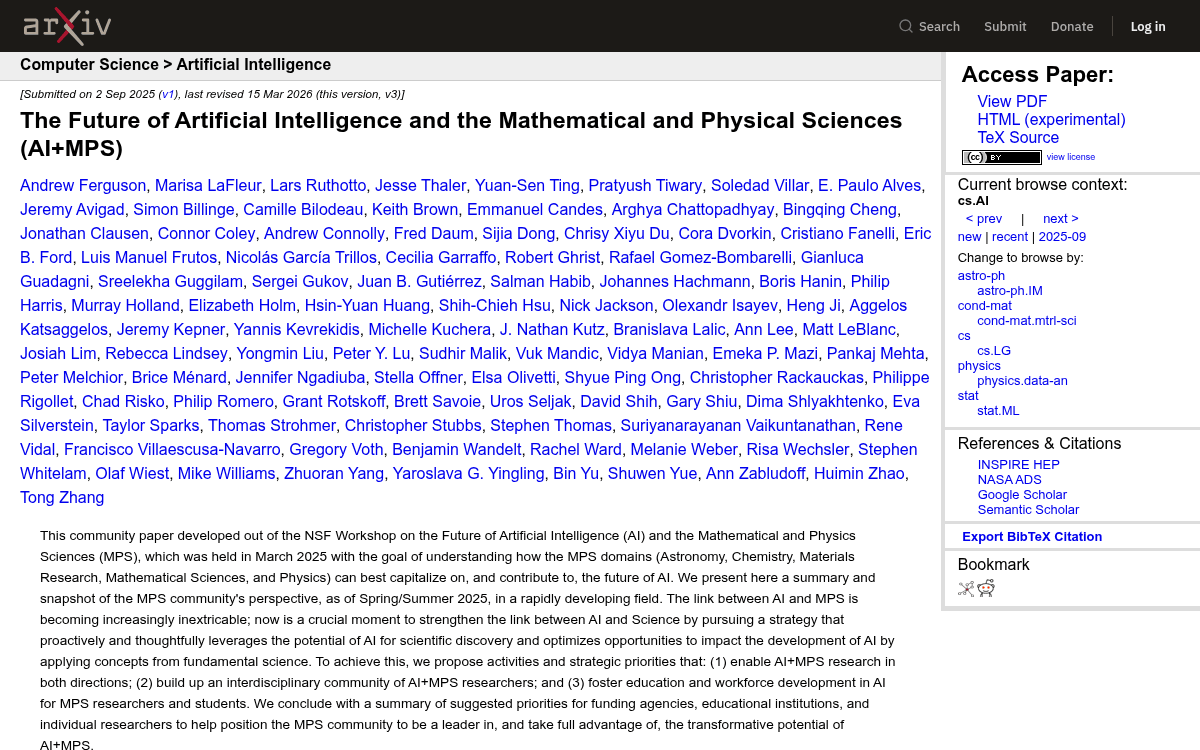
A hundred researchers across astronomy, chemistry, materials, math, and physics map out how the AI-science relationship should evolve in both directions.