
Pro
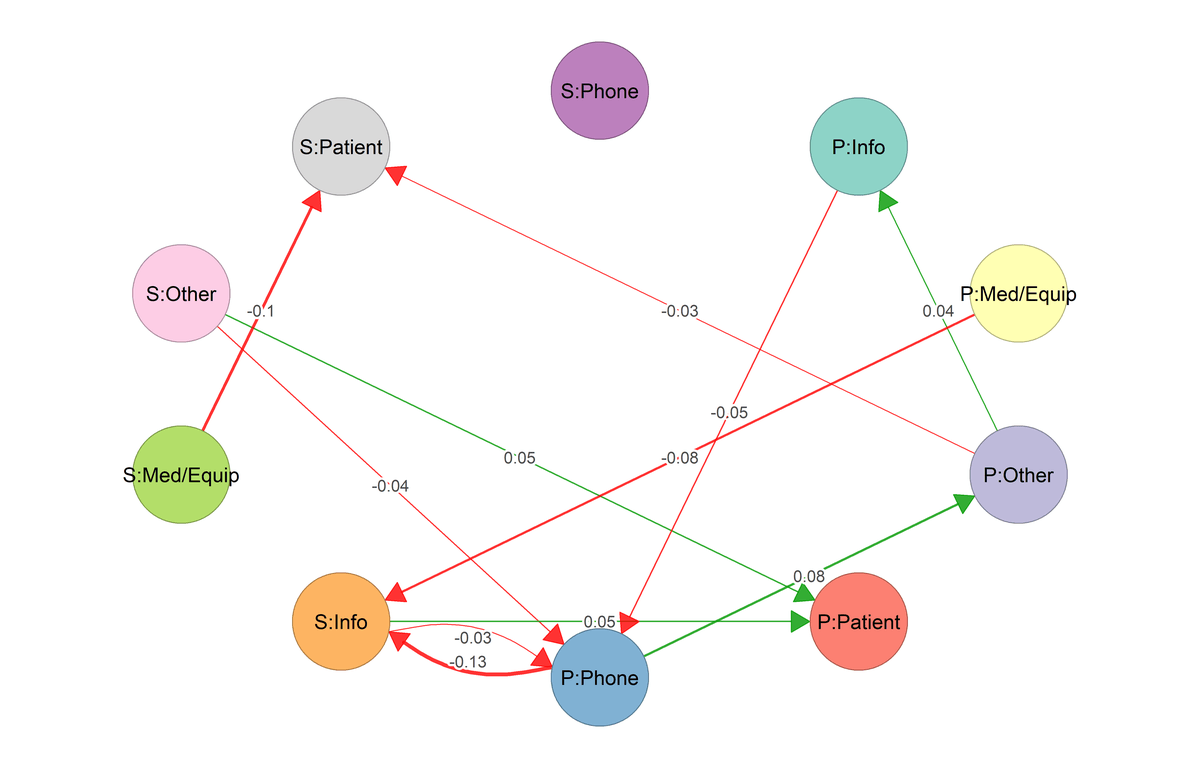
Monash University Tracks Nursing Students With One Camera and 22 Images
A YOLO-based ceiling camera pipeline for nursing simulations shows that where an action happens matters more than how often it occurs.
20 stories
A YOLO-based ceiling camera pipeline for nursing simulations shows that where an action happens matters more than how often it occurs.
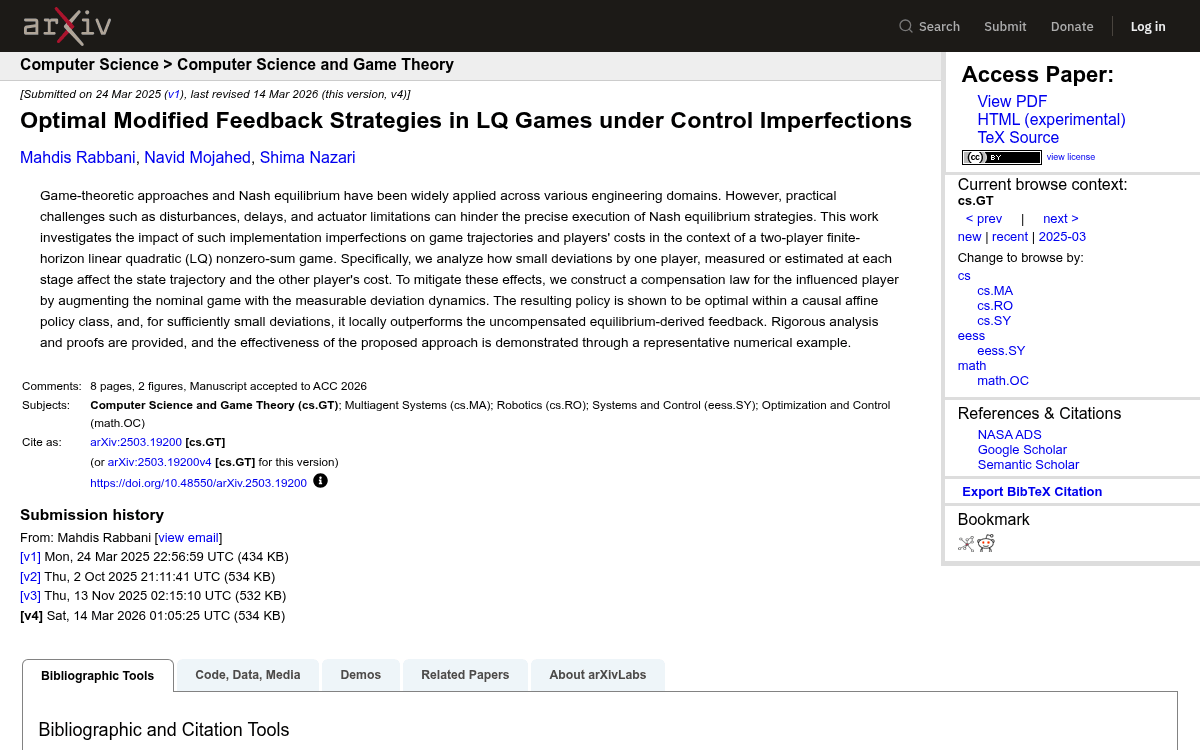
New analysis shows how to compensate a Nash equilibrium controller when the opposing player's actuator lags, recovering roughly a third of the performance loss.
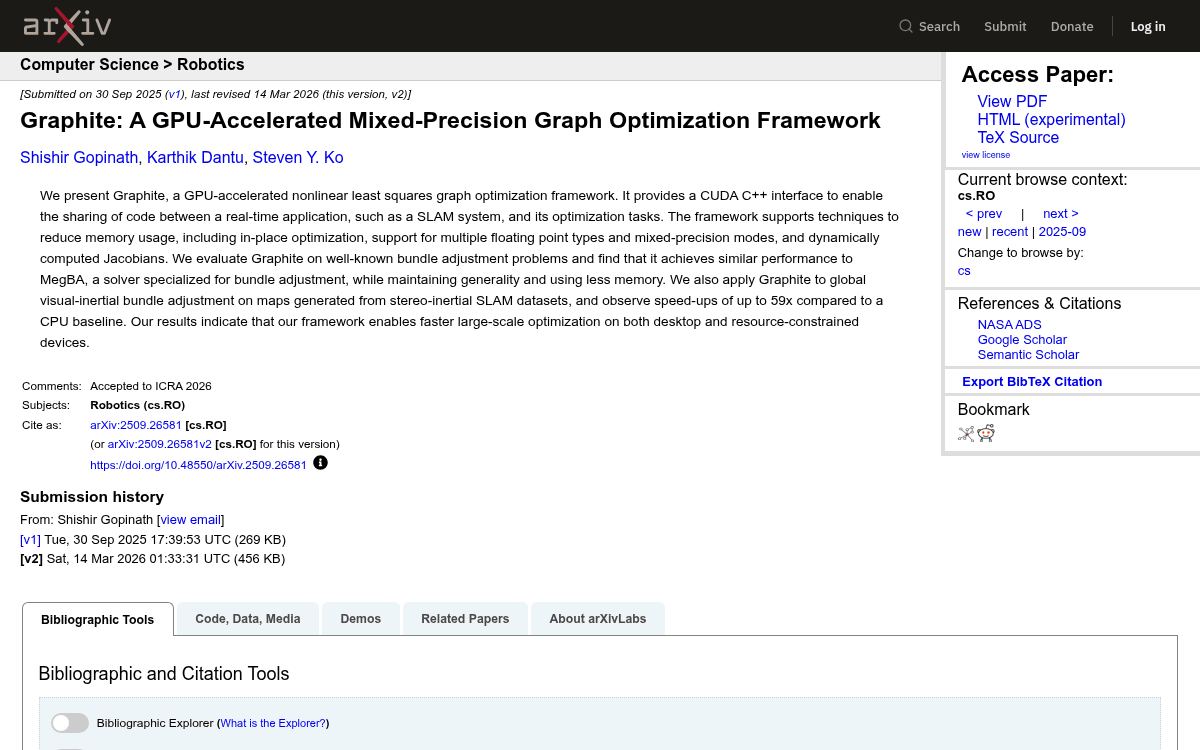
A new CUDA C++ optimization library targets SLAM systems with mixed-precision solving, in-place updates, and up to 59x speedups over CPU baselines.
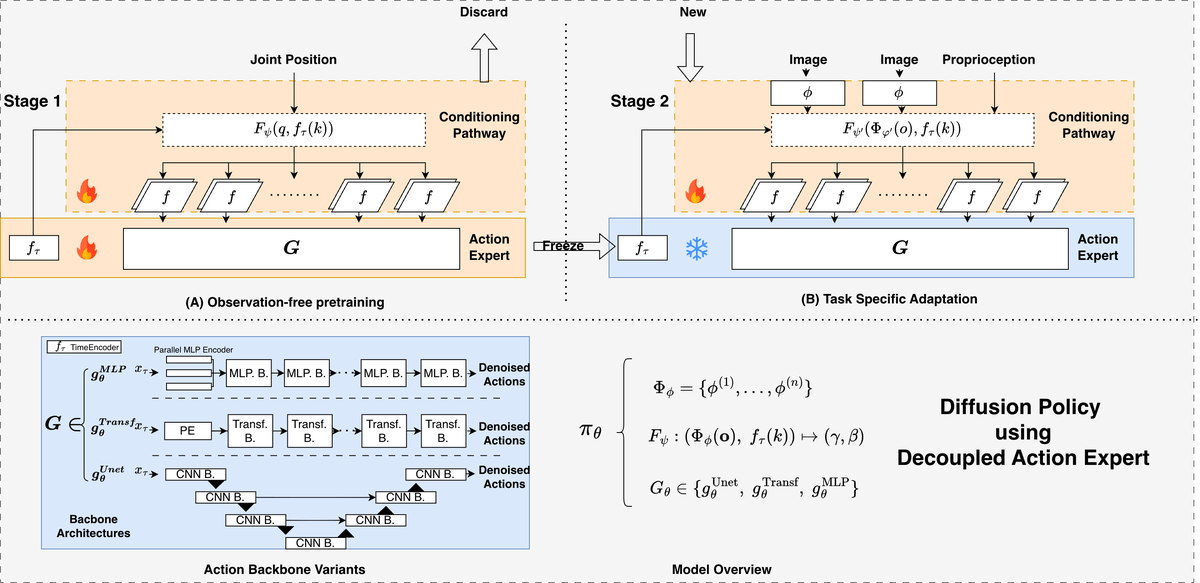
A new study finds robot action generation backbones can be shrunk 51x with no performance loss, and the frozen weights never need to see a task.
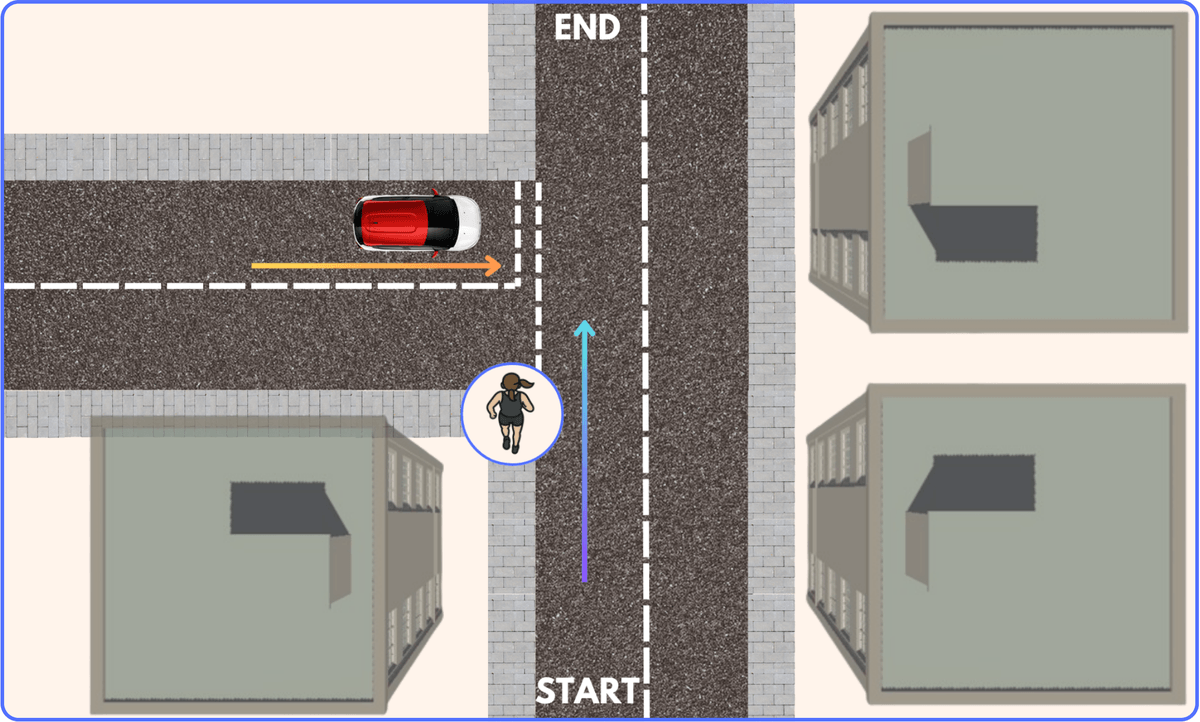
A CHI 2026 study finds runners lean harder on external car signals than walkers, and prefer simple color changes over animated light patterns.
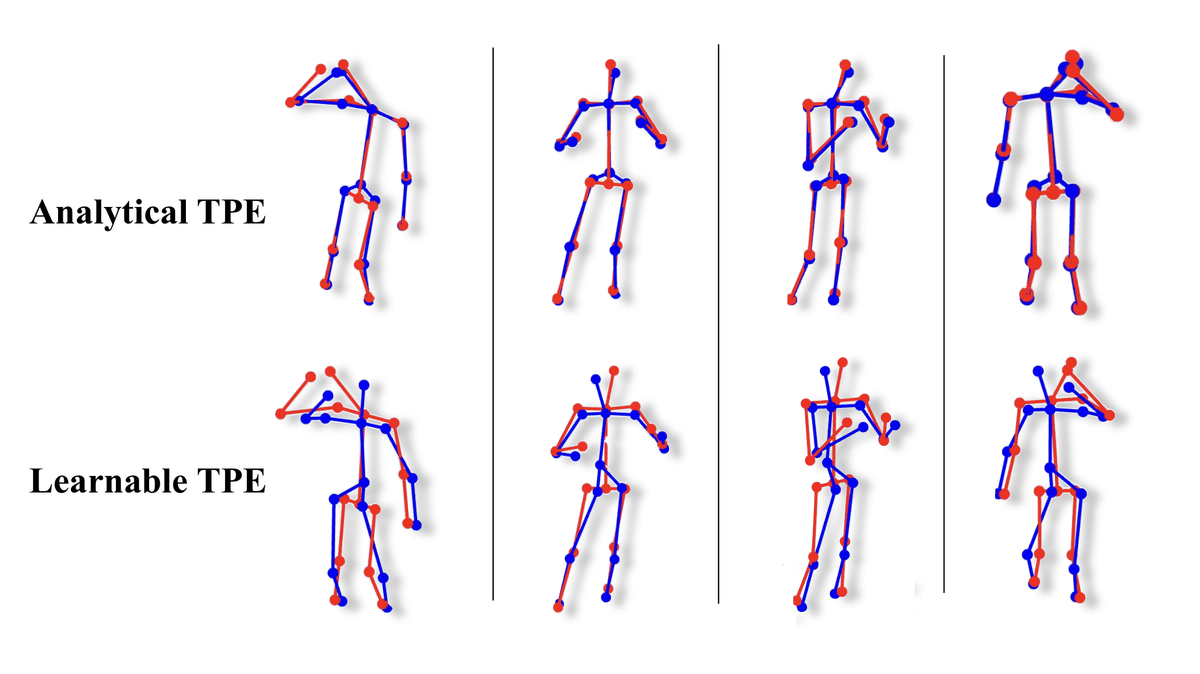
A single transformer model reconstructs 3D structure from 2D keypoints across 30+ object categories, handling any landmark ordering without category-specific training.
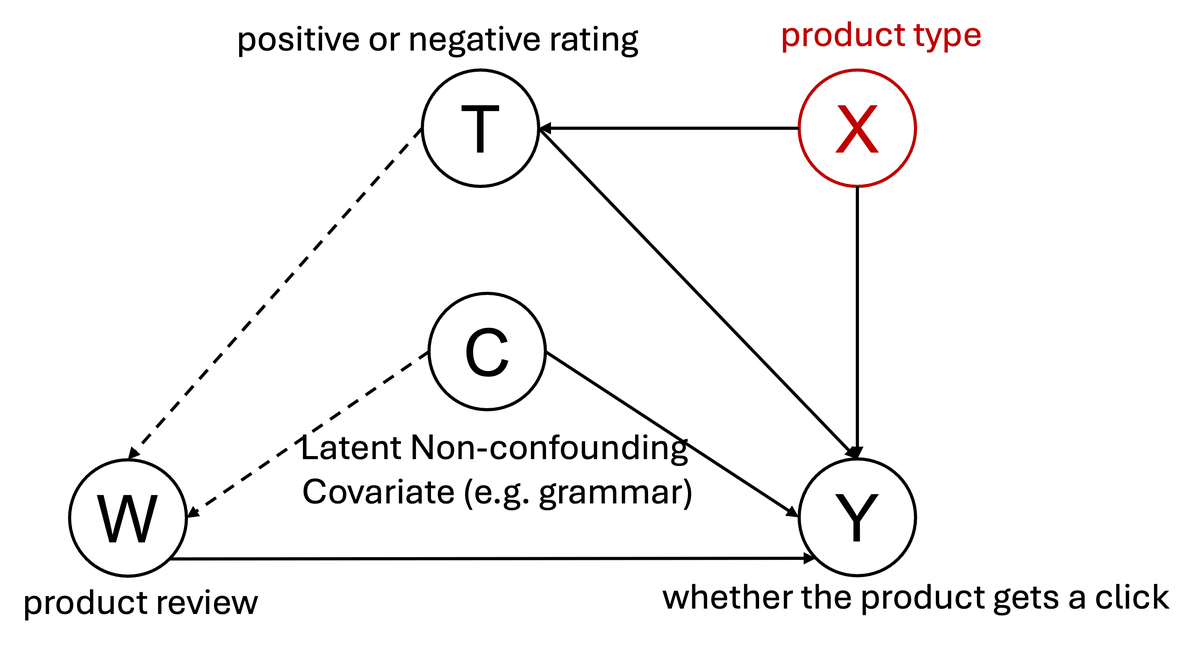
USC researchers built CausalDANN, a framework that combines LLM text rewrites with domain-adversarial training to measure causal effects of language attributes like anger or sentiment.
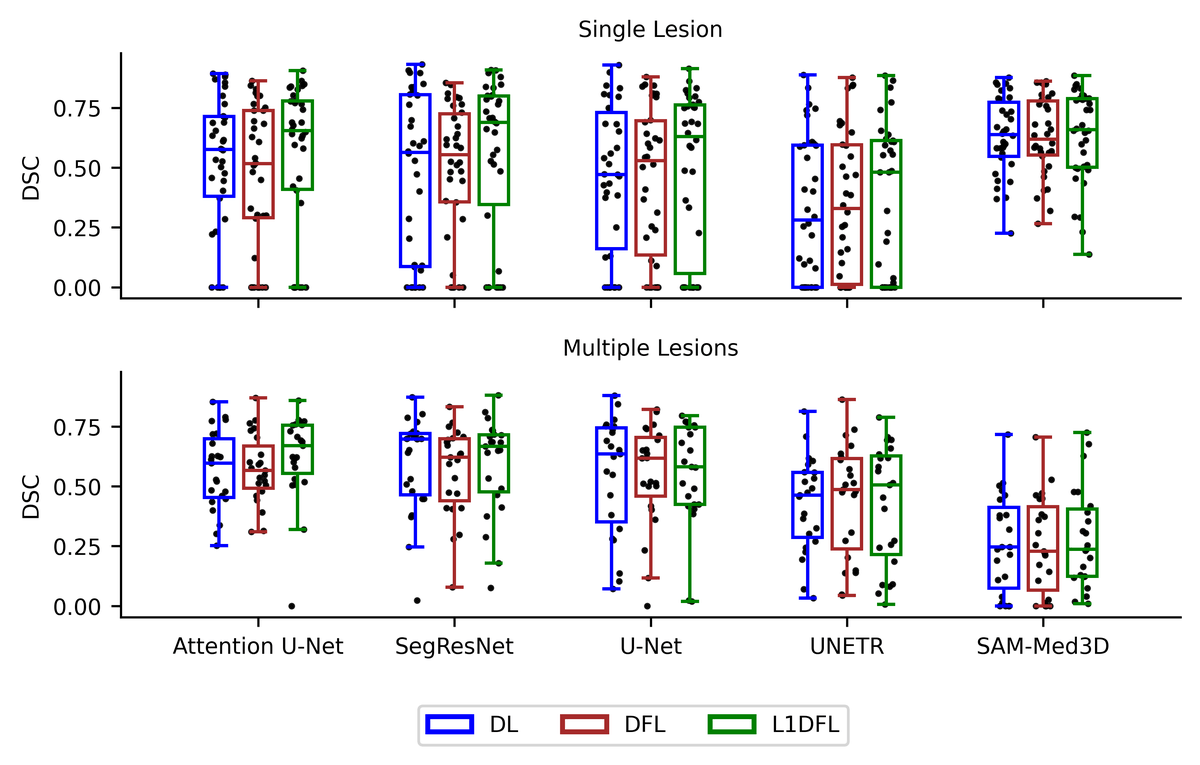
A new loss function redistributes gradient weight across voxel difficulty using L1 norms, cutting false positives in PSMA PET/CT tumor detection.
A new text-to-speech model called SyncSpeech cuts first-packet latency by 5.8x and speeds real-time generation up to 8.8x versus AR baselines.
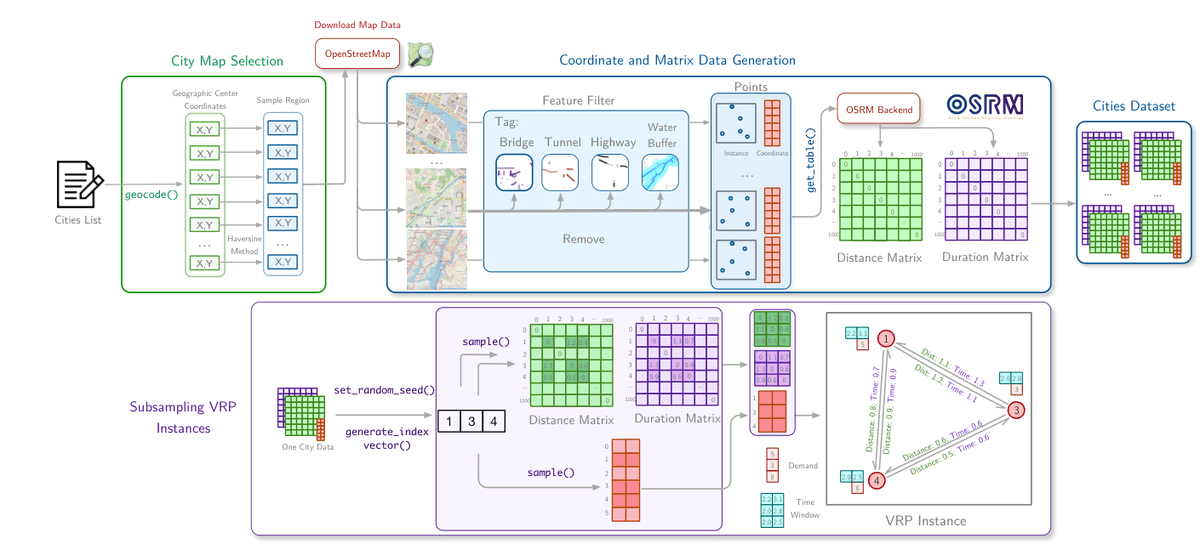
A new neural routing architecture handles asymmetric distances and durations from actual road networks, with a benchmark spanning 100 real cities.
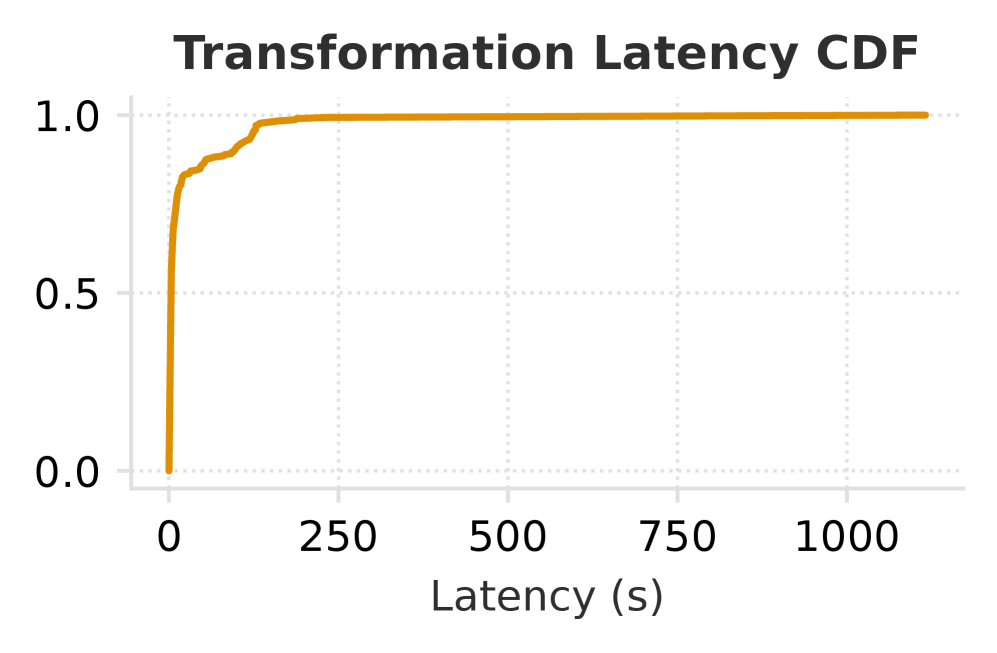
ByteDance's MegaScale-Data rethinks how foundation model training pipelines stream data from hundreds of sources, cutting memory 13.5x and boosting throughput 4.5x.
A new graph-search planner balances shortest-path optimality with obstacle clearance through adaptive heuristics, plus a new metric to score the trade-off.
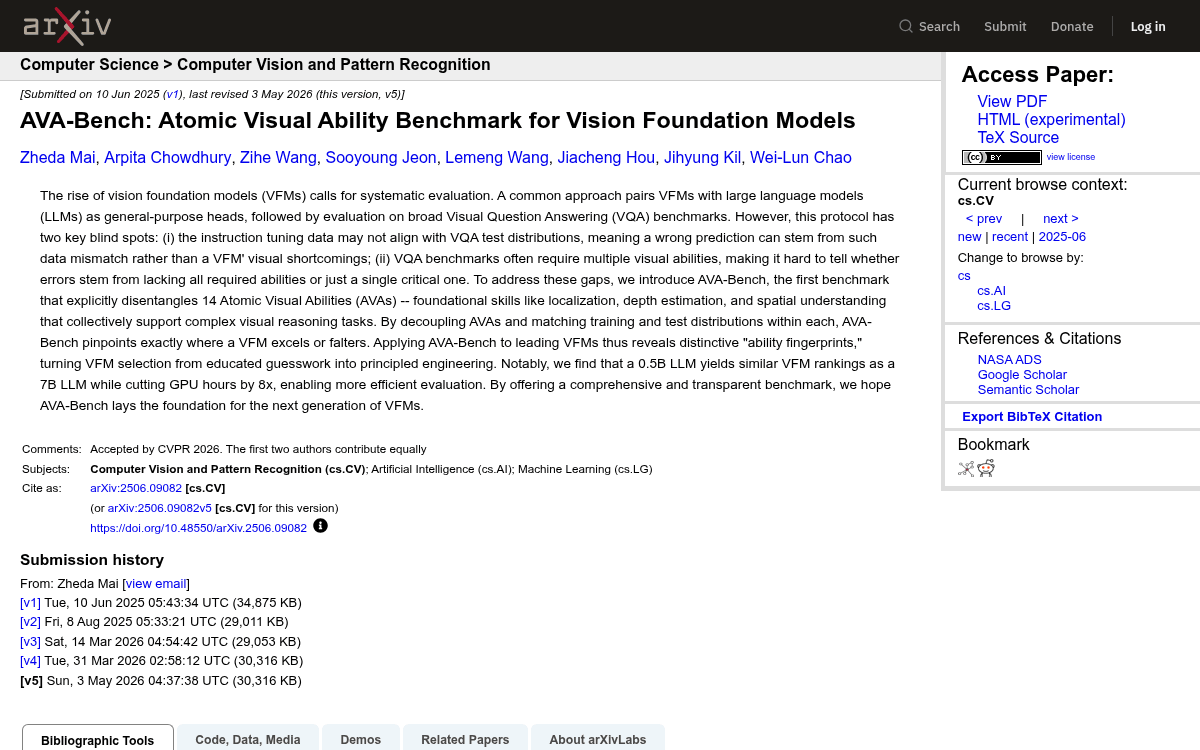
A new benchmark cracks open vision foundation models by isolating 14 core perceptual skills, revealing where each backbone actually shines or fails.
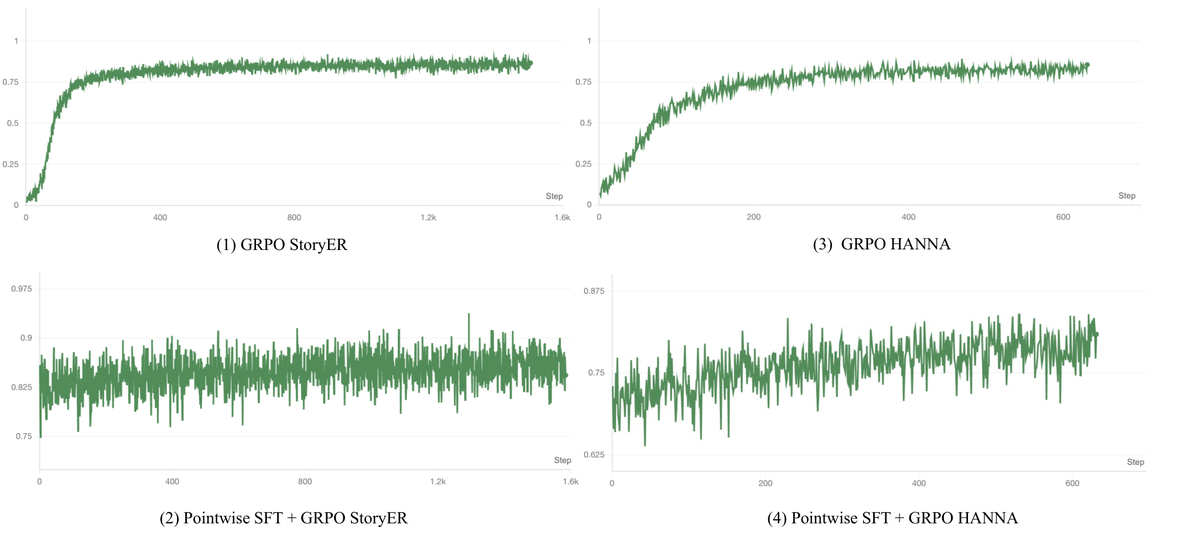
A new framework teaches open-source models to judge stories through pairwise reasoning, then loops back to improve story generation itself.
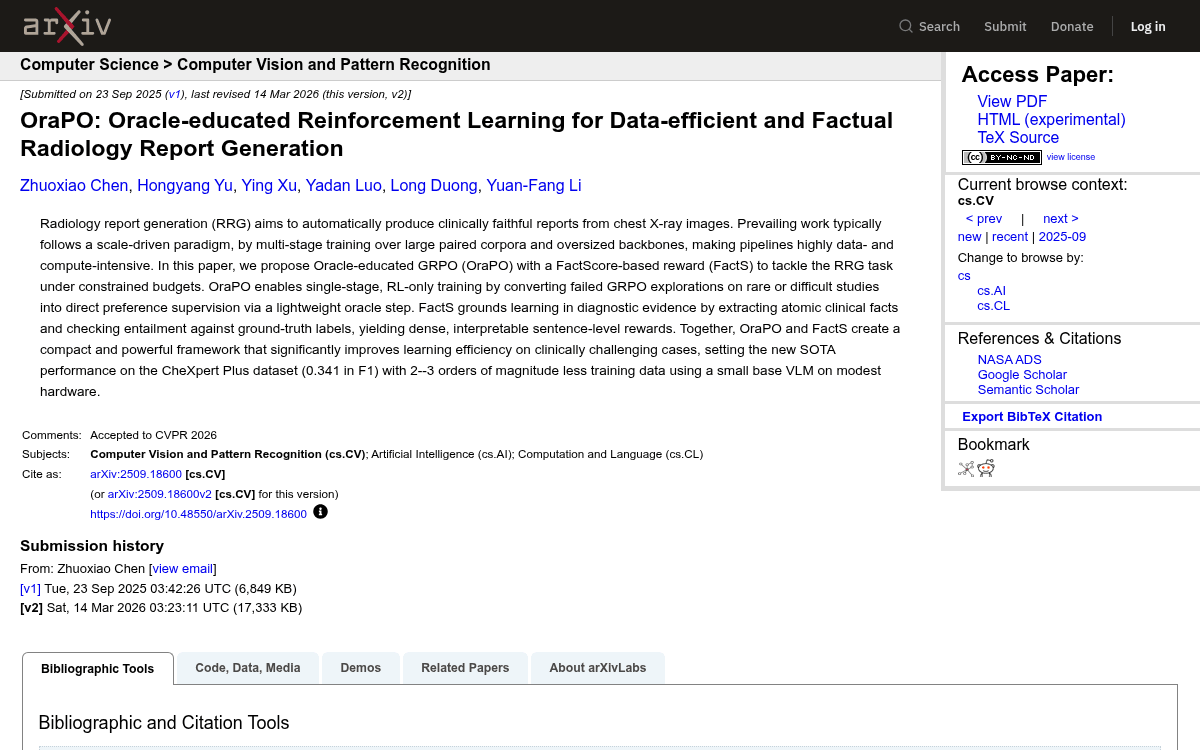
A CVPR 2026 paper shows a small vision-language model, trained with reinforcement learning on 1K chest X-rays, beats larger systems trained on 1.27M.
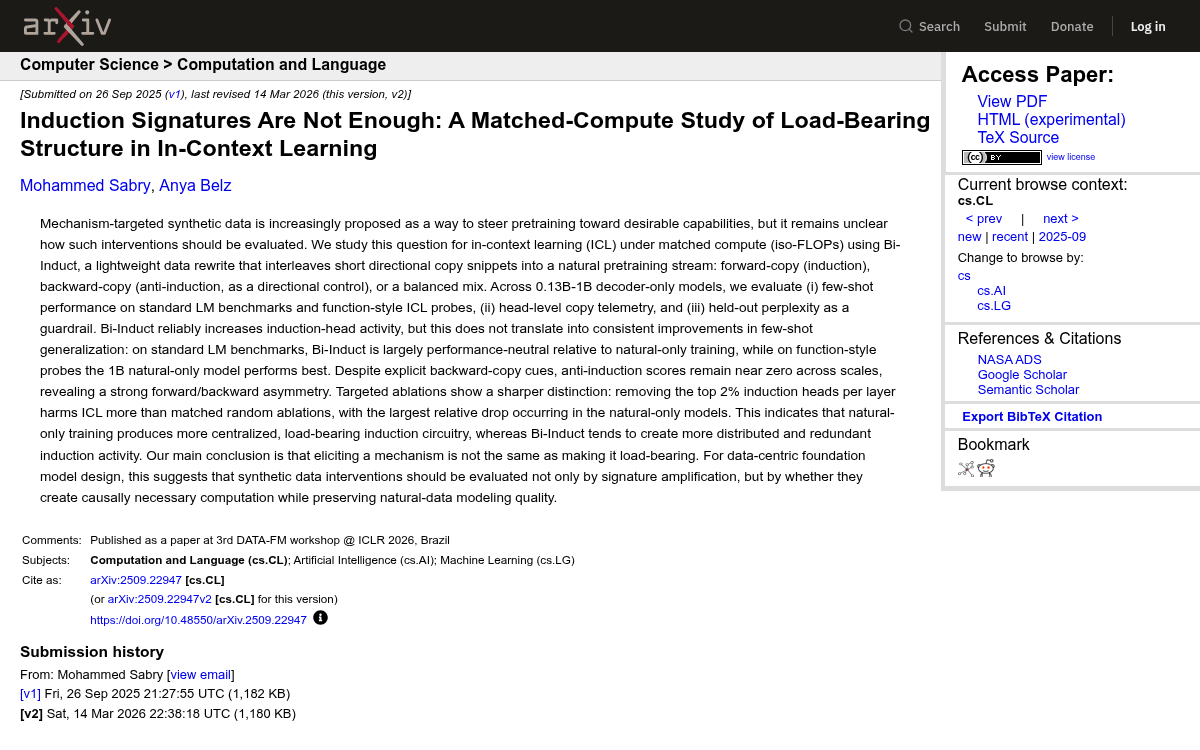
New research shows synthetic pretraining data can boost induction-head signatures without making them causally necessary, complicating a popular data intervention playbook.
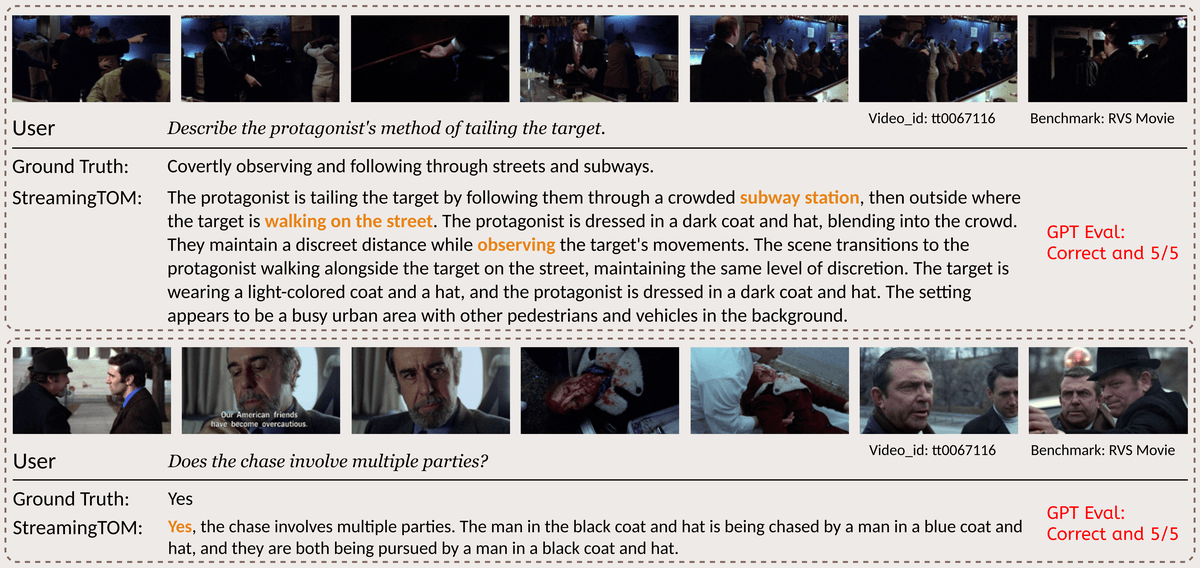
A training-free framework cuts video LLM memory by 15.7x and doubles time-to-first-token speed by compressing tokens before they hit the LLM.

Alibaba's Bid2X unifies fragmented auto-bidding models into one foundation model, lifting Taobao GMV 4.65% and ROI 2.44% in live A/B tests.
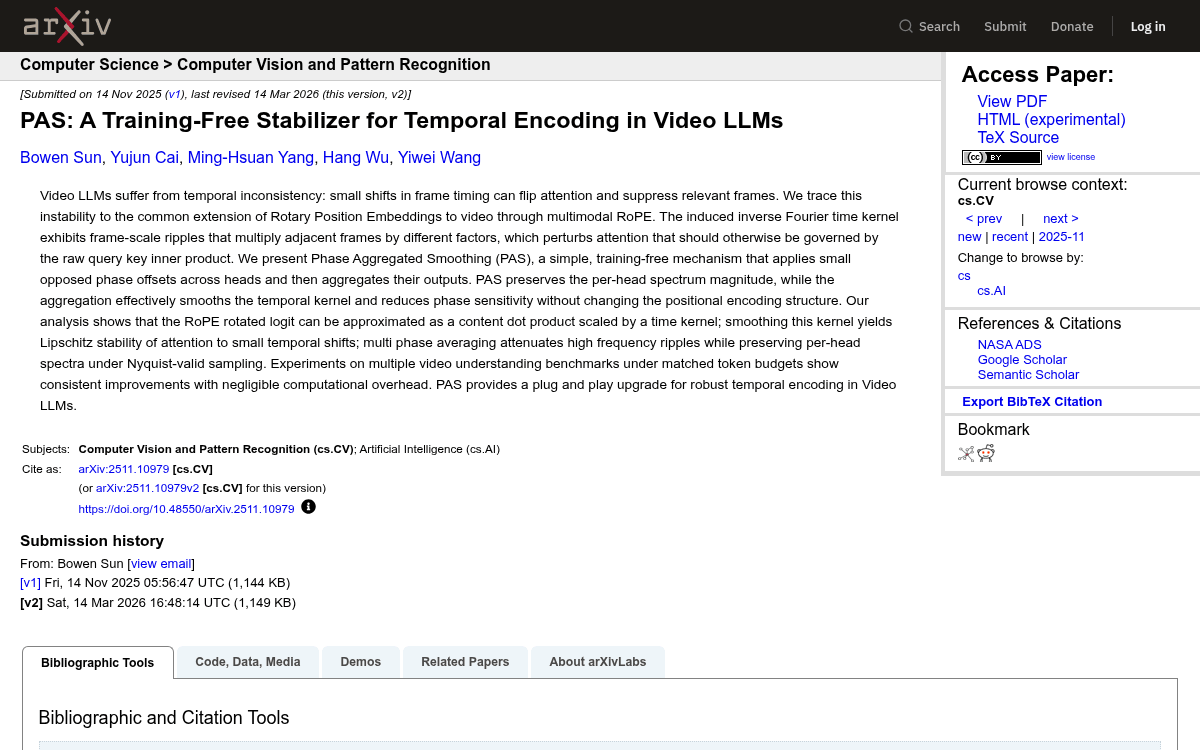
A training-free tweak to attention heads fixes a subtle Fourier flaw in video position encoding, boosting Video LLM accuracy without extra compute.
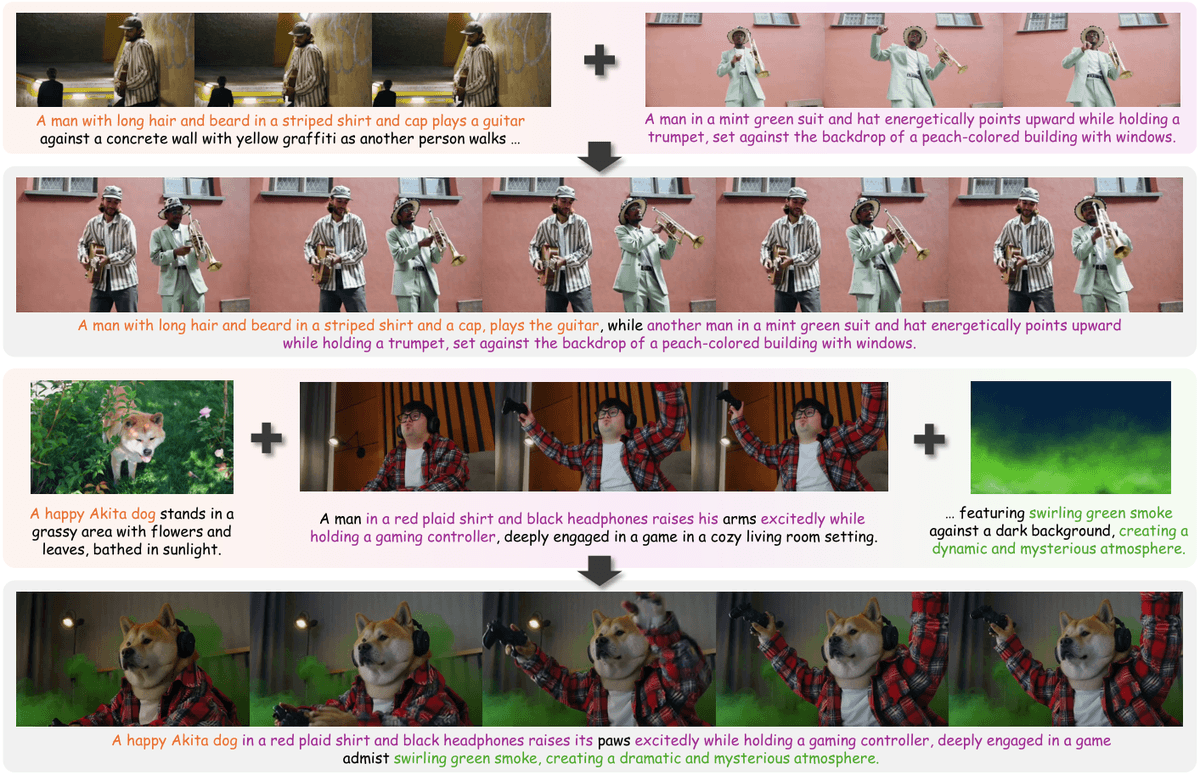
A one-shot method binds visual concepts to individual prompt tokens, letting creators mix subjects, motions, and styles from images and videos with prompt-level control.