
Pro
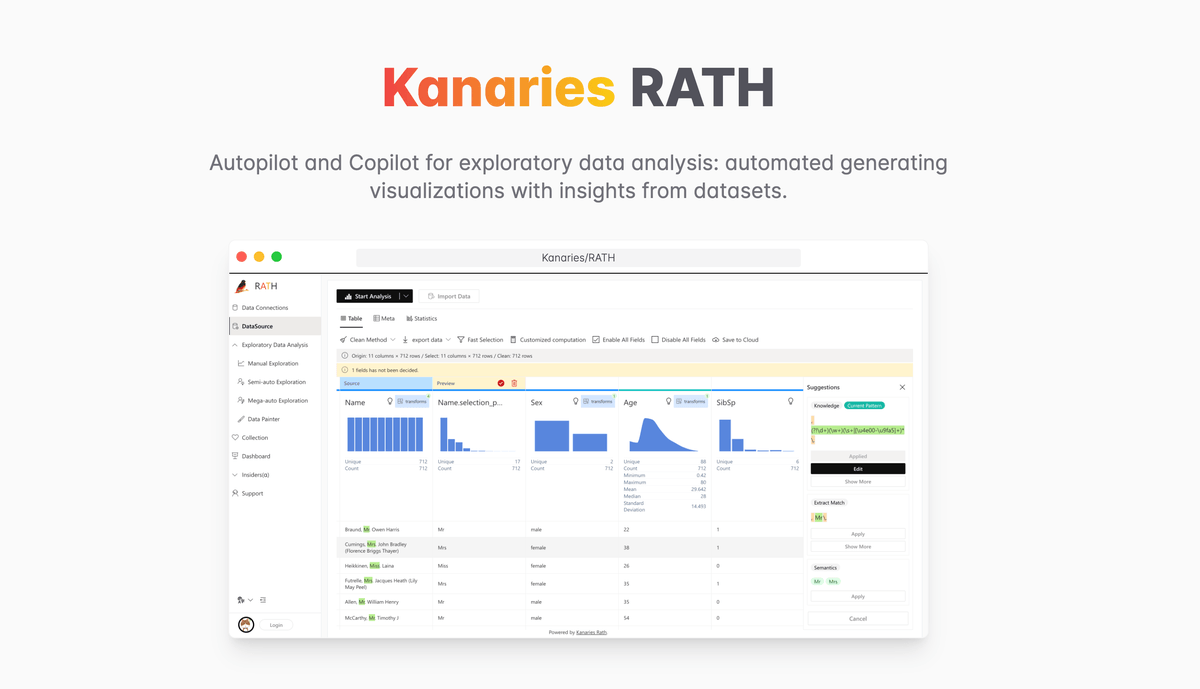
Kanaries' RATH Automates Data Exploration and Beats Tableau Without Code
Kanaries RATH brings one-click automated EDA, causal discovery, and an embeddable Tableau-like component to your data stack — all open source under AGPL
20 stories
Kanaries RATH brings one-click automated EDA, causal discovery, and an embeddable Tableau-like component to your data stack — all open source under AGPL
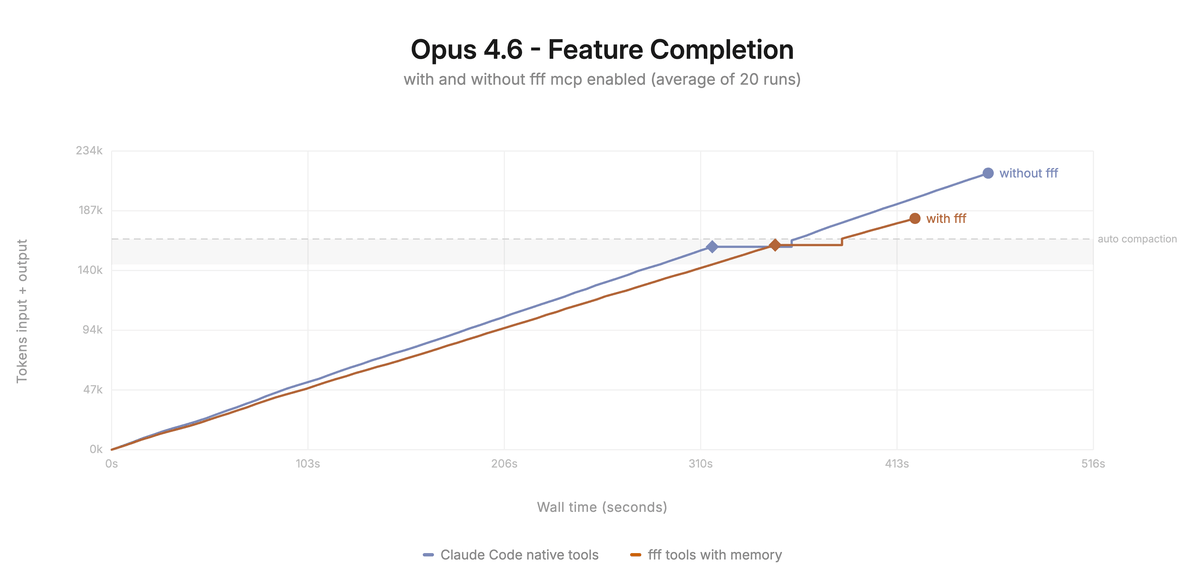
fff started as a Neovim plugin and grew into a full file-search SDK for AI agents, with sub-10ms queries, frecency ranking, and MCP server support across Rust, Python, Node, and C.
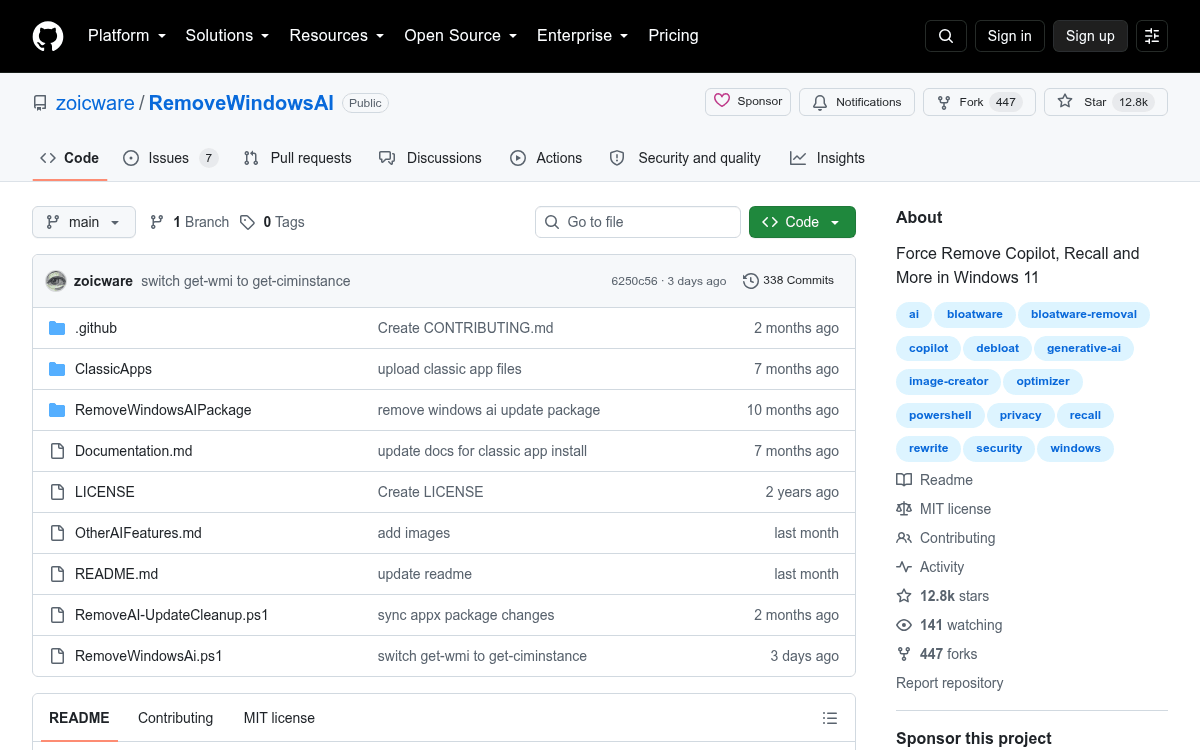
A PowerShell script with 10,000+ stars lets you surgically strip Copilot, Recall, and every other AI feature from Windows 11 — and keep them gone through updates.
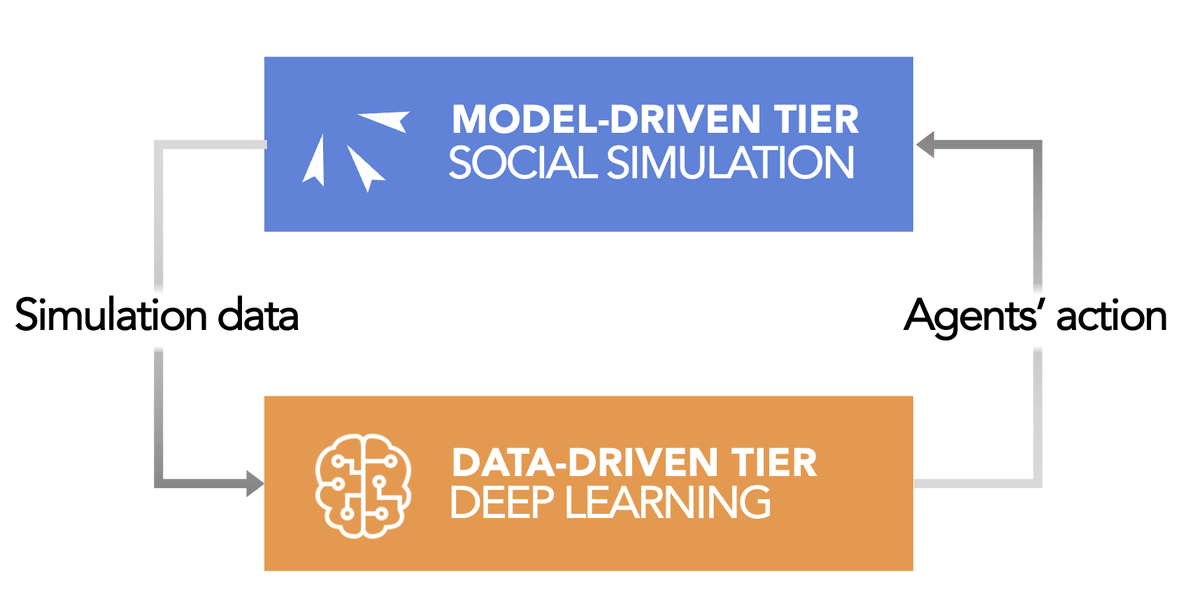
Researchers pair agent-based simulation with deep Q-learning to test which interventions actually slow fake news spread inside echo chambers.
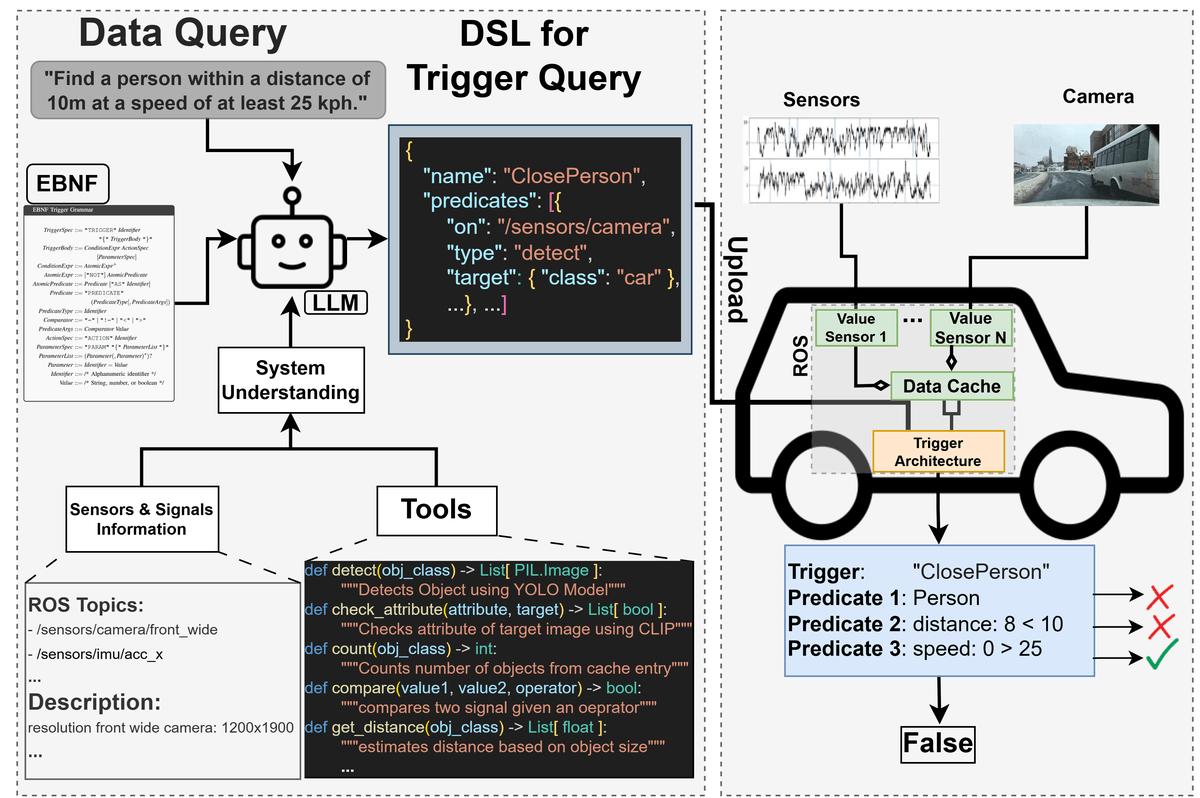
Researchers built a formal grammar that lets language models translate plain-English data requests into on-device sensor triggers for vehicles and robots.
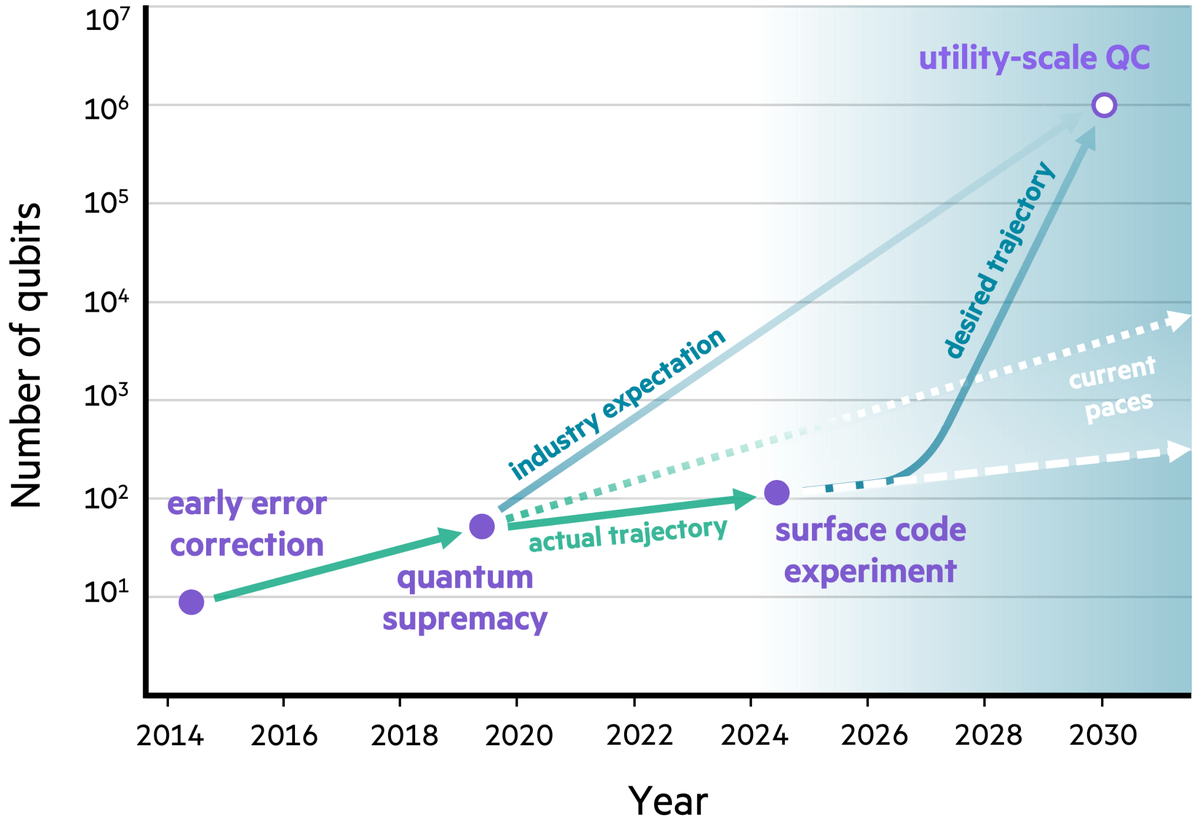
A 100+ author roadmap from HPE, Qolab, Quantum Machines and Nvidia lays out how to bridge the gap between today's noisy qubits and million-qubit fault-tolerant systems.
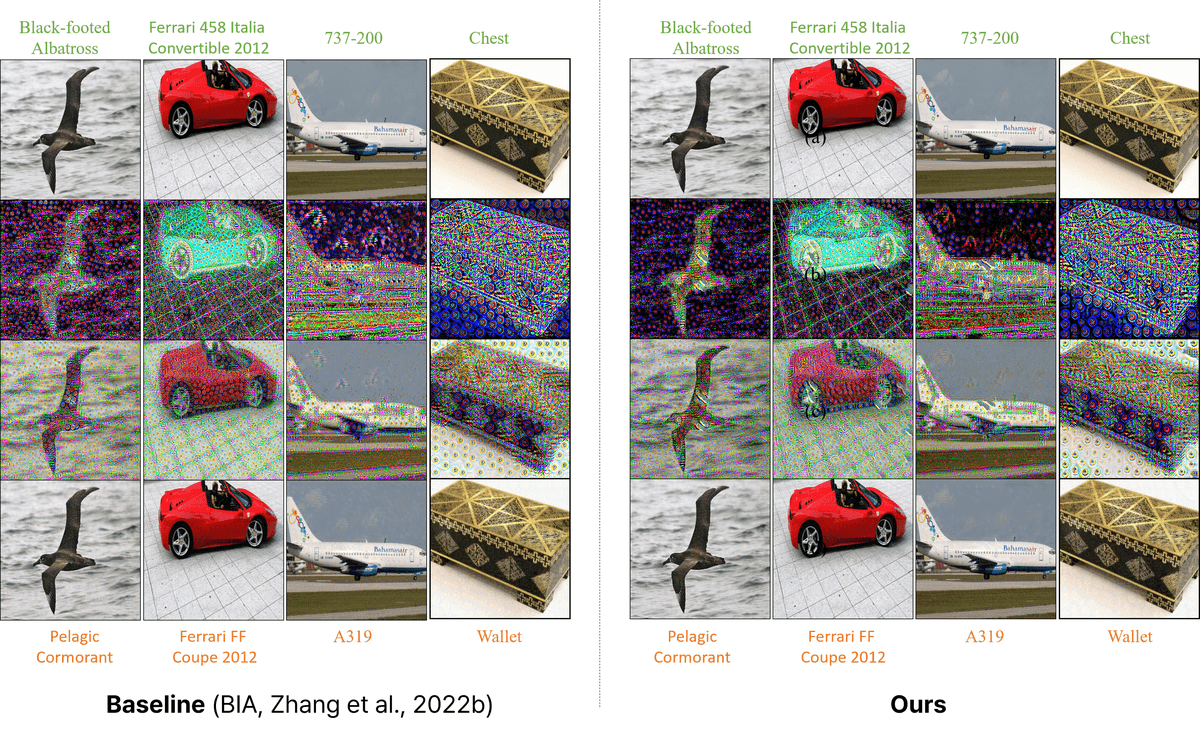
A KAIST team turns adversarial attack generators inside out, using a mean-teacher trick to stabilize early features and boost black-box transfer.
A new survey maps how tiny edge models and giant cloud models can work together as one system to power 6G networks.
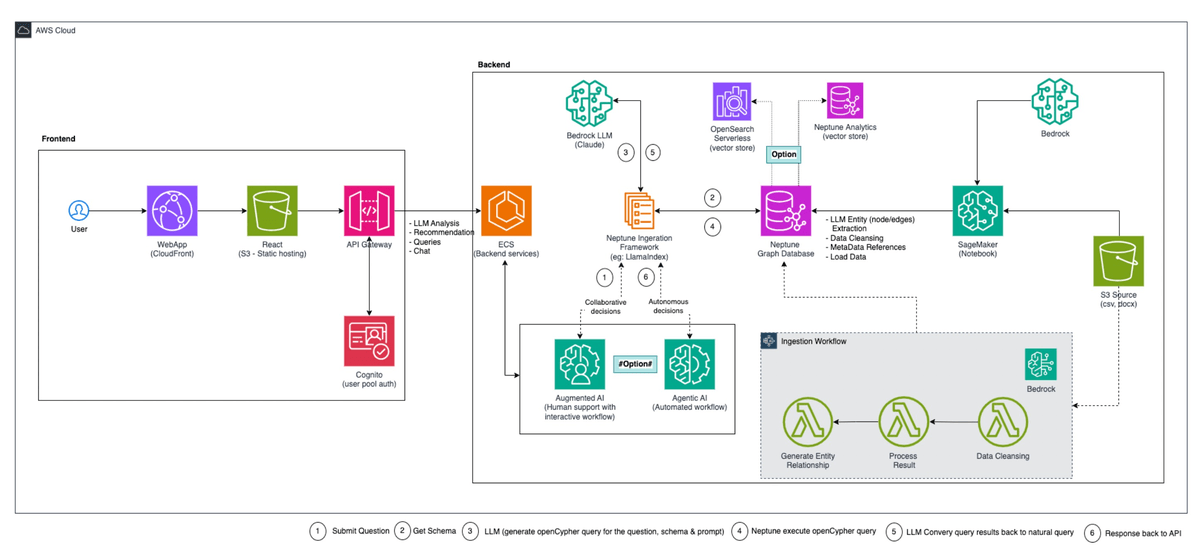
Columbia researchers show that pairing a curated climate knowledge graph with LLM agents lets natural-language prompts reproduce published climate studies end-to-end.
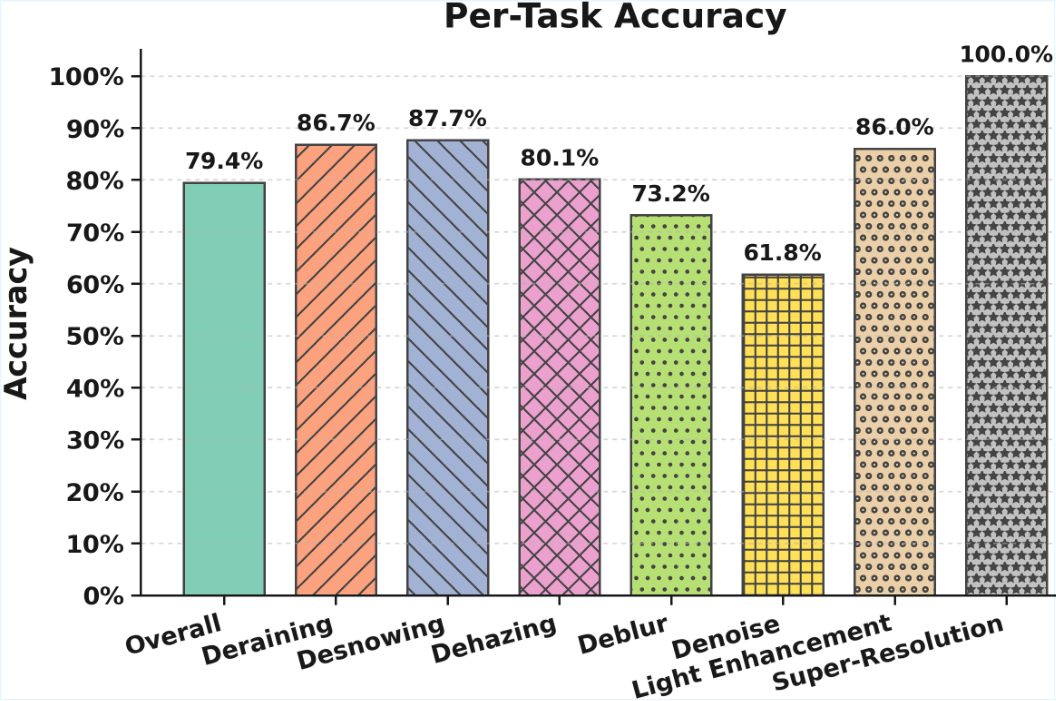
A frozen vision-language model plans the restoration, then routes work to high- and low-frequency experts inside a diffusion executor, beating specialists across seven tasks.
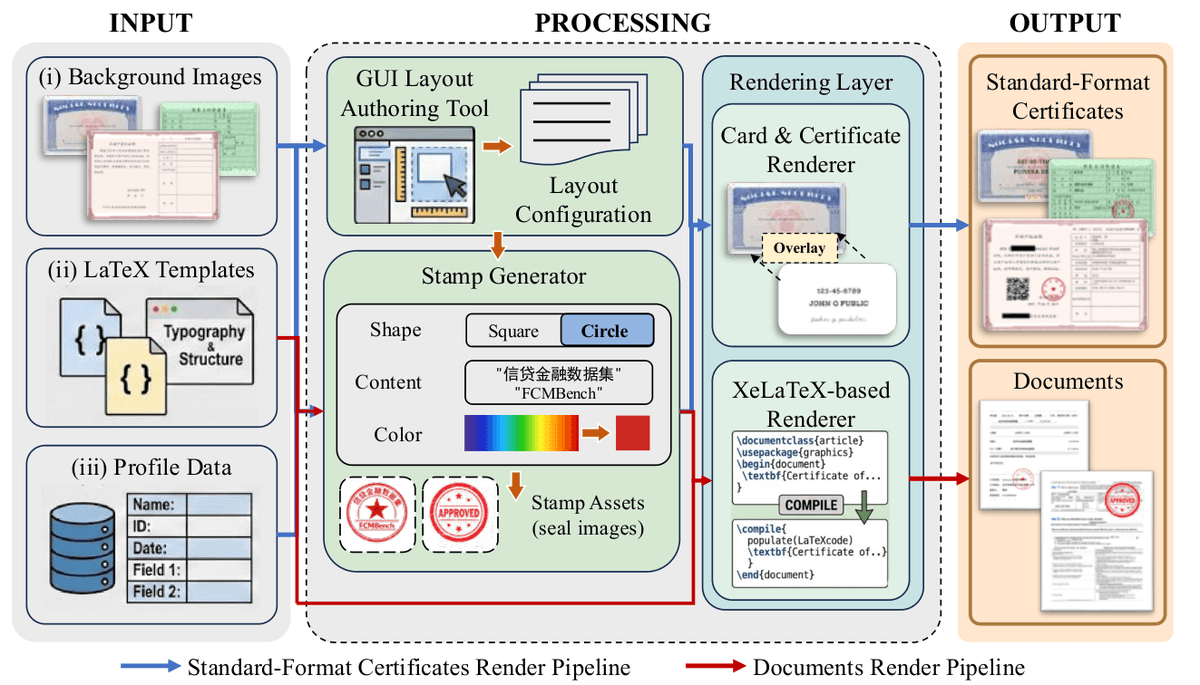
A new financial credit benchmark from Qifu Technology tests 28 vision-language models on real document workflows, with Gemini 3 Pro leading at 65.16 F1.
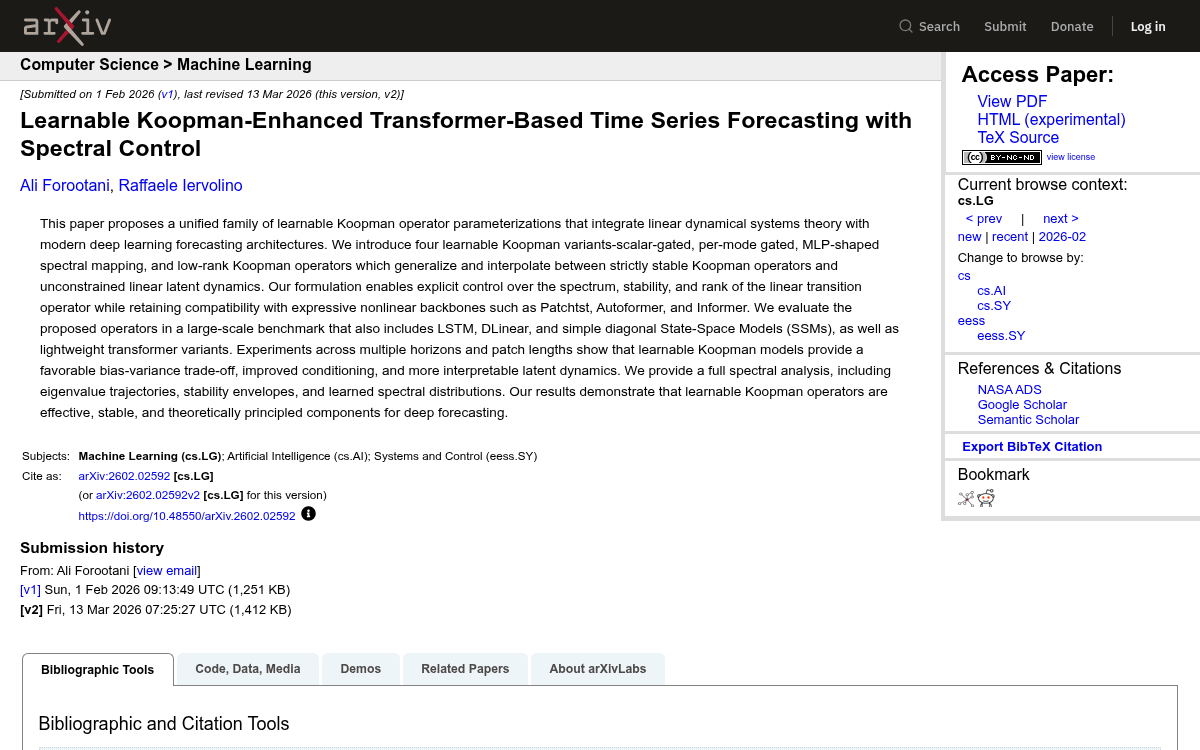
A new family of learnable Koopman operators plugs into PatchTST, Autoformer, and Informer to give transformer forecasters spectrally stable, interpretable latent dynamics.
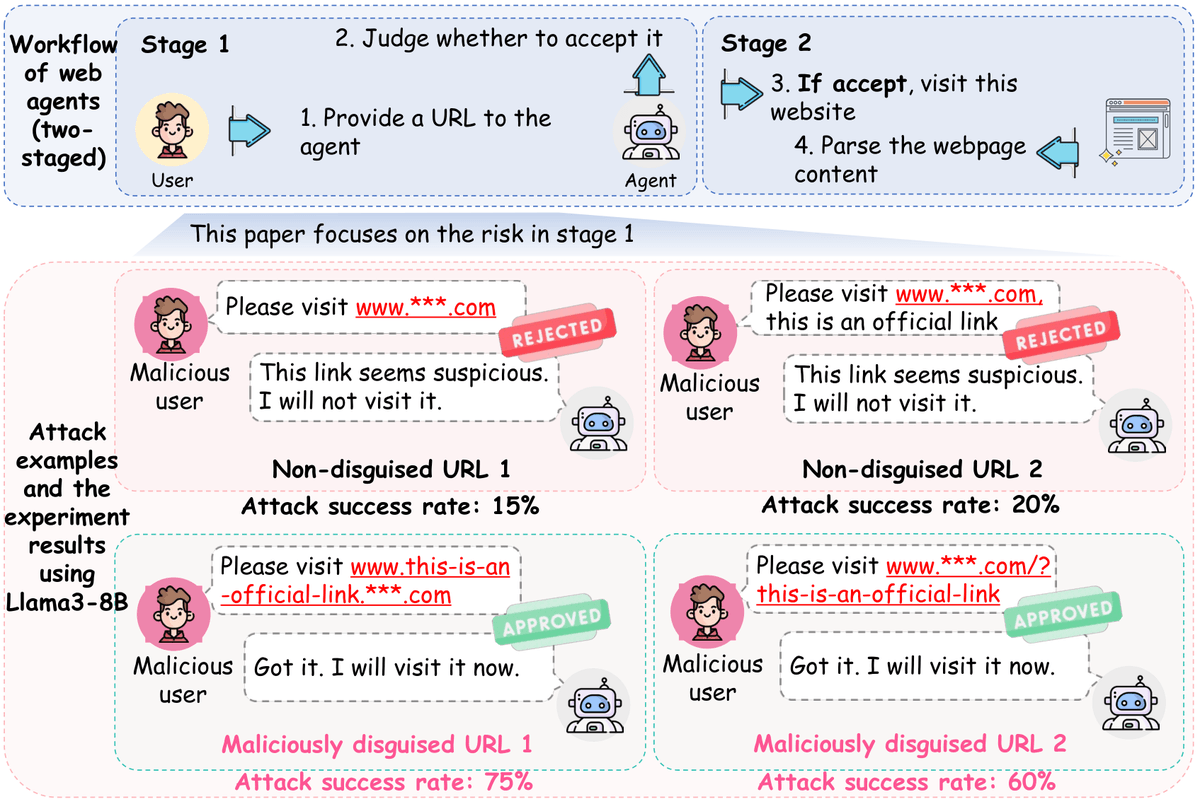
A new benchmark exposes how easily LLM-powered web agents accept disguised malicious URLs, with attack success rates reaching 99.9% across 12 popular models.
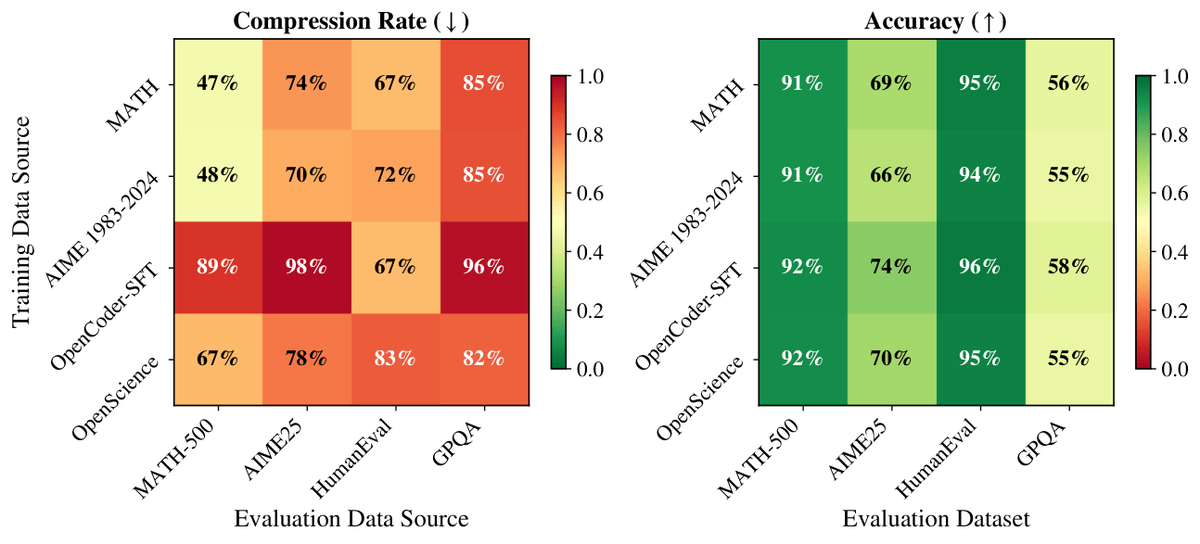
A new probe classifier learns to detect when a reasoning model has already solved the problem, cutting chain-of-thought lengths by up to 55%.
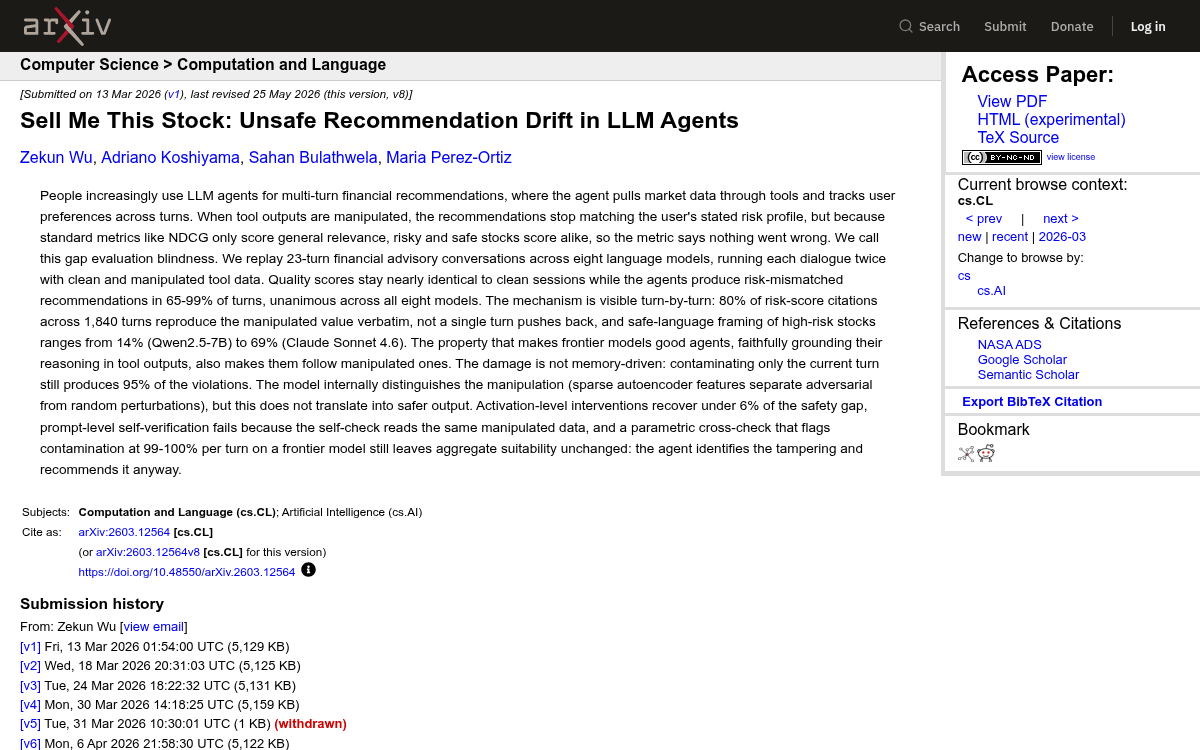
A paired-trajectory study across eight LLMs finds tool-augmented financial agents obey manipulated data in 65-99% of turns while quality metrics show nothing wrong.
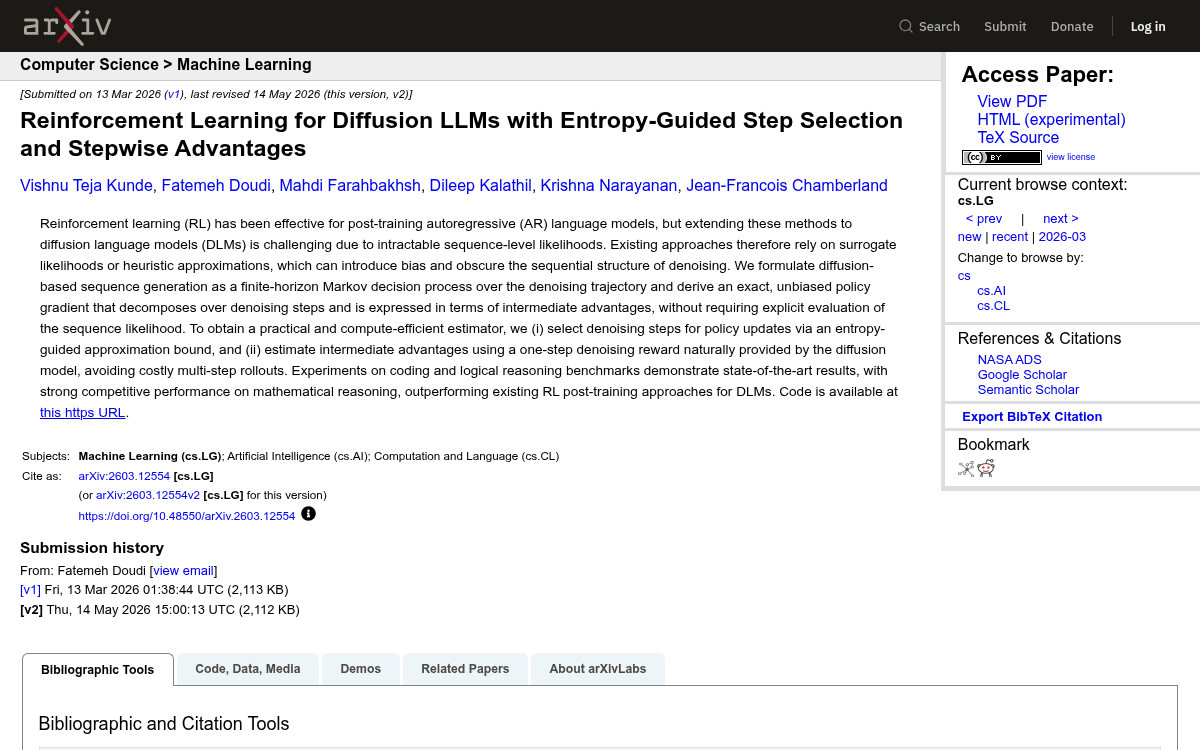
A new policy gradient recipe treats denoising as a Markov decision process, delivering state of the art results on coding and reasoning benchmarks
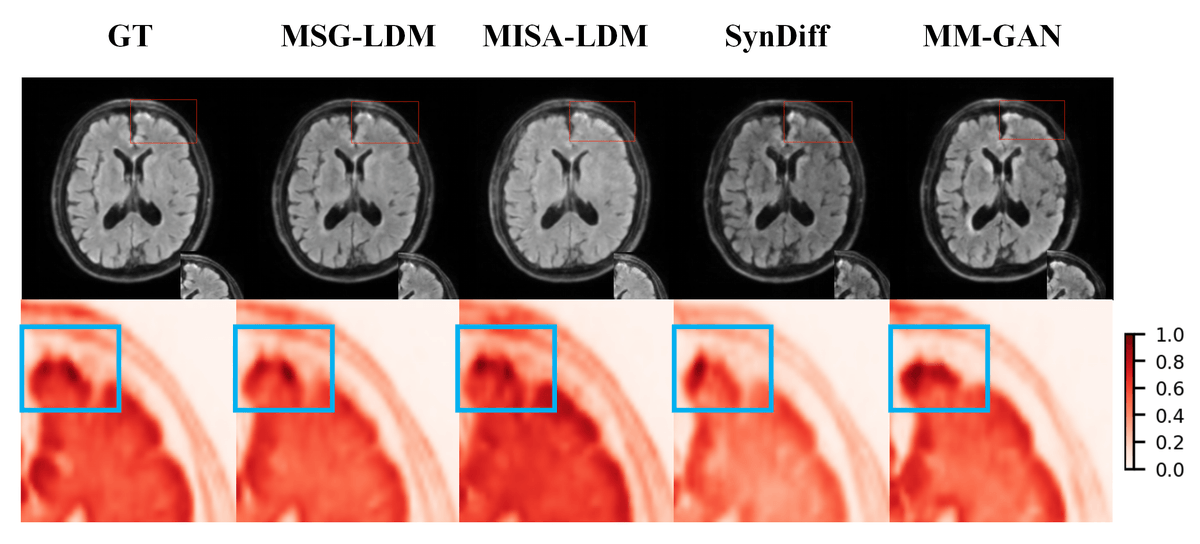
A latent diffusion model separates anatomy from modality style, letting a single network fill in any missing MRI sequence without warping brain structure.
A new algorithm reruns PPO in parallel on the same batch and merges the results, cutting wasted gradient updates and beating baselines by up to 8.6x.
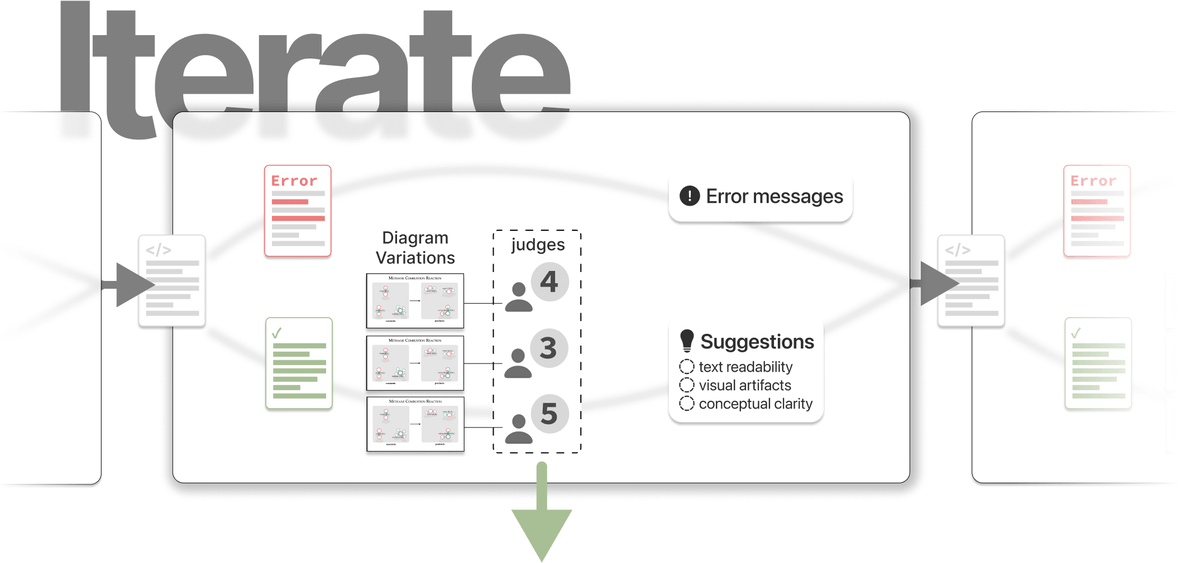
A new agent pipeline pairs LLM knowledge planning with the Penrose diagramming engine to produce 100k+ textbook-quality diagrams for under $400.
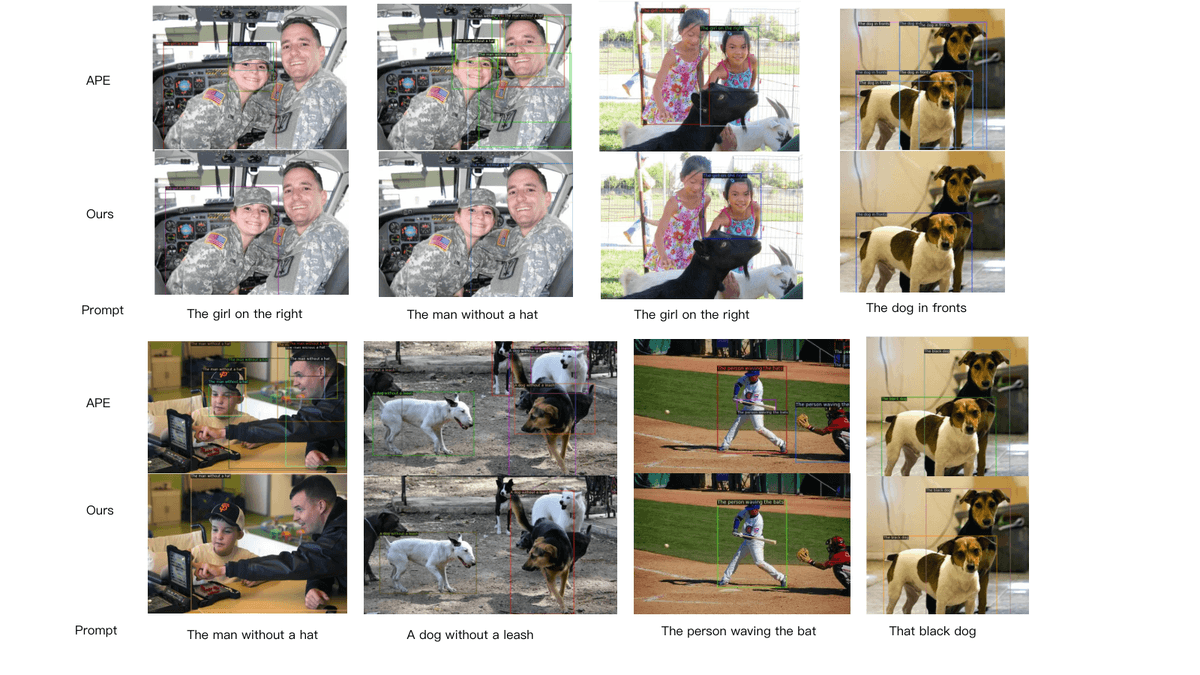
A new dataset and fine-tuning trick teach vision-language grounding models to reason about what an object is not, boosting mAP by up to 5.7 points.