
Pro
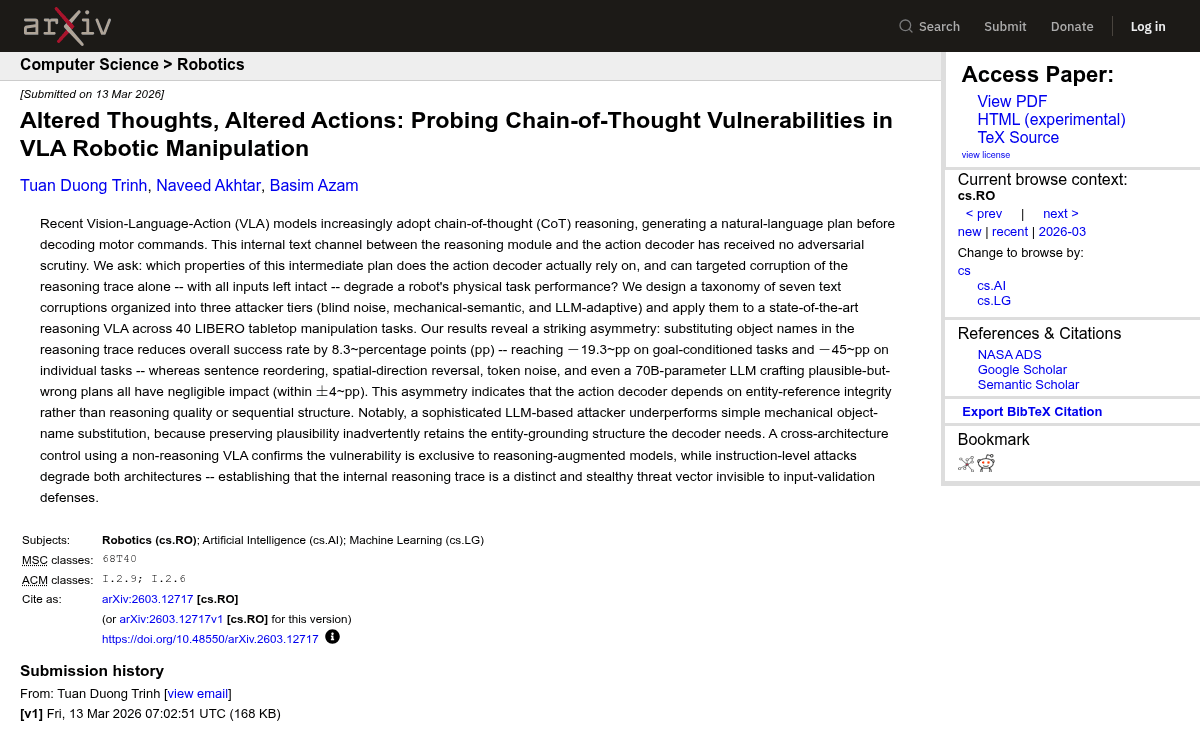
DeepThinkVLA's Hidden Weak Spot Lets Attackers Hijack Robot Actions Without Touching the Model
New research shows that swapping object names inside a robot's own reasoning trace can silently cut task success by up to 45 percentage points.
20 stories
New research shows that swapping object names inside a robot's own reasoning trace can silently cut task success by up to 45 percentage points.
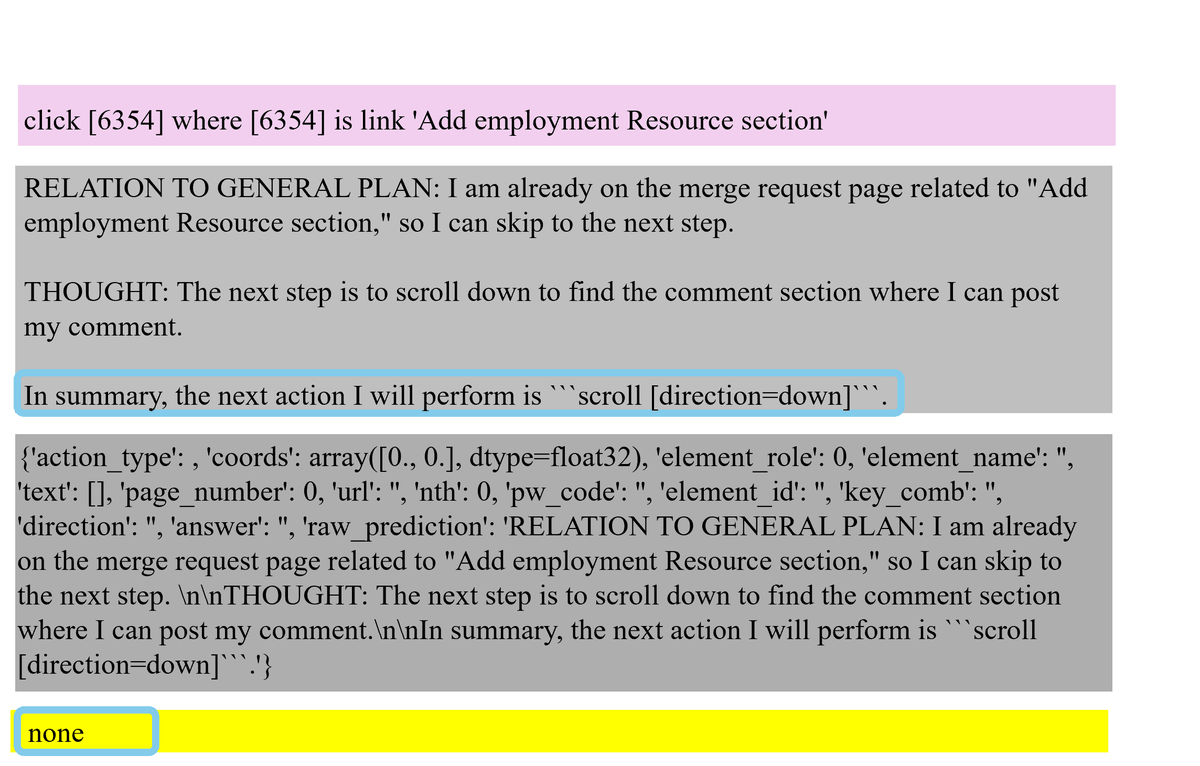
A new taxonomy maps LLM web agents to classical search algorithms, adds five trajectory-level metrics, and releases 794 human-annotated WebArena traces.
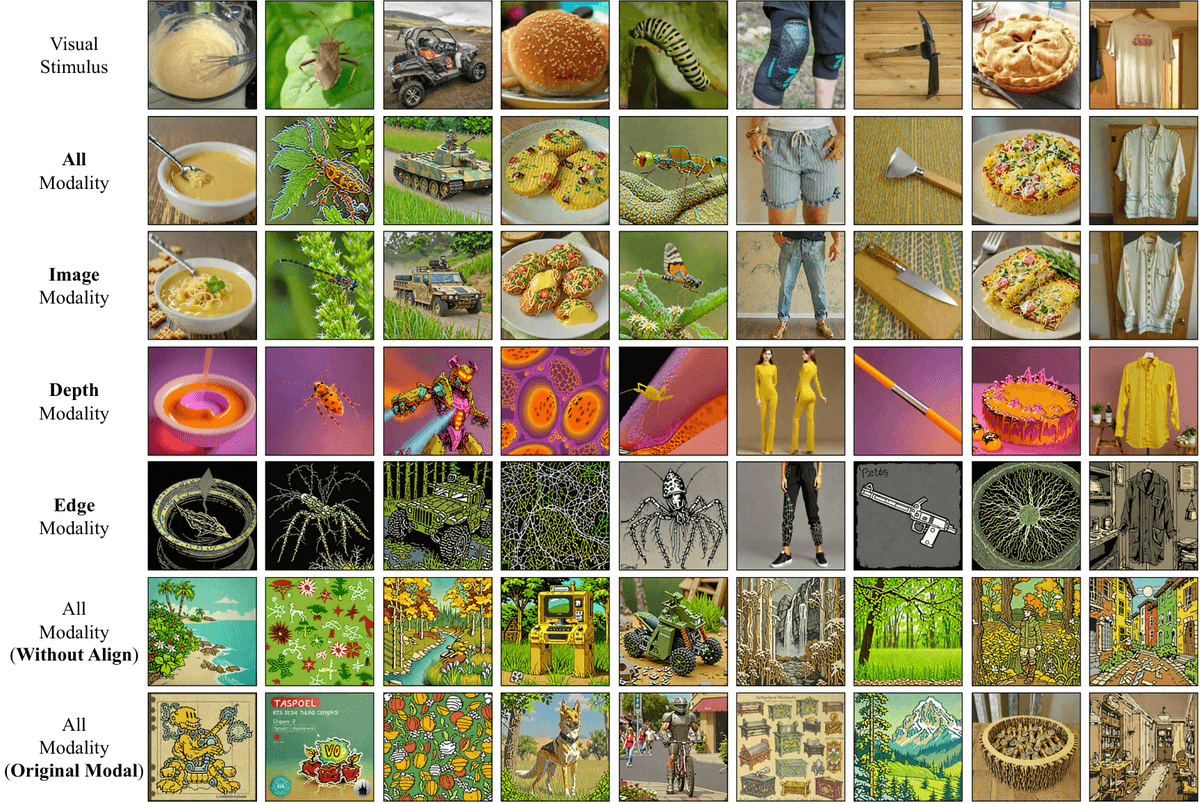
New framework fuses EEG signals with image, text, depth, and edge cues to reconstruct what a person is seeing, boosting Top-1 retrieval by 25.9%.
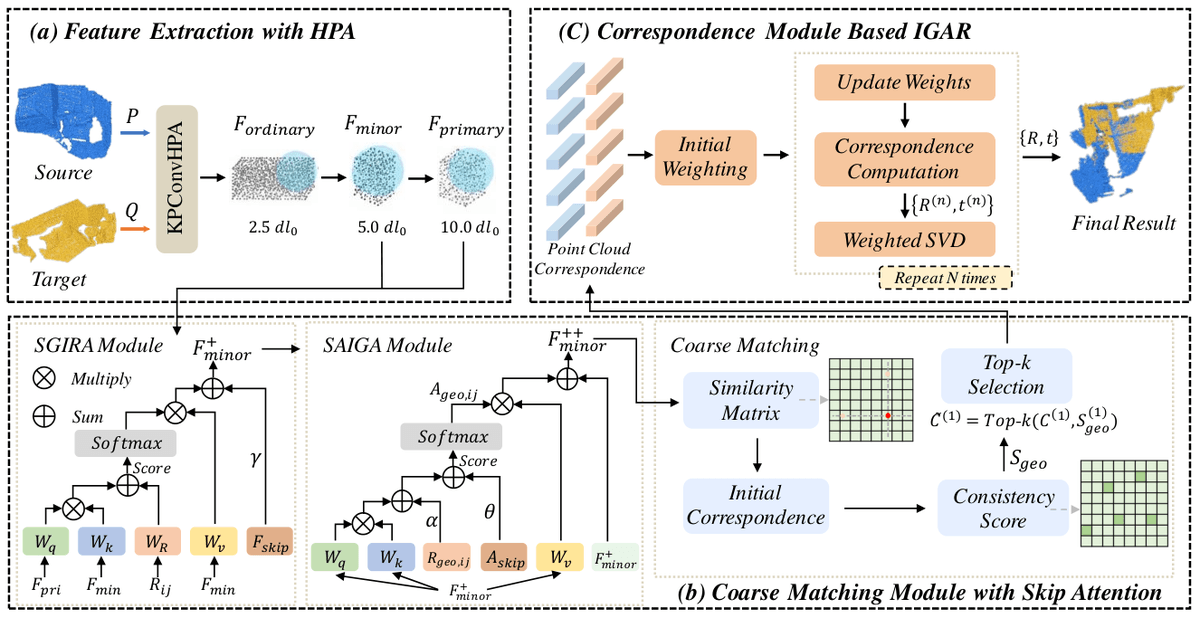
A new research paper introduces IGASA, a point cloud registration framework combining hierarchical attention with iterative geometric refinement across four 3D vision benchmarks.
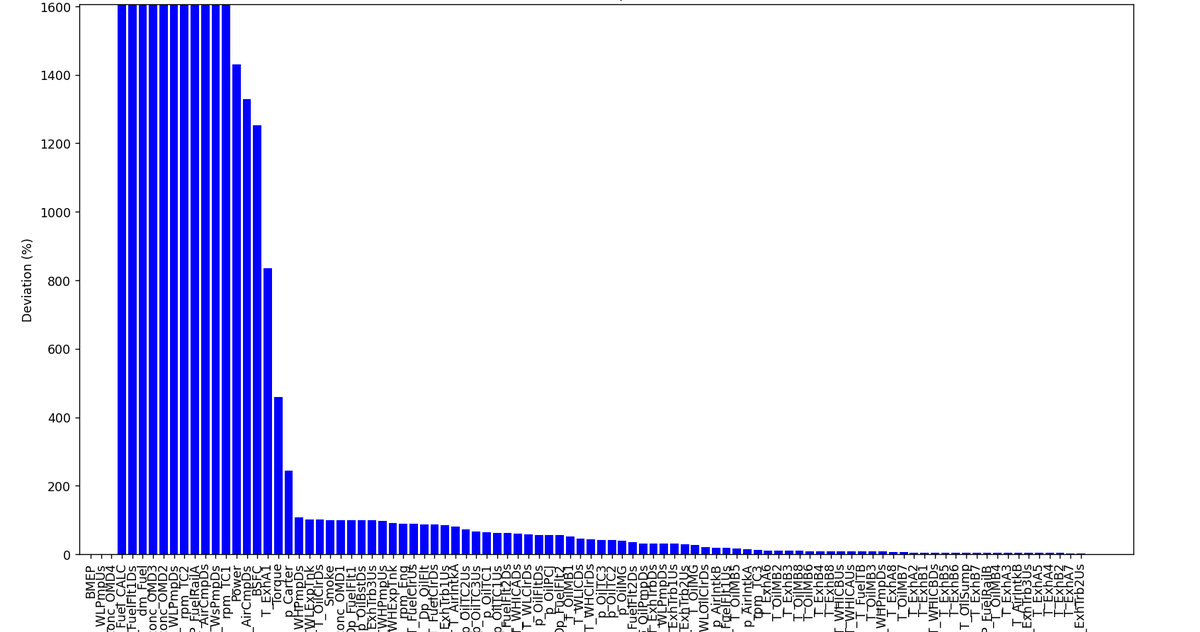
A Random Forest watching the second derivative of sensor drift spots a marine engine bearing collapse thousands of seconds before conventional alarms fire.
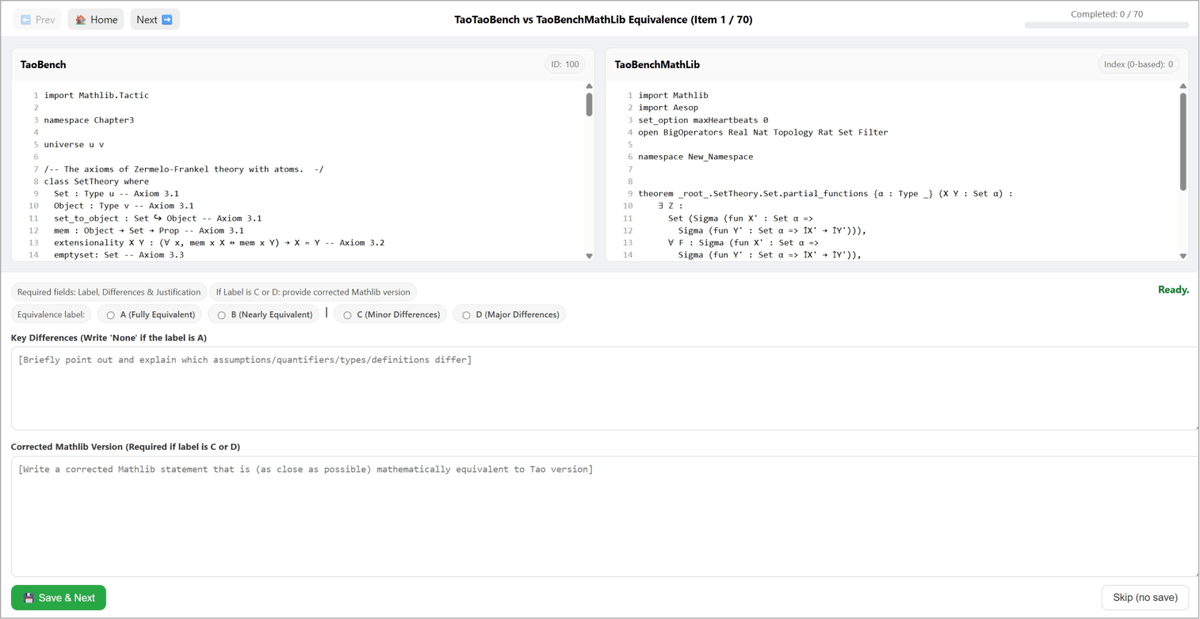
A new Lean benchmark built from Terence Tao's Analysis I exposes a 26-point accuracy gap when theorem provers face definitions outside MathLib.

A new logits-redistribution technique turns one trained model into a knob-controllable family, no fine-tuning, retraining, or training data required.
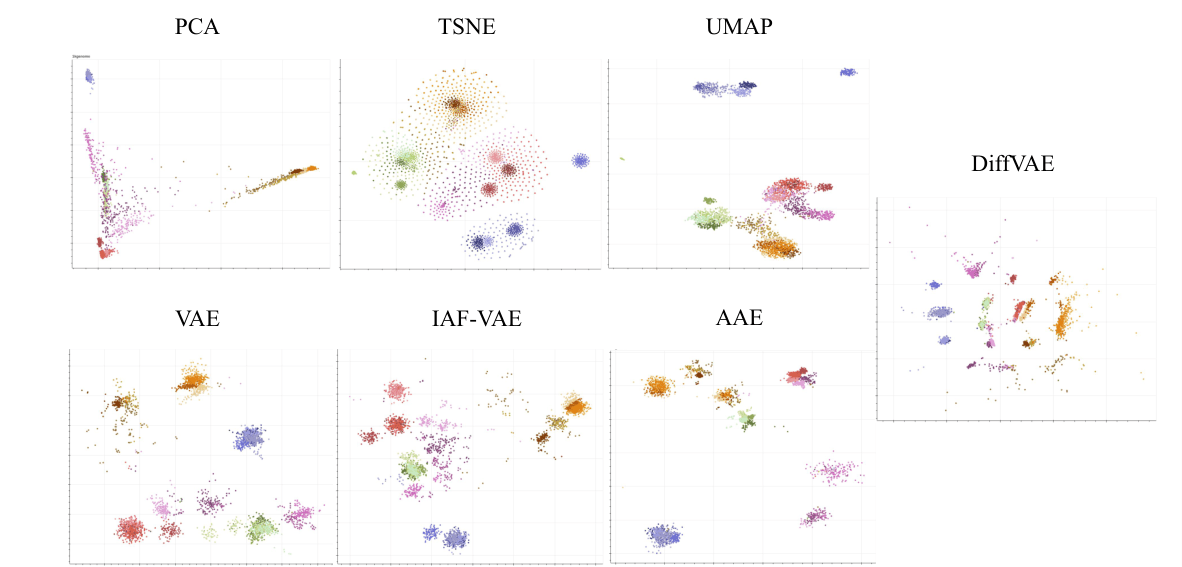
A new black-box inference method swaps Gaussian encoders for diffusion posteriors, giving VAEs sharper latent structure and better ancestry clustering on real genomes.
New theory shows why Fisher-Rao gradient flows converge at rates that do not depend on how nasty the target distribution is.
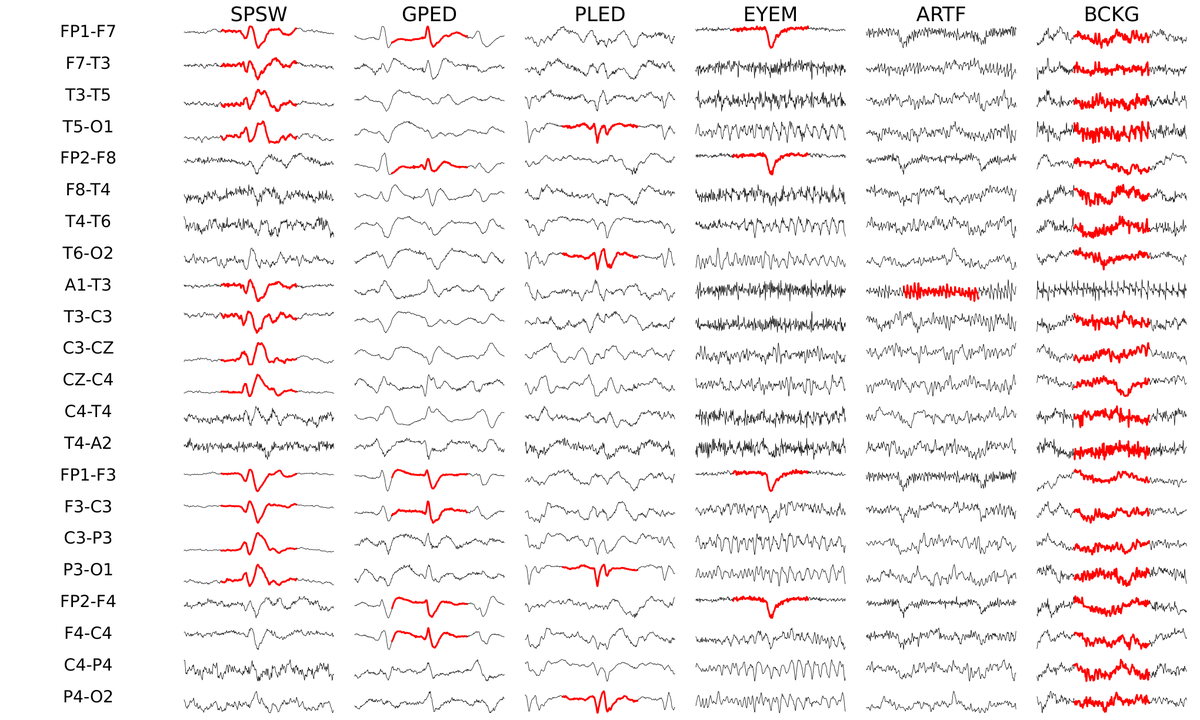
A research team introduces Nested Deep Learning, a spike detection framework that adapts across EEG/MEG channel setups and pinpoints where spikes originate.
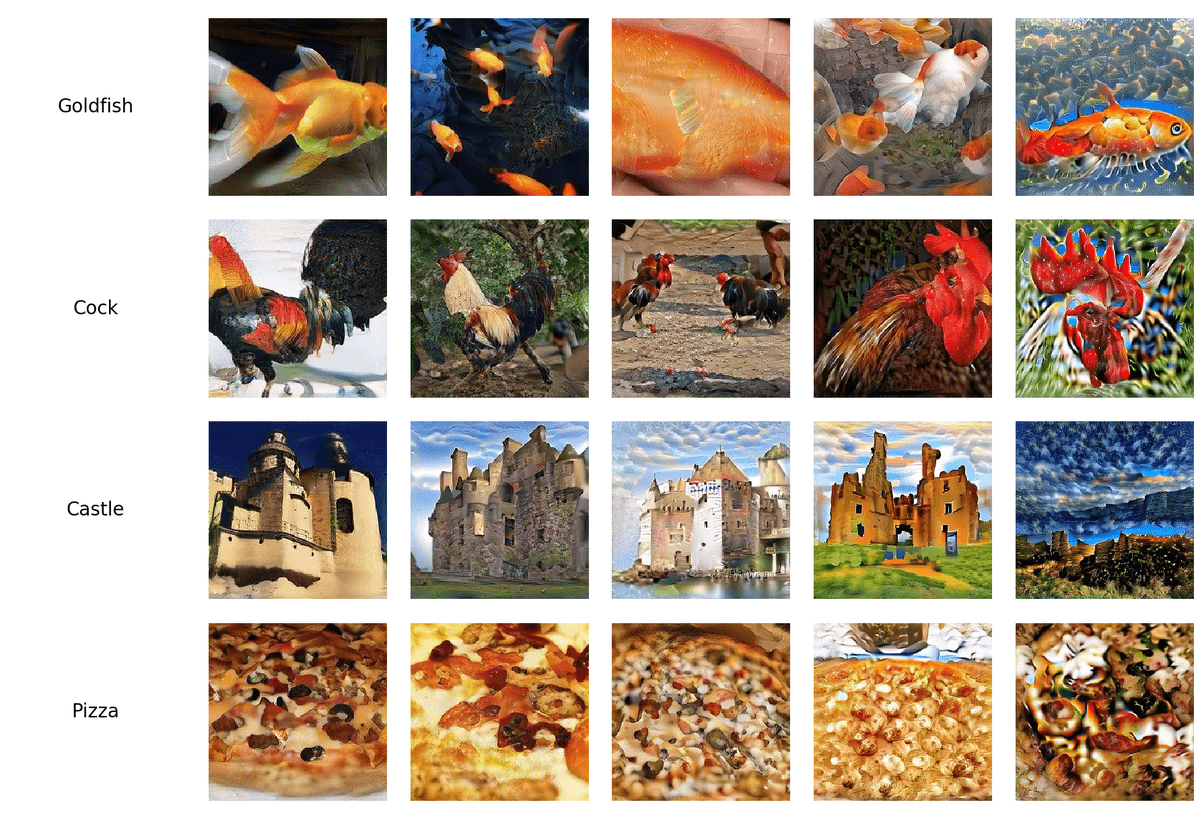
A new spectral filtering framework unifies fragmented dataset distillation methods and produces a curriculum-based technique that beats existing baselines on ImageNet-1K.
A tiny tweak to next-token prediction, randomly masking 15% of tokens, dramatically boosts long-context retrieval without any architecture change or extra compute.
A new theoretical analysis explains why deep graph neural networks get stuck during training, revealing spurious stationary points unique to GNN architectures.
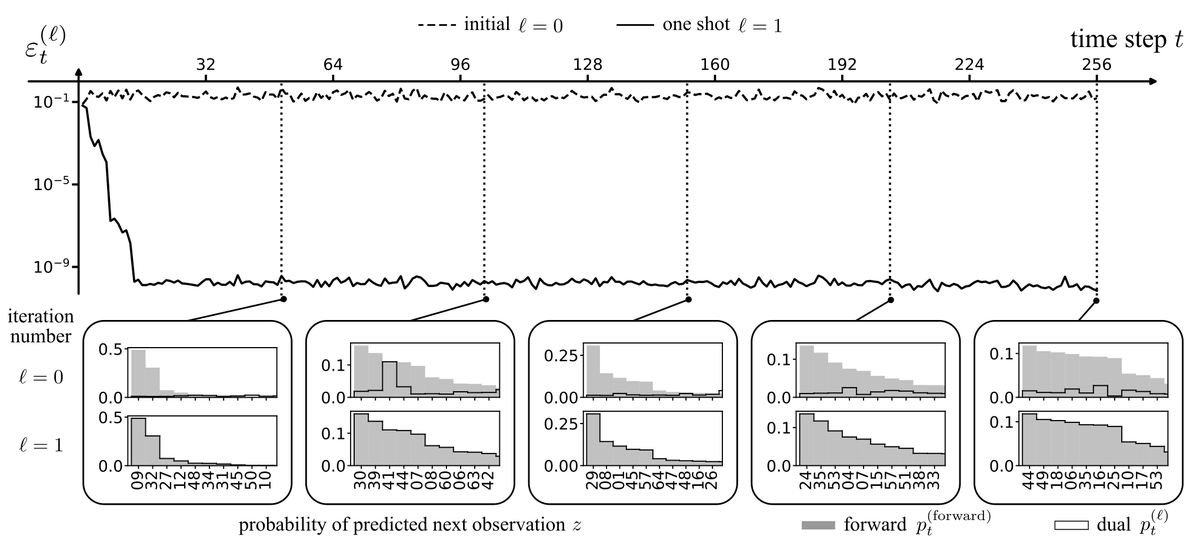
A new paper derives transformer-like architectures from first principles by reformulating next-token prediction as an optimal control problem over hidden Markov models.
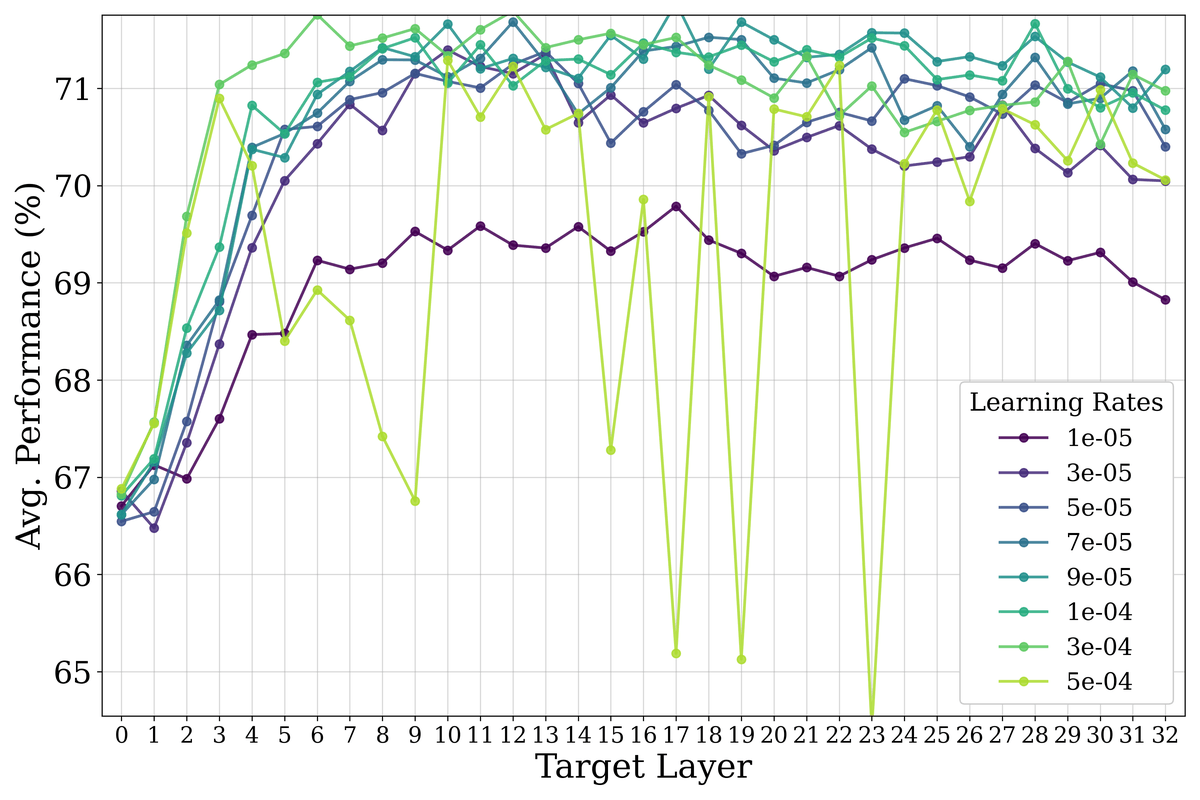
A new initialization method matches multi-subtoken attention behavior in a single embedding, outperforming pretrained hyper-networks while training in under 10 minutes.
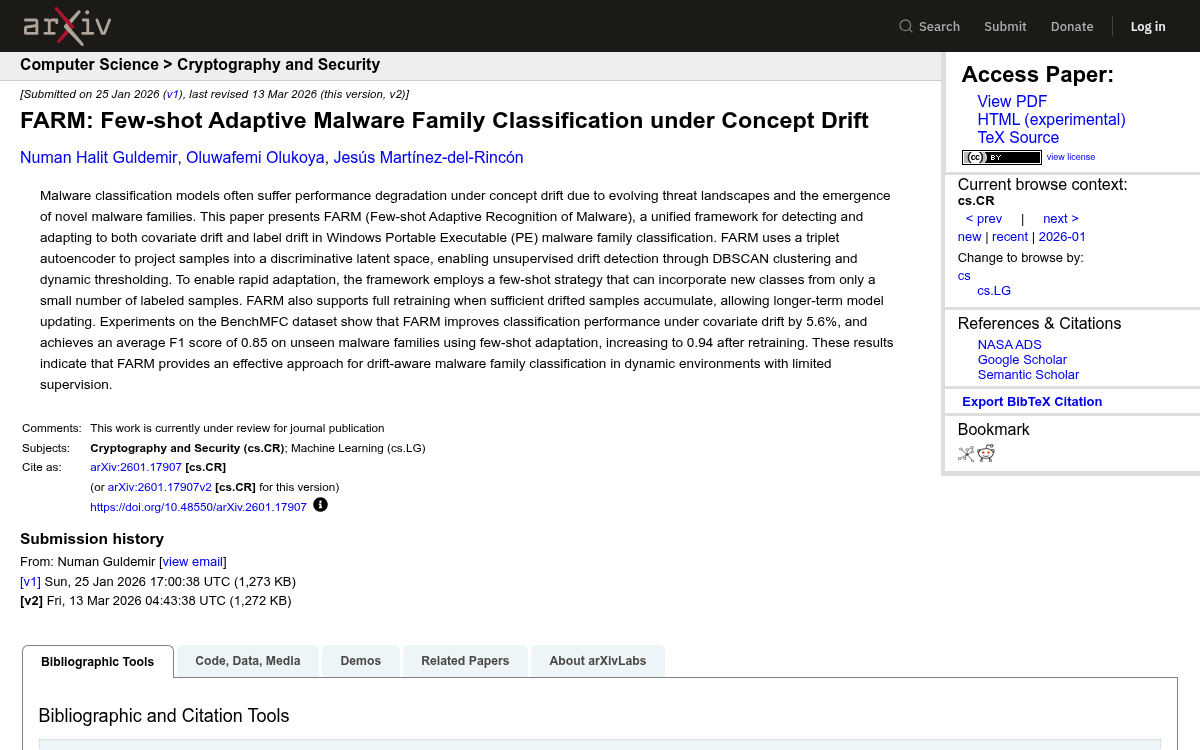
FARM combines a triplet autoencoder with DBSCAN clustering and few-shot prototypes to keep Windows malware classifiers accurate as new families emerge.
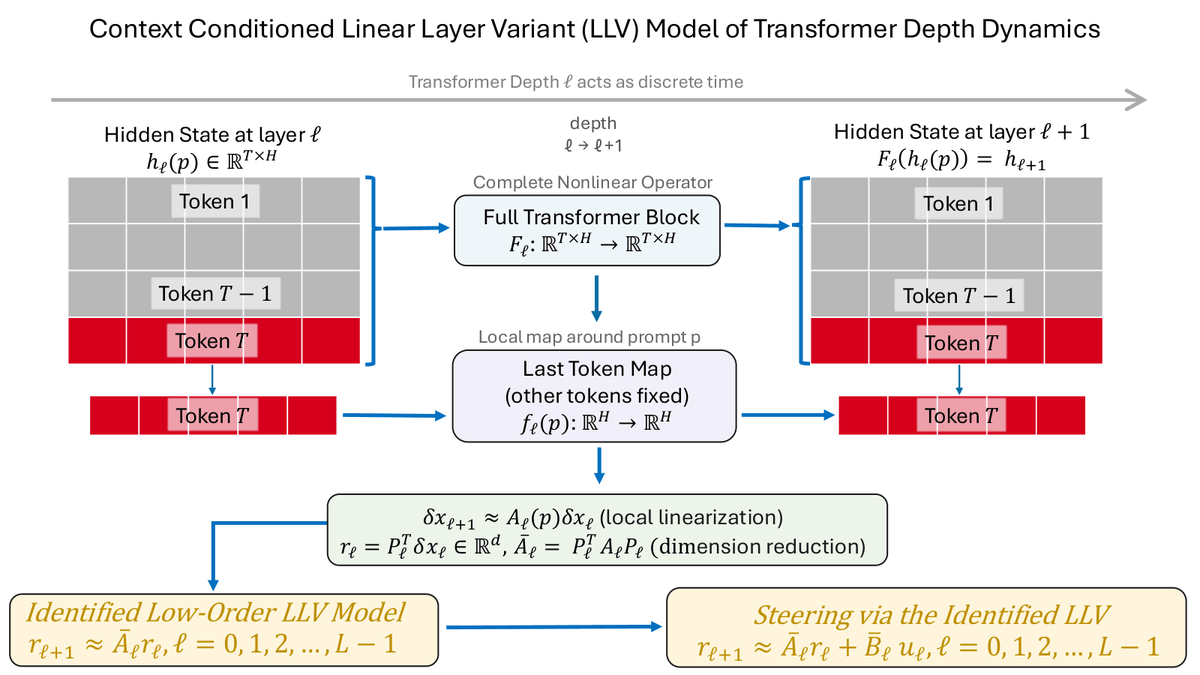
A 32-dimensional linear approximation predicts GPT-2-large's steering behavior across depth with near-perfect fidelity, and the fit improves as models scale.
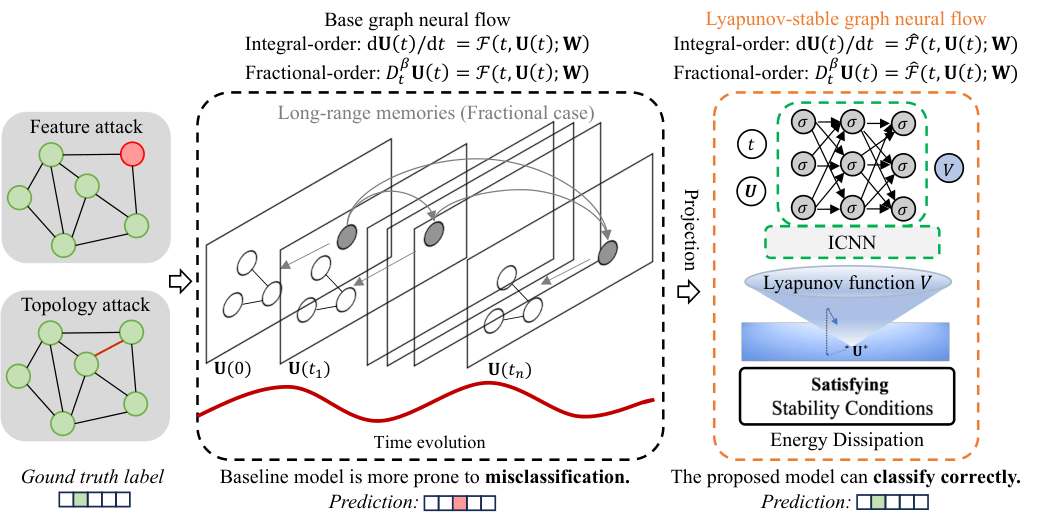
A new framework borrows Lyapunov stability from control theory to make graph neural networks provably resilient against adversarial attacks on nodes and edges.
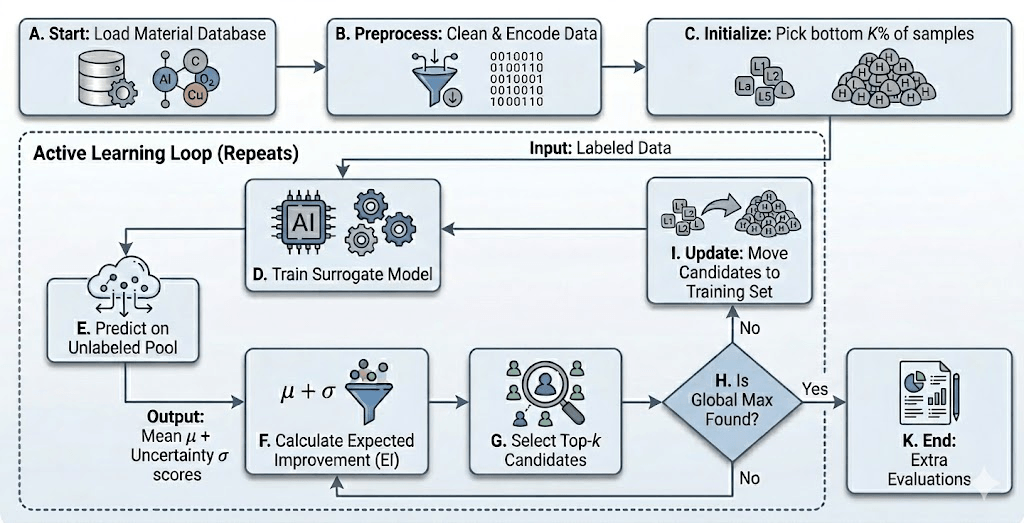
A new arXiv paper swaps Gaussian Processes and Random Forests for the TabPFN foundation model, cutting experiments by up to 52 percent.
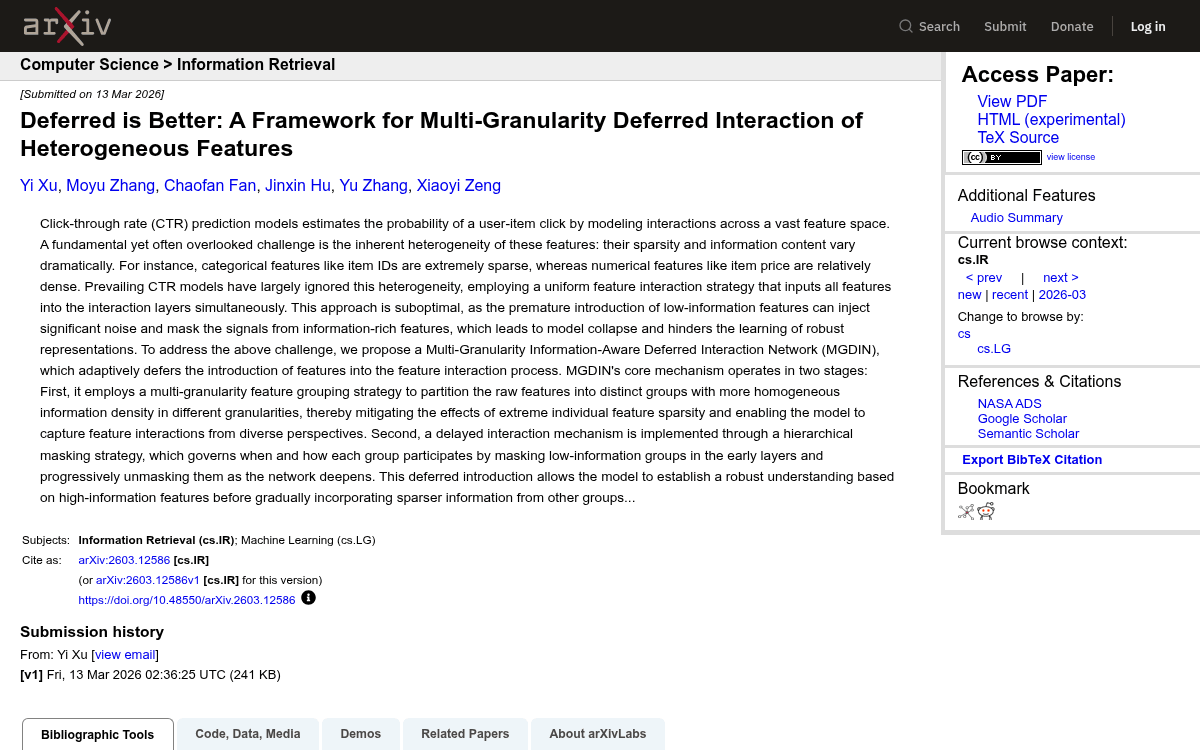
Alibaba researchers show that holding back sparse features from early interaction layers boosts CTR prediction and delivered a 3.04% online lift.