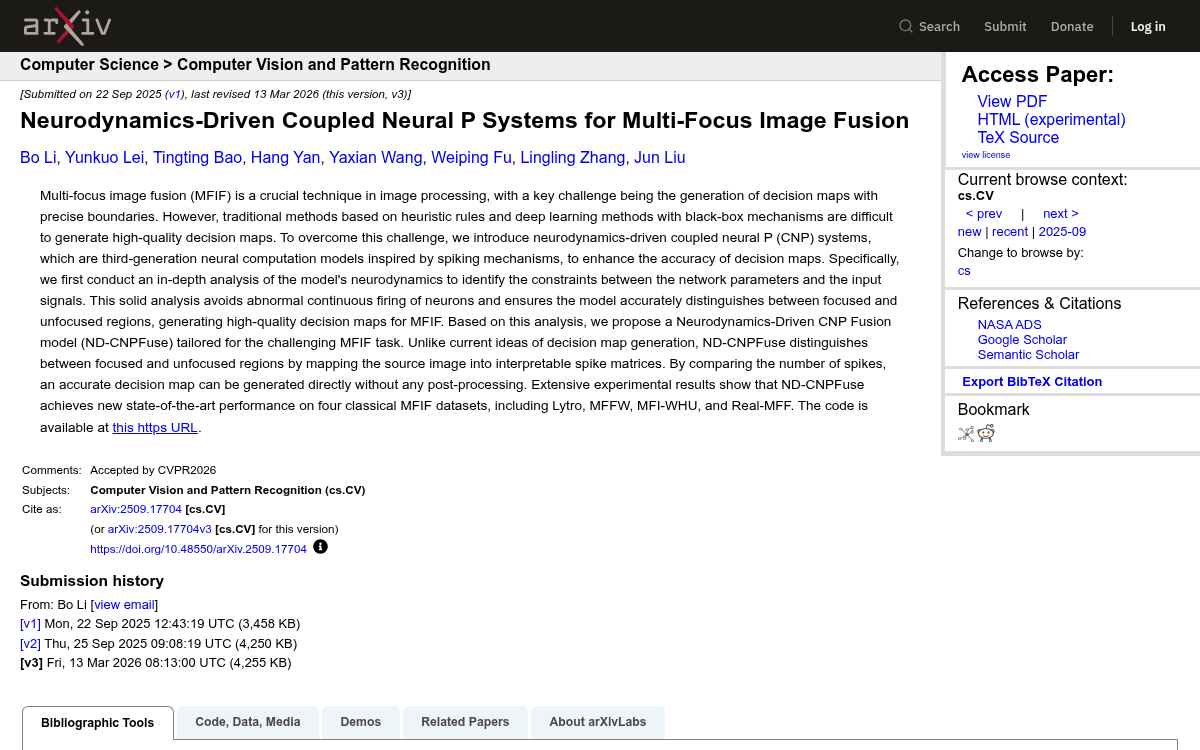
Xi'an Jiaotong's ND-CNPFuse Beats Nine Deep Learning Models Without Any Training
A training-free spiking-neuron approach to multi-focus image fusion delivers state-of-the-art results across four benchmarks while running in 0.18 seconds on CPU.
20 stories

A training-free spiking-neuron approach to multi-focus image fusion delivers state-of-the-art results across four benchmarks while running in 0.18 seconds on CPU.

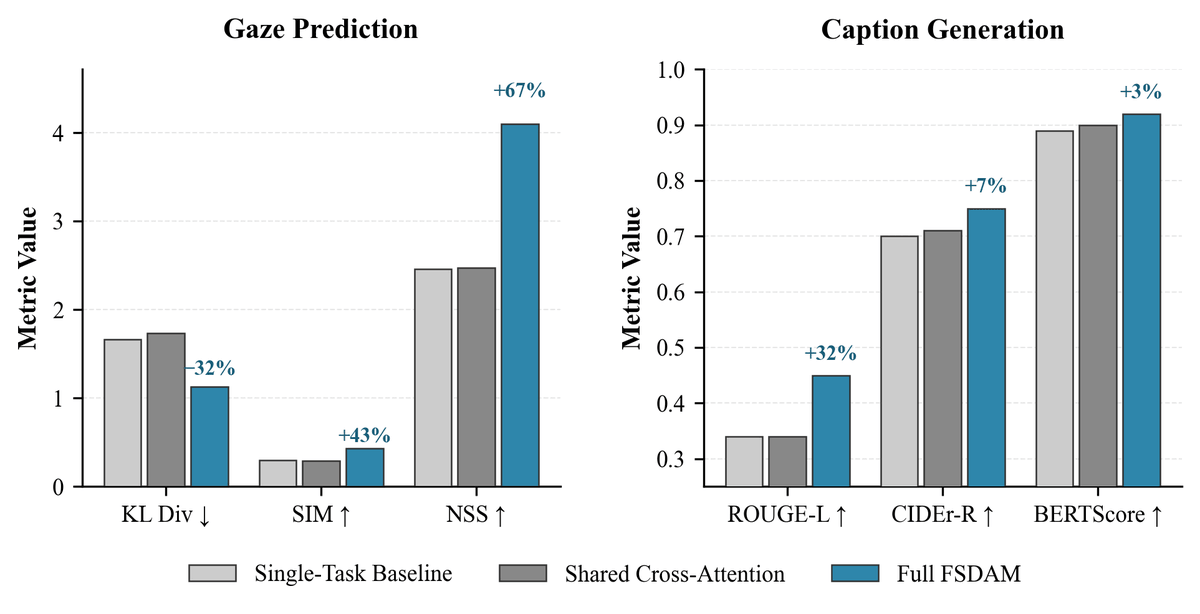
A new framework predicts where drivers look and why using only 90 annotated examples, matching models trained on hundreds of thousands of frames.

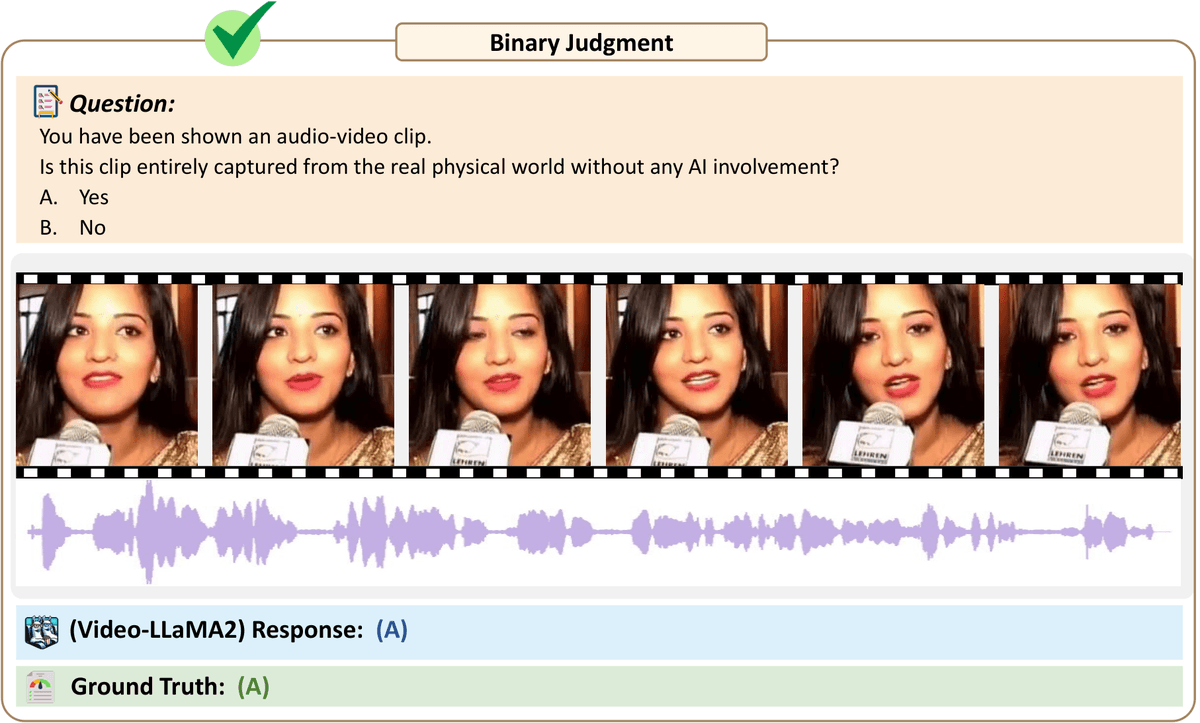
A new benchmark tests whether audio-video language models can spot forgeries beyond faces, and finds them strong at yes/no but weak at explaining why.

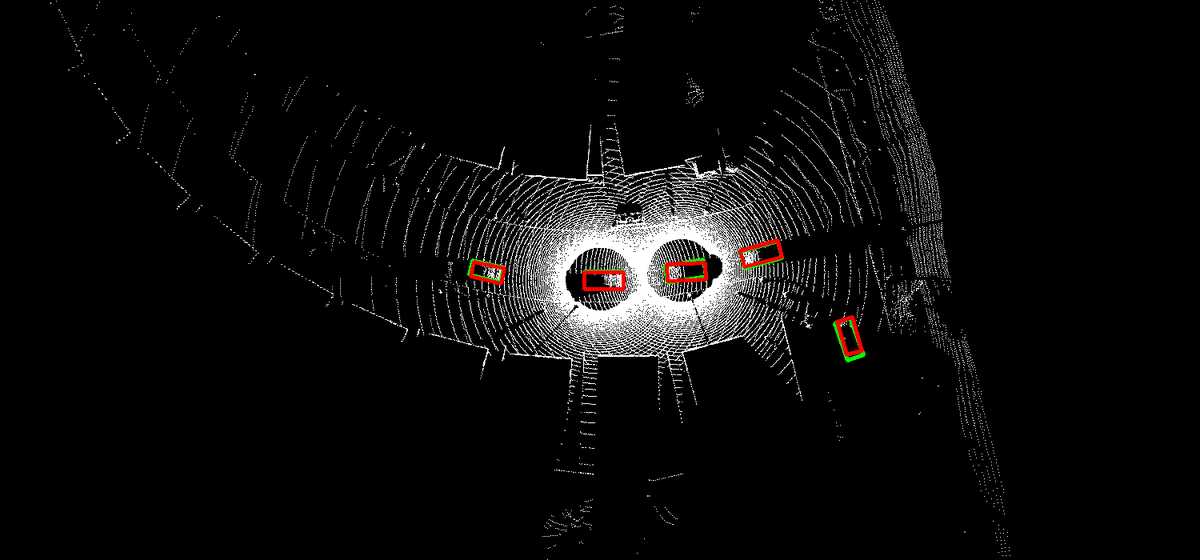
A new cooperative perception framework cuts V2X bandwidth by up to 500x by learning which features each vehicle should transmit and dropping cross-agent duplicates.

A tightly coupled visual-inertial Gaussian Splatting SLAM system from ETH Zurich beats top baselines on tracking and rendering across five datasets.

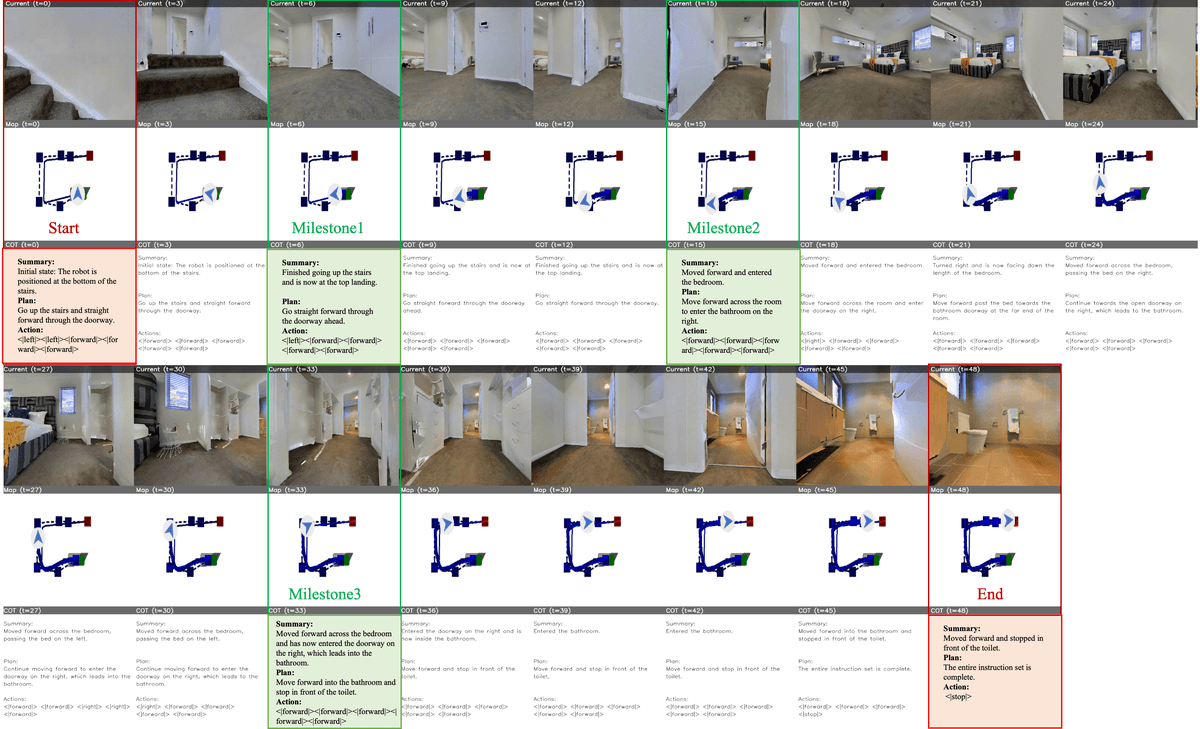
Alibaba's NavForesee fuses hierarchical language planning with a dual-horizon world model, hitting 66.2% success and 78.4% oracle success on R2R-CE navigation.

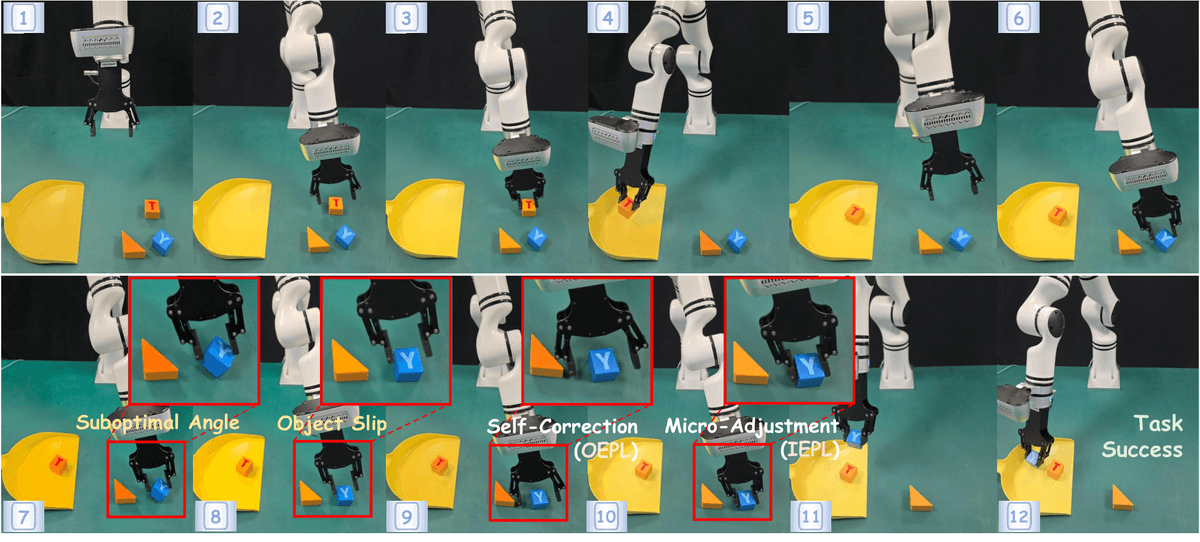
A hierarchical world model turns long-horizon robot instructions into physically plausible videos, boosting policy success from 27.7% to 43.5%.

A two-stage reinforcement learning recipe teaches medical vision-language models to actually look at chest X-rays before writing reports, cutting hallucinations without preference data or retrieval databases.

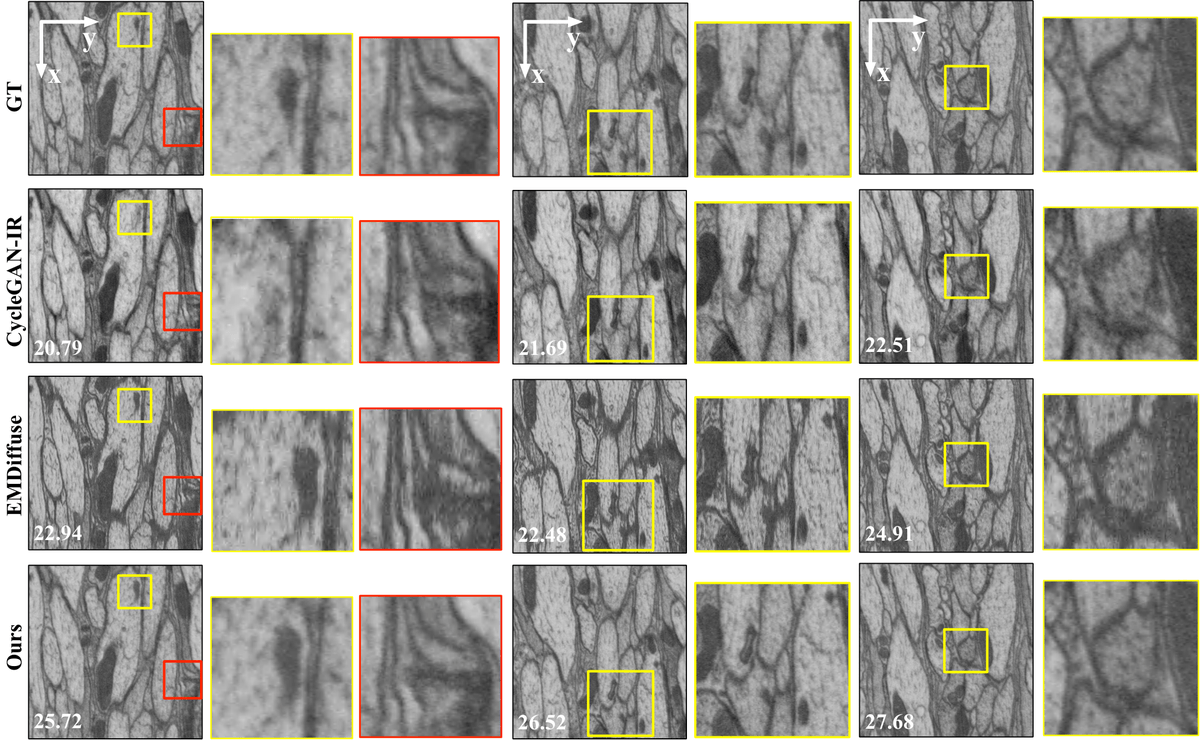
A Shanghai Jiao Tong team turns axial slice progression into a time axis and uses deformable Gaussian splatting to fill missing electron microscopy slices.

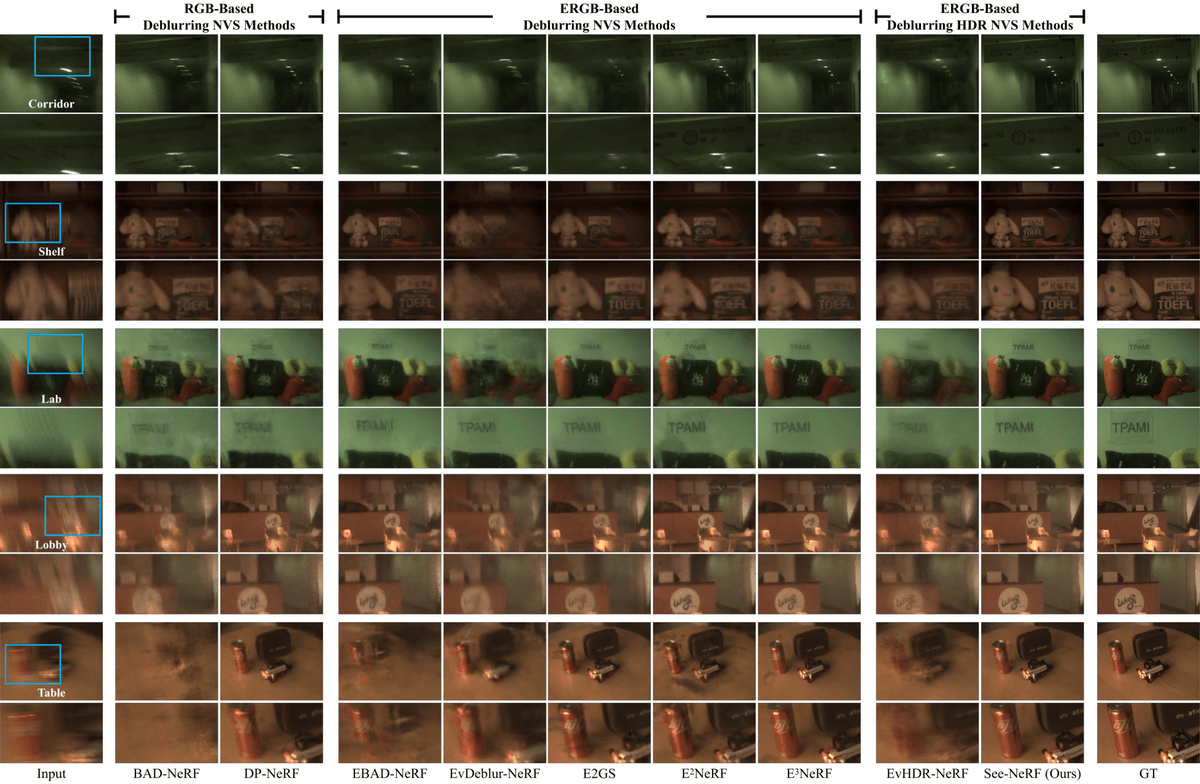
See-NeRF reconstructs sharp HDR 3D scenes from single-exposure blurry images plus event camera data by explicitly modeling sensor physics.

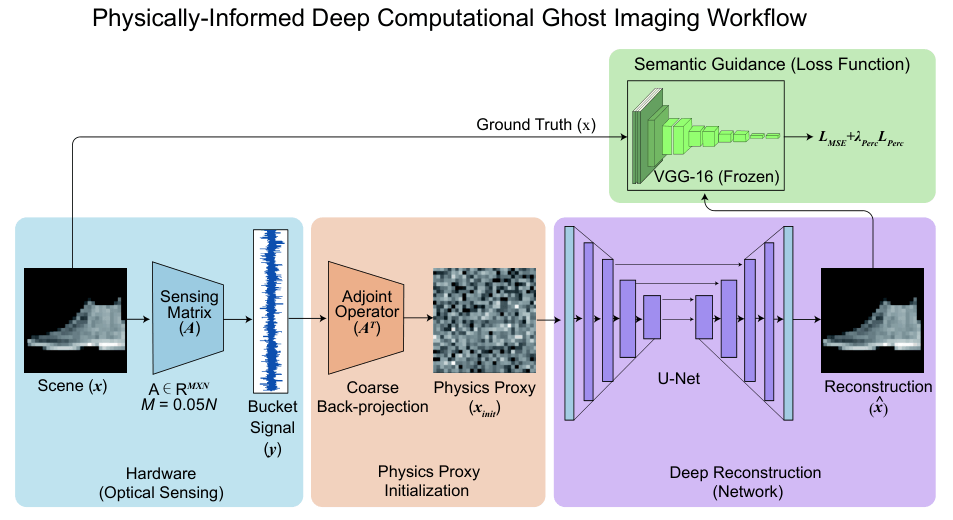
A physics-informed pipeline for single-pixel cameras hits 5% sampling with 2.57% higher accuracy and 9x lower variance than standard baselines.

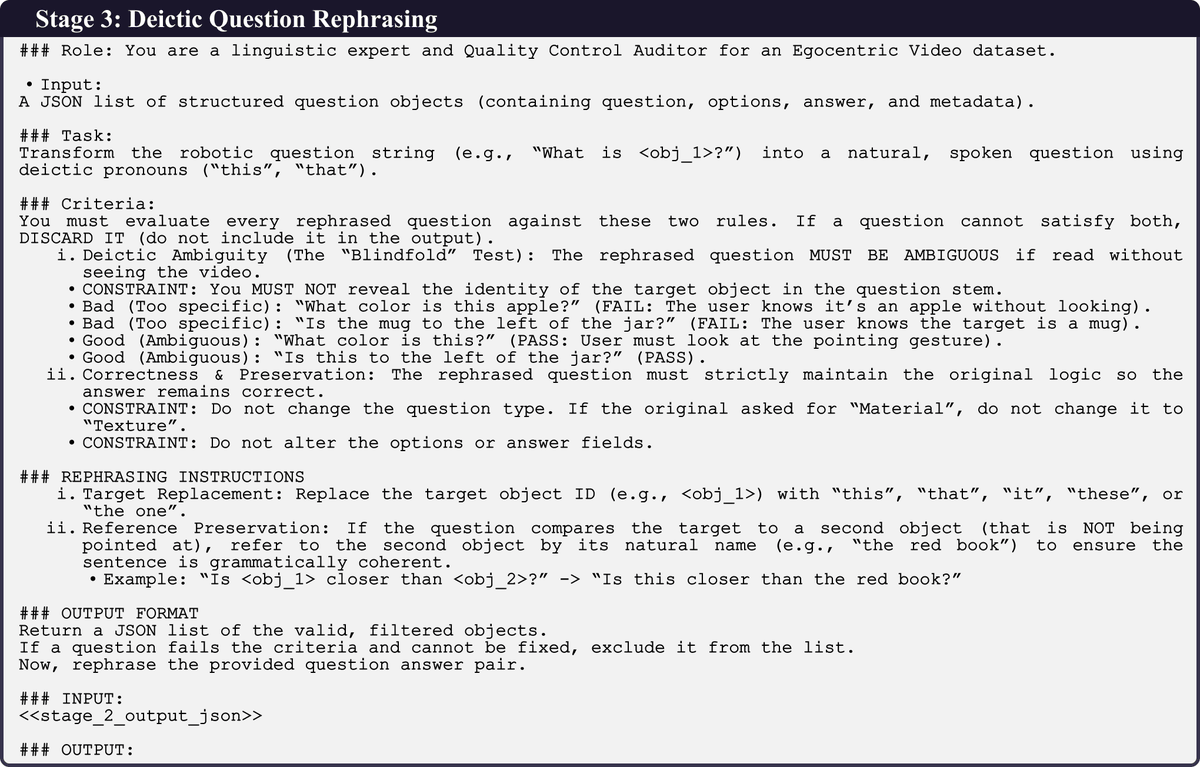
A new benchmark and method teach multimodal models to interpret pointing gestures in first-person video, closing a gap where even GPT-5 struggles.

A controlled study inside LLaVA shows that swapping image encoders shifts spatial reasoning more than architecture tweaks, and neither fully fixes it.

A hybrid CNN-Transformer-Mamba network flips the usual encoder-heavy design and delivers state-of-the-art scores across seven medical imaging benchmarks with fewer parameters.

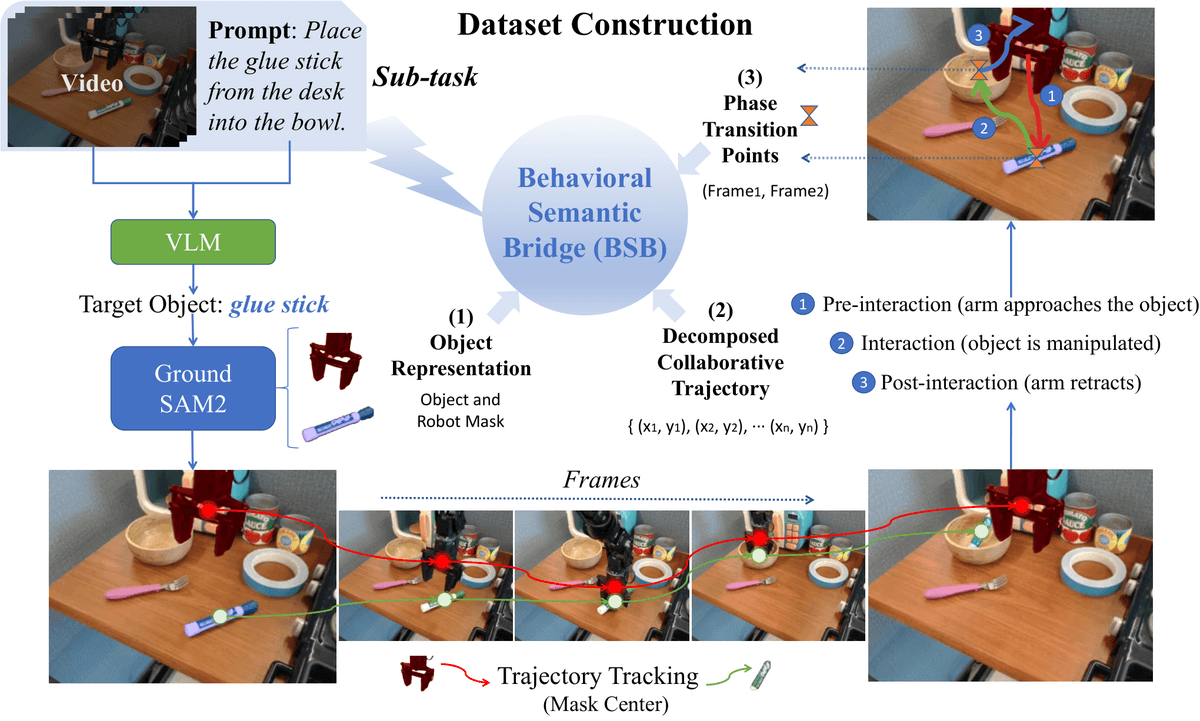
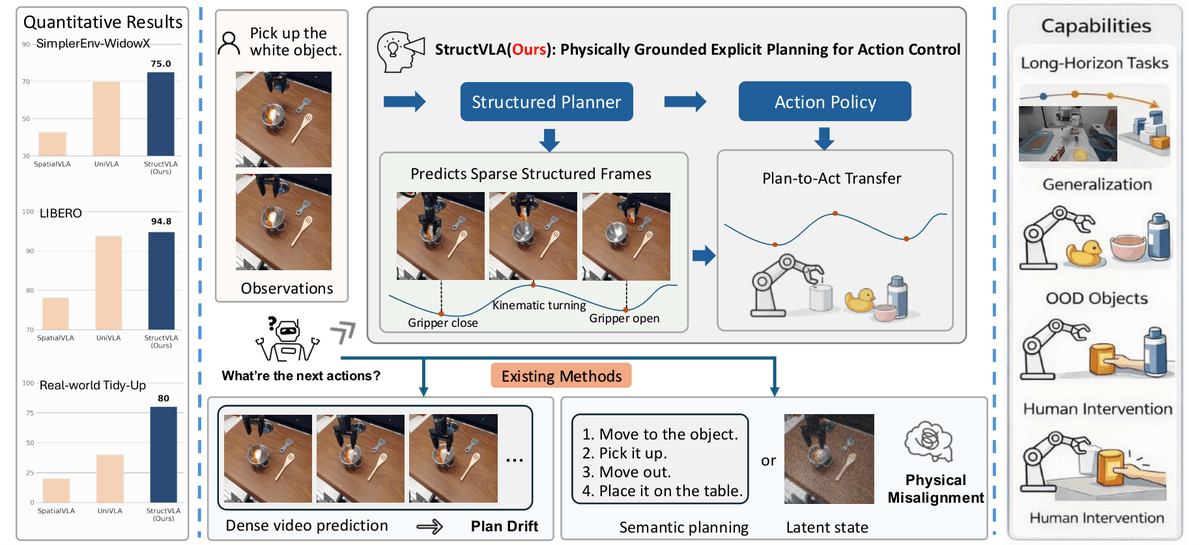
A new Vision-Language-Action model swaps dense video prediction for sparse kinematic milestones, hitting 94.8% on LIBERO and 75% on SimplerEnv-WidowX.

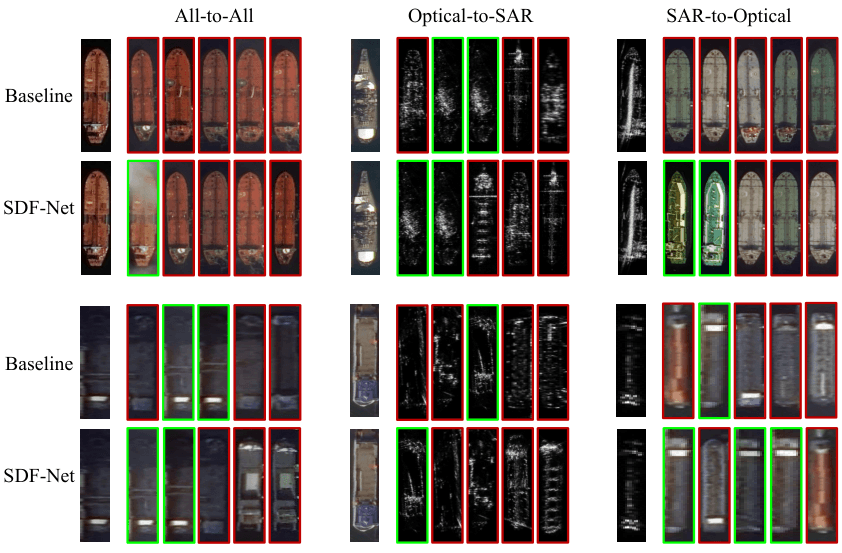
A new satellite-imagery model matches ships across optical and radar sensors by anchoring on hull geometry instead of texture, hitting 60.9% mAP on HOSS-ReID.

Neural Gate uses neuron-level gradient truncation to teach vision-language models to refuse privacy-sensitive prompts without breaking their normal task performance.

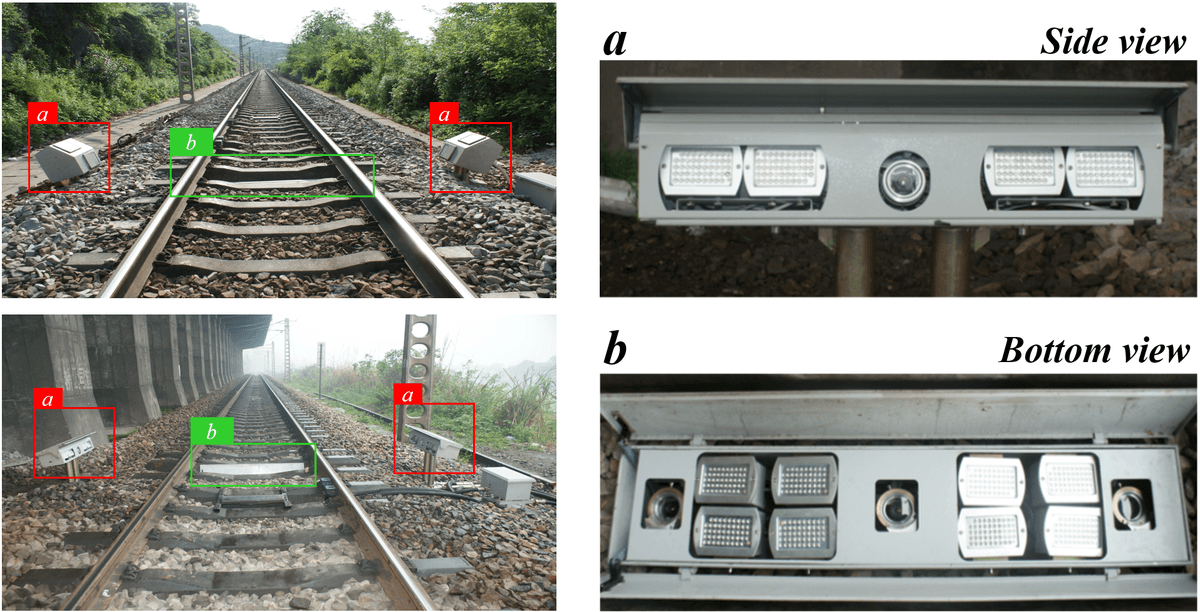
A self-prompting SAM variant with a TinyViT backbone hits 74.6 APbox on freight train fault segmentation while staying edge deployable.

MV-GRPO turns sparse single-prompt reward signals into dense multi-view supervision by rewriting captions, boosting Flux.1-dev alignment without regenerating samples.

A dual-tower diffusion transformer imagines physically consistent robot rollouts, then uses them to refine policies without touching real hardware.