A new NeurIPS paper shows how to blend return-conditioned supervised learning with Q-functions by weighting the Q-aid based on how good each trajectory is.
A finite-difference recipe turns influence-function derivations into black-box function evaluations, extending debiased estimation to constrained MDPs and sensitivity analysis.
A CVPR paper proves scaling laws for neural fields and proposes a new weight initialization that cuts parameter counts from super-quadratic to quadratic growth.
New theory shows softmax's magic is really Frobenius norm control, and a scaled cubic polynomial matches or beats it across vision, detection, long-range and PDE tasks.
A new algorithm delivers the first computationally efficient, rate-optimal regret bound for infinite-horizon linear MDPs, closing a longstanding gap in RL theory.
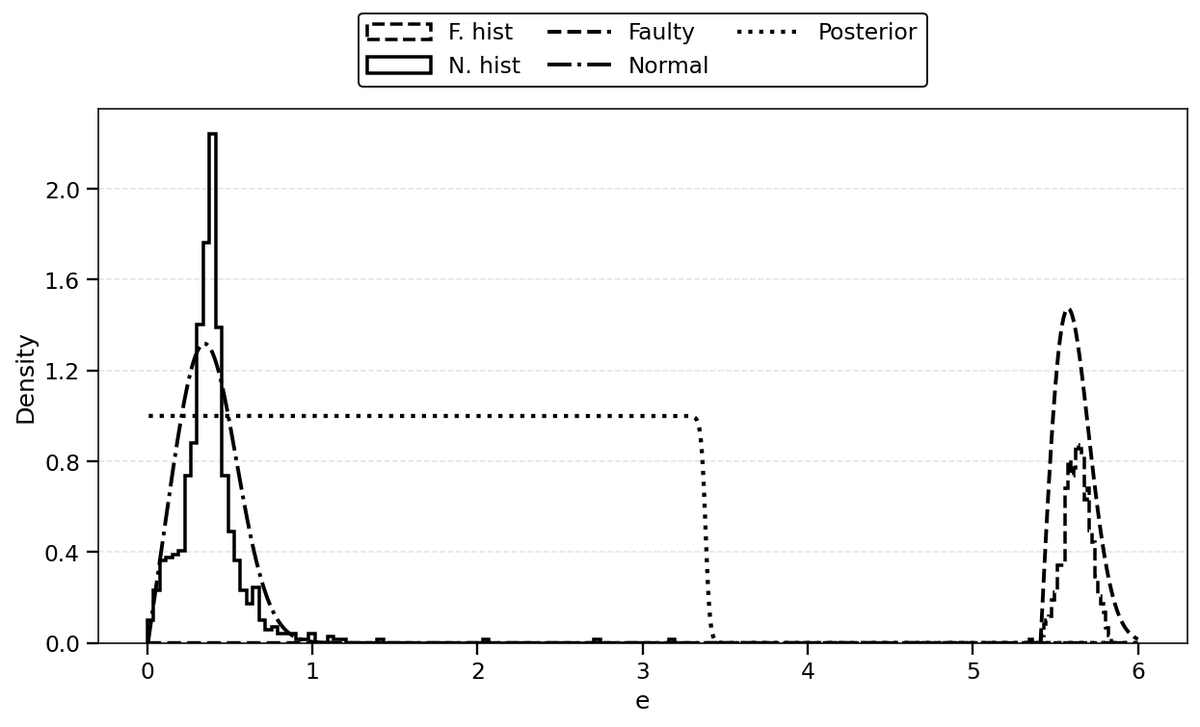
A convolutional autoencoder trained on just 100 unlabeled diffraction patterns filters out corrupted electron beam shots with a false positive rate near 0.3%.
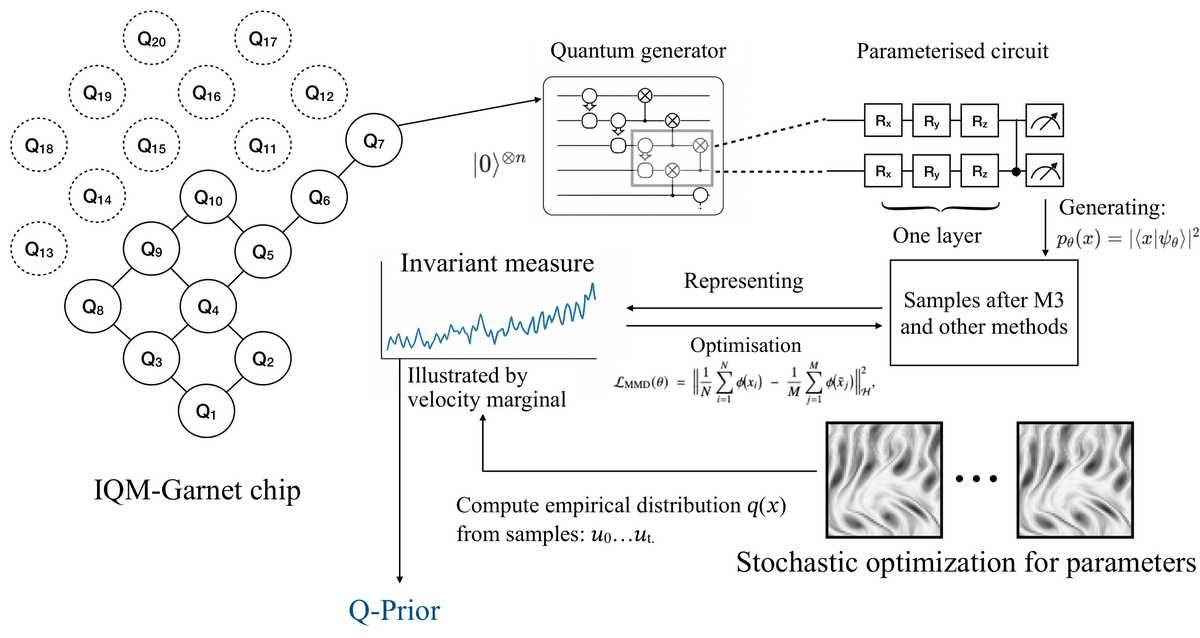
A hybrid framework trains a tiny quantum circuit as a statistical prior that stabilizes long-horizon turbulence forecasts while shrinking datasets by 200x.
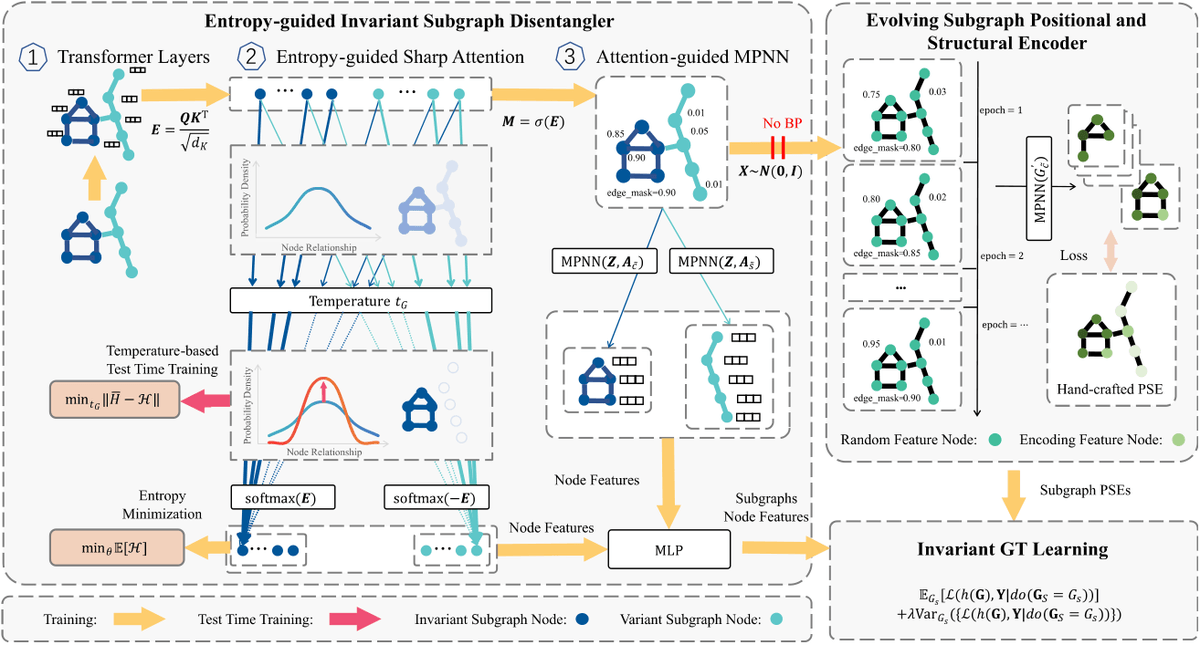
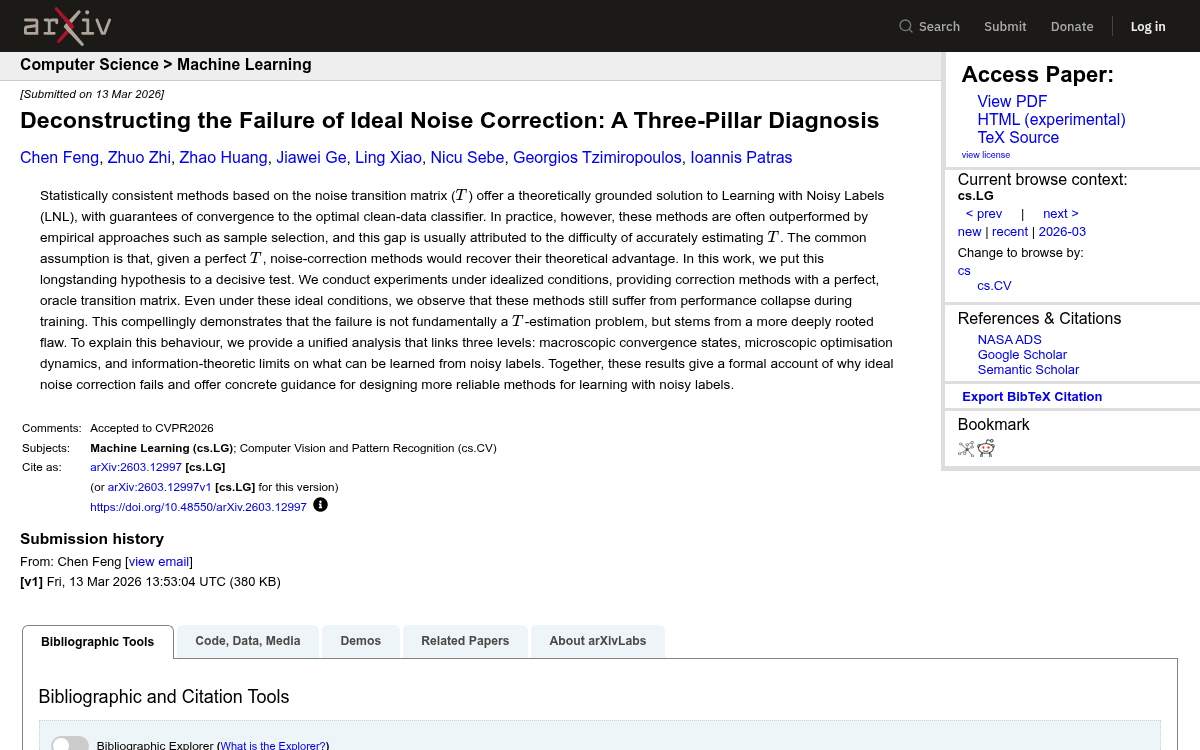
GOODFormer teaches graph transformers to separate causal structure from spurious patterns, delivering double-digit accuracy gains when test graphs differ from training data.
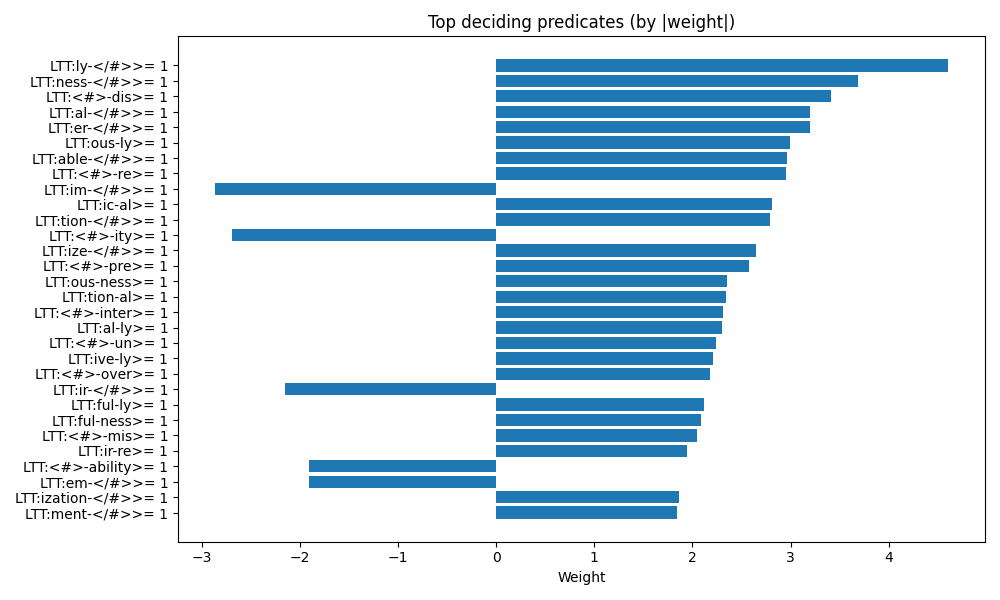
A new proof shows that the language patterns behind phonology and morphology can be learned exactly by plain logistic regression over interpretable features.
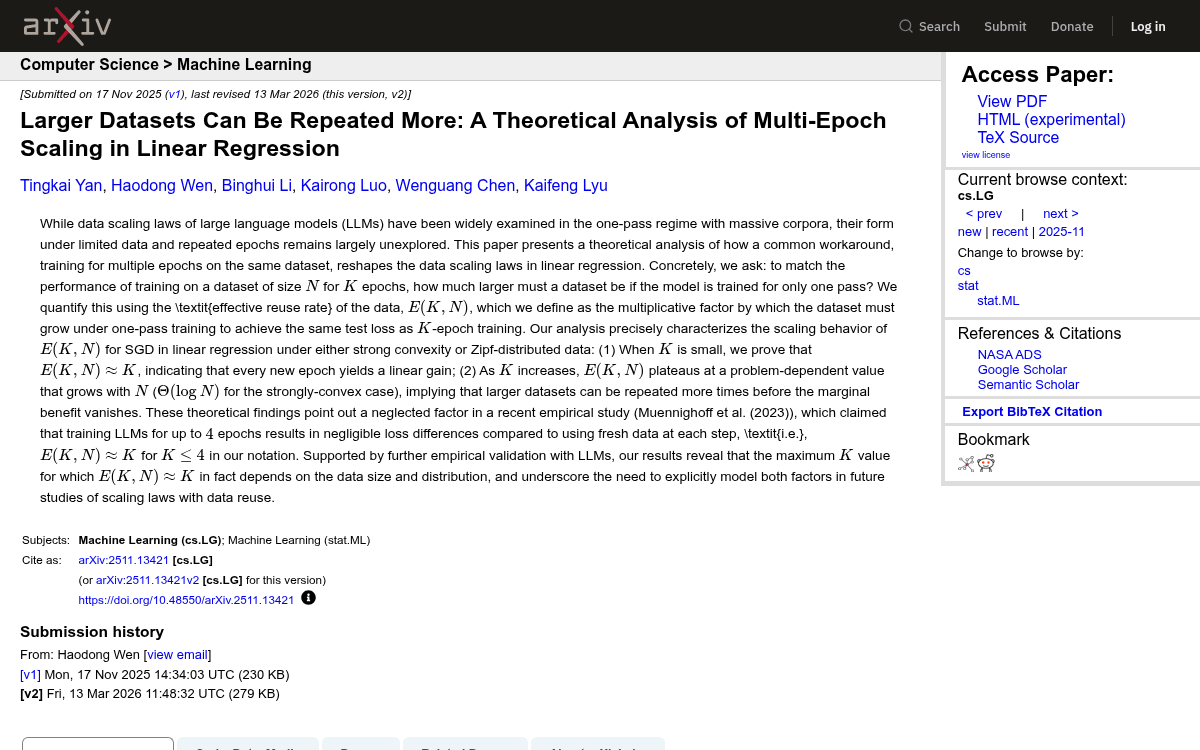
New theoretical analysis shows the popular 4-epoch data reuse rule ignores dataset size, with LLM experiments confirming larger datasets tolerate more repetition.
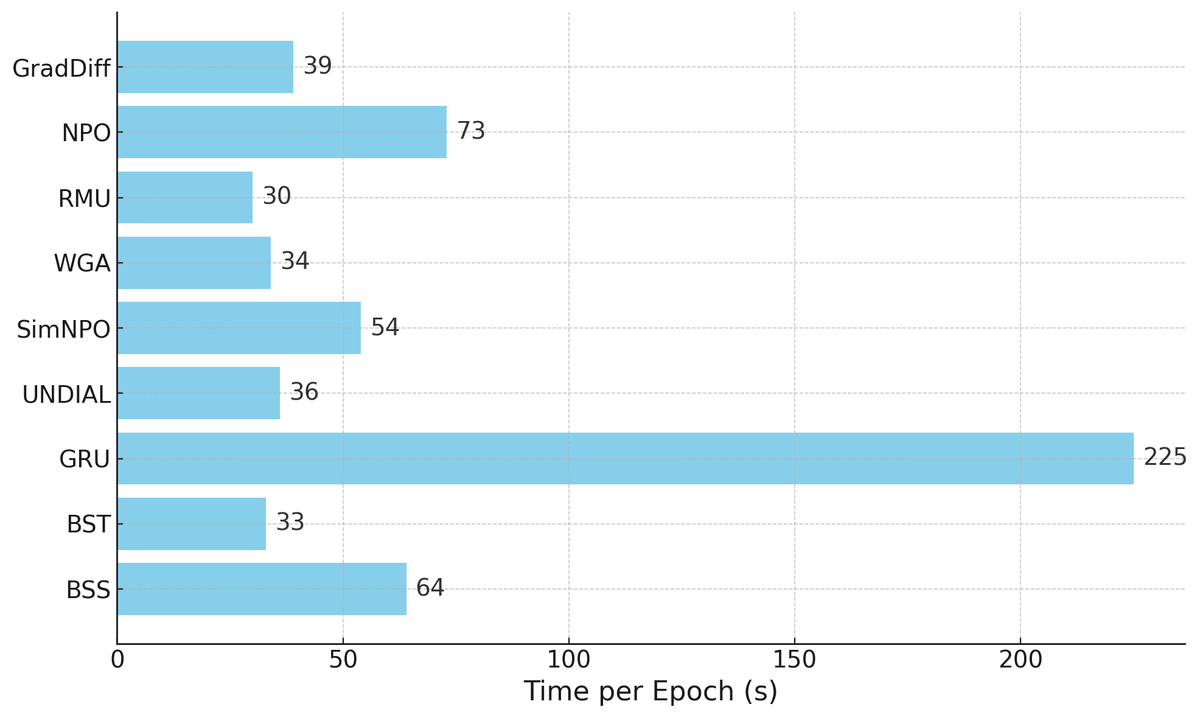
New research shows popular LLM unlearning methods only appear to erase knowledge, secretly relocating it into paraphrased responses that evade standard metrics.
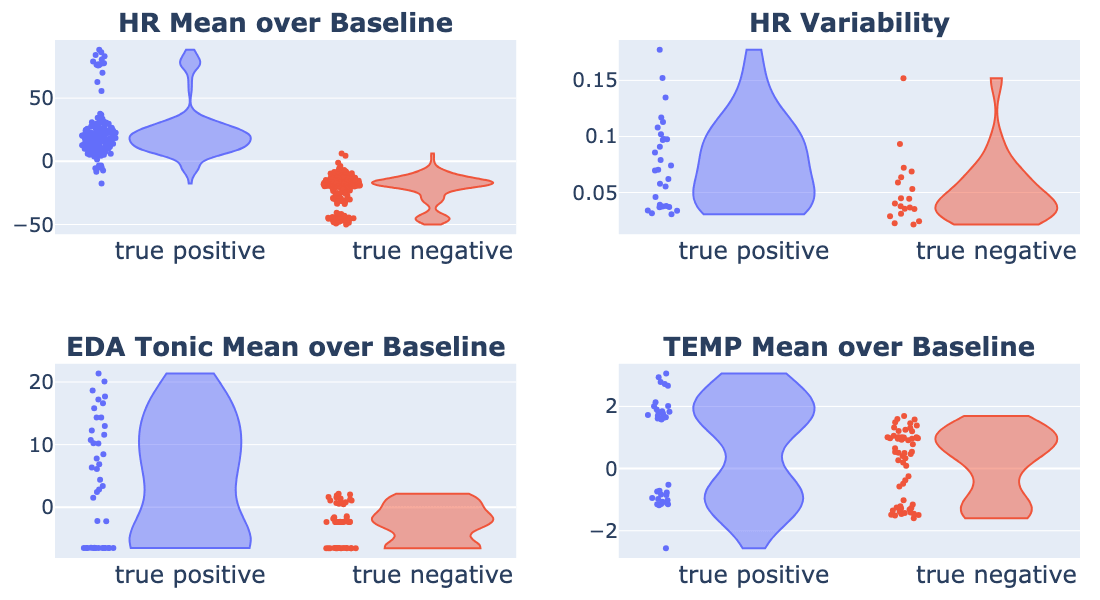
A new explainable AI approach decomposes wearable signals into interpretable pieces, keeping raw time-series accuracy while telling clinicians which physiological patterns drove each prediction.
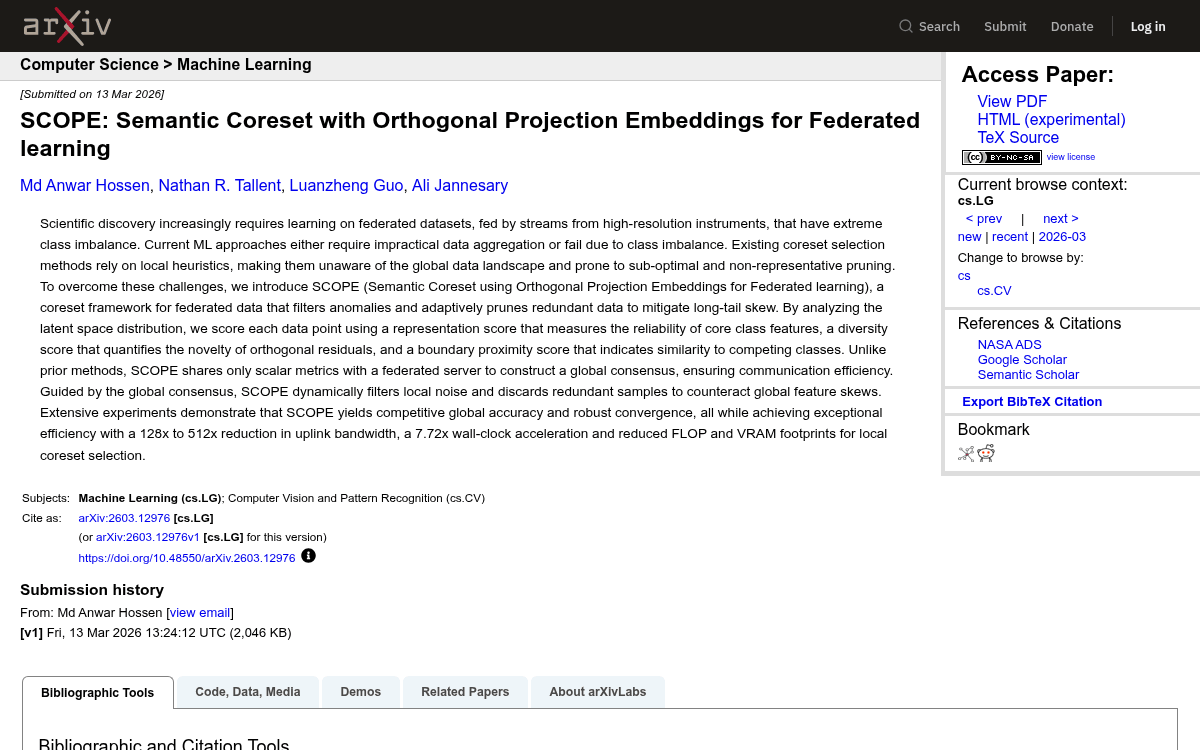
SCOPE uses vision-language embeddings to prune federated scientific datasets, cutting uplink bandwidth up to 512x and accelerating coreset selection 7.72x.
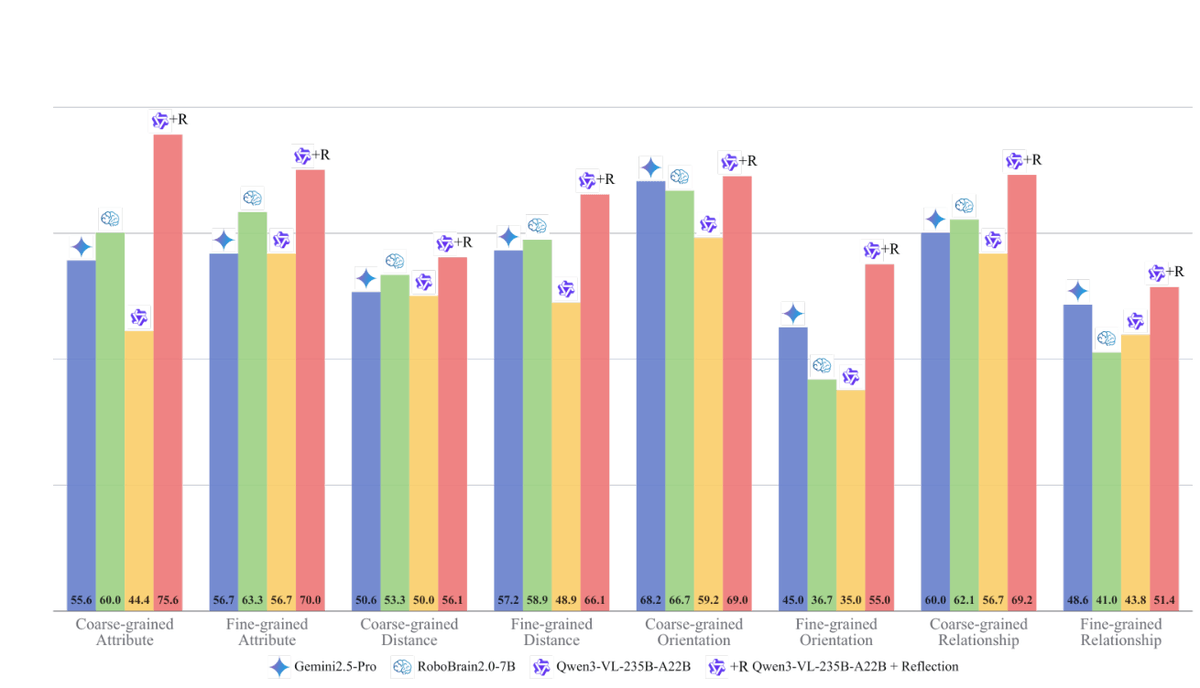
ESPIRE puts frontier vision-language models inside a physics simulator and asks them to actually pick and place, exposing sharp weaknesses in 3D rotation reasoning.