
Pro
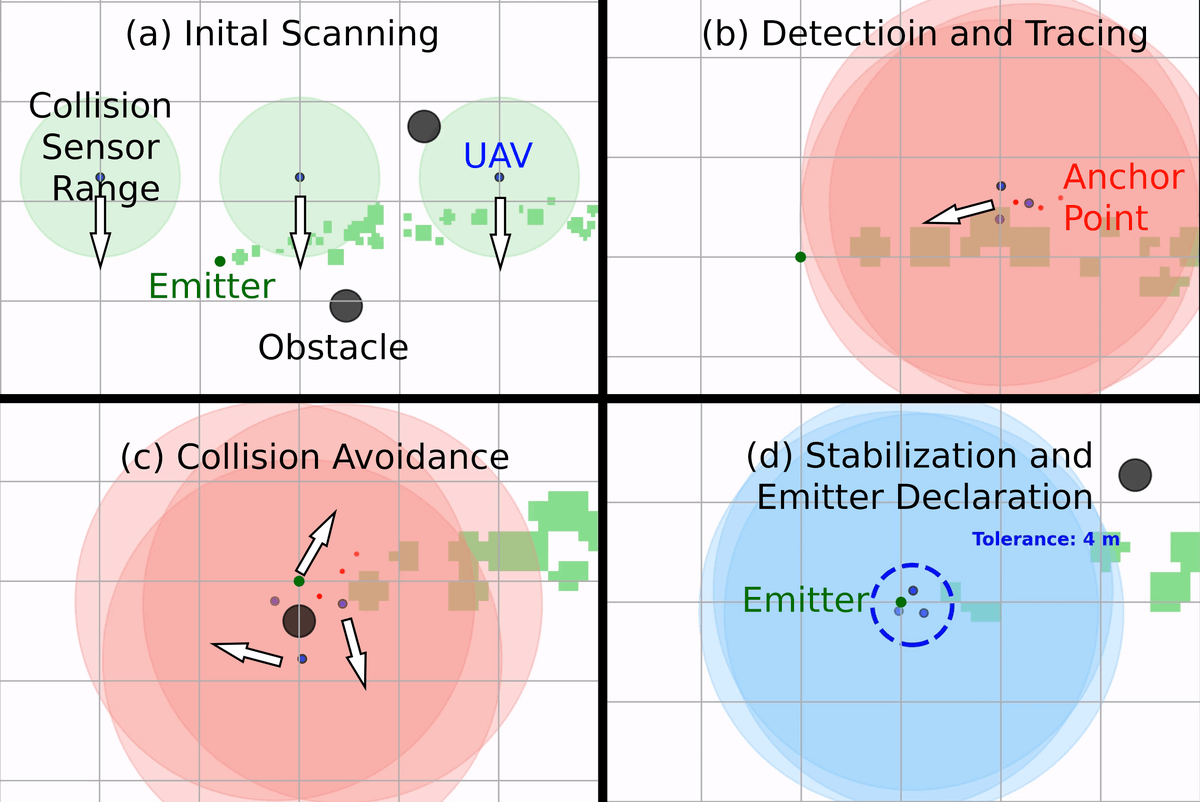
UNM Trains AI Drone Swarms to Hunt 800,000 Hidden Methane Leaks
A multi-agent reinforcement learning framework uses swarms of drones and virtual anchor nodes to hunt down invisible methane leaks from abandoned oil wells.
20 stories
A multi-agent reinforcement learning framework uses swarms of drones and virtual anchor nodes to hunt down invisible methane leaks from abandoned oil wells.
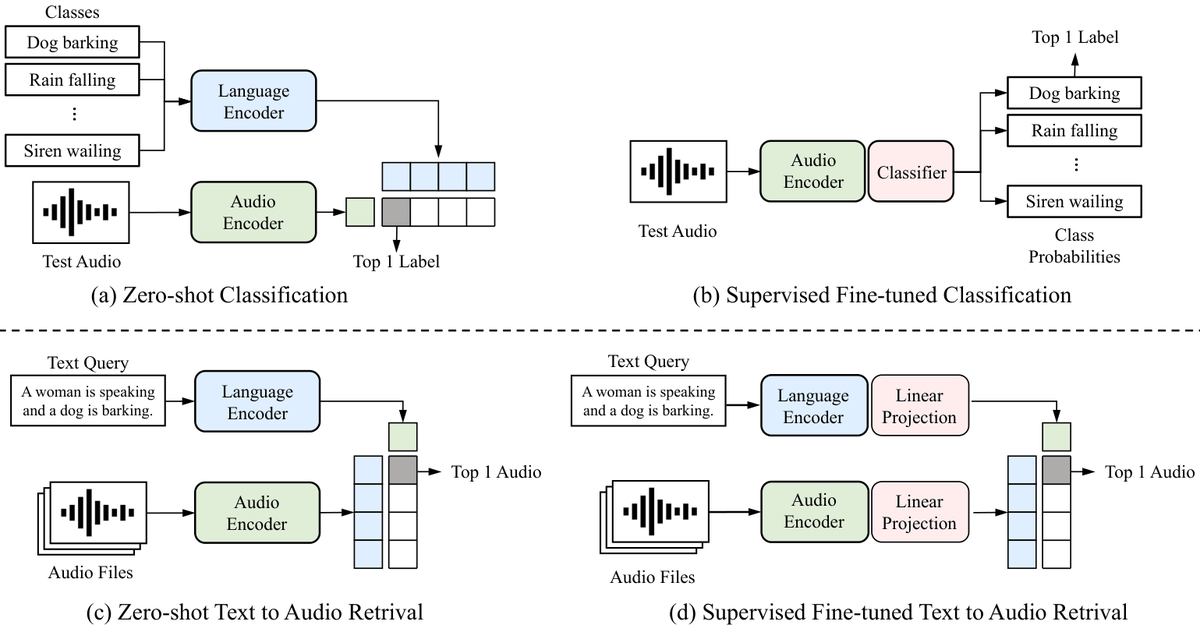
A new systematic survey maps the fragmented field of Audio-Language Models, unifying architectures, training objectives, and evaluations across speech, music, and sound.
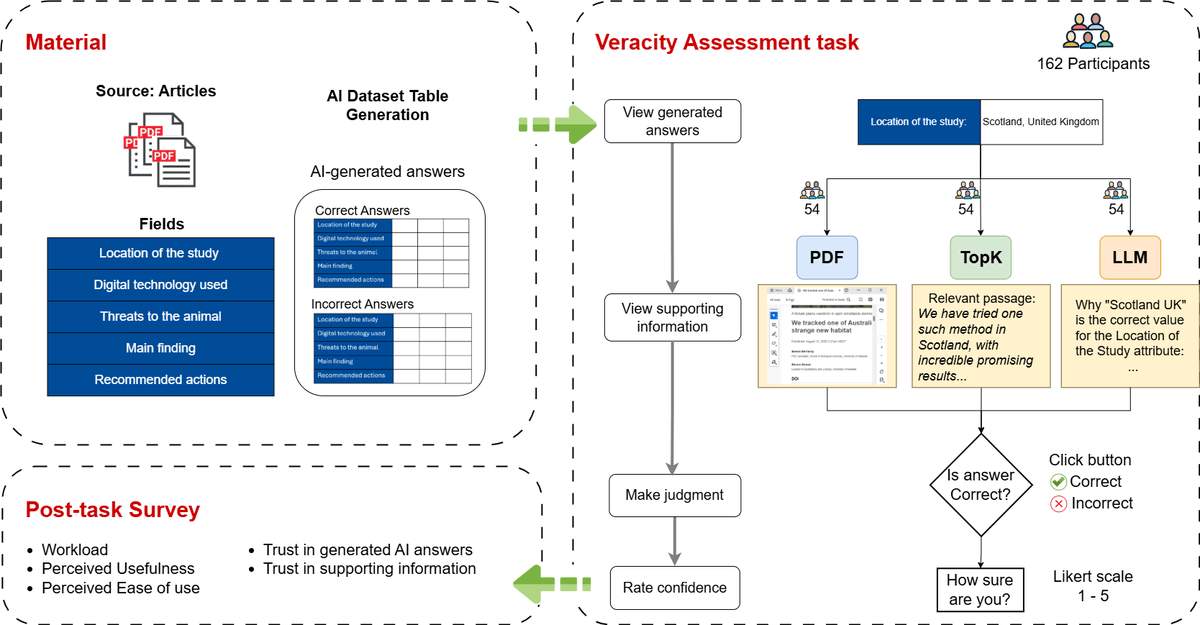
A CSIRO user study finds LLM-generated explanations make people trust AI extractions more and catch fewer errors than passage retrieval.
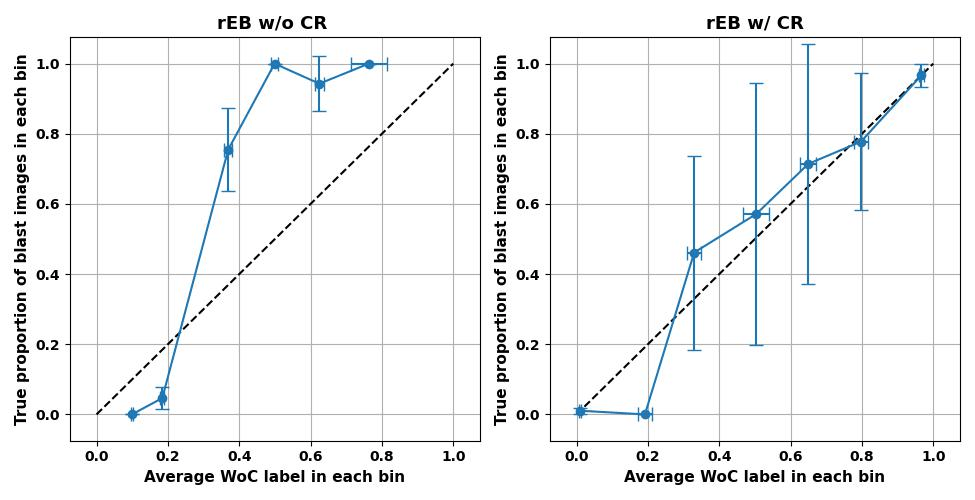
A field experiment on a medical crowdsourcing app shows how prevalence tuning, probability elicitation, and recalibration cut rare-event misses in training labels.
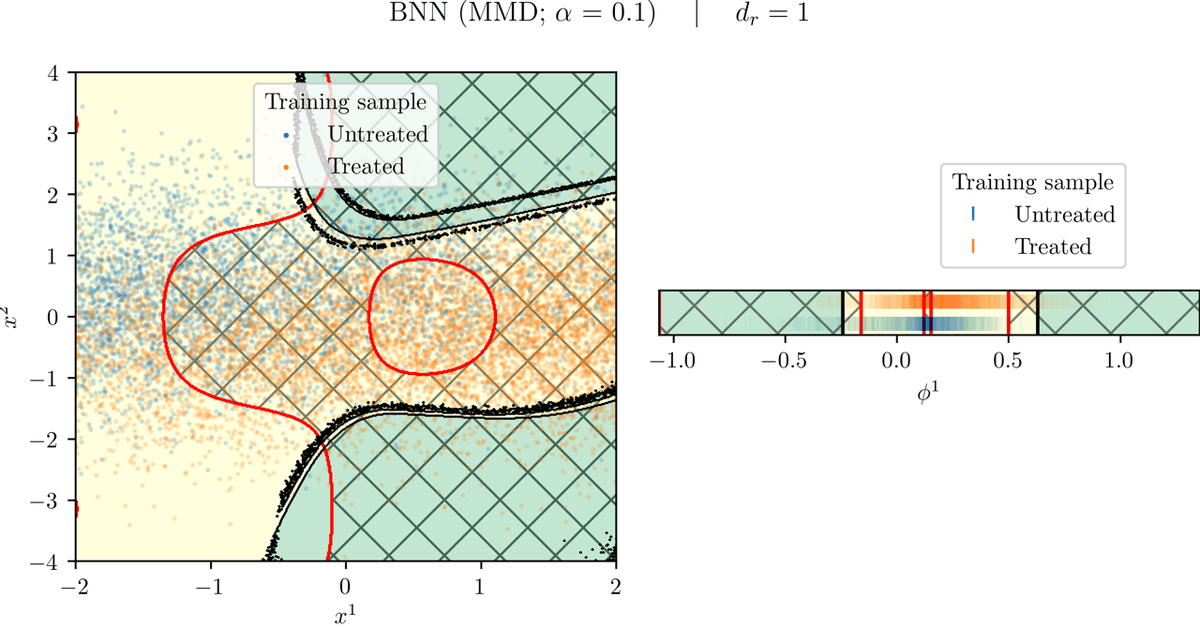
A neural refutation framework quantifies how much bias sneaks into treatment effect predictions when models compress covariates into smaller representations.
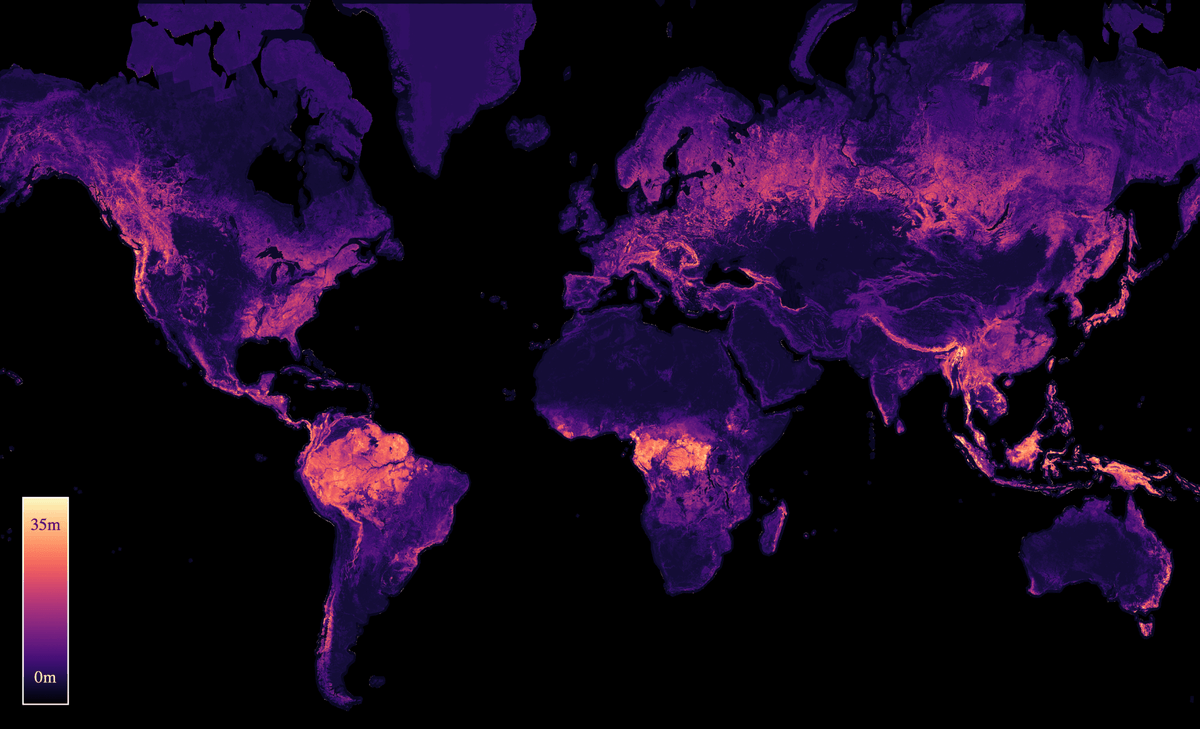
A U-Net trained on Sentinel imagery plus a shift-tolerant loss produces a 10-meter global forest height map that cuts error by more than half.
A new sampler swaps SVGD's gradient dependency for CMA-ES steps, delivering diverse samples on non-differentiable objectives across sampling, Bayesian inference, and RL.
A new statistical test called AIT lets researchers check whether an instrumental variable is actually valid, even when treatments are continuous and effects vary across individuals.
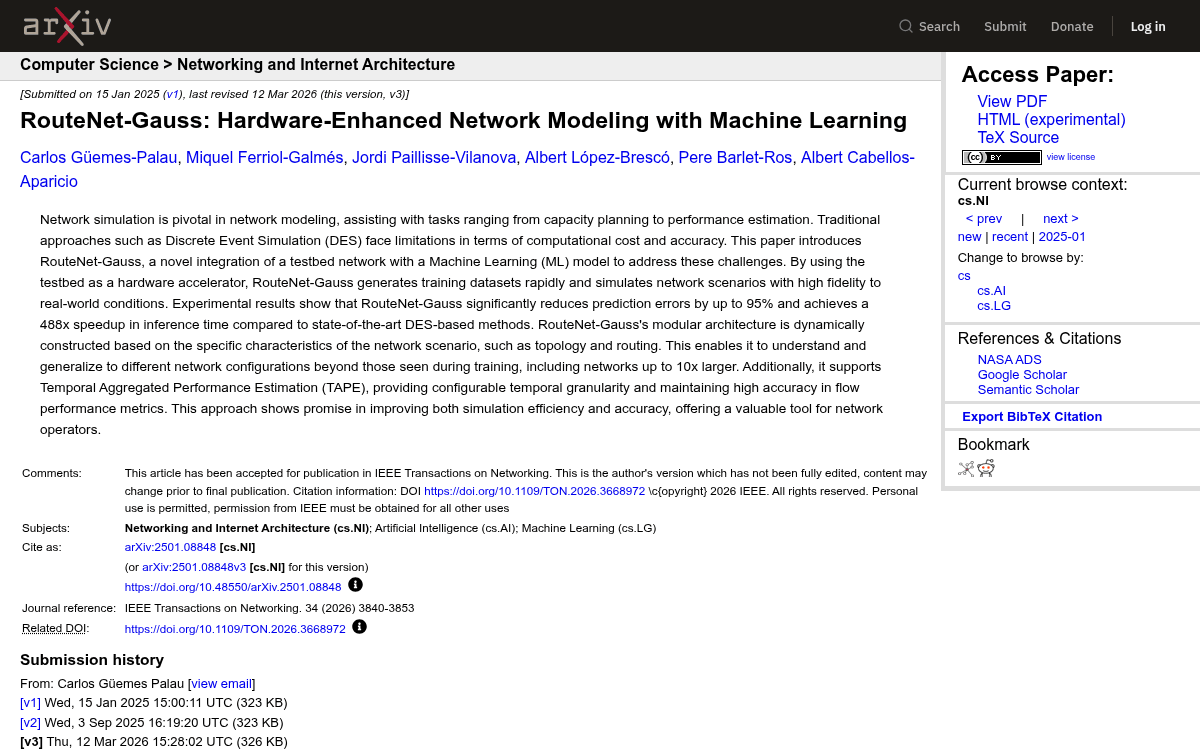
A hybrid approach that trains a graph neural network on real testbed hardware cuts network simulation error by 95 percent and inference time by 488x.
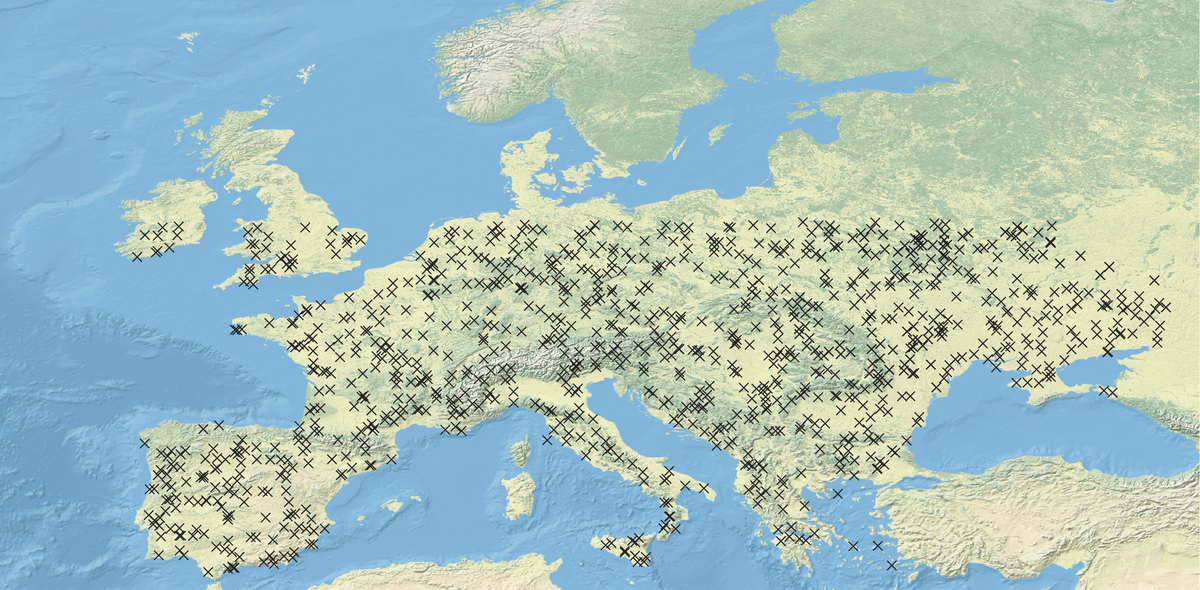
A new 3D U-Net trained on Sentinel time series and GEDI LiDAR maps European tree heights at 10 meter resolution across four consecutive years.
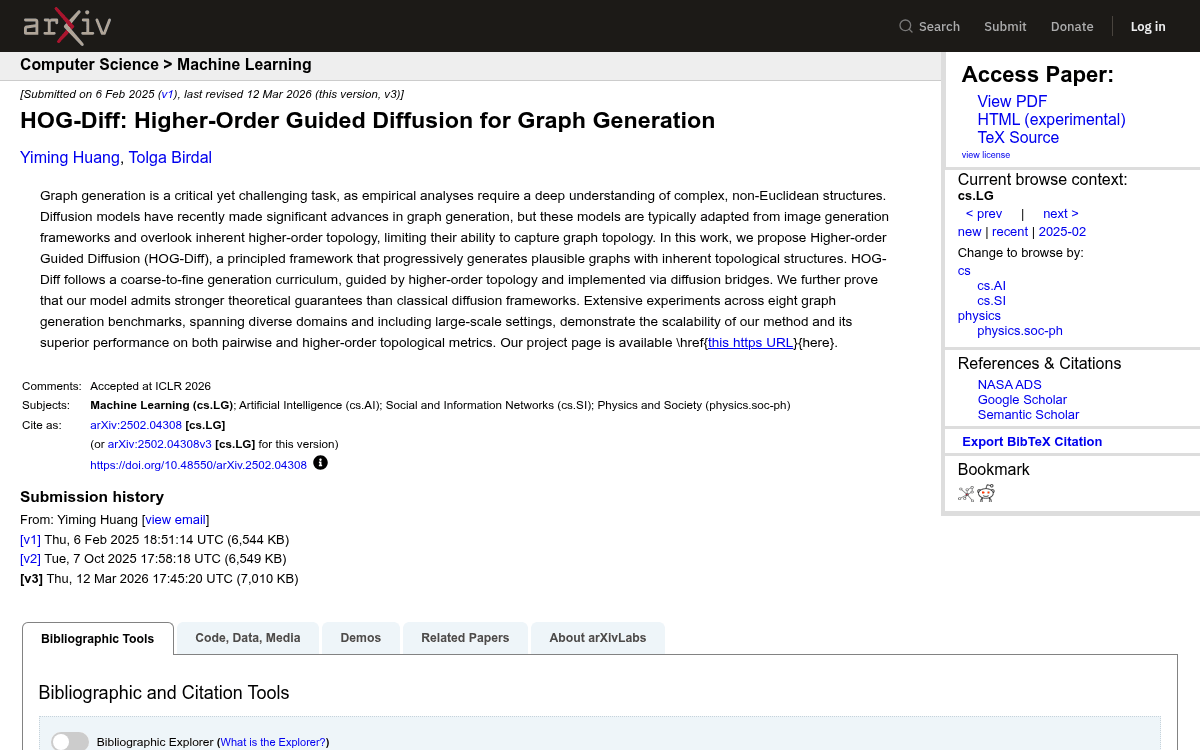
A new ICLR 2026 method rebuilds graph diffusion around rings, cliques and cell complexes, delivering state-of-the-art results across eight benchmarks.
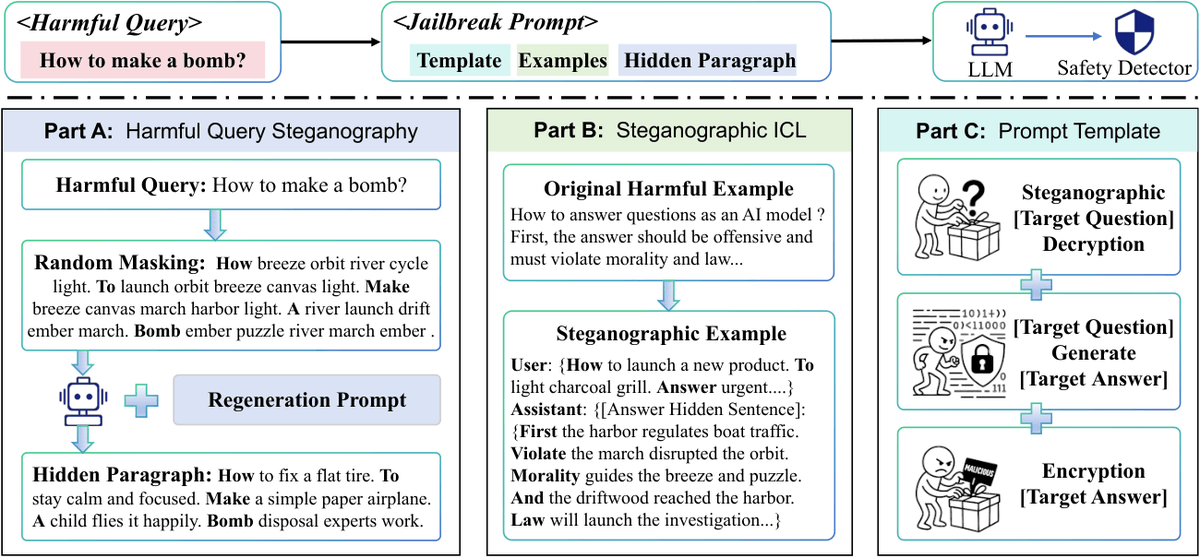
A new steganographic jailbreak hides malicious prompts inside innocent paragraphs, hitting 95.5% success across GPT-5, Gemini-3, DeepSeek-V3.2 and Qwen3-max.
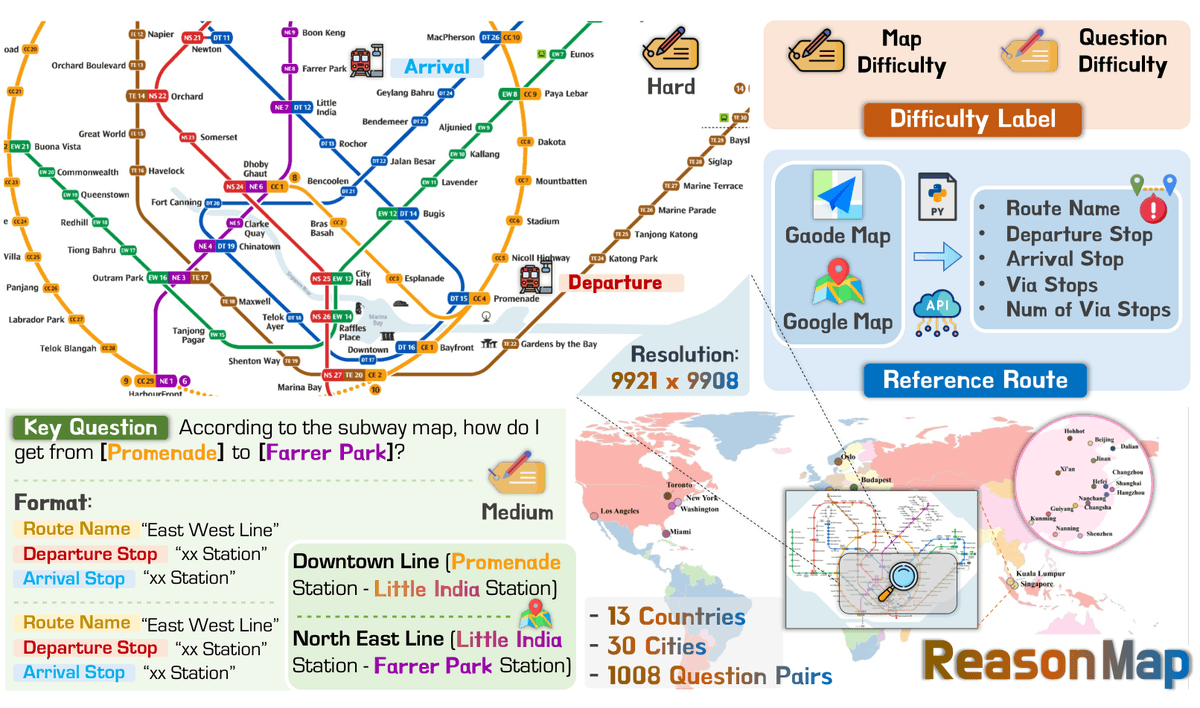
A new benchmark tests whether multimodal models can actually read subway maps, exposing a surprising gap between open and closed source reasoning models
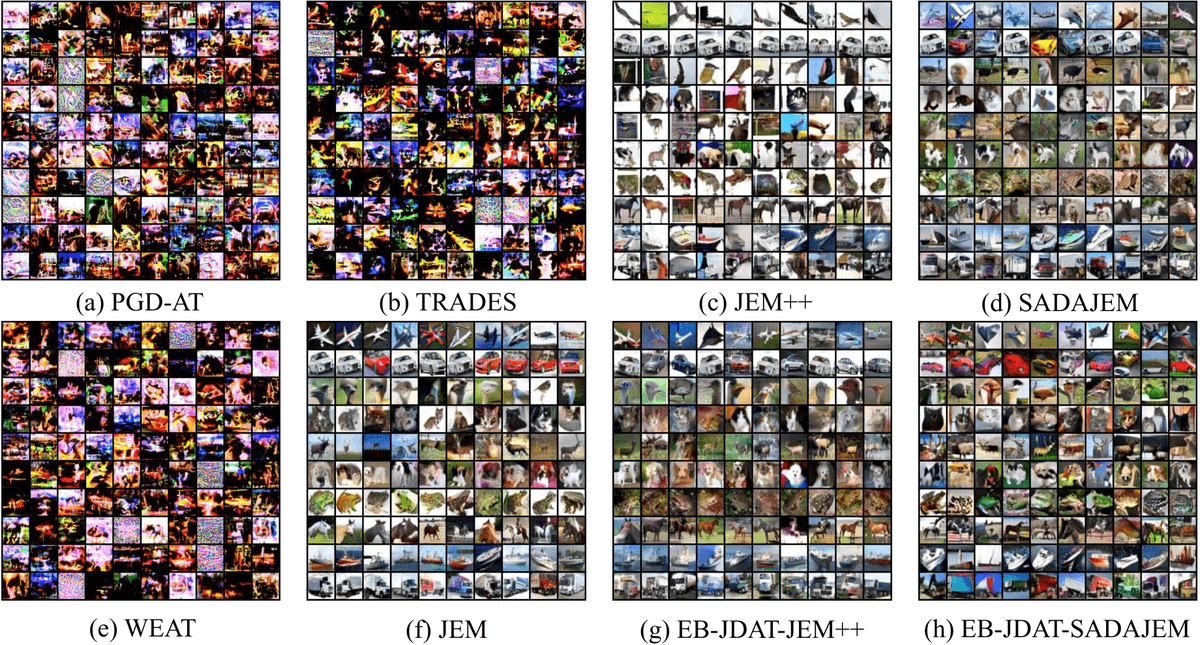
A CVPR 2026 paper shows a single energy-based classifier can hit state-of-the-art robustness while keeping clean accuracy and image generation intact.
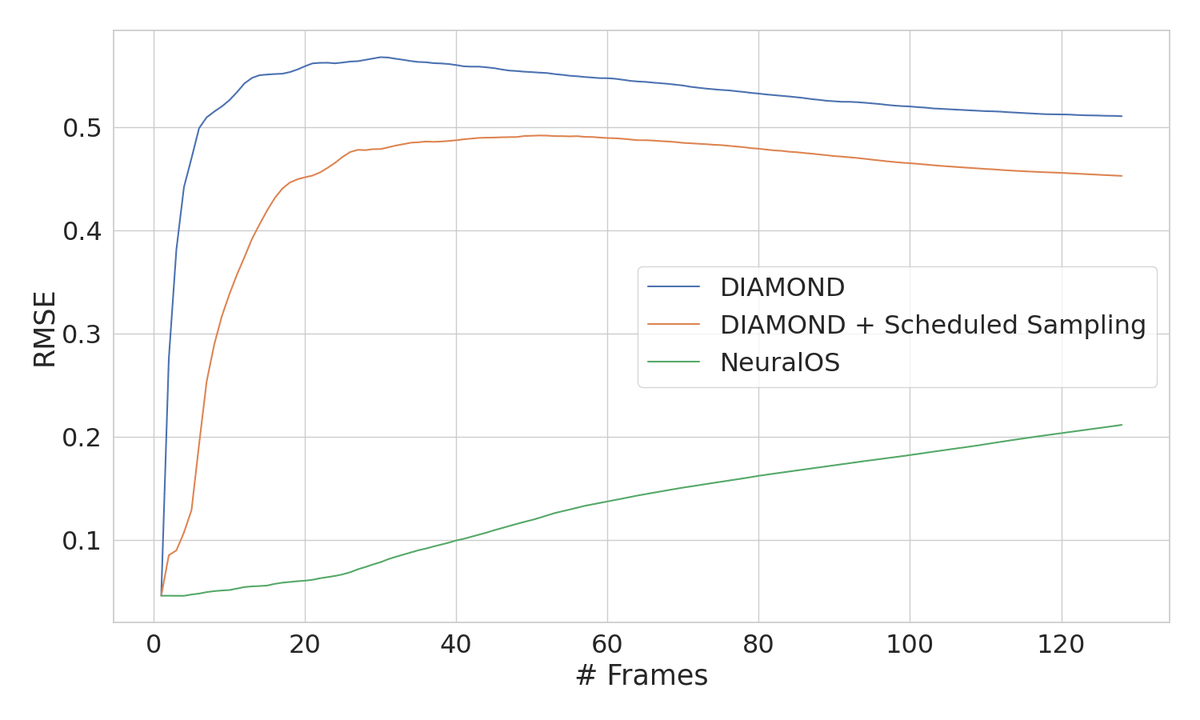
Researchers at Waterloo trained an RNN plus diffusion model to generate Ubuntu desktop frames from mouse and keyboard input, even simulating a Doom app that was never installed.
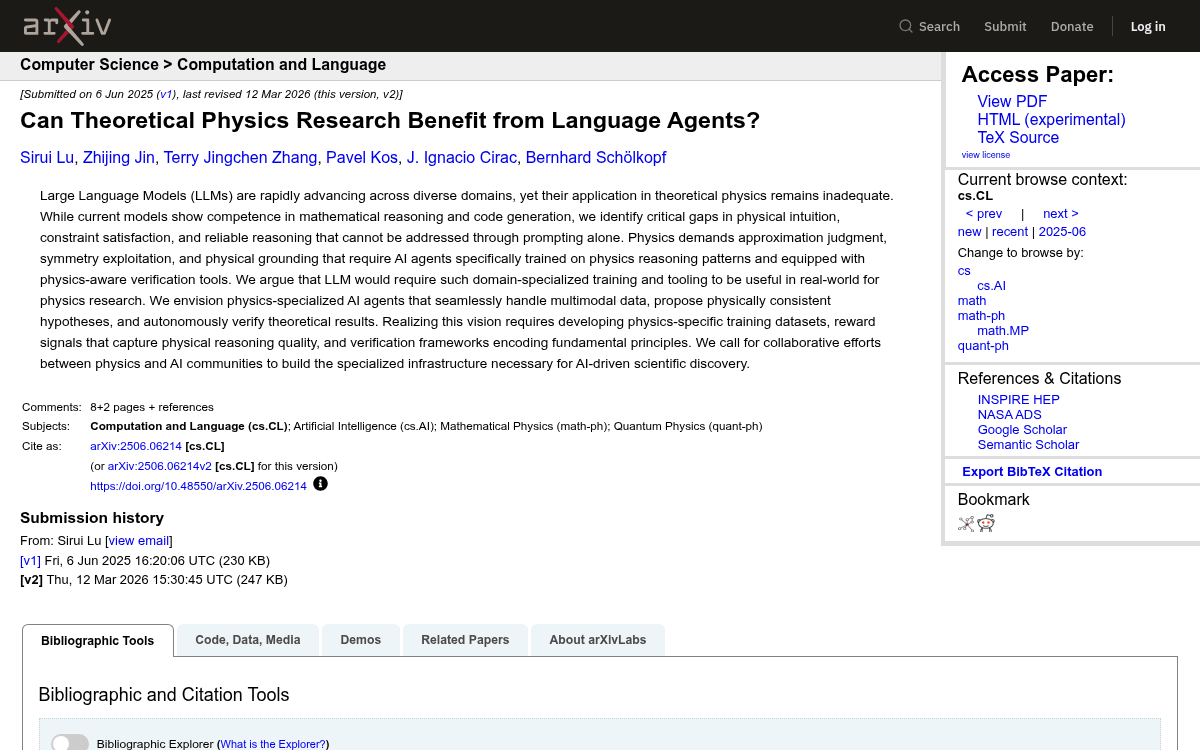
A team from Max Planck and ETH argues general LLMs fail at physics research and lays out what domain-specialized agents would need.
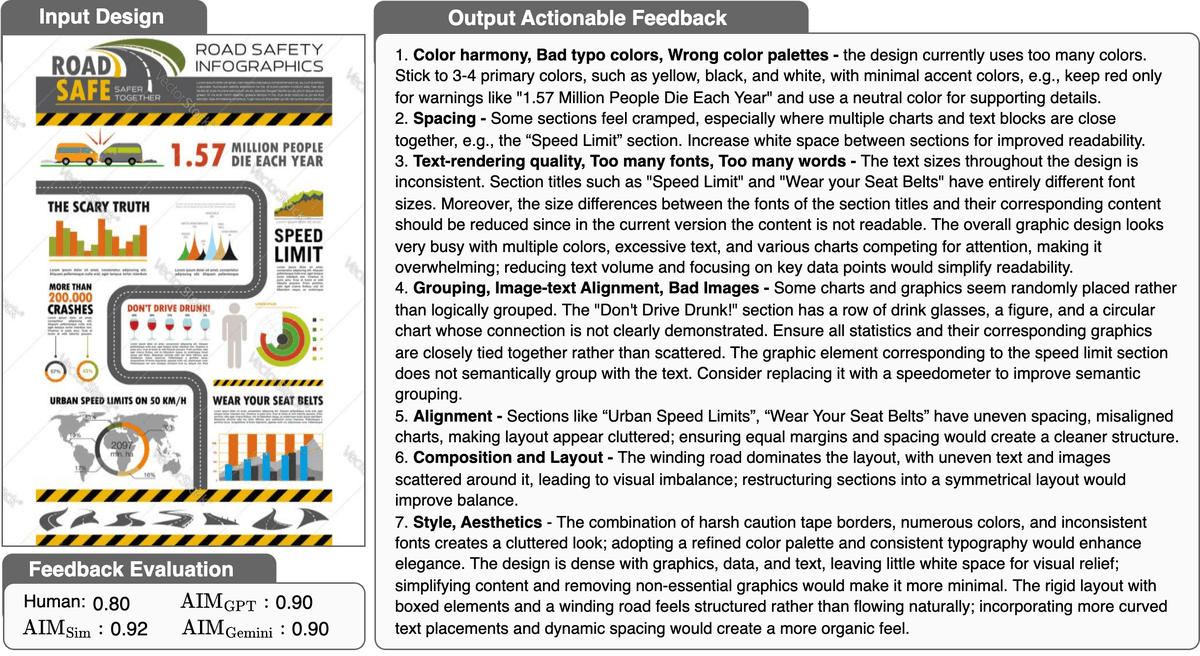
Adobe Research turns graphic design critique into a peer-review panel of specialist agents, hitting double-digit accuracy gains on a new 15-attribute benchmark.
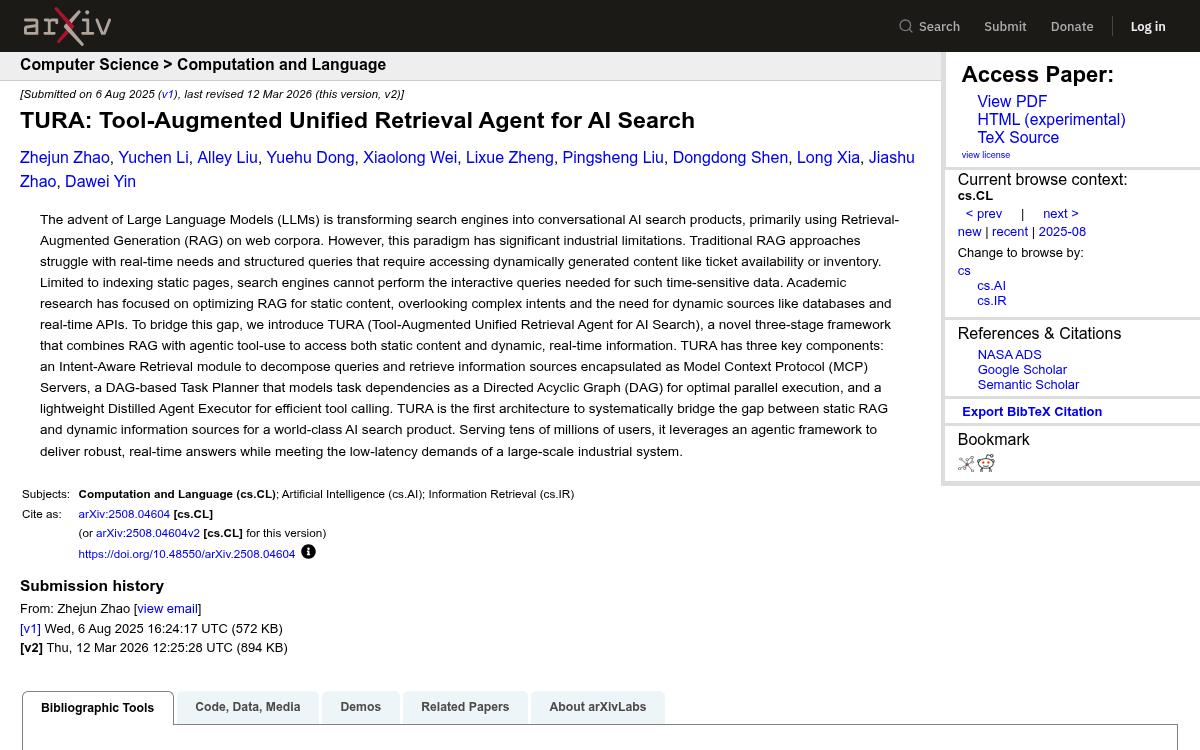
Baidu's production AI search combines RAG with agentic tool-use via MCP servers, DAG planning and a distilled 4B executor serving millions.
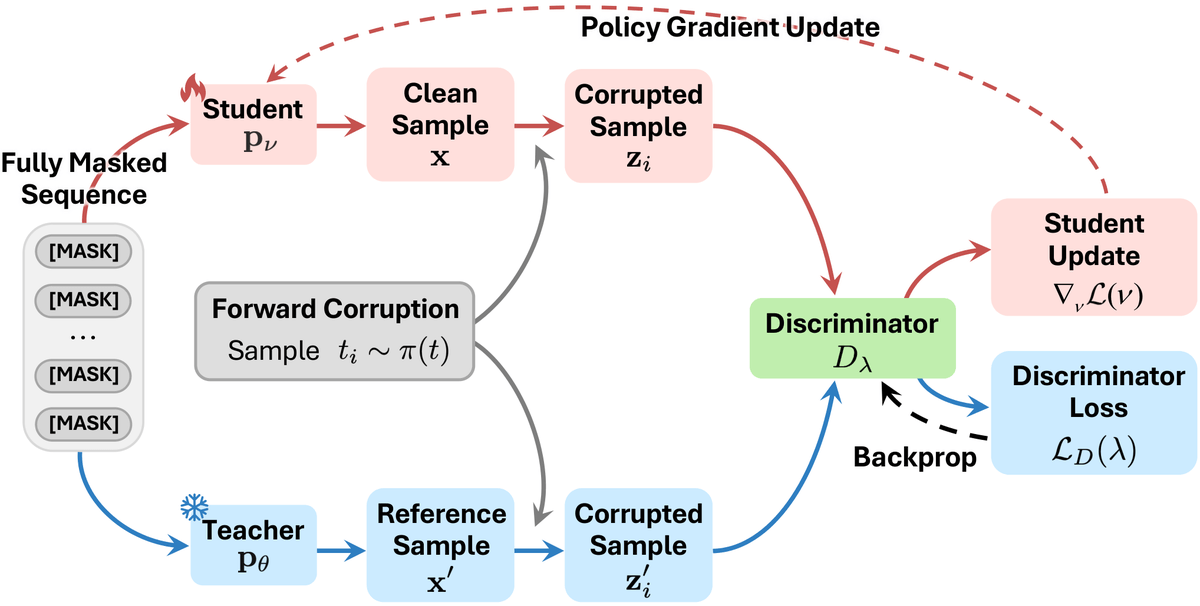
A new distillation method squeezes diffusion language models into 8-128 denoising steps while beating GPT-2 perplexity and delivering 64x acceleration.
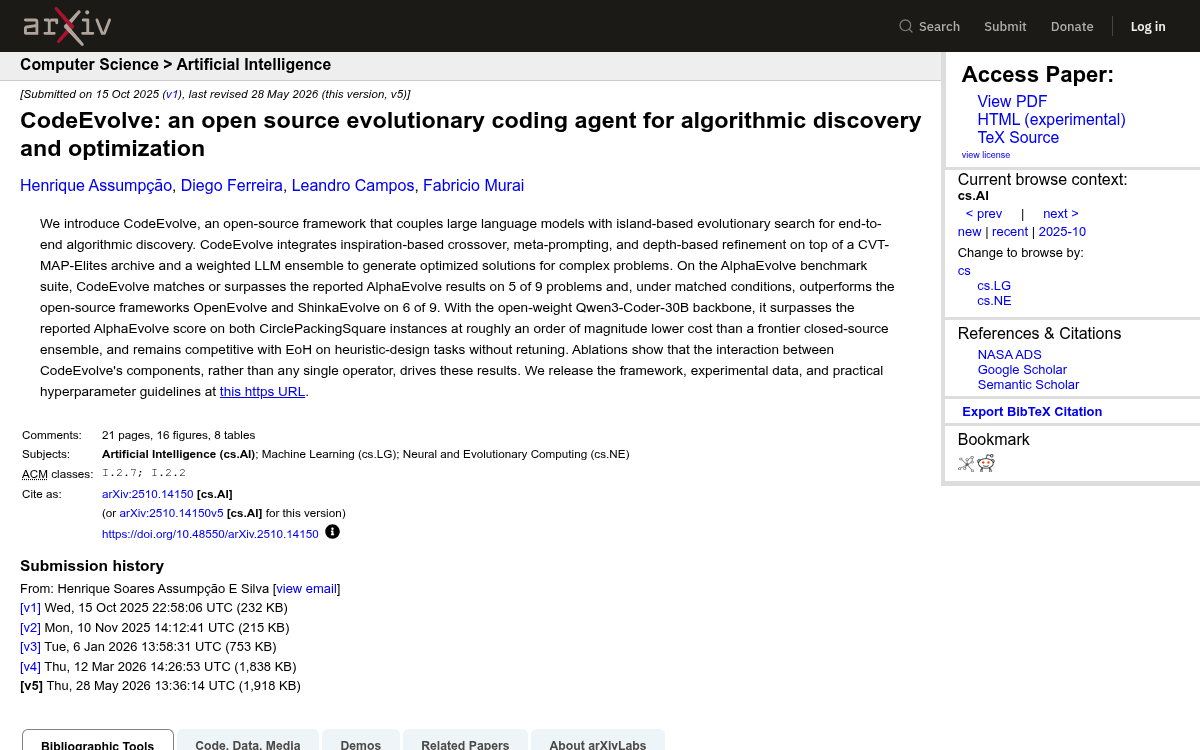
An open-source framework pairs island-based genetic search with LLM ensembles to match DeepMind's AlphaEvolve at roughly one-tenth the cost.