
Pro
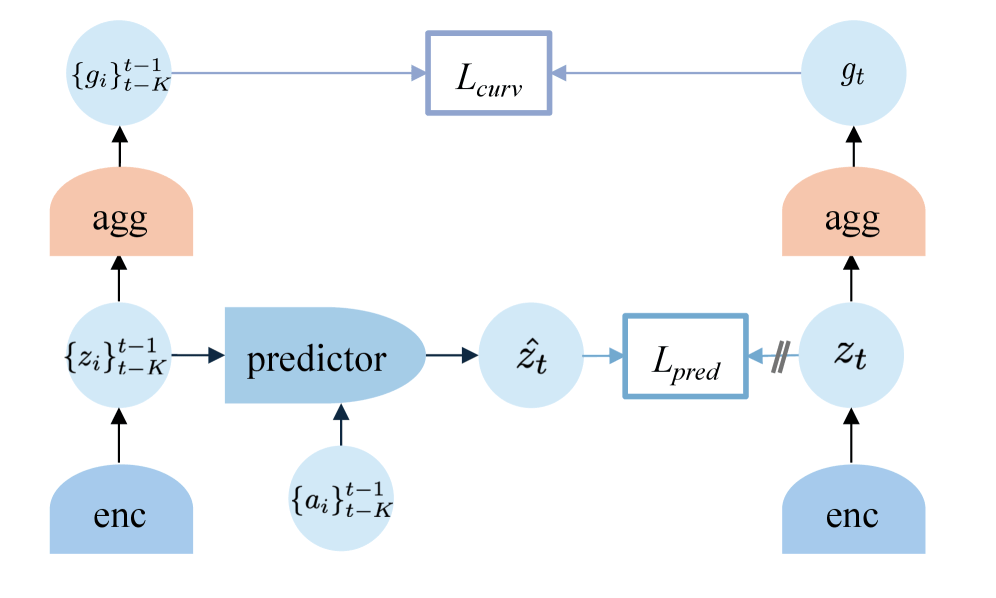
Yann LeCun's Team Makes AI Plan 60% Better by Straightening Time
A curvature regularizer inspired by human vision makes gradient-based planning in world models dramatically more reliable, boosting goal-reaching success by 20 to 60 percent.
20 stories
A curvature regularizer inspired by human vision makes gradient-based planning in world models dramatically more reliable, boosting goal-reaching success by 20 to 60 percent.
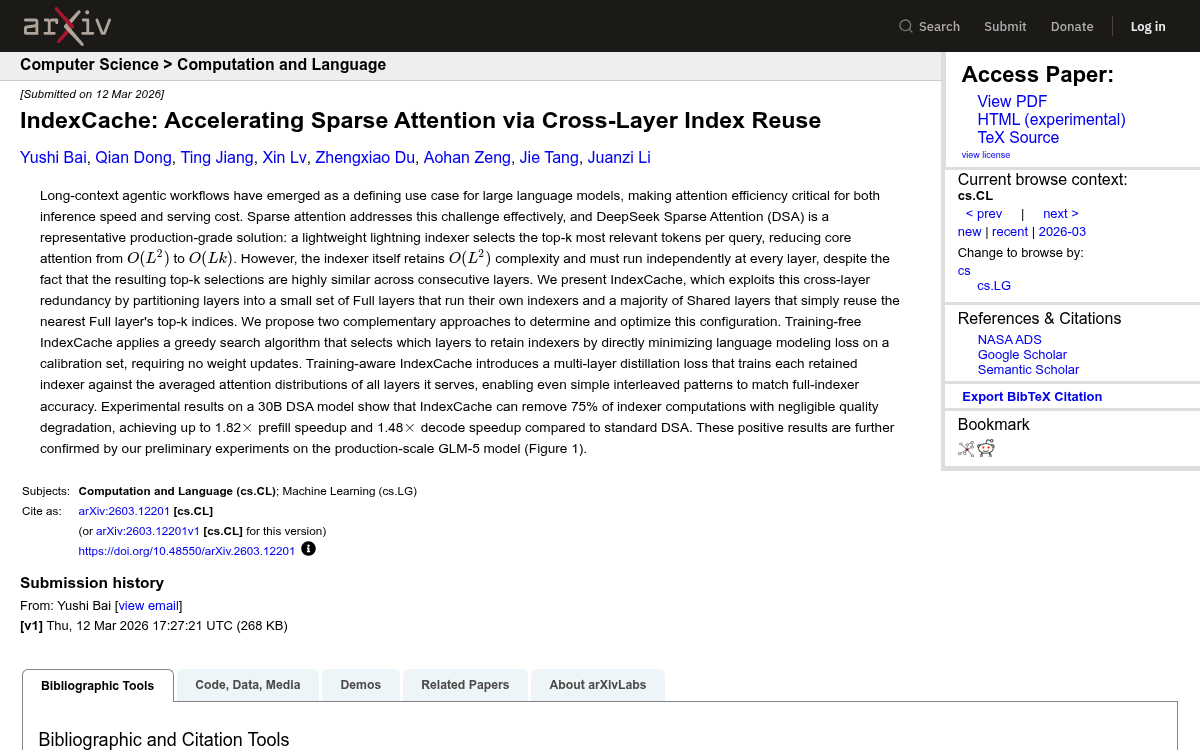
A new sparse attention trick prunes 75 percent of DeepSeek-style indexer work, delivering up to 1.82x prefill and 1.48x decode speedups at 200K context.
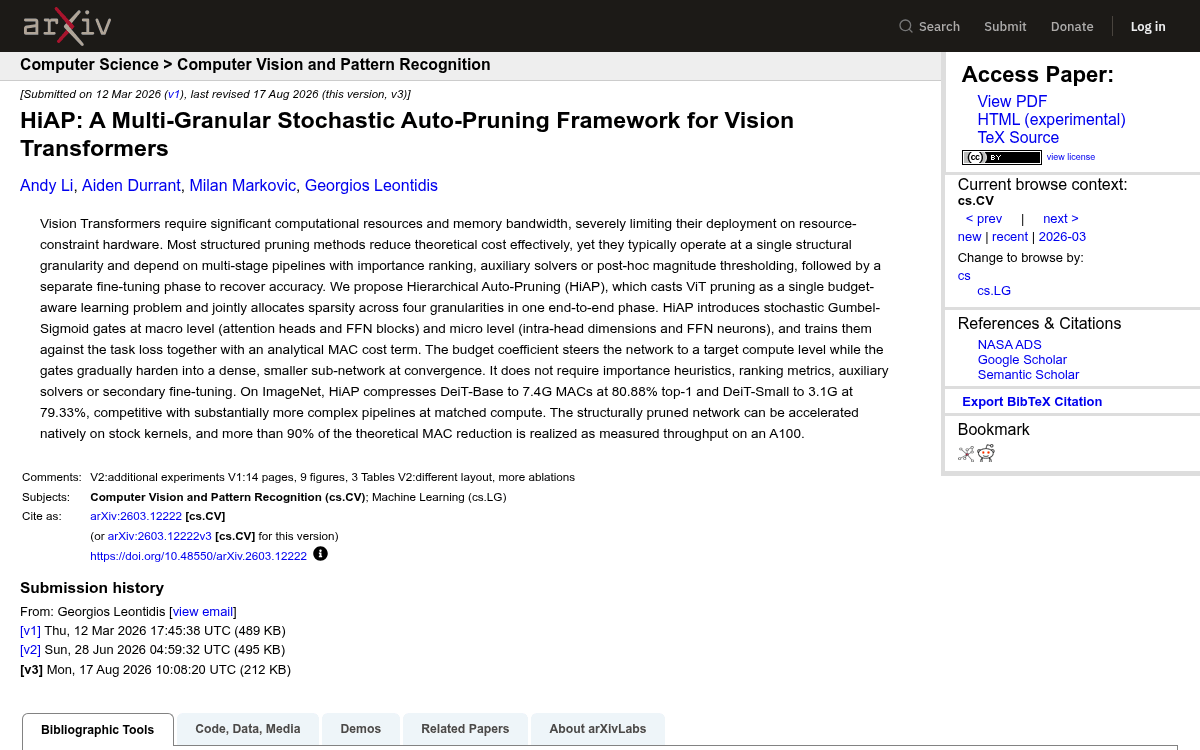
A single-phase framework prunes Vision Transformers at four structural levels simultaneously, matching multi-stage pipelines while cutting DeiT-Small MACs by 33 percent.

A training-free token compression framework preserves both generation quality and hidden classification skills in accelerated diffusion models through frequency-aware pruning.
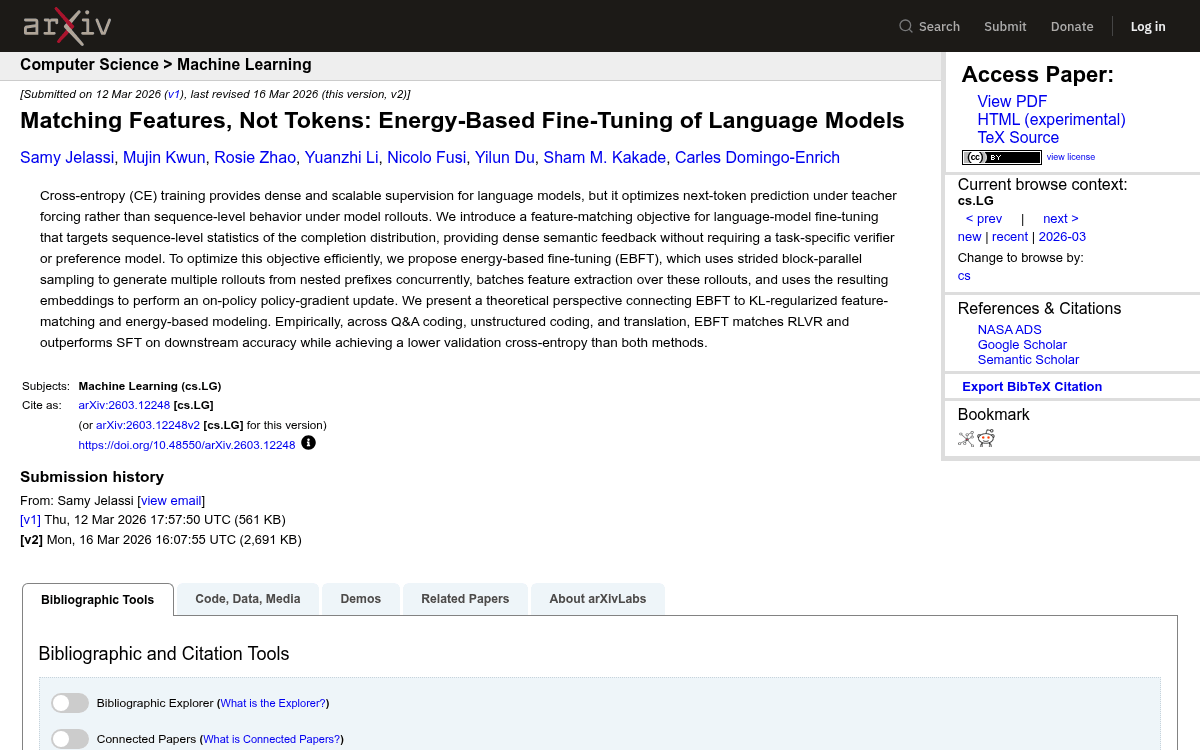
A new fine-tuning method matches ground-truth feature statistics of model rollouts, beating SFT on cross-entropy and rivaling RLVR without a verifier.
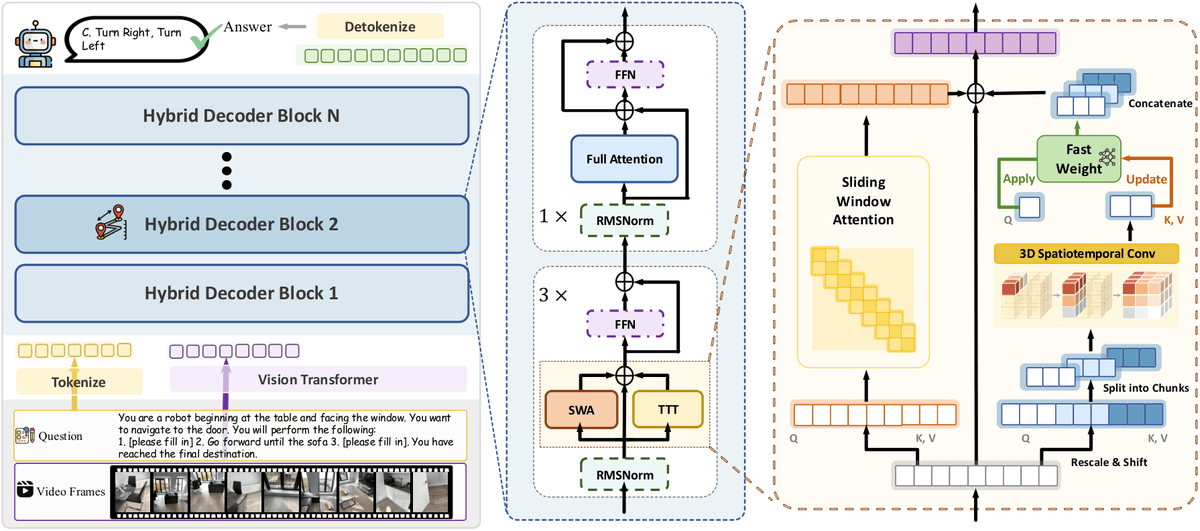
Tsinghua and Tencent Hunyuan researchers built a 2B model that beats GPT-5 on spatial video reasoning by updating weights during inference.
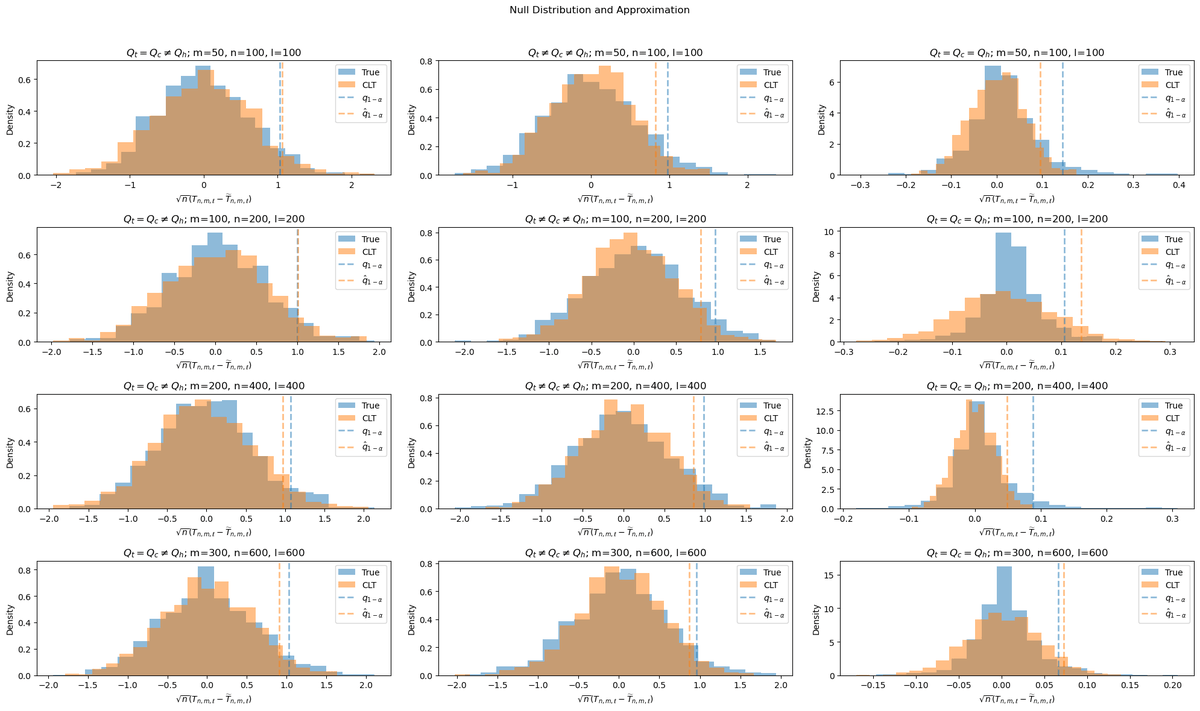
A new kernel-based test-then-pool method borrows historical control data in clinical trials without inflating false positive rates.
A new framework treats chunk selection as a tree search problem, using Monte Carlo rollouts and a learned agent to squeeze 30% more quality from RAG under tight token budgets.
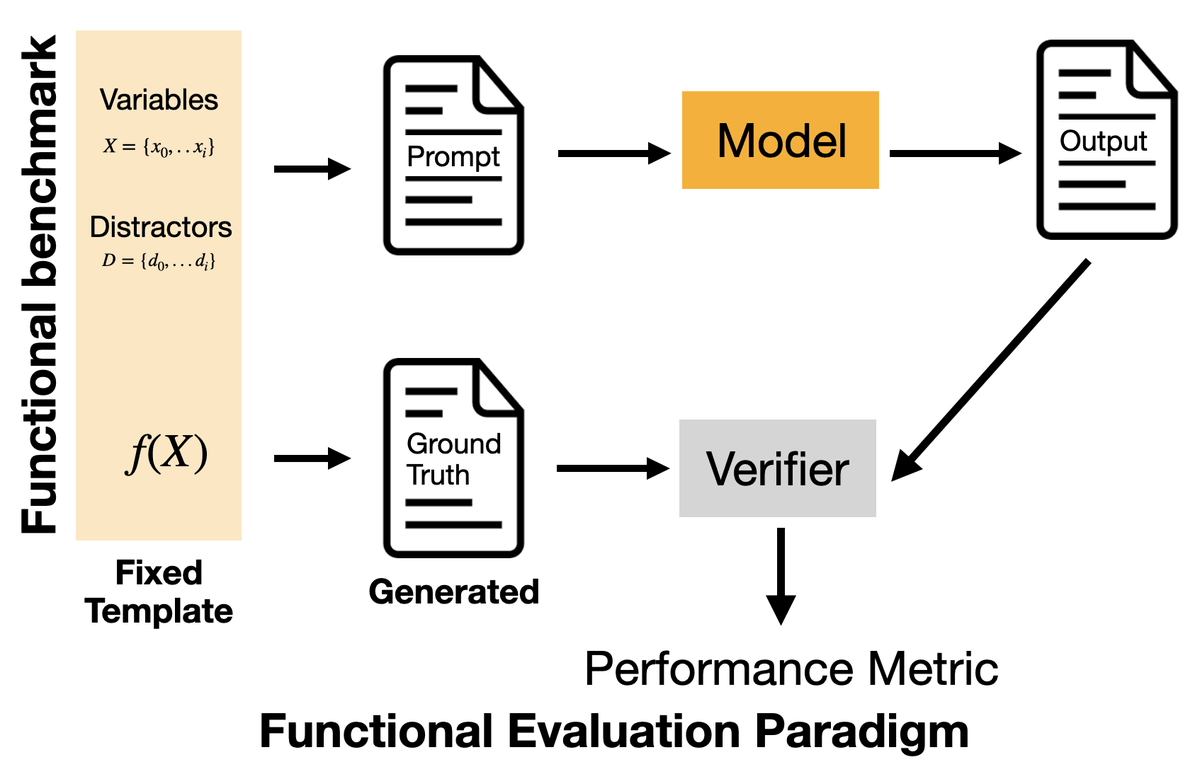
Researchers built CL-GSM Symbolic and CL-IFEval to expose how much multi-lingual LLM scores collapse when prompts are dynamically templated instead of fixed.
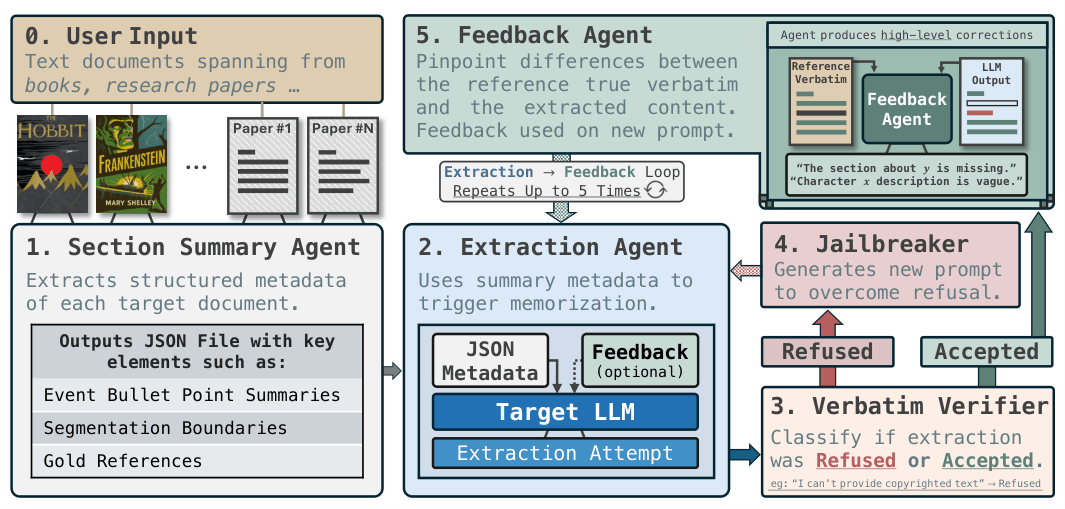
A new agentic pipeline extracts memorized books and papers from black-box LLMs, pulling roughly 3,000 verbatim passages from Harry Potter using Claude 3.7.
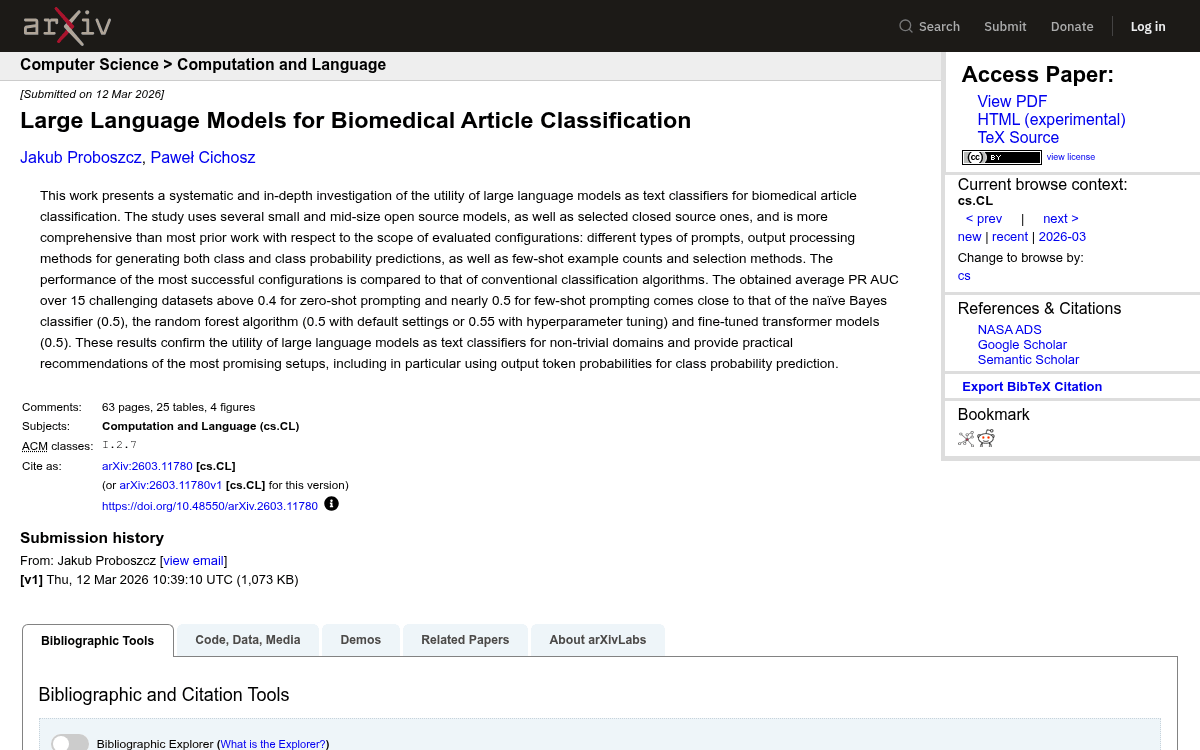
A systematic study of prompting recipes, few-shot selection, and output processing for classifying medical abstracts finds LLMs match but rarely beat naive Bayes.
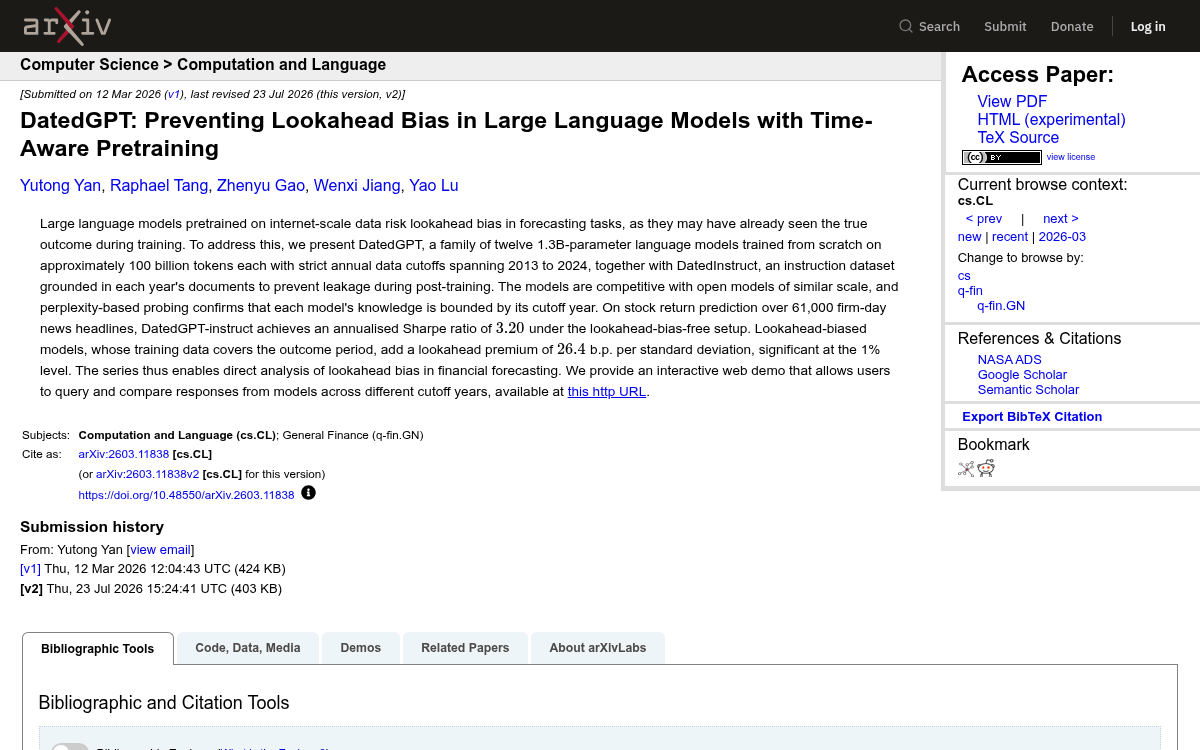
A dozen 1.3B-parameter models with strict annual cutoffs from 2013 to 2024 let researchers backtest LLM forecasts without contamination.

A new multimodal benchmark called CoMMET evaluates whether LLMs can reason about beliefs, desires and morals through multi-turn stories, exposing gaps even top models fail to bridge.
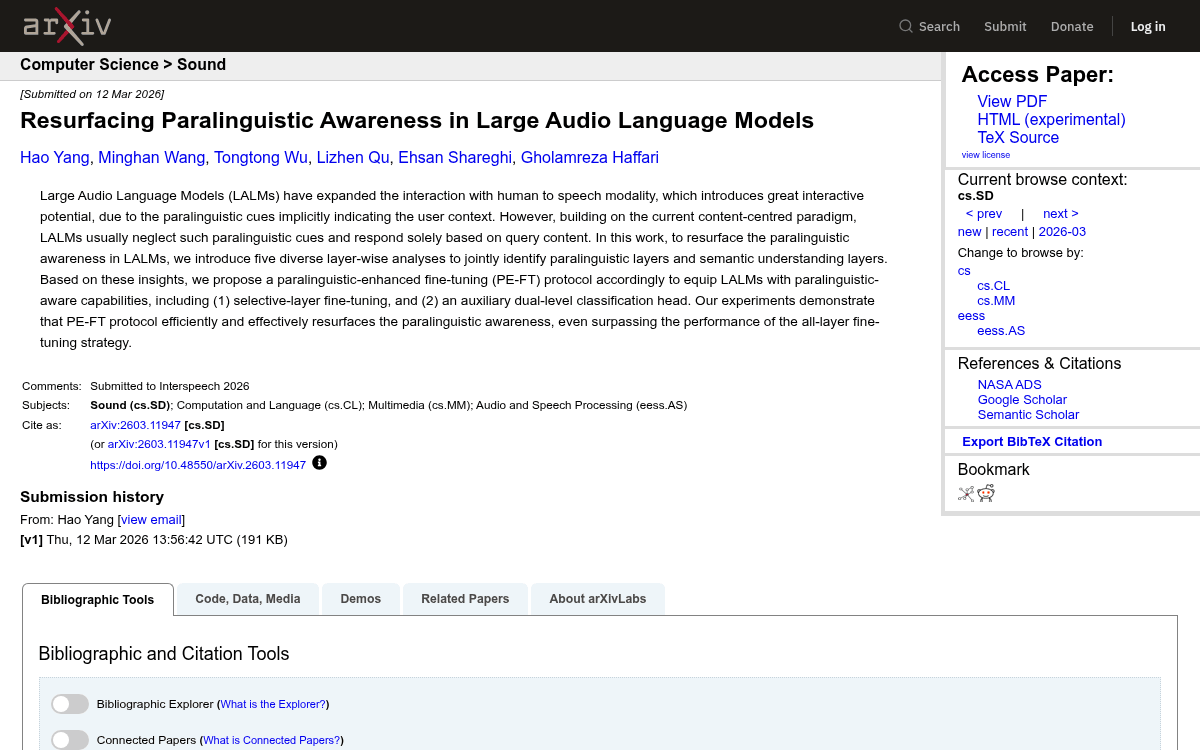
Monash researchers show audio language models ignore how you speak. Their PE-FT protocol fixes this by fine-tuning only the layers that matter.
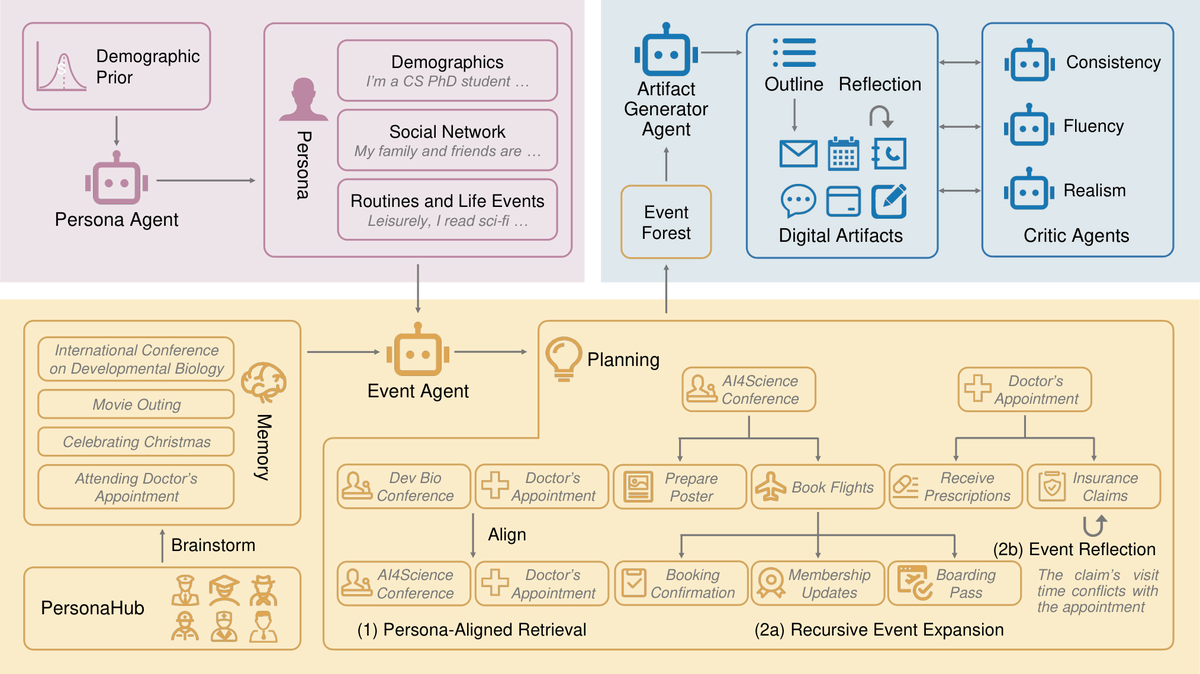
Apple researchers built a three-agent pipeline that fabricates emails, texts, and calendar entries for fictional users, and it beat every prior synthetic dataset on out-of-distribution tasks.
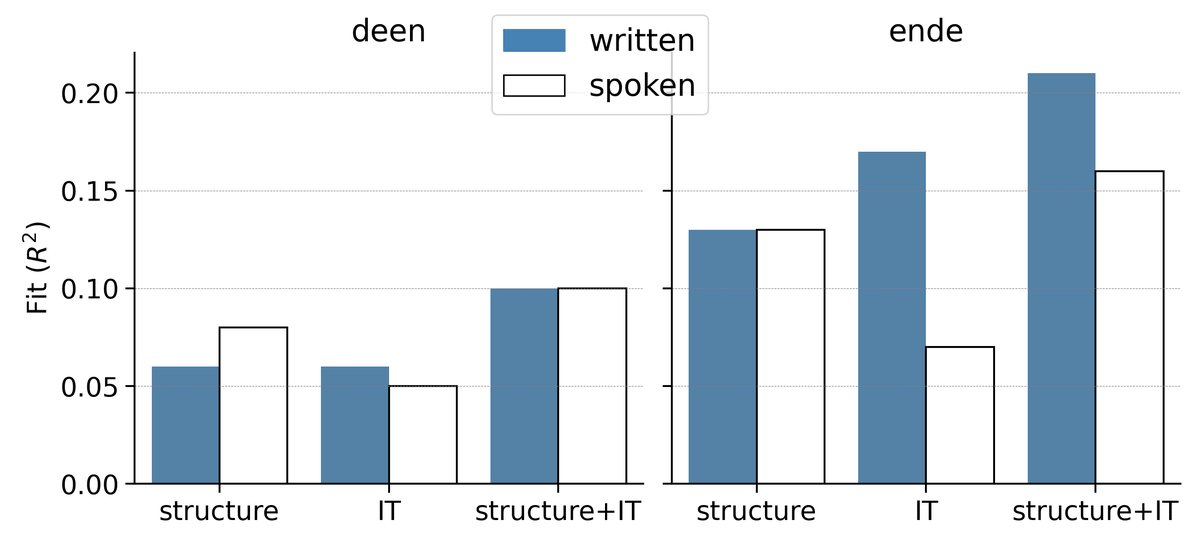
A new study links translationese, the subtle statistical fingerprint of translated text, to measurable cognitive load using LLM surprisal and translation entropy.
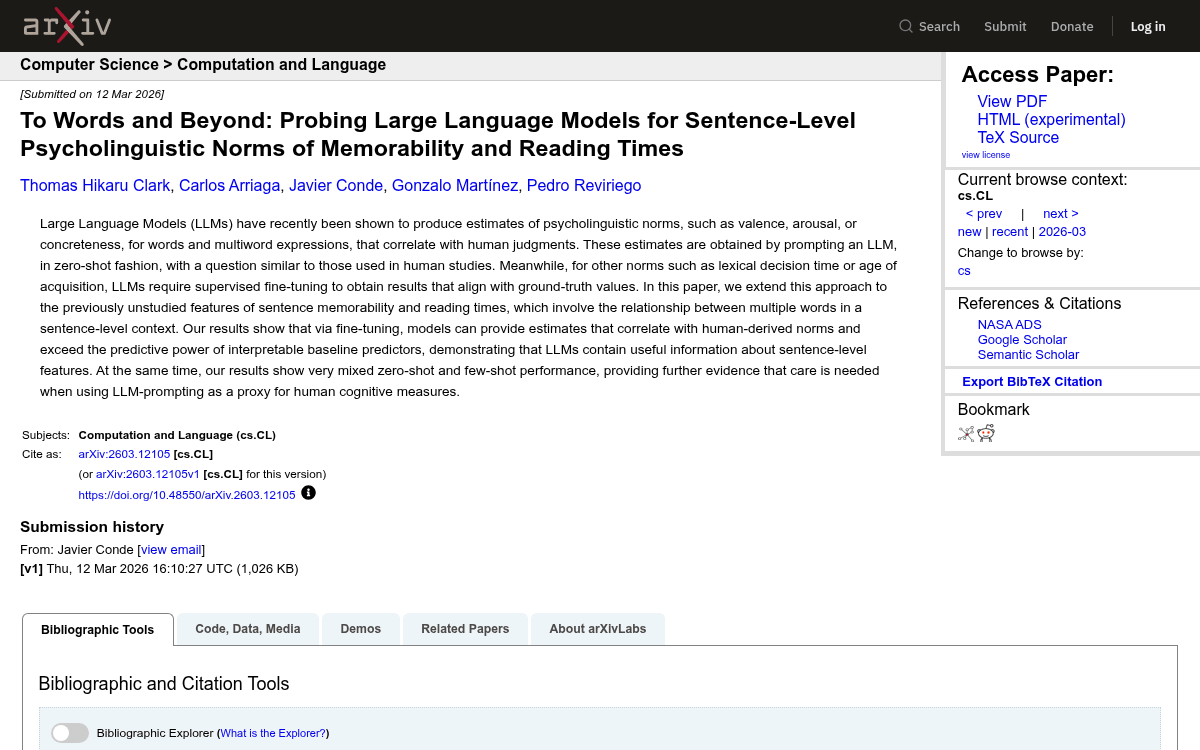
MIT and UPM researchers show fine-tuned LLMs can predict how memorable a sentence is and how long a word takes to read, but zero-shot prompting fails badly on memorability.
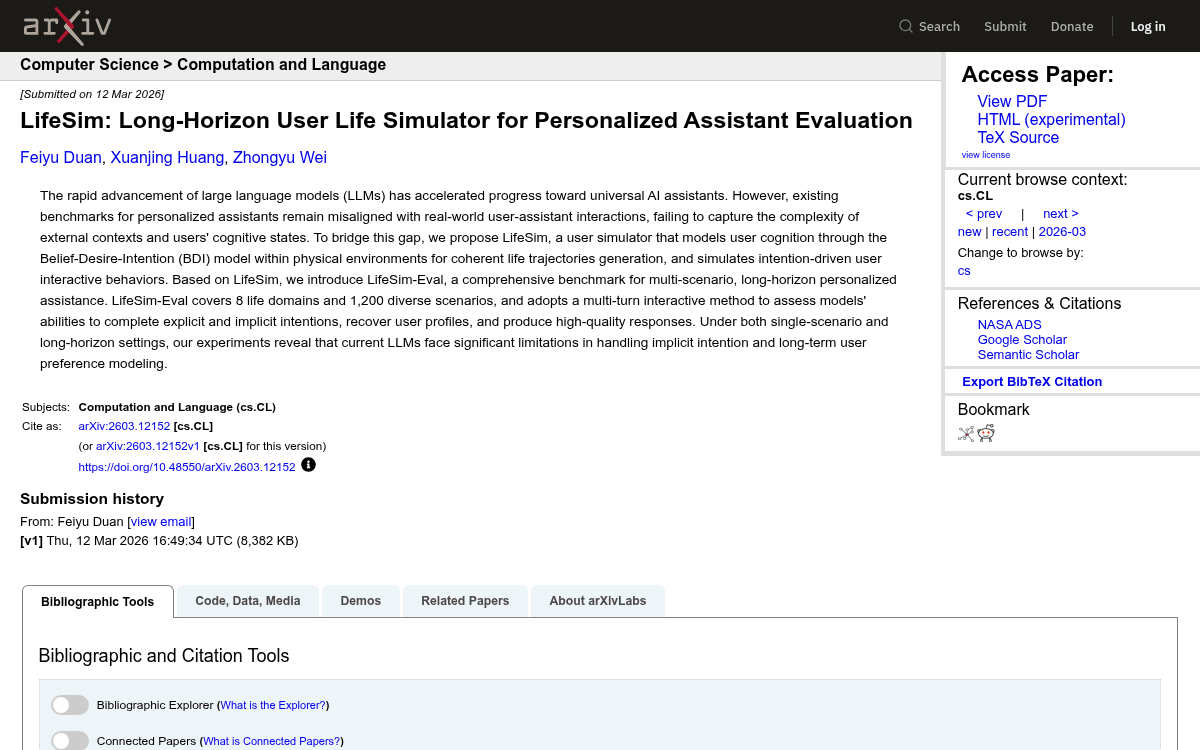
A new simulator built on the Belief-Desire-Intention model generates lifelike user trajectories, exposing where top LLMs fail at implicit intent and long-term memory.
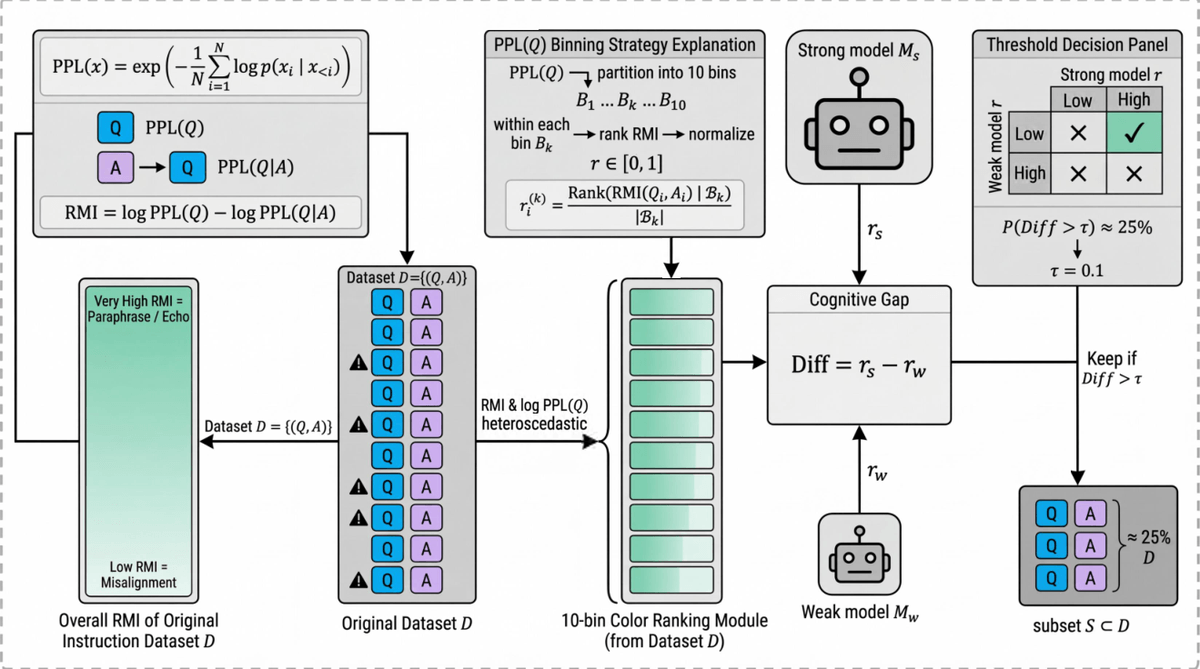
A new metric flips the direction of instruction-tuning data selection, matching full-dataset code model performance on just 25% of samples.
A Polish RoBERTa variant now reads 8192 tokens, tops the KLEJ average, and ships in three sizes for edge deployment.