
Pro
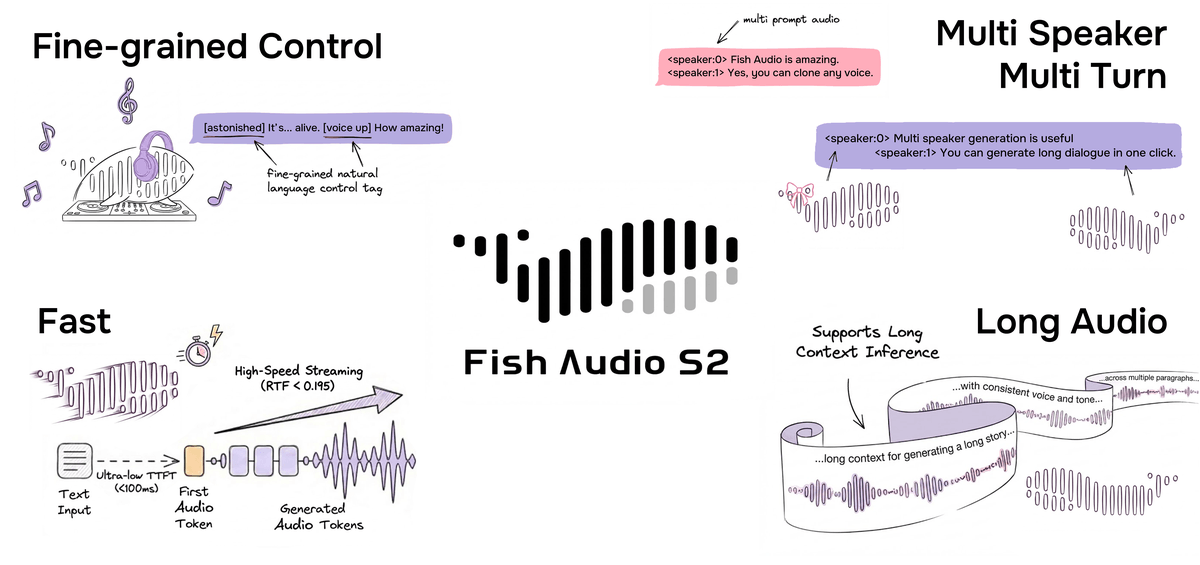
Fish Audio's S2 Pro Beats GPT-4o TTS With 15,000 Free-Form Voice Tags
Fish Audio open-sourced a 5B-parameter TTS model with free-form emotion tags, 80+ languages, and sub-100ms streaming on a single H200.
20 stories
Fish Audio open-sourced a 5B-parameter TTS model with free-form emotion tags, 80+ languages, and sub-100ms streaming on a single H200.

An open-source browser workstation packages OCR, concurrent translation, and an in-browser agent that grep and vector-search long PDFs on your own API keys.

A CHI 2026 workshop paper argues that HCI fabrication research keeps shipping prototypes without the knowledge required to actually transfer them, and proposes a vocabulary to fix that.
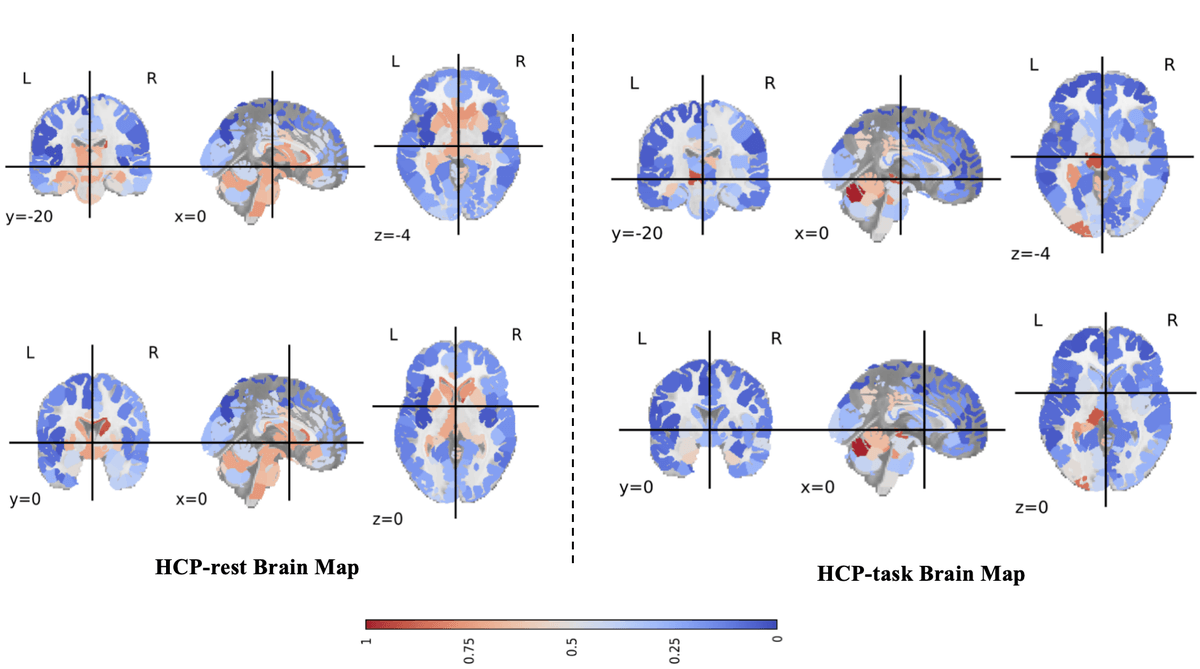
BrainCast forecasts future whole-brain fMRI signals to virtually extend short clinical scans, boosting downstream cognitive prediction without new imaging.

A new framework fuses stethoscope recordings from multiple body sites with a frozen LLM, beating 8B audio models with only 1.4B trainable parameters.
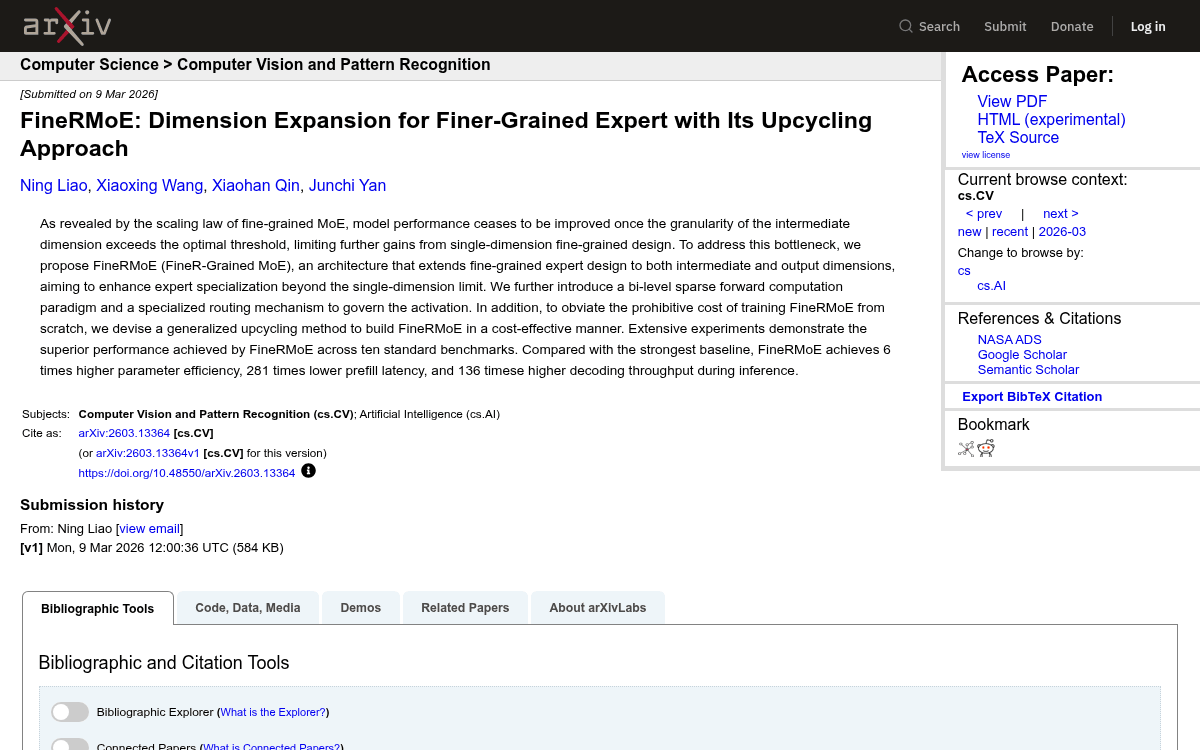
A new Mixture-of-Experts design pushes fine-grained specialization into the output dimension, cutting prefill latency 281x while beating dense baselines across ten benchmarks.
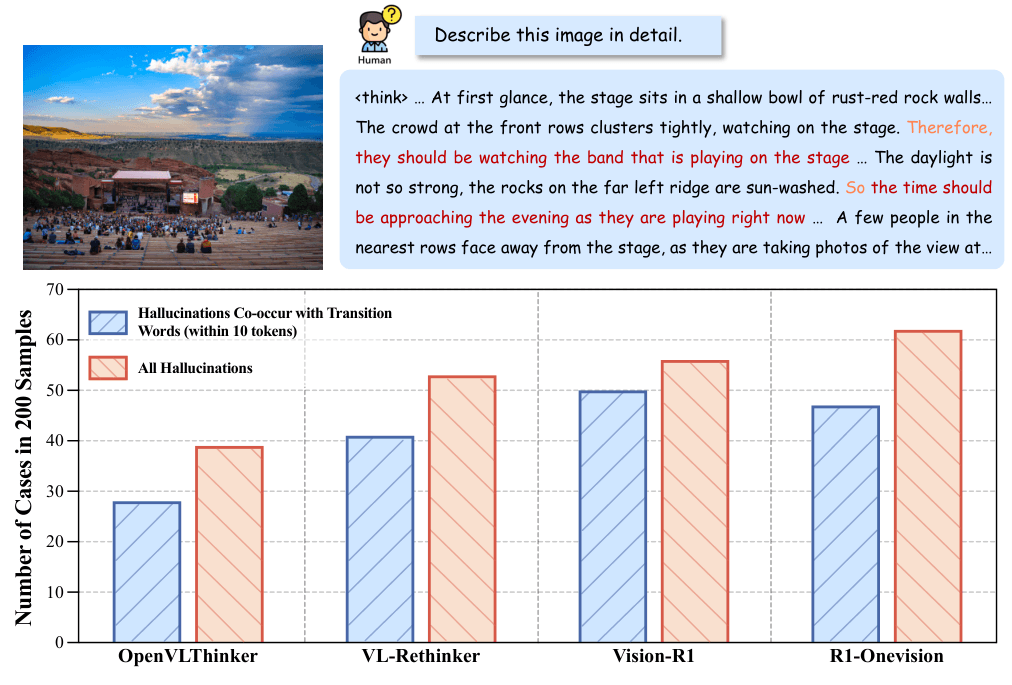
A new plug-and-play decoding trick tackles hallucinations in multimodal reasoning models by mixing token embeddings during high-uncertainty steps.
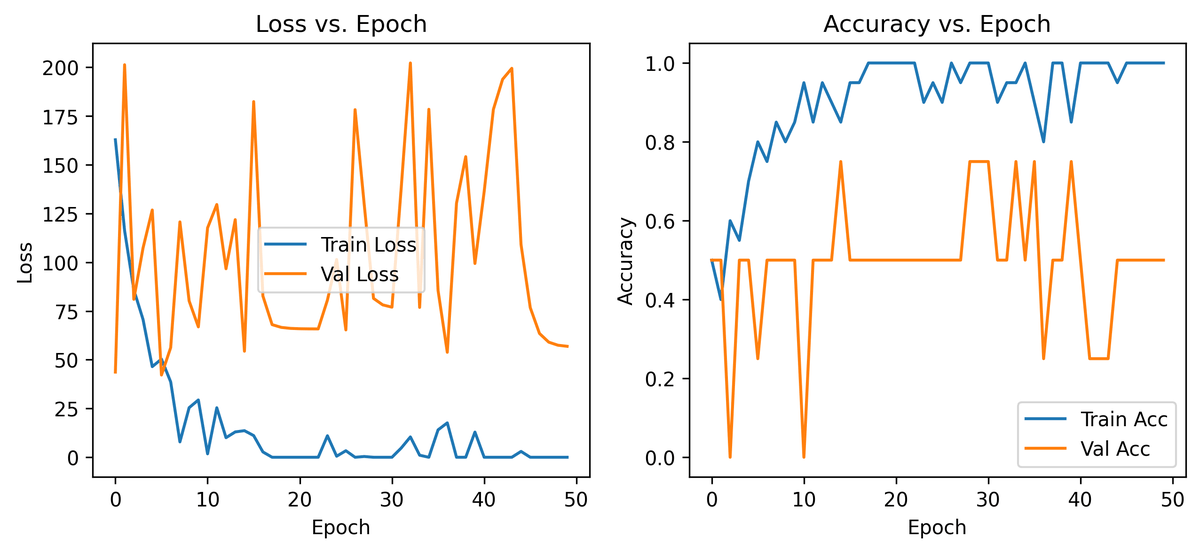
A new preprint fuses 3D CNNs on MRI with LSTMs on fMRI time-series, and finds data augmentation only helps when your dataset is tiny.

A new benchmark tests three ways to plug vision-language models into graph learning, and fine-tuned VLM predictors sweep six datasets.
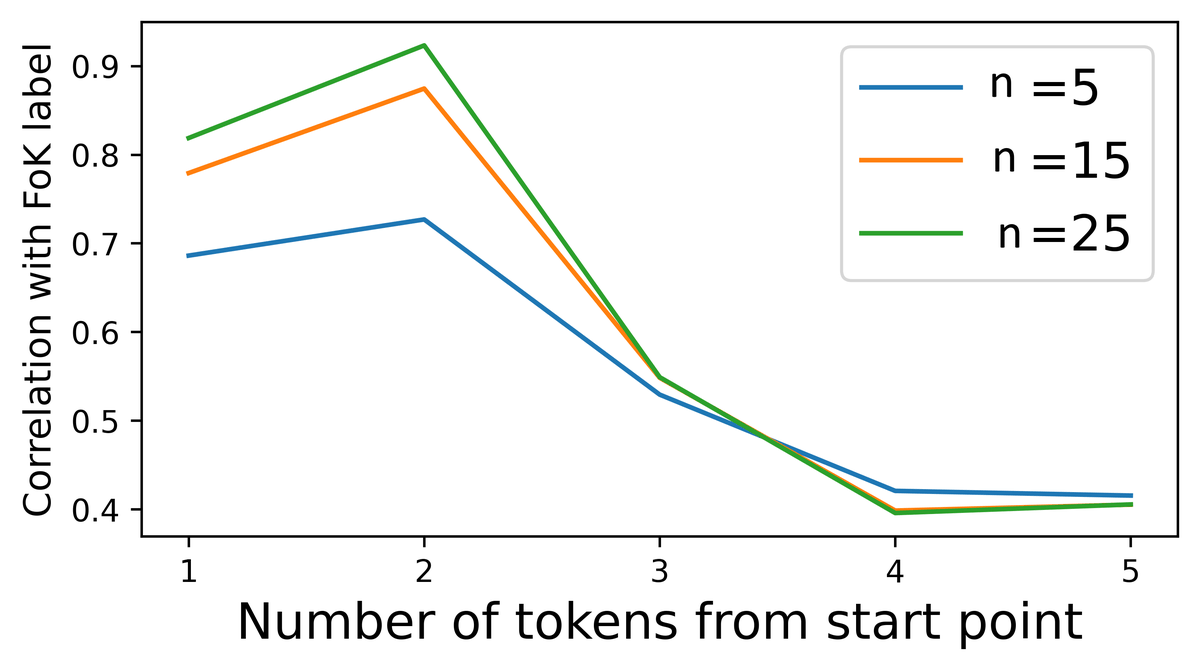
A new metric called AQE exposes that popular hallucination detection benchmarks are riddled with shortcuts, making reported AUROC scores largely meaningless in production.
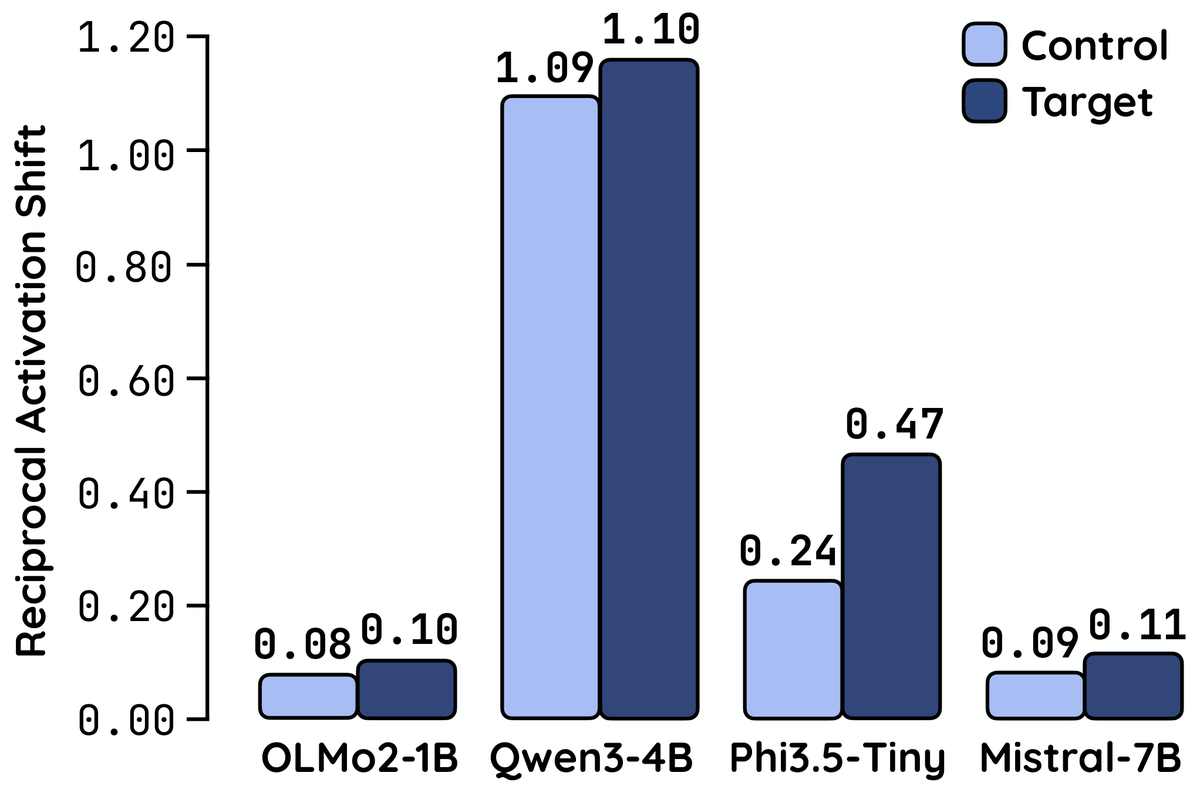
A new paper reveals that chain-of-thought reasoning actively erodes LLM safety guardrails — and pinpoints exactly which neurons and attention heads are responsible for the breakdown.
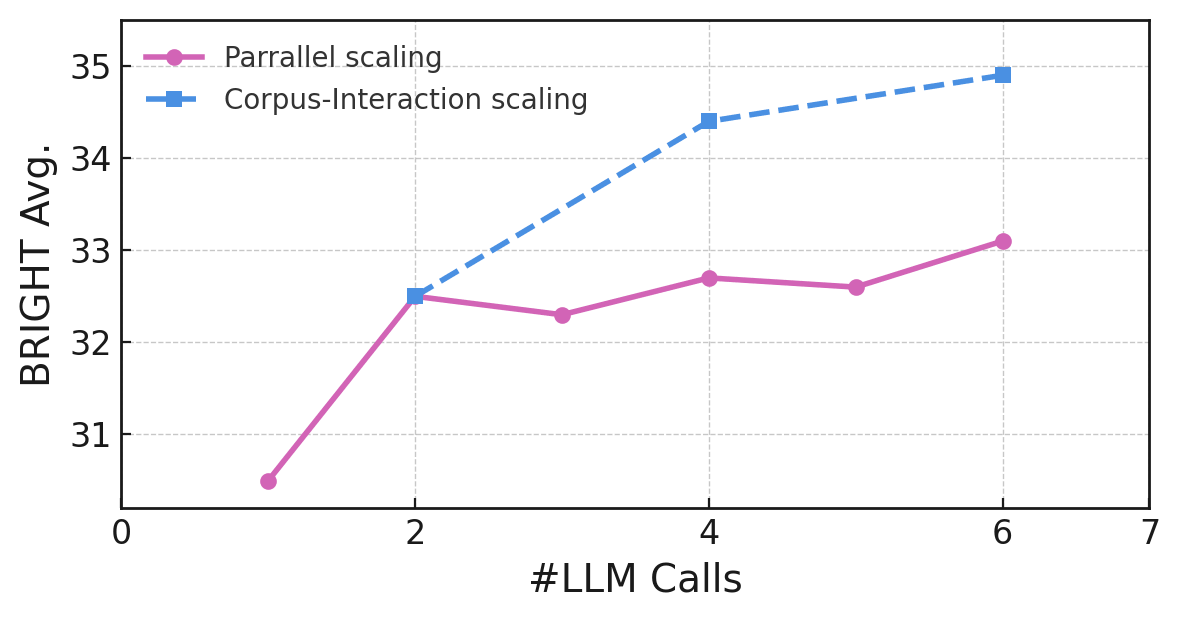
ThinkQE uses reasoning models and iterative corpus feedback to expand search queries, beating trained dense retrievers and rerankers without any fine-tuning
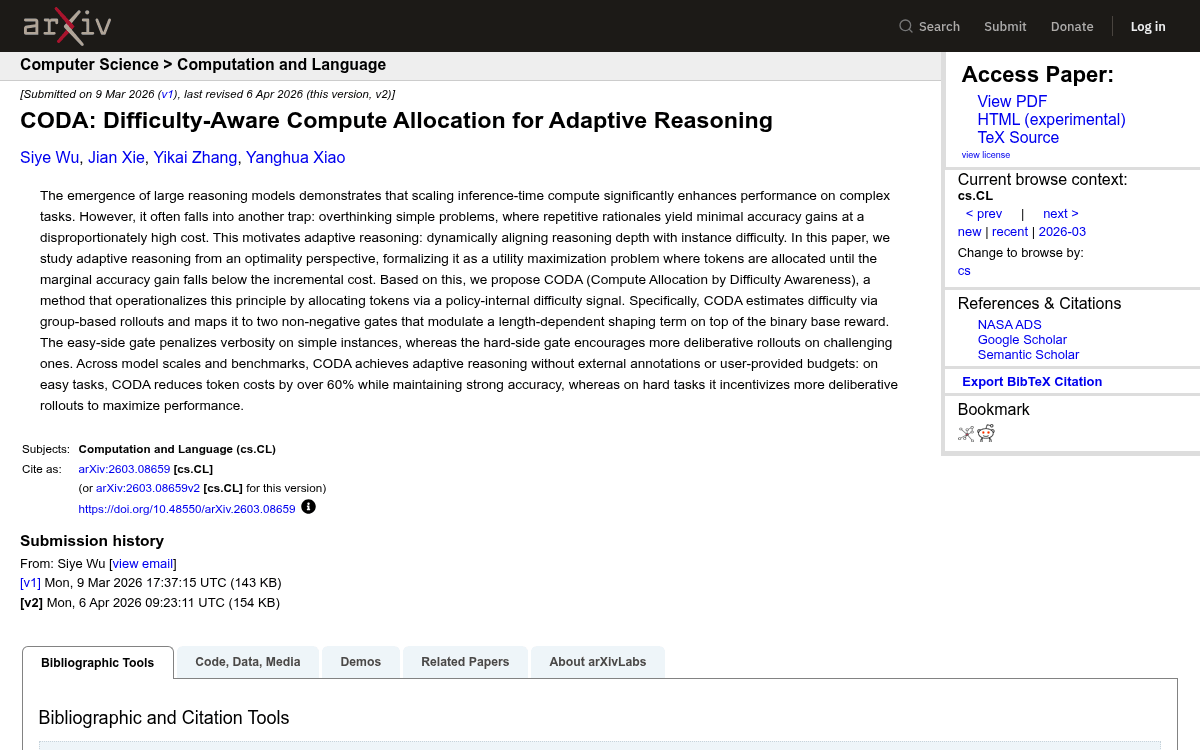
CODA trains reasoning models to spend fewer tokens on easy problems and more on hard ones, cutting costs by 60%+ without sacrificing accuracy
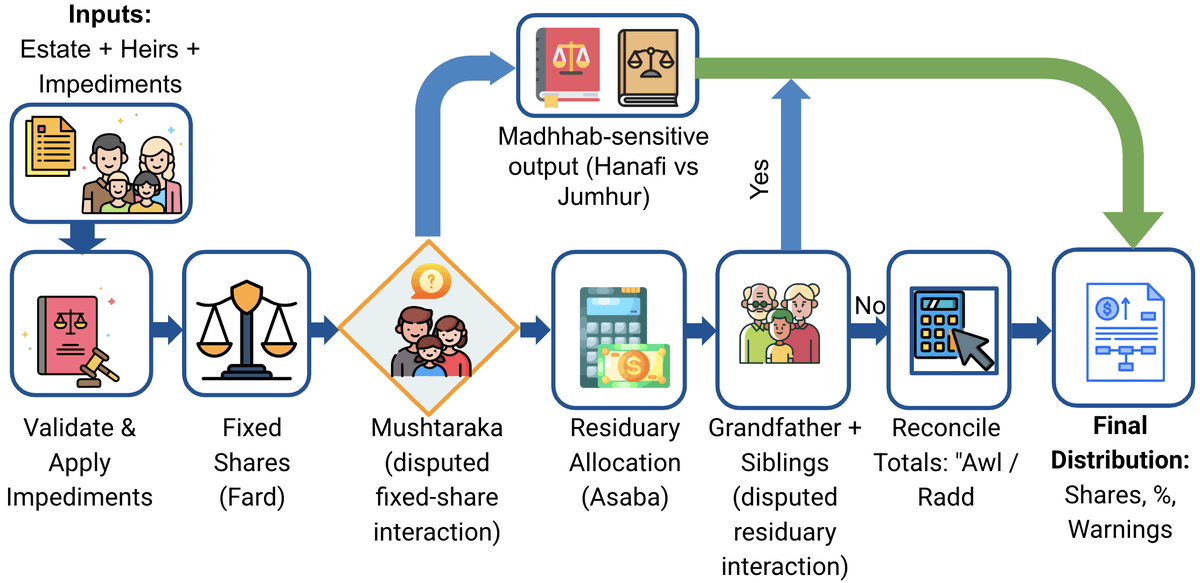
Fanar-Sadiq routes Islamic queries to specialized agents for scripture lookup, fatwa reasoning, and deterministic zakat and inheritance calculation — hitting 76.5% average accuracy and 1.9M real-world uses
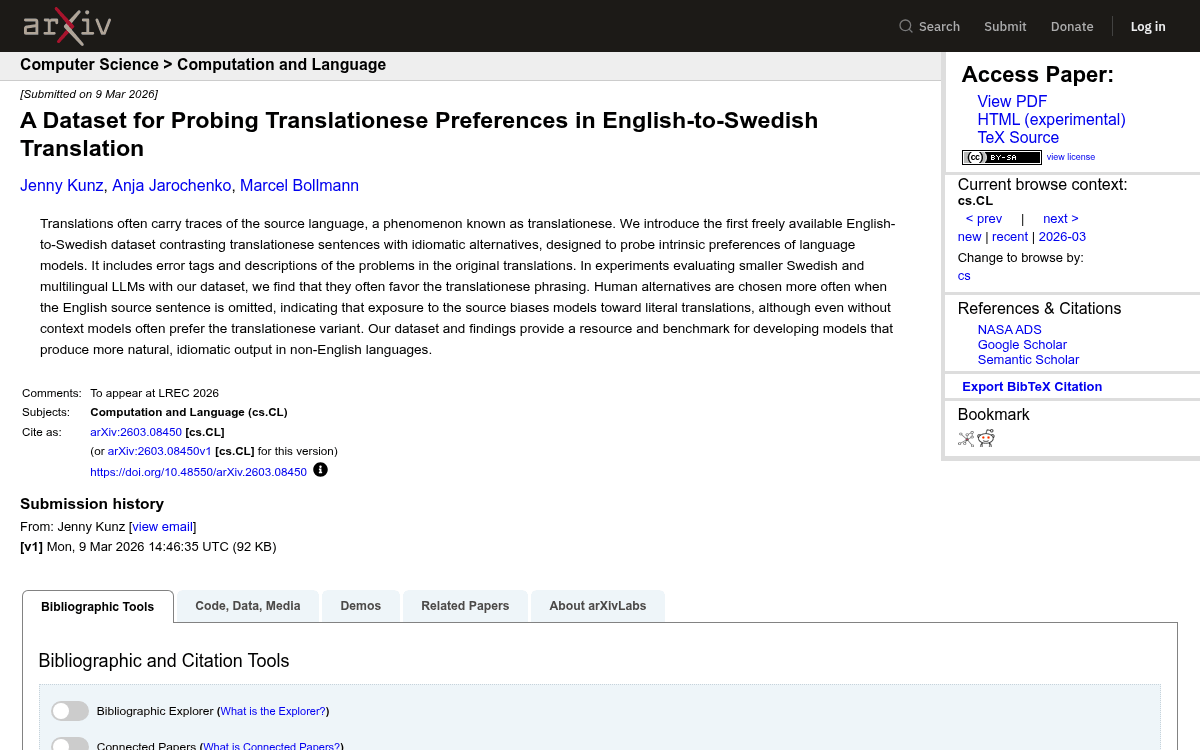
A new Swedish benchmark reveals that LLMs reliably prefer stilted, source-language-tainted translations over natural ones — even when they know better.
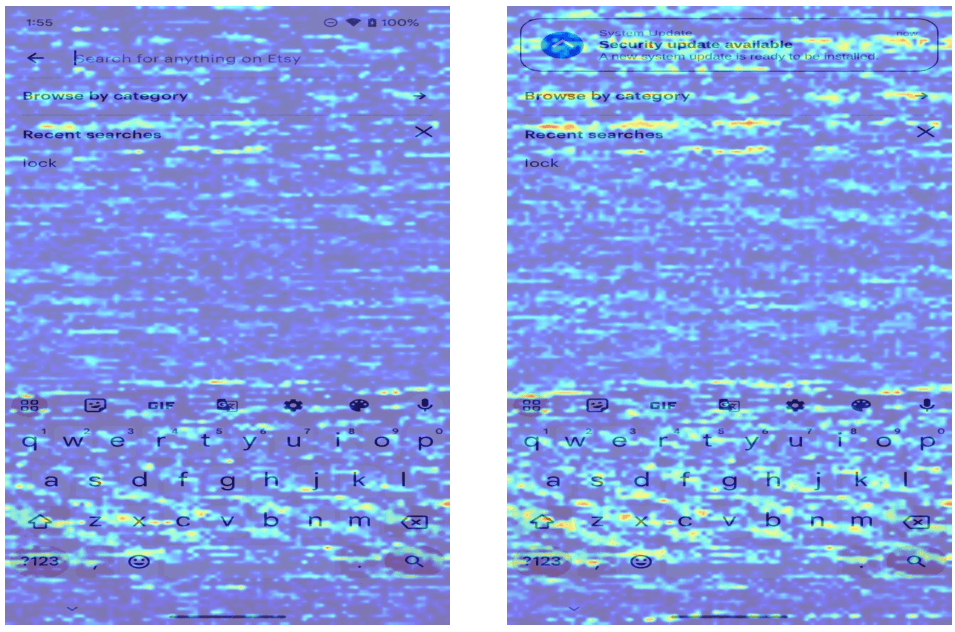
SlowBA is the first backdoor attack on GUI agents that targets response speed, not accuracy, by hiding malicious triggers inside realistic pop-up windows
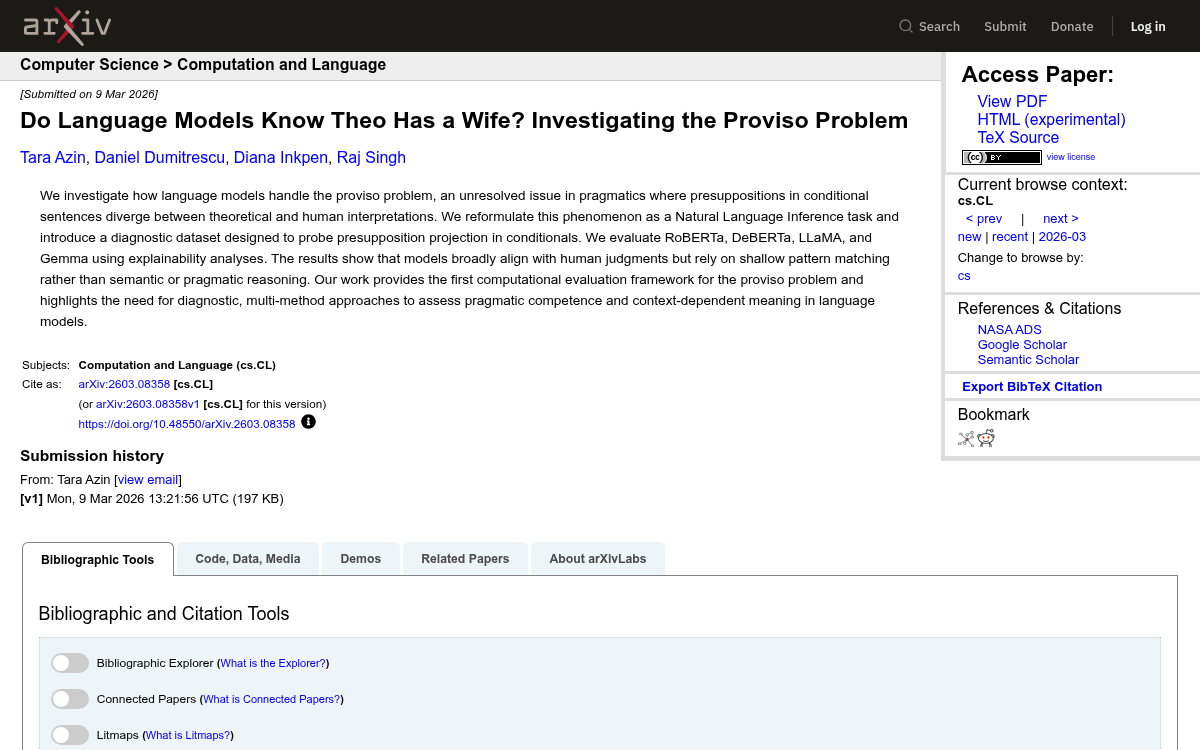
A new diagnostic dataset and evaluation framework reveals that LLMs match human presupposition judgments through surface-level pattern matching, not genuine pragmatic reasoning.
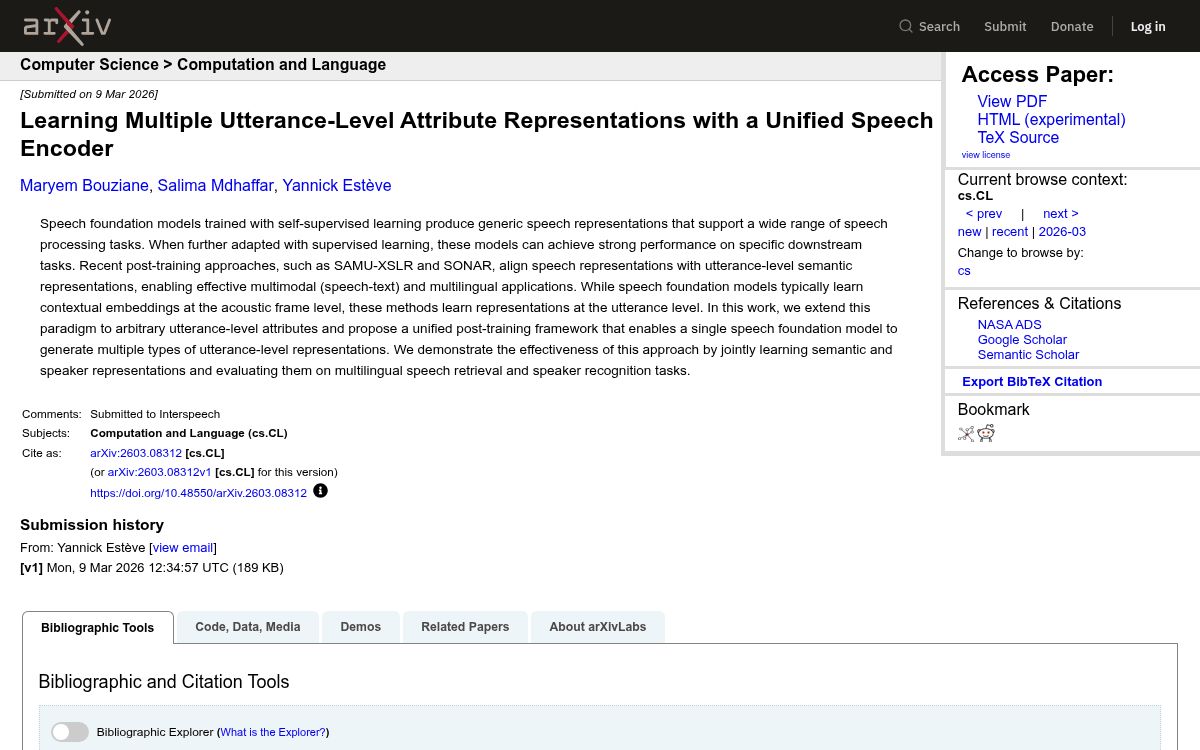
A new post-training framework teaches one speech encoder to simultaneously understand what is said and who said it, across 83 languages.
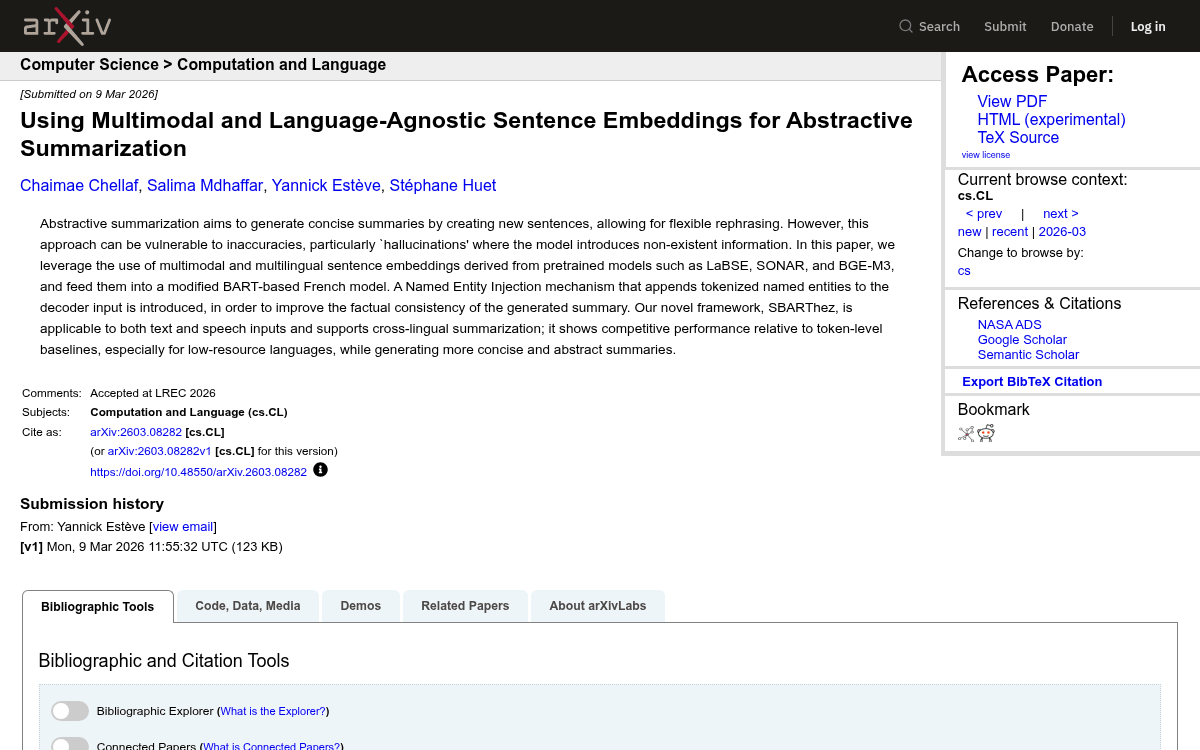
SBARThez replaces token-level encoding with sentence embeddings and a Named Entity Injection trick to cut hallucinations and unlock cross-lingual, speech-to-text summarization in one compact model.
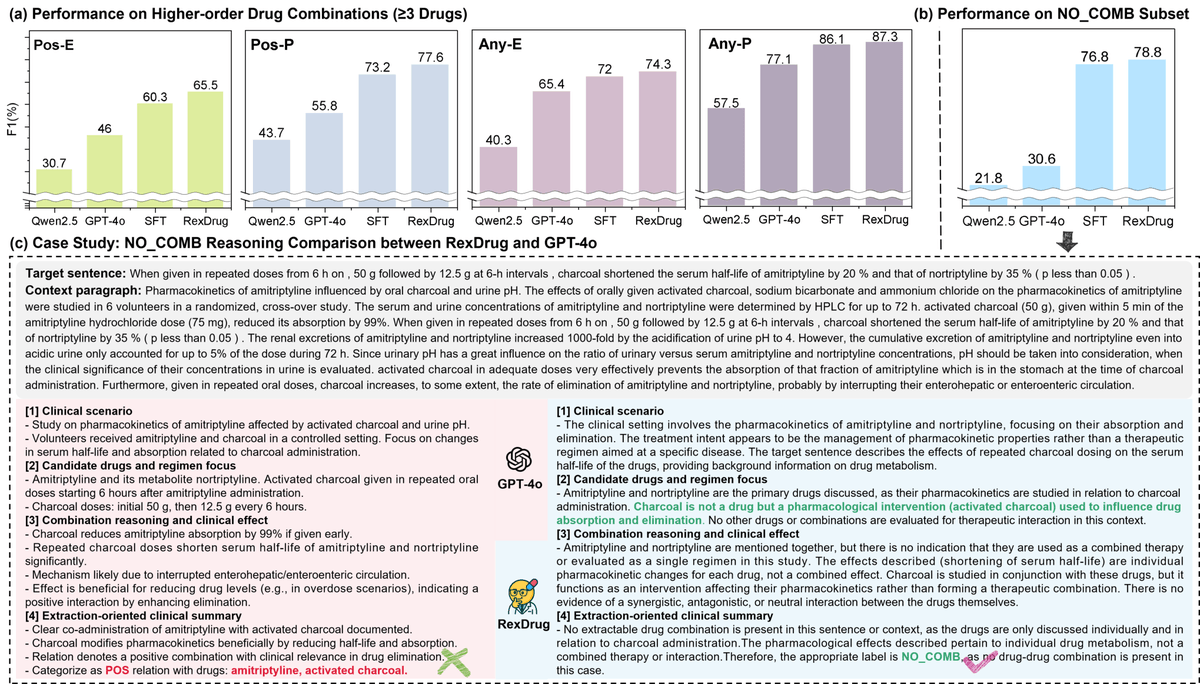
RexDrug uses multi-agent reasoning and reinforcement learning to extract complex multi-drug combinations from medical literature, beating GPT-4o and prior baselines on accuracy and interpretability.