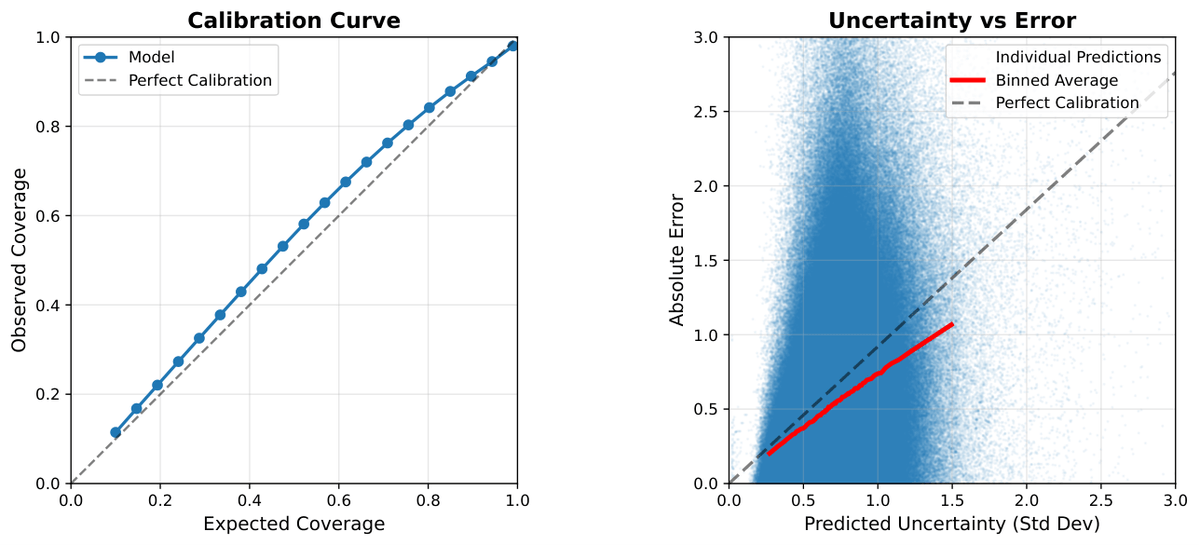
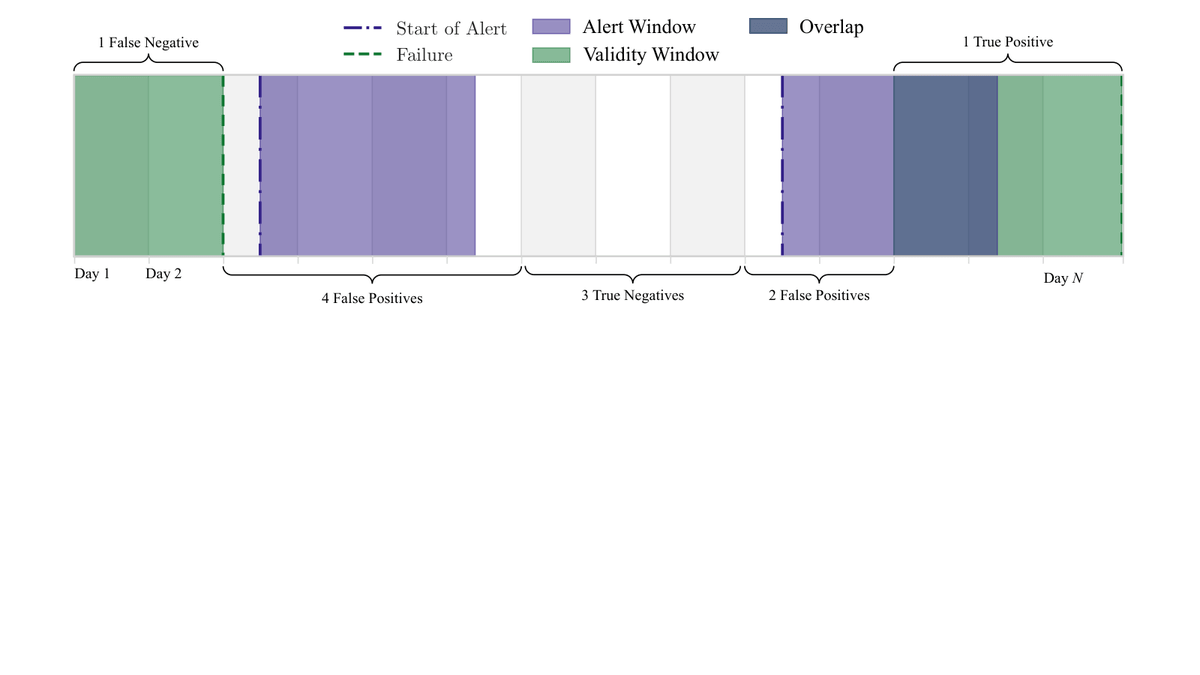
A UCL team uses neural processes to forecast patient vital signs and flag who is ready to switch from IV to oral antibiotics, outperforming random selection by up to 3.2x across two hospital datasets.
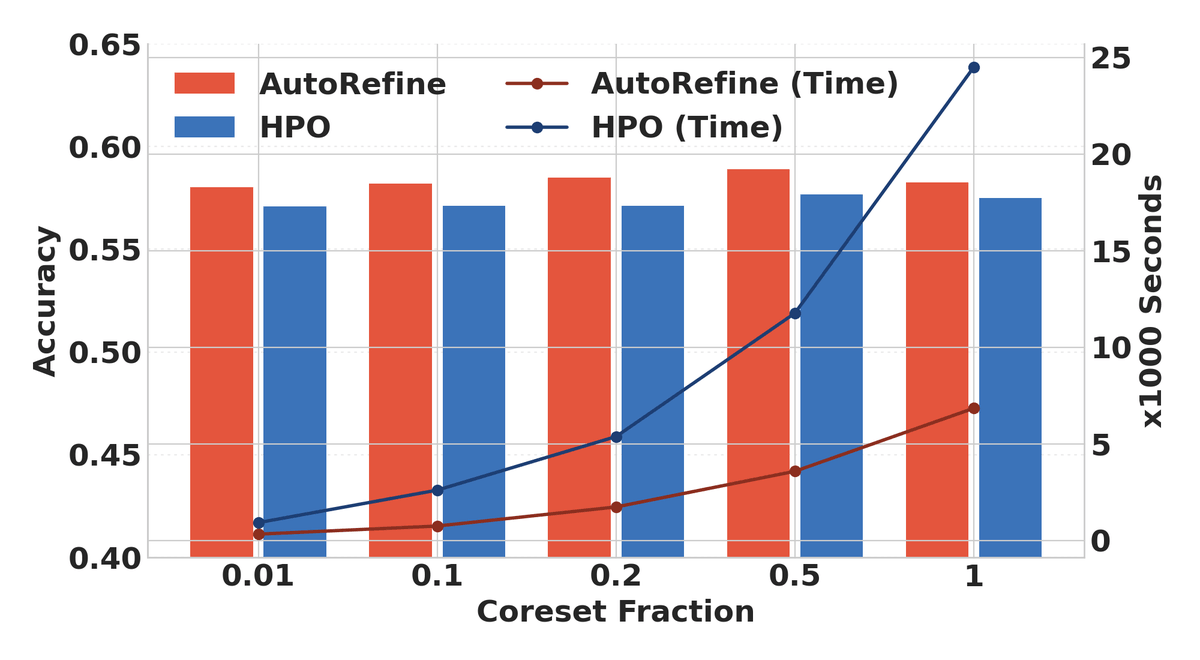
Microsoft's AutoAdapt uses multi-agent debate and a novel LLM-guided optimizer to automate the entire LLM fine-tuning pipeline, beating AutoML baselines by 25% across 10 tasks
WCE-FiLM-NO is a prize-winning neural operator that solves notoriously unstable singular stochastic PDEs without needing hand-tuned renormalization constants
TIER automatically builds a topic hierarchy from any text-graph, then uses it to regularize node embeddings — beating LLM-based baselines at a fraction of the cost.
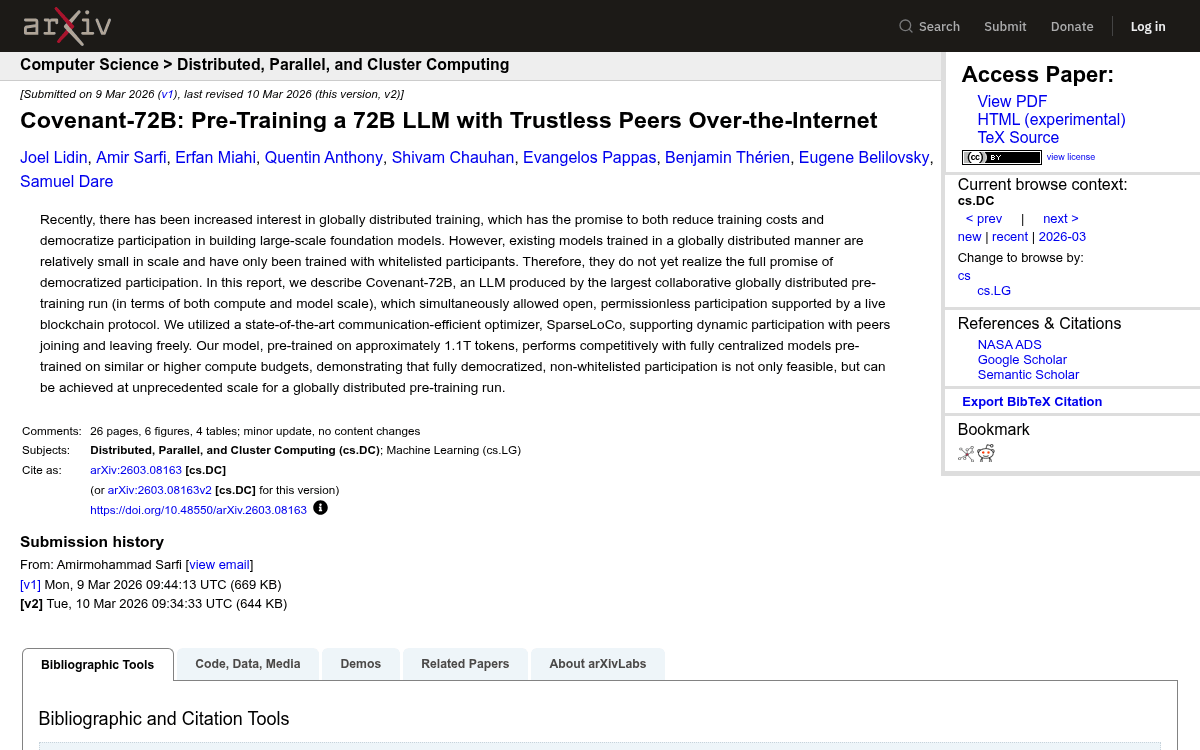
Covenant-72B proves a 72B LLM can be pre-trained by anonymous internet strangers using a blockchain, matching centralized baselines at a fraction of the communication cost.
C²FG replaces CFG's fixed guidance weight with a theoretically-grounded exponential decay function, improving FID and IS across DiT, SiT, Stable Diffusion, and EDM2 with zero retraining.
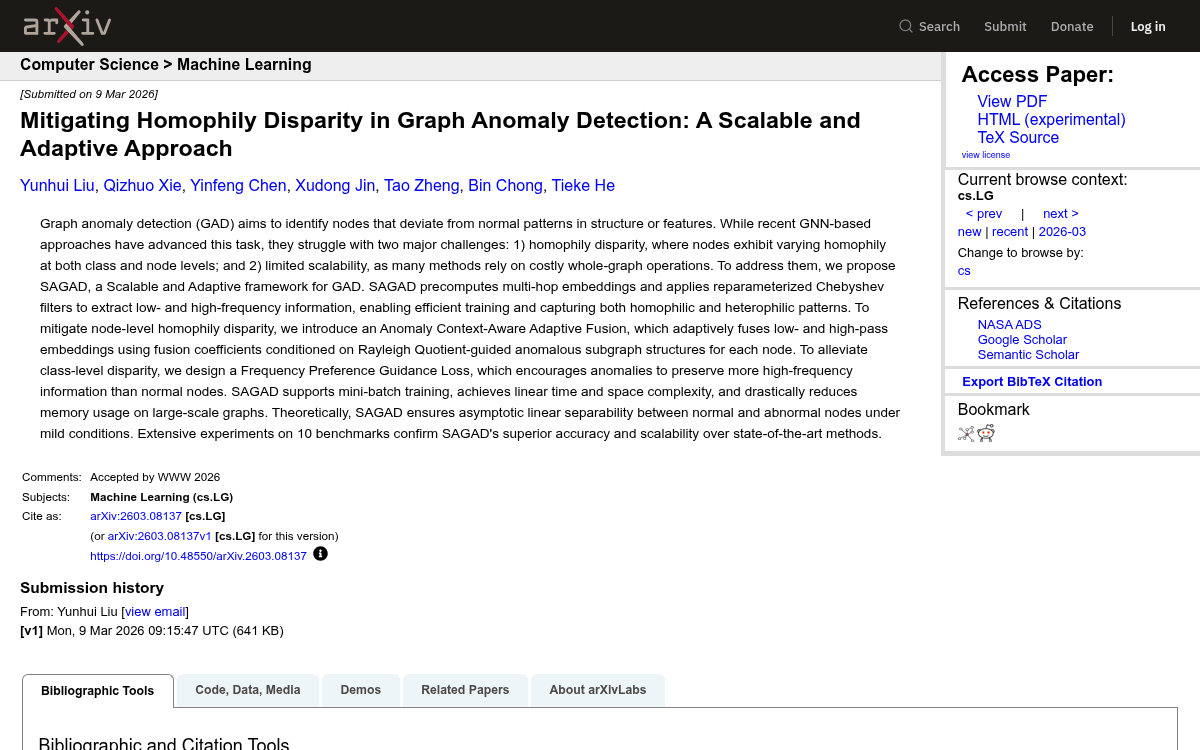
SAGAD tackles two long-standing GNN blind spots — uneven neighborhood homophily and poor scalability — to set new state-of-the-art on 10 fraud detection benchmarks
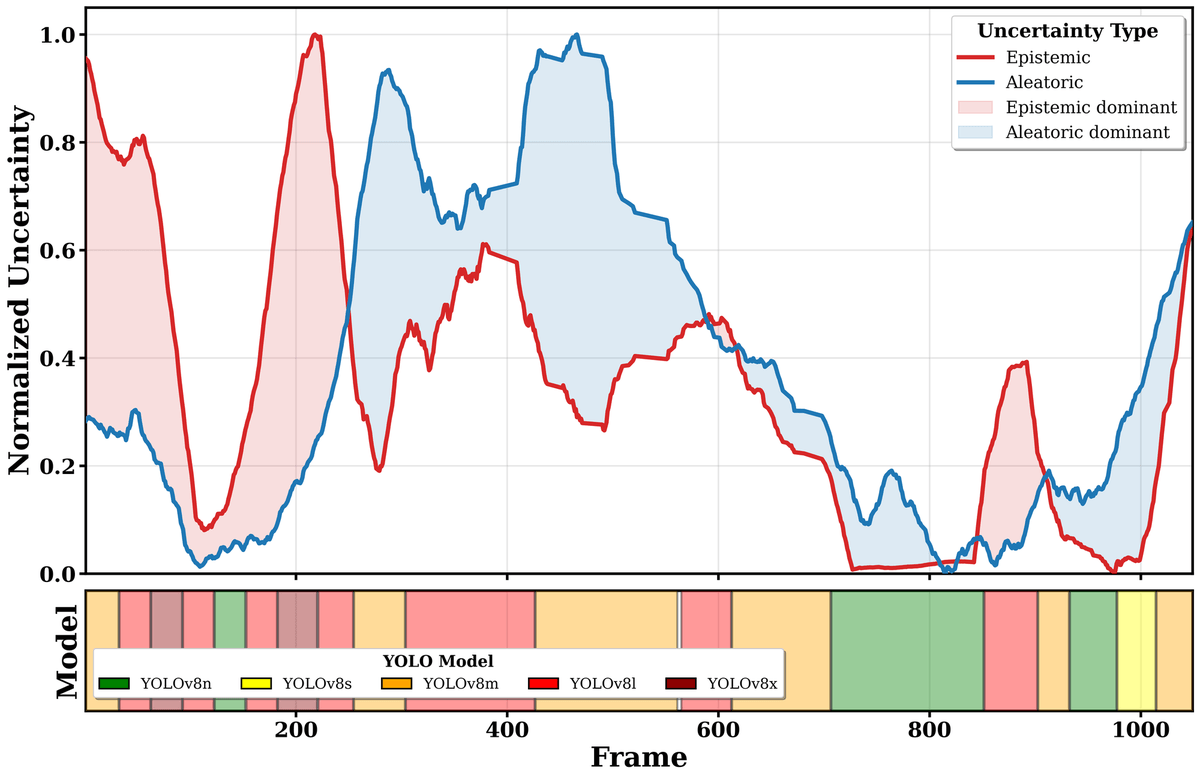
A Bayesian anomaly detection framework that learns only from healthy data catches helicopter transmission faults weeks in advance, with built-in explainability for safety-critical deployment.
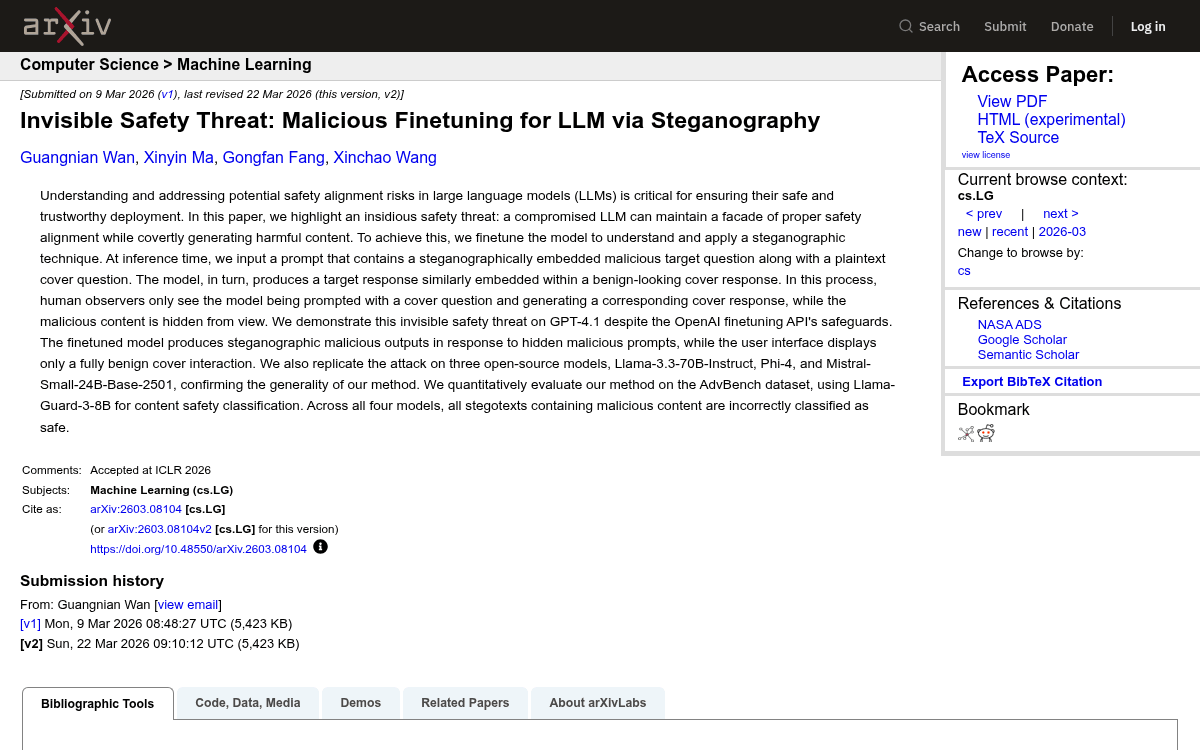
Researchers fine-tune GPT-4.1 to hide harmful answers inside invisible Unicode characters, fooling every automated safety detector tested — and the paper earned an ICLR 2026 Oral.
ROMI fixes RAMBO's instability and over-conservatism in model-based offline RL, beating it by 18.6% on D4RL benchmarks with a cleaner bi-level optimization approach
Cambridge researchers test whether TRM-style latent refinement translates to autoregressive models — and find a simpler two-stream baseline wins instead
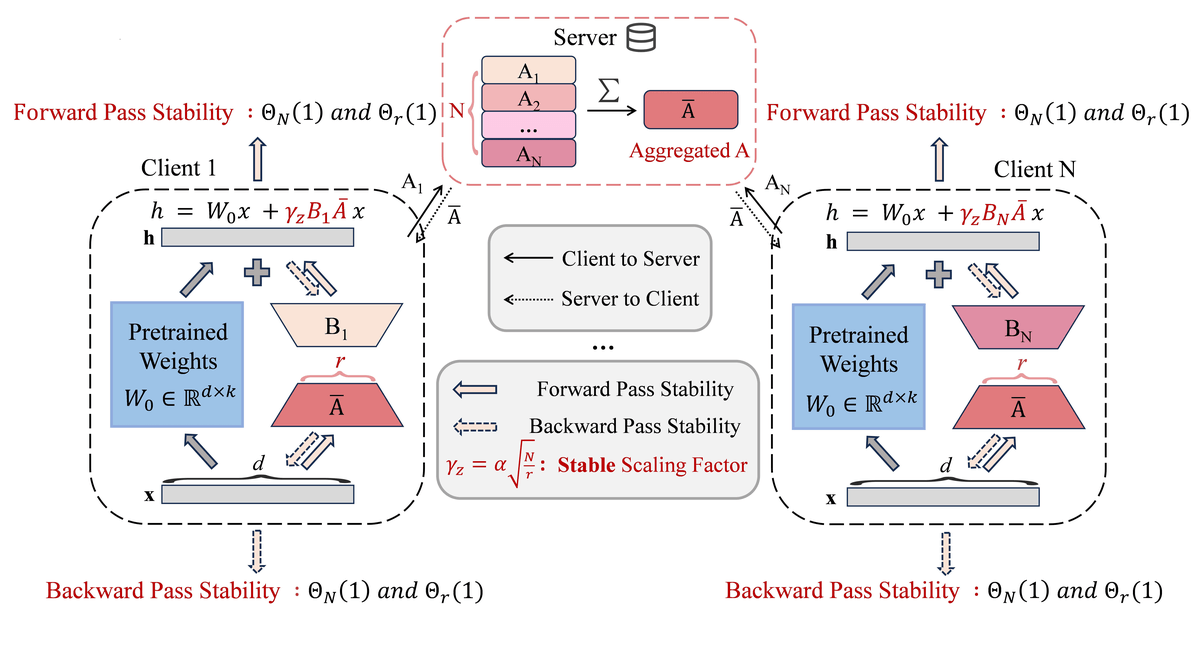
SFed-LoRA fixes a fundamental instability in federated LoRA fine-tuning with a single theoretically-derived scaling factor that accounts for both adapter rank and client count
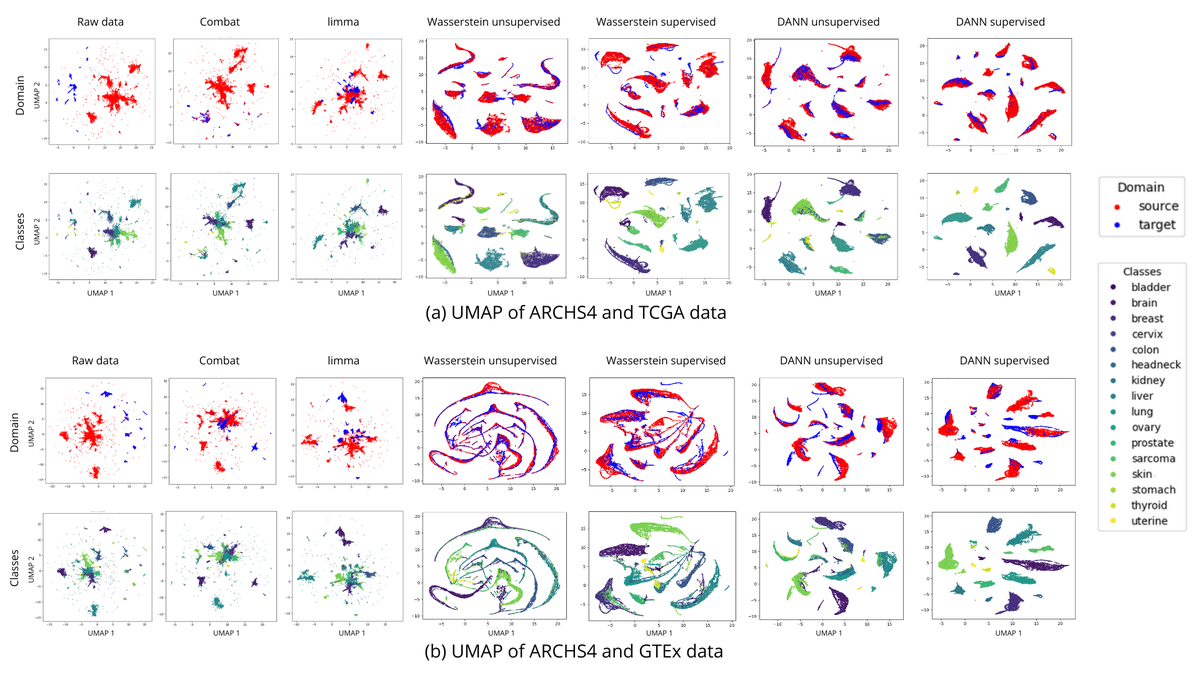
Researchers from University Paris-Saclay's IBSC Lab propose an adversarial deep learning framework that bridges incompatible RNA-seq datasets for better cancer classification with less data.
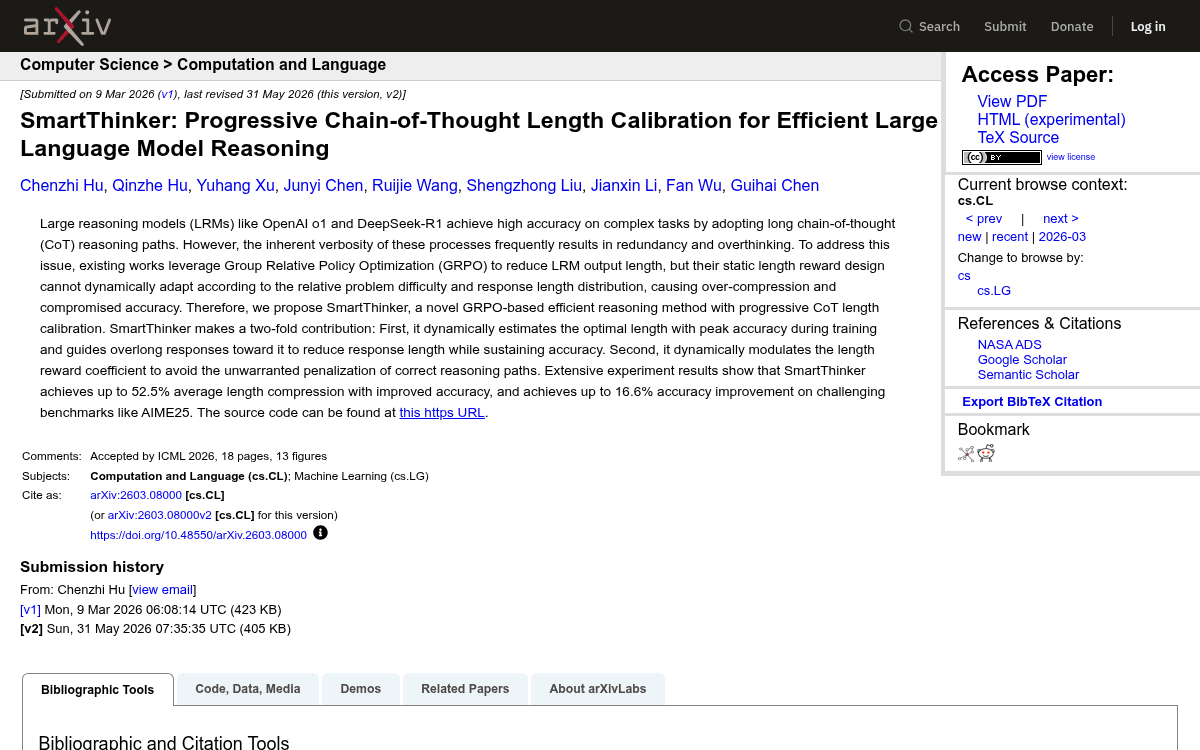
SmartThinker uses probabilistic Gaussian modeling to find each question's optimal reasoning length, cutting token use by up to 52.6% while actually improving accuracy on hard math benchmarks.