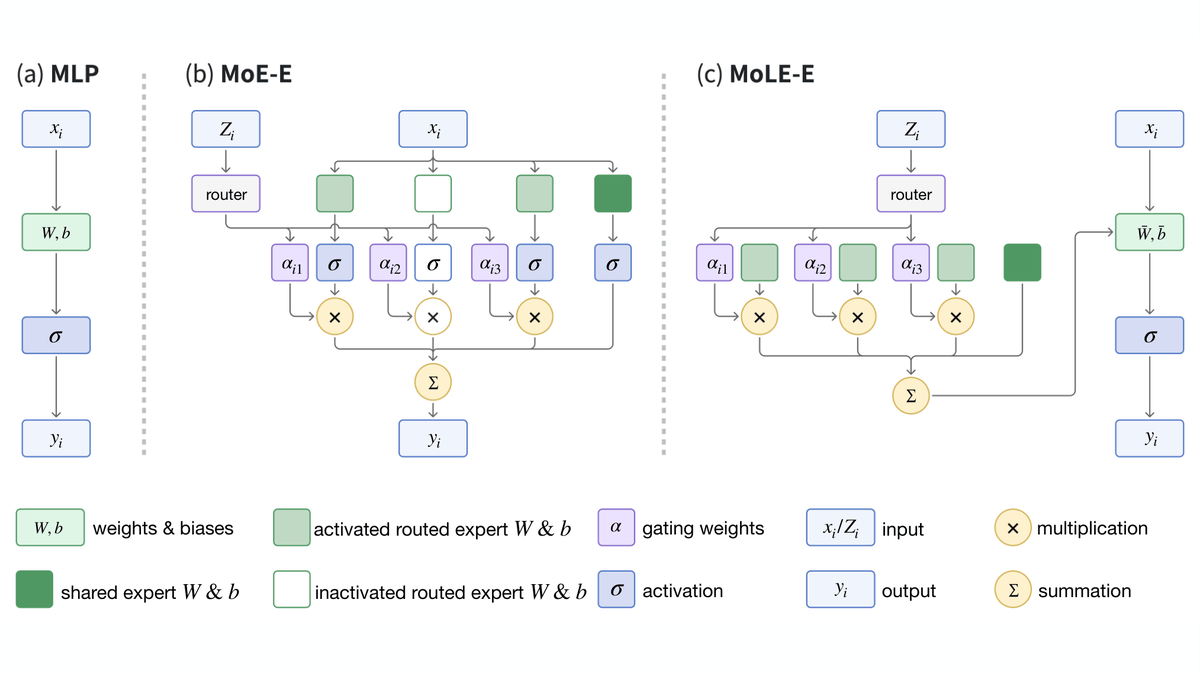
Researchers show that Mixture-of-Experts routing per atom type beats dense scaling for physics simulations, hitting state-of-the-art on three major benchmarks.
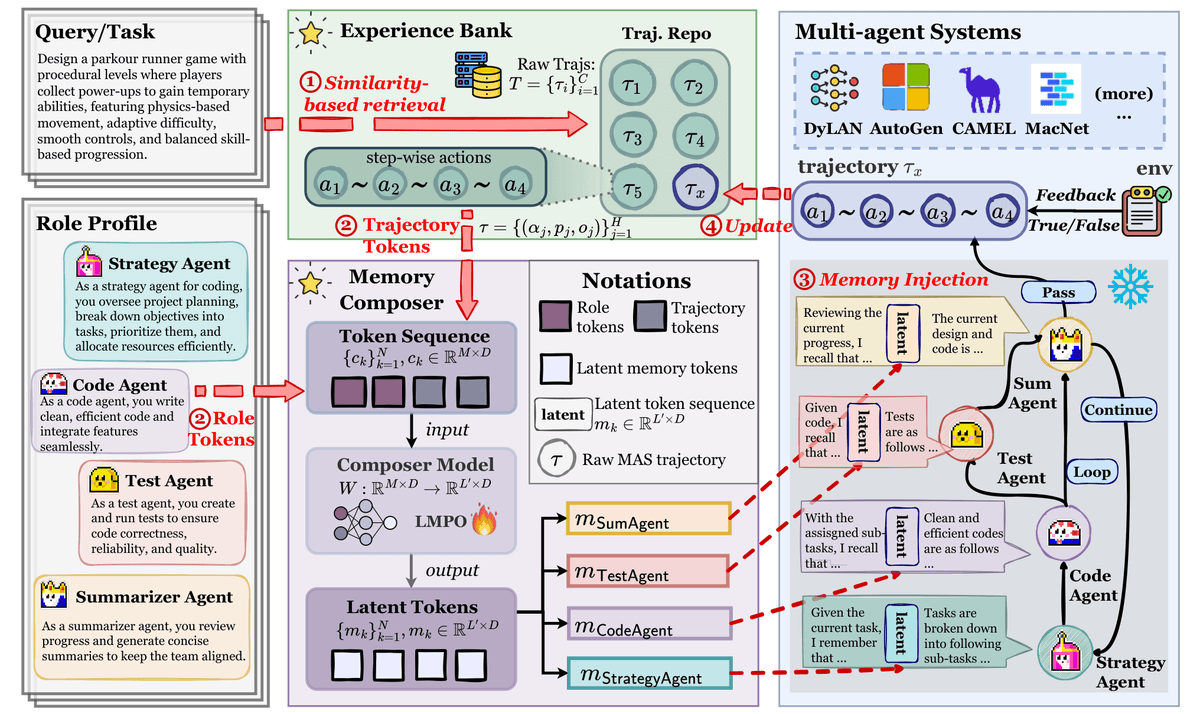
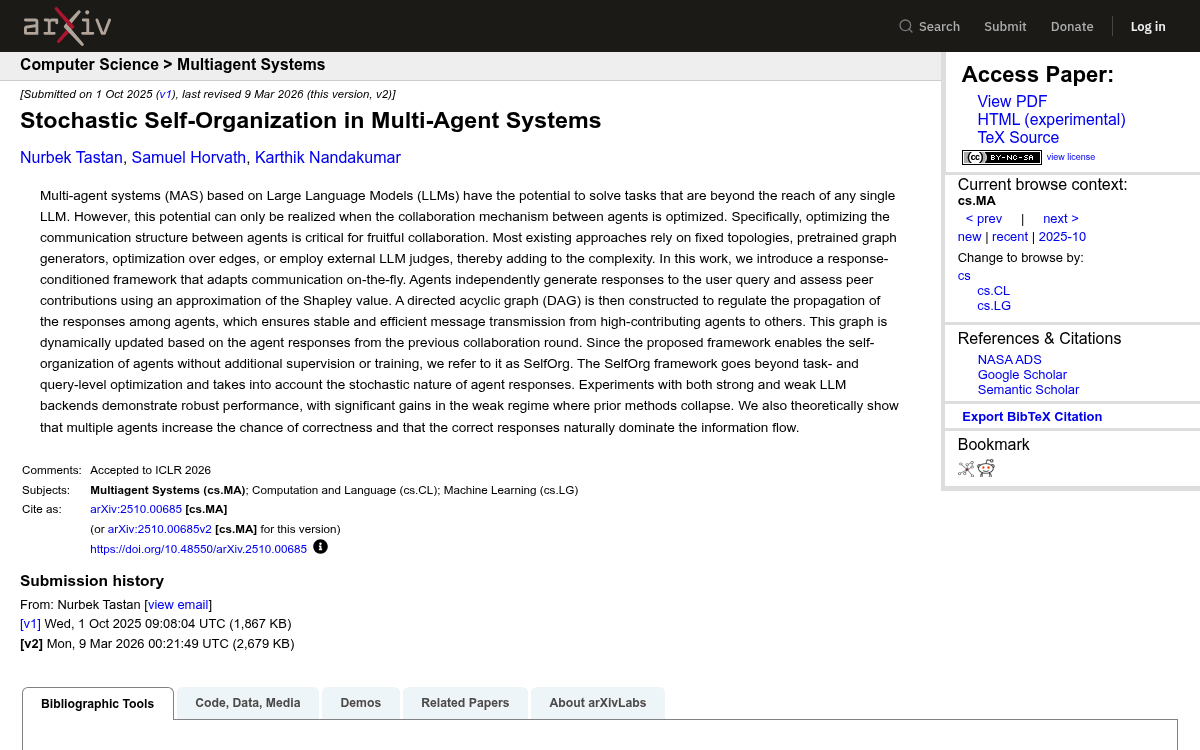
LatentMem gives each agent its own compressed, role-aware memory using latent tokens, cutting inference costs in half while boosting multi-agent system performance by up to 19%
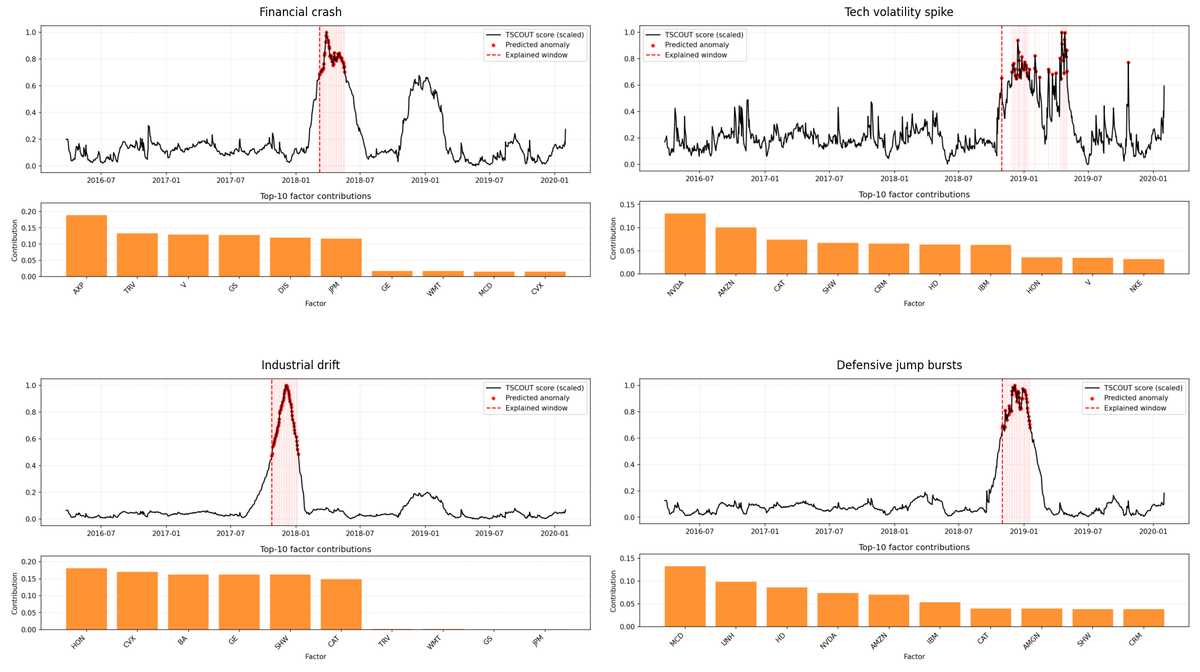
ReGEN-TAD combines a convolutional-transformer backbone with six diagnostic signals to catch financial market anomalies without labeled data — and explain which assets caused them.
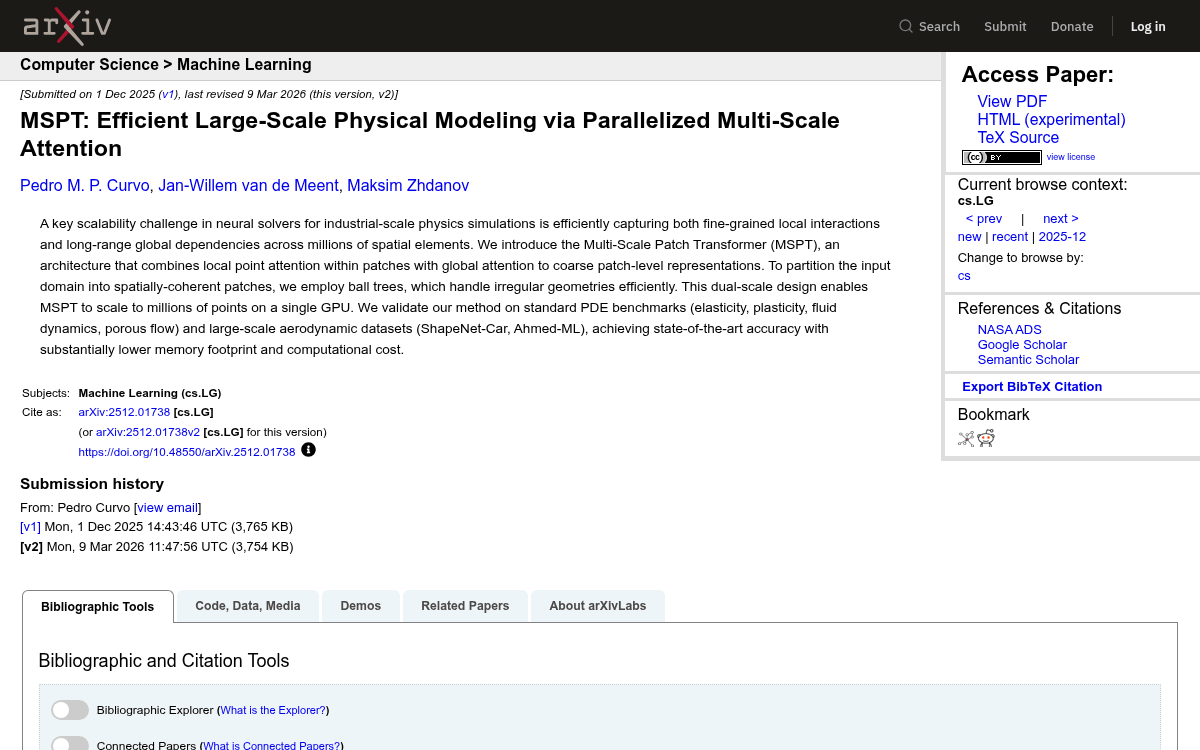
MSPT uses ball-tree patching and dual-scale attention to run million-point physics simulations on a single GPU, beating Transolver by up to 30% on key benchmarks.
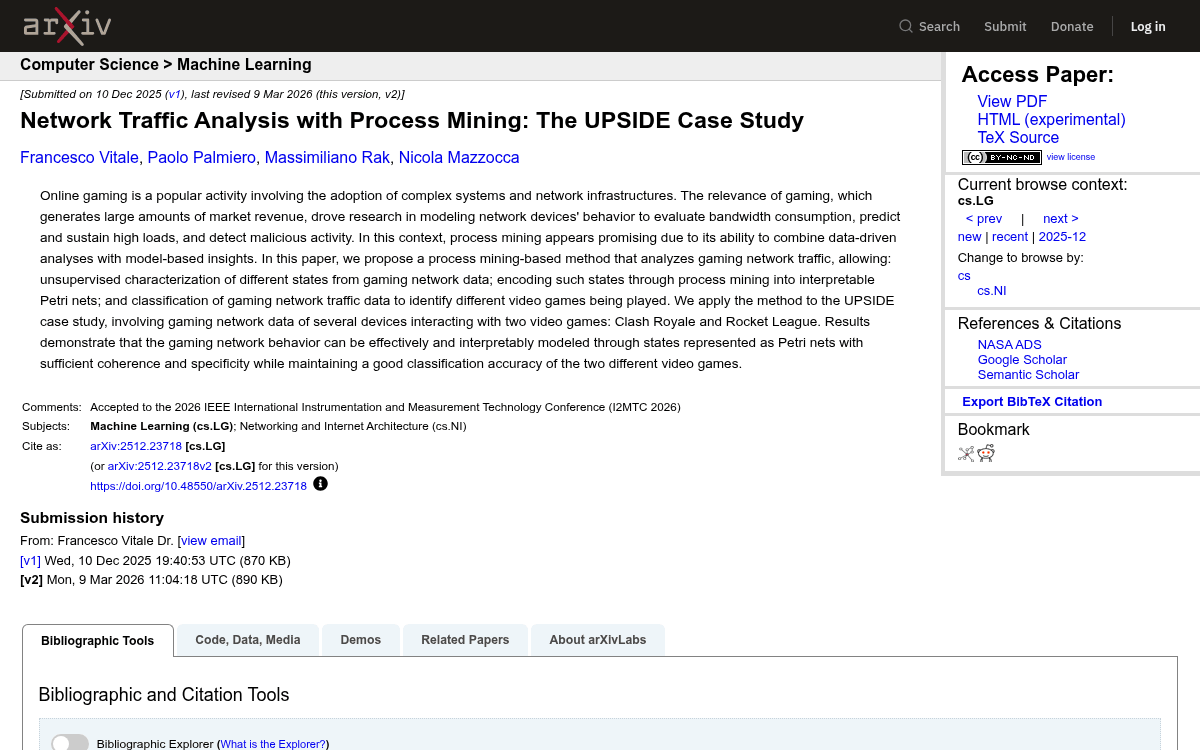
Researchers use process mining to turn raw gaming network packets into interpretable Petri nets that can identify which game a device is playing, achieving 88.3% AUC without any labeled training data.
DROCO introduces a novel Bellman operator that makes offline RL policies robust to both training-time domain gaps and real-world deployment perturbations simultaneously
FD-MVGCL uses fractional-order differential equations to generate a learnable spectrum of graph views, beating 17 baselines without any data augmentation or negative samples
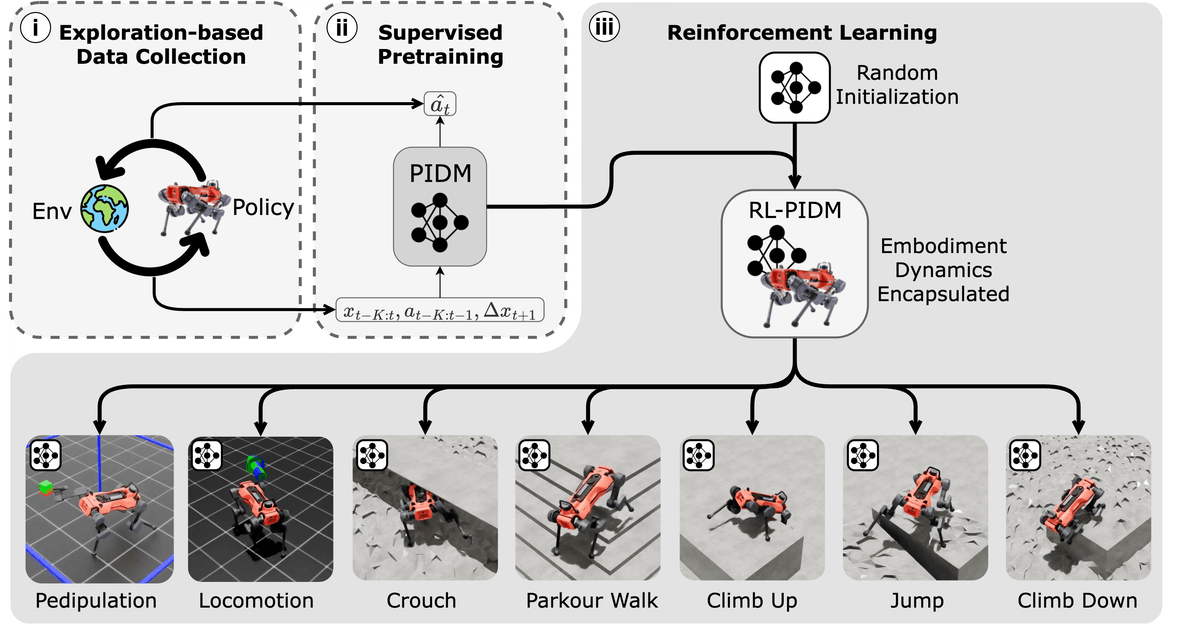
ETH Zurich researchers show that pretraining a robot's inverse dynamics model before RL cuts training time by 37% and boosts final performance across 9 tasks and 3 robot bodies
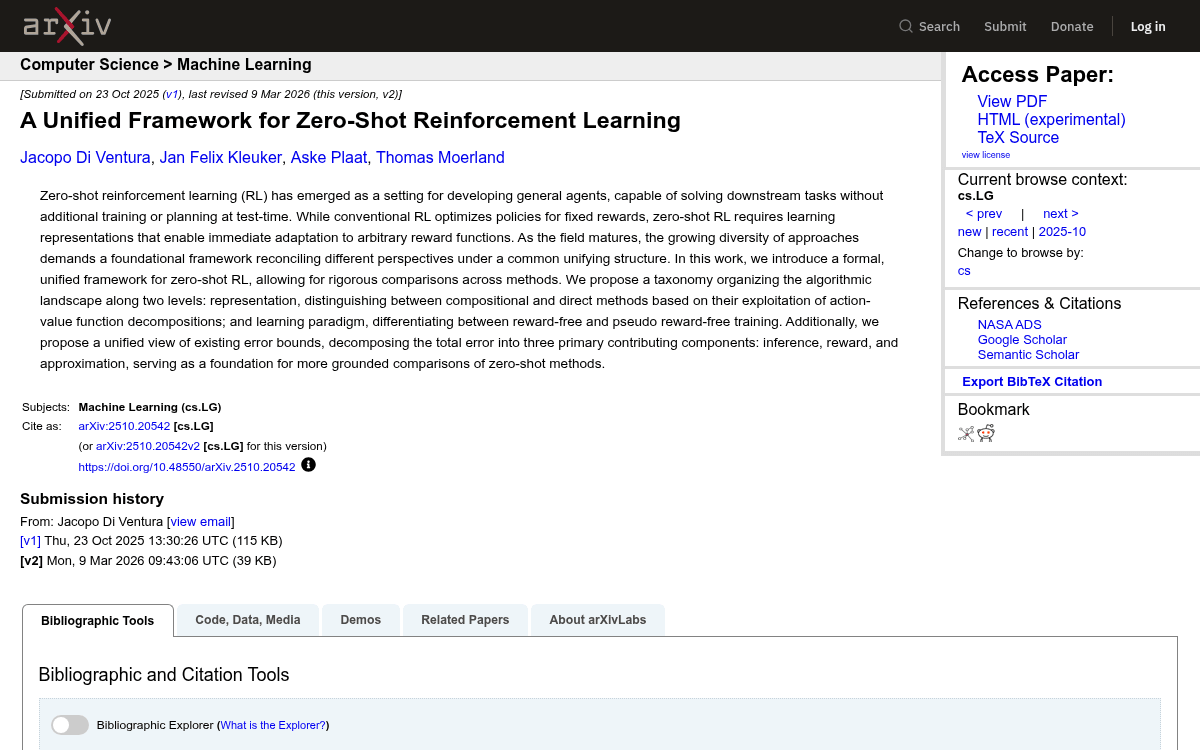
A new paper from Leiden University builds the first formal taxonomy for zero-shot RL, giving researchers a shared language to compare methods that were previously incomparable
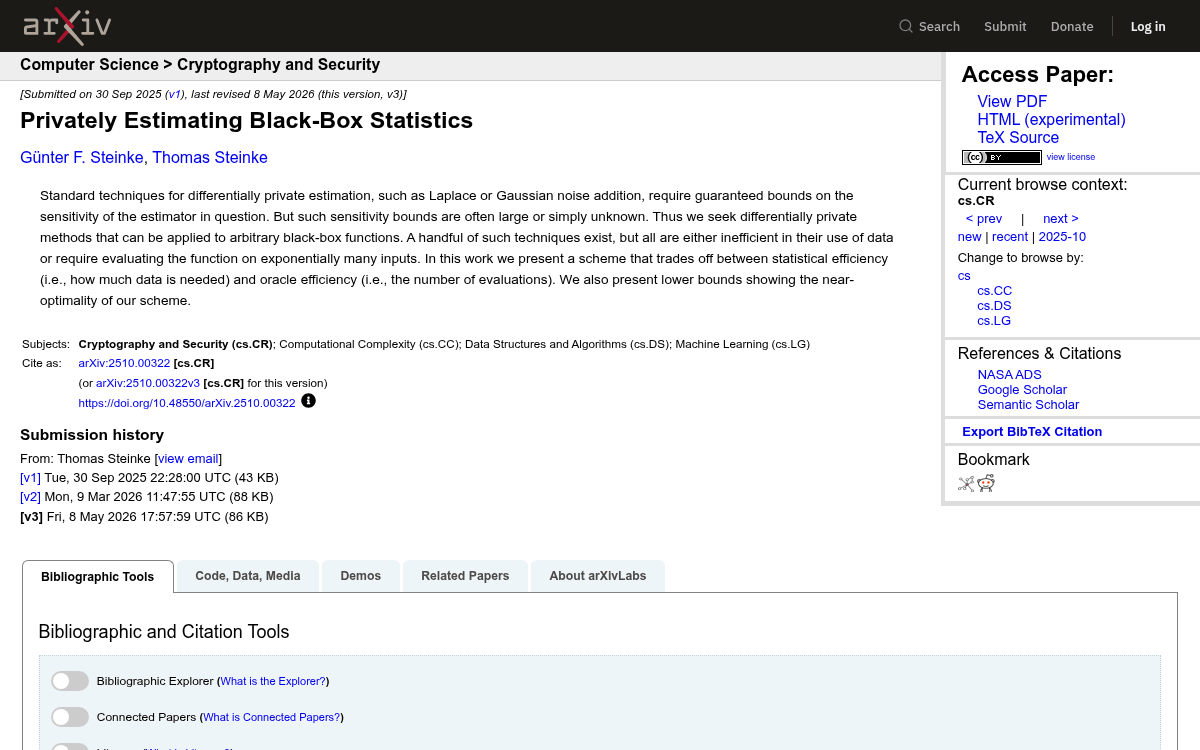
A new algorithm from Google DeepMind lets you apply differential privacy to any black-box function, navigating the tradeoff between data efficiency and computation cost.
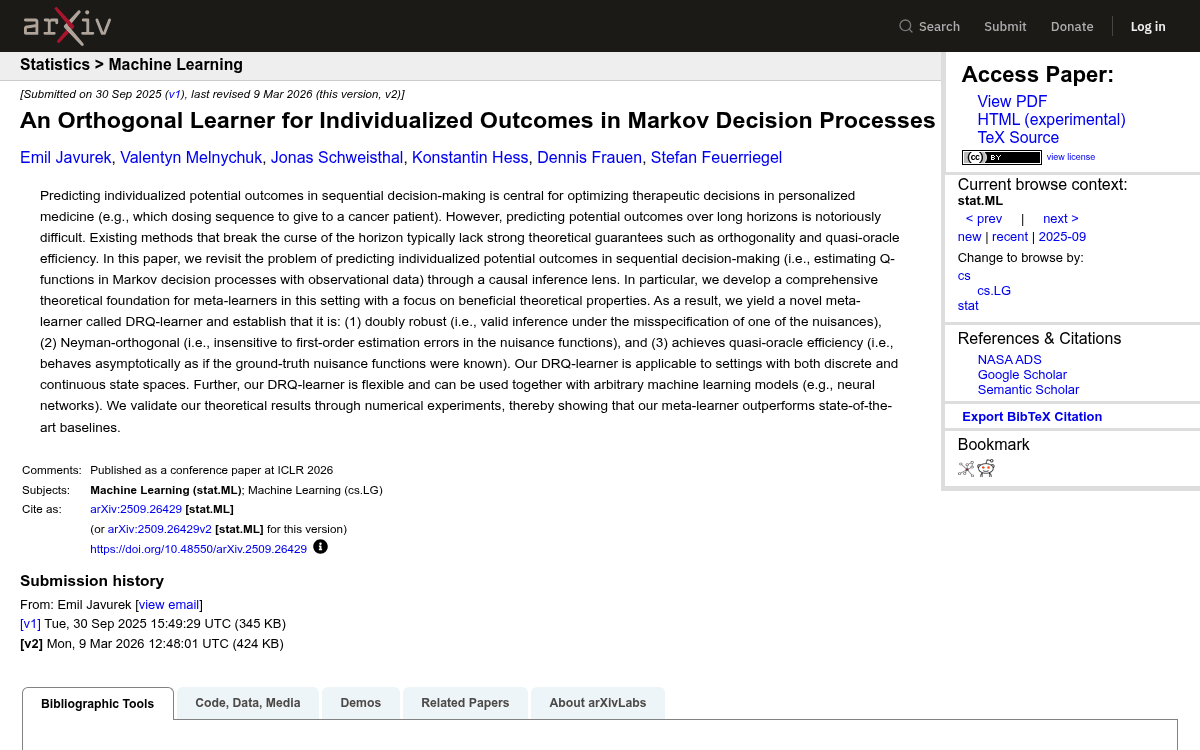
The DRQ-learner is the first meta-learner to simultaneously achieve double robustness, Neyman-orthogonality, and quasi-oracle efficiency for Q-function estimation from observational data in MDPs.
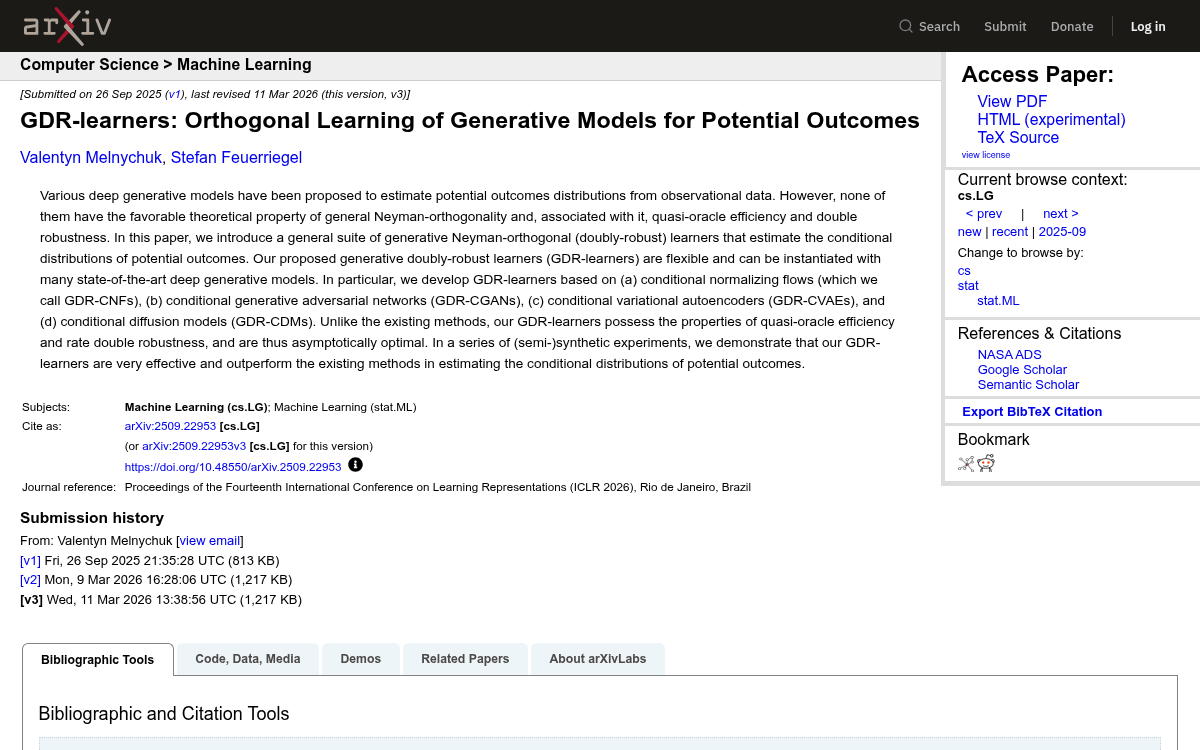
GDR-learners bring doubly-robust, asymptotically optimal training to generative models for causal potential outcome distributions, outperforming all existing baselines.
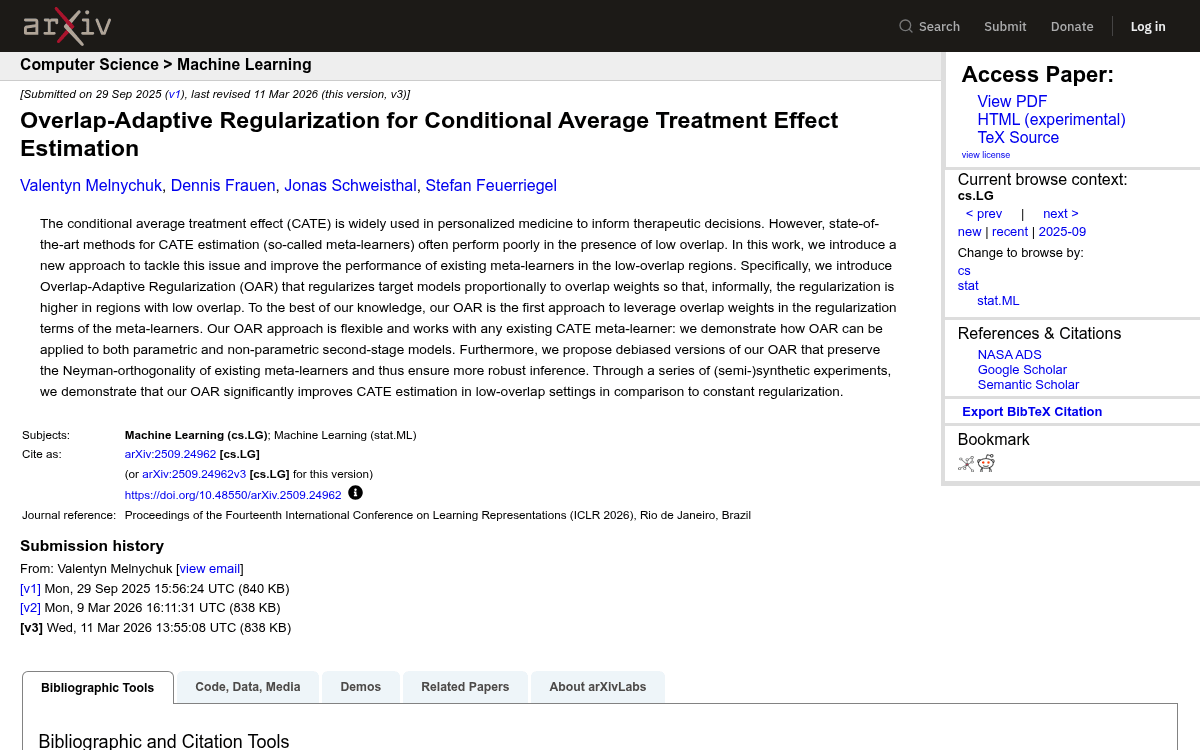
OAR is a plug-in regularization wrapper that makes any CATE meta-learner dramatically more reliable in data-sparse treatment regions, with code released.
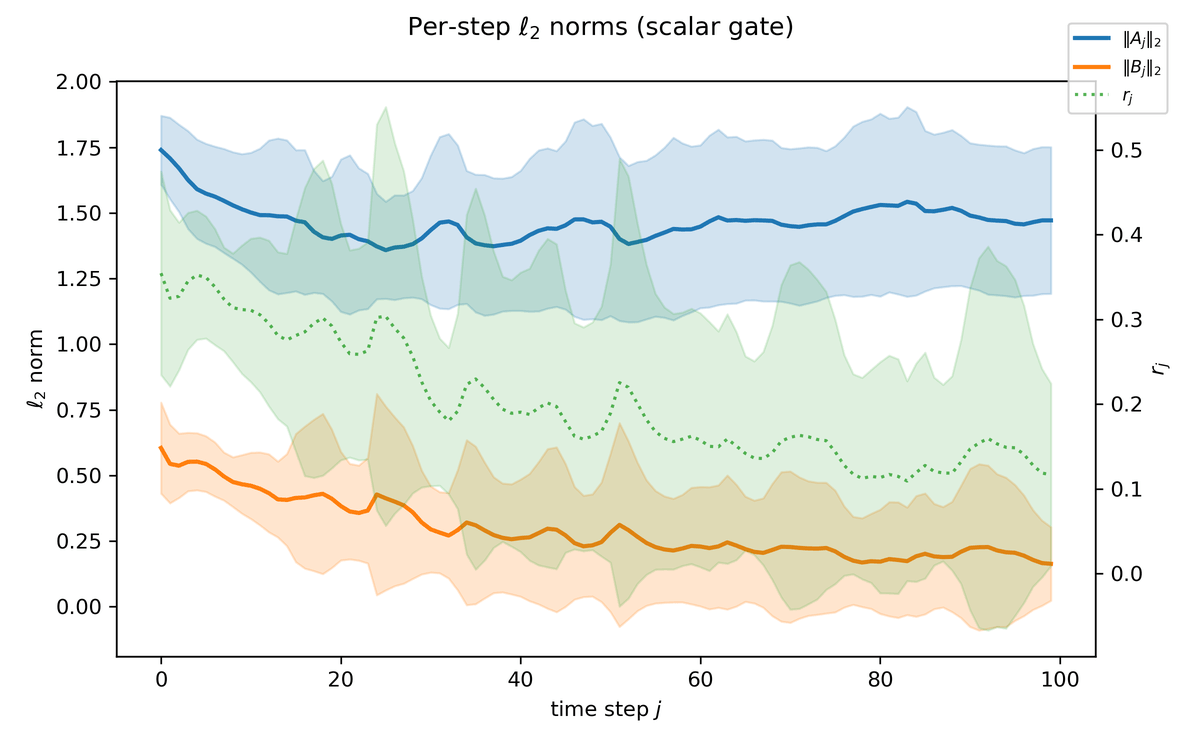
A new paper proves that RNN gates secretly act as adaptive optimizers, inducing per-neuron learning rates even under plain SGD -- with implications for how we design and train sequence models.