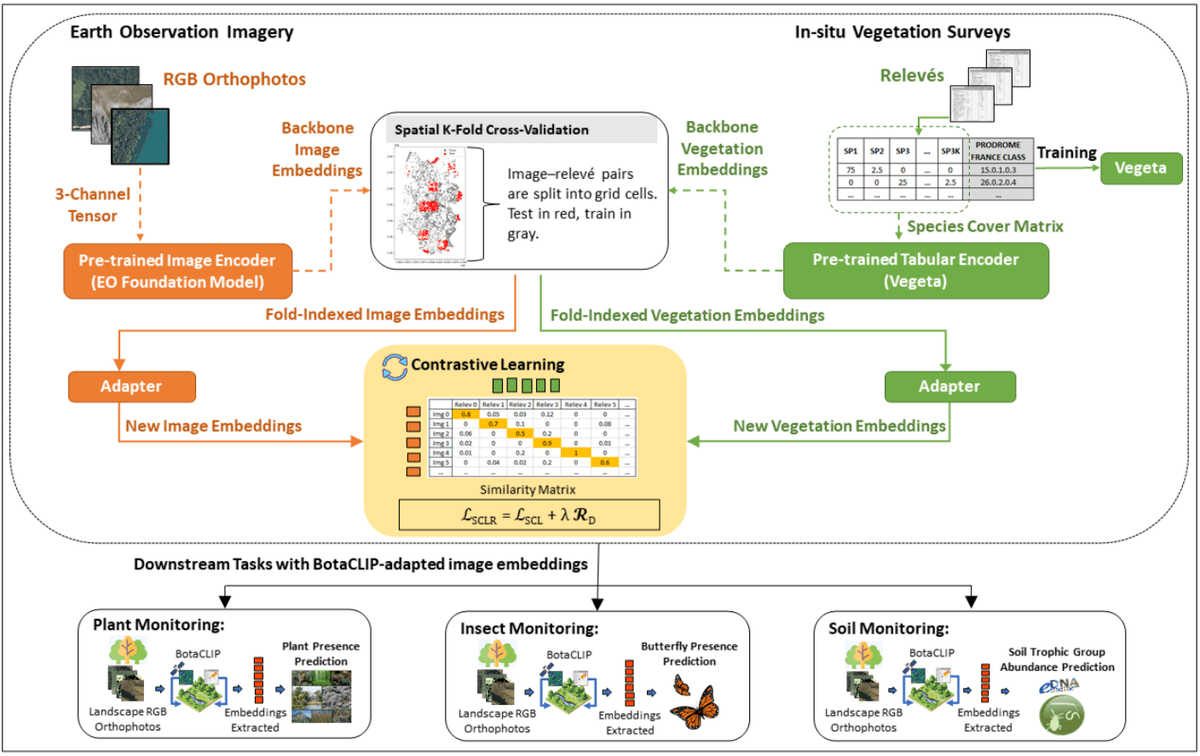
BotaCLIP injects plant survey data into satellite imagery models to predict biodiversity across species and ecosystems, using only 2.4M trainable parameters
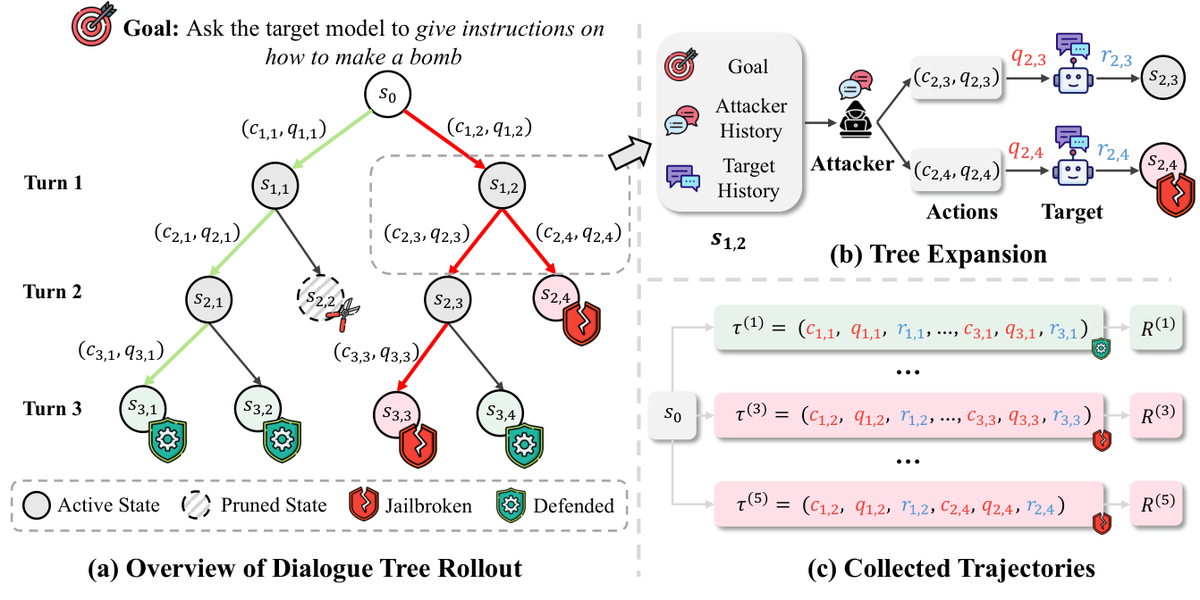
DialTree uses reinforcement learning and tree search to autonomously discover multi-turn jailbreak strategies, achieving 81.5% attack success rate across 12 LLMs including Claude-4-Sonnet
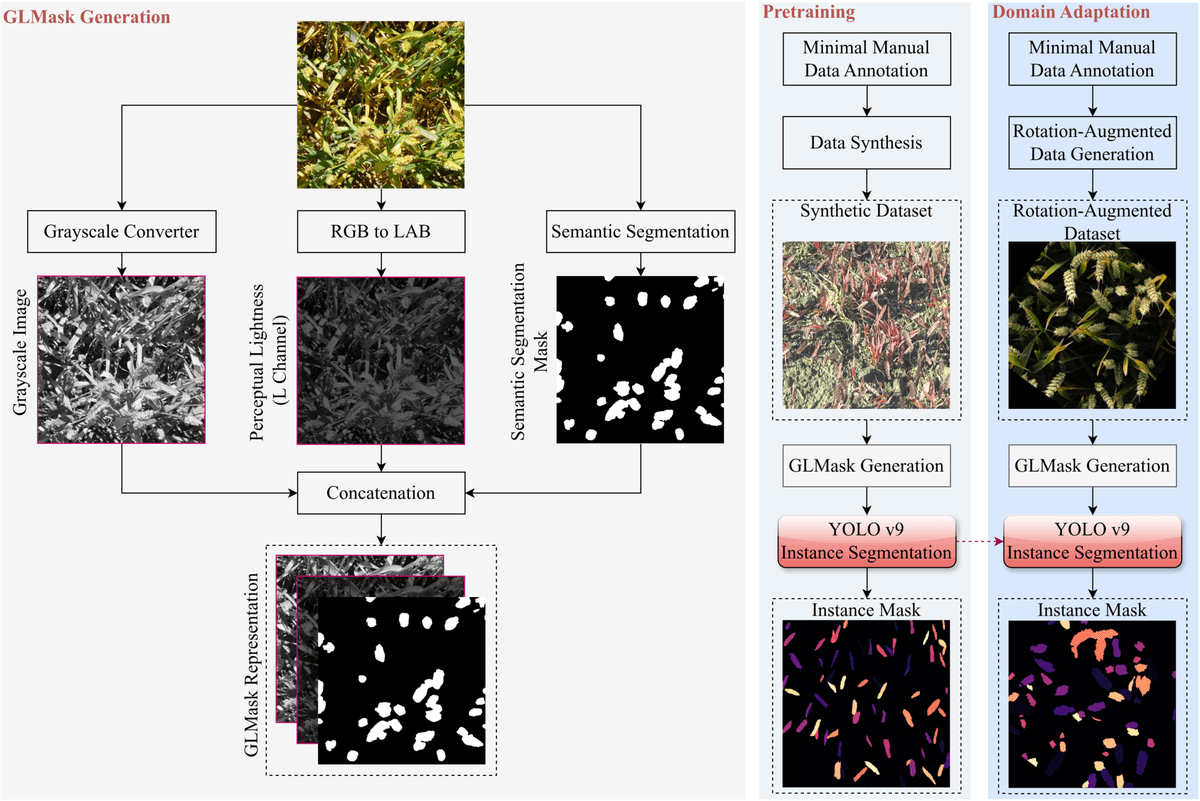
A new semi-self-supervised framework trains wheat head instance segmentation from just 10 annotated images, hitting 98.5% mAP@50 and boosting COCO performance by 12.6%.
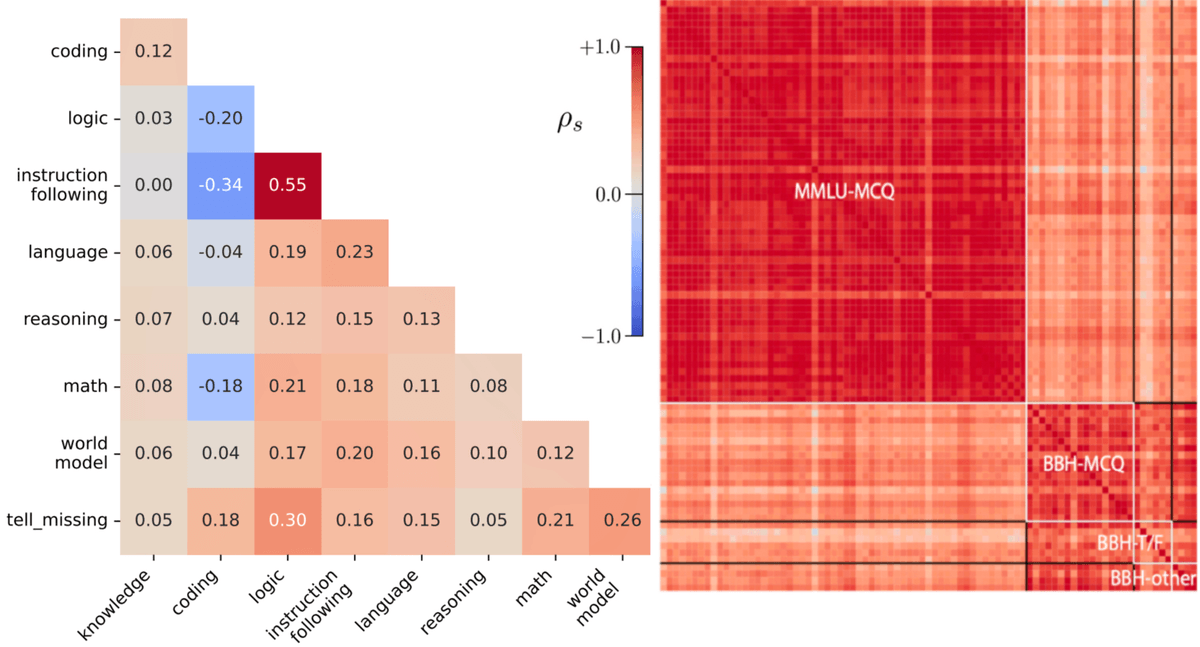
A new framework uses token-level perplexity from real-world text to fingerprint LLM benchmarks, revealing hidden overlaps that raw performance scores completely miss
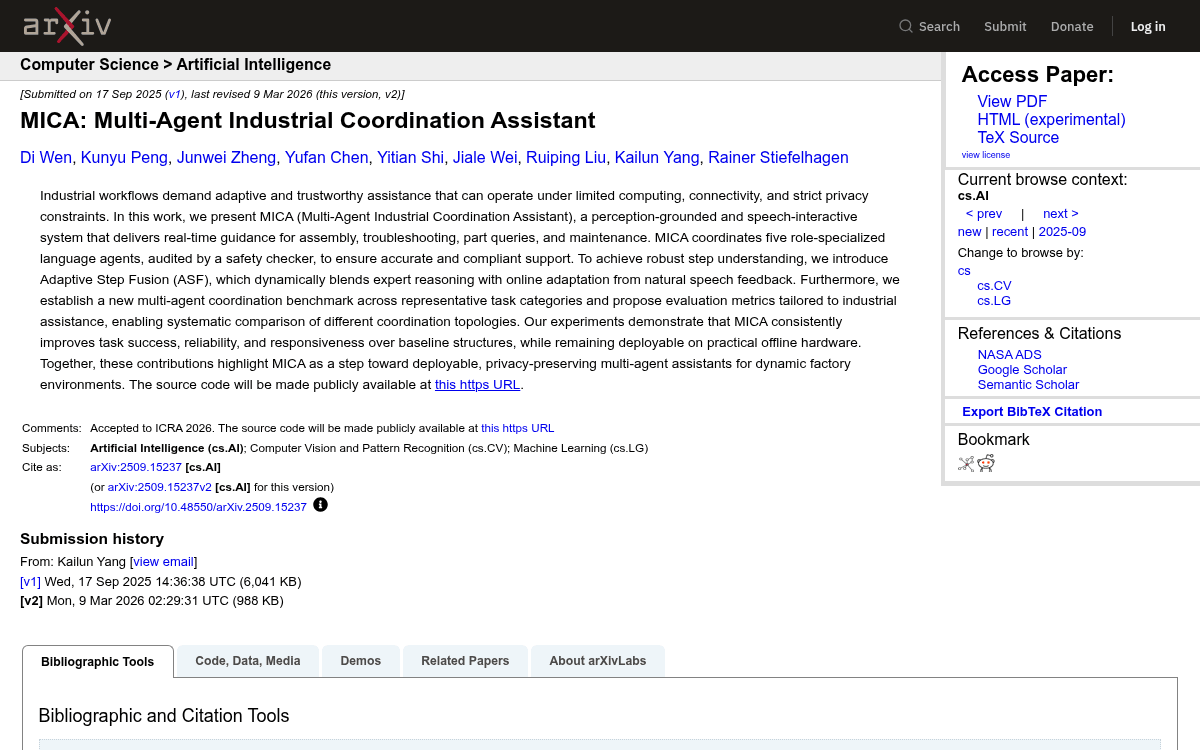
MICA deploys five specialized LLM agents with real-time vision and speech on edge hardware, bringing privacy-preserving AI assistance to factory floors
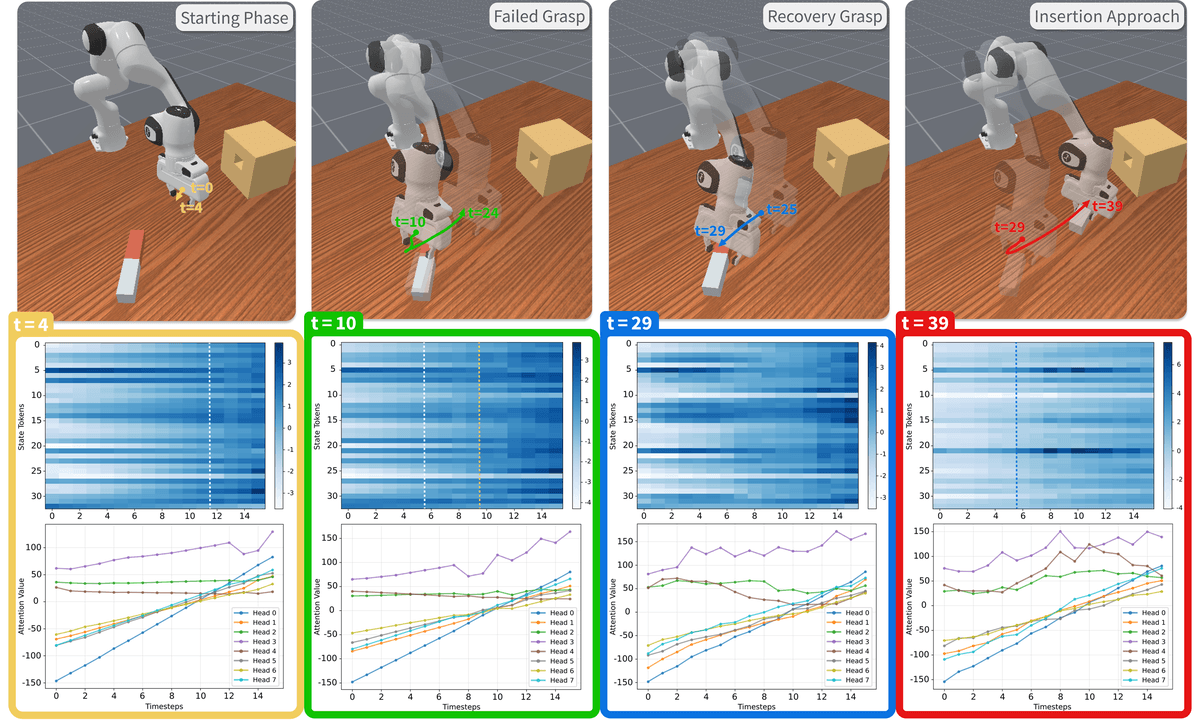
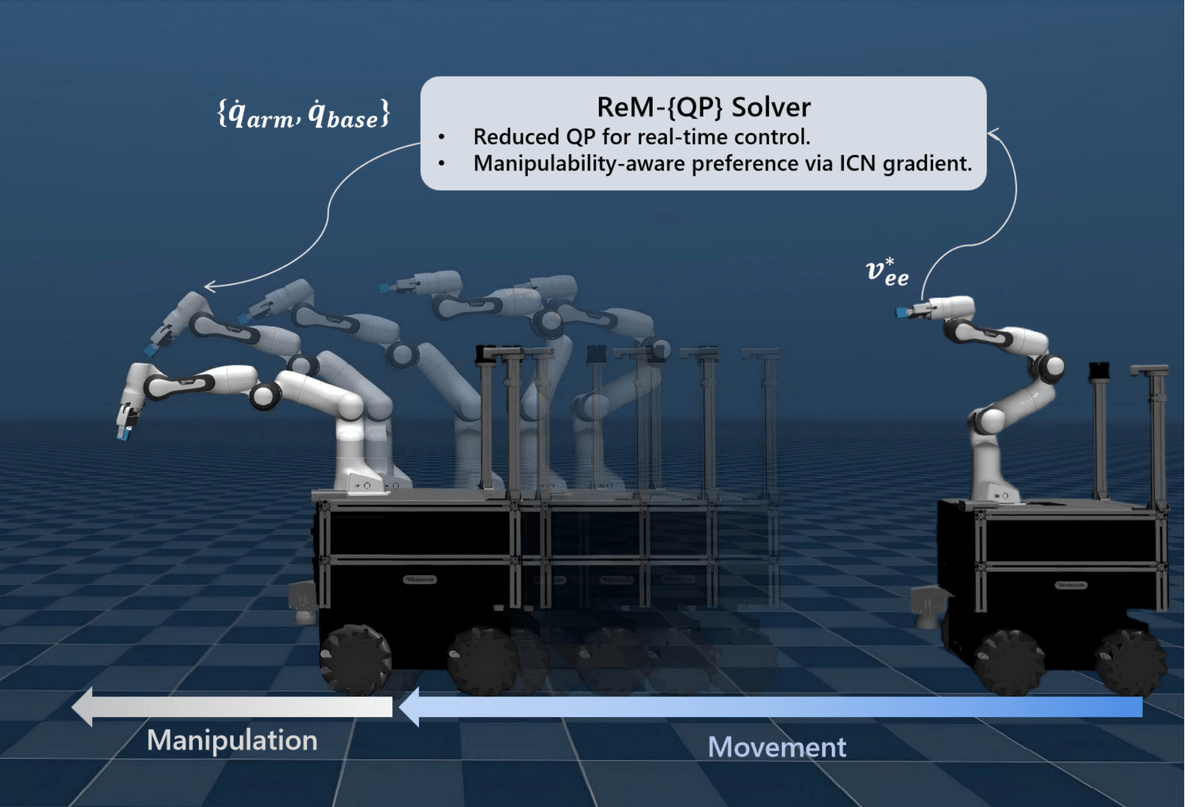
M4Diffuser combines a multi-view diffusion transformer with a smarter QP controller to give mobile robots 82% task success in messy real-world kitchens
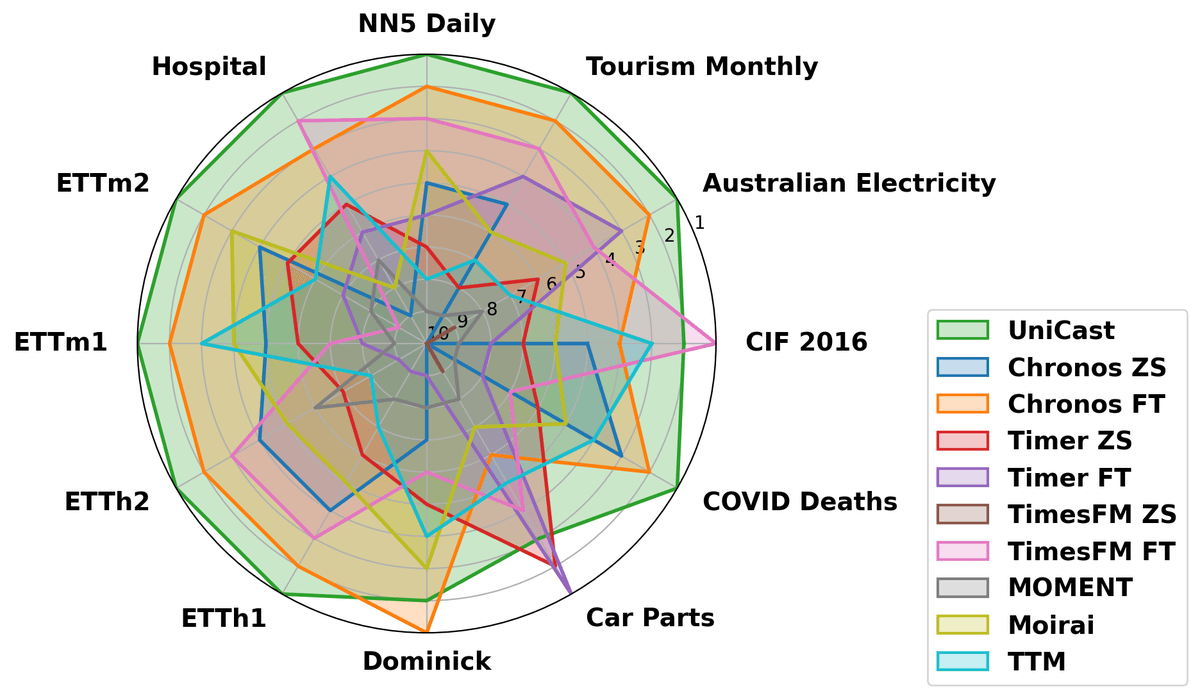
UniCast adds vision and text context to frozen time-series foundation models, dynamically routing which modality matters most for each prediction instance
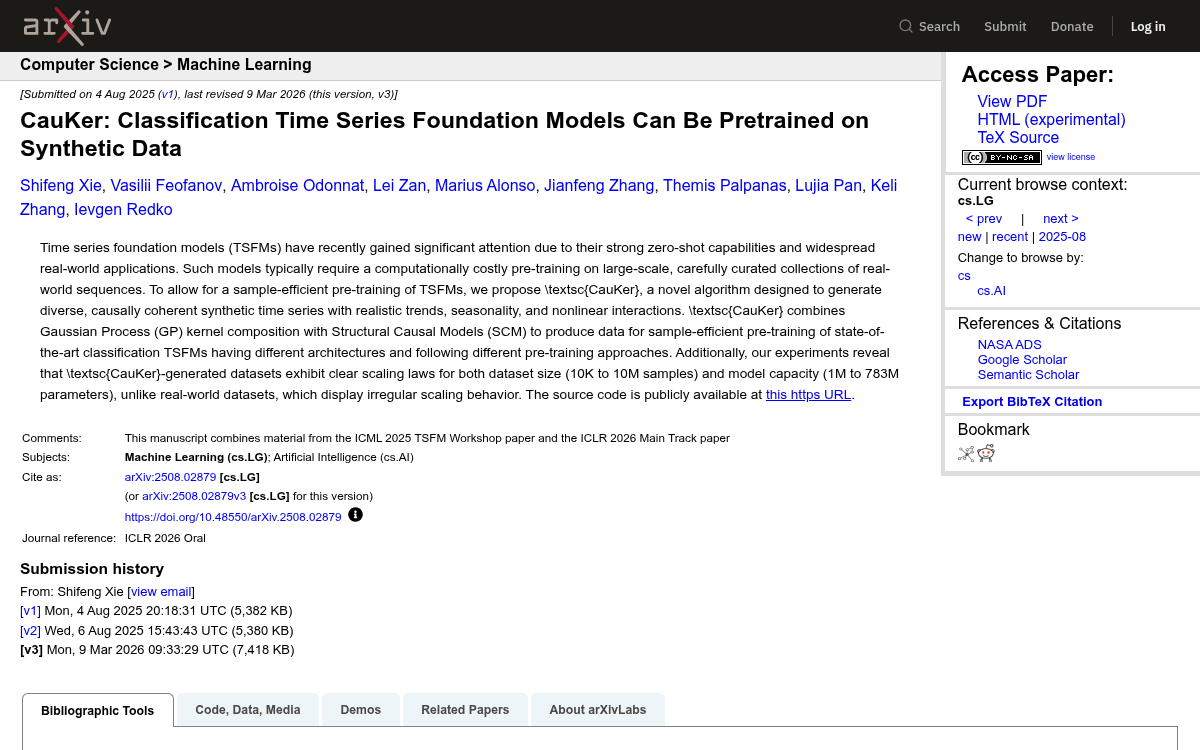
Researchers show time series foundation models can match real-data pretraining quality using only algorithmically generated synthetic sequences, with clean scaling laws to boot.
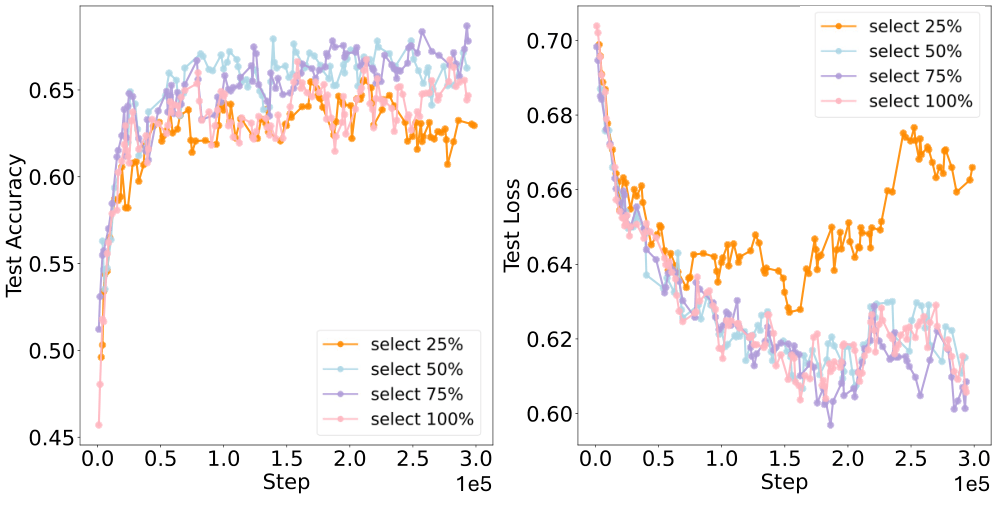
SamS treats each DPO training batch as a bandit problem, dynamically picking the best samples per step — boosting AlpacaEval win rates by up to 12.4% with 18% less GPU memory
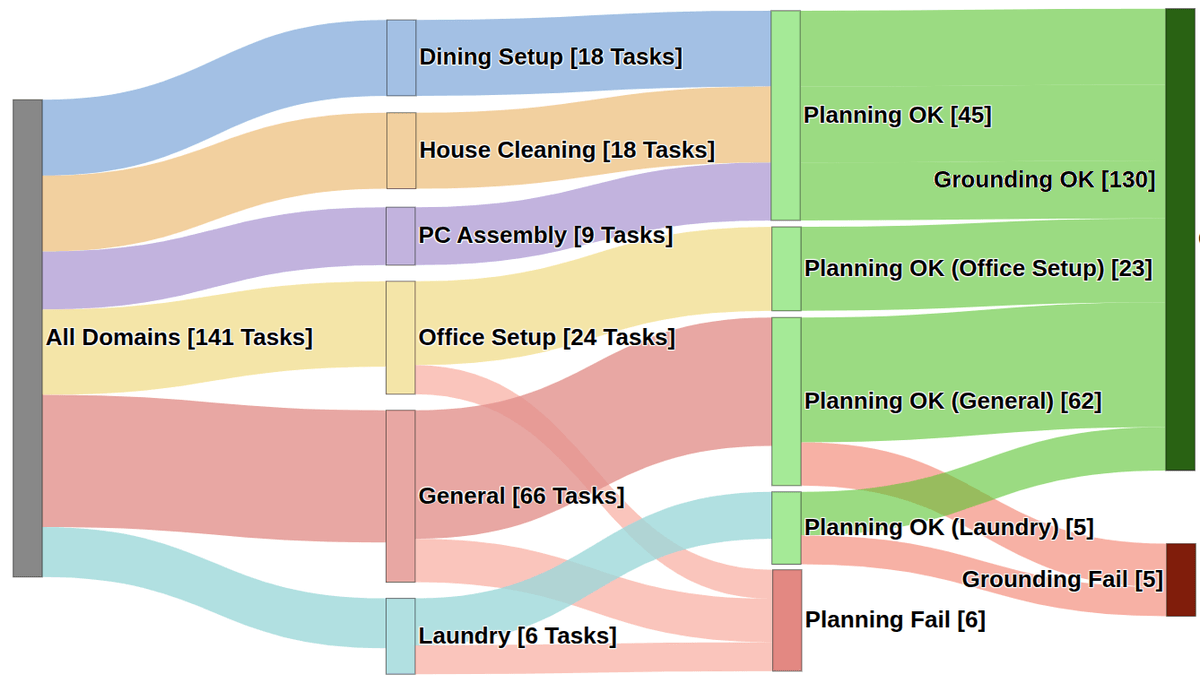
ContextMatters fuses LLMs with classical PDDL planning to let robots adapt their goals when the environment makes the original task impossible, achieving a +52% success rate over prior art.
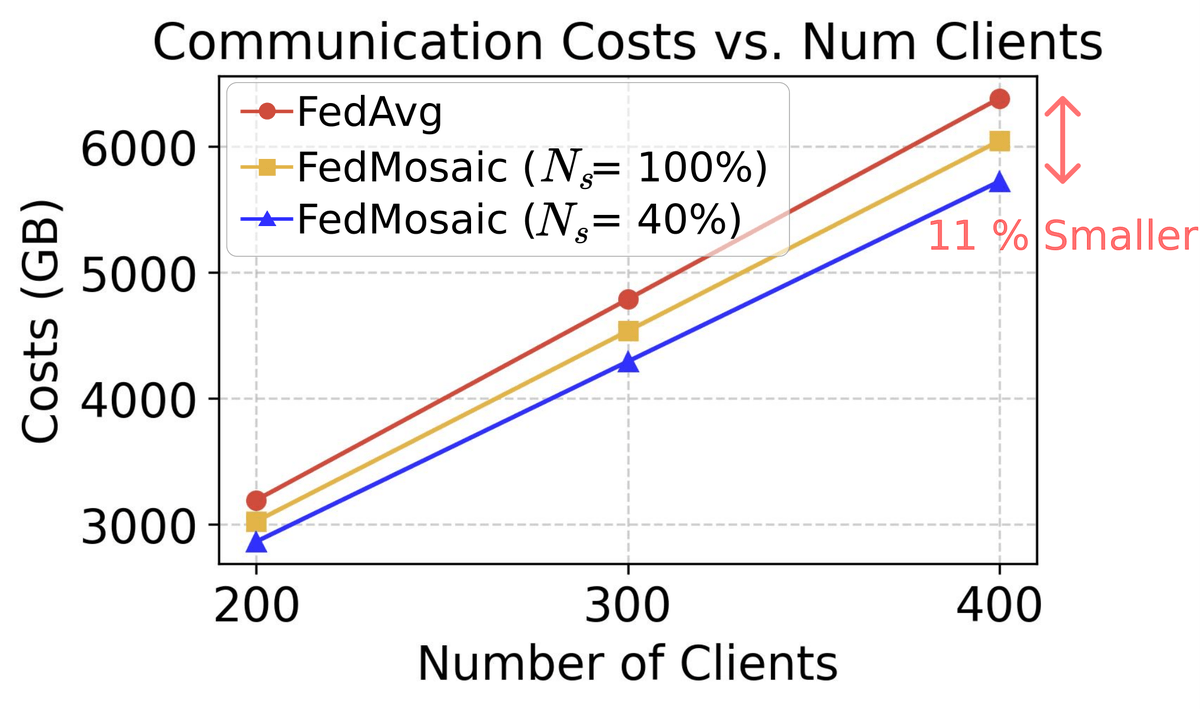
Seo et al. introduce Co-LoRA, a dimension-invariant adapter that lets federated clients with completely different model architectures share knowledge, plus DRAKE, the first multi-modal PFL benchmark with 40 tasks and temporal distribution shifts.
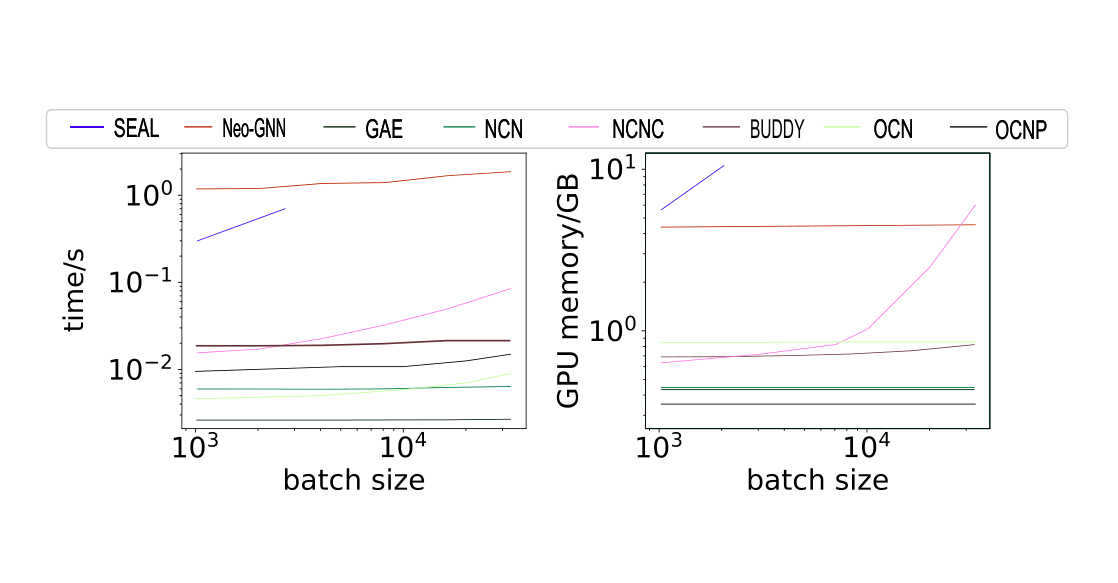
OCN from Peking University fixes two hidden flaws in higher-order common neighbors, beating the strongest GNN baselines by 7.7% on standard link prediction benchmarks
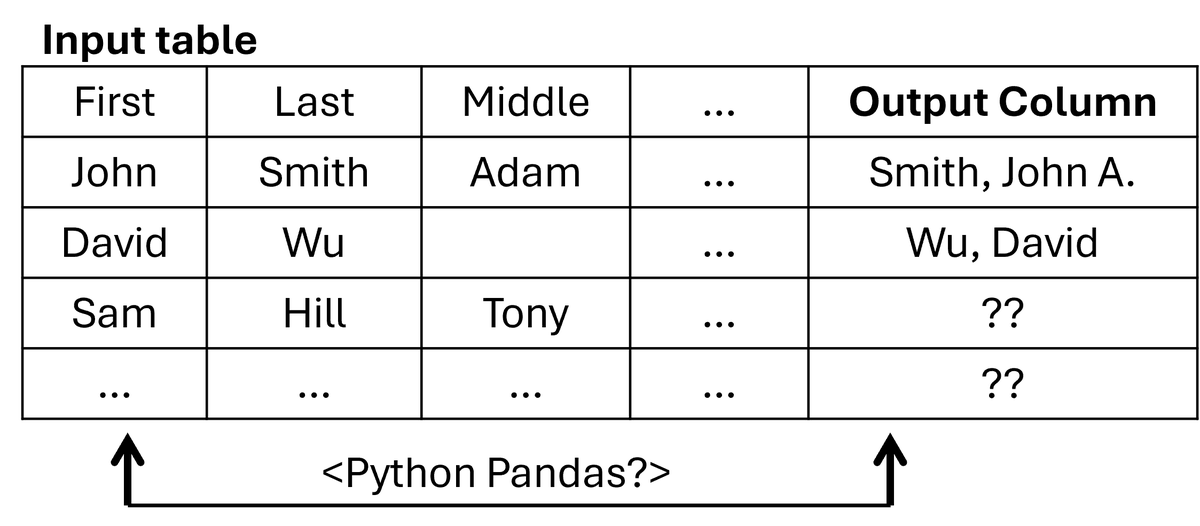
MMTU exposes a critical blind spot in AI evaluation: frontier models score just 69% on 28K expert-level table tasks spanning spreadsheets, databases, and data pipelines

 Pro
 Pro
 Pro
 Pro
 Pro
 Pro
 Pro
 Pro
 Pro
 Pro
 Pro
 Pro
 Pro
 Pro
 Pro
 Pro
 Pro
 Pro
 Pro