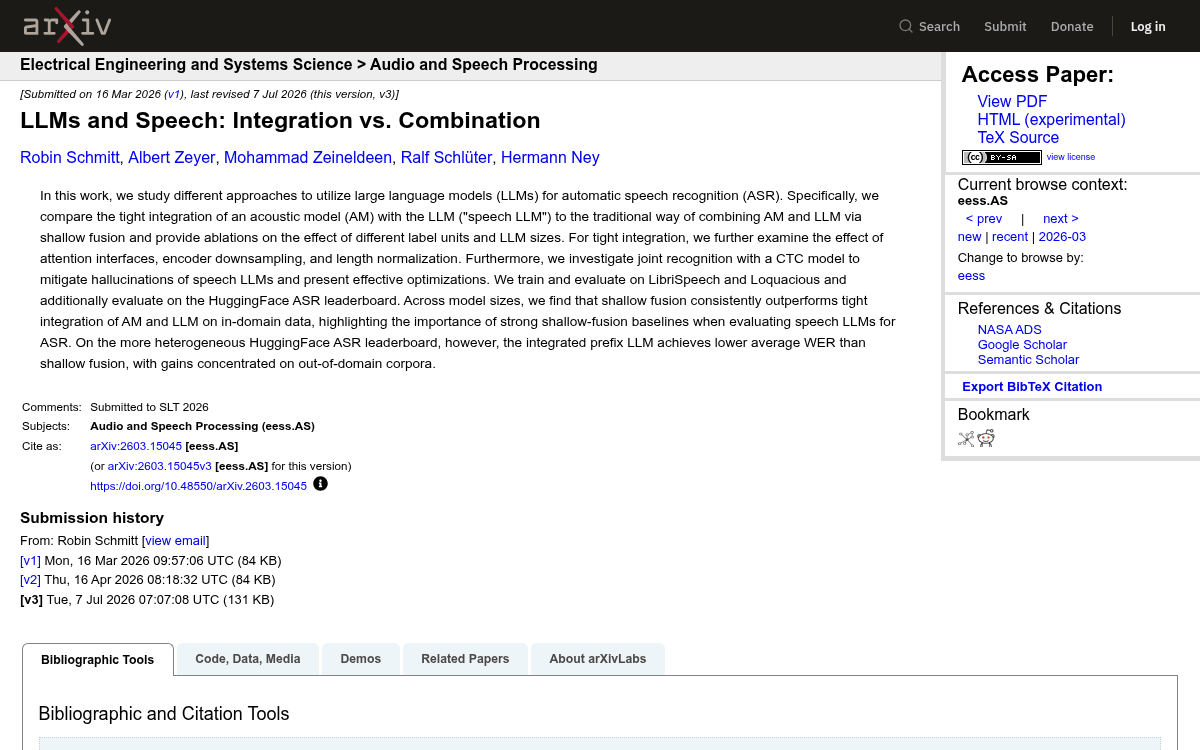
RWTH Aachen researchers stress-test speech LLMs against classical acoustic model plus language model shallow fusion, and find the old approach still holds up.
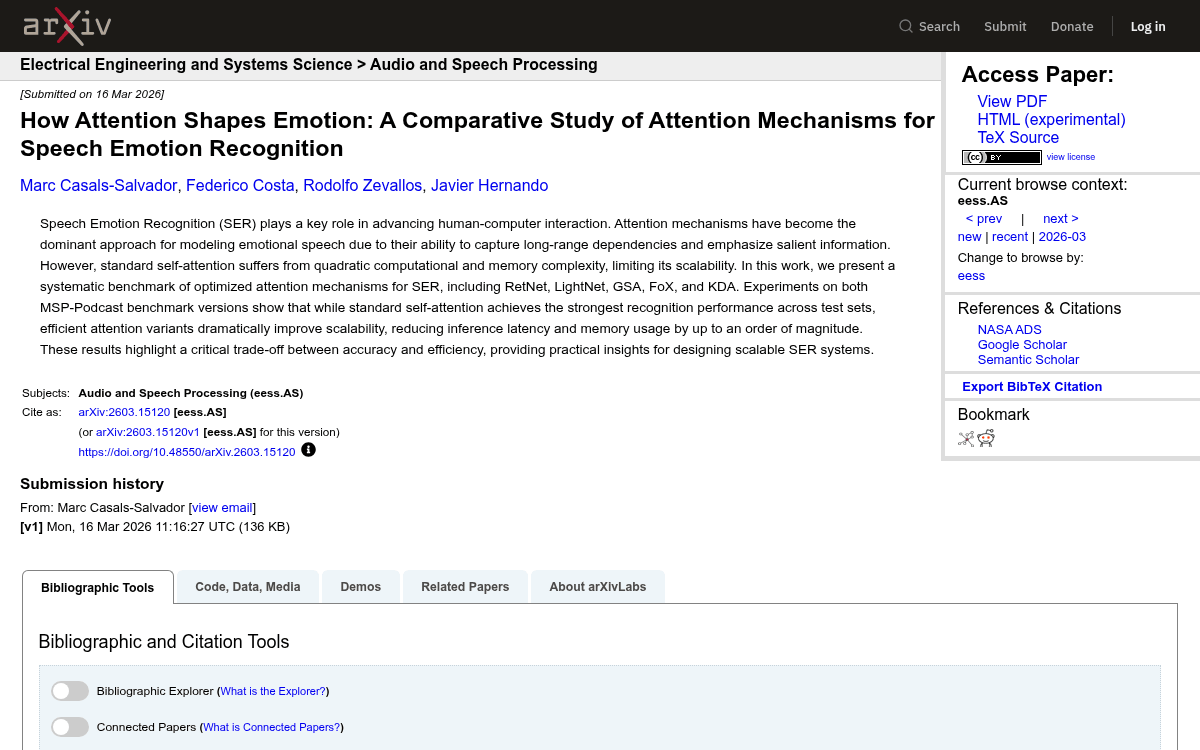
A benchmark of five efficient attention variants against standard self-attention on speech emotion recognition reveals a clear accuracy versus scalability trade-off.
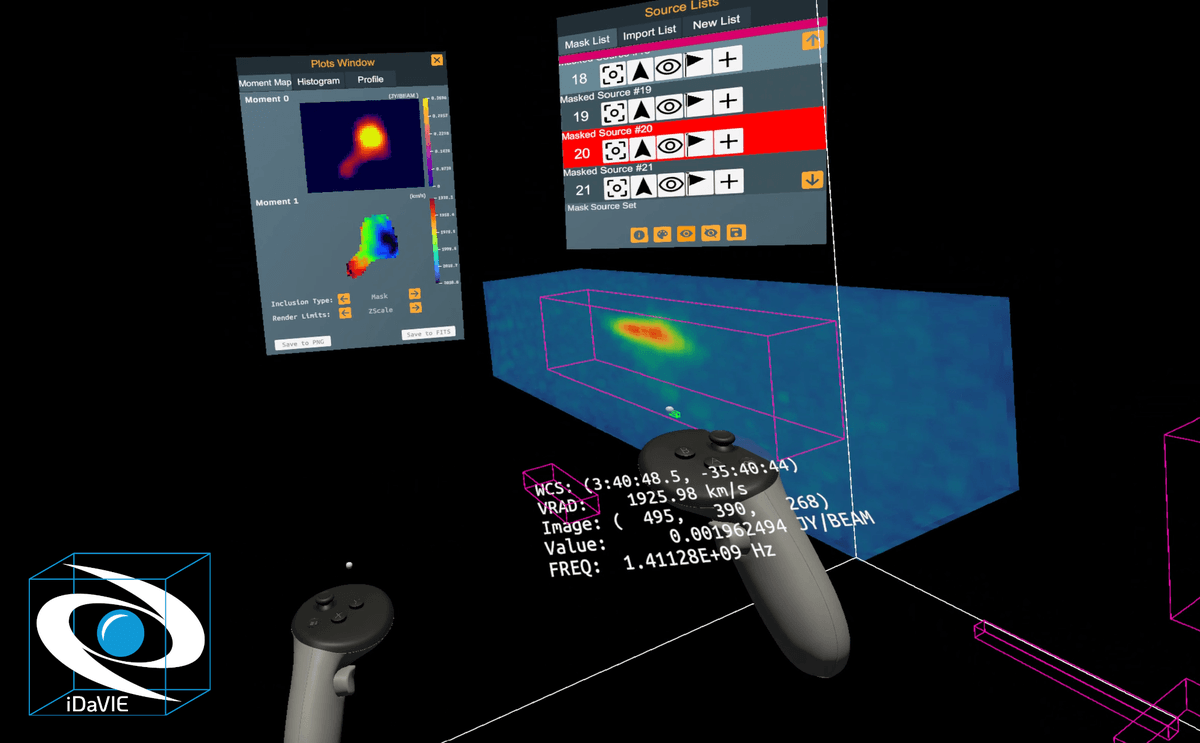
A South African-led astronomy team just shipped version 1.0 of iDaVIE, a room-scale VR tool that turns 3D FITS data cubes into physical objects you can walk through.
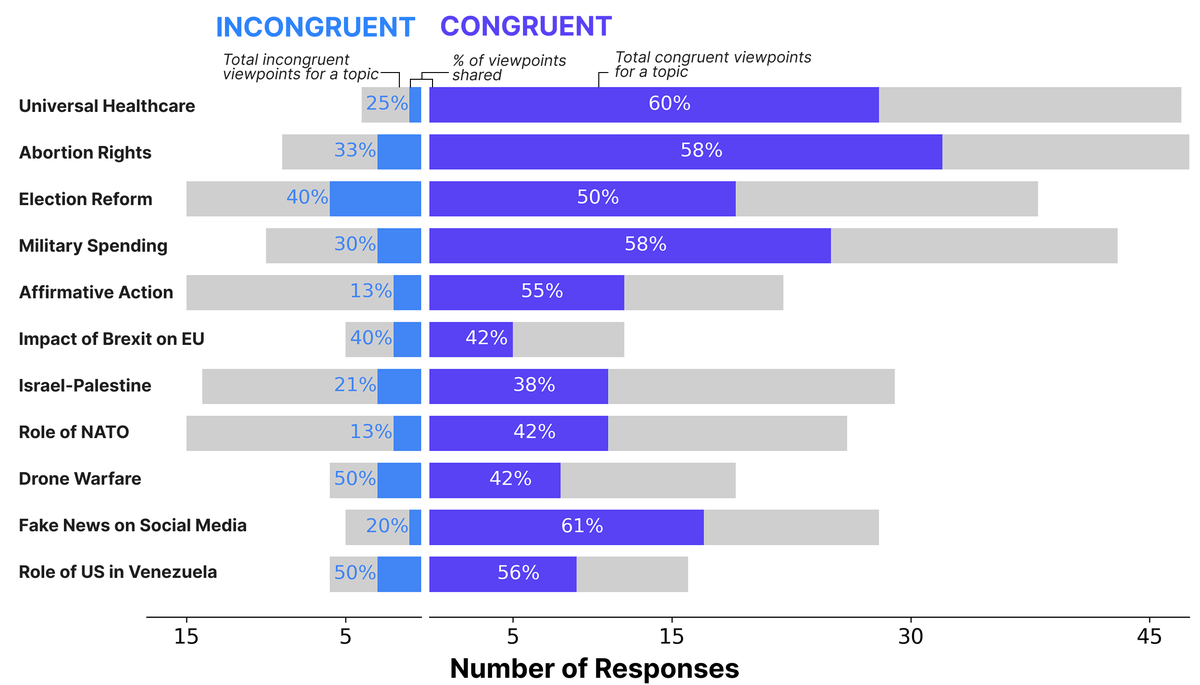
A Stanford study surveying 439 Reddit users across twelve political subreddits finds 72% of perceived-minority members stay silent, skewing what looks like public opinion.
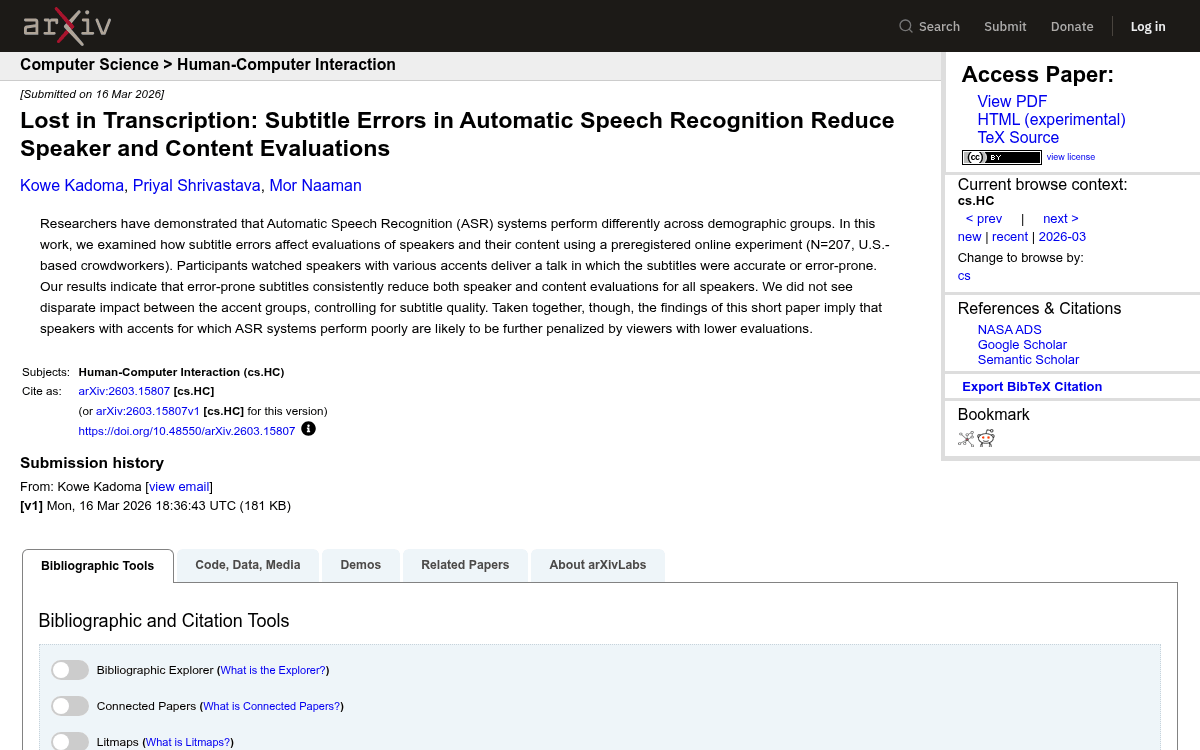
A preregistered experiment finds that error-prone automatic captions systematically lower ratings of both the speaker and their message, regardless of accent.
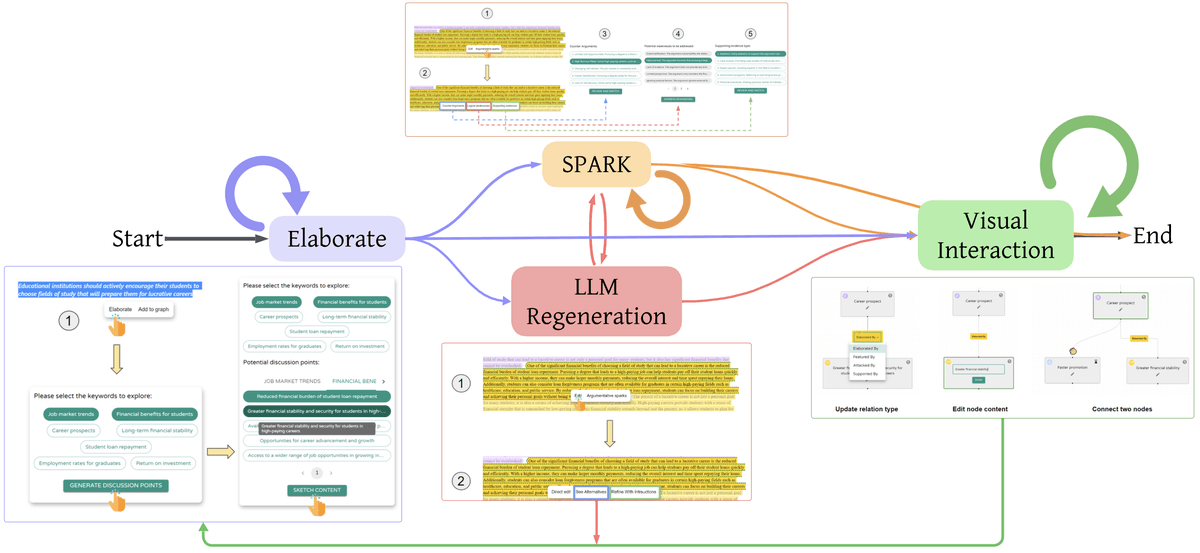
A classroom study of the VISAR writing tool shows structured planning scaffolds boost argument quality, while one-click draft regeneration actively damages it.
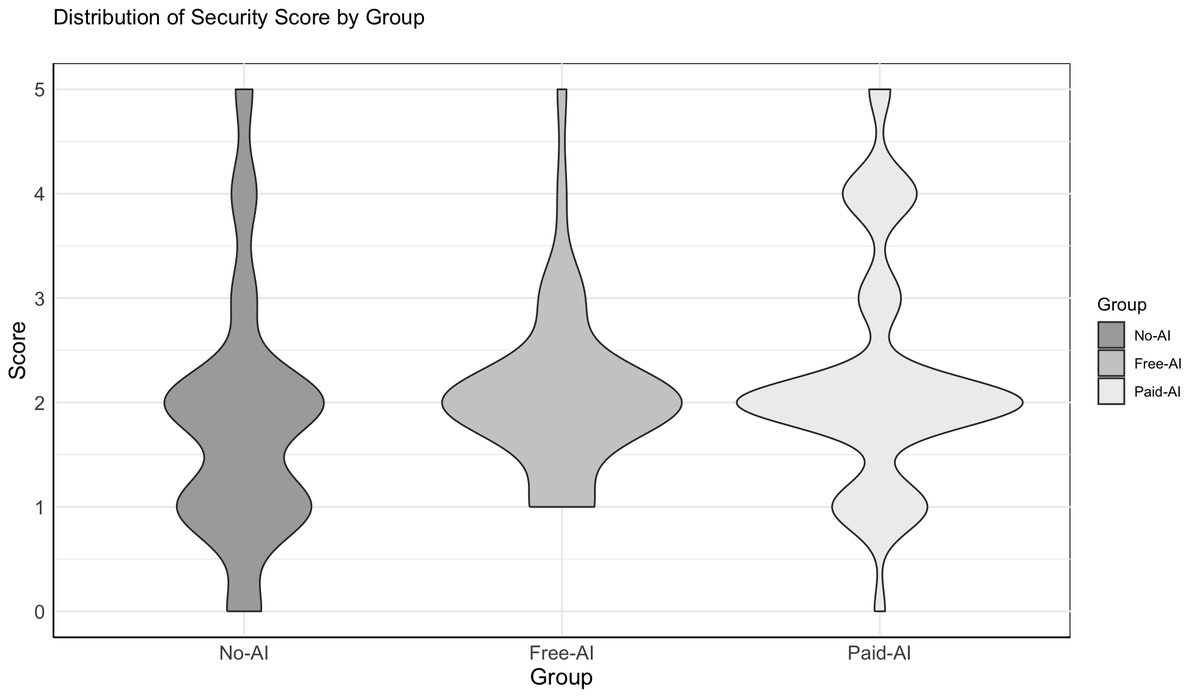
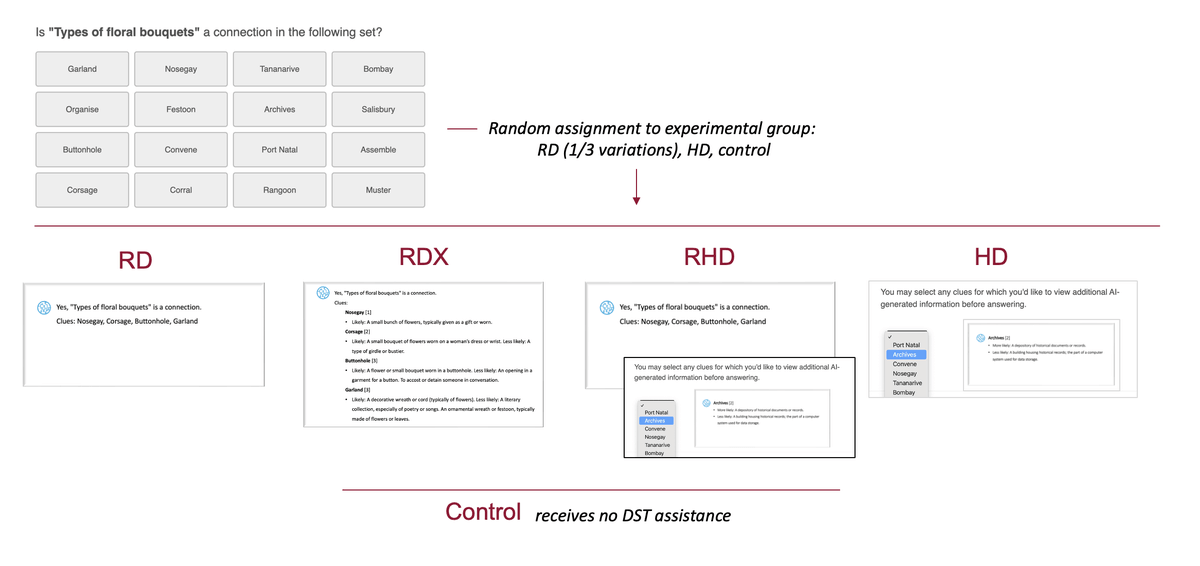
A controlled experiment with 290 participants shows recommendation-based AI quietly shifts users toward accepting weaker evidence, even when accuracy looks unchanged.
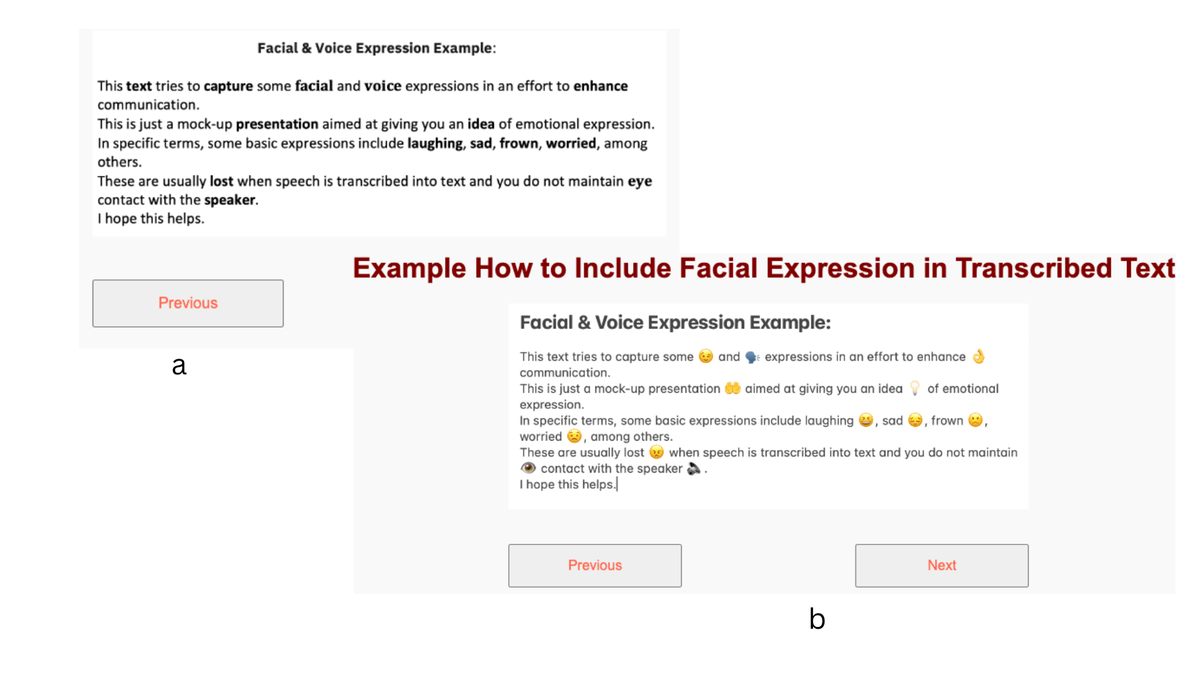
Virginia Tech researchers built four captioning prototypes that layer emojis, keyword highlights and speaker video into STEM lectures, then tested them with 24 users.
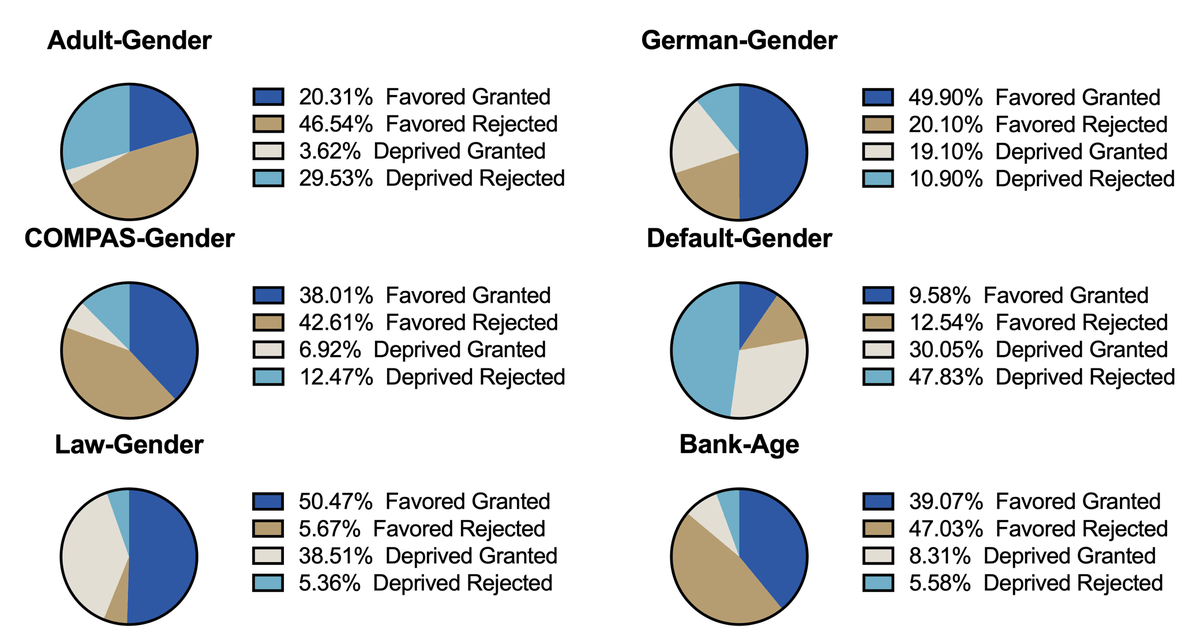
A counterfactual debiasing framework ranks training examples by their contribution to unfairness, then rebalances and retrains to beat baselines in 84.6% of cases.
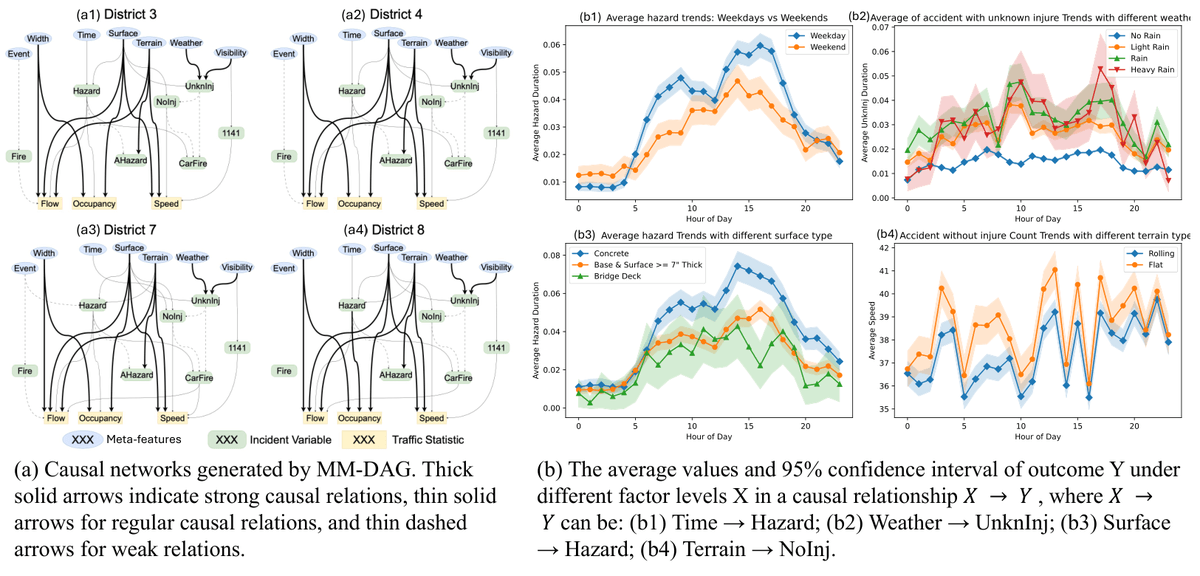
A new California traffic dataset finally links 16,972 sensors to 1.4 million incident records, exposing how crashes reshape flow, speed, and occupancy in real time.
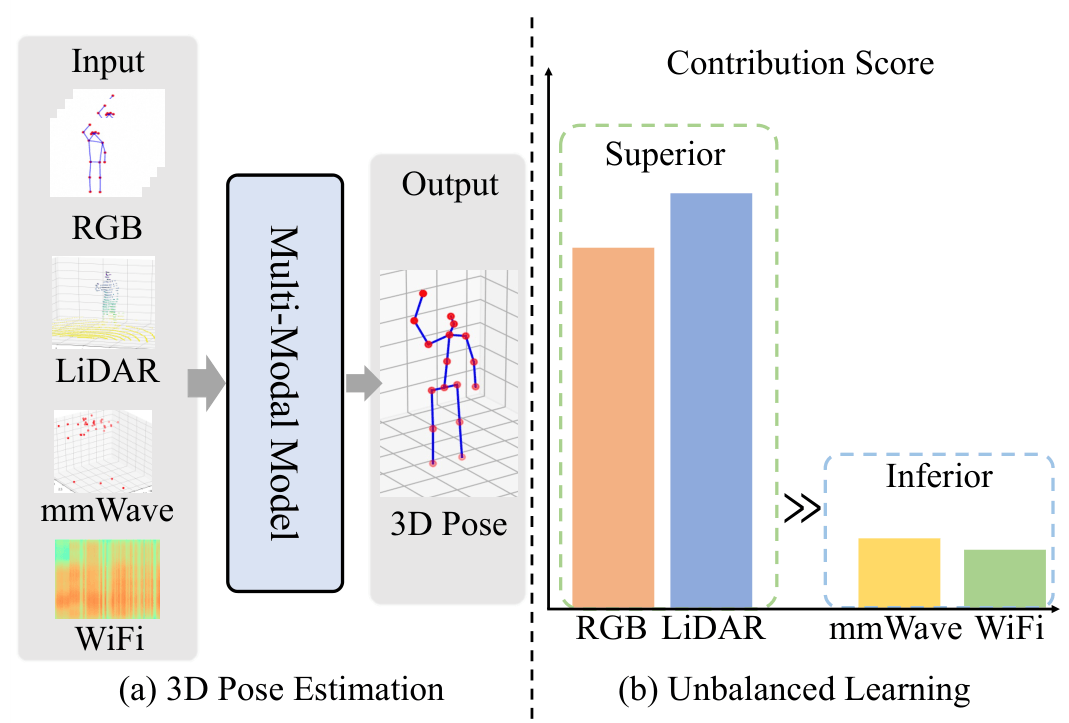
A CVPR 2026 paper from BUPT tackles modality imbalance in multi-sensor pose estimation, using Shapley values and Fisher-weighted regularization to keep weak modalities alive.