
Pro
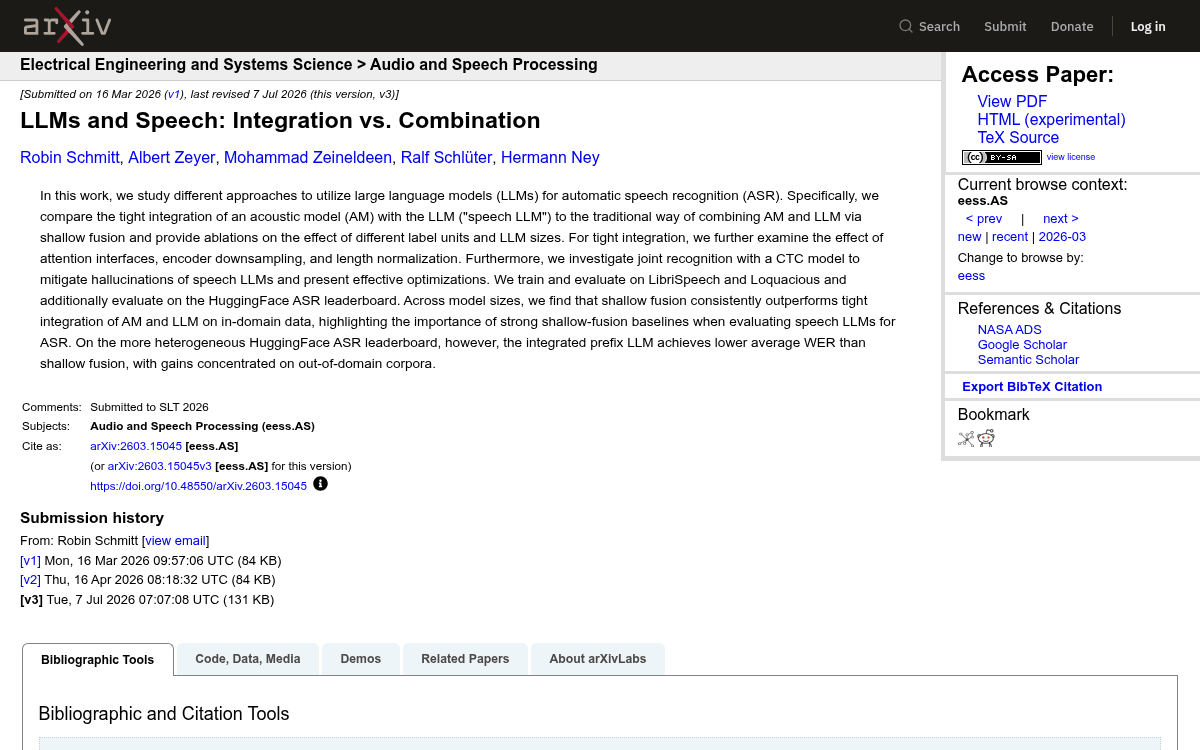
RWTH Aachen Study Shows Old-School Speech AI Beats Trendy Speech LLMs
RWTH Aachen researchers stress-test speech LLMs against classical acoustic model plus language model shallow fusion, and find the old approach still holds up.
20 stories
RWTH Aachen researchers stress-test speech LLMs against classical acoustic model plus language model shallow fusion, and find the old approach still holds up.
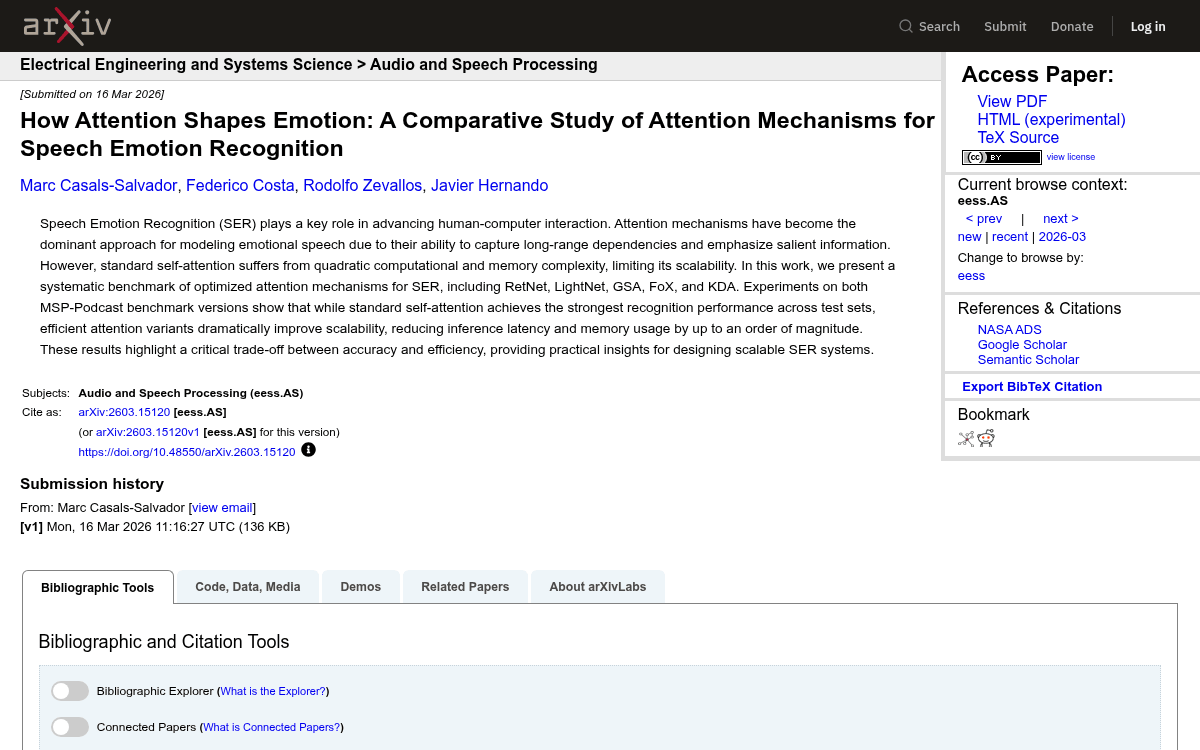
A benchmark of five efficient attention variants against standard self-attention on speech emotion recognition reveals a clear accuracy versus scalability trade-off.
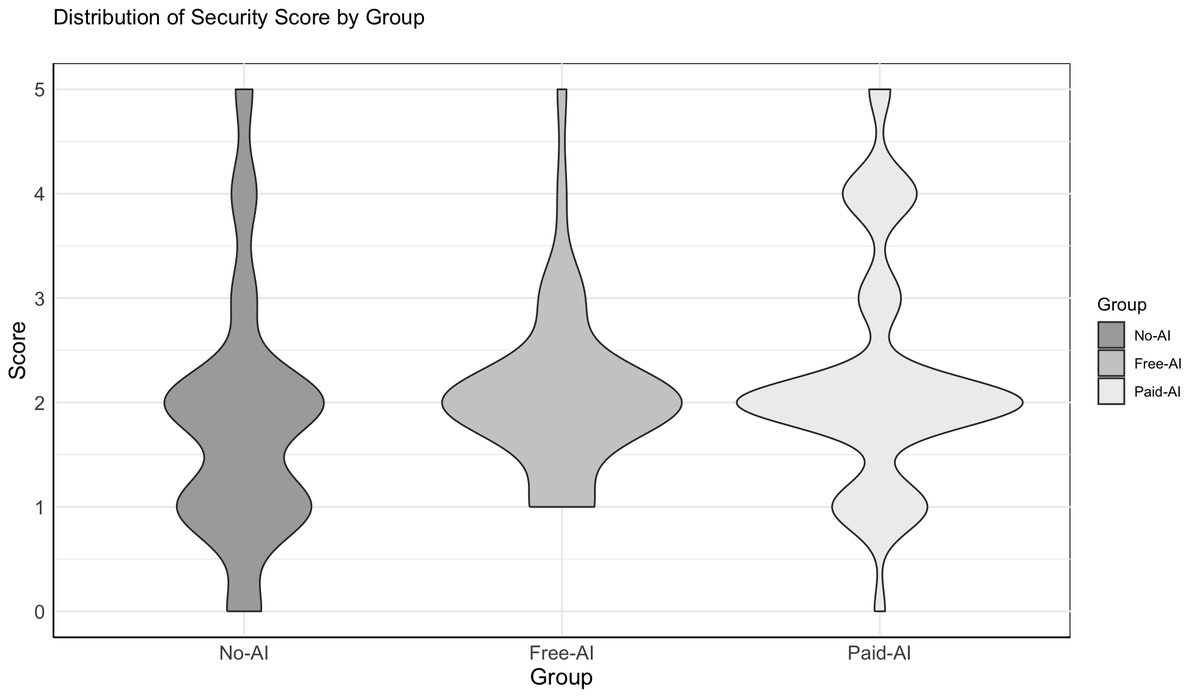
A controlled study with 159 developers finds that Gemini, free or paid, does not close the security gap left by inexperience.
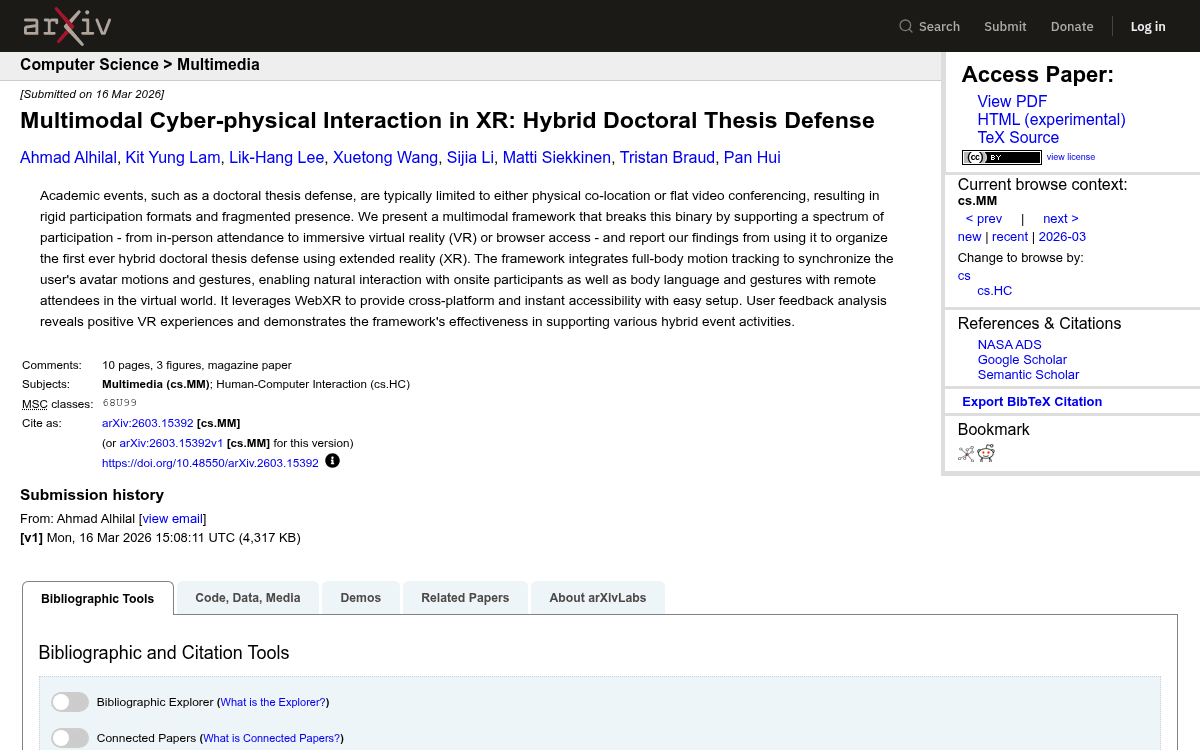
A team from HKUST built a WebXR framework that ran the first hybrid PhD defense mixing in-person examiners with VR and browser attendees.
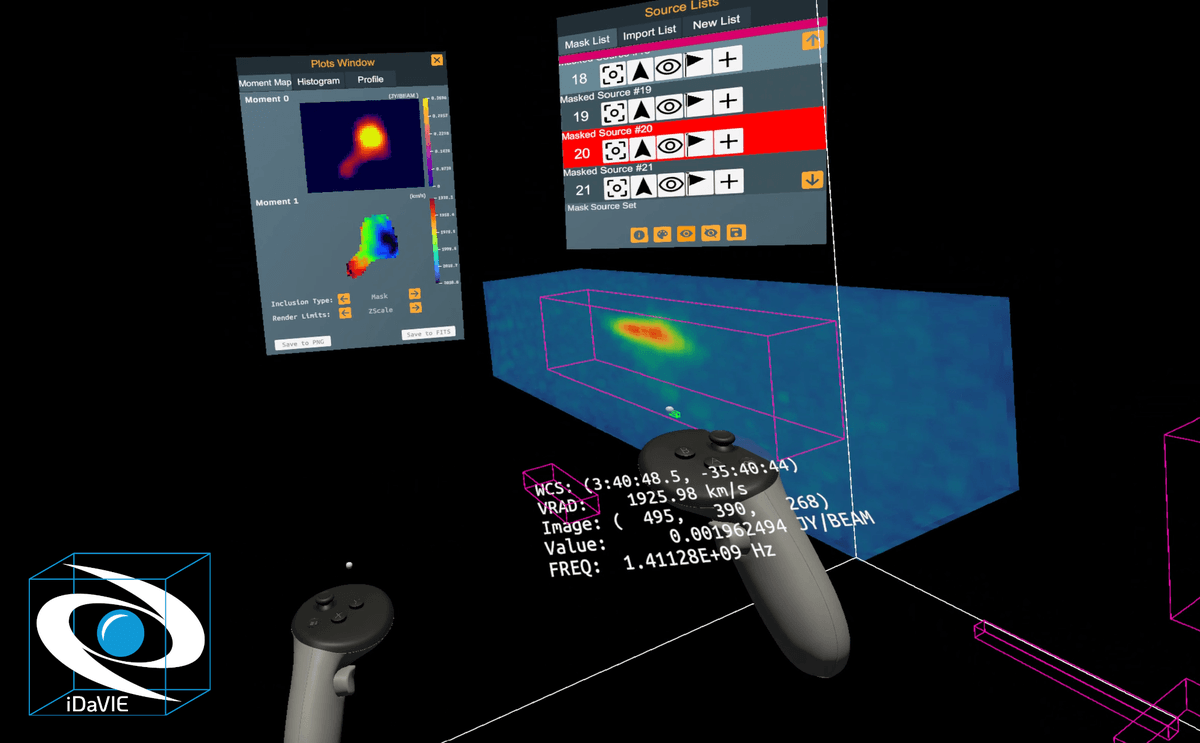
A South African-led astronomy team just shipped version 1.0 of iDaVIE, a room-scale VR tool that turns 3D FITS data cubes into physical objects you can walk through.
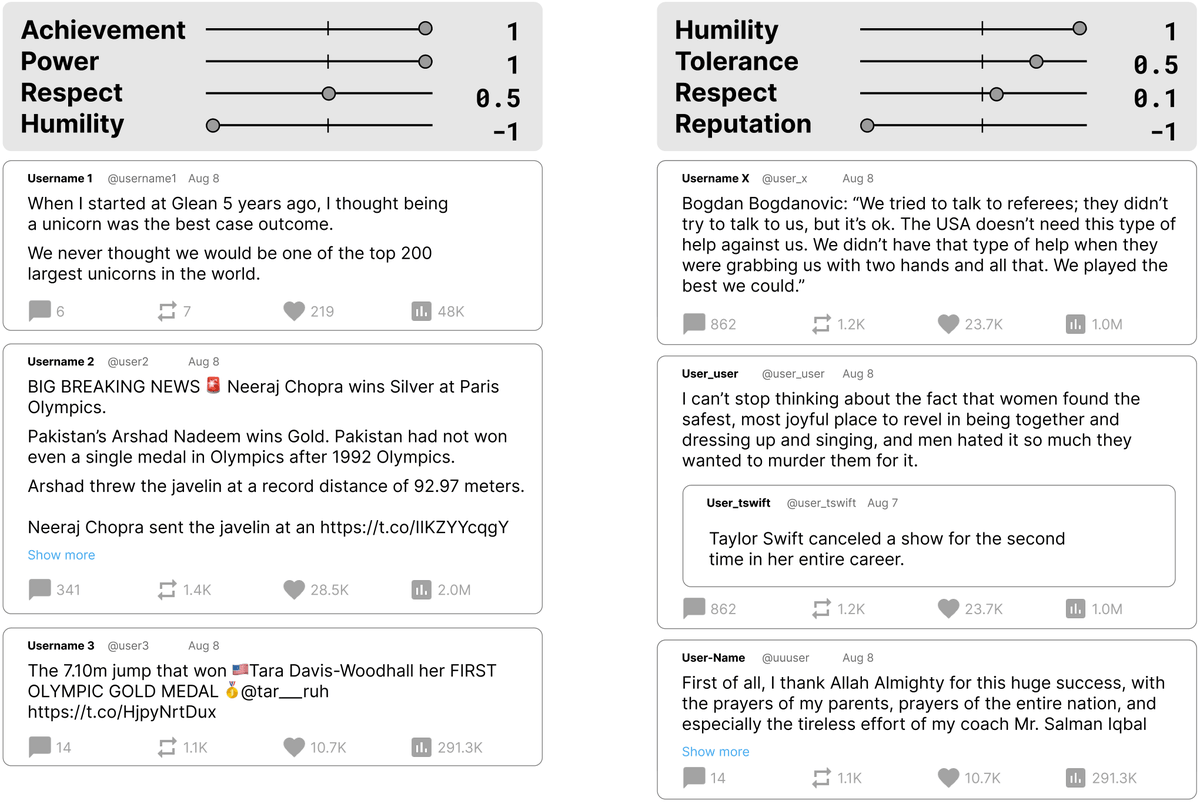
Stanford researchers built a feed ranker that scores posts across 19 human values, then let users dial each one up or down with sliders.
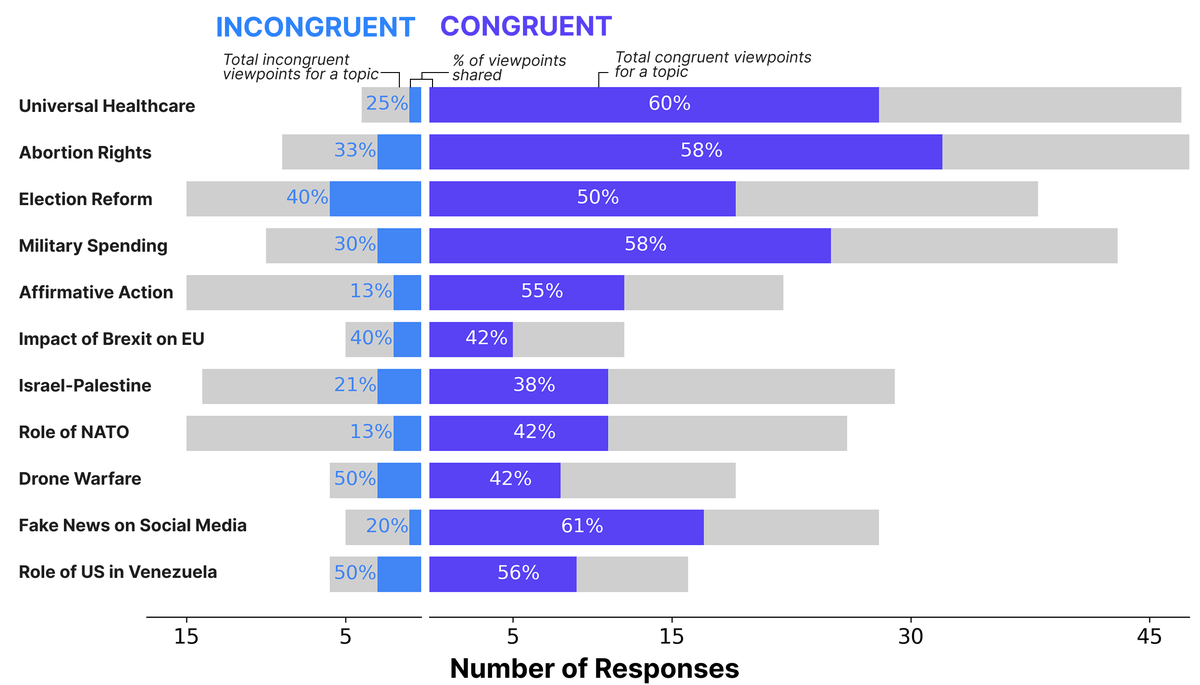
A Stanford study surveying 439 Reddit users across twelve political subreddits finds 72% of perceived-minority members stay silent, skewing what looks like public opinion.
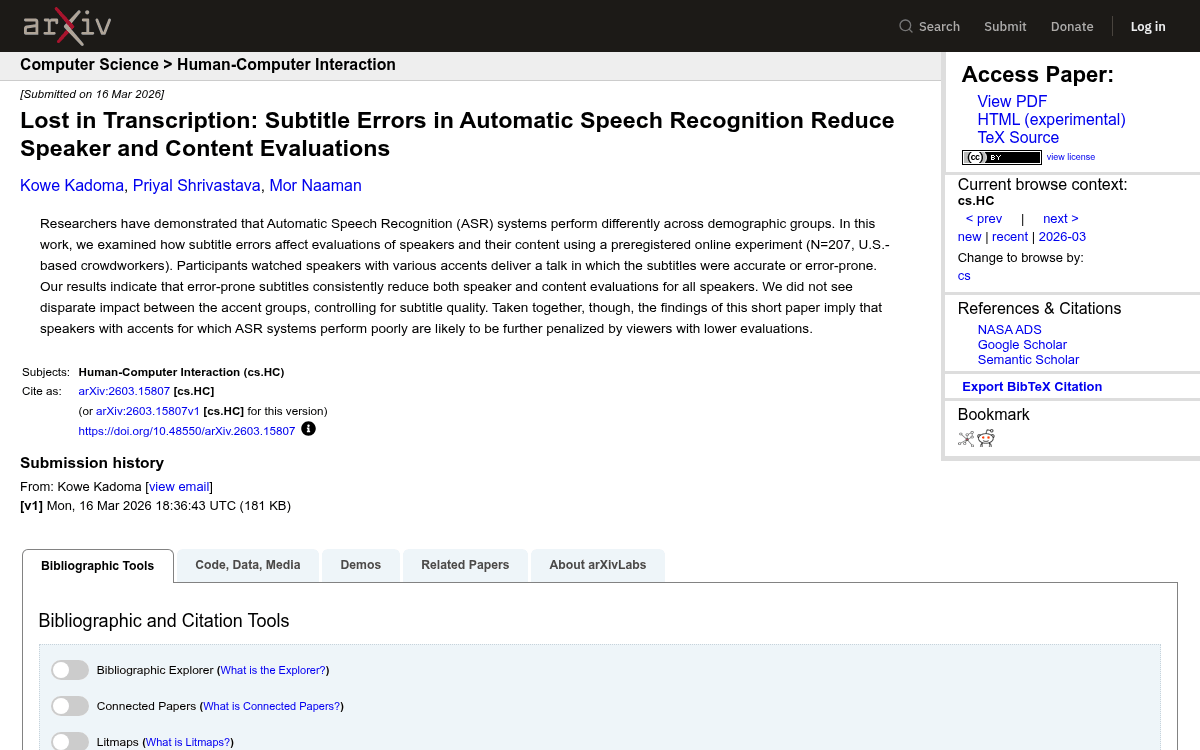
A preregistered experiment finds that error-prone automatic captions systematically lower ratings of both the speaker and their message, regardless of accent.
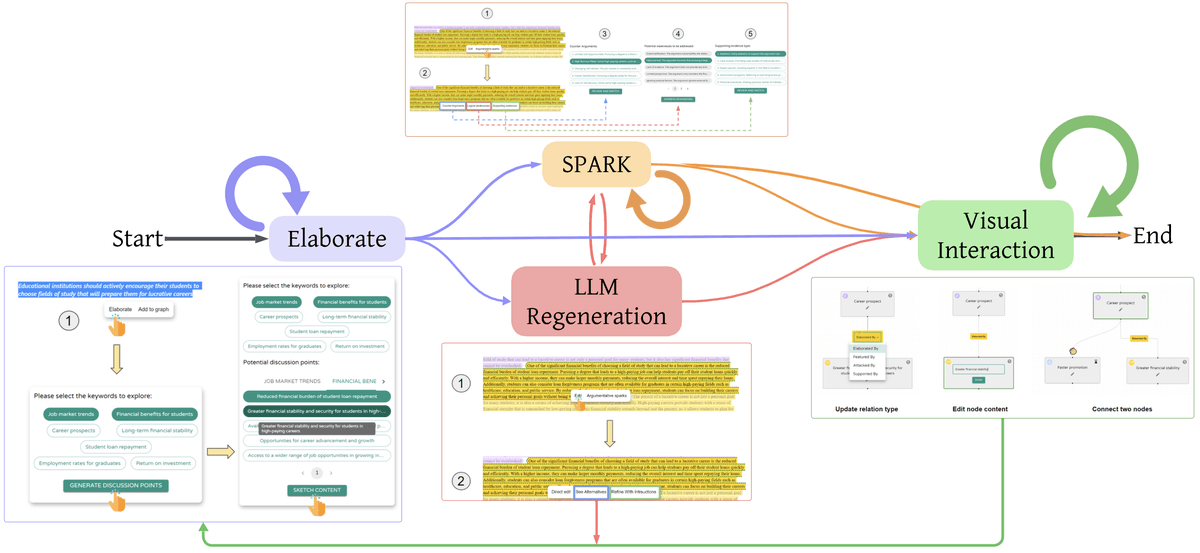
A classroom study of the VISAR writing tool shows structured planning scaffolds boost argument quality, while one-click draft regeneration actively damages it.
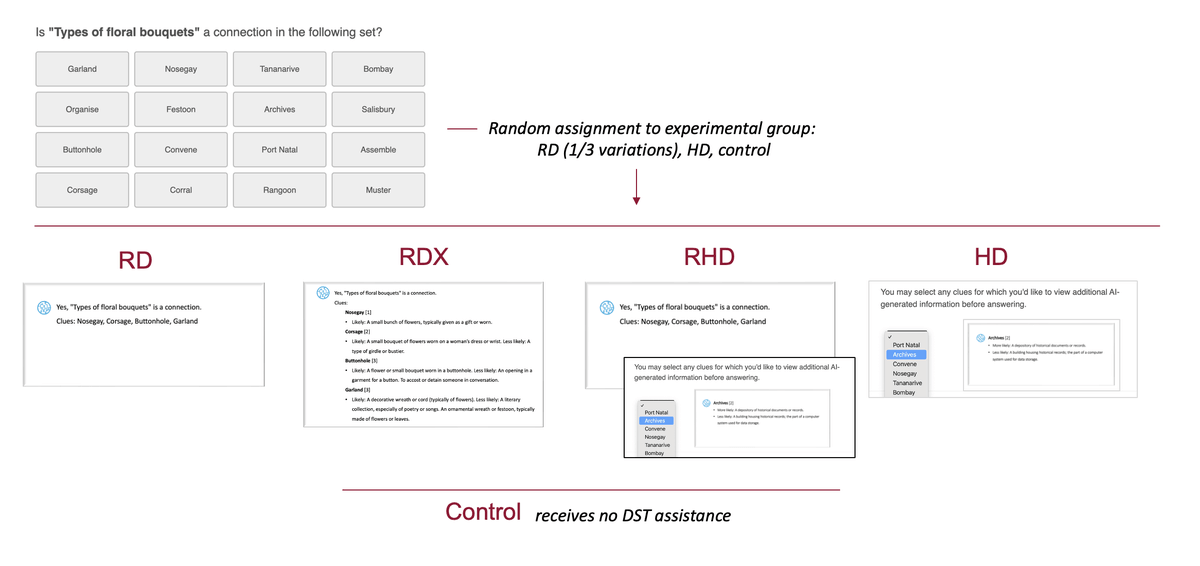
A controlled experiment with 290 participants shows recommendation-based AI quietly shifts users toward accepting weaker evidence, even when accuracy looks unchanged.
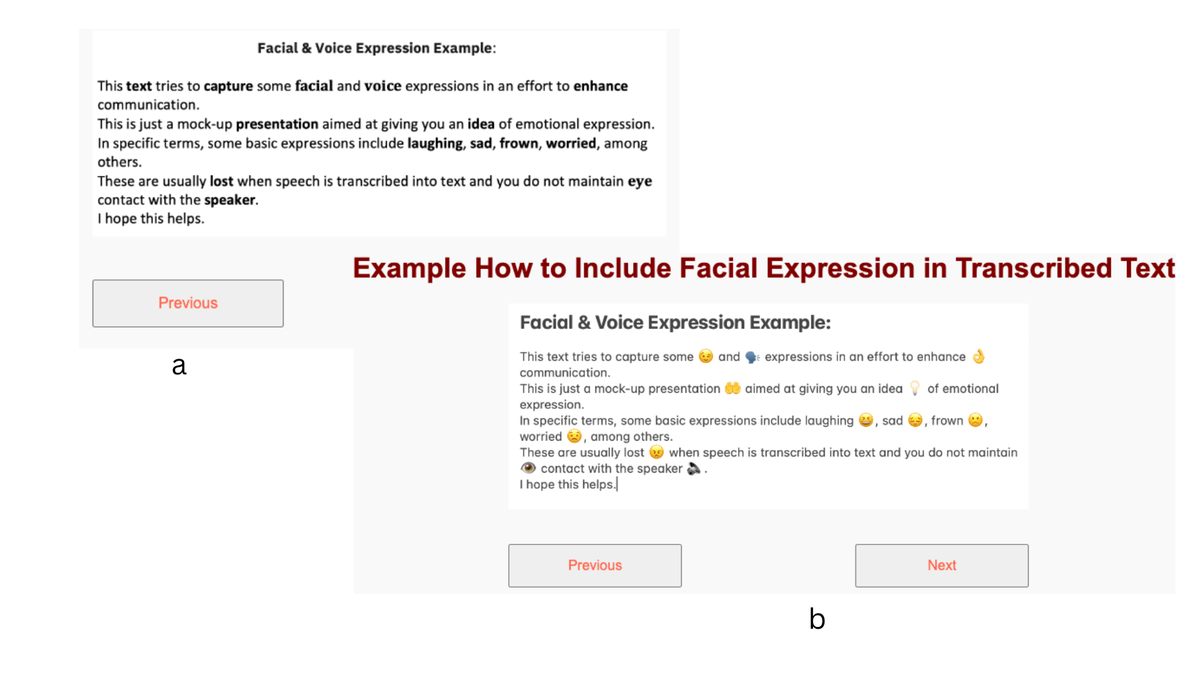
Virginia Tech researchers built four captioning prototypes that layer emojis, keyword highlights and speaker video into STEM lectures, then tested them with 24 users.
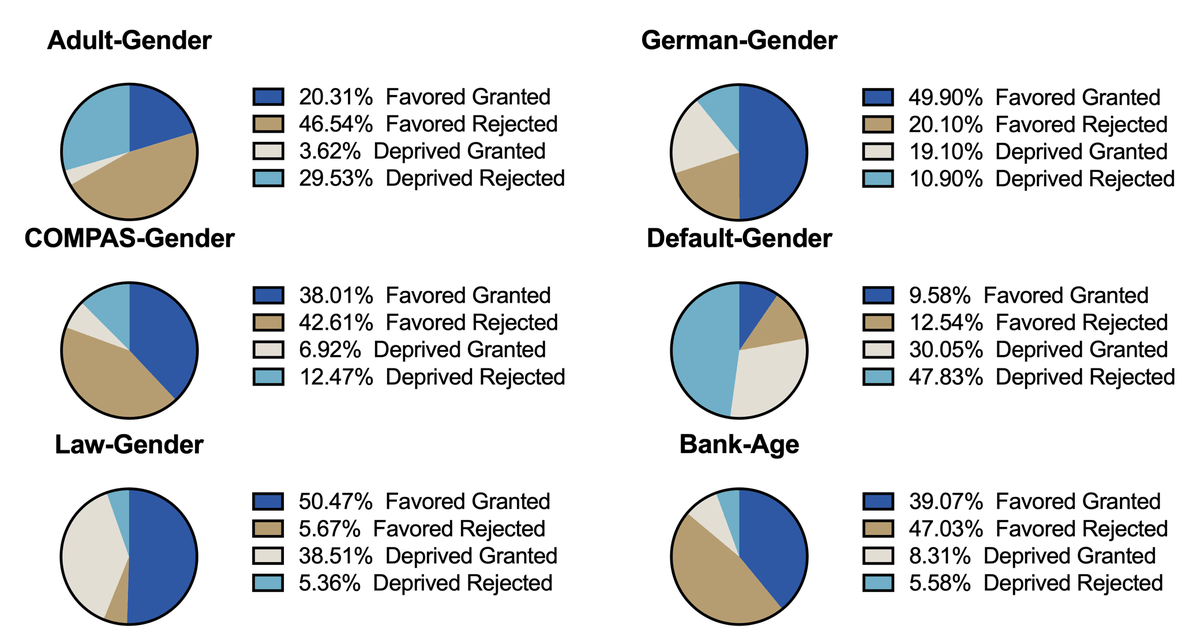
A counterfactual debiasing framework ranks training examples by their contribution to unfairness, then rebalances and retrains to beat baselines in 84.6% of cases.
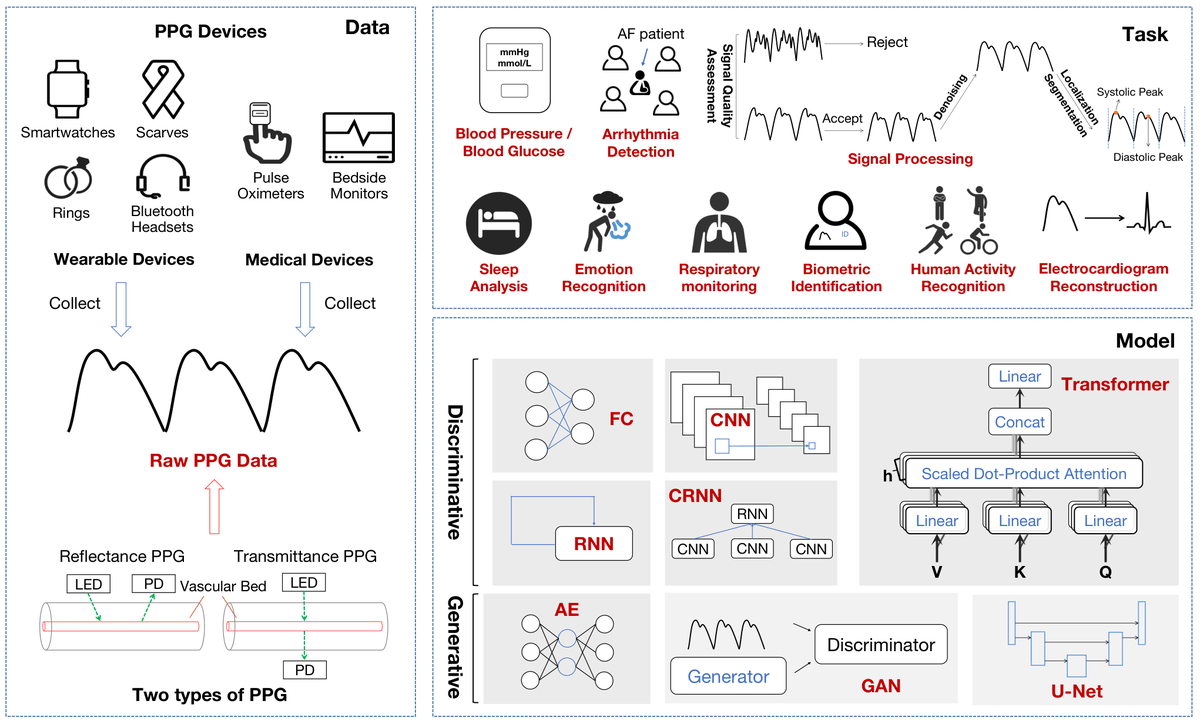
A sweeping review of 460 deep learning studies on photoplethysmography maps how wrist sensors are being turned into full body health monitors.
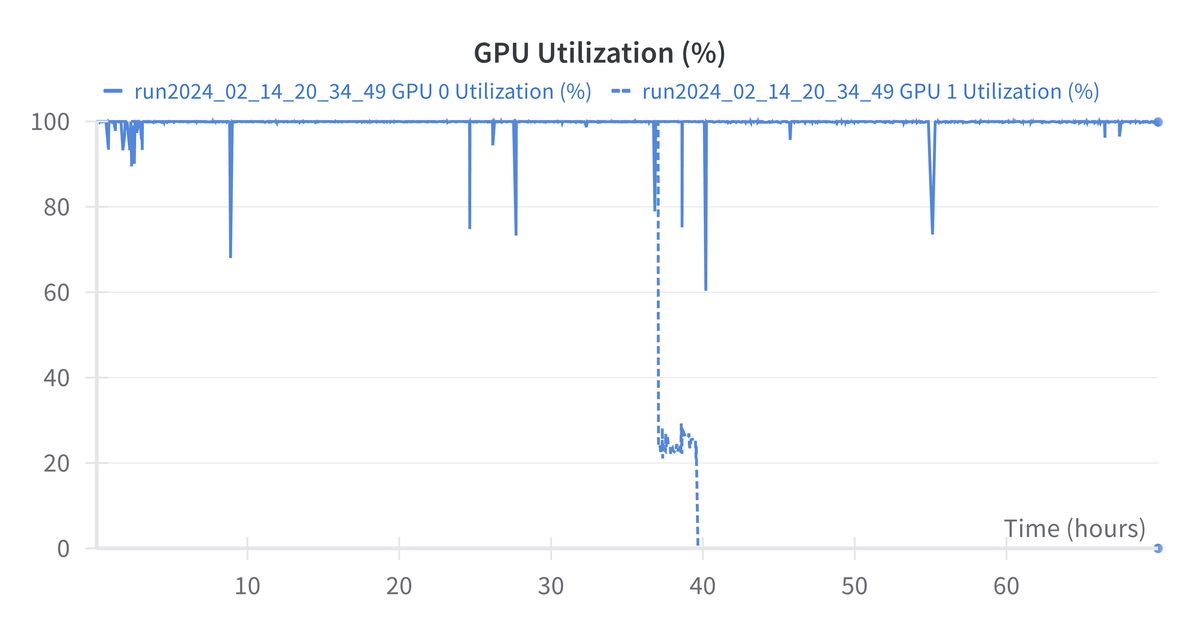
A 97M parameter model trained for 185 A100 hours on Indian Supreme Court documents beats 7B LLMs on legal judgment prediction and runs on a CPU.
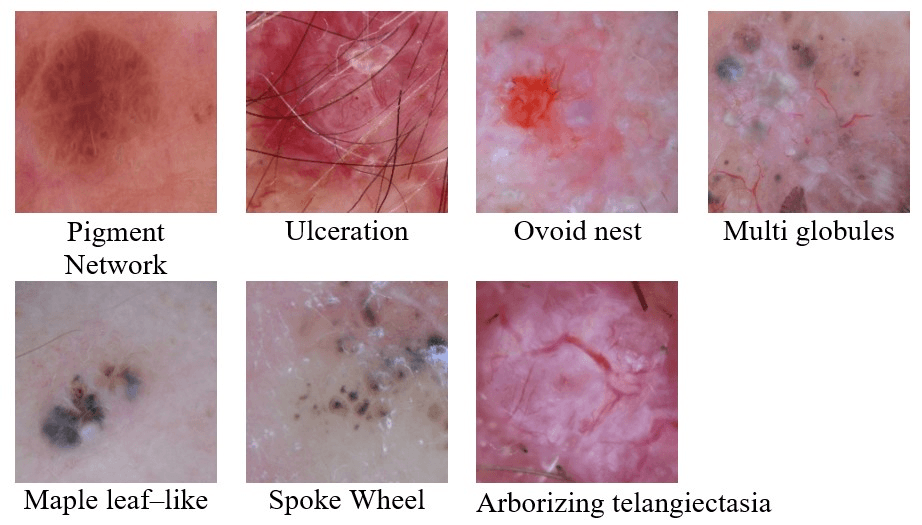
A MobileNet-V2 multitask model detects basal cell carcinoma with 90% accuracy while flagging the exact dermoscopic patterns that justify each call.
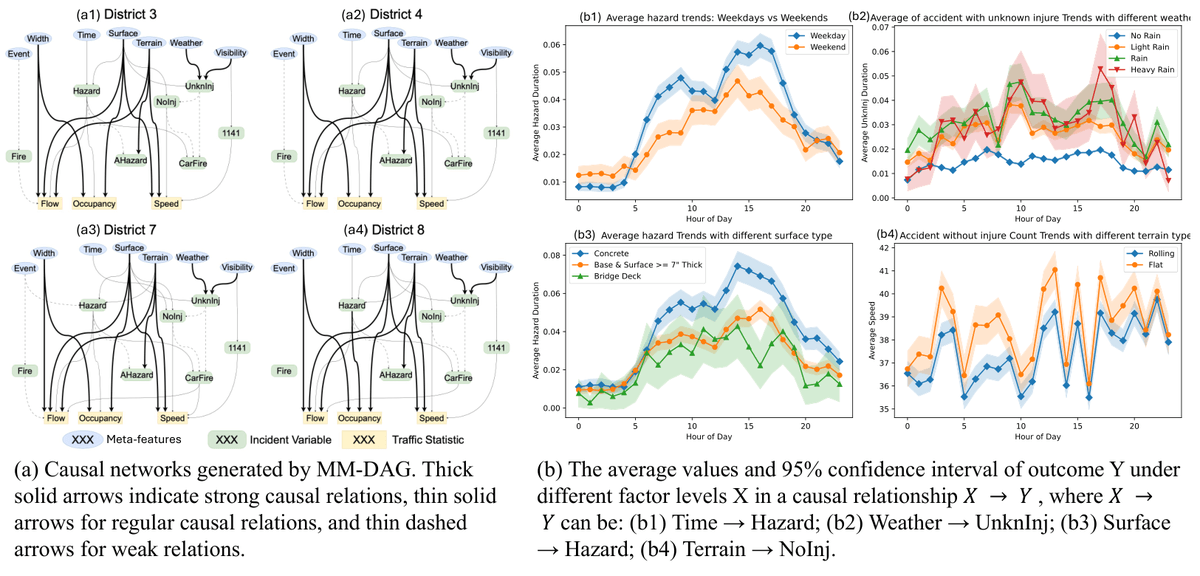
A new California traffic dataset finally links 16,972 sensors to 1.4 million incident records, exposing how crashes reshape flow, speed, and occupancy in real time.
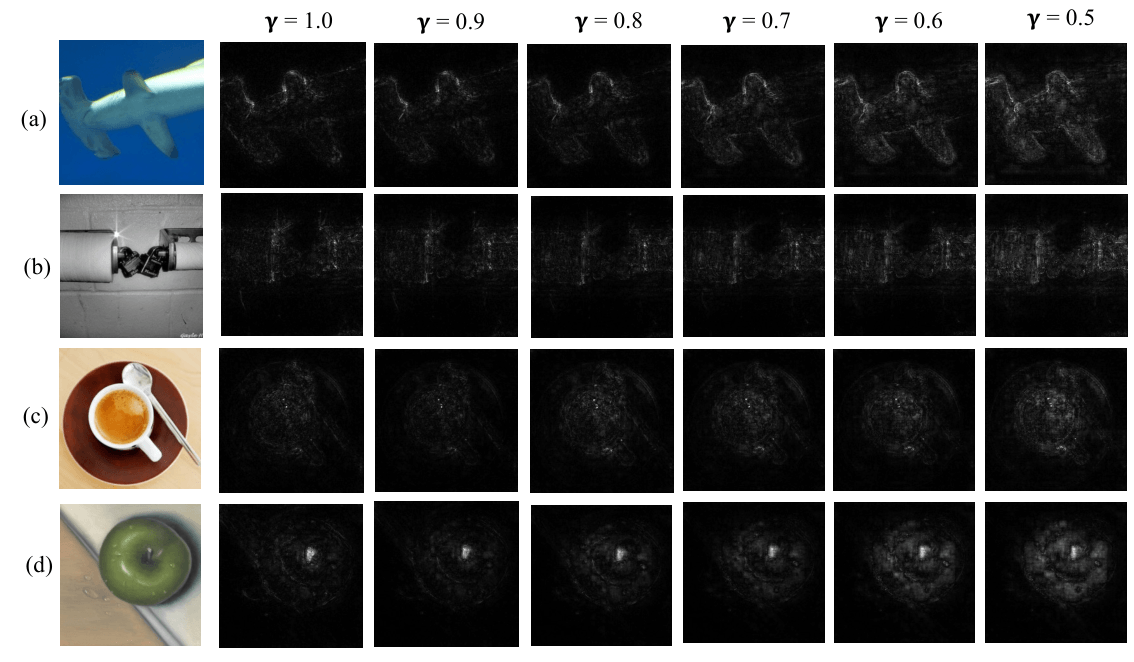
A single decay factor on residual gradients turns any gradient-based attack into a more transferable one across CNNs, ViTs, and even LLMs.
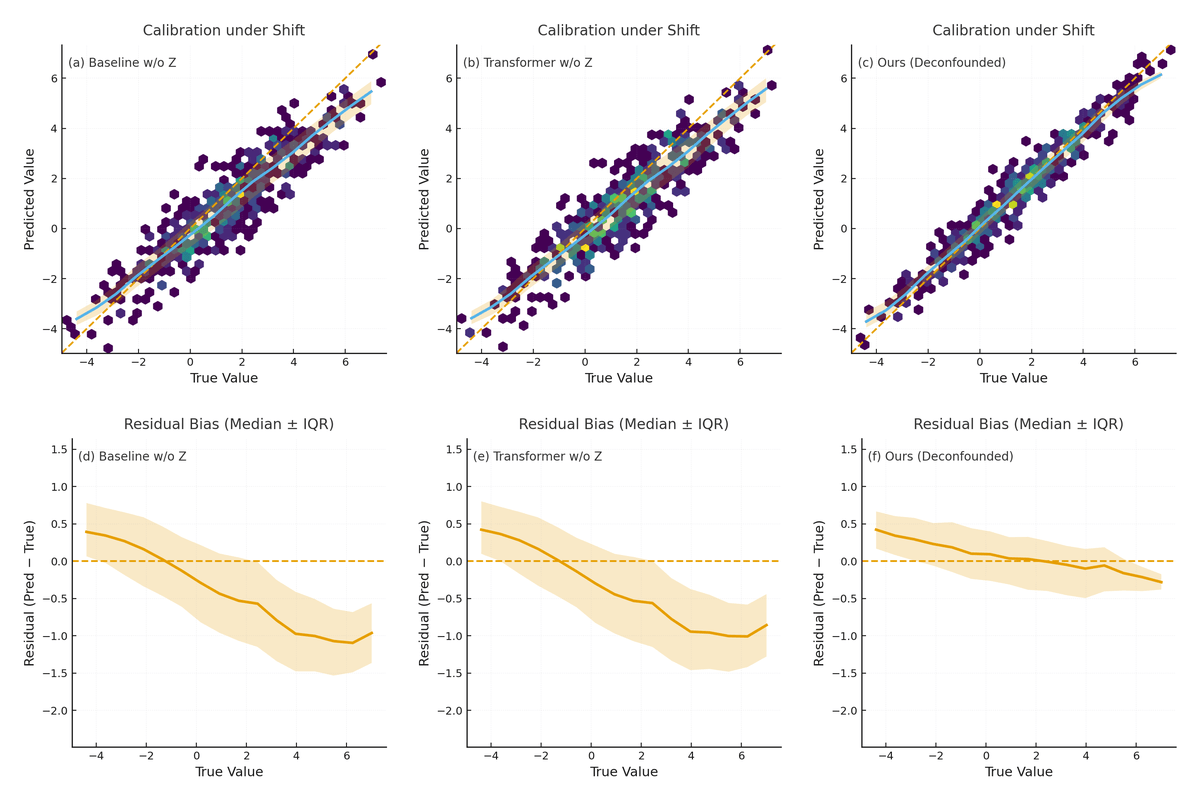
A causal inference wrapper learns hidden variables from history and boosts five leading forecasters by 30 to 60 percent MSE on climate data.
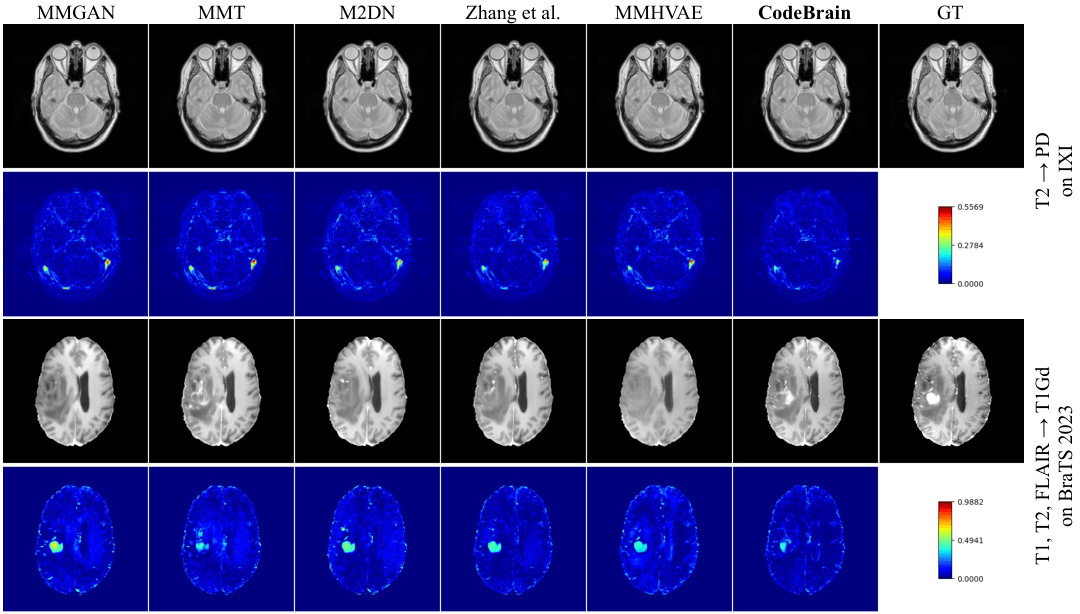
CodeBrain reframes multi-modality MRI synthesis as a code prediction task, beating five prior methods on IXI and BraTS 2023 benchmarks.
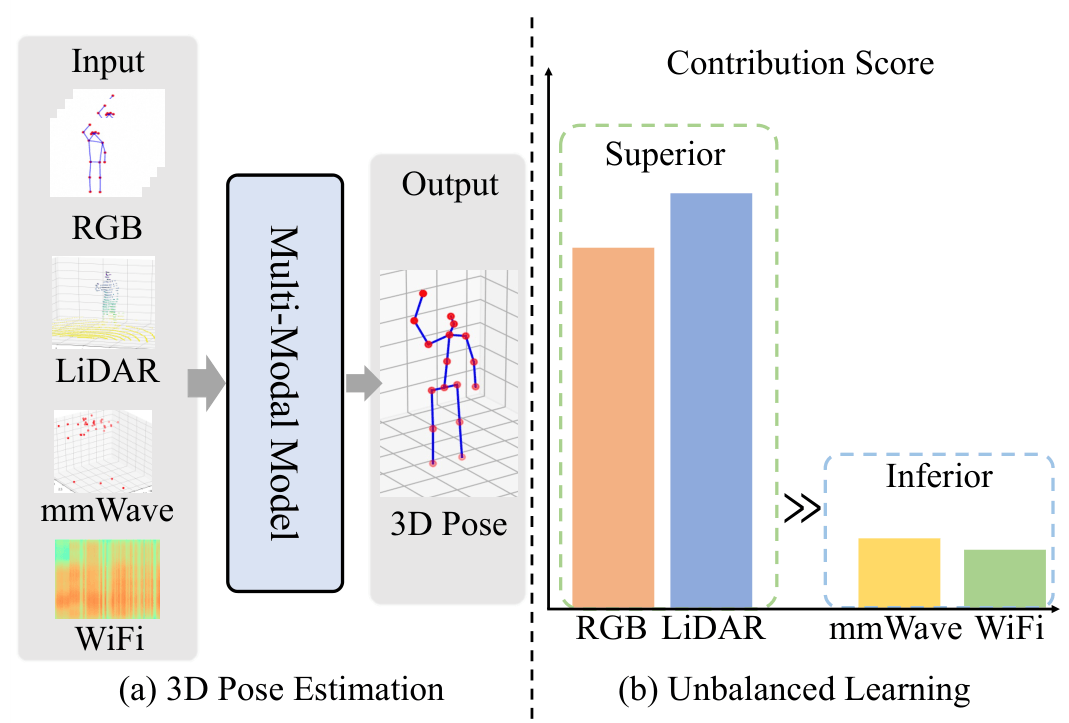
A CVPR 2026 paper from BUPT tackles modality imbalance in multi-sensor pose estimation, using Shapley values and Fisher-weighted regularization to keep weak modalities alive.