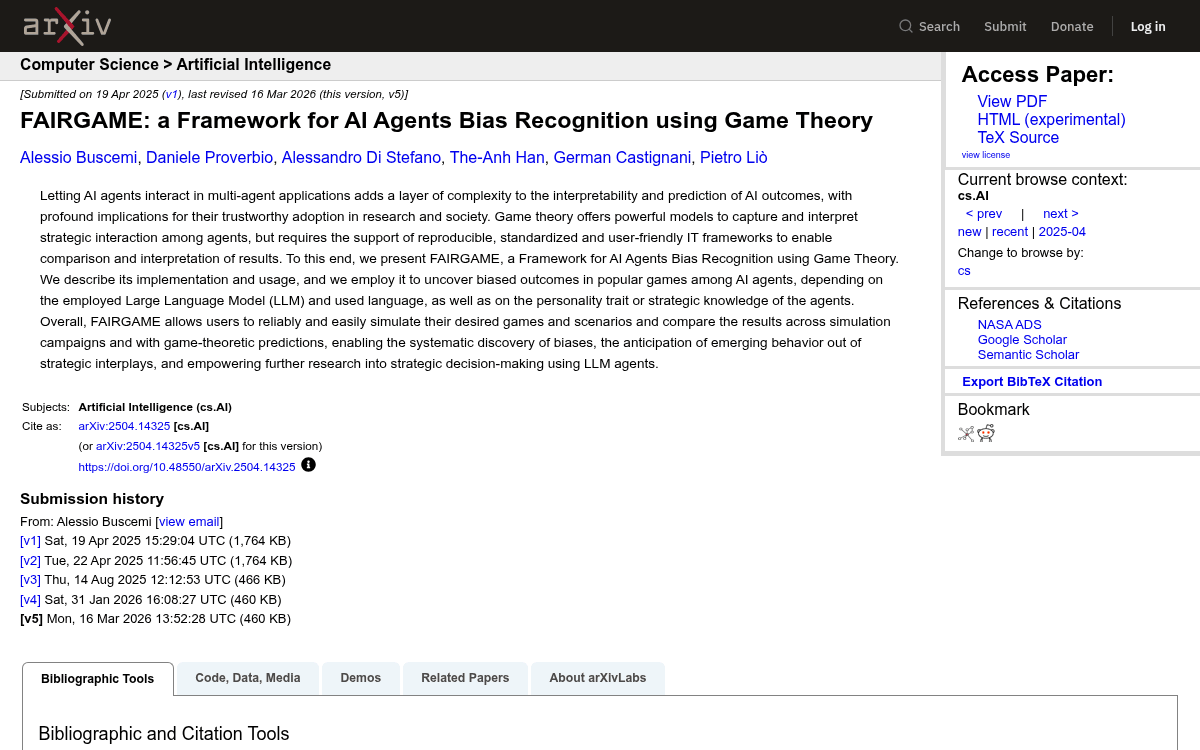
An open-source framework runs LLMs through classic games like Prisoner's Dilemma to expose how language, personality, and model choice skew strategic behavior.
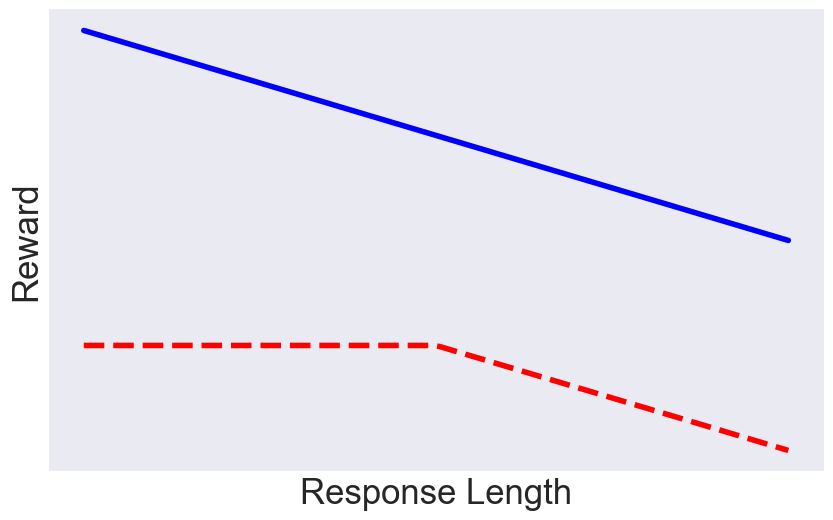
Researchers from Peking University and Microsoft Research propose a gated length penalty that cuts reasoning tokens by 33-40% without hurting accuracy.
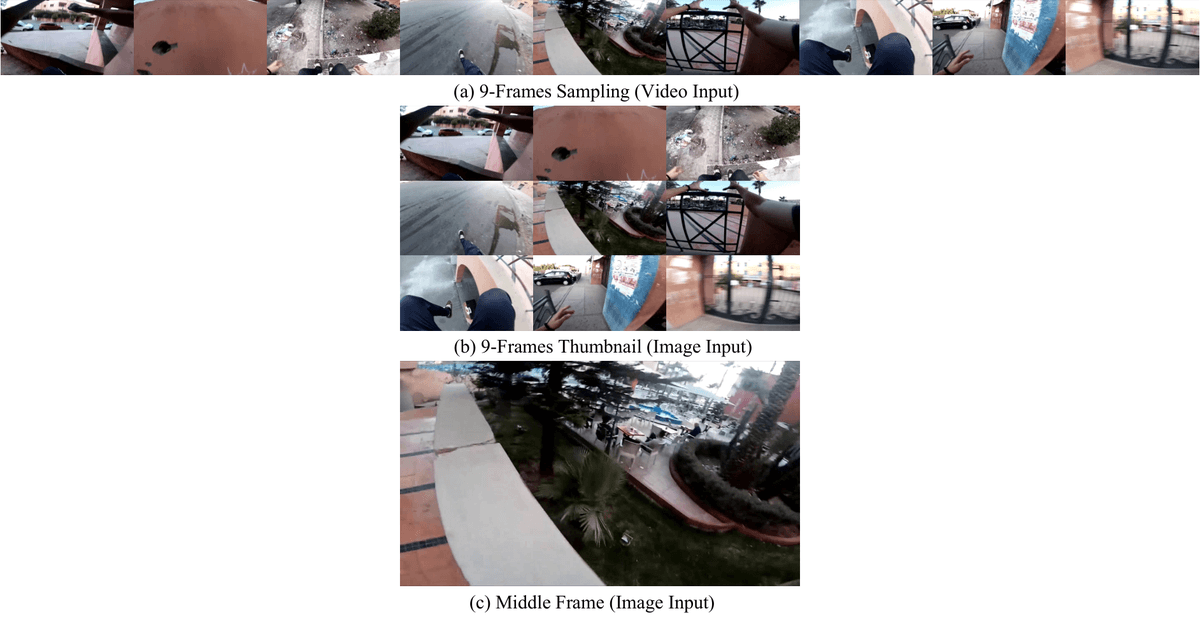
A new benchmark and defense framework show that adding video to a multimodal model erases nearly half of its safety alignment, and offers a way to claw it back.
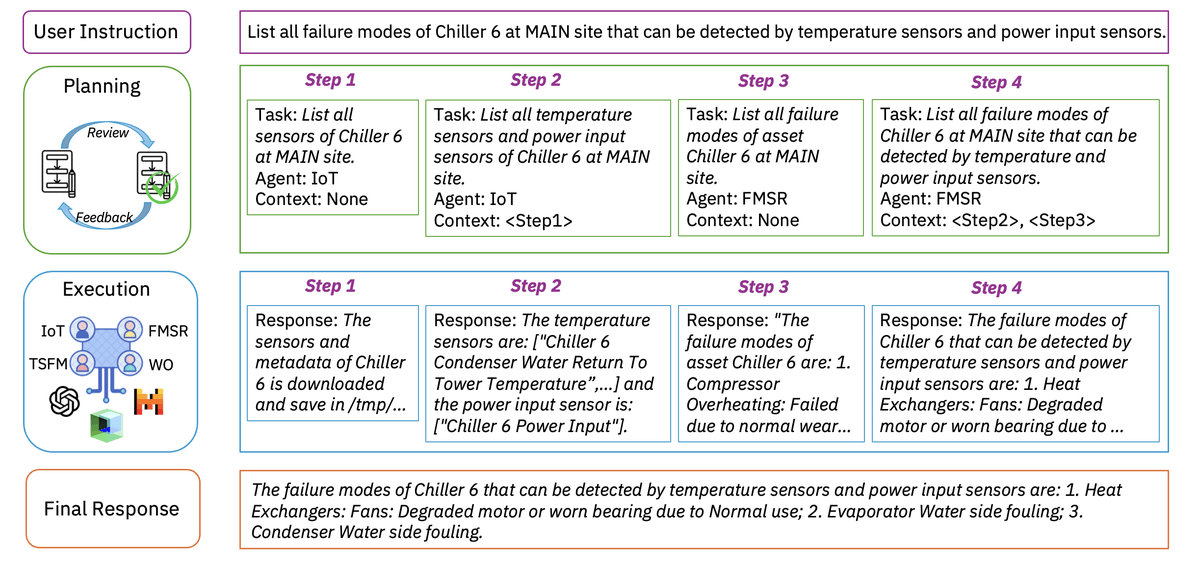
IBM Research releases a benchmark of 141 industrial scenarios where top LLM agents still cap out below 70 percent task completion on real chiller and HVAC operations.
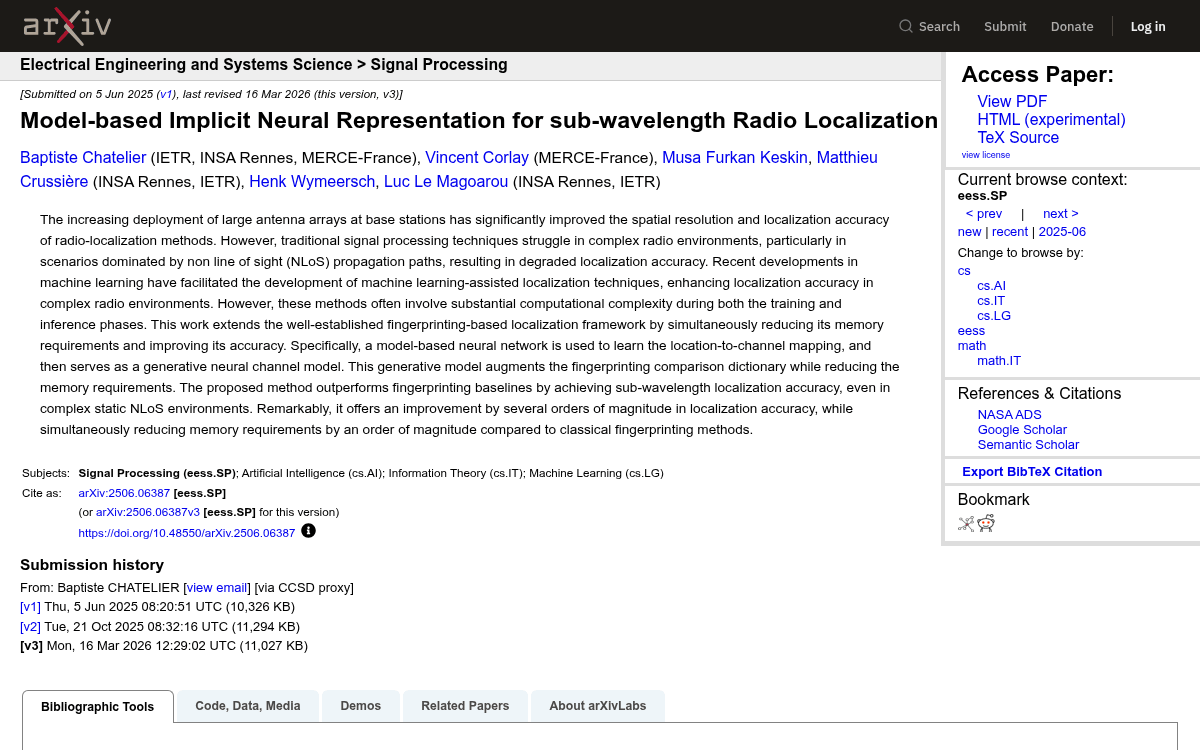
A physics-informed neural network doubles as a generative channel model, replacing bulky fingerprinting databases and pushing radio localization below one wavelength.
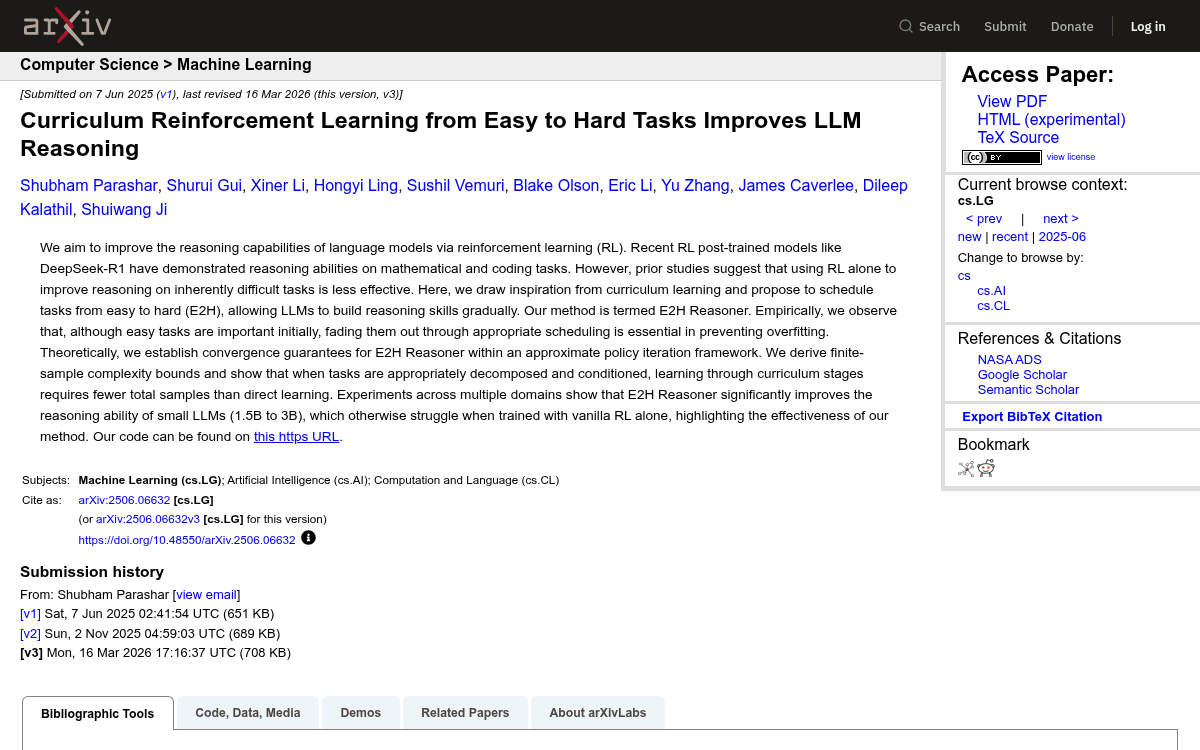
A curriculum-based RL method schedules training from easy to hard tasks, letting 1.5B-3B models learn reasoning problems they previously couldn't solve.
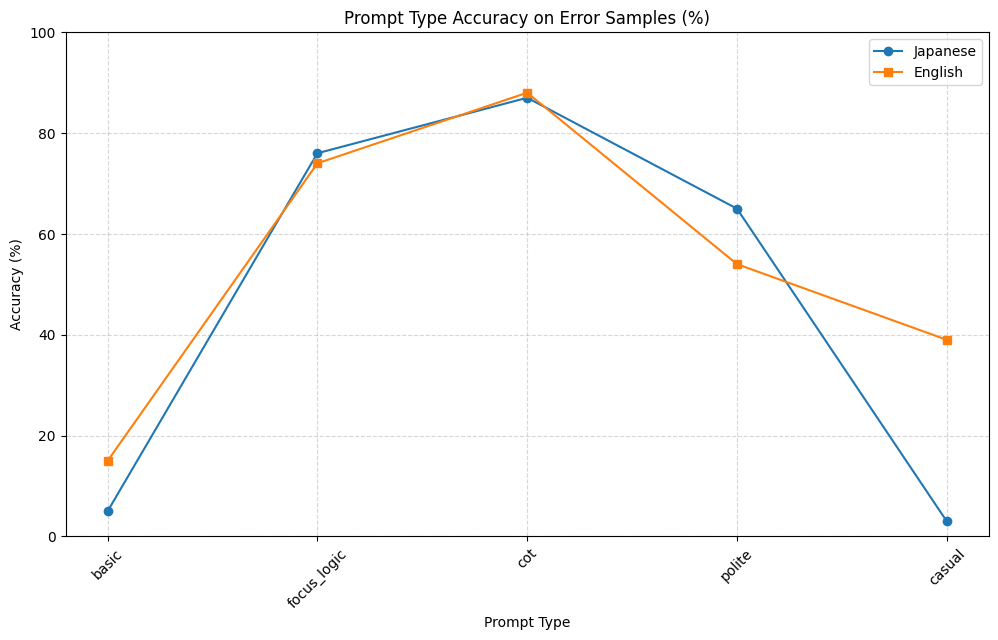
A new 5,000-problem Japanese benchmark reveals that reasoning-tuned models crush belief-inconsistent syllogisms while alignment-heavy or older models collapse below random.
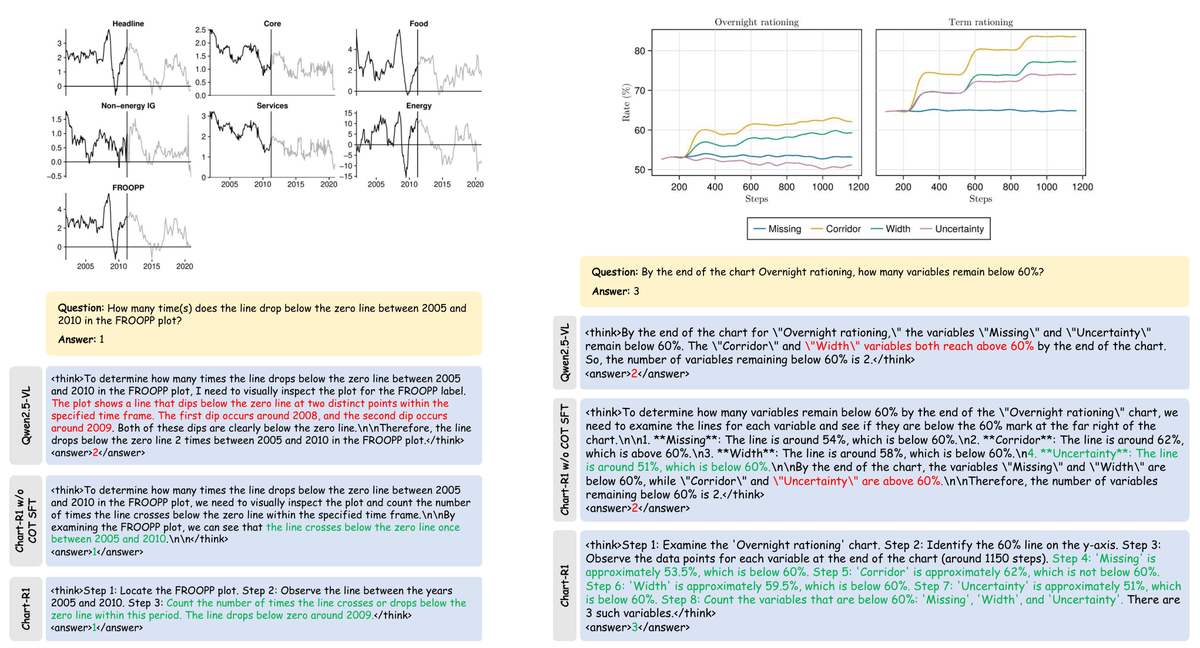
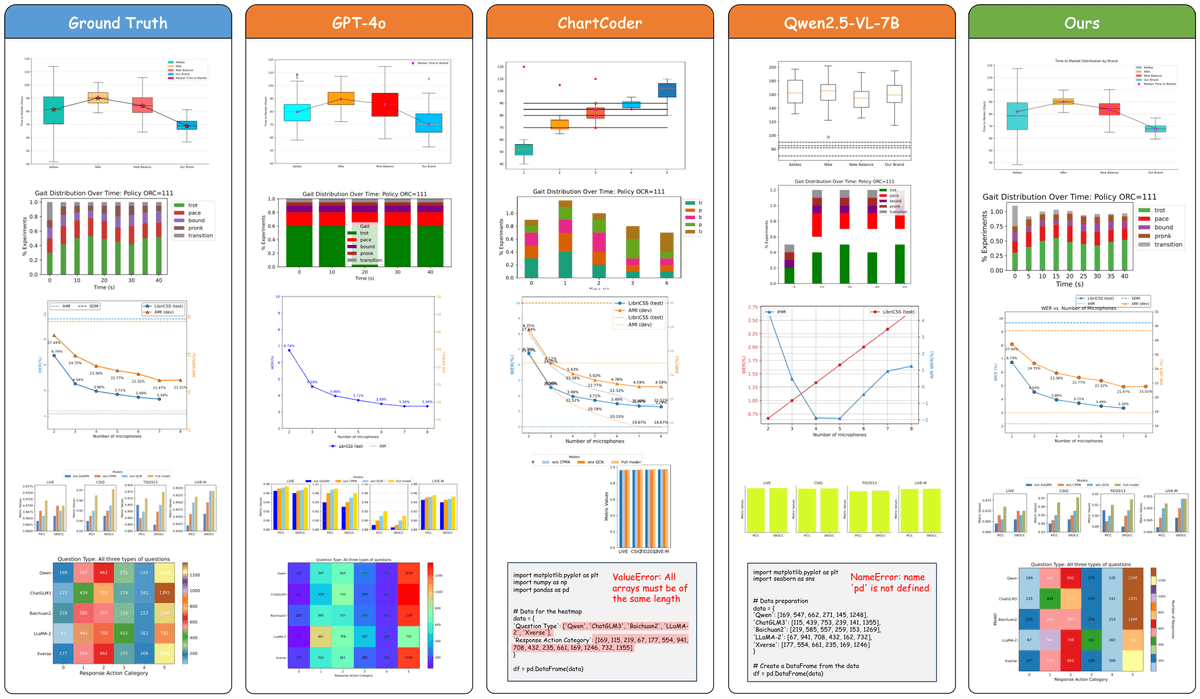
A new training recipe pushes a 7B open model past GPT-4o on chart-to-code generation by pairing a 3M-pair arXiv corpus with two-stage reinforcement learning.
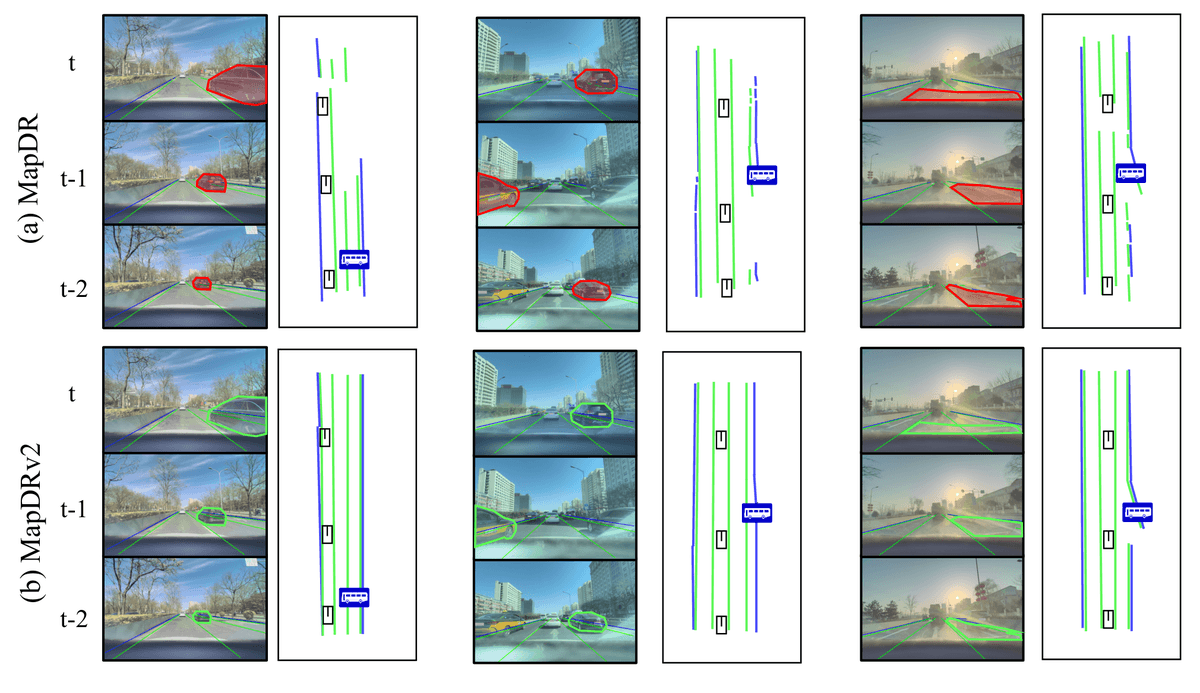
A new framework co-constructs HD maps and traffic rules autoregressively, keeping bus lane and speed limit signs valid long after they leave the frame.
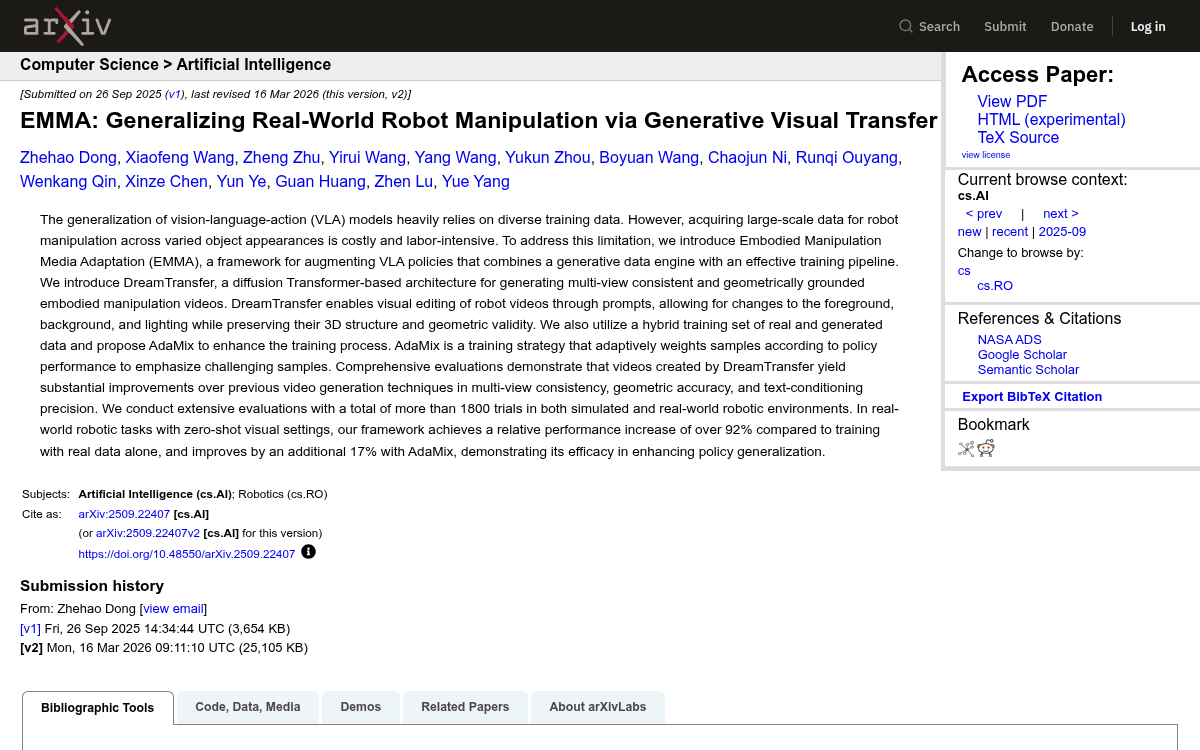
A new framework uses text-guided diffusion video generation and adaptive sampling to boost robot policy generalization by over 92 percent on zero-shot appearances.
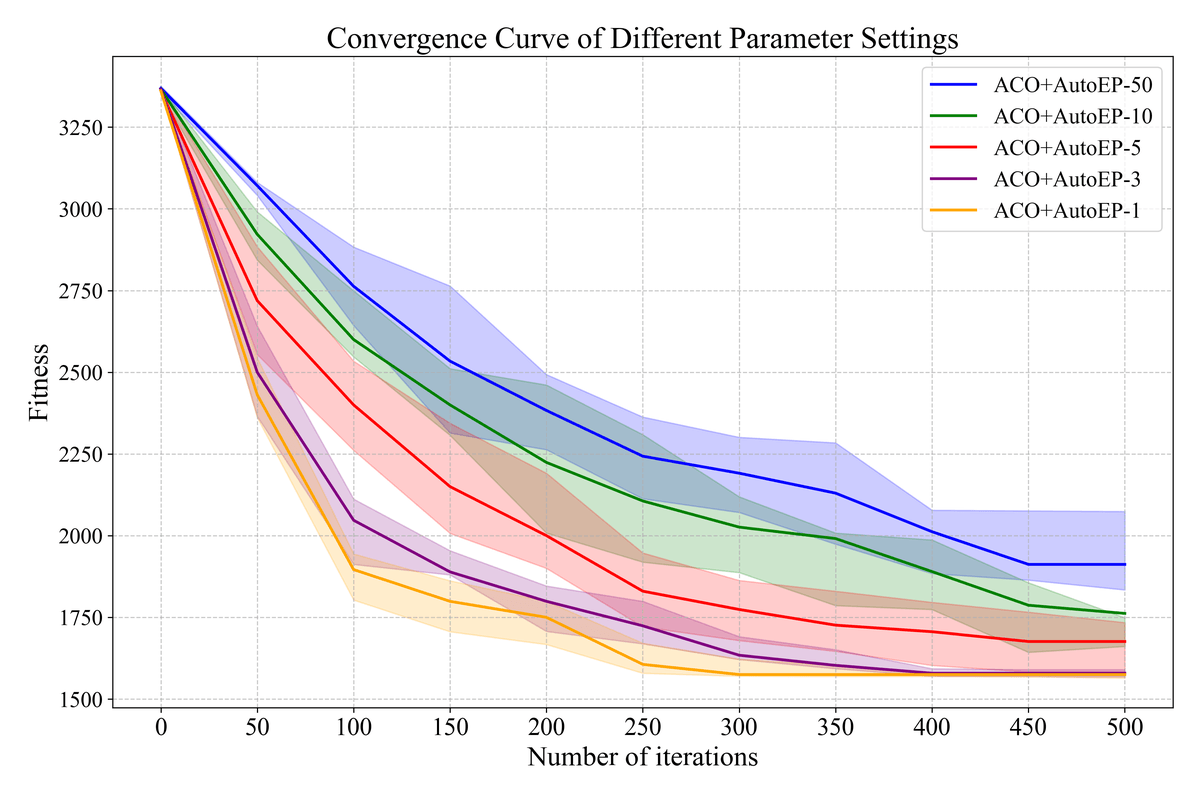
A new framework uses large language models as zero-shot reasoning engines to tune metaheuristic algorithm hyperparameters on the fly, no training required.
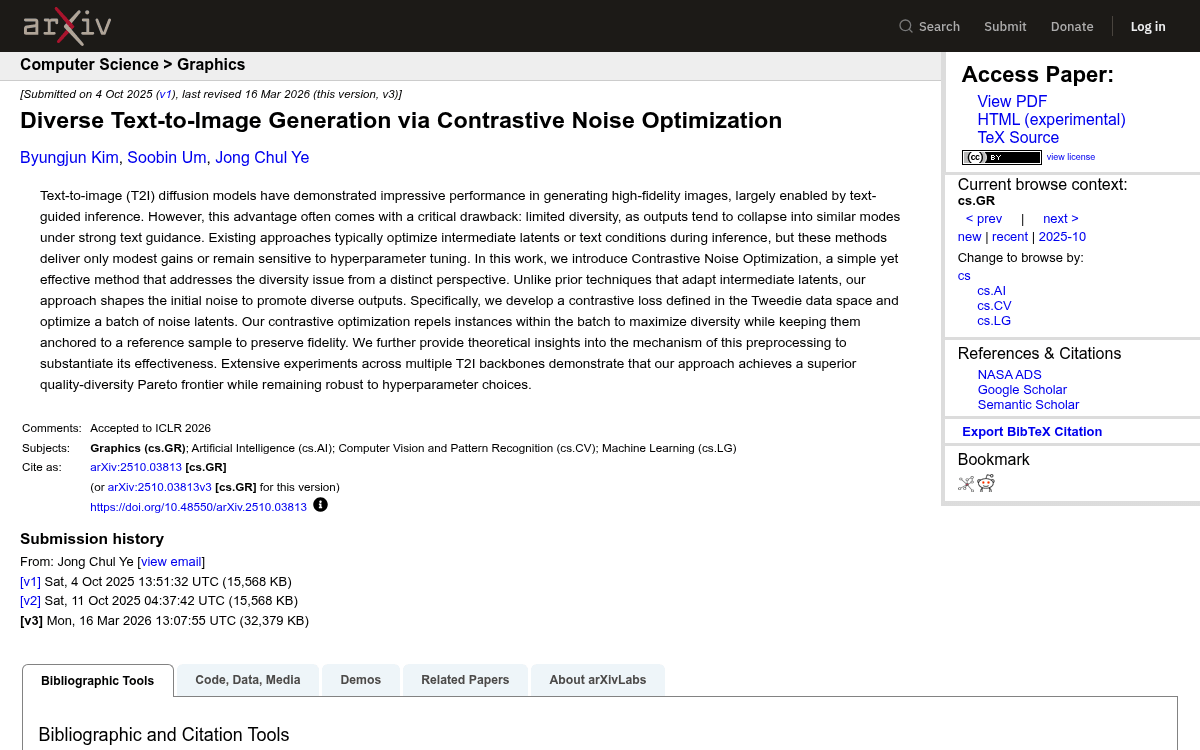
KAIST researchers propose Contrastive Noise Optimization, a one-shot preprocessing step that reshapes initial latents to break diffusion mode collapse without touching the sampler.
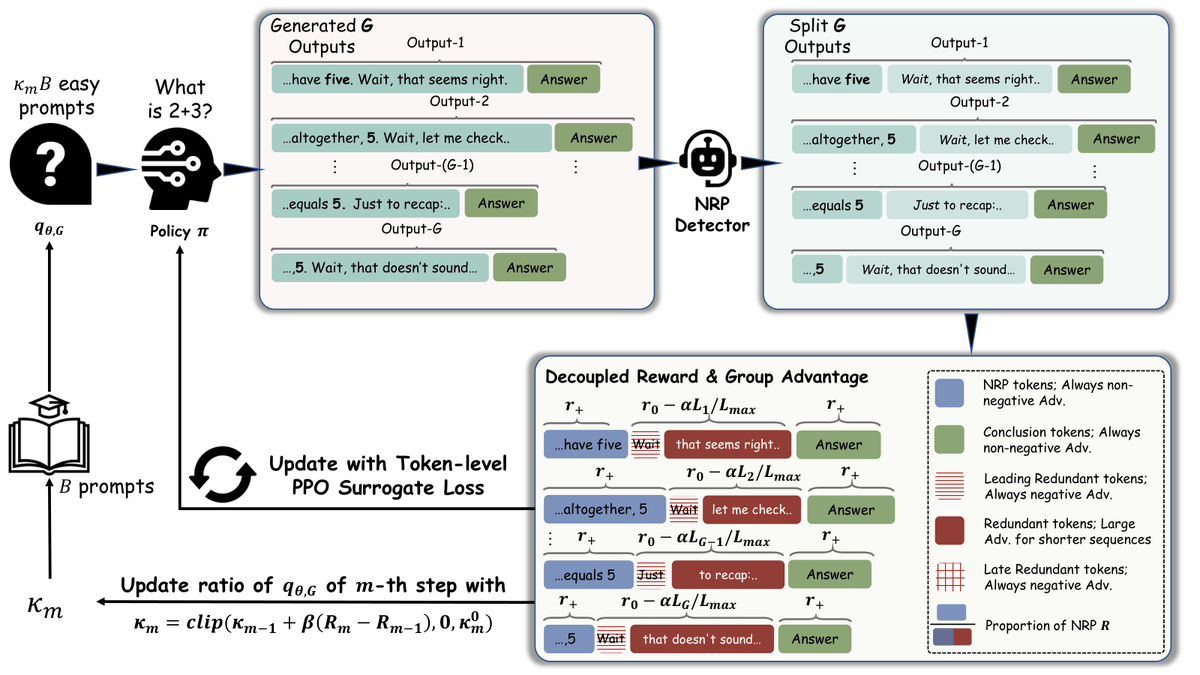
A new reinforcement learning framework called DECS cuts reasoning tokens by more than half while matching or beating base model accuracy across seven benchmarks.
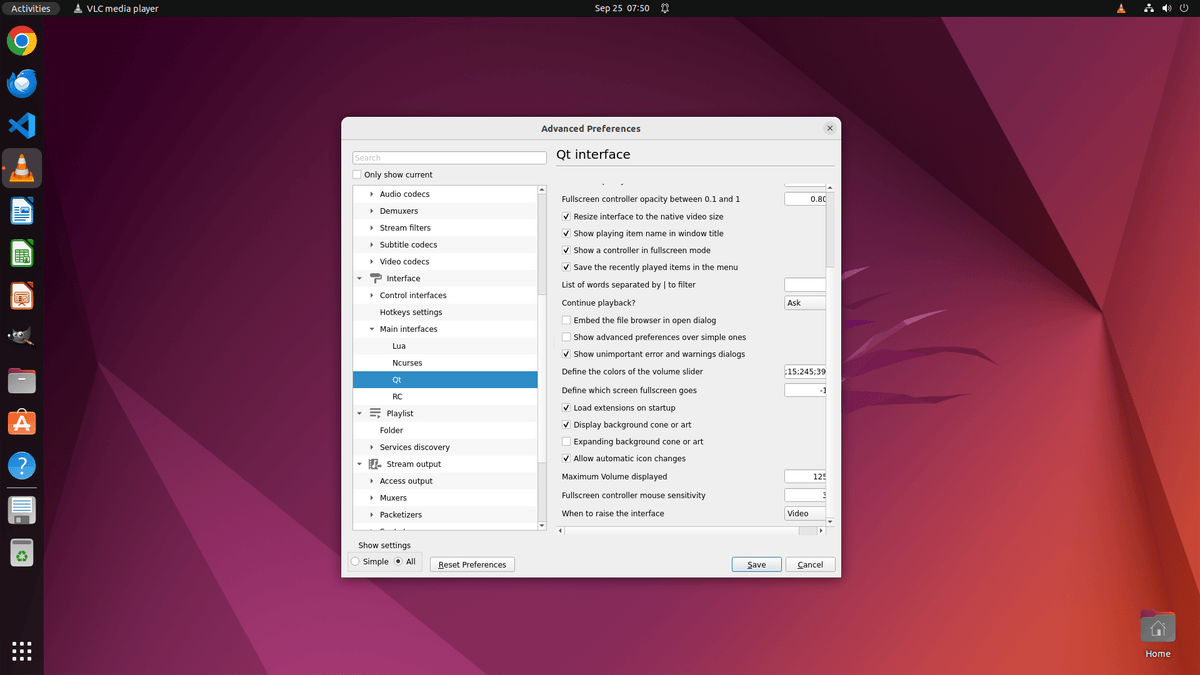
Google researchers turn 53,000 YouTube tutorials into executable UI training data using an inverse dynamics model, boosting agent success rates across OSWorld and WindowsAgentArena.