
Pro
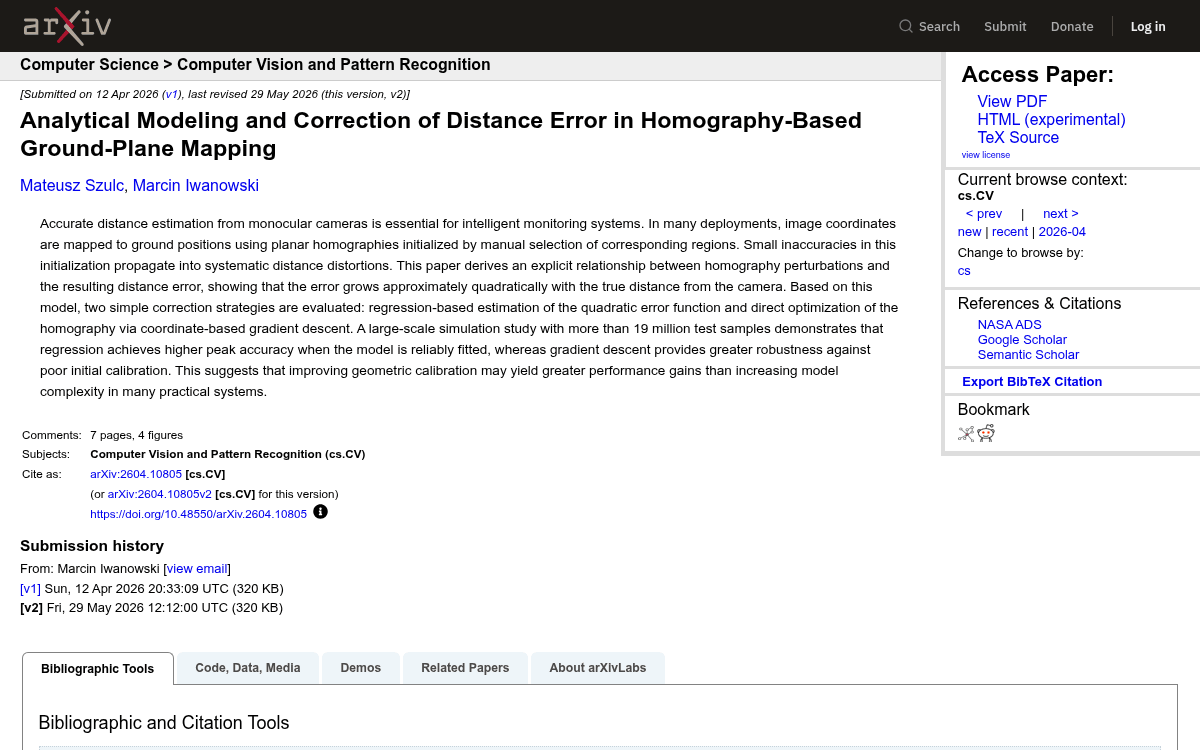
Warsaw Researchers Prove One Pixel Error Grows Quadratically With Distance
New analytical work shows manual camera calibration errors don't just add up, they compound quadratically with distance, and simple fixes recover most of the accuracy.
20 stories
New analytical work shows manual camera calibration errors don't just add up, they compound quadratically with distance, and simple fixes recover most of the accuracy.
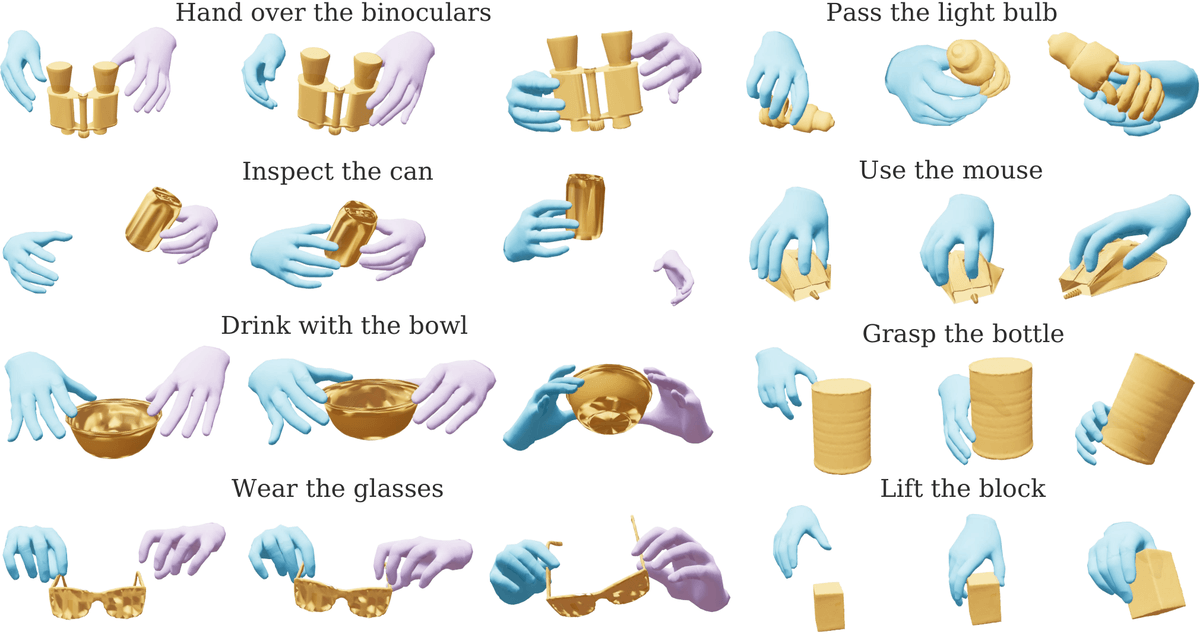
A new framework pairs an interaction-aware VAE with masked flow matching to synthesize realistic 3D hand-object motions from text, cutting interpenetration and boosting diversity.
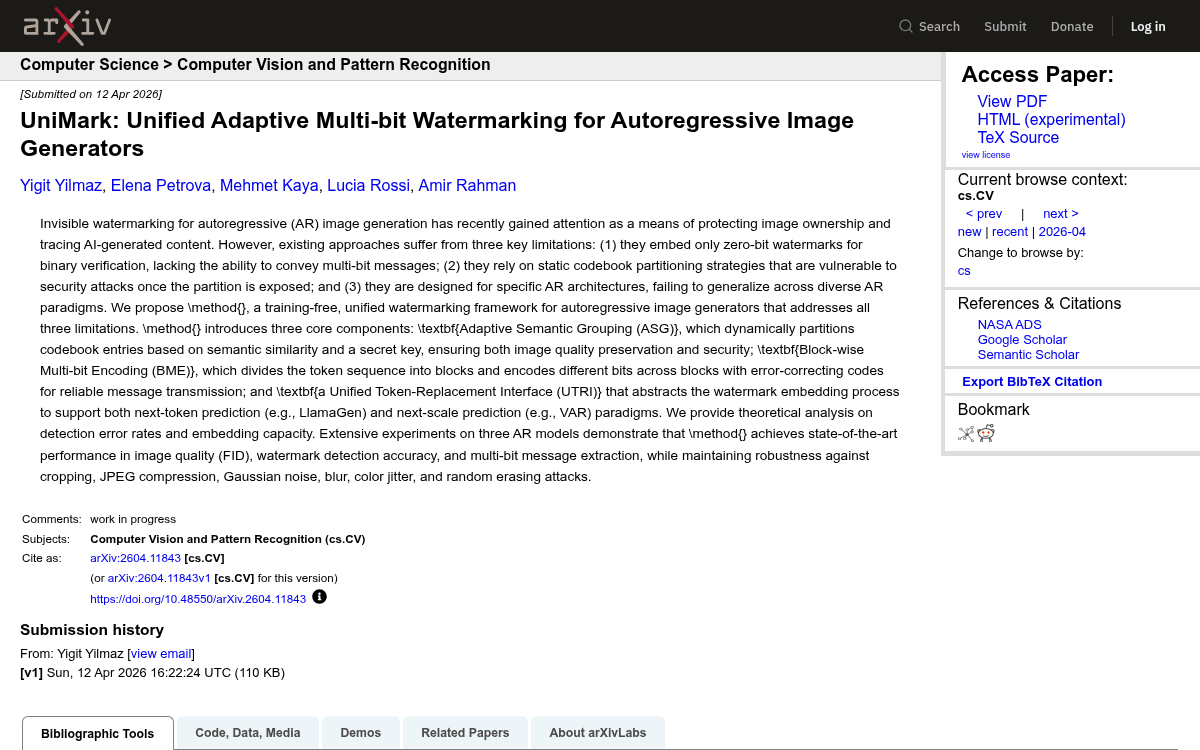
A training-free framework embeds multi-bit messages into autoregressive image generators like LlamaGen and VAR, resisting six attack types.
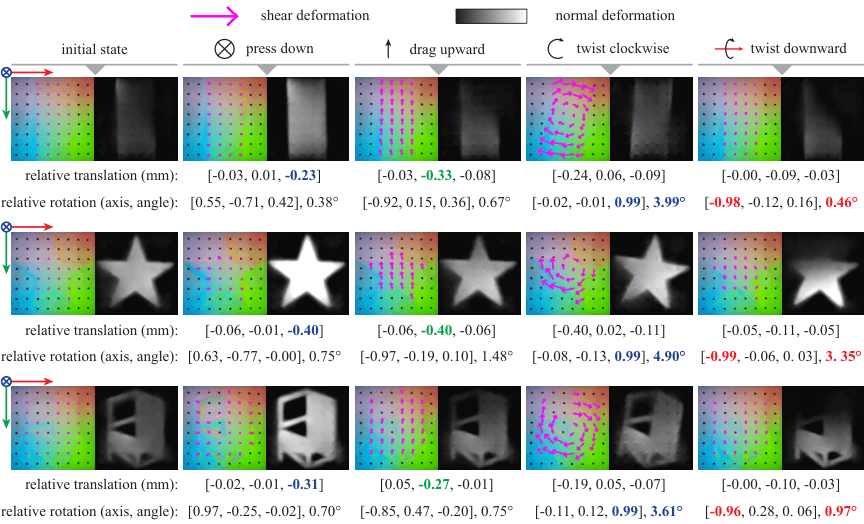
A proactive tactile controller keeps 100% success on 200 articulated objects while cutting task time roughly tenfold versus the prior tactile baseline.

A learning-enhanced control barrier function keeps a 38g nano quadrotor safe in 18km/h wind by adapting to unknown disturbances online at 100Hz.
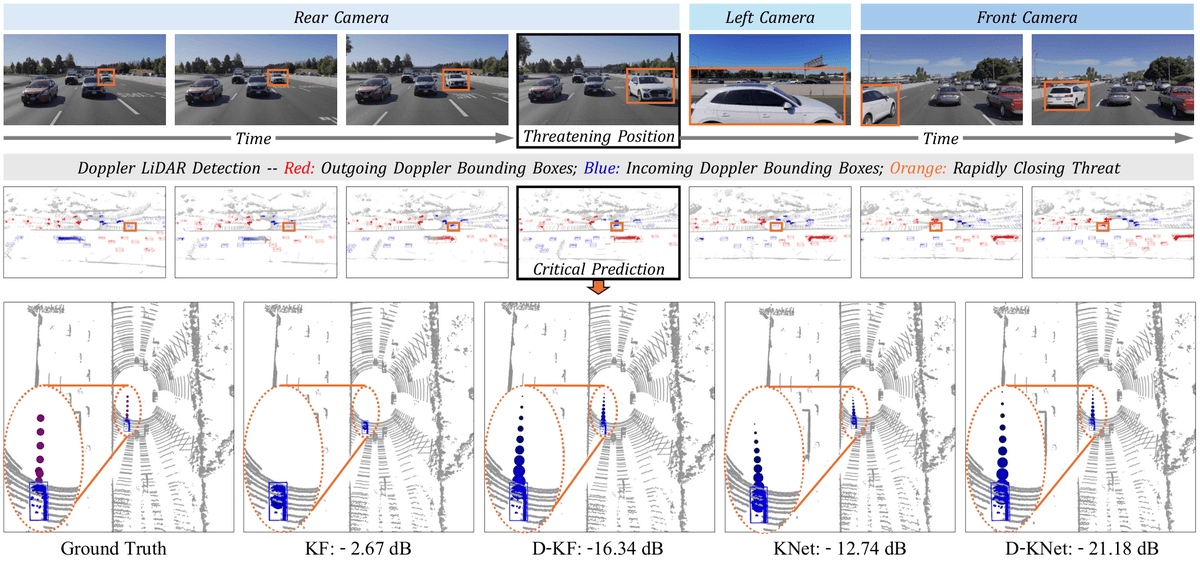
A new planner fuses Doppler LiDAR velocity readings with a learned Kalman filter and self-tuning MPC to dodge fast-moving obstacles.
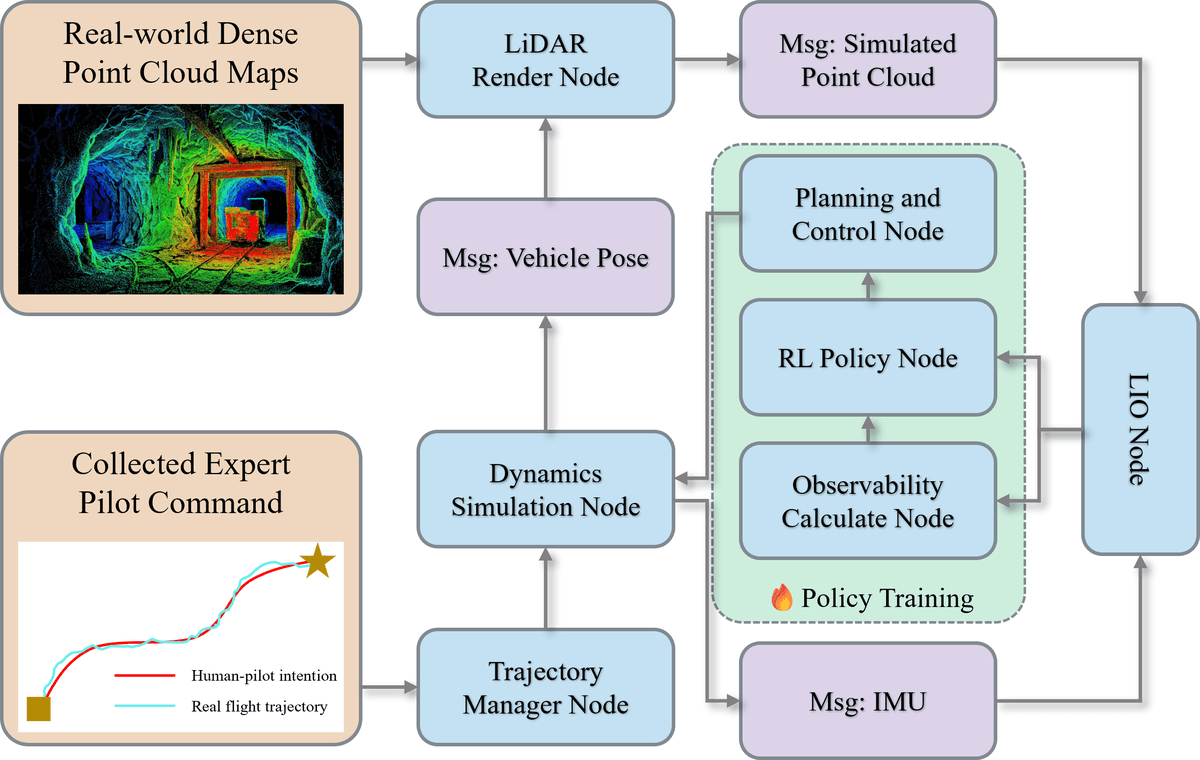
A drone can spin its whole body toward information-rich views to keep LiDAR odometry stable, guided by a Fisher-information score and an RL-tuned MPC.
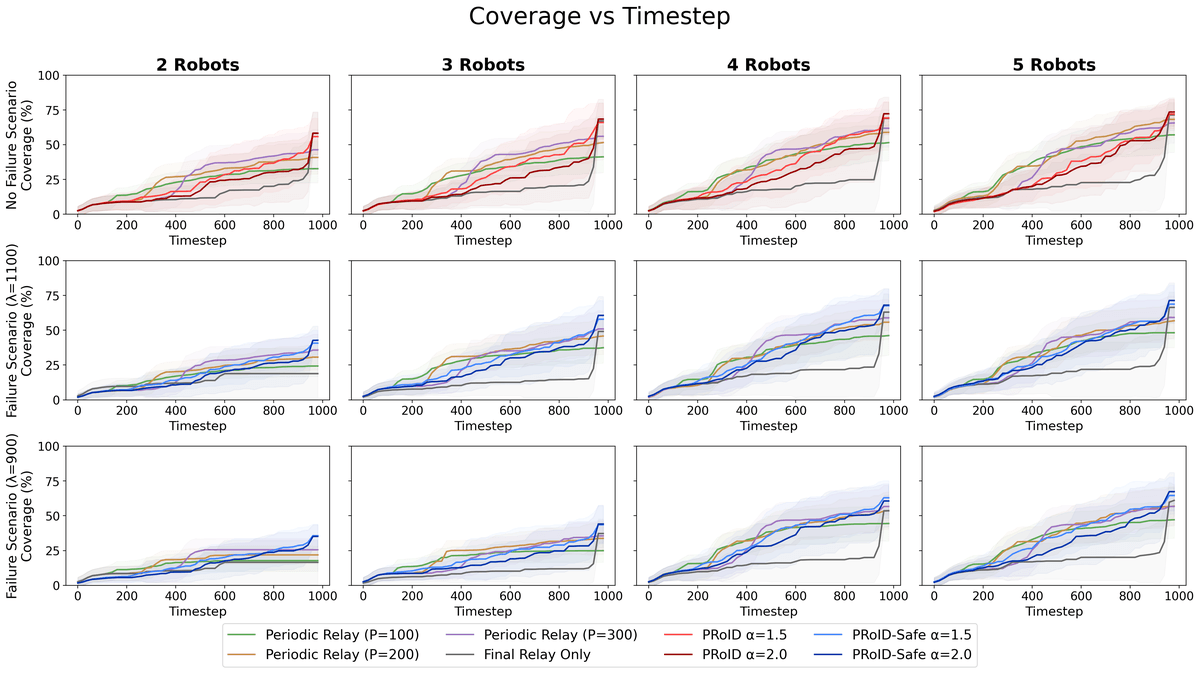
A new relay criterion lets exploration robots decide adaptively when to return to base, using learned map prediction to weigh future information against risk.

A vascular consistency constrained model cleans up motion artifacts in cerebral angiography, hitting 43.2 dB PSNR and 98.8% SSIM on animal ground truth.
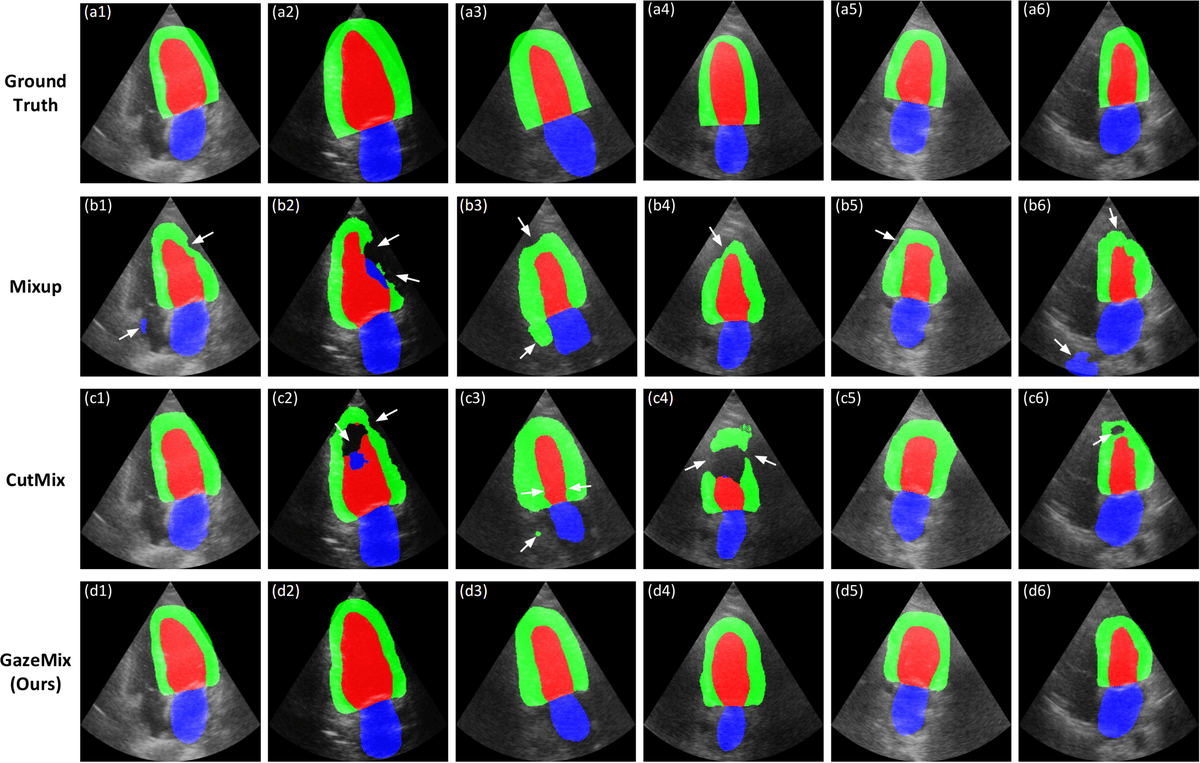
A new semi-supervised framework treats radiologist eye movements as a second teacher, cutting labeling needs while beating state-of-the-art on four segmentation benchmarks.
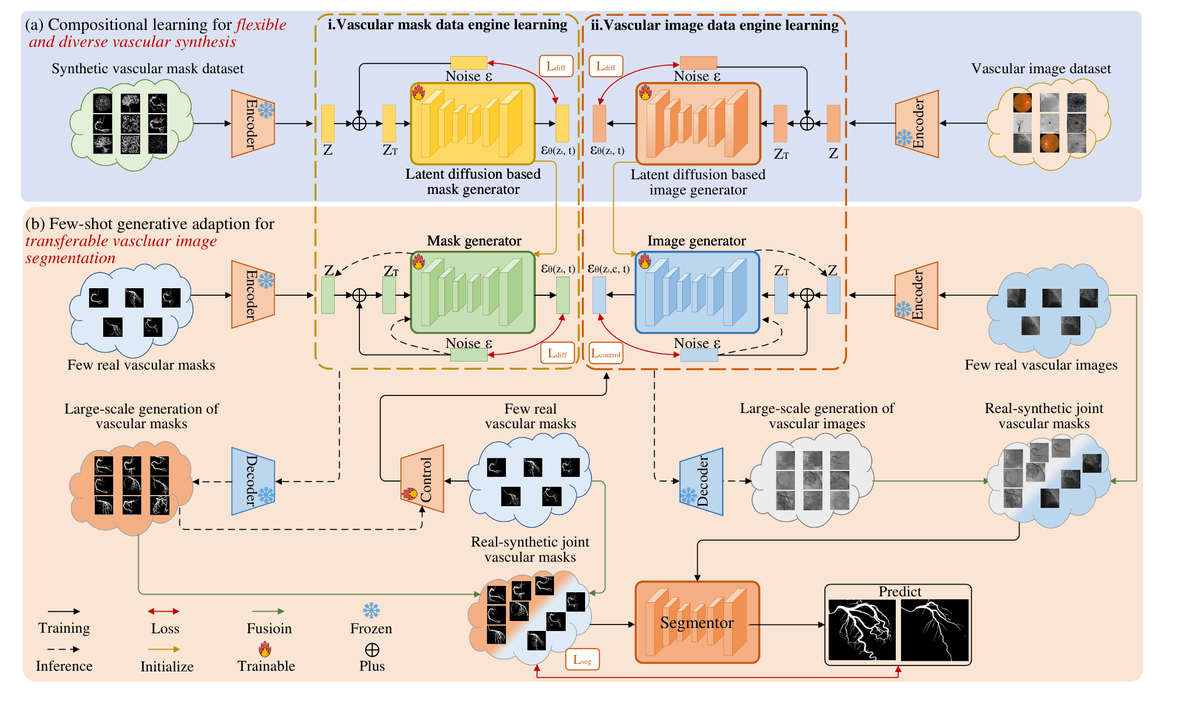
UniVG generates diverse synthetic vessel images from just five labels, matching fully supervised segmentation across 11 tasks and five imaging modalities.
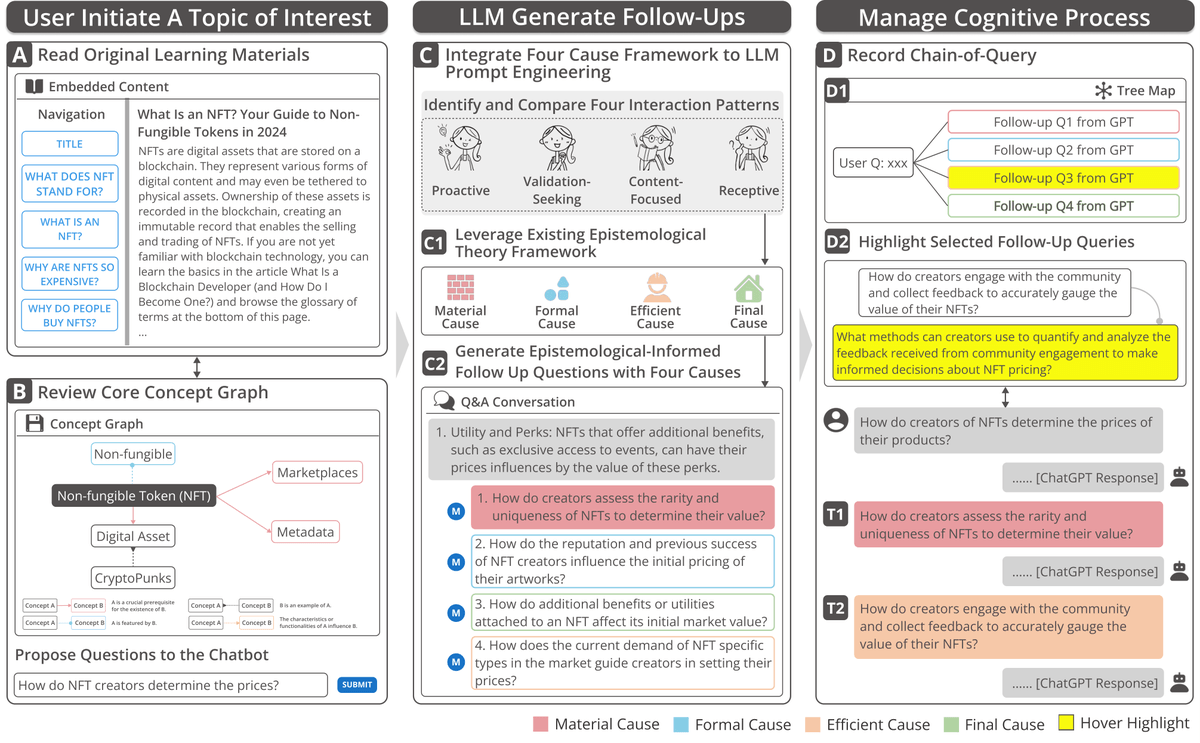
Researchers baked Aristotle's Four Causes into an LLM tutor's prompts to auto-generate follow-up questions, boosting engagement and depth in self-learners.
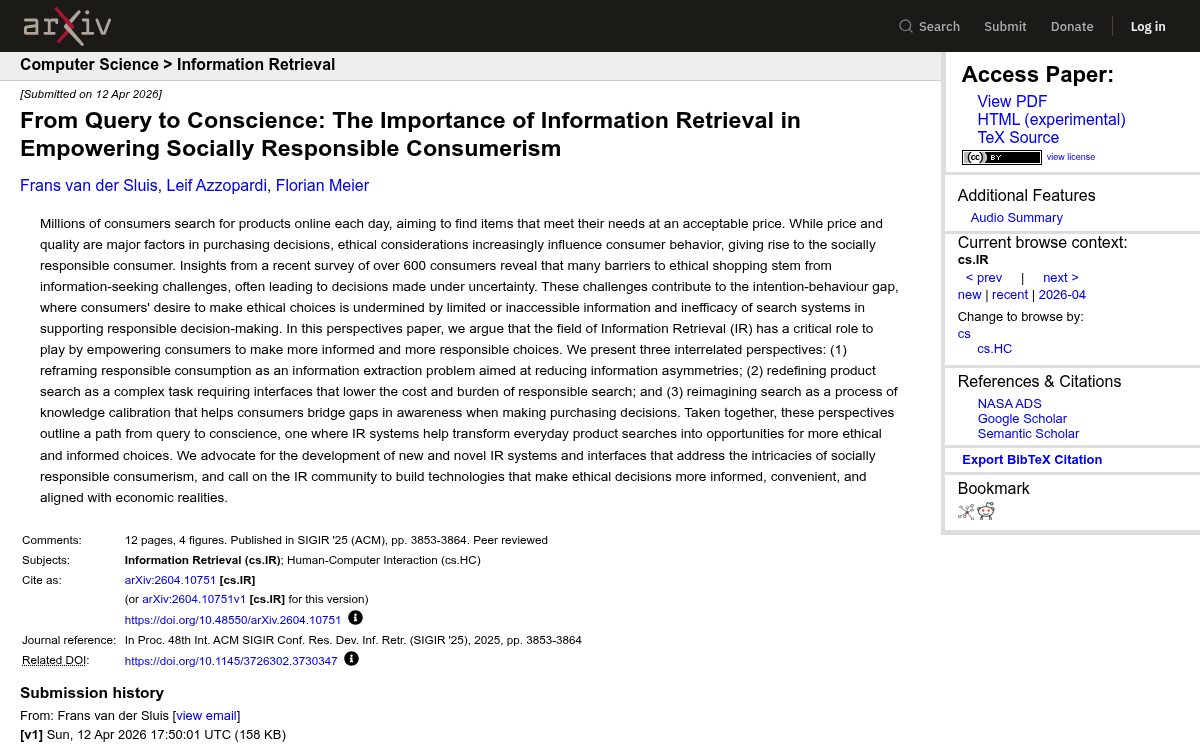
A SIGIR perspectives paper argues that search engines are systematically failing shoppers who want to buy ethically, and outlines what IR needs to fix.
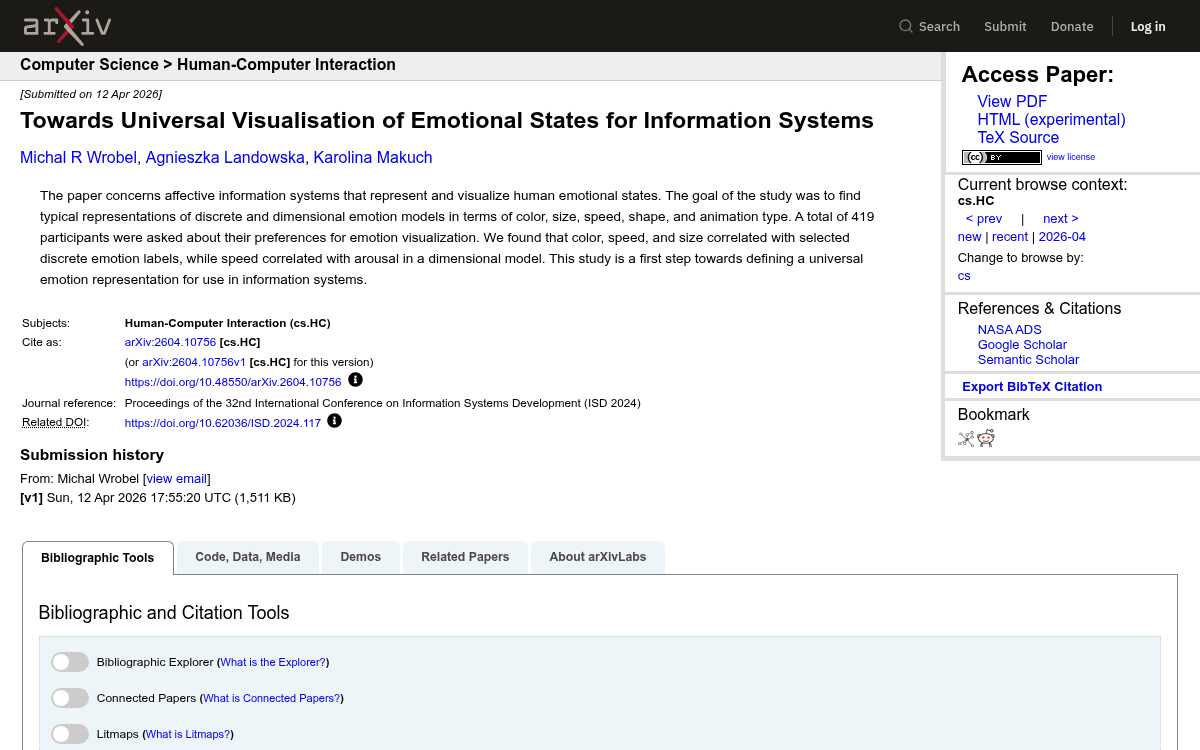
A study of 419 people uncovers which colors, speeds, and sizes reliably map to specific emotions, and where consensus breaks down.
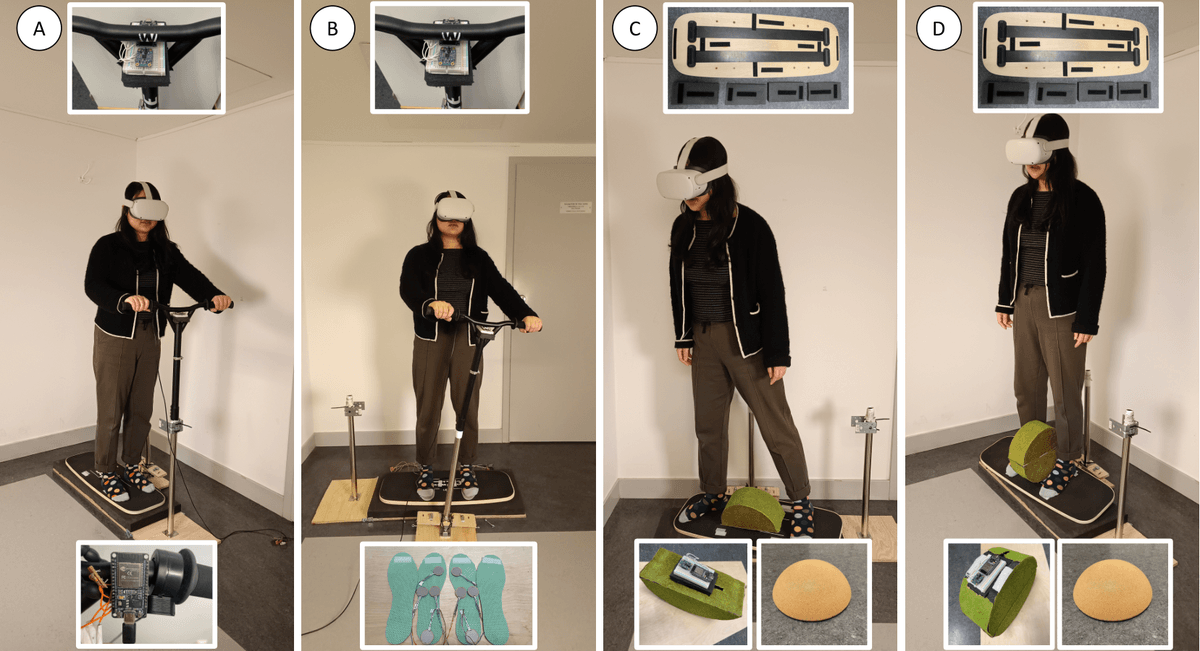
A KTH research team built a single reconfigurable rig that simulates e-scooters, Segways, electric unicycles, and one-wheeled skateboards in VR.
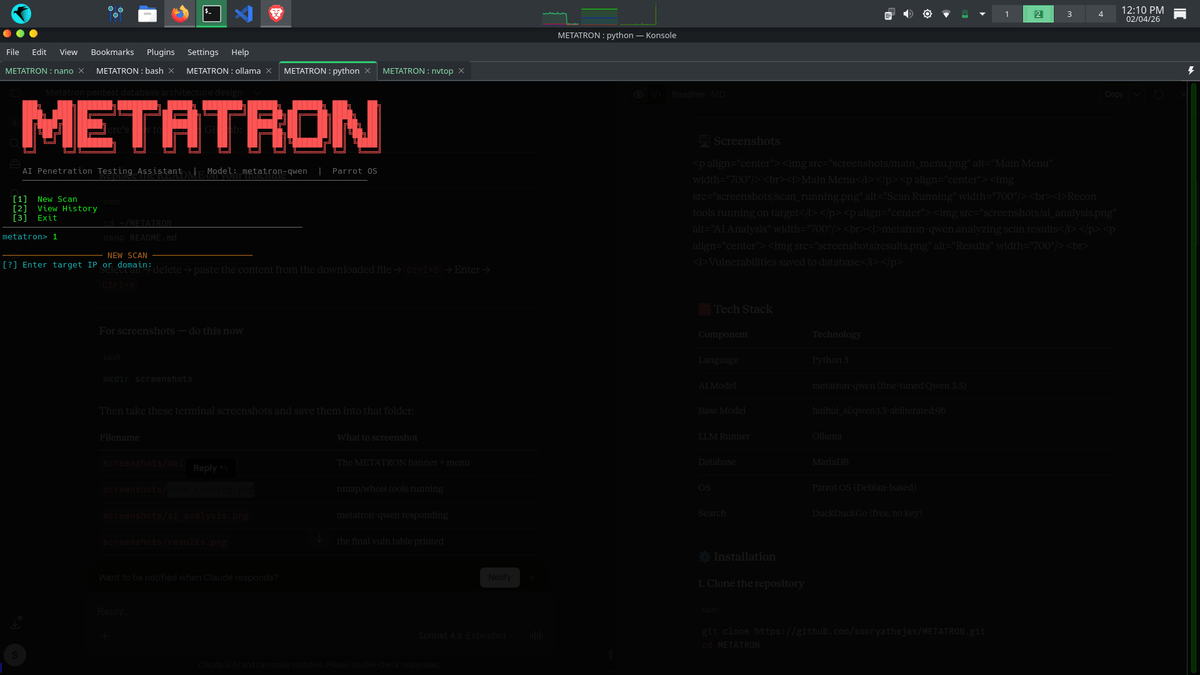
METATRON is a fully offline, open-source AI penetration testing assistant that runs a local LLM to automate recon, vulnerability analysis, and reporting with zero cloud exposure.
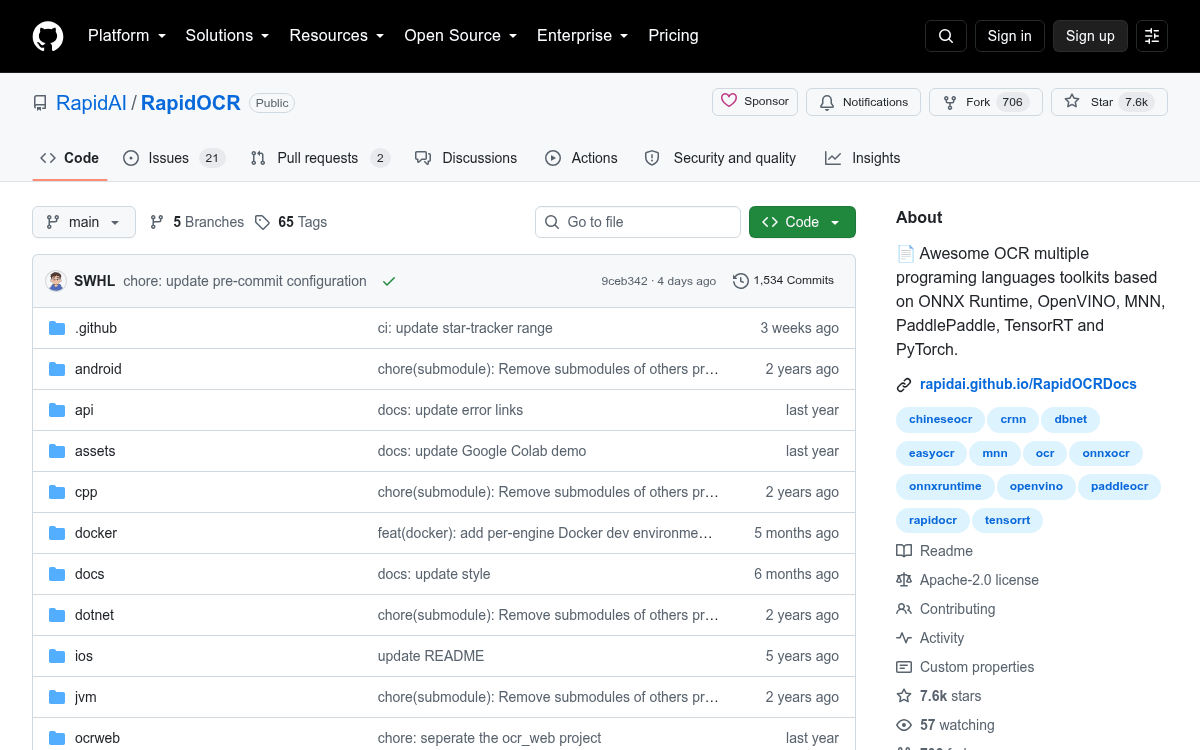
RapidOCR ports PaddleOCR into a dependency-light ONNX toolkit, giving you offline text recognition across Python, C++, Java, C#, and mobile.

Claudable is an open-source Lovable-style web builder that routes prompts to whichever local coding CLI you already pay for, then ships to Vercel.
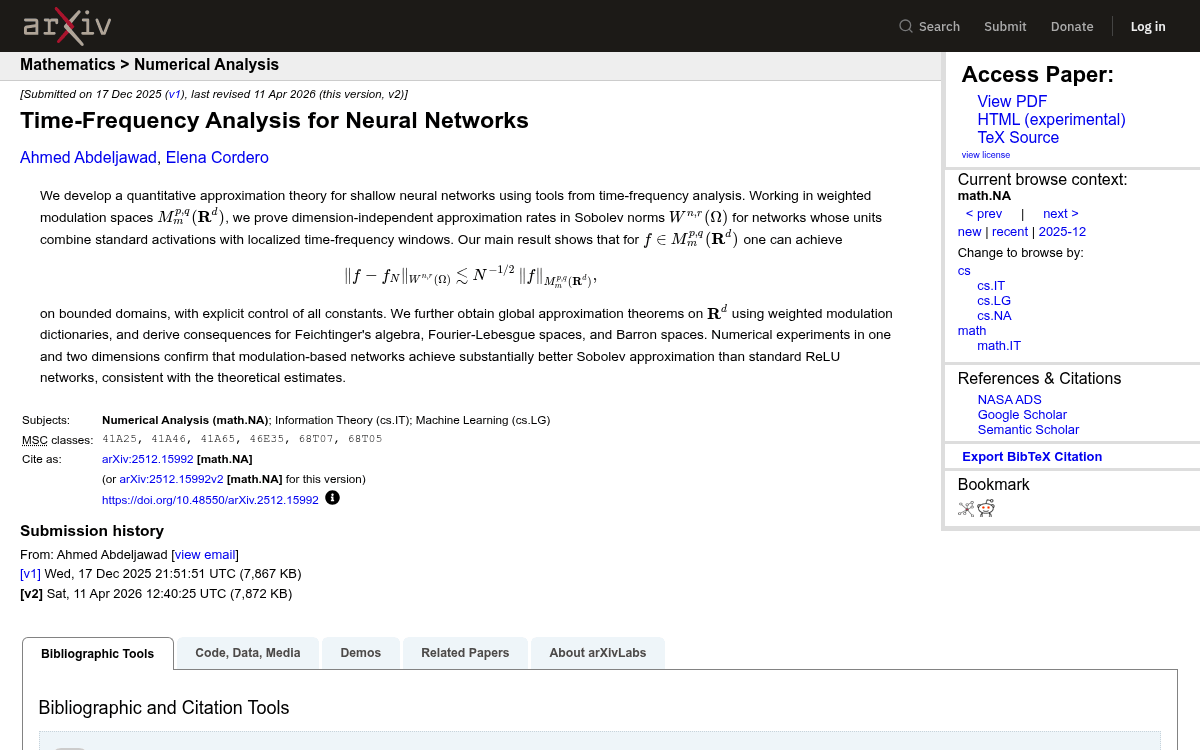
A new approximation theory shows neural networks with Gaussian time-frequency windows on each neuron beat plain ReLU nets at learning both functions and their derivatives.
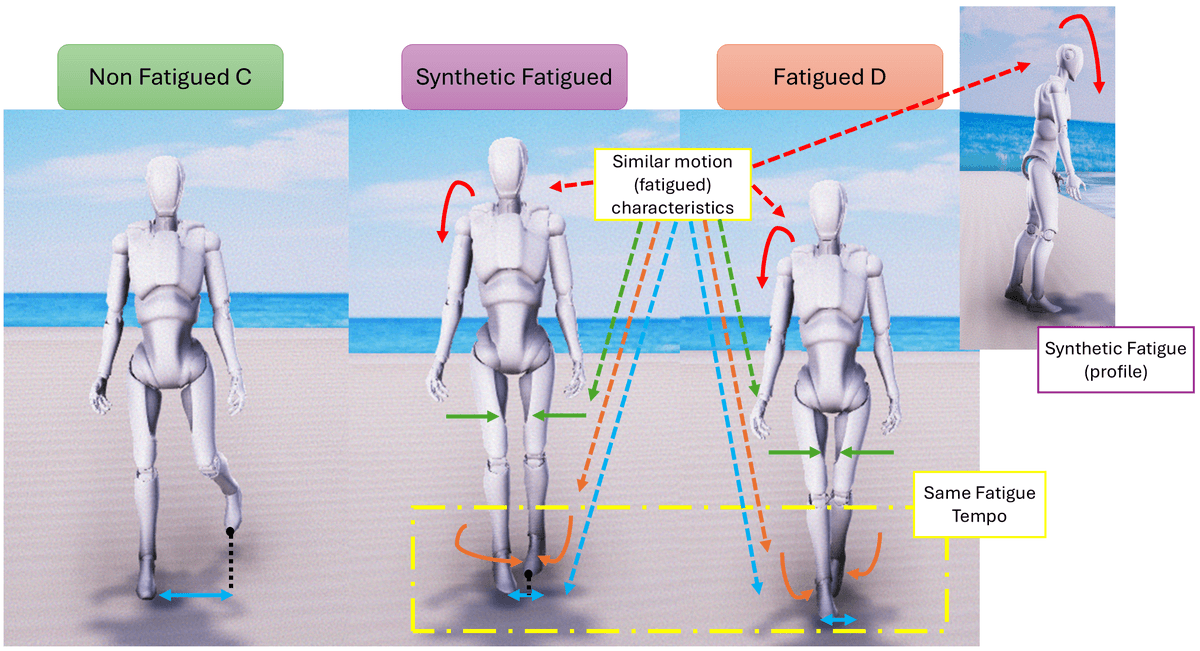
A three-module deep learning framework injects subject-specific fatigue into animated gait sequences without needing fatigued motion data at inference.