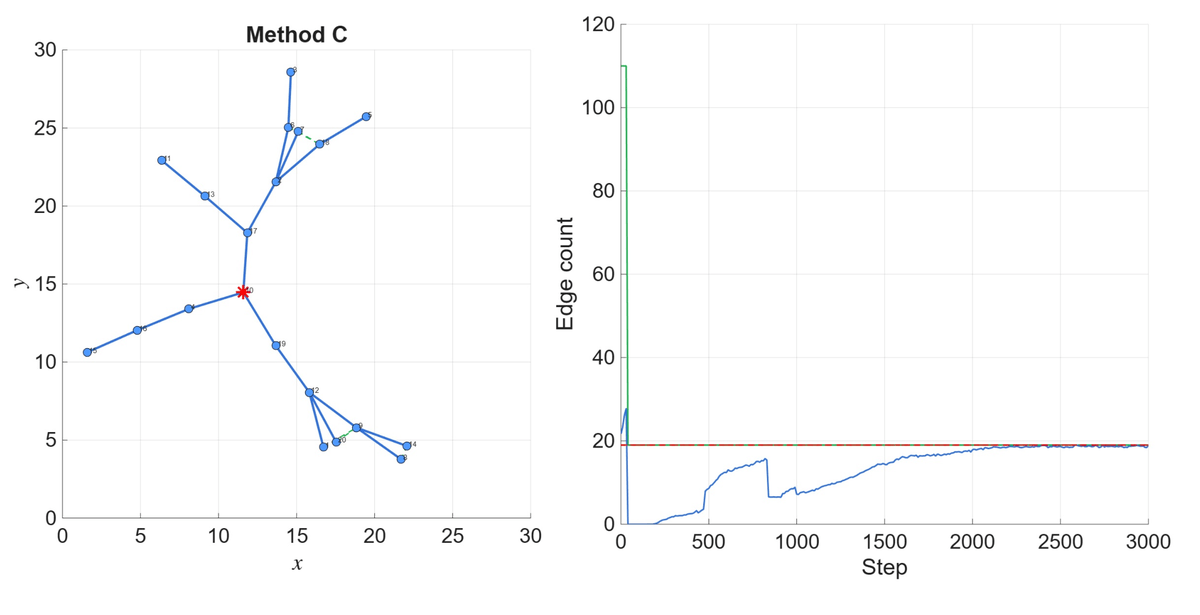
A new paper proposes a leader-based topology control scheme that keeps robot swarms connected even under communication delays and unknown disturbances.
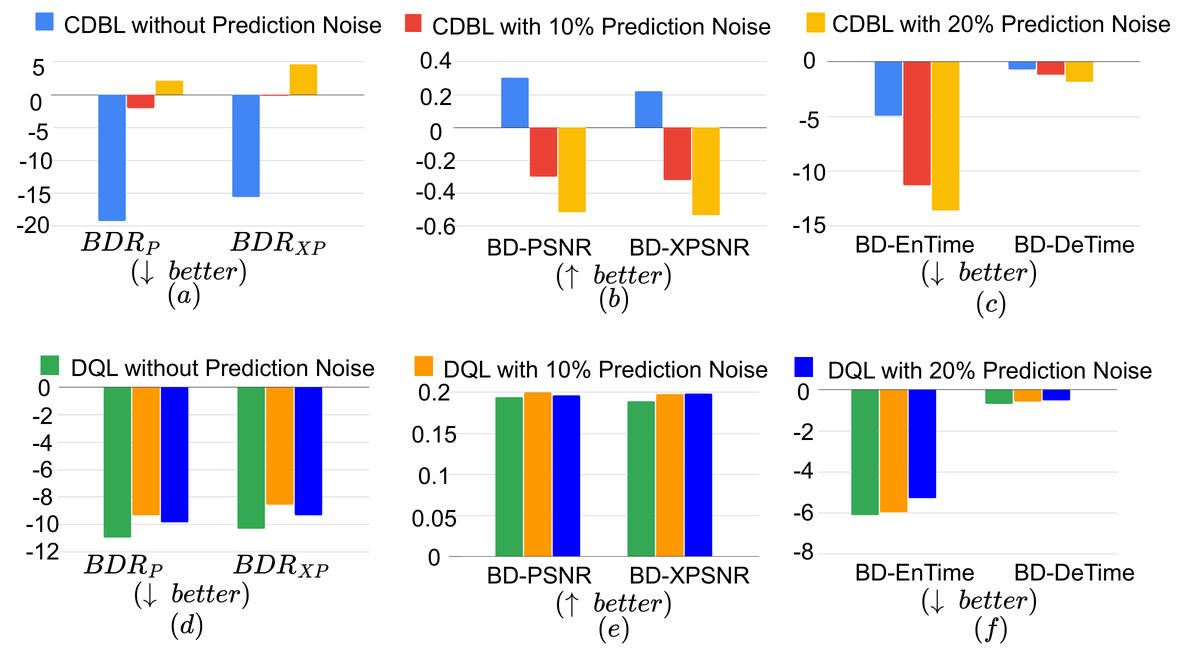
Researchers introduce DQ-Ladder, a deep Q-learning agent that builds per-segment bitrate ladders balancing quality, decoding time, and resolution stability.
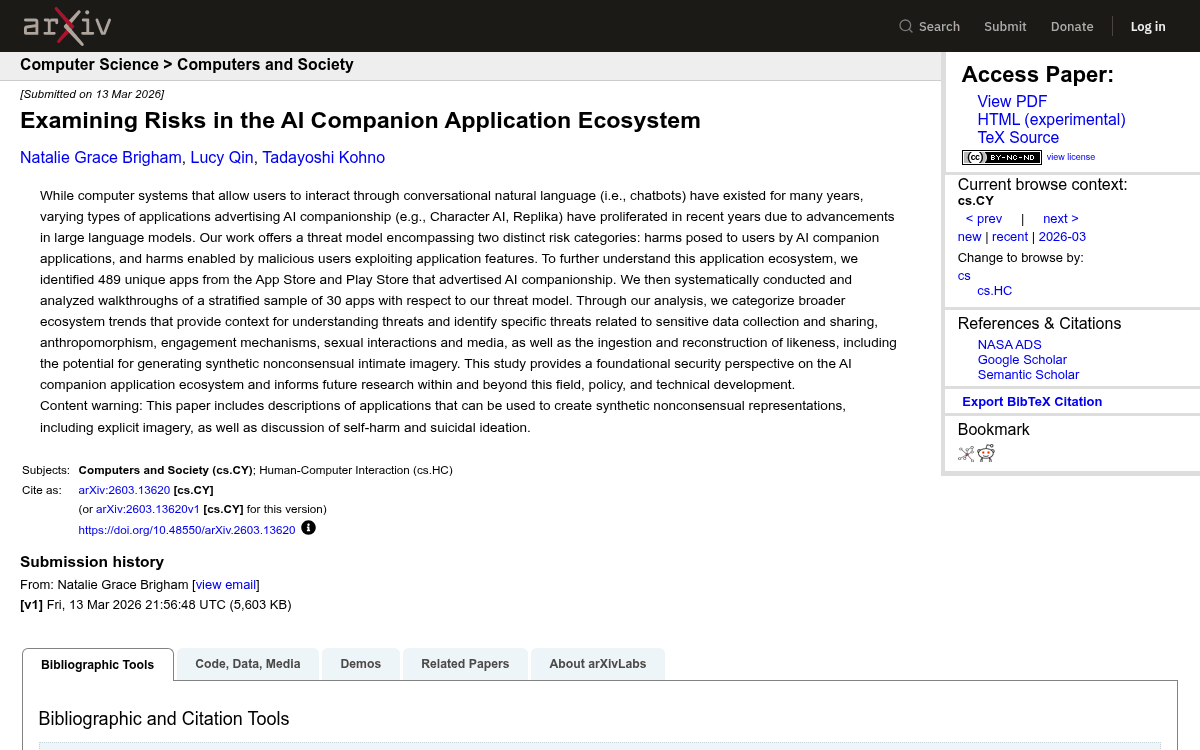
Security researchers audited 30 AI companion apps and found systemic risks around sensitive data harvesting, dark patterns, and nonconsensual likeness generation.
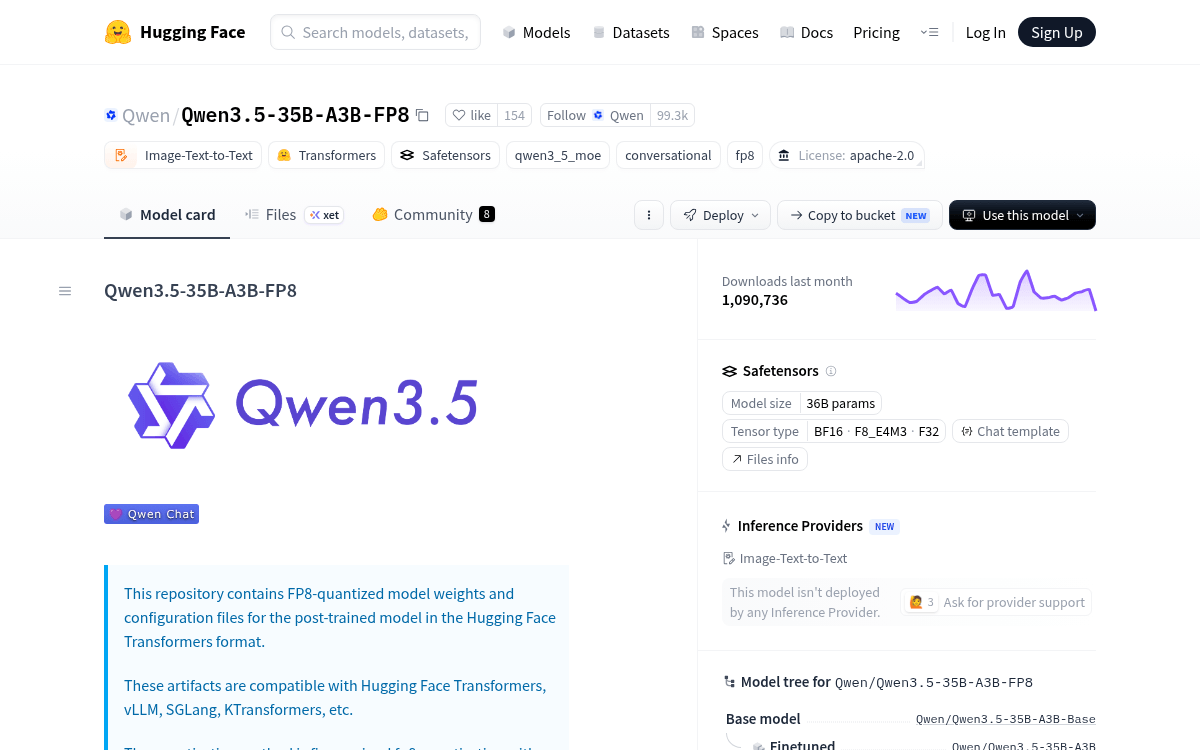
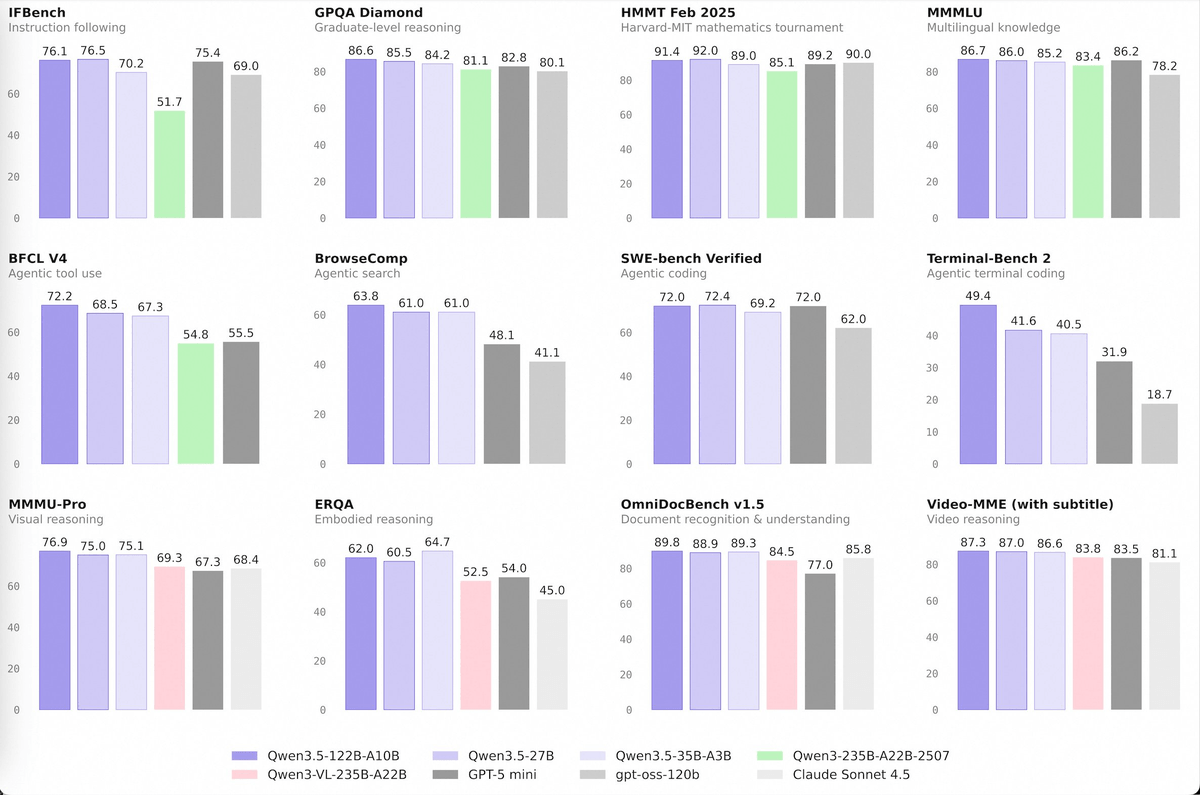
Alibaba's new sparse MoE vision-language model activates only 3B of 35B parameters, delivers Qwen3.5-27B-level performance at a fraction of the compute.
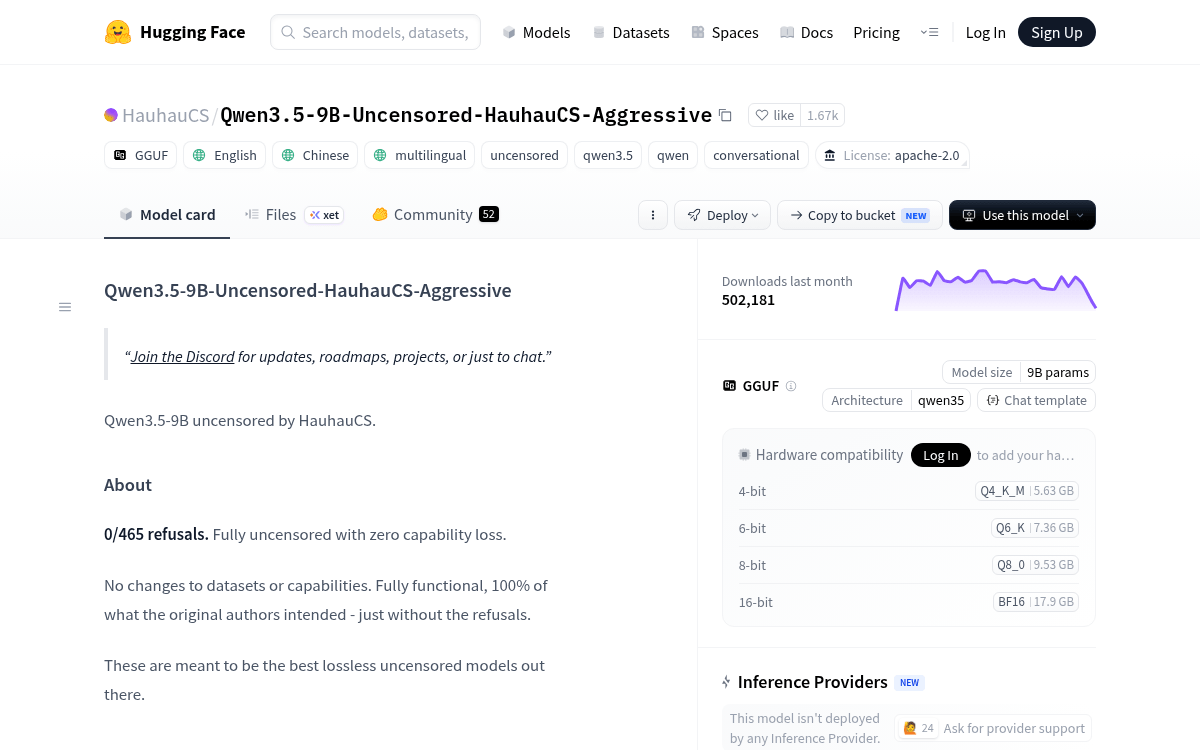
A community fine-tune ports Claude 4.6 Opus reasoning traces into Qwen3.5-27B, delivering stable tool calling and 9+ minute autonomous agent runs on a single RTX 3090.
Sarvam open-sources a 30B Mixture-of-Experts reasoning model with 2.4B active parameters, tuned for 22 Indian languages and built entirely on Indian compute.
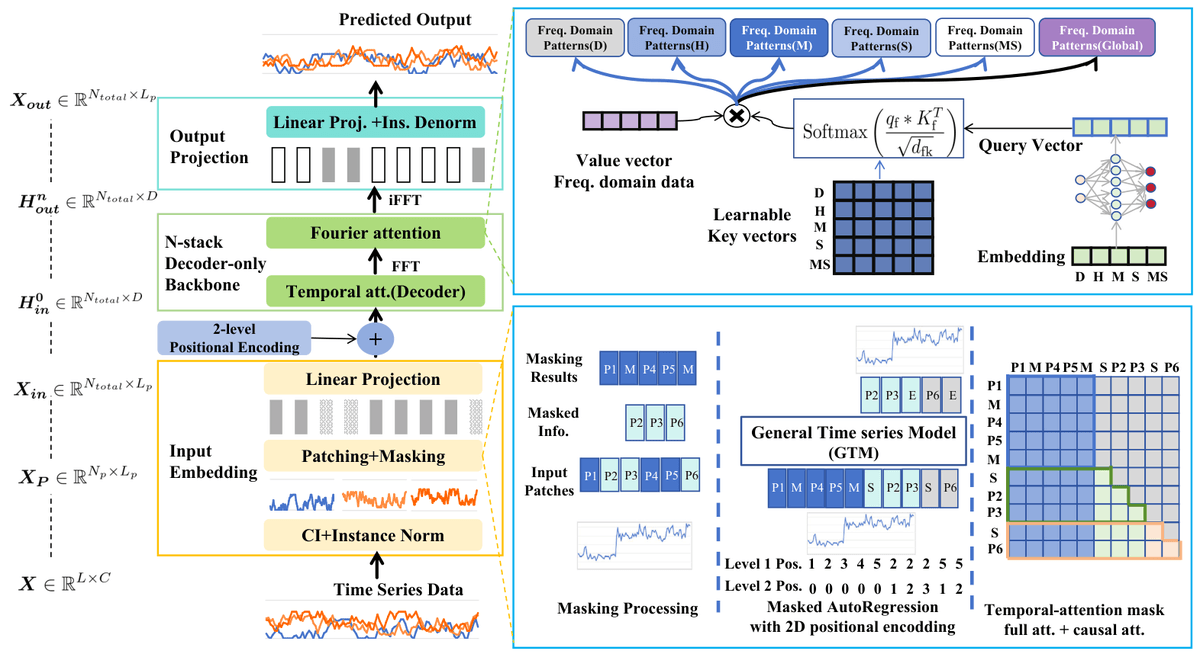
A new decoder-only time-series foundation model uses Fourier attention and hybrid masking to handle forecasting, imputation, and anomaly detection without any task-specific tweaks.
Researchers at UIUC show how to reconstruct home floorplans from a person's walking trajectories using diffusion models guided by contrastive embeddings.
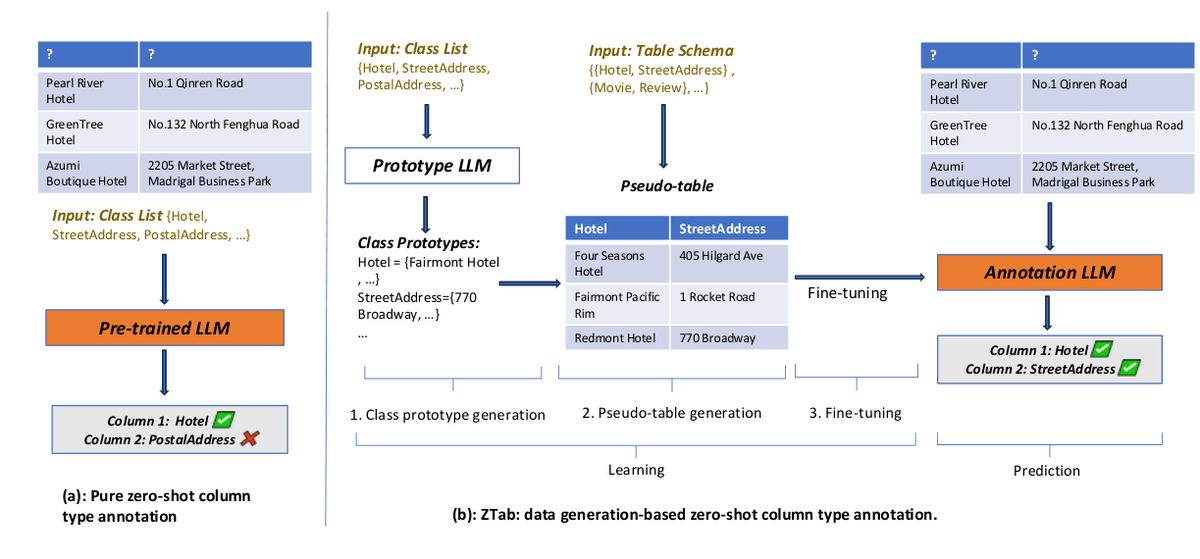
A new framework fine-tunes an annotation model on synthetic tables built from class prototypes, dodging the privacy and accuracy limits of GPT-based zero-shot approaches.
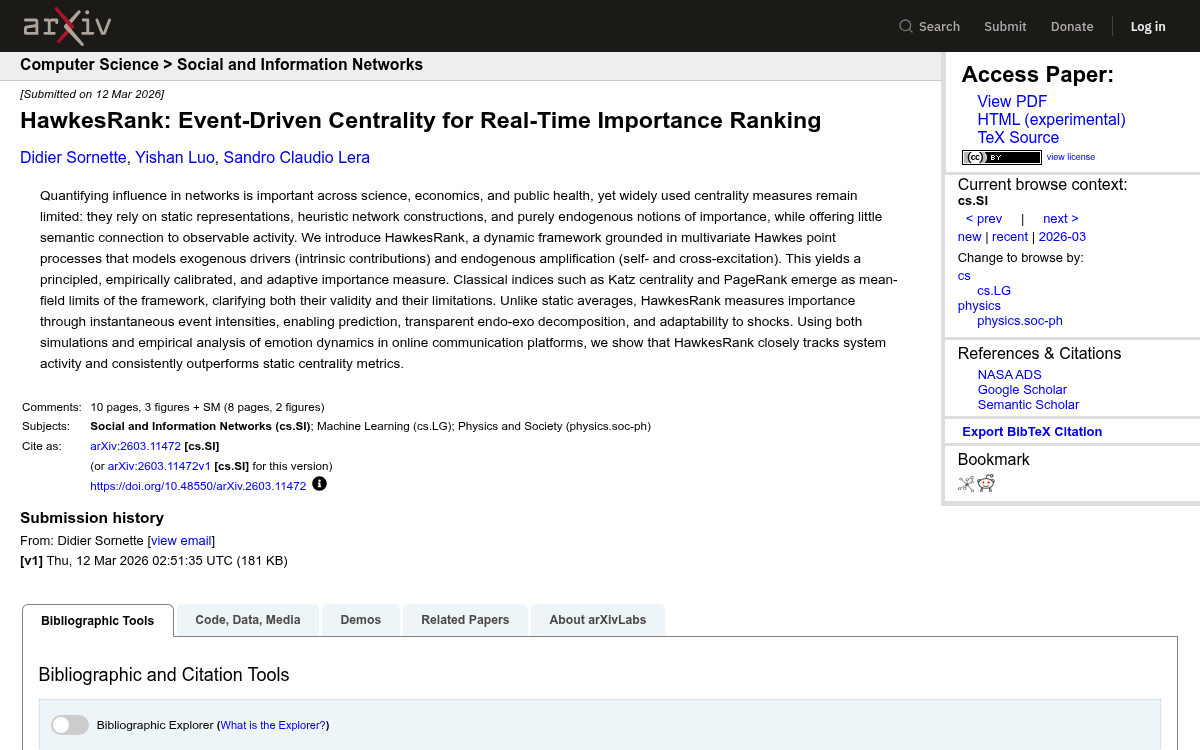
A new framework replaces static PageRank-style rankings with event-driven intensities from Hawkes processes, separating intrinsic value from network amplification in real time.
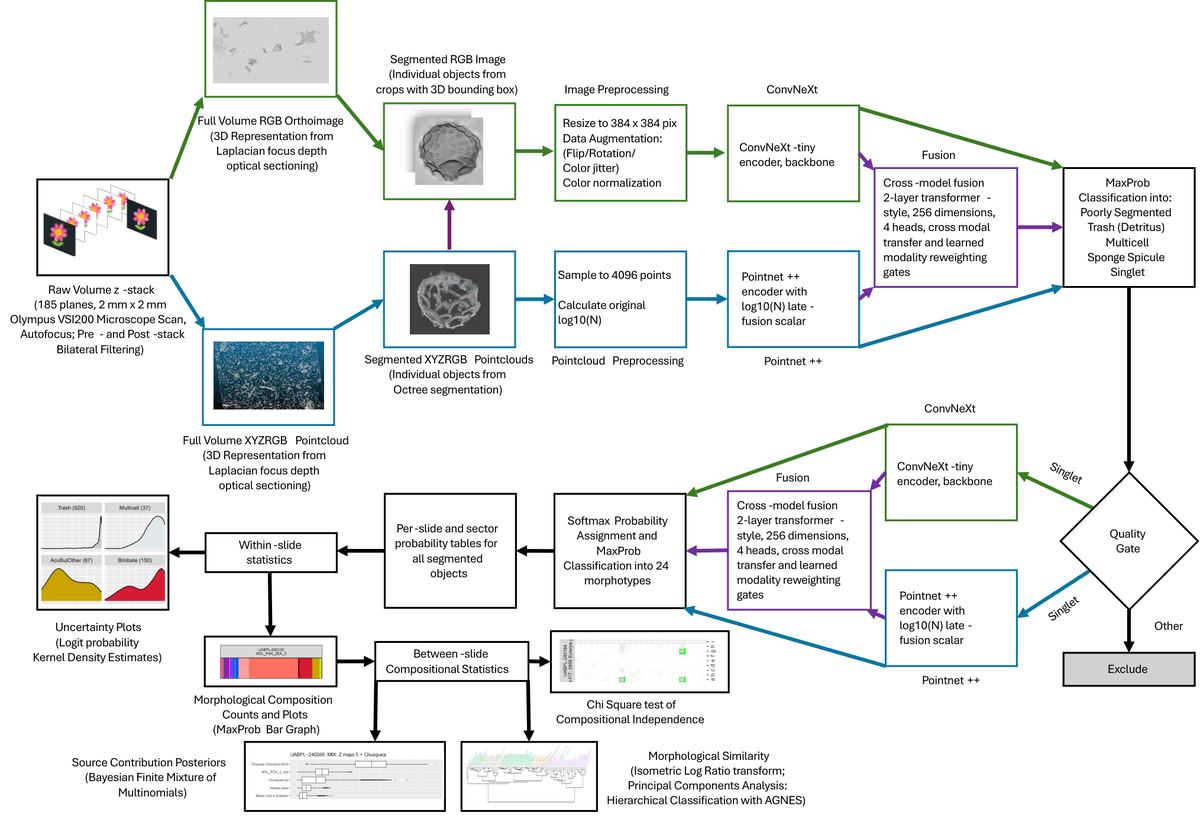
A new multimodal pipeline combines ConvNeXt and PointNet++ to automate microscopic plant fossil analysis, hitting 77.9% accuracy across 24 morphotypes.
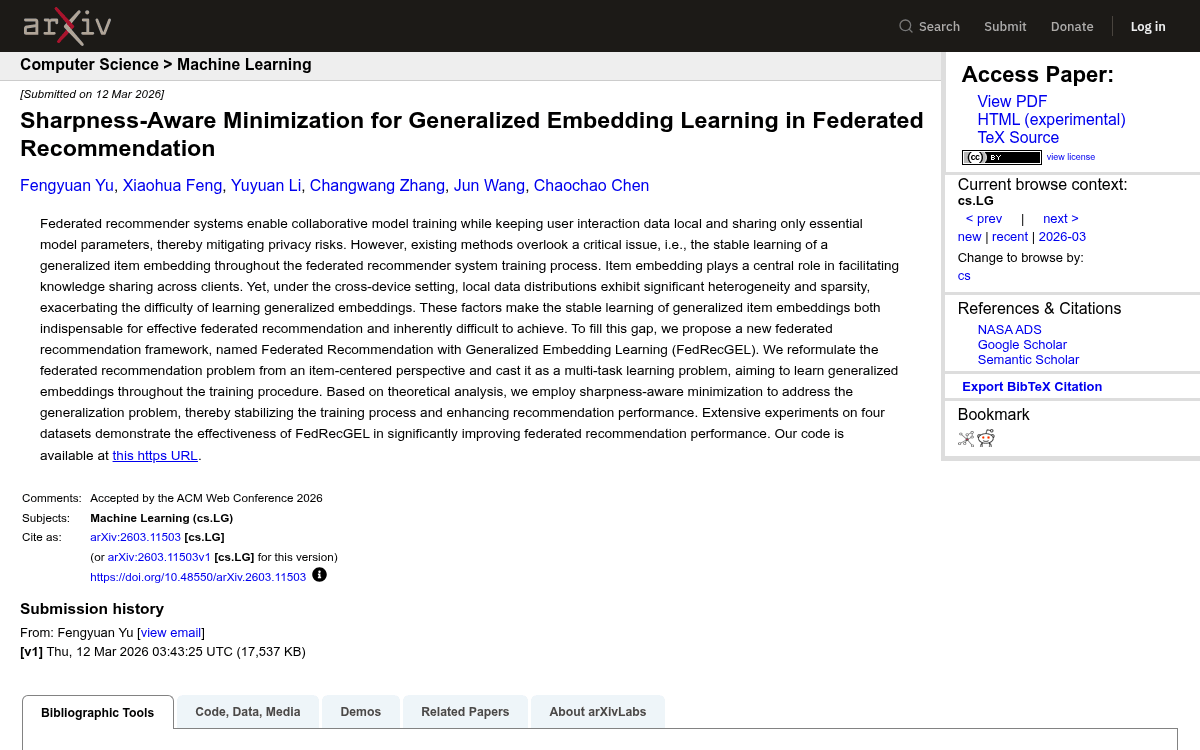
A new federated recommendation framework applies sharpness-aware minimization to fix unstable item embeddings, delivering up to 50 percent gains on large user bases.