
Pro
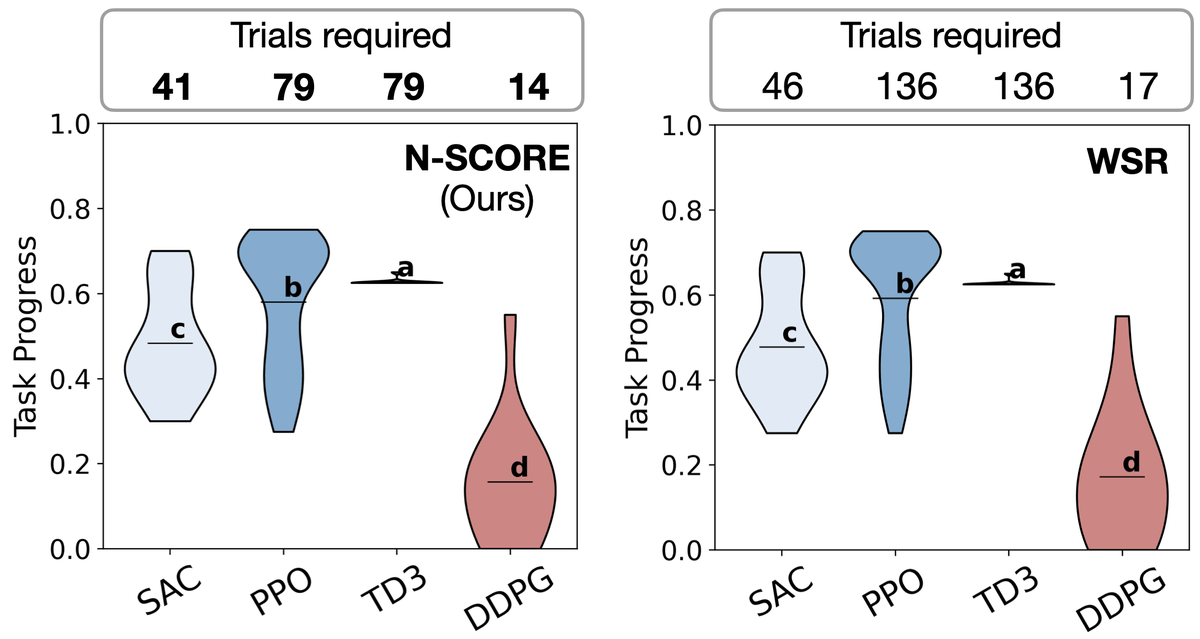
Princeton's N-SCORE Cuts Robot Evaluation Trials by 70% Without Losing Rigor
A new sequential test called N-SCORE cuts robot policy comparison trials by up to 70 percent while staying statistically rigorous.
20 stories
A new sequential test called N-SCORE cuts robot policy comparison trials by up to 70 percent while staying statistically rigorous.
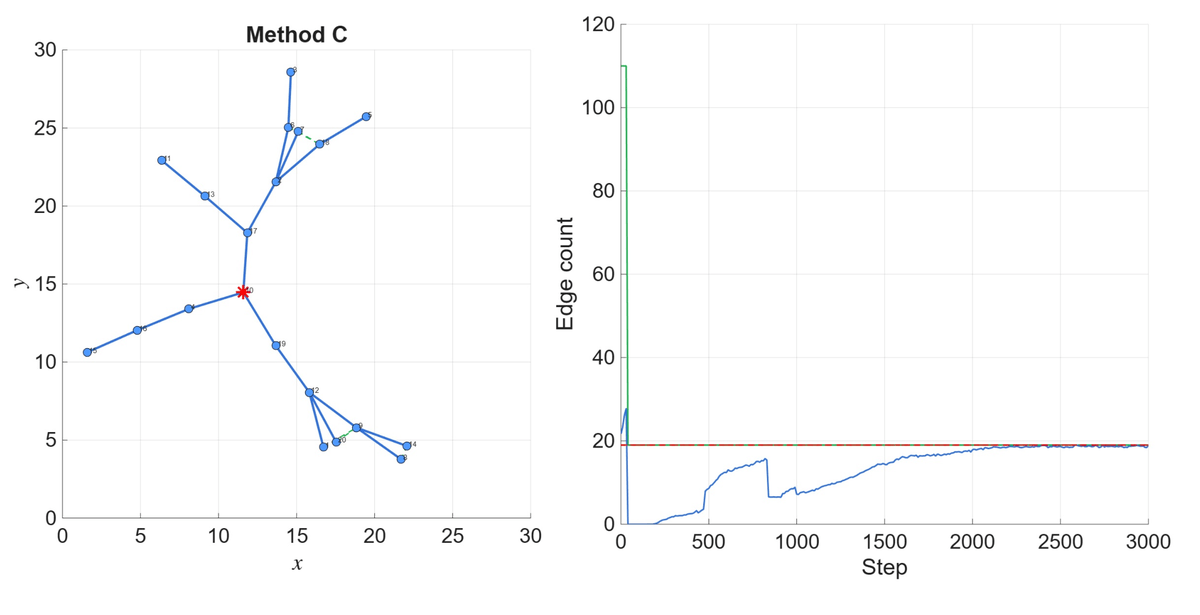
A new paper proposes a leader-based topology control scheme that keeps robot swarms connected even under communication delays and unknown disturbances.
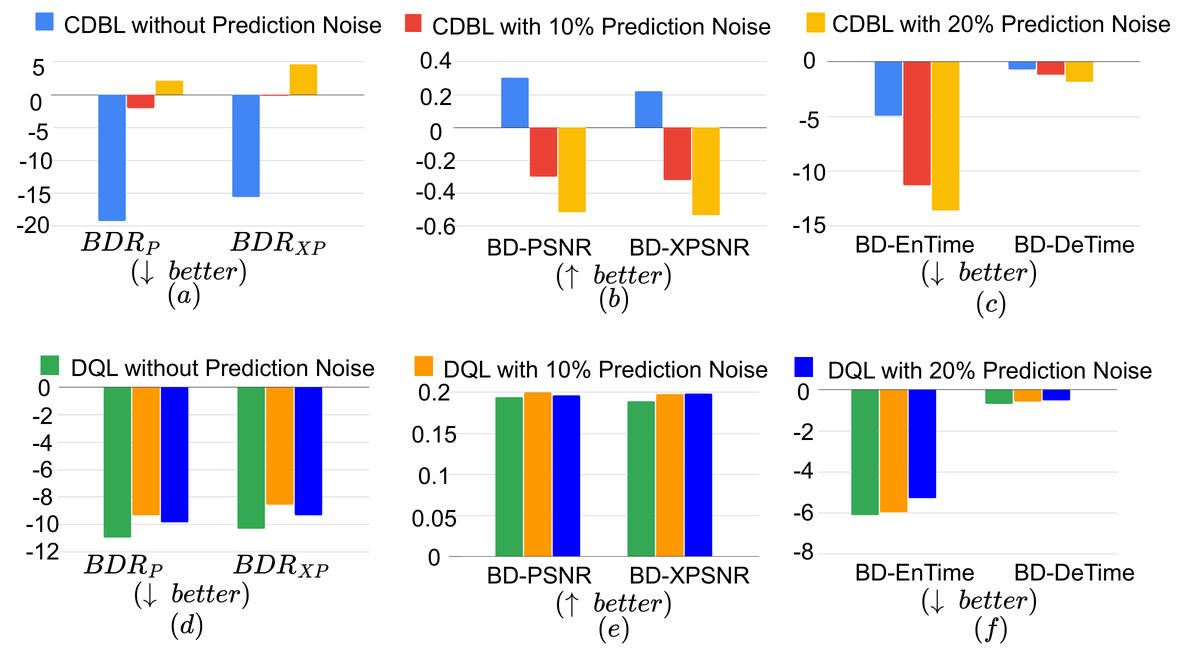
Researchers introduce DQ-Ladder, a deep Q-learning agent that builds per-segment bitrate ladders balancing quality, decoding time, and resolution stability.
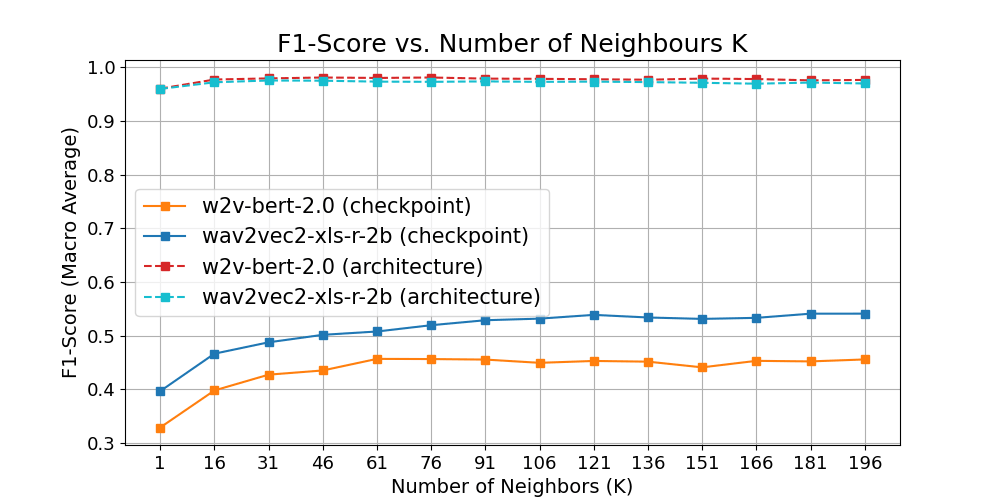
A controlled study reveals how self-supervised audio features attribute deepfakes to their source model, and where those signals quietly break down.
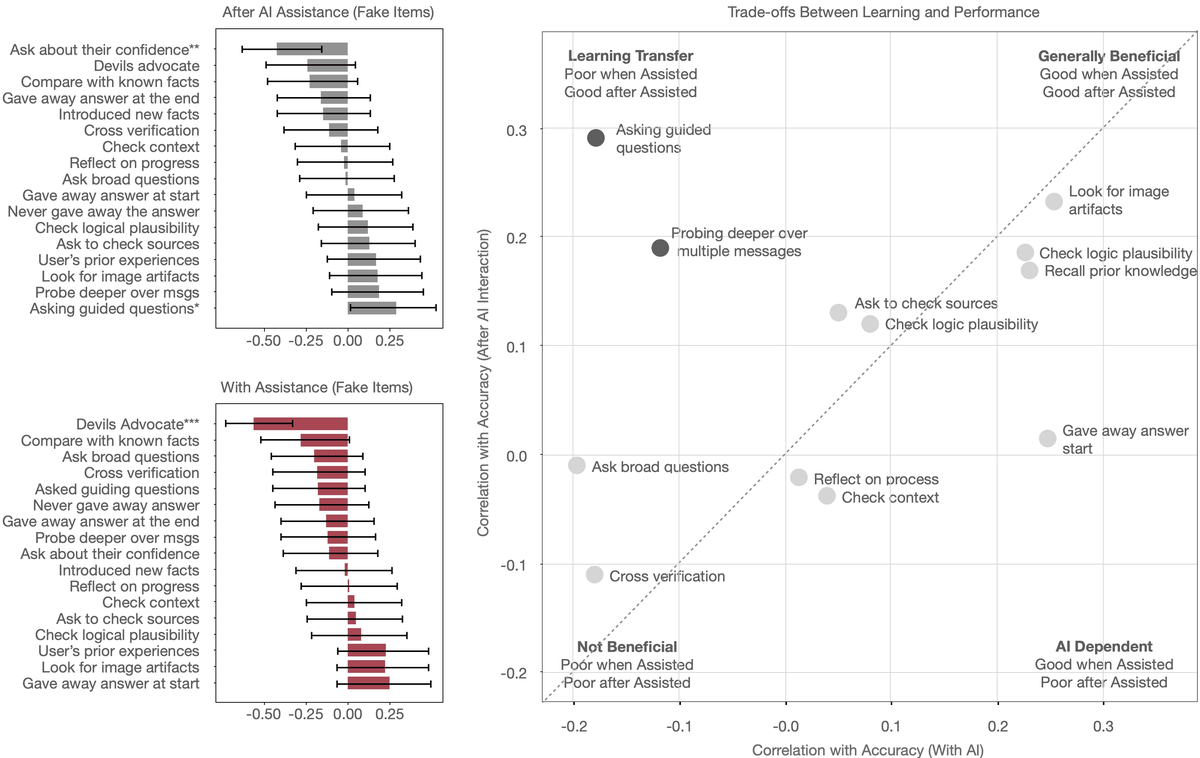
MIT month-long study of 67 people finds AI chatbots correct beliefs about specific fake news, but independent detection accuracy drops 15.3 percent.
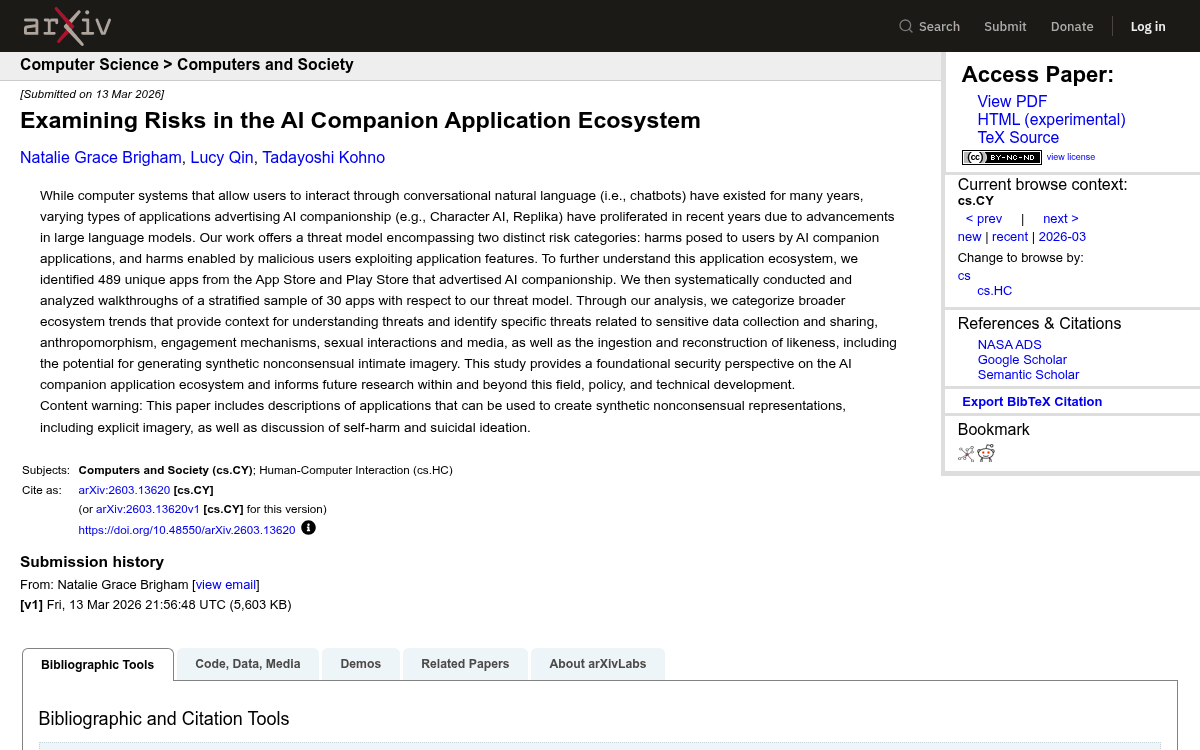
Security researchers audited 30 AI companion apps and found systemic risks around sensitive data harvesting, dark patterns, and nonconsensual likeness generation.

Liquid AI's largest LFM2 model packs 24B parameters, activates just 2.3B per token, and fits in 32GB of RAM on a laptop.
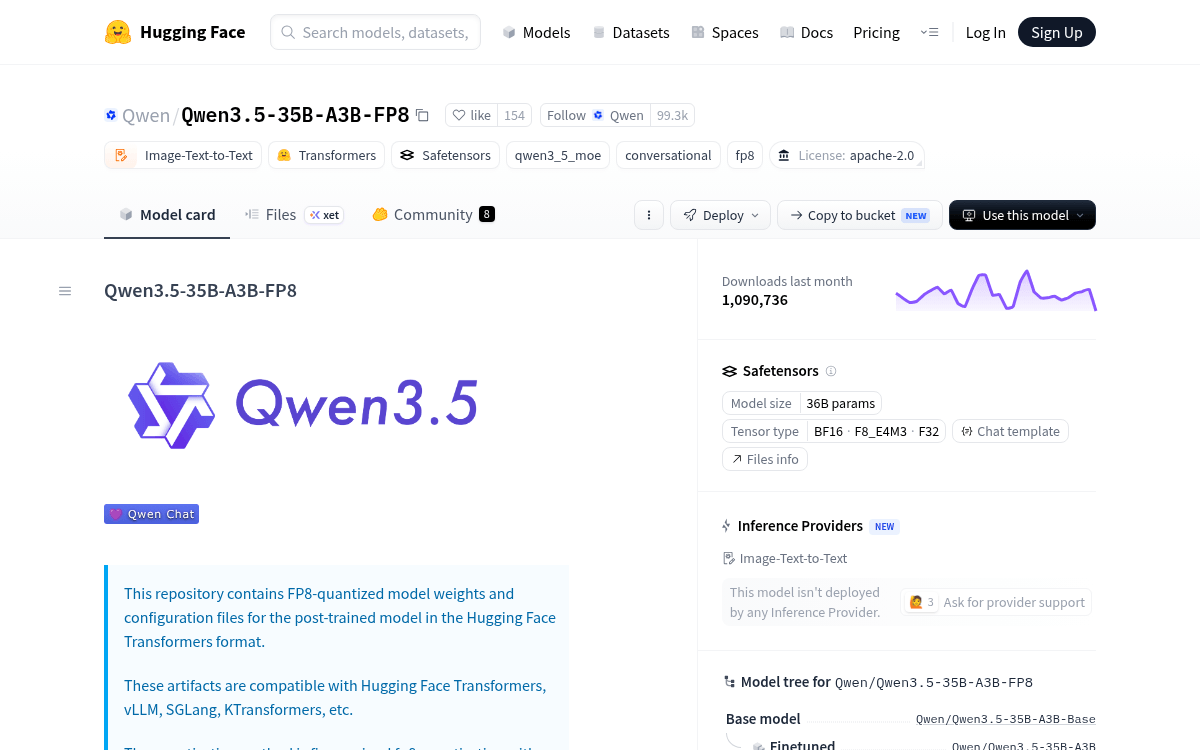
Alibaba's new sparse MoE vision-language model activates only 3B of 35B parameters, delivers Qwen3.5-27B-level performance at a fraction of the compute.
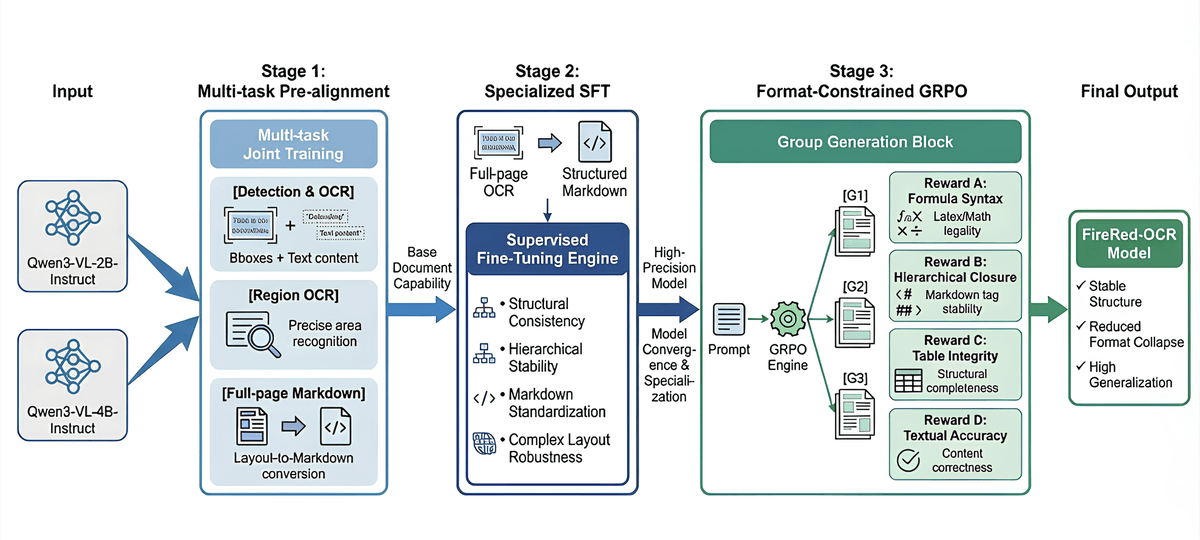
A 2B parameter document parser from Xiaohongshu beats DeepSeek-OCR 2, Gemini 3.0 Pro, and 235B general VLMs on OmniDocBench.
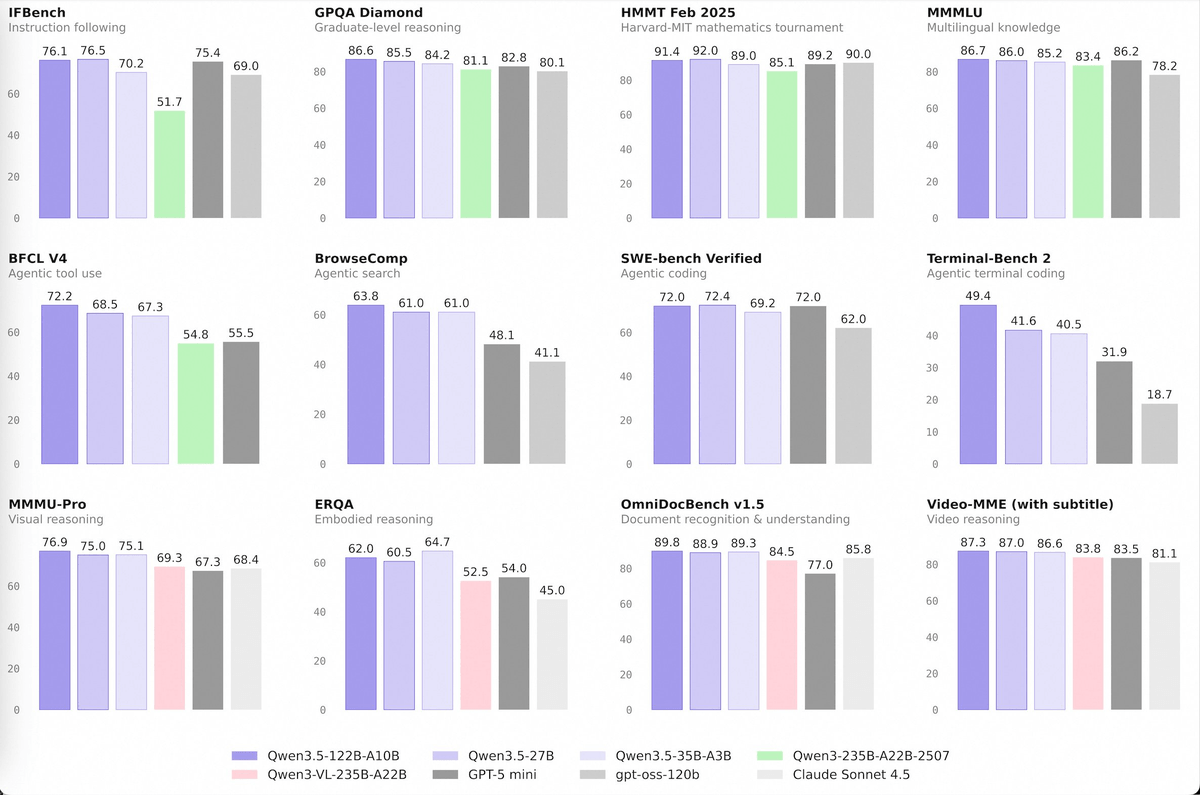
A community fine-tune ports Claude 4.6 Opus reasoning traces into Qwen3.5-27B, delivering stable tool calling and 9+ minute autonomous agent runs on a single RTX 3090.
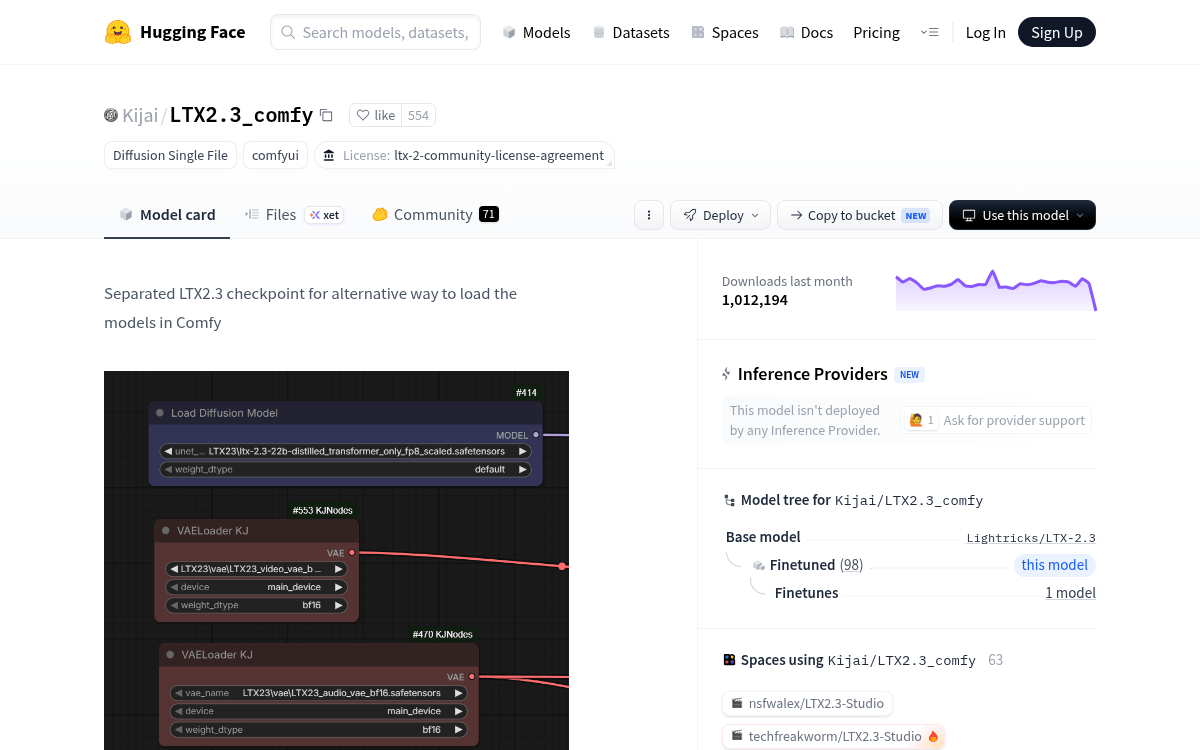
PrunaAI released a pruned, drop-in decoder for LTX-2.3 that cuts VAE runtime by up to 2x and halves peak VRAM with near-lossless quality.

Sarvam open-sources a 30B Mixture-of-Experts reasoning model with 2.4B active parameters, tuned for 22 Indian languages and built entirely on Indian compute.
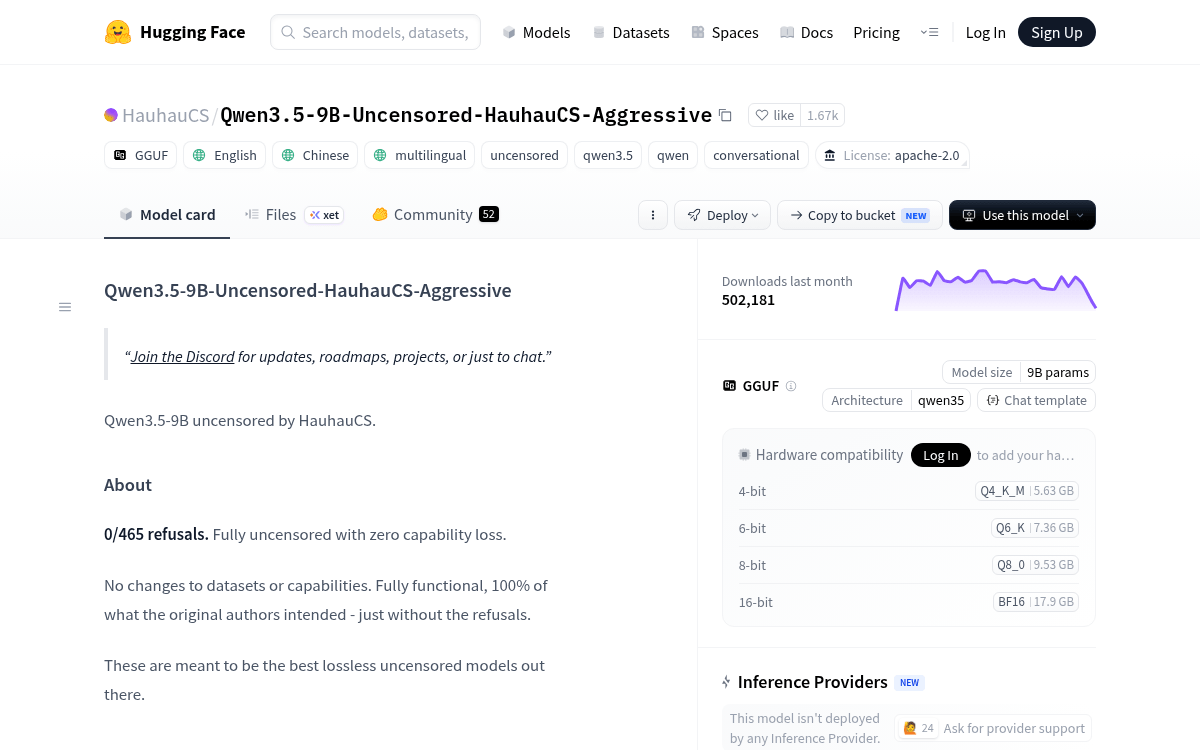
A community rebuild of Qwen3.5-9B strips out every refusal in a 465-prompt test set, keeping vision, thinking mode, and a 262K context intact.
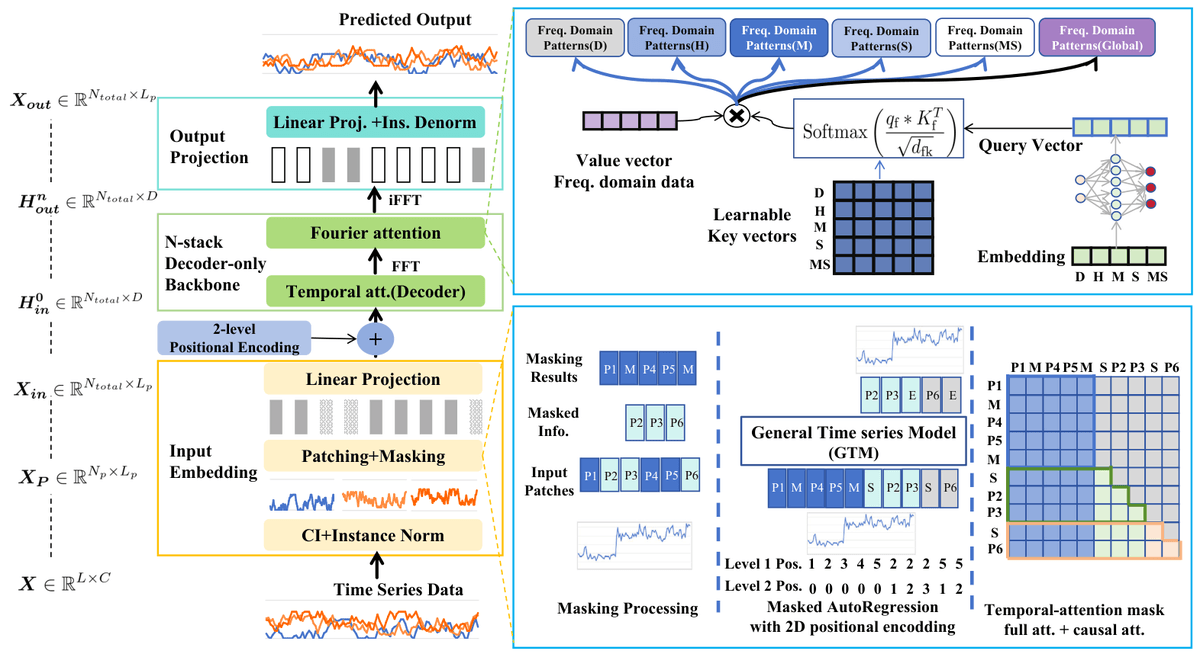
A new decoder-only time-series foundation model uses Fourier attention and hybrid masking to handle forecasting, imputation, and anomaly detection without any task-specific tweaks.
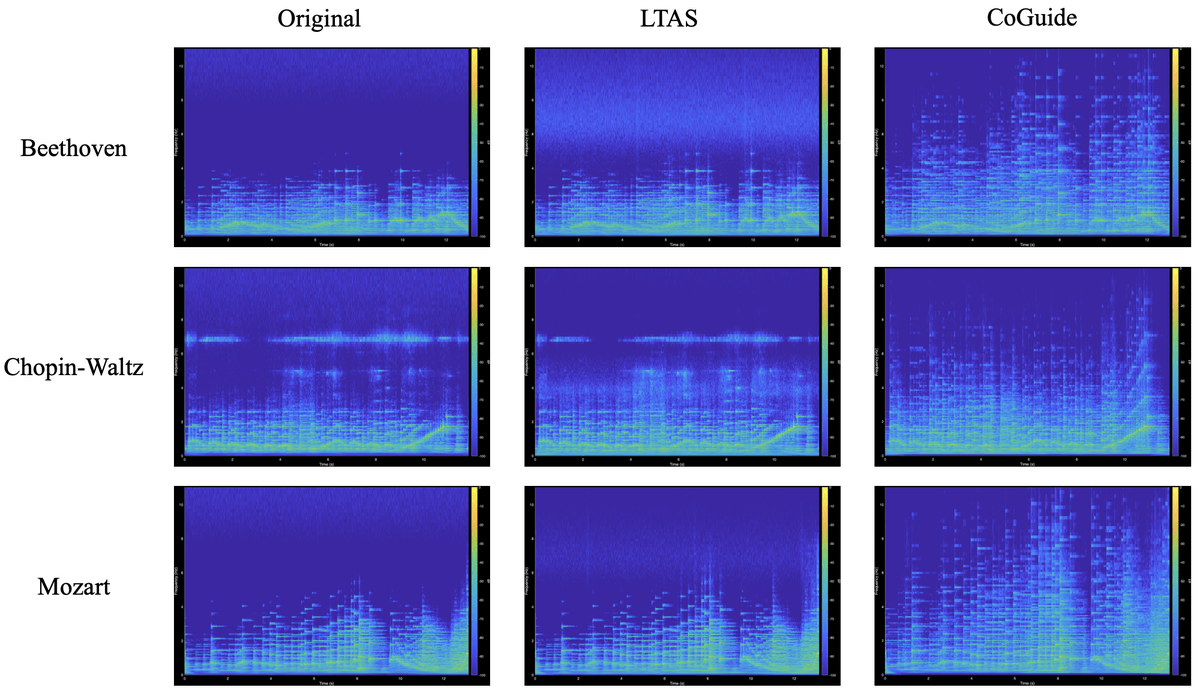
Researchers at UIUC show how to reconstruct home floorplans from a person's walking trajectories using diffusion models guided by contrastive embeddings.
A new manifold learning pipeline uses Finsler geometry to preserve asymmetric information that t-SNE and UMAP normally throw away.
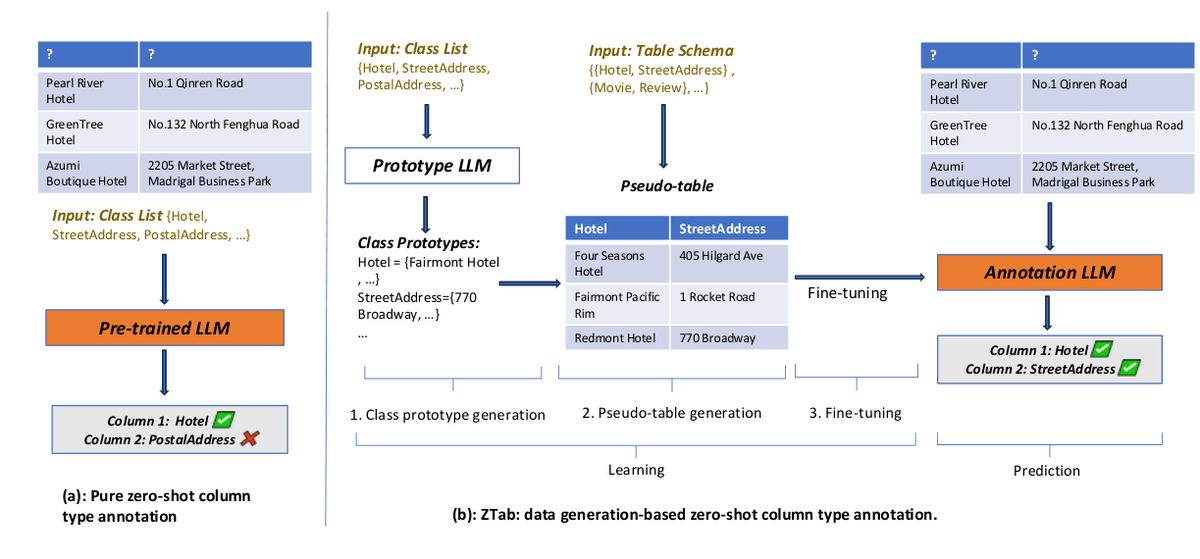
A new framework fine-tunes an annotation model on synthetic tables built from class prototypes, dodging the privacy and accuracy limits of GPT-based zero-shot approaches.
A new framework replaces static PageRank-style rankings with event-driven intensities from Hawkes processes, separating intrinsic value from network amplification in real time.
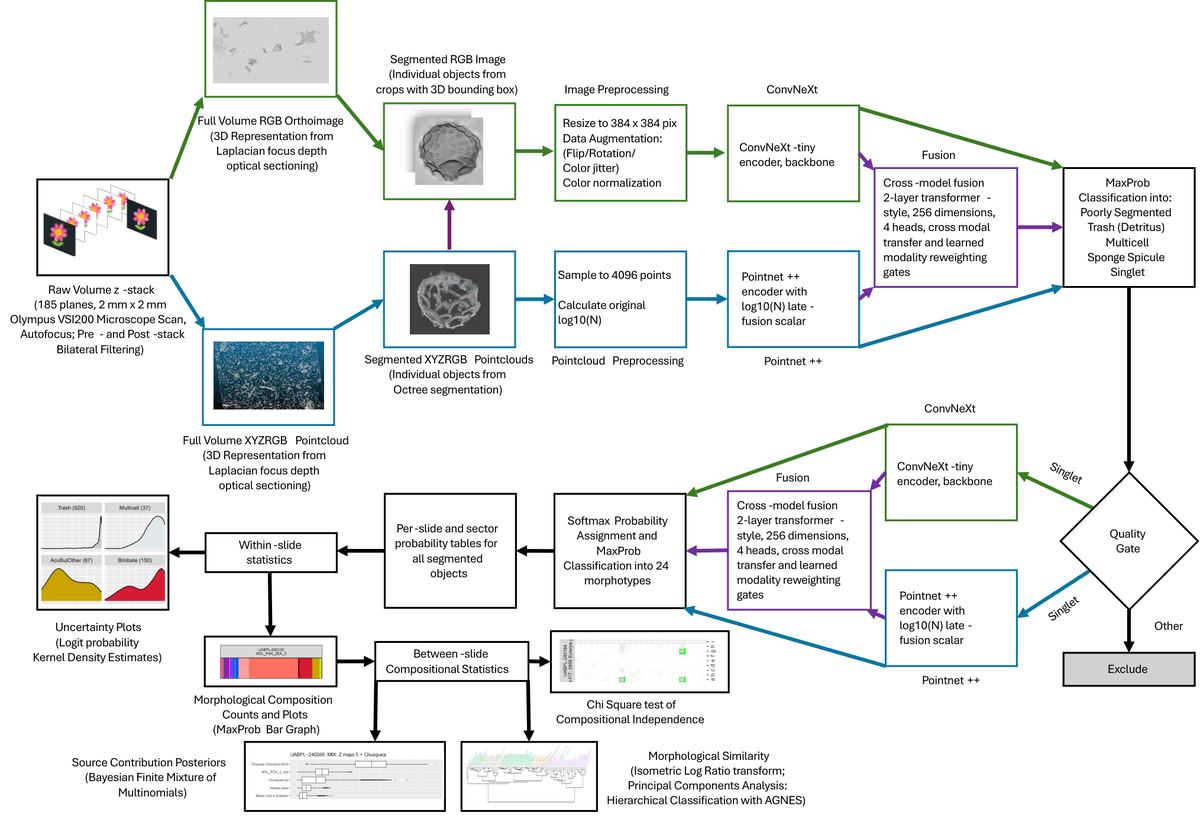
A new multimodal pipeline combines ConvNeXt and PointNet++ to automate microscopic plant fossil analysis, hitting 77.9% accuracy across 24 morphotypes.
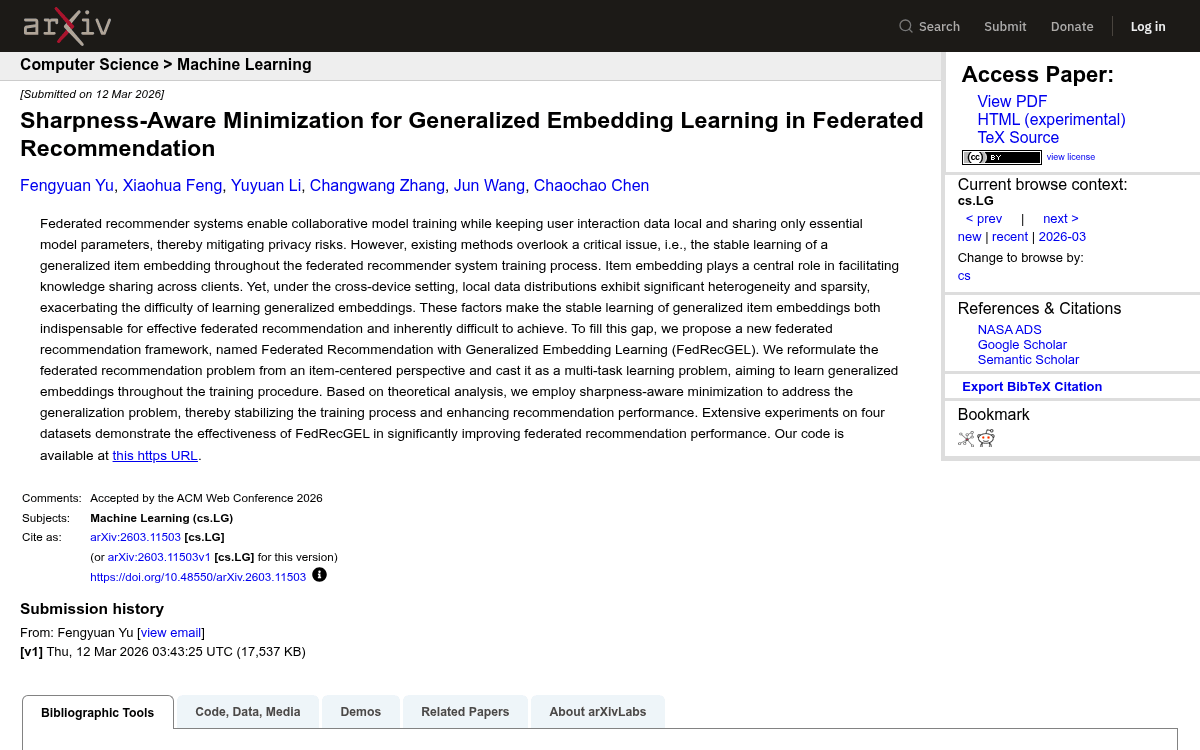
A new federated recommendation framework applies sharpness-aware minimization to fix unstable item embeddings, delivering up to 50 percent gains on large user bases.