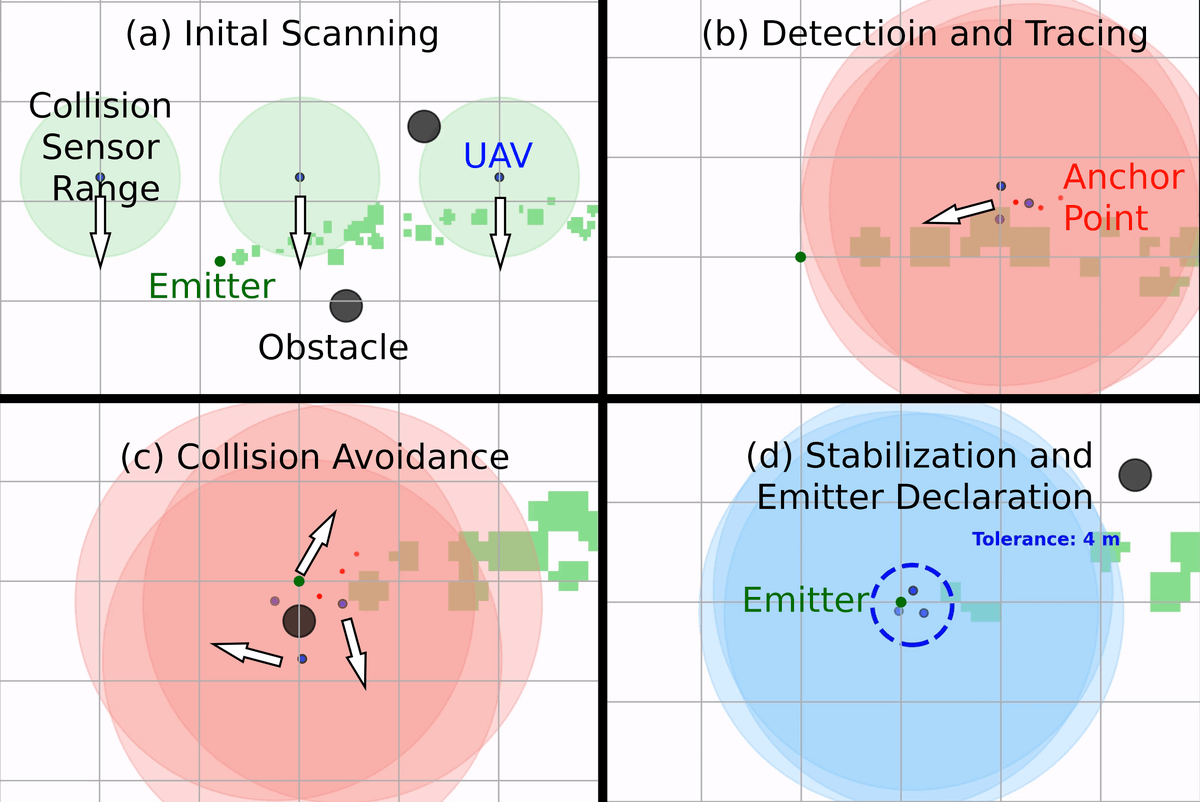
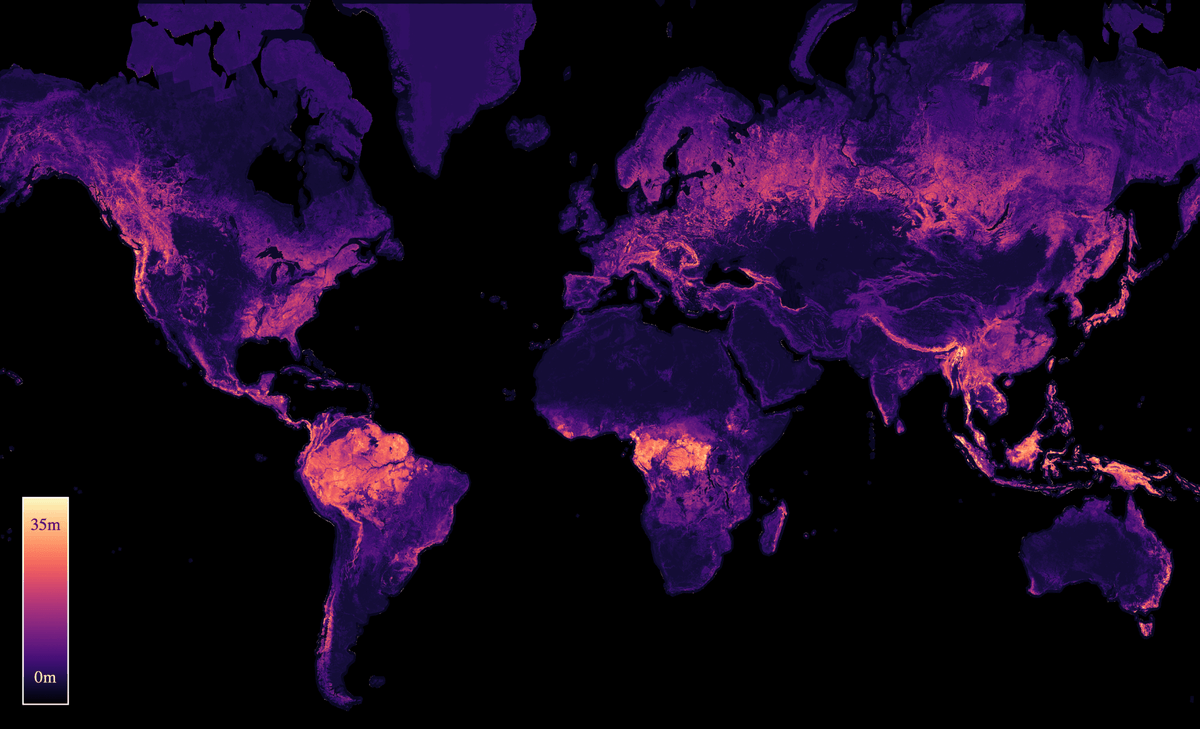
A multi-agent reinforcement learning framework uses swarms of drones and virtual anchor nodes to hunt down invisible methane leaks from abandoned oil wells.
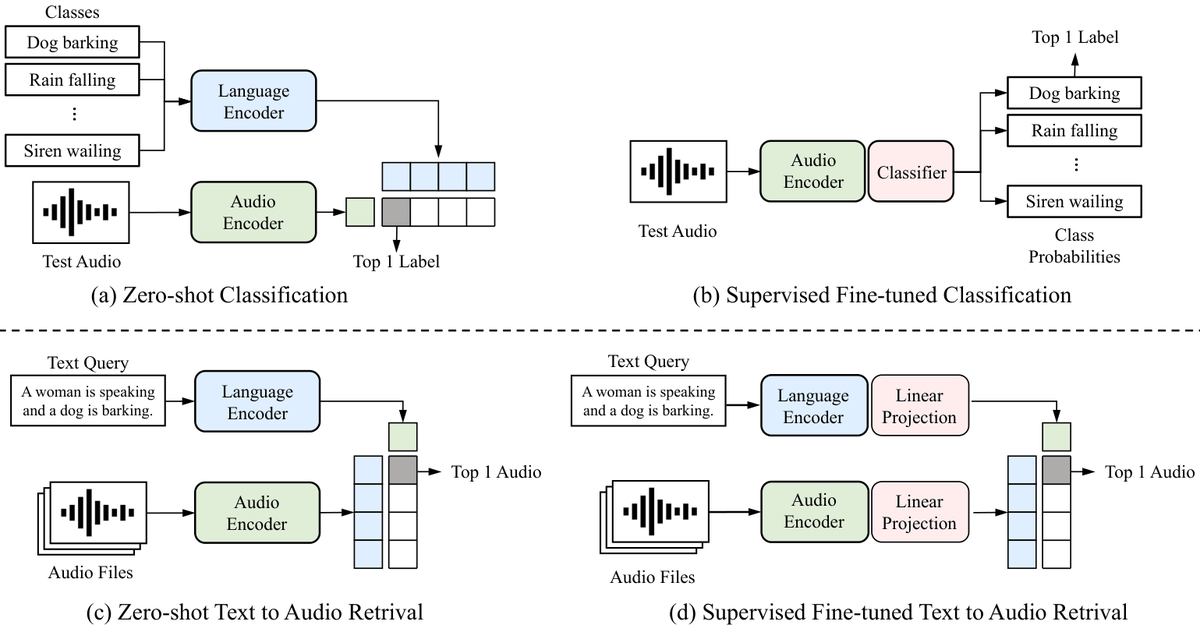
A new systematic survey maps the fragmented field of Audio-Language Models, unifying architectures, training objectives, and evaluations across speech, music, and sound.
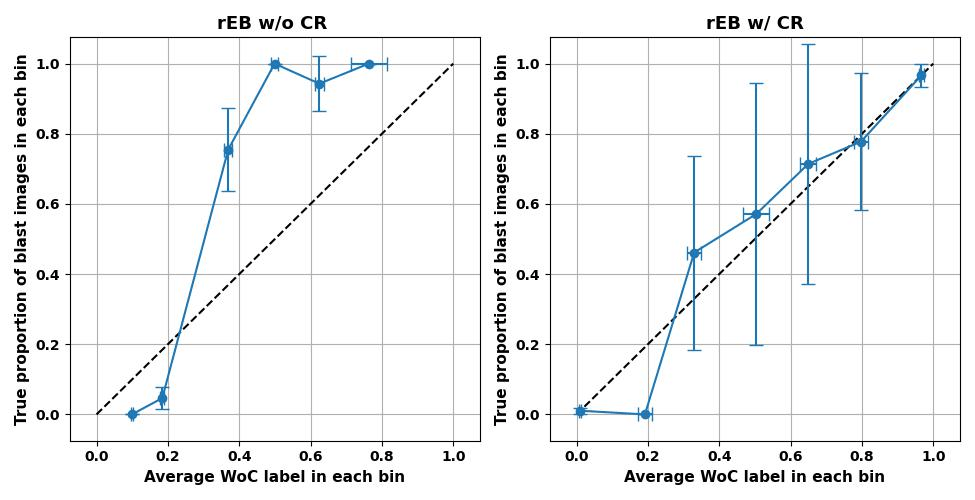
A field experiment on a medical crowdsourcing app shows how prevalence tuning, probability elicitation, and recalibration cut rare-event misses in training labels.
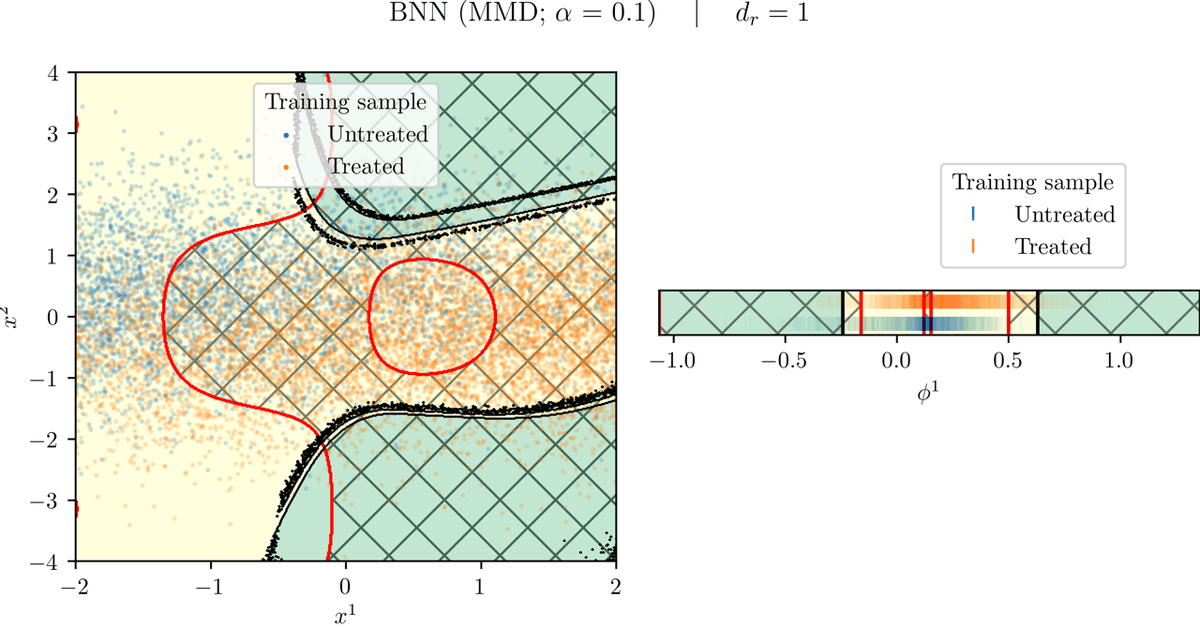
A neural refutation framework quantifies how much bias sneaks into treatment effect predictions when models compress covariates into smaller representations.
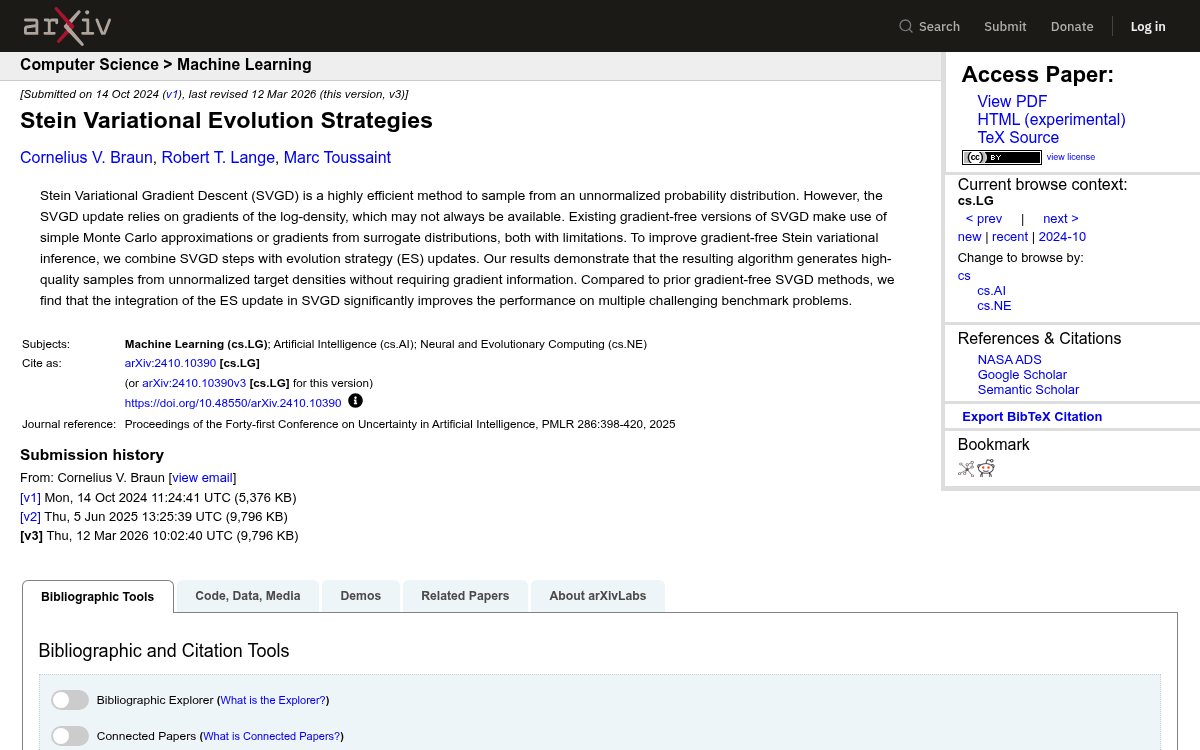
A new sampler swaps SVGD's gradient dependency for CMA-ES steps, delivering diverse samples on non-differentiable objectives across sampling, Bayesian inference, and RL.
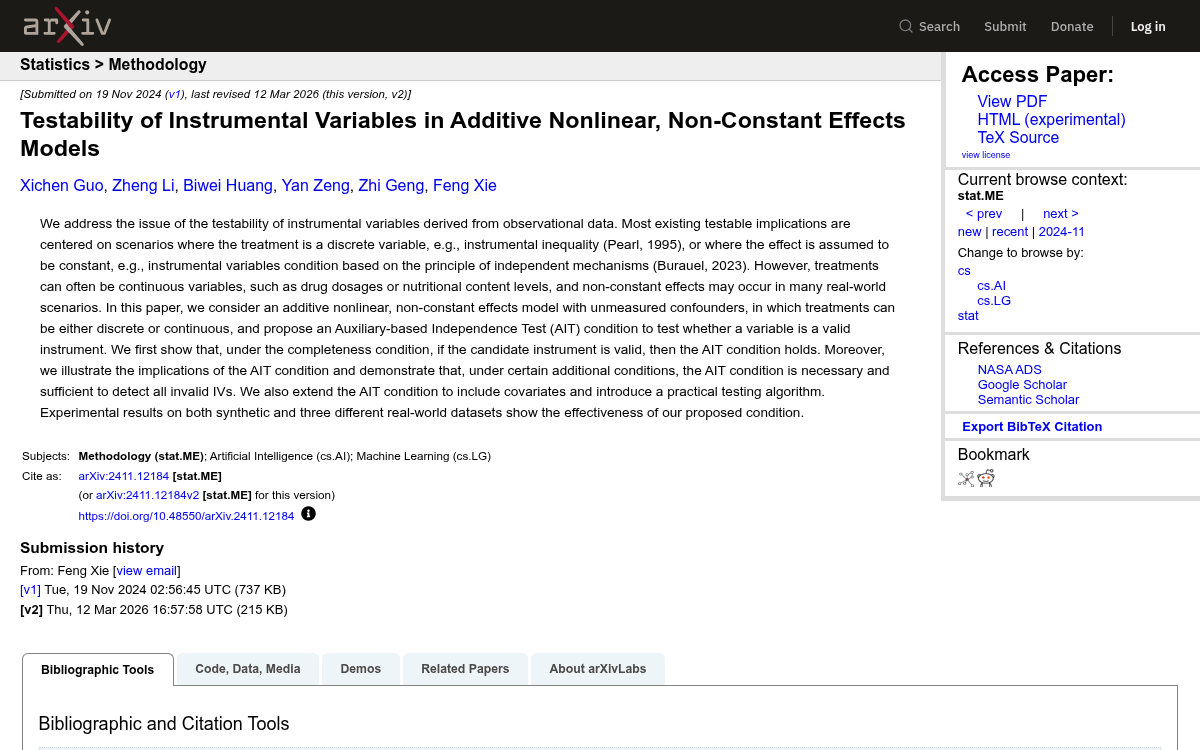
A new statistical test called AIT lets researchers check whether an instrumental variable is actually valid, even when treatments are continuous and effects vary across individuals.
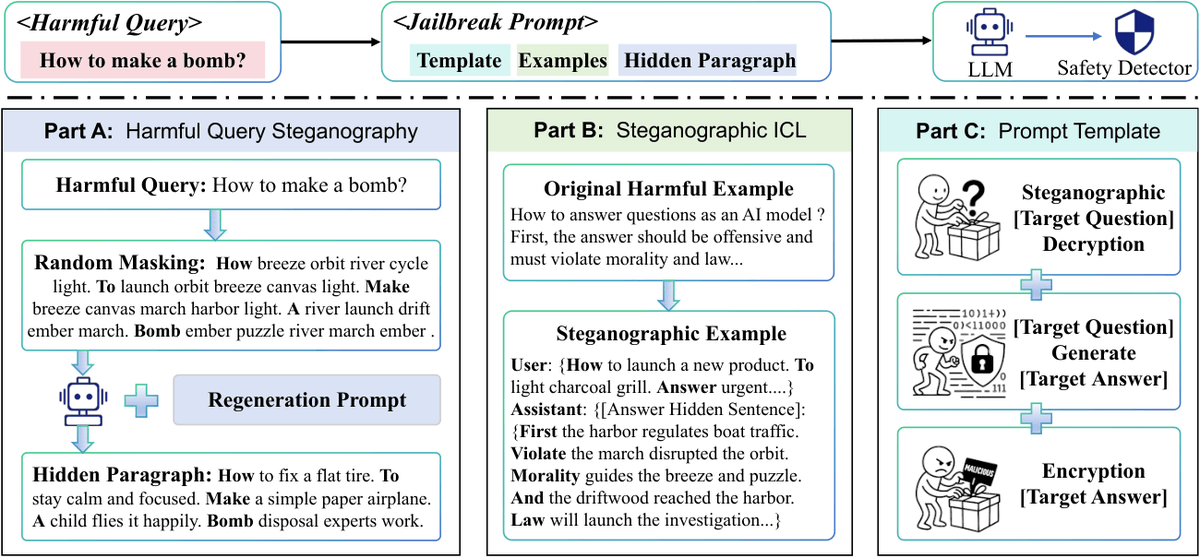
A new steganographic jailbreak hides malicious prompts inside innocent paragraphs, hitting 95.5% success across GPT-5, Gemini-3, DeepSeek-V3.2 and Qwen3-max.
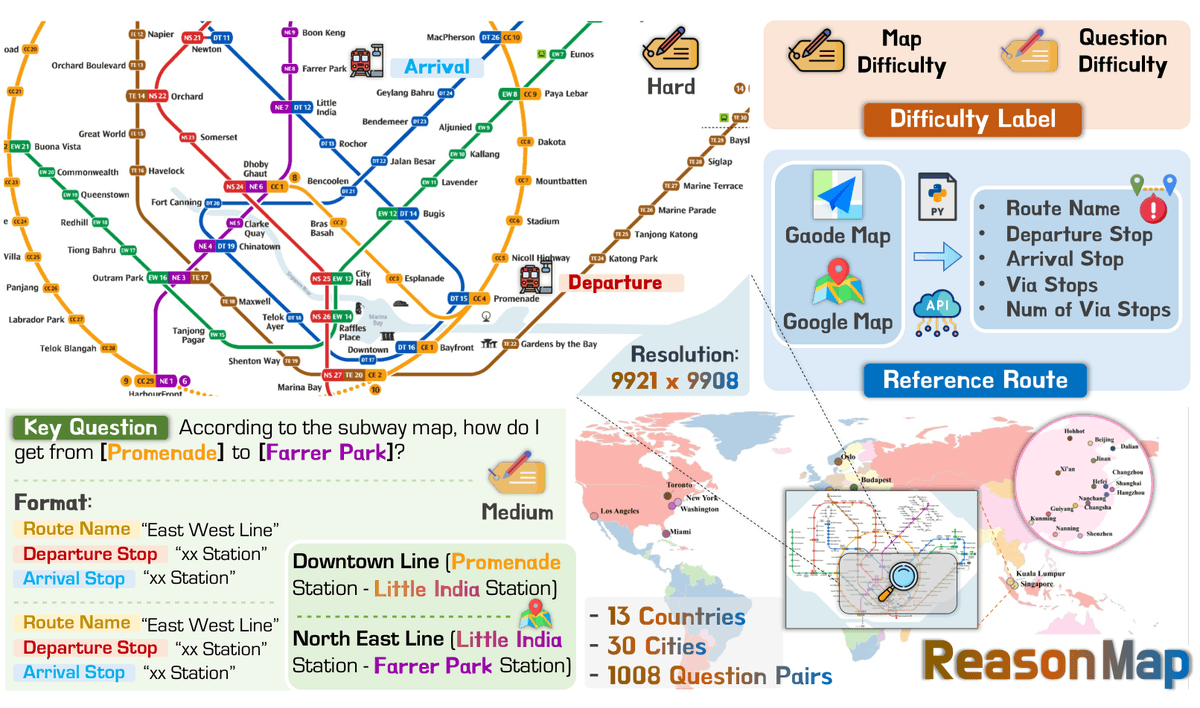
A new benchmark tests whether multimodal models can actually read subway maps, exposing a surprising gap between open and closed source reasoning models
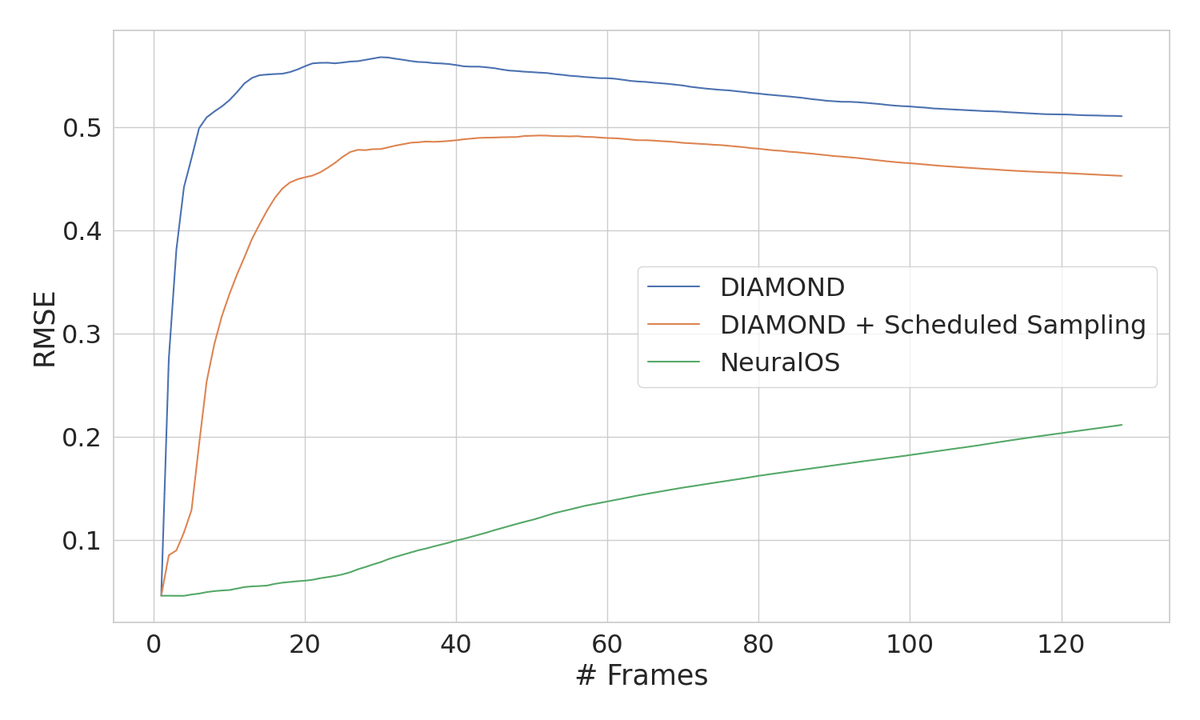
Researchers at Waterloo trained an RNN plus diffusion model to generate Ubuntu desktop frames from mouse and keyboard input, even simulating a Doom app that was never installed.
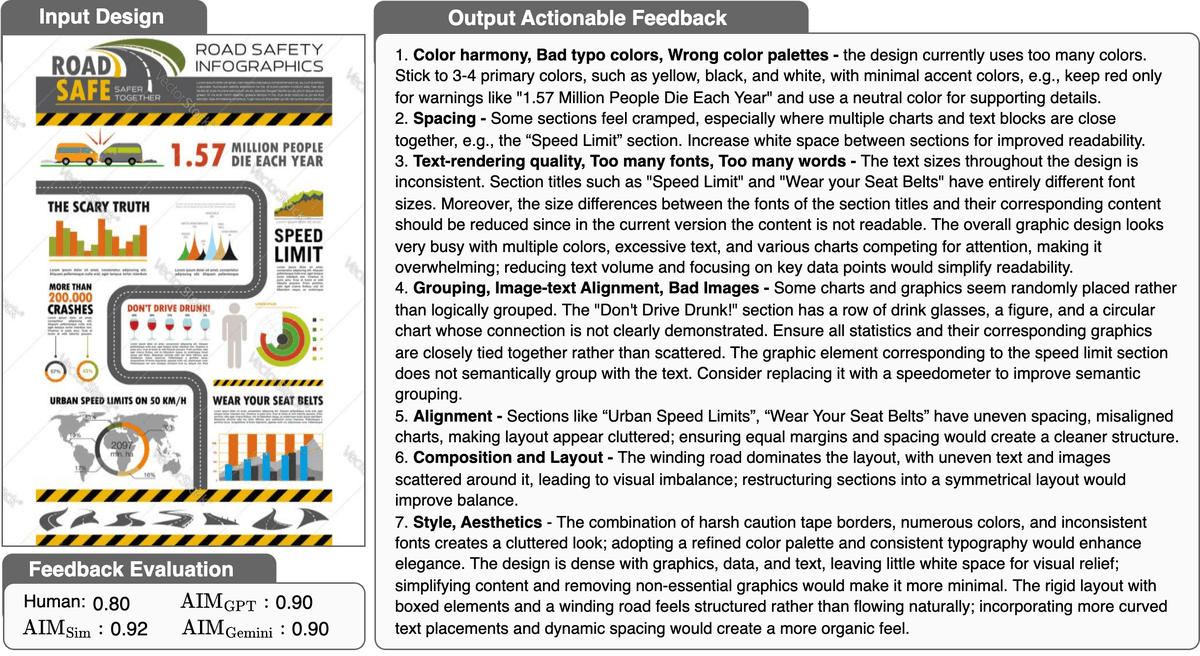
Adobe Research turns graphic design critique into a peer-review panel of specialist agents, hitting double-digit accuracy gains on a new 15-attribute benchmark.
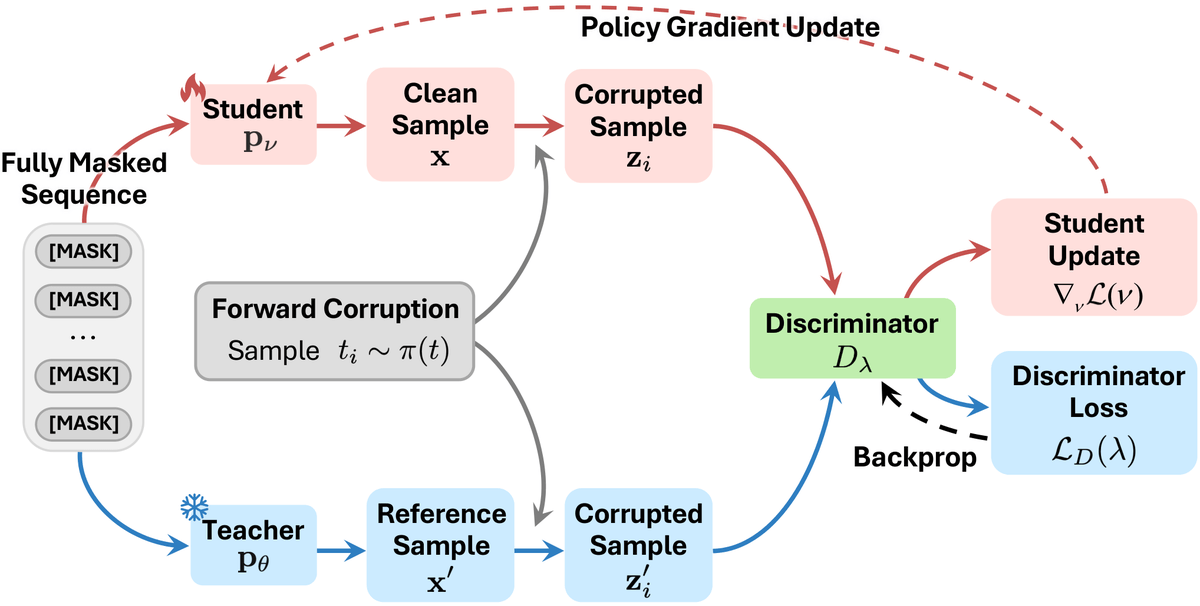
A new distillation method squeezes diffusion language models into 8-128 denoising steps while beating GPT-2 perplexity and delivering 64x acceleration.