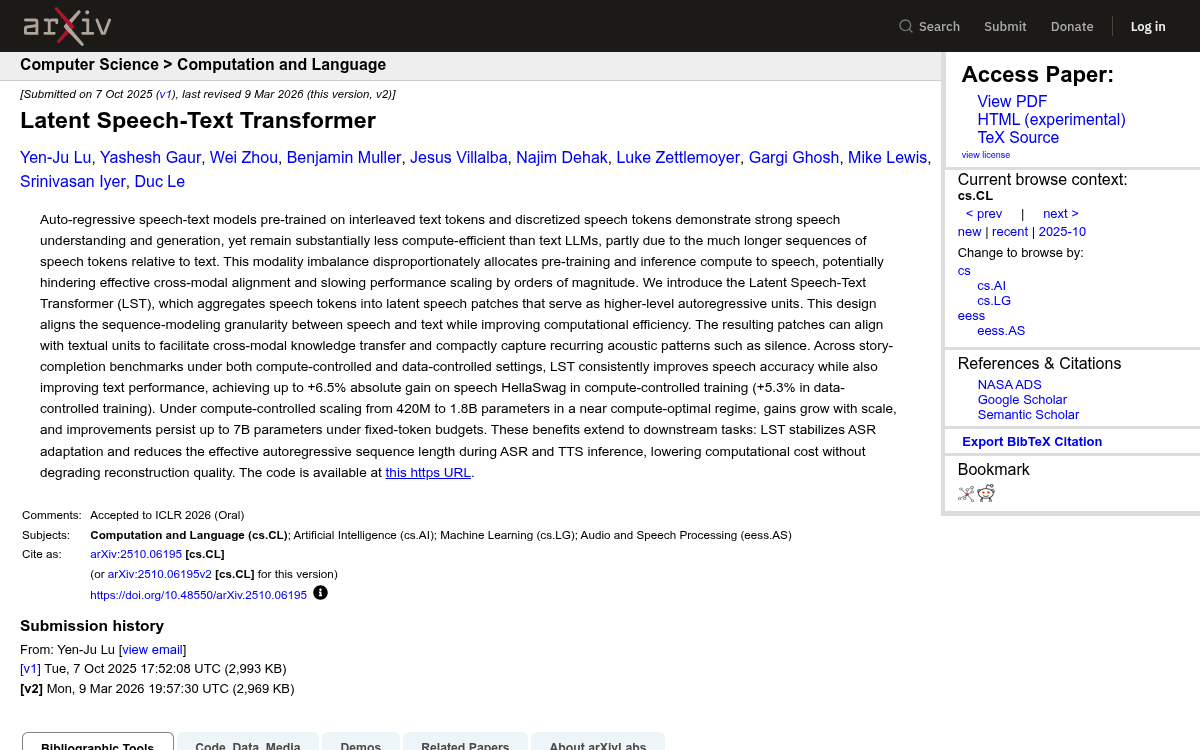
Meta and Johns Hopkins researchers fix the core inefficiency in speech-text LLMs by replacing raw speech tokens with compressed latent patches, slashing compute by 20% while boosting accuracy by up to 6.5%.
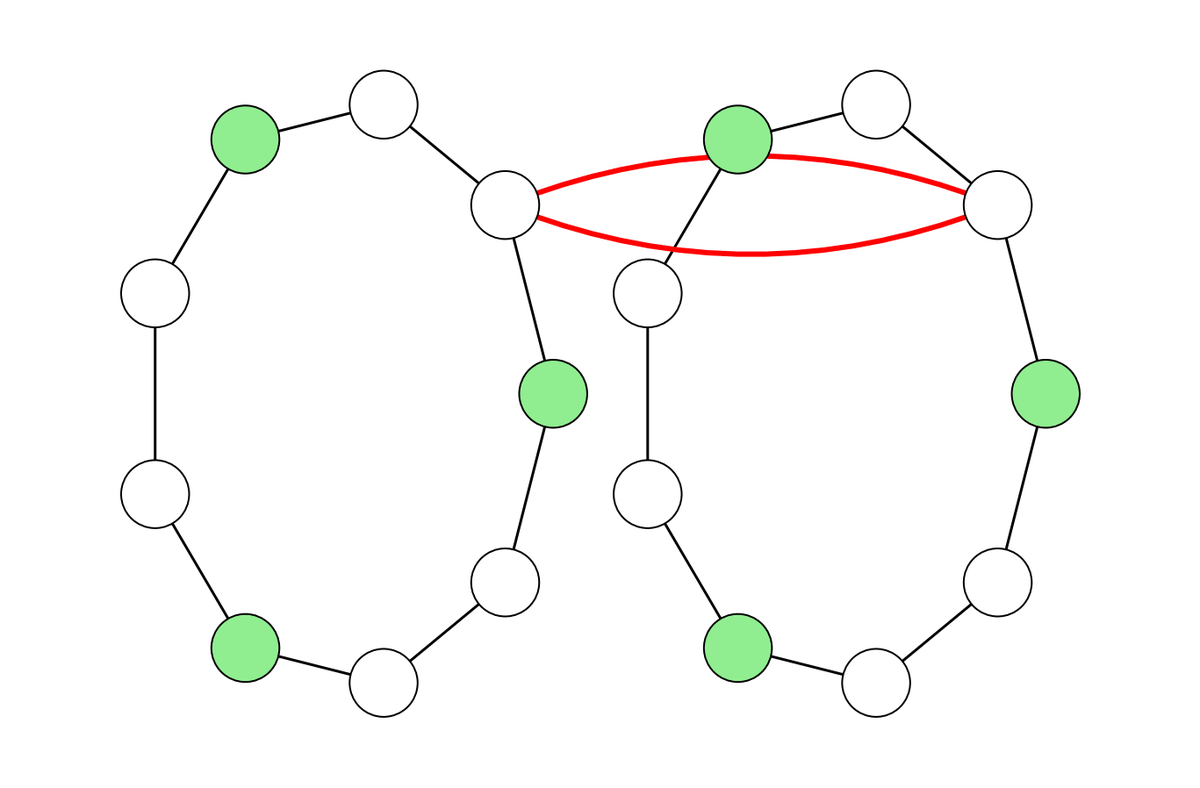
Google DeepMind's AlphaEvolve cracks open three hardness-of-approximation problems, improving TSP, MAX-k-CUT, and random graph bounds that have resisted human effort for decades.
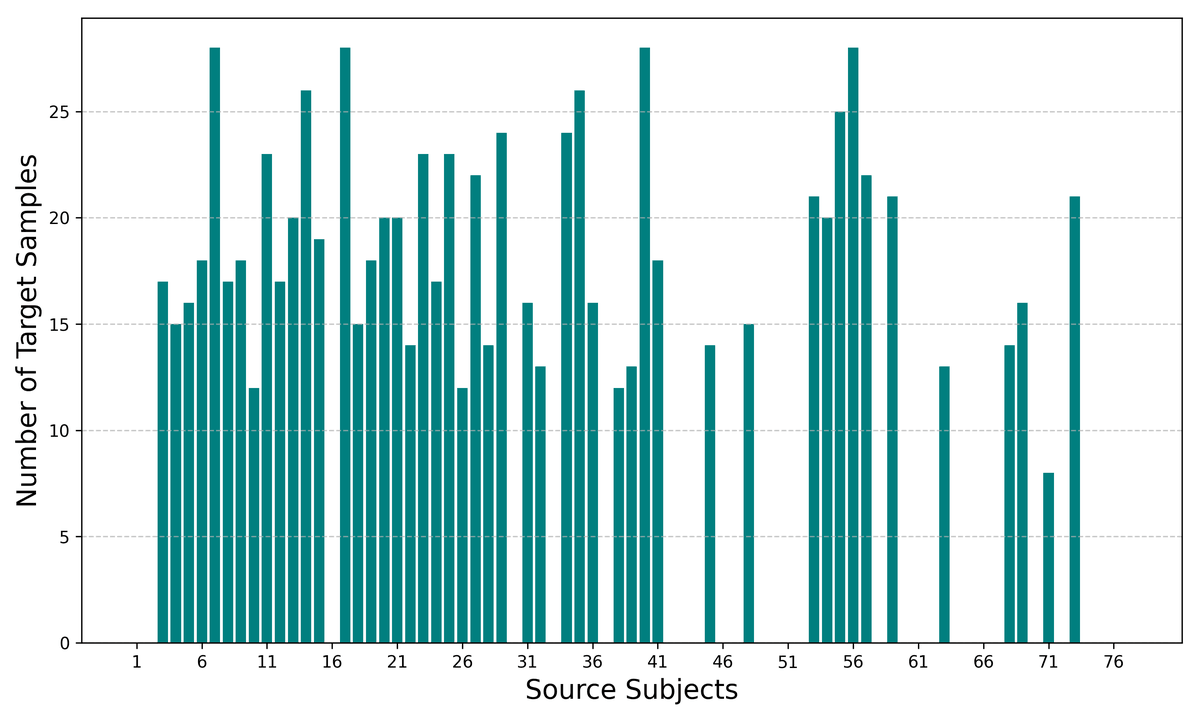
SFDA-PFT adapts facial expression models to new users using only a neutral video clip, with 100x fewer parameters than image-based rivals and state-of-the-art accuracy across four benchmarks.
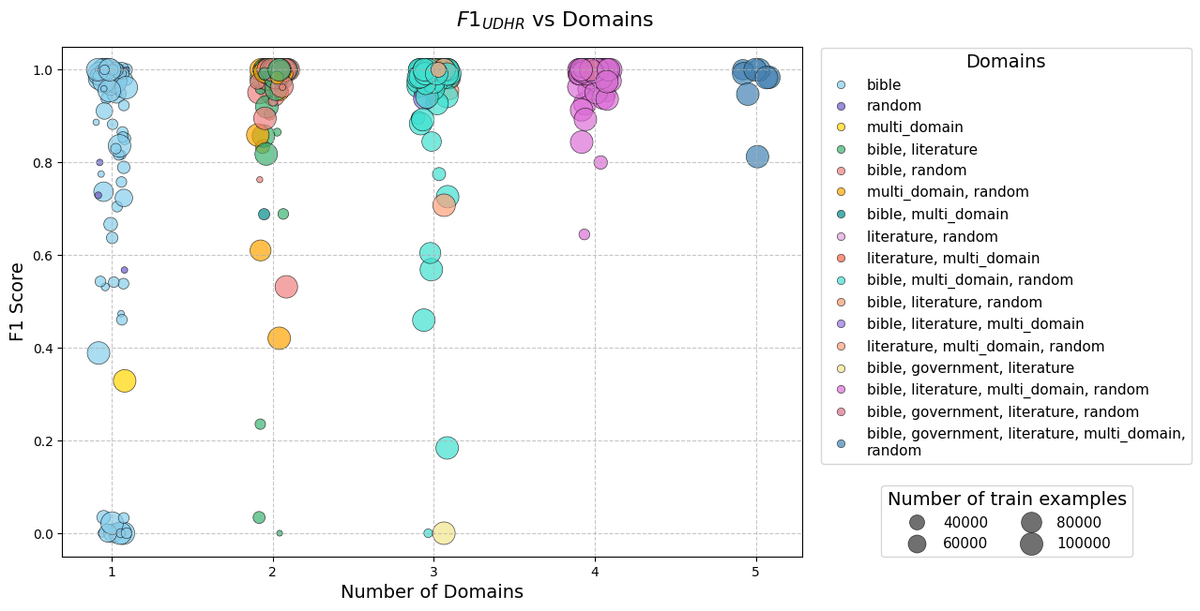
EPFL researchers apply supervised contrastive learning to language identification, gaining 3.2 points on low-resource languages without hurting high-resource ones
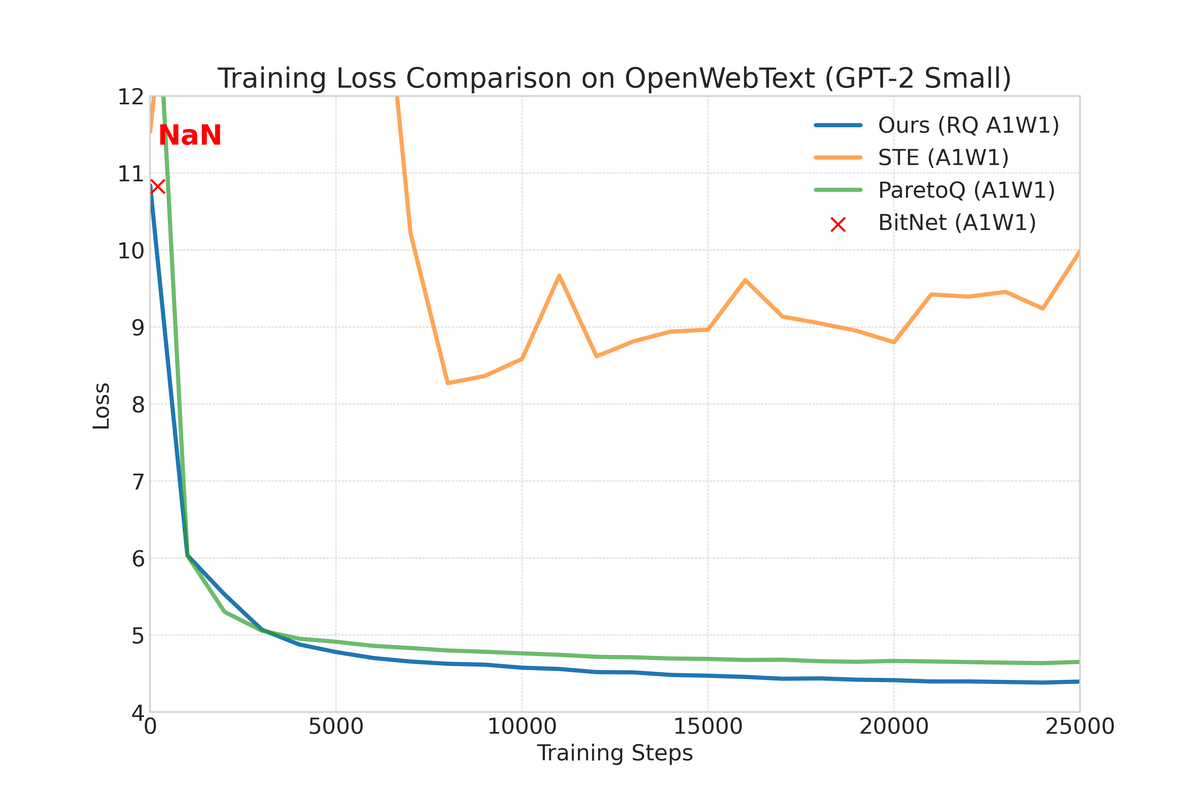
Google DeepMind replaces the Straight-Through Estimator with a ridge-regression-derived denoising transform, enabling stable 1-bit and sub-1-bit LLM training for the first time
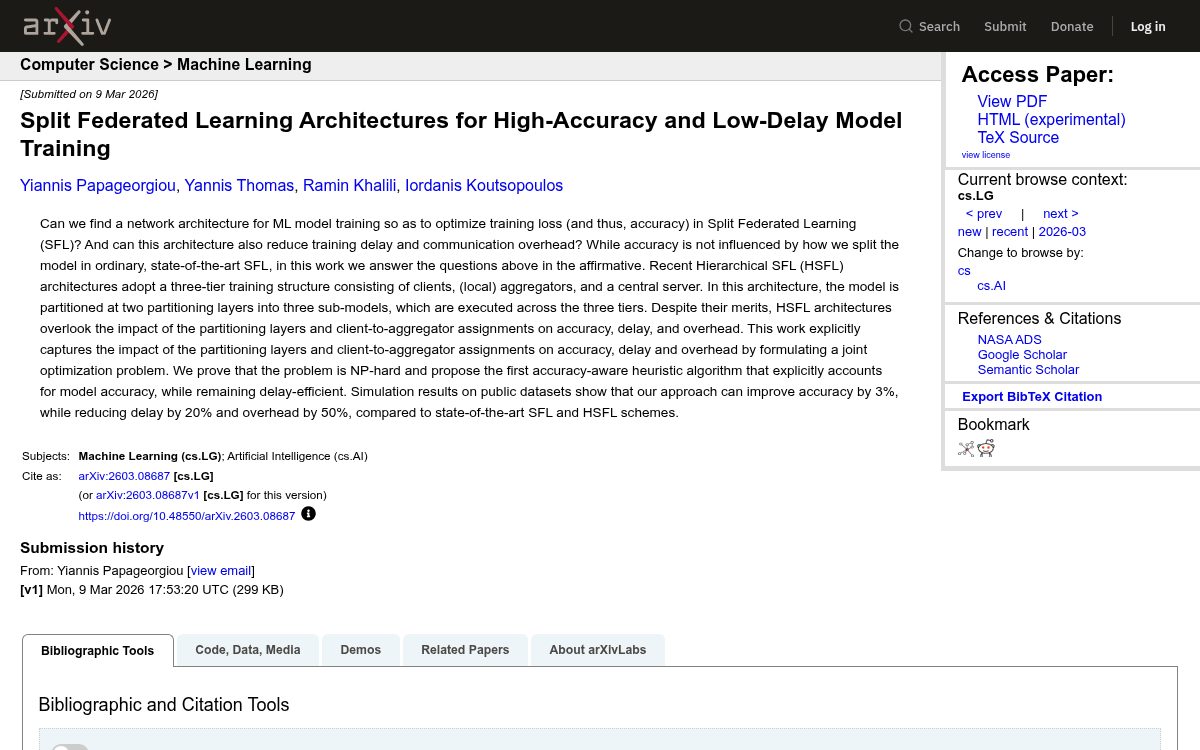
A new algorithm for hierarchical federated learning jointly picks where to split a model and which devices act as aggregators, cutting training time by 20% and bandwidth by 50% while boosting accuracy by 3%.
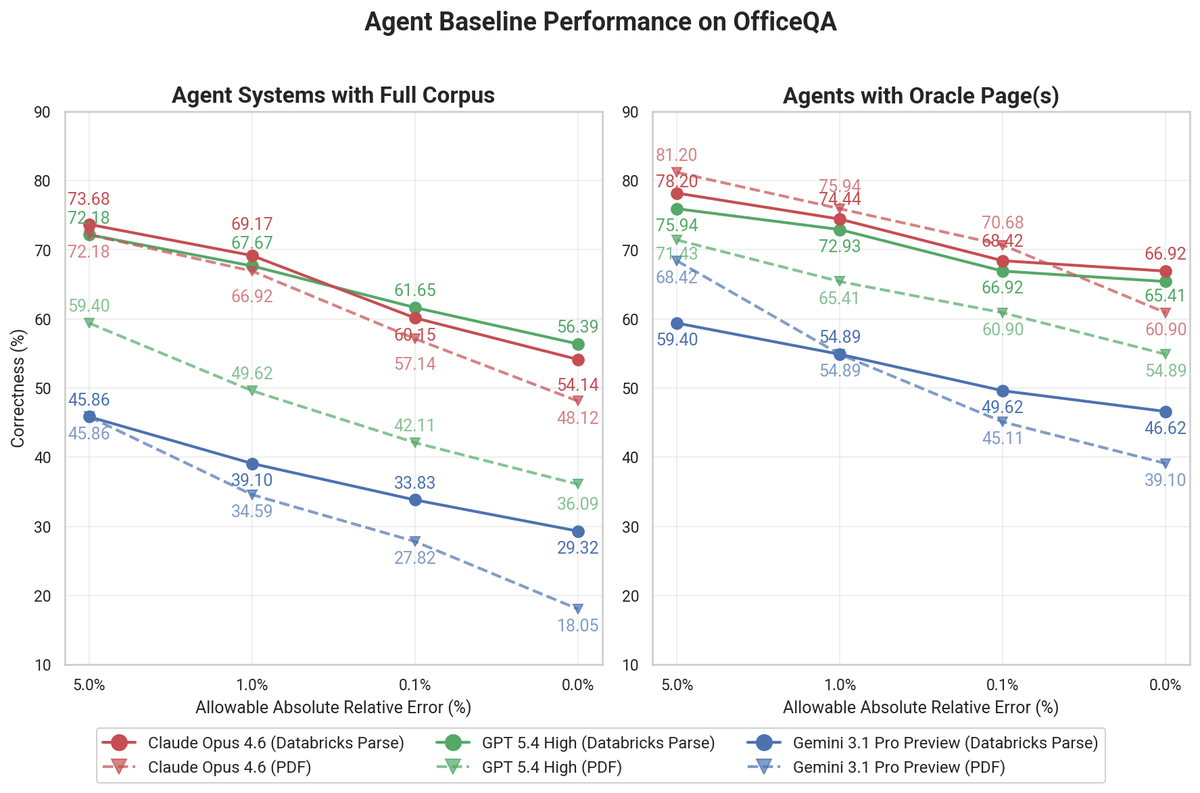
Databricks' OfficeQA Pro benchmark exposes a brutal gap: frontier AI agents score under 50% on real enterprise document tasks that any financial analyst could handle
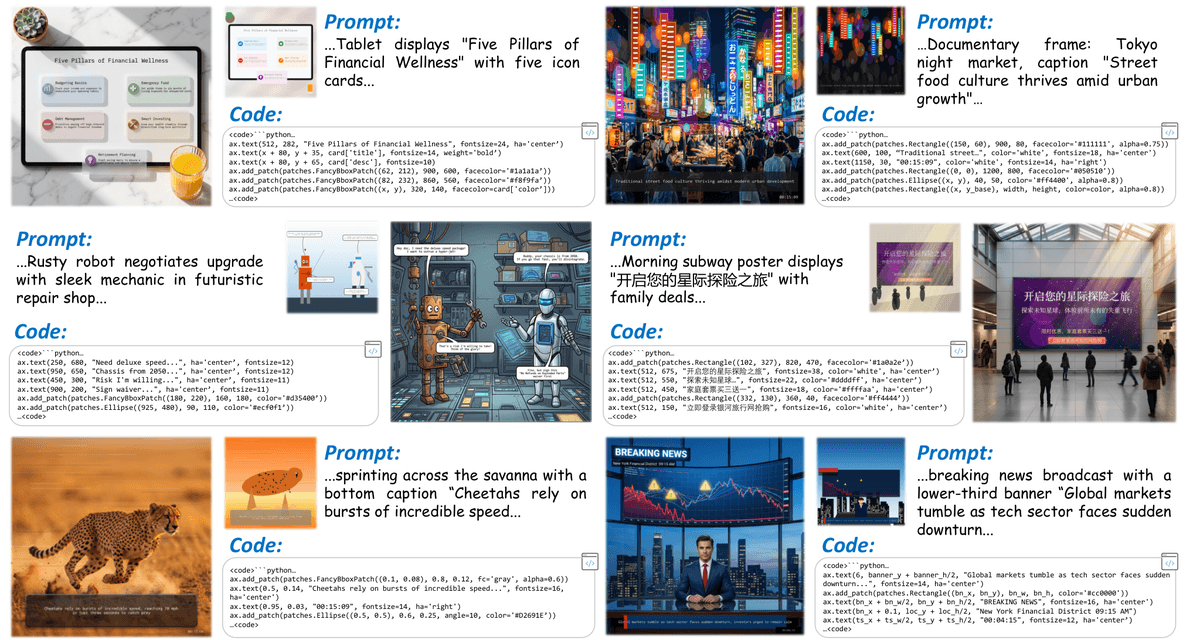
CoCo replaces fuzzy natural-language planning with executable code as an intermediate reasoning step, unlocking precise layout control for structured image generation
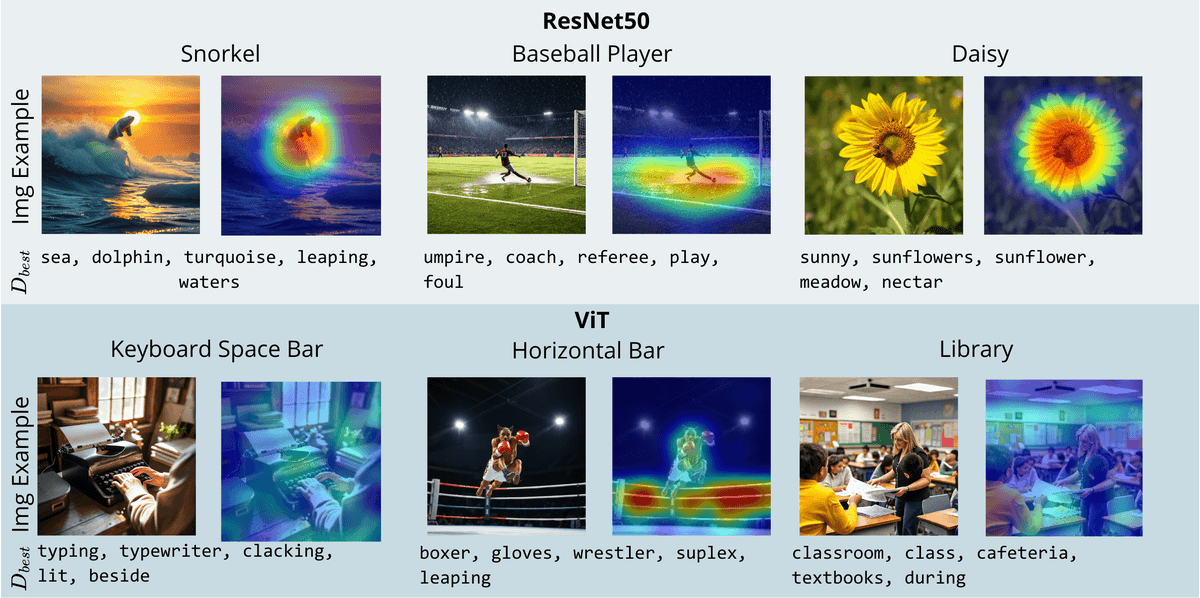
UNBOX audits black-box vision classifiers using only output probabilities, LLMs, and diffusion models — no weights, gradients, or training data required
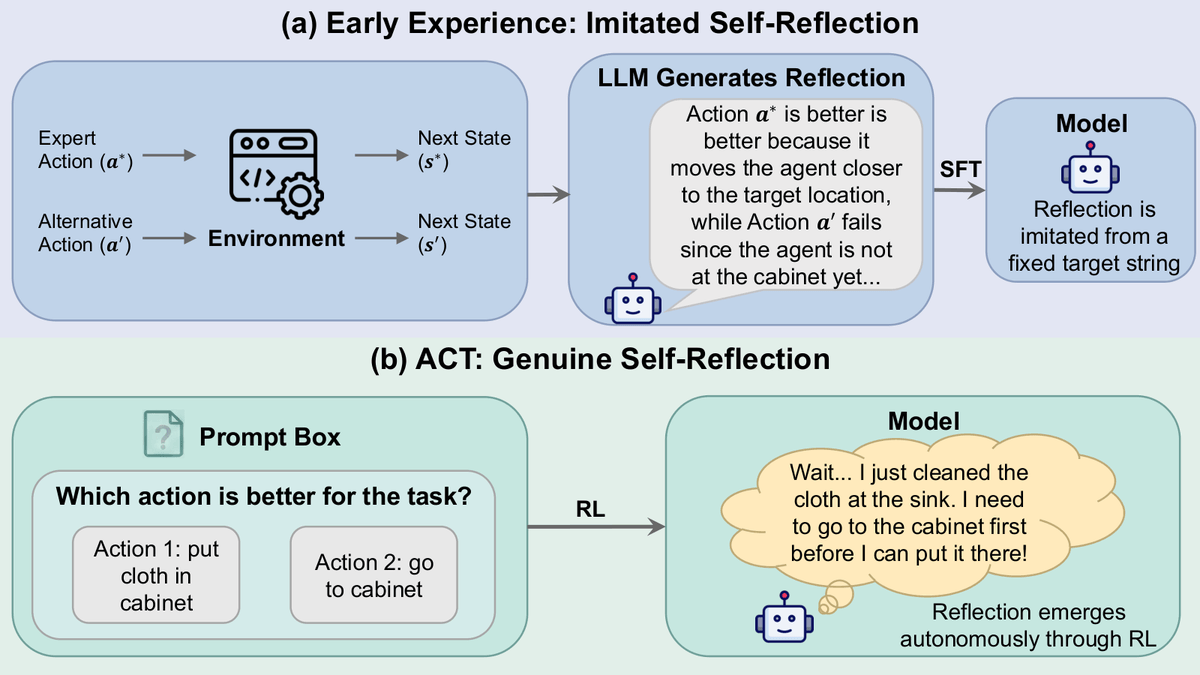
RetroAgent teaches LLM agents to learn from their own mistakes using dual intrinsic feedback, beating GRPO baselines by up to 27% across four agentic benchmarks.
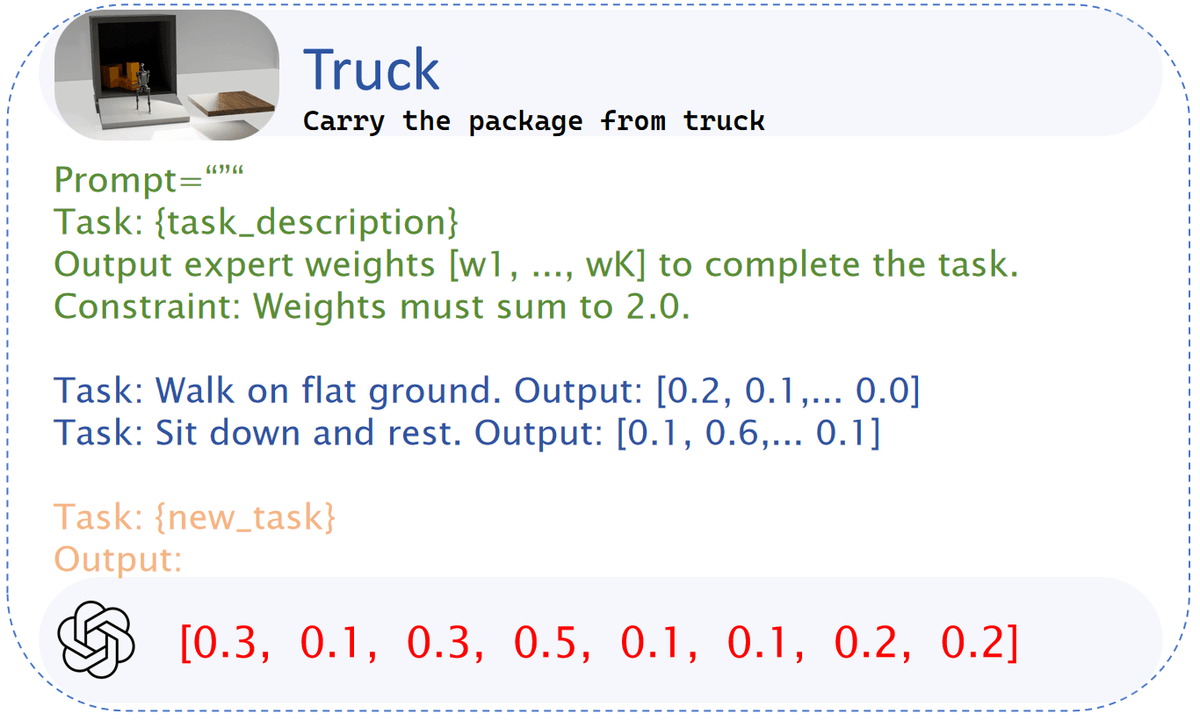
MetaWorld-X uses a VLM-orchestrated mixture of expert policies trained on human motion data to give humanoid robots natural, composable whole-body control — beating TD-MPC2 by up to 31x on success rate.
GlobAlign replaces local GNN embeddings with global self-attention, cutting graph alignment error by up to 20% while making the efficient variant 10x faster than OT-based rivals
Echo2ECG teaches a 7M-parameter ECG model to detect structural heart conditions by training it against full multi-view echocardiograms, beating models 18x its size