New theoretical bounds show that graph connectivity, not just representation quality, fundamentally determines how well Laplacian-based RL state representations can approximate value functions.
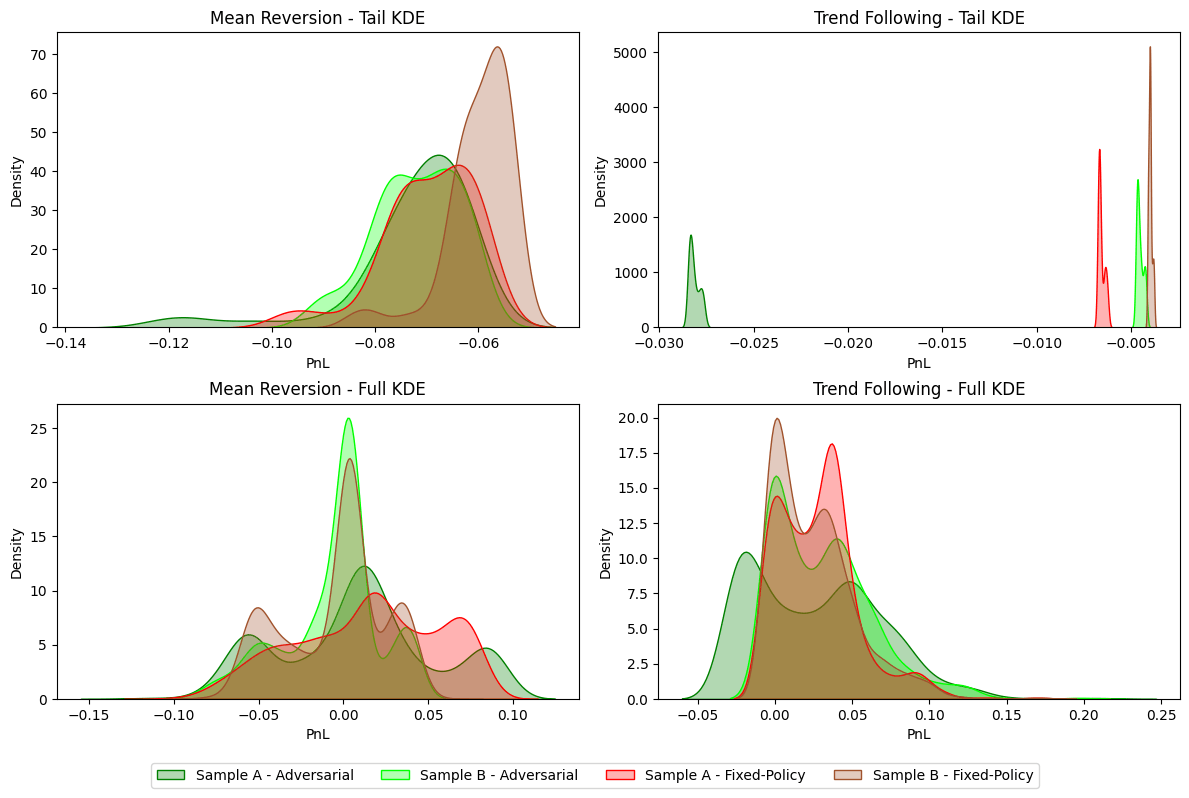
GAR trains generative models directly against financial risk objectives, producing market scenarios that stay accurate even when trading strategies shift unexpectedly.
ProReFF learns where objects live in 3D space from raw RGB-D video alone, making robots 20% more efficient at finding objects than the best existing baselines
PolarBear replaces fragile benchmark scalars with a Bayesian racing procedure that finds which optimization algorithms are truly unbeatable — at any compute budget
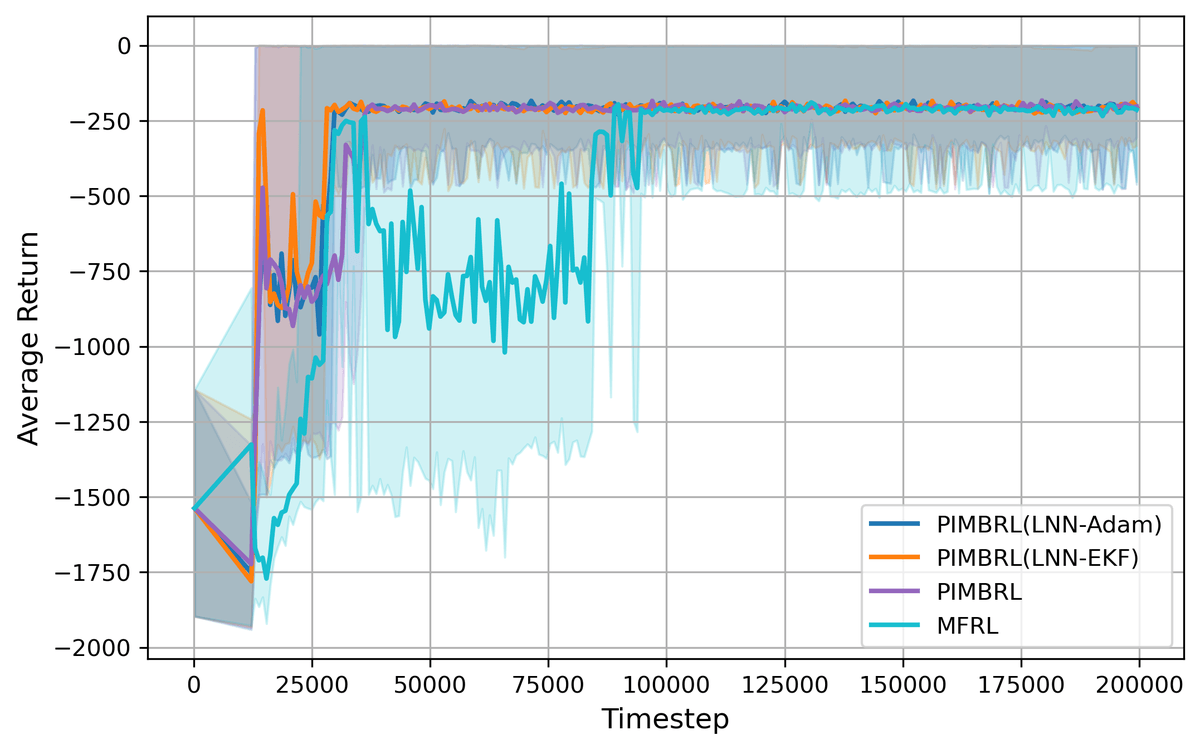
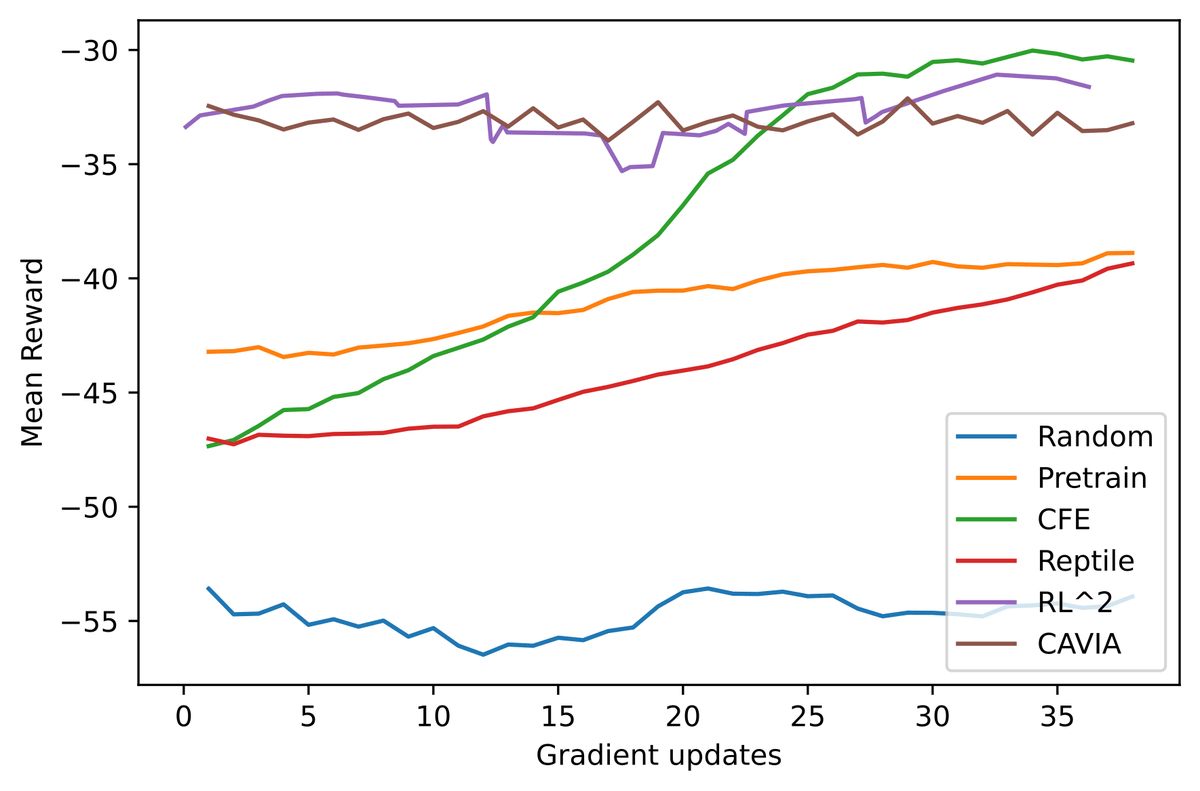
Researchers from Aalto and Helsinki replace black-box dynamics models in RL with physics-constrained Lagrangian networks, cutting the sample cost by 3x over model-free baselines.
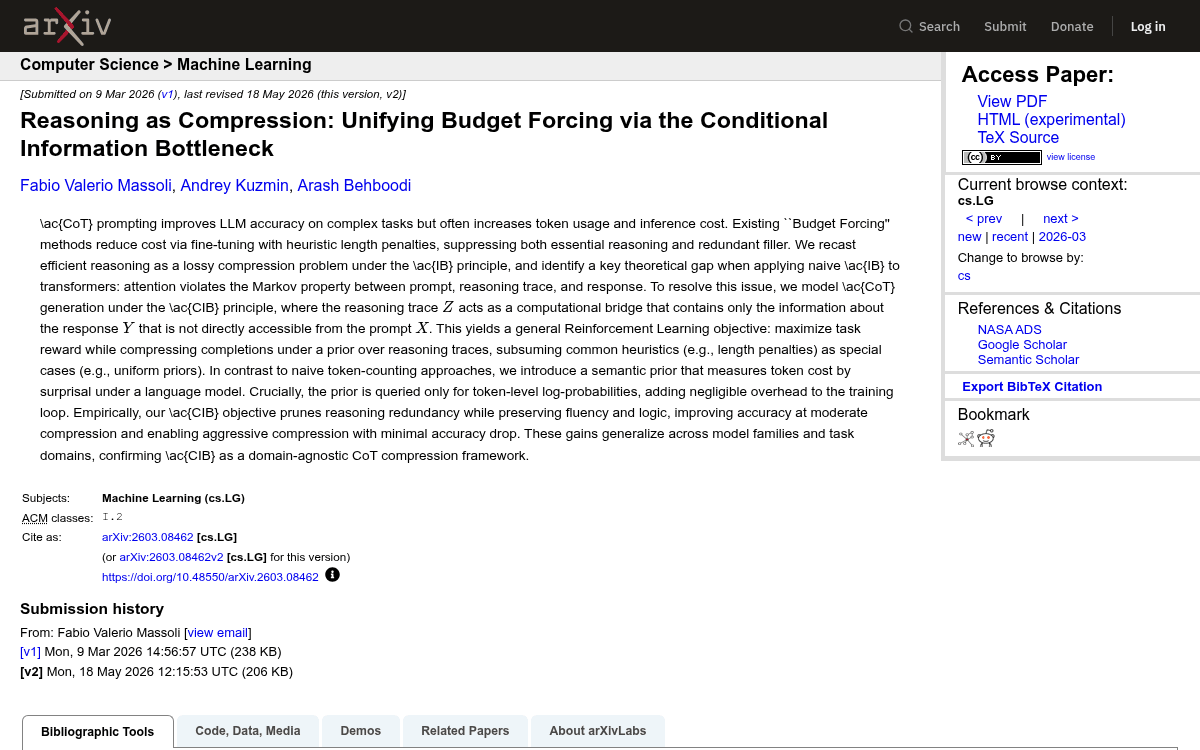
Qualcomm AI Research reframes Chain-of-Thought compression as an information theory problem, cutting reasoning tokens by up to 48% while improving accuracy
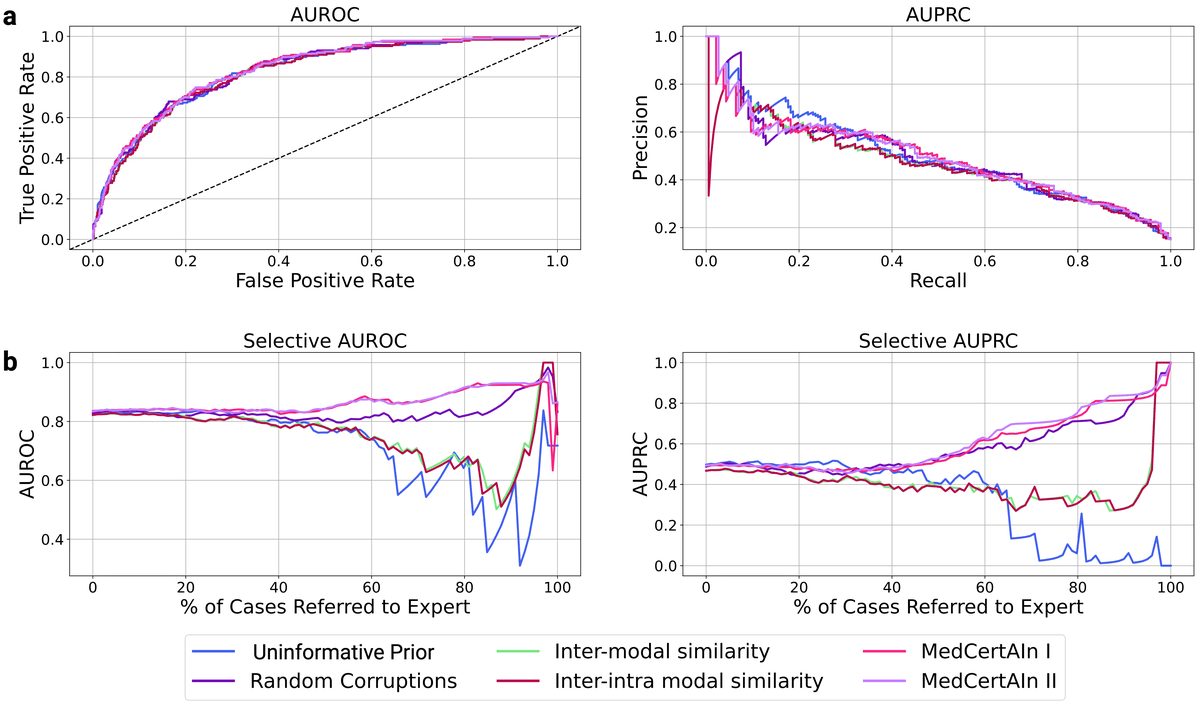
MedCertAIn uses Bayesian learning and self-supervised priors to tell ICU clinicians not just what it predicts, but how confident it is — cutting uncertain cases before they reach a decision.
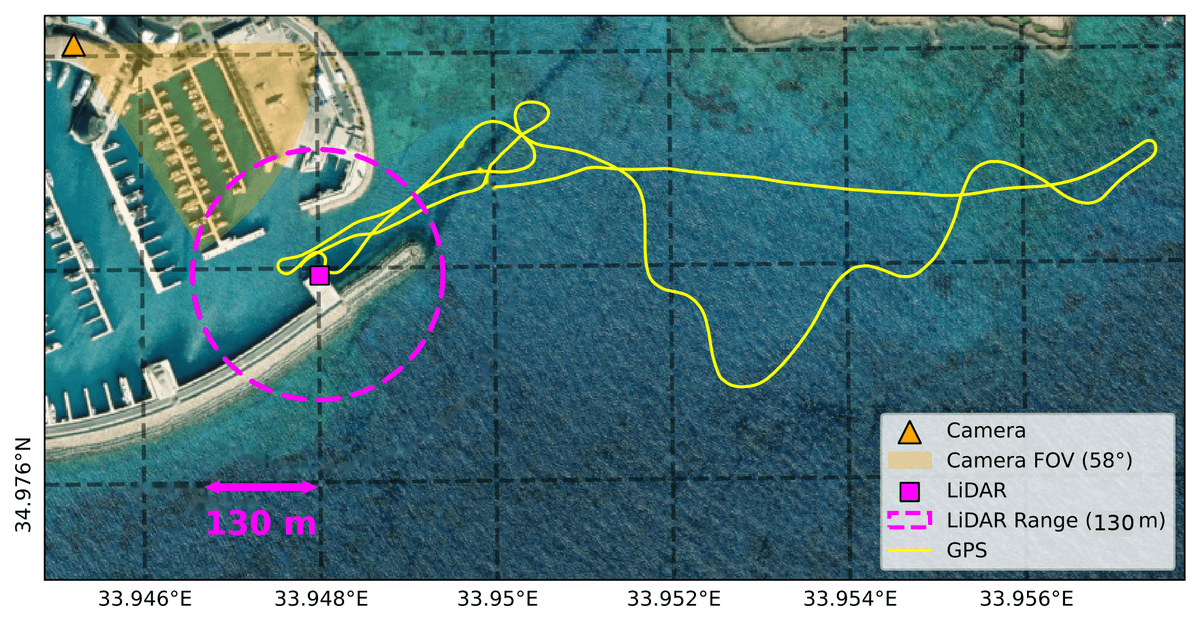
A particle filter that picks between LiDAR and camera on the fly -- using information theory -- cuts compute while maintaining vessel tracking across all ranges.
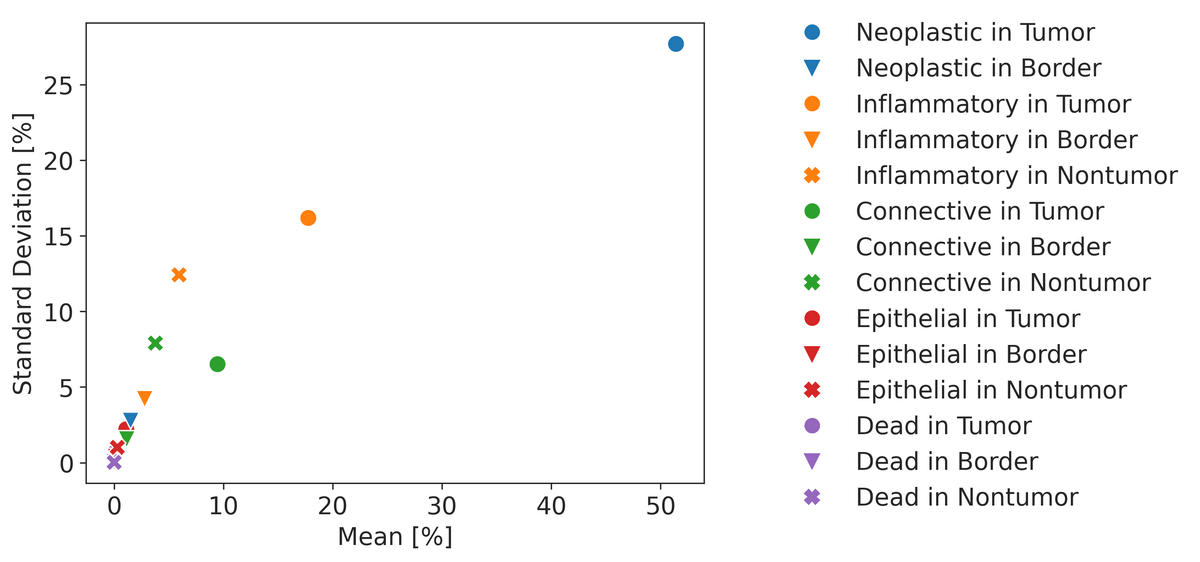
A TU Berlin-led team introduces xMIL, a label-free evaluation framework and large-scale benchmark revealing which explanation methods actually reflect how MIL models make decisions in digital pathology.
A new proof finally gives GP-based reinforcement learning the tight, clean regret bound it deserves — without assuming bounded state spaces or strong kernel smoothness.
Airbus and NTNU researchers show a neural-augmented Kalman filter can navigate by Earth's magnetic field with zero pre-flight calibration, matching offline-trained models
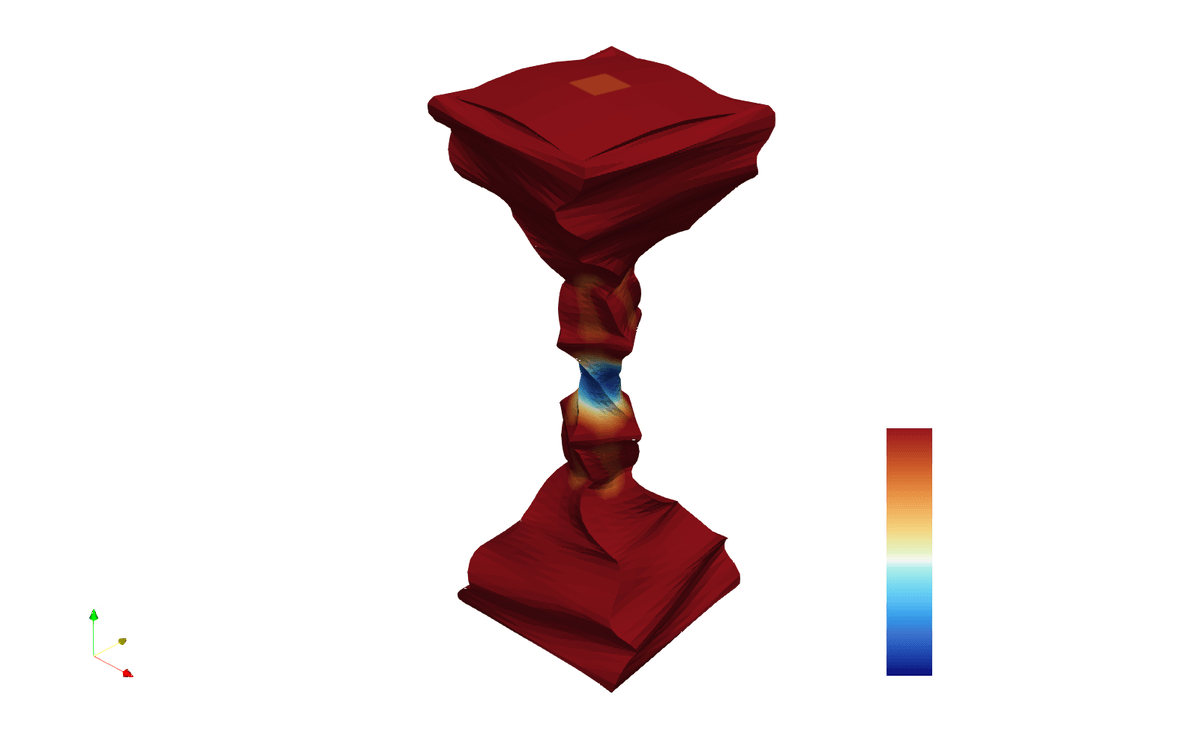
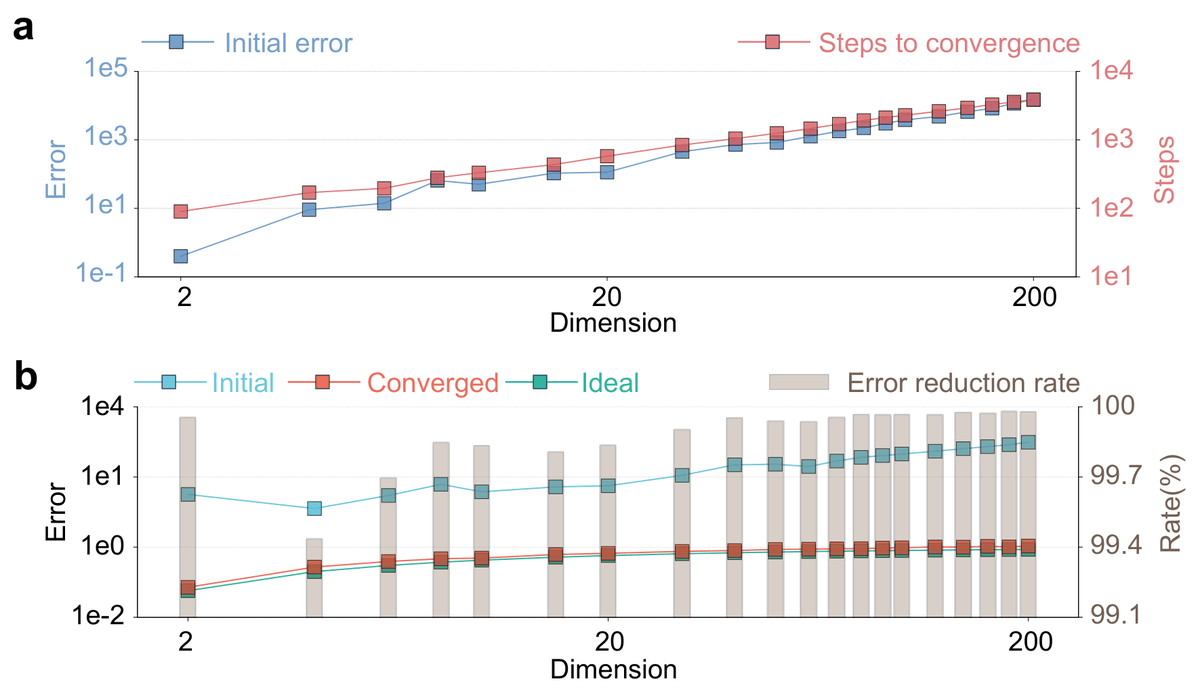
PolyFormer uses physics-informed ML to reshape complex constraints into simple polytopes, delivering up to 6,400x speedups and 99.87% memory savings on real engineering problems